1494: Beat Stage Four Melanoma: Navigate Clinical Trials and Advocate for Your Health with Survivor and Patient Advocate TJ Sharp
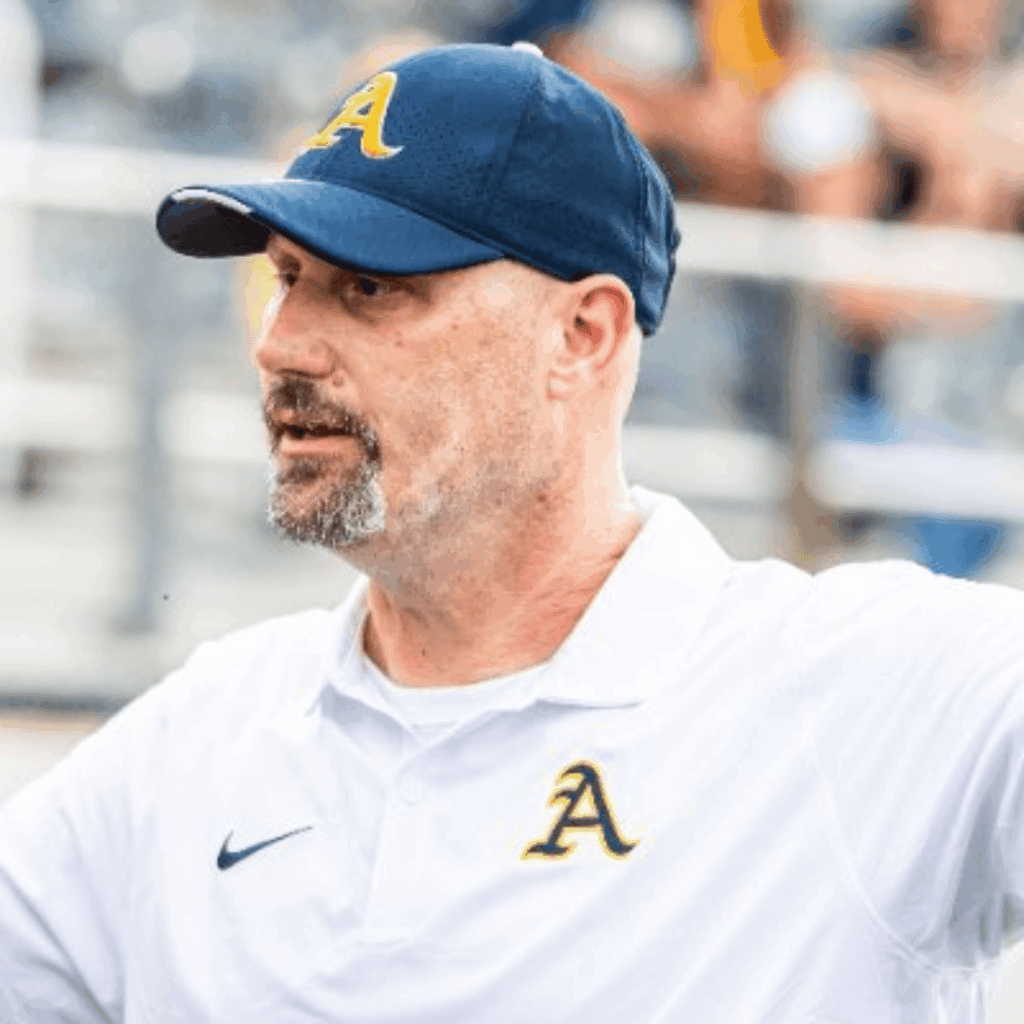
T.J. Sharpe covers Patient Advocacy Playbook in this Marketer of the Day episode. T.J. Sharpe beat stage four melanoma by mastering clinical trials and getting the immunotherapy that worked. After a stage 1B mole removal at 25, he returned 12 years later with an 8 cm tumor and spread to lungs and liver. In 2012 chemo meant an 18-month median lifespan, so he studied immunotherapy, sought trials, and refused the "nine out of ten" five-year death math. When his first trial stalled over an unsigned contract, he called the sponsor and got the paperwork moving. That T-cell sequence failed, but a second trial shrank tumors by half in 12 weeks and became the drug Keytruda. He now consults and keynotes on patient-centered research, translating hard science into choices patients can act on.
TJ Sharpe is a stage four melanoma survivor, nationally known patient advocate, keynote speaker, digital health technologist, and consultant to the life sciences industry. Drawing from personal experience and his work in clinical research, TJ empowers healthcare and pharma organizations to prioritize patient-centric approaches to trials, communication, and support. He shares his story to inspire others facing adversity and to promote transformative improvements in healthcare.
In this episode of Marketer of the Day, TJ Sharpe joins Robert Plank to recount his journey from being diagnosed with melanoma in his twenties, through a life-threatening recurrence that led him to cutting-edge clinical trials, to his eventual recovery and the launch of his advocacy career. TJ details his navigation of the medical system, the emotional and logistical challenges faced by patients, and how gratitude and support systems are as important as medical interventions. The discussion spotlights the importance of accessible, transparent information, and patient empowerment within clinical research. TJ also describes his consulting work to help organizations incorporate patient voices and streamline drug development for the benefit of all.
Quotes:
“If you don't know all your options, you're not making the most informed choice for you.”
“Finding your ‘ninja’—that support person—makes all the difference in getting through a cancer journey.”
“It's not just about surviving cancer, it's about making a difference for millions more who will walk this path.”
Resources:
- Visit TJ Sharpe's Website
- Connect with TJ Sharpe on LinkedIn
- Follow TJ Sharpe on Facebook
- Follow TJ Sharpe on Instagram
- Follow TJ Sharpe on X
Podcast: Play in new window | Download (Duration: 35:23 — 48.6MB) | Embed
Subscribe: Apple Podcasts | Spotify | Amazon Music | iHeartRadio | Podchaser | RSS
Transcript
Download transcript (.txt)He beat stage four melanoma, he survived two failed clinical trials, and he hacked the system to get the drug that saved his life. It's Mr. TJ sharp, a patient advocate, and he helps top pharma companies stop treating patients like paperwork and start designing trials with people in mind, we're here on the marketer of the day podcast with Robert plank. We're brought to you by D FY podcast.com we handle the back end so you can podcast for impact visibility and real conversations. But the conversation we're having today is about this amazing man who, 13 years ago, was told he had two years to live, and he's flipped that switch from accepting or from refusing to accepting, right? He went from from one to the other, and now he has carved out his own niche. He has an amazing story and a message to tell us today. So Mr. TJ sharp, glad to see you, glad to be speaking to you.
Thank you, Robert. It's great to be here, and it's always nice to tell a good story. Hopefully this is one that will resonate with the audience and in a number of different ways, since we all are going to, I'm sure, have healthcare challenges in the future, but also people who are listening to this, who are also in the business of building their own their own business or marketing themselves, or something that they believe in, which is part of what I do right now too.
Of course, you have to do something, or you have to stand for something. And if you can turn a bad into a good, even better. And man, the cancer stories, they really hit your heart, don't they, because it's like what we all know, someone, friends, family, we're connected to someone that has cancer in some kind of way, and you feel like, well, if we're lucky enough to get old, we'll get some kind of we'll get some kind of cancer, right? Breast cancer, prostate cancer, skin cancer. But then I know with your situation that you can get it at any age, and it's just kind of this, kind of, this, this creepy, scary, just think that it's like, it's it happens, it's so common, and I get the weird feels when people talk about it, just because of the all the family connections. But it seems like the cancer survival stories are so much hope, positivity and just, you know, good out there that people talk about. So I'm curious about what your cancer story is and what we should know
Sure, I will give you as best I can the short version of this story, because there's plenty of details in there, but for the for the audience listening and for you, Robert, when I was 25. I went to the dermatologist, which everyone out there should be doing, regardless of your skin tone or color, I went to the dermatologist and had him look at something, something else I rash. I got on my foot, my my sandals, and had him remove a mole from my my clavicle. Turns out that was melanoma, stage one be melanoma, and I was fortunate enough to get it removed and went on with what I thought was a normal life, even as a, you know, as a young adult cancer patient, which was sort of that first scary moment for me. But I thought, Hey, okay, I got through this. I am going to do all the things that I should do. You know, wear long sleeves, floppy hats, lots of sunscreen. But then I also moved to Florida from New Jersey, what you would think would not be the right, the right choice for someone with with a with a skincare concern, one of the things that I continue to do was was be safe in the sun. What I didn't realize was that melanoma was still in me the whole time, and 12 years later, already after the birth of my son, our second child, I went to the hospital with what I thought was a spiking fever, and left 16 days later, they had they had removed an eight centimeter tumor, it's about the size of a grapefruit, from just off my small bowel, and I had tumors in my lungs, liver and spleen. The doctor, at the time recommended chemotherapy, which was the standard of care in 2012 what the doctor didn't know and what I did know, because I had spent 16 days googling melanoma and stage four melanoma and things like survival rates, what I knew, if I took that chemotherapy, that I had about an 18 month median lifespan, so that you know, patients with that diagnosis had that expectation, and that nine out of 10 people who was given that diagnosis and took the standard of care treatment would be dead in less than five years. So when you have a two year old daughter and a four week old son and you hear those odds, you go to, okay, well, this, this, this is just not going to work for me. What other options do I have? Unfortunately. I didn't really know much about clinical research at the time. I hadn't knew enough to be dangerous, I guess is the right way to put it. I had worked in the pharmaceutical industry as an IT professional in my early career, and in my mind, clinical trials were what other people did to get medicines approved, never realizing that at some point I would be that other person. I was fortunate in this journey in a number of ways that my clinical research, my entry into clinical research, just happened to be with stage four melanoma, which at the time was where the very first progress was being made in the field of immunotherapy. For listeners out there, you've probably seen some some ads on TV for a couple of drugs, more than a couple now, but the world of immunotherapy, where your immune system is harnessed to be able to attack the cancer itself, rather than chemotherapy, which sort of just blanket kills good and bad. That was really just at the at the the early, early stages. It had happened to be in Stage Four melanoma. So I got the right cancer at the right time, for lack of a better word, I went to go. I live down here in Fort Lauderdale, Florida, and went to a great Cancer Center in Tampa. Tried an immunotherapy combination, immunotherapies there the trial. I was the first person to try the sequence where they sort of plugged, you know, one immunotherapy inside of another one. It was a T cell procedure. So, very personalized medicine. Really, really advanced science the and being the first person to to do it, I actually got to start my advocacy advocacy career by writing a blog in philly.com which is where, you know, where my where my roots were outside of the Philadelphia area. And I chronicled my journey for the next five years over these two clinical trials,simply by writing about what was going on for me and explaining what was going on in the world of immunotherapy and how patients were now seeing these amazing results, that 10% survival rate with some of these drugs we've now, we've now seen 50, 60% five year survival rates as high as almost 70% in Stage Four melanoma with a combination therapy. So at the time, I was in front of all of this, and we, we as patients, didn't really have an idea. However, I did connect with a lot of patients during that time, and was guided through my journey with the help of a lot of people who were either going through what I went and was going through or had gone through it, or had a loved one that gone through it, some of which didn't make it. Unfortunately, when I, when I, we did move over to the Tampa area, had was on the trial for four months, had a few hiccups in there where the contract wasn't signed, because I was the first patient on it. They were still waiting for the contract. So it took me actually calling one of the sponsor companies to have them like to tell them that this is, you know, for you, this is a piece of paper, but for me, this is my best chance at seeing my kids grow up. And I'm not going to wait here for your paper to be signed, to take that chance or miss that chance altogether. So fortunate, you know, having a couple, you know, had a had a colostomy bag for a couple of years because of one of the something that needed to do for the for the surgery, for the for the trial, and turns out that it didn't work, that I that I did fail the trial. The first one made a very difficult decision to leave a great Cancer Center, to come to my local community. Hospital here, because the second trial was there that we thought was my best chance, and when we moved back, it was to I left an incredible oncologist, a guy named Jeff Weber, who, unfortunately, just passed away and went to a small hospital that didn't have the infrastructure or or the or the probably the expertise that some of the major cancer centers had, but they had what I thought was going to work best for me, not just medically, but also quality of life and the ability to kind of live back under our own roof, which was, you know, we, we spent the first, first holidays of my son's life in a small rental house in a great place in outside of Tampa. But, you know, we wanted to be home, so I got him the second trial. And it, it Changed my life almost immediately. Within 12 weeks, my tumor shrank to half their size, even even though I didn't get scanned, I could actually see little tumors over my neck. They looked like they were shrinking, and it was a wonderful experience, not just because of the medical miracle that was happening, but because I was part of something that was going to change how cancer is treated for everyone, maybe not everyone, but for for many, many, you know, hopefully millions of people. I got on the second trial for a drug that's now known as Keytruda. And there's other drugs are out there that are also just as effective. I just happen to be on on the trial for this one, and the immunotherapies that Keytruda and similar drugs are a part of are have impacted cancer treat treatment in a way that I don't know has happened in our lifetime, that's a it's that's a big statement, but it is changing not just the results that that people are getting, but the ability to live a life with two little kids that that allowed me to with fairly little side effect, to to live normally, to get healthy, not just to, not just to cure cancer, but for have my entire body respond. Well,
yeah, amazing. Well, you've been on an adventure, and you've learned a lot. And I always, I just hear little tidbits in the news. Right as a lay person, they say, you know, there's this new cancer treatment, there's this new therapy. It just, you hear about medical news just almost on a daily basis right there. Like, if you and if you get cancer today versus if you got cancer decades ago, it would be like, such a death sentence. And now it's like, if you get it early, if they can try different things on you, it seems a lot more hopeful. And I feel like it's, it's from hearing your story. It's so important to learn and be curious and get an education. And I can only imagine, like you said, there's navigating the paperwork and the red tape, but then also, like the the science of it, right, and getting the moral support and all these things where it seems like it's good to have that healthy curiosity, but then I guess the paradox is that if we ourselves don't have, like, cancer or life threatening medical issue, it's just kind of like surface level, right? It's not something we can apply in our day to day life, but it is still good to, like, get a little bit of the knowledge about it. And so I'm curious about now what you've turned this into, right? You've turned this crisis into an opportunity, and now you're a patient advocate. So can you tell me, like, like, what that transition was like? You had this scary cancer journey, you did the clinical trials, you were on the way back up, and it seems like now you say, you know, you've accumulated all this knowledge, you've lived through all this. Now it's time to, like, put it to use to help others.
Yeah, it would be a shame to beat cancer and get all this, the knowledge and the connections and the information that I got, and then just, you know, kind of go back to, like I said, go back to being an IT project manager, which is my career prior to the cancer journey, I mentioned that I was I wrote a blog. I had 200 blog posts. I'm actually republishing them all on sub stack right now. So shameless plug if you want to kind of follow along in the journey 13 years later. TJ sharp, that sub stack.com is where you find it. I'm about not even a quarter of the way pushing them all back out. They the ability to communicate medical information to my family and friends was what started all this writing. I was fortunate. My brother worked in the Philadelphia newspapers, and by chance, got me the opportunity to write. And it was very, very healing for me, but also was motivating that that there are people that probably needed to hear some of the things, the ups and the downs, and I mentioned earlier that there were patients and caregivers out there that helped navigate the system for my wife and I, when I started writing, I kind of had that same mentality. People help me. So how do I sort of pay it forward? How do I communicate this really complicated information into something that that people understand? If you've been into a cancer center before for whatever reason, if you've had to sit there and hear a diagnosis being given, especially for the first time, and talk about things like treatment options and success rates and medium lifespan like those are really hard, difficult things to hear, especially if you don't have a background in it, which I don't. I was a I was a decent student, but biology was definitely not my i. My best class. So when you hear scientific stuff that goes with heavy life things, it's almost impossible to process everything, remember the details, and then be able to take what you've just heard and then go make life altering, potentially life saving, decisions on it, when I write about it, when I've written about it, when I speak about it, I try to turn what I've learned into something that's digestible by someone who might not understand the science, someone that might be in the emotional or mental place of confusion or distress, and need someone to give them a straightforward insight into what the what the patient world looks like, what what is this journey that I may be undertaking, or someone I love maybe about to undertake, and how do I manage the process the information that's being given to me and then make the best decisions for myself, or help the person I'm supporting make the best decision for them. So as I started out to be in an advocate, my mind was, how do I help others who are going to walk this path?
And it seems like that skill that you mentioned there, like distilling the signal from the noise, that's like the number one skill in this day and age, right? It's like, it used to be, well, there was, like, a lack of information. Like, I was reading some stories where, like, sometimes, like, they, if the cancer diagnosis was really bad, they tell the family members, but not the patient. They'd be like, well, he's only got a couple years to live. Why tell him anyway? Like, barbaric, right? And but now we have all this information. Now it's like, now the new task is to figure out what's important. And so I'm really so it's, it's great that there are these resources, right? If someone is fighting for their life in the way that you were, they can do this kind of reading. But I'm curious about, like, have you ever explained like, like, cancer one on one? Like, if someone says, Okay, I've got cancer, of, like, any type, and there's like, they can cut it out, they can do the chemotherapy, and it's important to not be in denial, get it treated early. Like, do you have like, a one or two minute spiel about just like the basics of cancer treatment, if you can Pardon my ignorance.
Is it a spiel? I would say it's probably more of a personalized conversation. There are things that get repeated, I think over and over again when I do talk, especially when I do talk with people about their their current situation, the the three things I think that pop in my mind that always happen are, where do I go for good information? That's the first thing that everyone is, you know, I've Googled this, what do I do? Where do I go? And, you know, my my suggestion is always, find trusted sources of information that can give you a balanced, a balanced view of what you're going to do. That's the first thing. The second thing is fine. You know, find your I called it find your ninja because that's my buddy's nickname who helped me find like my clinical trials. But find your ninja, find your advocate, the person or the team that is going to help you kind of put the wins in your sales if you try to do all of this yourself, you know. And hopefully, most people have those, those people in their lives that can support them, find them and rely on them. It's, you know, most people who get this diagnosis are going to have a hard time asking for help. It's it's just human nature. And if you're lucky, like I was, to have very supportive family and friends, they will step up. But it's okay, once in a while to say to someone, Hey, can you help me with this? Or can you do some research here? You know, we do it right now for another dear friend of ours who is going through her cancer battle. So you know, finding that that ninja that's going to help you really support, understand, do the reserch, you are not fighting this alone. And the third thing I will say, and I don't say it enough here my own home, is to thank the people who are taking care of you, that's the physicians and the nurses that is your spouse or your parents or your children, whoever it is that is providing that care and support that you're probably getting more than they are. I know when we just talked about this past weekend that when my wife would get a call when I first was diagnosed, it would be like, 10 seconds of Hi, how are you? And then all about, how is TJ doing? And I recognize very own. I'm like, Hey, like, she doesn't have the support that I'm getting there. She needs to have her her people too. So you know, as much as I probably should say it more to Jen. Uh, if you're out there and you're going through this, recognize the people who love you, and then who are in your corner are the ones that also need support too. And that's that's really not scientific stuff there, like you, you'll be able to find the right people. I think the first one had some of that to it, but that's really the mental and emotional challenge, the support that you're going to need as a as a patient or or the support you're going to provide as a caregiver or loved one to help get the entire group you know, sort of the family of people who are going through this to the right place and to the right treatment. And to the right emotional and mental state.
Wonderful. So in essence, it's have a support system and know what that is, and develop it and nurture it. And that means where you're getting your research from, who's your ninja and who's helping you, spouse, family, nurses, all those that bucket of people, and you're saying that gratitude is so important, and expressing it, because it's a team effort, right? You can't go this alone. There's many doctors, scientists, lab people, etc, that are in your corner who want you to live, who are rooting for you in so many ways. And so we've said a little bit about how now you've kind of turned this into a business of helping others. So like, like, what is that? How does that make money? What's the service? How does someone know if they're a person to contact you?
So a lot of what I've done there, there are definitely advocates out there organizations that that are built for supporting the person at an individual level, and those are great organizations. There's some melanoma ones, there's some pan cancer ones that are just the amount of support out there is is striking once you start looking for it and finding it. What I do is a little different. So I've made a career about being an educated patient. I go to a lot of conferences. I have like, a wall of badges that sit there and I don't, I don't just speak. I'm fortunate that I was able to get a voice in this community very early, both from writing the blog and from being introduced to people in clinical operations, which is the business that runs clinical research. So it's not just the pharmaceutical companies who sponsor it, it's also the sites that the research is done at. It's all the service providers that have the software and all everything, like any business out there. You're surprised at how many things go into being successful. Well, when you're talking about medical research, there's probably more checks and balances and safety considerations in there than just about anywhere else. So I get to represent the patient voice for a lot of those companies. I work with pharmaceutical companies and other people who are sponsoring research, who are trying to get medicines approved. And I bring the patient voice there. I bring in the perspective, not just hey, listen to TJ story, but hey, TJ has gone and talked with 1000s of patients in the decade plus. He's been in advocacy, and he's heard 1000s of stories, and he's understood the uniqueness behind every person's story, but also pulling out the threads of commonality that patients struggle with a lot of them, is, I kind of summarize it in, you know, finding the right treatment for the right person at The right time. And there's a load of level, loads of things in there that that that you have to consider, that you can try to adjust. What I try to impact most is making sure that that clinical research in particular, is a care option for as many people as possible. I wasn't presented with it by my original oncologist, at least not nothing that was a was a possibility for me. So being able to have all your options so you can weigh them and make the best choice, I I firmly believe that if you don't know all your options, you're not making the most informed choice for you. And if that, if that's buying a car, or, you know, looking for your your new suit, all right, so you might not like the suit of the car you get, but it's not going to impact your health or your life when you're looking into something like cancer that you don't want to make an uninformed decision. So I try to bring that perspective into clinical research, where we are able to give as much patient input into the design clinical research, into the communications around research. So that's not just sort of the, I hate to call it. It's not marketing, but it's all it's it's the the recruitment of. Patients to trials. And that's going from come join our trial, or this is the trials that we have at this particular location to this is a person with this condition and this medical history, and these are the the treatments that are most likely to impact them. And where can this person get those treatments. That's the kind of mentality that I bring to the pharmaceutical world and to the people who work in clinical research. So I work as a as a consultant to to a number of different companies, to a lot of technical health companies running these patient engagement programs, or bringing patient insights, much more than just my own patient insights into them, so that the people who develop medicines can develop them in a manner in which they are patient focused, in a manner in which they're actually meeting patient needs, and in a manner in which it takes the burden off of patients insights to participate in trials, so that medicines in trial get developed safely, quickly and efficiently, so that they can get to the masses as soon as possible. My trial, that I was on the second one for Keytruda, supported its initial approval. And it may have been, I'd have to go look, but it was one of the, one of the fastest cancer drugs, if not the fastest from, you know, first in human which is like the first time you tested on somebody to approval. And it was, it was a matter of a few years, which, in an industry takes almost a decade. It's almost unheard of. But the recognition of how breakthrough, much of a breakthrough opportunity, it was a breakthrough drug. It's actually designation by the FDA how many lives would be impacted and saved if we can create a clinical trial quickly and efficiently and get it and get the data that is needed so that, so that the company, regardless of who it was, can get that drug to the most amount of people.
Very nice. Well, it's great to hear about the transferable skills, so to speak. I know that you said a moment ago that like marketing is isn't quite the right term, but it's there is a skill in all of these things that you said, right? And there's things I'm sure that you picked up in in it, as far as, like debugging the system and getting the lay of the land and getting the minimum viable product. It's just, it's fun to think about, about how, like, there's these things that that are just really necessary in terms of, well, you say, Well, here's the research, here's what I should know, here are the players. And then, like prospecting, putting yourself out there, right? The clinical trials won't necessarily just come to you. You have to go and do your research, but not get caught in the over education and the analysis paralysis. You have to get stuff done, and you have to abide by the rules and get, you know, get people involved. And it's always it's like such a lot to to navigate. And it's great to hear that, well, number one, you're alive and you're healthy, but number two, you're also helping people. And number three, you're kind of on this mission to make things efficient, right? Because, I mean, you hear what with cancer? I mean, it takes a few more years and people die, so it's time is of the essence. We need to get this figured out. And so I know you said that you work with those, the big companies, and this day and age, you never know who's listening to a podcast. You never know who finds you on LinkedIn. So if one of those companies, or someone from some was to look you up and find you, who would you want to be reaching out to you?
I have two, two audiences on top of the consulting business. I actually do keynote speaking, both telling my sort of cancer story with a number of the hurdles that I got through. And I didn't even mention a few of them, because we only had a few minutes here. And that is, that is the the health and life sciences world. But I also, you know, the keynote speaking, I can, you know, I have a I've developed in another, sort of a parallel leadership talk called durable response. Response leadership. It's really kind of a little play on the durable response is, actually, you know, beating cancer. It's, you know, they don't really call it being cure. They say you have a durable response, which is some kind of cute way of saying, Hey, you're still alive. So anyone who's interested in hearing an inspirational story, if you have certainly have a conference or a team event, I do that both versions of both leadership version and the TJ version. And I also have the consulting part of it, where, if you are in life sciences, if you are in healthcare, and you are not sure how you want to, you want to be more patient centric, but I'm not really sure how to do it. Kind of kind of thought, I've had a lot of that where we want to do this, but we don't really know how. That's where I come in. I I don't just bring TJs voice in there. Or, you know, I had six or seven years of starting these programs up and running them at major companies like metadata medical working with big pharma companies like GSK and Merck, simply to enhance that patient voice there. So if you're looking for me, you can find me on LinkedIn, at TJ sharp, and you cn also go to my website, www.tj,sharp.com. Brand new website getting put up by the time this this podcast gets aired.
Very cool. And so if you fit that profile, if you're someone that's looking for either a keynote speaker, or if you are looking to make things more patient centric in your organization. TJ, sharp, is this guy you should be speaking to that's sharp with an E at the end. So that is TJ, S, H, A, R, P, e.com, you can email him at patient one, AT T J sharp.com. That sub stack we mentioned was t j sharp, dot sub stack.com. If you want to give them a jingle, that's 20136240412013624041 but LinkedIn is preferred, right? Linkedin.com/in/t, day sharp. And before we kind of circle back and promote that one one little last time, I want to make sure that we cover the bases we talked about so much, but in these last few minutes, what's the missing question? What should I be asking you? I just don't know to ask you,
Oh, what, you know, what? What my what my purpose is. I think we you and I talked about a favorite quote, and mine happens to be one by a gentleman by the name of Mark Twain, the two most important day in a in a person's life, or the day they were born, and the day they find out why. And the question you should ask me is, maybe, what was that day, and what was that purpose? What was that day? What was that purpose?The day was, and I wish I had the actual date, but I remember sitting in in the hospital, so sometime in August of 2012 right after my diagnosis, and I told my dad, who lost his mother when he was in high school, that I'm not going to let you lose your son, and you're not going to I get choked up even thinking about it, and I'm not going to let my son lose his father. And from this day, I'm not just going to go back to going to work and doing something just to to make money or be successful in what the world considers, maybe financially successful, but I'm going to beat this, and I'm going to make a difference in the lives of the people around me, both the ones that I love here, and those who don't know me and probably will never know that I had an impact in their lives. I didn't even know what that meant at the time. I didn't know how I was going to do that. But it's sort of like, you know, when you kind of call out to the universe or to God or whatever you believe in, and you have that belief in something, that I'm going to make a difference, that when I did that, that's when the opportunities came to to write, to speak, to impact lives that will never know that, that that TJ sharp made a little bit of a difference in there. But what I truly believe is in what I do and then it does make the world a healthier, happier, more more in loving place. So I think that was that day, right? There was the day, and I didn't know it at the time, but that was the day that I really found out what my why was.
Well, wonderful. It's great to hear. I'm glad you're still with us. I'm glad that you you turn this into an amazing opportunity to help others. You figured out your purpose, and you're making quite a wonderful change in the world. So we've been speaking with Mr. TJ sharp. He's a patient engagement expert, clinical research advocate, digital health technologist, stage four melanoma survivor, and he's a keynote speaker and storyteller. And you can find out more about him on that sub stack we mentioned is TJ sharp.substack.com and TJ sharp.com and you can find out all about that cancer journey he went through. And also what we should know, as far as educating ourselves, patient advocacy, clinical trials, it's all important stuff we only have that's one life, that's one body. We have to take care of it, and it helps to also be kind to our fellow human beings. So Mr. TJ sharp, thanks for being here, getting super close and personal and sharing this with us. I'm really glad that you did.
Thank you, Robert. I appreciate you having me on the show, and I hope that people who are listening were able to get something out of it and have a you know, have a great day and appreciate the people. Love them just a little bit more.
Subscribe
If you enjoyed this article, subscribe to receive more just like it.


