1541: LinkedIn Sales Outreach & Lead Generation Using Skoop AI Video Messages with Troy Hipolito
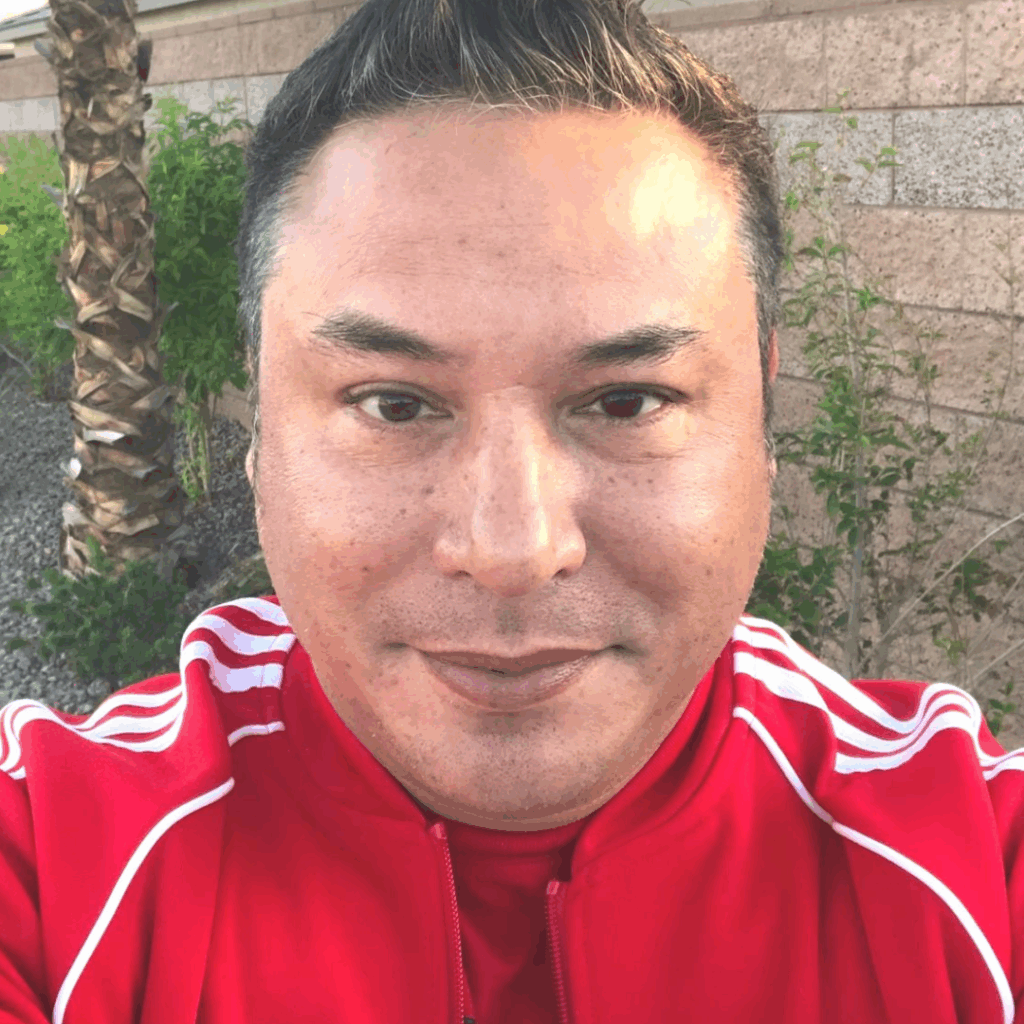
Troy Hipolito covers LinkedIn Sales Systems in this Marketer of the Day episode. Troy Hipolito explains how personalized LinkedIn outreach can turn cold connections into better qualified sales meetings. His system starts with an aligned profile, clear ideal client profile, and a four to five second message that shows who you help. He says LinkedIn money comes mainly from two channels: content and direct messages. Skoop improves the first welcome message by pairing two or three lines of text with a 30 to 60 second raw video and a personalized title. That "context, content, context" sandwich helped move vetted booked meetings from 3% to 21%, a 6x increase. He also uses events, opt-in email, SOPs, VAs, and a 30 minute daily video routine to keep the system manageable.
Tired of random, low-quality LinkedIn calls or no calls at all? In this episode, Troy Hipolito (a.k.a. the “Not So Boring LinkedIn Guy” and former Swiss-Filipino gamification designer) breaks down how he helps B2B and service-based businesses turn LinkedIn into a consistent pipeline of vetted, high-value meetings. After agency work with Fortune 500 brands dried up, Troy reinvented his business using LinkedIn, combining “slow dating” relationship-building with tight systems and clear daily workflows. The result: a predictable process that leverages videos, content, events, and smart follow-up instead of spammy cold pitches and random hustle.
Troy reveals the exact framework behind Skoop, his Chrome extension and dashboard, which boosts first-message-to-booked-meeting conversions from ~3% to 21%, a 6x improvement, using short, raw, hyper-personalized videos embedded directly in LinkedIn DMs. You’ll learn how to fix a “jacked up” profile that repels your ideal clients, why you only really make money on LinkedIn in two places (content and DMs), how to structure free/low-ticket/high-ticket offers that feed each other, and how to use VAs, SOPs, and repeatable systems so you only spend 30 minutes a day recording videos while your backend runs like a machine. If you want more (and better) meetings without turning LinkedIn into a full-time job, this conversation gives you the blueprint.
Quotes:
“There’s no single silver bullet. The core is providing value, but you have to distribute that value across multiple channels.”
“LinkedIn is not a Facebook marketplace. It’s a networking domain. It’s about building real relationships, not just ‘buy my stuff.’”
“We took that first LinkedIn message from about a 3% conversion to 21%, not to a reply, but to a vetted booked meeting.”
“People don’t read; they scan. Anything more than three lines is too much. That’s why the message has to be context, content, context.”
“Slow down and ‘slow date’ your clients. The sooner you realize you’re not a fit, the sooner you can move on with clarity.”
Resources:
Podcast: Play in new window | Download (Duration: 36:09 — 33.1MB) | Embed
Subscribe: Apple Podcasts | Spotify | Amazon Music | iHeartRadio | Podchaser | RSS
Transcript
Download transcript (.txt)We're here with the number one Swiss po game designer in the world. It's Troy hippolito, and he is the not so boring LinkedIn guy. He's here to tell us about how to use LinkedIn for our sales outreach. Make AI work for us that way. It's not a time waster. It's a thing that brings us new business. And we're talking most importantly about skoop. That's s, k, O, O, P. You can find out about it@skoopapp.com and scoop is a Chrome extension and dashboard that increases your vetted booking meanings by 6x using hyper personalized video messages, converts more sales, builds your brand and conversations. And if you've ever been on LinkedIn, and you wonder, how the heck are people posting so much, messaging so much but it seems like there's this blend between the machine and the person. This is exactly the podcast conversation you want to listen to, because Mr. Troy has an amazing service, an amazing Chrome extension that you want to use, and and basically a good kind of lifestyle and workflow to build some relationships, drive conversations against you, with the right people, talk to their right audience. That way you grow your following, make some money, build a business. Imagine that. What a concept. So, Mr. Troy, good to see you. How are
you good? Good. Thank you for the awesome introduction. Yeah, I'll tell you about my my not so boring LinkedIn guy is my title on LinkedIn, and I had to do that because I'm boring as hell. I'm like, dry as toast, you know, and I had to spice it up to separate myself. But previously, you mentioned the number one Swiss Peno game designer in the world. And so I'll give you some context. Back in the day, I had a gamification company, and my mother's from Switzerland, and my father is Filipino, so he's really Asian. And so we just said, you know, Swiss subpoena, we built games. So my number one, being the number one Swiss subpoena game designer in the world. Was actually my pickup line at the bars when I was that was like a younger bachelor, you know. And it was, it was so good because they would say, really, I would say probably, because I don't know any other Swiss obino game designers out there. And so I always thought about, how do you stand out from the crowd? And that goes along with sales. So years ago, we did a lot of gamification. We did pretty well. We had a little crew, and, you know, a really fun environment with the developer and designer work together. But then we ran across a lot of issues, because in Atlanta, I'm in Vegas now, but in Atlanta at the time when we're there, we used to get all our fortune 500 business through the other agencies. So they used to hire us because we had a skill set that they did basically. And so a lot of the Fortune 500 companies are in Atlanta, and they they generally are more corporate, and they start cannibalizing those teams in house. That means the agencies blocked us from work. So we had to use LinkedIn, not because we wanted to, but because we had to. And so we looked at this LinkedIn, and I said, Why is everyone saying go to LinkedIn? This is years ago, of course. I said, What? What is this resume place, right? What is, why do I need to do this? And, and I was very good at systems, but I was not really good at personalization and, and I wasn't. I wasn't a very good dater. I couldn't, I didn't know how to date businesses and, and I also didn't date well in real life. I was very type A traits and stuff. So I just go up to the person and you know, if I get turned out, I really didn't care. And, and just because you you are dating this beautiful woman, for example, she may be an awful person, and I found out real quick, maybe I should use slow dating techniques for for businesses as well as life. So slow dating techniques is really about getting to know that individual, seeing if you could be of service to them, see if you can build that relationship, right? And so that's a slow dating technique. So we combined slow dating techniques with systems. And so those things work really well because they're low pressure. They're building that relationship they're building, that know, like and trust factor over the appropriate amount of time. And so one of those so what I tend to do on LinkedIn for clients, I have a larger program. It's a 90 day program, and I charge them a flat fee, and with that flat fee, I build out all the systems, and everyone thinks that. That? Well, if you do this one thing, you'll make all this money, right? The truth is, in most cases, there's not a single silver bullet that fixes all your problems. And so what I tend to do is, well, the core is providing value, but you have to distribute that value on multiple channels. So one channel is typically not enough. And so what I end up doing is building out these different channels where the audience or the potential customers will be at so they can hear you, they can see you. People can talk about you. And so one of those channels are your LinkedIn profile. There's a high probability your profile is jacked up so it doesn't align with your ICP, your ideal client profile. And so we tend to work on that first with the banner. I'm not going to go too much in the details that stuff, but your profile has to be on point. Has to tell you what you're doing, what you're not doing, who are you working with, who you're not working with, in some respect, and they need to understand what you're doing within like four or five seconds, because if you're connecting with someone, there's a 50% chance to look at your profile from your profile. You have different systems. One could be outreach for connections. One could be outreach for your first level. People like something. Could be outreach for your events. Another channel is your events. One of the channels is your content. Another channel is how do you gather, opt in, email and that sort of thing. There's a bunch of more stuff on there. There's a lot a bunch of more stuff. There's a lot more stuff involved in that, but you get the picture that all these channels are helping each other out. And for example, if you have an event and I have a my program is 15k I only work with one client a month. I'm fine with that, because I have multiple streams of income now. Now, as far as your high ticket offer, people say, well, I need to have an event. And what the chances of them converting on an event is very low. And so they feel like, well, it's really hard to close deals on the event. Well, if you have systems involved, it works a lot better. So if you have content talking about the event, there's more people that are going to attend event. If you have systems that do outreach for LinkedIn groups and people that are are interested in what you're doing, you can, you know, have systems to invite them to the event. You can have a VA do, to do manual work, right? And typical event for me, if I have a four week run runway before the event, I'll get between 200 and 1000 people registered in a month, right? No paid ads. You can do paid ads too. That paid ads work really well, but it's kind of a different animal. And if you're budget conscious, you may not want to always, you know, put money towards that, but it depends on your model. And we had one event that had 300 registrations. Out of that, 300 registrations, 47 people showed up. Now the style event has to be very particular, and I don't really want to get too much of that into that, but at the end event, we had two my CTA is a book call for for the services. We had two meetings. The chances of closing those are pretty low, maybe about 20% per meeting, right? However, since I built up that opt in email list for all the other people who who had meetings with me, and all the people who registered for the for that event and previous events, I have a somewhat healthy email list, and this is an opt in email list. It's not cold. And from that opt in email list, we had 37 people that are interested. Out of that five people booked. So we have five plus two. We have seven, right? Well, I closed two and a half deals, or, you know, several, several partial deals by the end of the week I made, you know, end of that week I made about about 30k so all these systems have to work together. You can pull business through directly to your content through your DMS and all that and so on LinkedIn, we realized there are two places for B to B and service based individuals to make money. And so 80% of the businesses out there, volume wise, as far as are typically B to B. Well, that's the stuff I'm interested in. And so if you need to get a job or something, that's kind of a slightly different market, but if you're there to do business and build relationships, there's only really two major places, one is your content and the other is your direct messages. And. Um, all those other systems are derivatives of that, your events, your, you know, profile, and all that other stuff, but derivatives of those kind of things there. And so we said, what are the problems with the content and and what are the problems with the direct messages? Right? And we tackle the direct messages first, because now there's a ton of spam Robert coming in, like, oh yeah, junk mail coming in, and people are not trying to build relationships. So LinkedIn is not as LinkedIn is not a, is not a Facebook marketplace. It's not a it's not a sailing buy my stuff place, it's a networking domain.
It's it's a building relationship domain. So it's really about networking, true networking. And most people don't know how to do that. And so I said, How do I how do I shine in this environment? So you have all this spam and you can't convert. And we even did percentages on conversions. So if I connect it with someone and I sent them a welcome message, what's the chance of that first message converting to a vetted book meeting? So your profile is aligned. It's pretty low. Your profile is aligned. You're targeting the right person, and you send them a message, thank you for connecting whatever, right? We found out that it's really low. It's like 3% and so 3% is not really a great number, right? And if you're you're automating, it's like, well, I can't automate, but so much I'm not going to get so many connections. And I said, Well, the most important message is, actually the first message, the others are just supporting, providing value and things like that. And so we looked at it, I said, How can we bump that up where it's very feasible to get clients. So we came up with skoop. And what skoop does is several things. It helps with the video content. It has a built in CRM, micro CRM, in case you have nothing in there, unless, in case you don't have a CRM and so on, the direct messages, the DMS, the LinkedIn messages side, we moved that 3% to 21% we 600% chance, 6x conversion on that. And that means, if you have all your systems in place, you should get about 10 connections a day, five in, five out average, but some, some people get more or less. But on the average, you should everything's lined up. You should get about 10 connections. That means you get an additional two to three vetted book meetings a day. And we created that formula, and part of the formula is taking time to talk about that person, and so there's three parts to it, and skoop stores messages. So you click a button, drops a welcome message, and it's two or three lines. You do a 32nd video, or 30 to 62nd video, and just tell them, you know, Hey, Robert, thank you for connecting. I know that you have your own podcast, and you know, and if possible, I'm doing a, b and c, and I would love to possibly be on your podcast, because I'm getting out there. And I thought this might be appropriate for your mark, for your audience, not saying that you're interested in any of that stuff, but one thing I do have is a really good network. Robert, so you know, I'll tell you what if you have a chance, take a look at my LinkedIn profile, and if you see any dots to connect there, feel free to send me your booking link, and then I will schedule on your link. I'm always open for a conversation. Thanks a lot, and hopefully we'll talk soon. Now that's my whole welcome message. It really takes 3045, seconds to do. I'm not selling anything. I'm thanking them for connecting. And then I title it with their name. It says Robert on the bottom. Comma, thank you for connecting with me. So those are three elements. This is what we call a sandwich. It's context, content and context. Content is a video. Context is the two or three lines of text and the titling. So psychologically, you have to think about it. Well, if we just connect it, and I have a daily process of actually sending real raw videos, it's going to be a lot better, because Robert, you are going to know that, hey, he took the time to do this, and it's a video and it. Looks a little raw, so it's actually, actually for me. So they look at it and say, what's this about? And they may not remember accepting your connection invite, but it's in their brain somewhere. It's in back of their brain somewhere, right? And so you're just recharging that, that connection. They're like, Oh, yeah, I did connect with Troy. And then, and this is a, it's a welcome message, okay, that's cool. And because people don't read, they scan. So anything more than three lines is too much. You have to have two or three lines or people will not pay attention. And once you do that, you're like, Okay, that's so there's a micro decision saying, okay, he sent me a welcome message. They moved down to the video. The next step is the video. Oh, it looks like he made a video for me. And then they see the bottom of it, which the third part is, I know it's for me because it says Robert on the video. And so the chance of them clicking on pretty high. It's actually really high. And when I say 21% to a vetted book meeting, that's not to a reply, that's not to if they watch the video, that's if they have decided I want to talk to Troy for A, B and C, and I will, I will give them my booking link. And if they don't have a booking link. Your booking link is right next to the video anyway. And so that formula could change a whole business. That one thing, you know, and that's why we create scoop. Of course, there are AI components and in the and I know Robert, you love AI. We talked a little bit before the show, and you're doing all sorts of stuff. Well, I think I want to use AI to solve a problem and so on. LinkedIn, people love doing videos. They love doing photos and selfies and events, which is great. They love to do use Canva for slides, PDFs. They're awesome, but they often have a problem writing the content. So, so what if I save them an hour of time because they handwritten is they have a hard time formulating those ideas well, the AI automatically, Once set up, absorbs your whole LinkedIn profile. It runs a DISC personality test on you, and it absorbs your last 10 posts, and it uses Gemini to fill in the gaps and creates content for you in your voice. And so those are the two major areas. So link, so scoop for LinkedIn is basically a LinkedIn video and sales tool. You know, I don't know. I'm long winded. So hopefully you have some questions,
Robert, I do you know how you kind of, you have the cue in your mind of like fire assist questions. But I'm also trying to focus on the the current, present moment. But you're on a roll. You're saying lots of good stuff. And I think what it comes back to, for me with what you've been saying is that, you know, business is hard, just like dating is hard, like you use that analogy, there's a lot of competition, and you have to go through a lot of horribleness difficulty to get to the other side. A lot of people won't, and that's that's fine, you'll get there, and they won't, and it seems like what gets you through is the math plus the momentum, right? Like dating, well, you have to go on a lot of dates. You have to do a lot of failure, a lot of rejection. And with LinkedIn, you My mind was forming a little bit of a sequence, right? You say, there's some of the content, some of the DMS. You say, I target the right people. Get them on a meeting. And that can seem really discouraging if you haven't done it, if you look at all the so called work that's ahead of you, but on the opposite side of that, once you solve the math problem, what a great business to be in, right? If you just looked at your calendar, you had all these people who were like, pre vetted, excited to talk to you. The automation did its job. You do have to do a little conversation and thinking, but they're all like pleasant, easy, fun conversations that lead to money. It's like what you know, why wouldn't you do that? And so it seems like scoop, and also what you are teaching us here Can, can get us through the hard part, right? Because you look at the the receiving end, when someone has all this in place that you mentioned, right? They have the dialed in LinkedIn profile, they have the automation, they have the personal videos, the webinars. It can all kind of seem overwhelming, like, Oh, here's all this stuff I have to do. So like, how do we keep the focus? How do we stay on task and
create this system, this funnel? Yeah, so I have a guide. If anyone connects with me, can ask for the guide, but it breaks down the skeleton of those different channels. But for for what I do for clients, I build it out for them so all they have. So if they don't have a team, I give them a team. A lot of times it's a VA only sometimes the VA and. A video crew. They're very affordable. I build out all the systems and everything, and I create the SOPs, and I train them how to take it over. So one thing that people don't want to do is they don't want to pay 10 grand a month unless they have to, right? So I'll charge 15 for three months, and then I will create everything for them, and they keep the system, and that's the key. The thing is, you have to figure out how much a client worth. You know, my last client is rolling off two weeks after get started. He increases vetted book meetings by 35% immediately, and by the end of the third month, he tripled his business. So if you can get these simple processes, well, I don't want I think it's simple for me because I've been there so many times, but if you get these processes down and have a daily routine, the client typically only has to spend about 30 minutes a day doing personalized videos, and the systems take care of themselves. The VAs help vetting, and then they can get on the right meetings, and that's what people are looking for. I'll tell you this much about my own calendar. I had to create ways to reduce the number of meetings and tire kickers not to increase. So we did an experiment, and we we removed a lot of the blockers. I was getting over 60 meetings a week, which is insane. You can't work. I have to work as well, right? It's not all me. I mean, if you're separated, where you can take all meetings, then that's great. But I did not want to talk to people that were not qualified. Because the thing is, I have to help people that I can actually help. And if I can't help you, let's take say, for example, I work for someone, and they can, they can't afford it, but I work with them, and hypothetically, right? Those people are not used to connecting the dots. They're not used to actually able to separate the workloads. So sometimes you're not the right person to be successful yet. That's why you have to build a team. You have to separate some of the things in order to be really good at whatever your expertise is and so the best way you can do that is separated where the repeatable tasks are offloaded, you know, and then once you have those systems in place, you can have the correct meetings. So an example of blockers to reduce meetings, got three things for you on my profile, I tell I say, I work with these people that make this kind of money, so the kind of people and the range, so you can maybe make it too much, and he's probably outside of my sweet spot, right? And if you can't afford it, then you know, you there's other things that you can do. You can learn. You can get the guide. You can use things like skoop and do it yourself, but if you want the whole system to work well, it has to be built out in a very particular manner. So we create a three tier value structure. And I'm not going to get too much into that, but you have to, have to get people in the door. So you got free, low cost, your high end, those are the three tiers, right? And if someone pays you for me, it's Skoop, skoop, super cheap. If they pay me money for skoop, then they pay to pay attention so they're aware of me. And once they're aware of you, and they're having some level of success, if they want to expand it that they you may grow them into the higher end services. And so you need a structure of different tiers of value. And so once you build those teams out, and you have a process that's easily managed in the the main person, the owner, usually is the owner of the company or the person that's converting. You give them a day to day process. They block it on the calendar. It's very systematic. And once they get a rhythm like, Oh, this is my 30 minutes to do this. You know, another blocker besides my banner saying who I work with, who I don't, and what I do, and I what, how I convert. On average, you have things like your your booking link. And so my booking Link has a couple of questions, has one question that pisses a lot of people off. It's a yes or no, yes, I have integrity, and I will make this meeting? No, I don't have integrity. You should cancel this meeting. It's almost comical, but that itself makes people think, do I really want to? He's committed me to actually come to this me, you think it's ridiculous, but you don't know how you have all sorts of people and you want to reduce the. The the mess with it. And there's a couple other things too, like, I cannot have more than 25 meetings or on a calendar anyway, my my booking links will not allow it, and so I have certain slots for meetings, and that's it. And so you want to create a system for everything, and you want to create SOPs for your people. And SOP is a service operating procedure. It's basically a training manual. You want a little bit of text, a little video. You want it to be something that's editable, like a Google document. So So when your processes change, the person managing that process can do that. You want to have them to have a little bit of control, and so they can help steer the ship, steer the ship in the direction that you want for your success. So hopefully that makes sense, yeah,
and you figured out a lot, right? And it's, there's definitely the cleaning up the mess or reconfiguring of life. You say, Well, here's the person that I want, and here's the discipline that I want to provide, and the daily habits. And you just you figured out a lot of these success secrets that some people, they don't even want to learn or they won't apply, but those people that are coachable, that are the right fit for someone like you or the right person to succeed in business, I mean, you're speaking my language with a lot of what you're saying right, with the SOPs and with the delegating, and with the being high ticket. And with the kind of that aspect of the coaching client kind of has their like 30 minute window to do things on their end, like you figured out a lot. And so if someone says, Okay, what is the next step here, Mr. Troy hippolito, you mentioned that you have like a freebie for LinkedIn, and there's the Troy agency.com so if someone says, Man, this guy, Troy, like, how can he help me my business? I'm intrigued. How does someone find you?
Oh, just, yeah, you can go to the website the Troy agency, calm and schedule some time, and then also connect with me on LinkedIn. So just you can provide the link for this podcast, but if it is type in Troy hippolito, there's probably only two people, and the other guy is my brother, and so he's full Filipino. So So I'm the mixed guy. So it's, it's much easier just to see me so, and I'm a little more popular, kind of maxed out on LinkedIn as far as connections and not stuff. So feel free to connect with me. The only thing I do ask if you do try to connect with me and follow me, just write a note when you connect, say, Hey, I just, I was on, I heard you on Roberts podcast, and I would love to connect with you, because I have a limitation on the number of connections I can take.
Okay, so that's how you differentiate from the crowd. You go and you go on LinkedIn, and like we said, we'll drop the link, but that's linkedin.com/in/troy, hippo, Leto. That's h, i, p, o, l, i, t, O, and send that connection request, send that message. And you know, as you were talking there, Troy, I was looking real quick and cheated to see like how we connected, and both of our automations were talking to each other, like your skoop video and then some of my outreach, and they were just talking to each other. But then, once we sorted out the noise, then we got to doing a pre meeting before this, and now we're here on a podcast. So it's kind of silly, right? How the the LinkedIn and the AI automation does those first few steps, does the kind of icebreaker, gets the activity and then the human picks it up. It's like, Hey, we're a couple of guys who are practicing what we're preaching. And if you out there in podcast land want to get some of this figured out. If you want the LinkedIn plus personal videos, social media, email, human interaction, this whole system to bump up your personal brand and reach your audience. The links that we drop throughout this conversation, there's the there's scoop app, s, k, O, O, P, A, p.com, which helps with your meetings. There's these Troy agency calm, where Troy said he can get this whole infrastructure set up for you, if that's what you want, as far as a done for you, service and multiple platforms. But what he really wants you to do is go and find Troy hippo, Leto on LinkedIn, add him, message him, and to differentiate yourself, say you heard of Troy on Robert plank's marketer of the day podcast. That way you can get that meeting figured out, and you can figure out if you're a good fit for each other, which is such a cliche, but it's so important, right? With all the Oh,
it's so important. You know, the worst thing to do is to work with the wrong service, or me work with the wrong client. You know, at the end of the day, I want to work with individuals I know that will be successful, you know, yeah, and so I don't want to waste anyone's time. And also, I'll even say this, there's a booking link right on my LinkedIn profile as well. And if you just need some consultation, grab a free 20 minutes. I'll just tell you what, what needs to happen. And if you need some paid consultation for for multiple hours, you know, I'll even work with that, you know, I'll just charge you amount, just to eat up my time and try to get you a solution. So I'm not for everyone you know, I'm I'm really about business. I'm about providing value, and I'll tell you the clients that I don't want. Maybe that would be easier if you just want to sell your stuff. I'm probably not the person you know, because LinkedIn is really about networking, building relationships. So at the end of the day, if someone grabs a free 20 minute meeting with me, my only goal is to help them. That's it. So there's three things that can happen when you help people. Number one, they'll never talk bad about you. You ever have a but if you have a bad client, and you need 10 good clients to to replace that right? Number two, though, you can solve a problem, you know, without charging them. And they'll take your advice and do that. And if they're serious about their business, they'll look into and say, Man, I got 22 other problems, and I want to hire Troy or Robert or whatever the case may be, to fix it, right? And the third is, they can send you recommendation my past that well, my client is just rolling off the 90 day program. He sent me four people. There's no amount of marketing outreach that's going to get me those people primed in that respect, so other people tooting your horn because you're doing such a great job is 10 times more valuable, and sometimes, in some cases, 100 times more valuable than you tooting your own horn because the proof is coming from someone they actually trust and respect. So always go out there, try to provide value to the right people.
Yes, the art and science of networking? Well, I'm very impressed. And you've been generous with your time, both in the the offer that you have, as far as the consultation, the podcast you've given us so far. And even I'm getting flashbacks. We met a few months ago. I think we talked for like an hour, just about all the randomness ideas. So I love your networking, and we can learn a lot from you, especially by visiting you on LinkedIn. Troy hippolito.com, book that appointment, have the conversation. Mr. Troy will help you, and he's all about, you know, making friends, making connections, networking. It's, it's what will survive the upcoming AI apocalypse, right? There's that humanity factor. So Troy,
that's the difference. That's the difference because you have all this AI, and they got a real human people want to work with people, yeah, so once they see that video, they said this guy took time to do it, and people appreciate that. And so people often underestimate taking a little bit of time. You know how long it takes to do one message before scuba is great, because you can move from message to message, but it takes you literally to do the whole process two minutes. Not much is the client worth? Is a client worth two minutes? Clients worth 20 grand, 100 grand. What's a what's Ltd, the lifetime, the lifetime value of a client. You know, it's huge. So slow down, understand who you're talking to, and slow days. You know, whether it's with skoop or some other method, always slow down and build that right relationship, because the sooner you find out, like, Hey, this is a great person, but I'll never work with them. That means you can move on with a clear conscience. You don't have a you have clarity to move forward. And so you need to figure that out. And in order to figure that out, you don't like, for example, if you were dating someone, you don't say, I find you beautiful. I want to have two children in a white picket fence. It's kind of that makes you sound crazy. You might get slapped in the face, you know, someone will say yes, but you might get the wrong life, you know. And so business is exactly the same way. You want to slow down and build those relationships and provide value in a timely manner and put some of that human component along with the AI, so you can definitely use those things together. All right, so hopefully that does make sense, but always here to help,
all right? Well, to get that help. Troy Hill on LinkedIn, my mind is blown. I feel like I have to go, like, like, write a whole book after this, or take a 10 Mile Run, because you just fill my brain with ideas. And let's think about that as we slow date our clients, get our LinkedIn profile figured out, our outreach so much more, build the business of our dreams. Mr. Troy hippolito from skoop app.com and the Troy agency, calm, thank you so much for showing up and just blowing our minds, dazzling us. I'm really impressed. Mr.
Troy, you. Thank you very much, Robert, I appreciate you having me you.
Subscribe
If you enjoyed this article, subscribe to receive more just like it.


