1593: Personal Branding in the Gig Economy with Chaz Austin
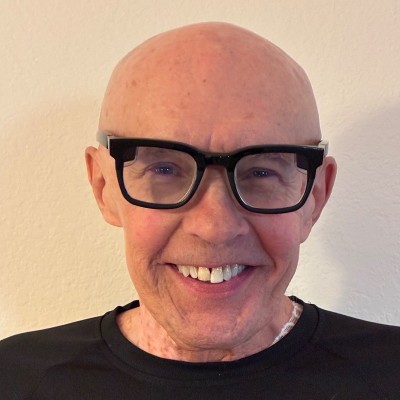
Chaz Austin covers Career Self-Marketing in this Marketer of the Day episode. Corporate loyalty is gone, so Dr. Chaz Austin explains how workers can market themselves and create steady work. He argues that resumes and interviews no longer carry the old weight, especially when AI floods employers with applications. His framework starts with the end goal, then defines the specific offer people will pay for. From there, the LinkedIn headline, About section, and profile become a "resume on steroids" that invites trust.
Are you still playing by the old career rules, sending out resumes, waiting for HR to notice you, and hoping AI doesn't filter you out before a human ever sees your name? Are you frustrated that you “did everything right” (education, resume, interview skills) yet still feel invisible in a job market overrun by automation, layoffs, and gig work? In this episode of Marketer of the Day, Dr. Chaz Austin explains why corporate loyalty is dead and why every worker, employee, freelancer, or consultant must start thinking like an entrepreneur. Drawing on his doctorate in organizational leadership from Pepperdine, three books, including How to Find Work for the Rest of Your Life, LinkedIn Learning career courses, and a TEDx talk, he breaks down how AI has flooded the hiring system with noise, and why employers are retreating to the safest filter they know: real human relationships and referrals. Instead of hoping an algorithm notices you, Chaz shows you how to become the person people already know and trust before an opening is ever posted, rather than relying on random luck.
Dr. Chaz walks you through a practical, modern strategy centered on LinkedIn, targeted groups, and consistent visibility. He reveals how to position your profile, so decision-makers instantly see your value, how to use groups and volunteering as an “audition” for future work, and why you must embrace the reality that you now have two jobs: your craft and your self‑marketing. His “farmer” metaphor, planting and nurturing many relationship seeds over time, offers a realistic, sustainable way to generate ongoing gigs, referrals, and opportunities without feeling like a pushy salesperson.
This conversation is packed with insights for anyone frustrated by ignored applications, unstable employment, or a nagging fear that they’re being left behind by AI and automation. If you’re ready to stop depending on resumes and start building a relationship-powered, opportunity-rich career in the gig economy, Dr. Chaz’s approach may be the reset you need.
Quotes:
"Think of yourself as a farmer: plant as many seeds as you can. You water them, you nurture them, and you don't need all of them to grow; if a few start to pop up, that's your new client, that's your new gig."
Contact Details:
- Explore Dr. Chaz Austin's Official Website
- Visit Dr. Chaz Austin's Facebook Page
- Connect with Dr. Chaz Austin on LinkedIn
- Follow Dr. Chaz Austin on Instagram
- Get a Copy of How to Find Work for the Rest of Your Life on Amazon
Podcast: Play in new window | Download (Duration: 31:25 — 43.2MB) | Embed
Subscribe: Apple Podcasts | Spotify | Amazon Music | iHeartRadio | Podchaser | RSS
Transcript
Download transcript (.txt)The corporate loyalty is dead, and Dr. Chaz Austin says that, that means every worker has to become their own brand, even if they hate selling. He's trained over 1500 students to market themselves in the gig economy, and we're here to talk about it at the Marketer of the Day podcast with Robert Plank. We're sponsored by DFY podcast.com We handle the podcast back end, so you can focus on the interview, and the interview we're focusing on today is Dr. Chaz is a reluctant entrepreneur who only did it because he's addicted to eating and sleeping and all those other pesky human activities, so he had to figure out, just like we'll figure out today, about personal branding and about built-in sales, and how you can just like embrace the modern era of the never-ending hustle, so that way you can kind of have your own independence, so Dr. Chaz, how are you?
Great, that was a great intro, that, that really encompassed everything that I'm about. Thank you.
You're very welcome, and I'm excited to jump into what you're about. And so, who are you? What have you figured out?
I've been all doing this kind of work, coaching people and teaching people about how to be entrepreneurial and how to navigate, in the last few years, the gig economy. I have a doctorate from Pepperdine University in organizational leadership. I've authored and published three books, the latest of which is called How to Find Work for the Rest of Your Life, Work Not Jobs, okay. I have three courses on LinkedIn Learning on How to Find, Keep, and Leave a Job, which have been very successful over the years, and I'm a TEDx speaker as well. So, I have, I guess, something of a name internationally about this, and domestically, people are stuck, regardless of age or industry. Nobody saw this coming. The way we were trained was you do all the right things, you get an education, you learn how to interview, how to dress for an interview, how to answer questions, how to do a resume, and it's not working for people, and there's a lot of shame around it. People, there must be something wrong with me, and I'm the one to tell them, there's nothing wrong with you. They move the goal posts, no one told you, that's my job. Now, the truth, the true shall set you free, but first it's going to piss you off, and that's my job, is to show them a new way to deal with a largely brand new workforce and workplace environment.
Very good. So the world has changed, and they did not tell us, so now it's time for us to adapt, and it is a lot of similar skills. It just seems to be more faster paced, right? Like you mentioned these things about the job interviews and the resume, and like the modern adaptation of that now as well. You update your LinkedIn, or you post your social content, or instead of a big job interview, you do little Zoom calls, and so it seems like it's just the, it's like the new iteration of the skills, and it seems to be like more, I don't know how you'd say it, but like faster loops and iterations, right? It's like, instead of the one job interview every two years, it's like one every two weeks to do these smaller bits of work, perhaps.
Yes, that's part of it. You're correct, but what people need to emphasize now is their relationships with other people. I just read a piece this morning from The Atlantic about how AI is totally screwing up the job market. Companies don't know when a resume is real, when it's made with AI, they're going crazy. They're getting so many resumes that people who are submitting them are not getting the interviews. So the last line of the piece said it might be a good idea to start walking your resume around and dropping it off at companies people hire who they know and trust, so your job now is to develop relationships with people in the field you want to work in and get referrals. Yes, because people, it's sometimes good enough is good enough. Sometimes they don't hire the best people, they hire people they know and trust that they've worked with before, so the way to do that, use social media for that, join groups on LinkedIn, on Facebook, and start participating, and a key word here is volunteering for those groups, so essentially what you're doing is auditioning for the people who can hire or. For you in your industry, do you know this guy? Yeah, I've worked with him for a few months, he's, you know, great attitude, good team player, smart ideas, shows up early, stays late. Well, I think he'd be a really good fit in my company. Let me ask him if he'd be interested. You've already auditioned, people still live in the 20th century, that the idea that if I, if I have a great interview, I'll nail the job. No, they're still going to hire somebody they know, they're not going to take the risk on a stranger. I, I live in LA, a lot of actors here. Yes, so he gave a great interview, but you know, maybe he's an actor and he just did a good job, and as soon as he gets an audition, he's going to leave, he's going to leave our company. So I'm going to go with who I know and trust, and people work in packs, and what happens is you develop relationships with people, and they start to know you and trust you, they move to another company, they call you, so it's a, it's a different way of thinking and behaving.
I like it, consistent networking and staying top of mind, and just budgeting that little bit of time every week to make sure that you stay on the radar. And you mentioned AI, and I get really annoyed when I'll email someone, and then I get a completely AI reply, and I'm like, I know they didn't even; they just use AI to exactly reply to it, and I feel like, as far as the networking and the communication, and especially email, like, all if I have to like respond to a certain type of email, I'll use AI for that, and I'll say, like, here's all the inputs, and here's what I usually might say, and the output is different every time, and then I go in, and I like kind of add, add some customizations to it, and the end result is when I otherwise might have only replied to like 10 emails, I reply to 100 because I use the tool, but I feel like I've, I've blended the tool plus my own humanity, so I'm not falling into that trap that you mentioned, of like overuse of the AI, and everyone can tell, and so if someone is doing this, this job hunt, sending out the prospecting messages, joining the groups, and things like that, like what are the do's and don'ts, like we don't want them to overuse AI, but how does, how can someone navigate what you're describing, as far as getting the referrals and staying on the radar.
You can still. So, I have private clients, and I have people I teach. You've been doing that for, as I said, for 20 years. And my advice is, you need to lower your expectations significantly about the old sending out the resume, send it out. It's really easy. Don't expect anything. I remember teaching a woman a few years ago. She introduced herself in the classroom. She said, "I've sent out 150 resumes in the last month. I said, "Good for you. Any responses? No. Busy work. Okay, so you can continue to do that, you know. Don't stop, you might get something, but focus your energies now on meeting people via social media and developing relationships with them. Yes, that's how you're going to get jobs. And I've just realized this as you were asking the question, people are going to start pulling back from AI, because it's like this is making me crazy. If you're a company, this is making me crazy. I don't know one person from another, I don't know who's real and who's not. I'm getting overwhelmed with this. I'm going to go back to, I'm going to retreat to, who do I know I'm going to when I, when I've had people I needed to hire, I do a job description and send it to my colleagues, and I say, who can you recommend, because they've already vetted the person. Yes, that's I think we're going to start to retreat to that, because AI is just, it's not working for employers, and certainly not for potential employees.
Of course, especially when there's the laziness factor, like you mentioned before, about people using AI to, like, generate the resume or send out the resume, but they use AI on the receiving end too, don't they? They use AI to process 1000s of resumes, so it's like AI talking to other AI. So, you're saying that it's important to do these things that stand out that AI can't replicate, and that's why you're doing things like you have your book out there, and you know AI can do that too, but you can easily tell, but you have a book that's actually written by you, you have your TED talk, you're here on a podcast, all those human factors that don't scale that AI can't duplicate, so there's no question of, are is this really you or not?
Yes, exactly. Good point. Yes, yes, I think I think we're going to go, is going to start to retreat from AI, because it's not. Working, it's just canceling, it's canceling itself out. Yes, so I think it's going to be the personal contacts, it's going to be the relationships you already have, and that's not going to change. I don't care what AI does, I don't care internet, all that, nothing will replace what's called the art of the schmooze, just knowing people, trusting people, and I mean that's that's just the way it works in life, not just for jobs, but it's true for anything. I have a mechanic I use who works on my car, my wife's car, I've referred people to him, is he the best mechanic in LA? I don't know, and I don't care. He delivers for me consistently. Yeah, so, and I think it's human nature. You, if I'm hiring manager for a company, or I'm a VP at a company, let's say, or a manager, and I'm hiring someone, I'm not going to take the risk, because the person may not work out. My boss is going to come down on my head and say, what's wrong with you? How could you hire this idiot? Yeah, so I'm going to go with what's safe, that's going to protect my job or my company. Yes, and they can do the job. We have a relationship. Yes, let's say you, you and I, Robert, have worked together for years. I trust this guy, I know him. There's a shorthand, we almost don't have to talk to each other. He knows how it works for me. Yes, and I, and he delivers, and he's done that consistently, and I will refer him, you know, whenever I can, because he's a great worker.
Very good. So it's a whole other skill set, and so if someone is hearing all this and they say, okay, that sounds great, I want to get referrals, and I want to like do a great job for person number one, and then persons two through 10, like, come as a result of that. If someone says, well, I don't even really know, like, where to start, you mentioned about like the joining the groups or sending like the the DMs, like what, what could someone do as far as like the daily or weekly tasks to to get these referrals to get these meetings?
Got it. So, let's say you're my client, okay? First thing is, what's your online presence? Yes, um, and I'm a big fan of LinkedIn, because that's where I find my clients, that's where my target audience is, that's my, my target, that's how we met. Yes. Thank you. You reached out to me, that works for me. It's what your chief social media platform is depends on where your market lives. Yes, pop stars use Instagram. Pop stars use YouTube because that's where their audience lives. They don't live on LinkedIn. So, we have to determine first, what is it? What's the goal? We start at the end, which sounds weird. What's your goal? What do you want to get? Okay, and what it is, then the second part is what is it you offer specifically. Yes, that people will say I will pay for that in your industry. Okay, so let's say it's LinkedIn, for example. So the next step is we need to build up your profile so it properly reflects what it is you do and what it is you offer, and then you start reaching out to people in your industry. Now, let's say you, they don't know who, probably don't know who you are. Yes, but they go back to your profile and go, "Oh, this is someone I should know. It very clearly states what they do. I could use someone like that. I'm not stupid. I need to network as well, because I don't know how long I'm going to keep my job. So, there's the the headline, yes, your description of who you are. And then there's the about section, where you can go into detail. It's the resume on steroids. Yes, and you can go into detail. I do this, and this, and this, and this. Ah, I should, I should accept that invitation from this person? I didn't know. Yes, so you've accepted the invitation, and then I do two things: one, I, if you're local, I invite you out for coffee; if you're not, we do coffee on Zoom. Yes, that's that's the first part of it. The second part of it is, I go to the bottom of your profile, and I look at what groups you belong to, and I join those groups, and the administrators of the groups look at my gay go back, look at my profile. Who is this guy? Oh, he's one of us. We're going to accept that. Now you have access to 1000s of people. I belong to over 90 groups, yes, and I have access to now about 4 million people beyond the 30 36,000 followers I have on LinkedIn. Yes, so I can reach out to them again, same process, they're going to come back to me and come back to my profile and go the he. One of us, I should know him, makes sense. And then more people, more groups. That's how I built it up to 36,000 and all my people are 99% of them are now people who either work in education or career. These are people who can throw me work, yes, or hire me. It happens all the time. I have a client in Africa. Yes, who I found, just like you found me on LinkedIn. Yeah, so that's how you build the database, and as you do more things, as you get more education, as you get a new client, you post everything, and it goes to your own network, which is based on your skill set. Again, it's not about likes, it's not about thumbs up, it's about money. Yes, so every time you do something, the people who could potentially hire or refer you go, oh, this guy's happening, he's got this new client, he's done this, he did that, and it's a, as you said at the beginning, in your introduction, it's a constant hustle, that's what it is to have basically have your own business. What it, what is it you offer, and who will pay for it? Where again, we're not looking for fans, you know, my wife loving what I do, that ain't going to make me money. Okay, I'm looking for people who will say we could use that. What's your rate? How soon can you start?
That's very helpful. You just gave a mini TED talk about what we could do here. So, you say begin with the end in mind and figure out who, whose attention do you want to get, who do you want to hire you, and then work backwards, right? You figure out, well, what's on your profile, what are you posting, and what groups are you in? And when, when you do get though that work, then the results that you get for those clients, whatever it is, then you post about that as well, which is really cool, because you're not bragging about yourself, your help, you're saying how great this other person is, which is kind of interesting, and a fun aspect to it. And so I can imagine that many people don't take their social media posting seriously, and if they should be on LinkedIn, they're probably not posting there consistently, but then they have these doubts of, well, it takes so much time, it takes so much discipline to go in there every day or week and post, and you're saying, well, if you're just posting nonsense, if you're just chasing likes, of course it is a waste, but if you say, well, here's like the eight step winding path that I want to be on, I want to get attention to those people, I want to be in their feet, I want them to contact me, then it doesn't pay off right away, but this is the path to success, and so, where do people fail, right? Because I can only imagine sometimes you meet for coffee, you tell them what to do, and then maybe they do some, but months later they haven't implemented. So, where do people fail in this process?
First of all, a number of points you raised are very valid. People under use social media, they don't see it as a means to find work and make money, that's number one. So, a lot of, a lot of clients and students I work with, do you have? Do you have? Yeah, I have a profile, but I haven't used it in a long time. Well, use it for Pete's sake. Yeah, you can get work from anybody. Yes, anybody can refer you, as long as that, as it's their target market. Yeah, we're not looking at your grandma here, we're looking at people in business. Yes, so the first thing is they're not, they're under using. The second thing is, they don't have a clear sense of what their brand is, they're still living in the past, looking for jobs, which is fine. You can look for a job and send out a resume, but it's just not very efficient or effective anymore. Yeah, so that's where people fail. Another point I wanted to bring up, which you alluded to, it's about making money, but ultimately what drives you, it's about service and contribution. What can you do for people in your industry? What you want is for them to say, "God, I'm so glad I found you. I wish I'd met you soon. Or, well, you met me now. Let's do some more work in the future. Absolutely, I will contact you. So, so you're you're upskilling, you're building your skill set, you're looking at the marketplace all the time and seeing what do people need, what do they want, what new programs do I need to learn, what new software do I need to have, so that they'll say, can you use this? Oh, yes, absolutely. I just took a course and got a certificate. You may have noticed on my profile that I mentioned that I just got the certificate, so I'm ready to go. Great, could you start Monday? What time like that? Nice. So it's getting it's creating a new mindset about being entrepreneurial and reaching out to people and basically. Having clients rather than one job, and people have never been trained to do that. I have the same conversation. I've worked with people from 14 to 84 believe it or not, in all industries. I mean, just such a range of industries, it's the same conversation for everyone. Okay, who do you know? How can you help them? How can you be a contribution to them? That's what the money is not enough to drive you, but knowing that you offer services that people in your industry appreciate and will pay, pay well for, that's what's going to drive every morning.
Very cool, very powerful. And yeah, they unfortunately they don't teach this in schools. It seems like school has been the same way for a century or two. They treat you how to be a nine to five worker, and if you're lucky, maybe there's a little bit of career counseling, but even that's old-fashioned. That's still resume and job interview, and it's very brief, but even that is outdated. And so you're saying that the world is changing so much, and if you're getting results from the 20 century model, if it's working for you, if you've had a job for 35 years, and and you're happy, then great, if you put in a resume and you get a job, great, but if it's not working for you, then there are some new skills that are required and a new game that there is to be played, and it might require a little bit of getting outside your comfort zone, a little bit of public speaking, social anxiety to show up to the Zoom interview, but that's there still was a social anxiety anyway at the old-fashioned job interview, so it's just these newly updated skills, and it's a fascinating world that you're teaching us about, but in these last few minutes, I want to make sure we focus on what is important to you. So, do you think there might be a missing question that I should be asking you? I just don't know to ask you.
Well, we talked earlier in the pre-podcast meeting we had. I mentioned to you I'm always looking for more teaching, so that, that's the.. I wouldn't say the missing now, but I really enjoy working in person, if possible. I can.. I've been trained to teach, I have certificates to teach online, but it ain't the same as being as in person, because in person, in the same room, there's a collaborative energy, so it's not just me telling people what I know. Yes, it's people creating, it's the students creating together and learning to network in the room, and because I have everyone introduce themselves, and it's fascinating. It's happened over and over again. Someone says, I work here, and someone else says, "Oh, I'm looking for a job there. Oh, what do you do? Oh, we could use you. And then they go off and talk to each other, and I joke, I lose control of the classroom because the students get it, and they start to network because they have a very clear idea of what it is they offer and who they should be talking to, and very often it's people in the same room, so that happens a lot. It's a, it's a wonderful feeling. So I want, I want to do more of that, and I can do it again online or in person. It's a, it's a real joy to be able to see people's faces, how they don't like this. It is, it is not a minor change, it's a major change from what they've been used to. You know, you have to be socially, be out there all the time, and all I want to do is my job. You have two jobs, whatever you do, and self marketing, and people are very resistant, and there's, you know, a lot of people who hate this, and I tell them I don't care, it's a necessary skill, you're going to have to learn to do this, at least you have to be great at it, but at least good enough. Yes, and if you have problems with that, take an acting class, take an improv class, learn to be outside yourself for a few minutes, so that you can impress people when you meet them, and when you talk to them, when you have coffee with them, as you develop the relationship, and they start to like you and trust you, and then they hire you.
Very wise. So you are also practicing what you preach, right? You say that your dream job is the in-person teaching, and we all do things that are maybe some delayed gratification, right? We do the networking now, and the posting now, and the work for now, but then there's also the possibilities in the future.
Yeah, the I, the way I tell my, the thing I tell my students and my clients, think of yourself as a farmer, plant as many seeds as you can, and you don't stand over them and go grow, okay? You water them, you nurture them, you give them sun, and you don't need all of them to grow, but if a few start to pop up, that's your new client, that's your new gig. Yeah. Yes. So. This does take time, and it's constant nurturing. I can't walk away from my plants and go, "Well, you'll be okay for a couple weeks. No, we're going to die. Okay, we have to nurture the relationship, stay in touch with people. I have ways to do that all written up in my books, so that you're constantly on their radar. Oh, I'm so glad you called. This is so great. We, somebody just left us, and we need a replacement. I wonder if you could come in this afternoon. I have a new client, more money coming in.
And it's because you planted your crops, but you had that nuance of you made sure they were watered and had shade, you didn't ignore them, but you also didn't dig the seeds up right away, so there was the amount of putting it out there and planting other crops, and just like you know, working the system, and even on that pre call we had a quick chat about you have your TEDx talk and you have your book, and you said I want to give you credit for it, you said your book is the passport to other things, and so, Who knows if the TEDx talk leads you that lead that leads to work? Who knows if this podcast we're doing leads the things, who knows if the book leads to things. You put these things out there, you nurture them, you grow them, and then they end up paying off, but you can't always tell ahead of time what will, what will work before as you do it?
Yeah, you do as much as you can, and you do it consistently and constantly, and always remind people you're out there. This is what I'm doing, this is what I've learned, this is where I'm speaking. I will, I will promote our podcast. Hey, look at this podcast. This guy asked great questions and gave me time to talk about it, and we're really connected. This was great, and people can.. whoa, this guy's cool. Who knows, it could indirectly lead to something. Okay, but I have to keep putting it out there, because people need to know what I got, because they can use what I have to help their businesses.
Wonderful, you're speaking my language, Dr. Shaz, and that's why this show is called The Marketer of the Day Podcast, because everyone has their own unique skills and stories and things they need to do to maybe hustle in different ways that are outside of their comfort zone, so if somebody says this sounds great as far as the plan, the strategy, the steps I need to take, but if I try to do this on my own, I might get confused. I might give up halfway. So, if someone says I'm inspired, I'm excited, how do they contact you and get some of the coaching support to apply this?
I would say to contact me through my LinkedIn page. You can also email me, Chaz: C H A Z at chazaustin.com, and I'm happy to work with people. I realize there are there are unemployed people, so it's I'm not cheap, but I'll do it on a sliding scale to help folks out. It makes sense, you want to help other folks, you know, you never know. At some point, they can help you. We're all doing this collectively, so I'm happy to help you know any of your viewers in any way I can. My books are available, if they like to learn online, they can check out my LinkedIn Learning courses. But if it's really the best way, one-on-one, that I can coach them, because this is like, oh my god, you're asking me to do what? I have no experience in that self marketing. What is that? In some cases, I have to back up. What's the gig economy? They don't even know this stuff, and they're lost and feeling ashamed. And hey, it's okay, I will walk you through it, and after a while, it's they get it, they don't like it, but they get it, and now they have a future.
Nice, so they get through that brief period of difficulty with your help, and then achieve even greater successes than they would otherwise alone, or just hoping it will work out for the best. Why not make your own luck and do some of these things that you've heard about in pieces, but it's time to actually focus and get some work in the 21st century by finding Chaz Austin on LinkedIn. So you can go to LinkedIn, search C H A Z Austin, and you'll find him right there. And then you said Chaz at chazaustin.com. If you prefer email, or he, you can find his LinkedIn Learning, his Amazon books, as he said. He puts out different crops, so if you're someone that likes bananas or likes oranges, then check out the LinkedIn Learning, or check out the Amazon, or even better, connect with him on LinkedIn and send that message. Start that conversation, telling your situation, and you can get a plan started. So, find Chaz Austin on LinkedIn, start that conversation. But before I let you go, Mr. Dr. Chaz, it's time for the scary part of the podcast, where I try to stump you. I try to put you on the spot by asking about a fun or interesting quote. Quote or lesson, so what comes to mind as far as a fun or interesting quote or lesson?
I actually, you had asked me this before, and I'm going to find it, so I don't misquote it. I love this one, and because people are pretty desperate now, when you think that all is lost, that there was no hope left. Remember the lobsters in the tank on the Titanic.
That's cute, I like it.
Well, let's think about those lost lobsters in the tank on the Titanic. They were set free, right? So something bad, right? Rest of us is a positive for them, and so you can always find the positive outcome in any situation, even though it might seem a little hopeless at the moment, no matter what you're going through, but there's always a brighter side, and it's important to have that optimism and gratitude, and all those helpful principles, and if you feel stuck in a loop in your own emotions, your own thinking, get that outside perspective. Find Chaz Austin on LinkedIn, start up that conversation. You'll be glad you did. And thanks, Dr. Chaz, for just giving us such a whirlwind today of stories and feelings and facts. I'm really glad that you showed up and helped us out.
Thank you, Robert. Great questions. It was a pleasure talking with you.
Subscribe
If you enjoyed this article, subscribe to receive more just like it.


