Published Last updated
Read Bryan Mattimore’s bio and speaker profile →
View in Podcast Library: stories, quotes, books, and resources in one place.
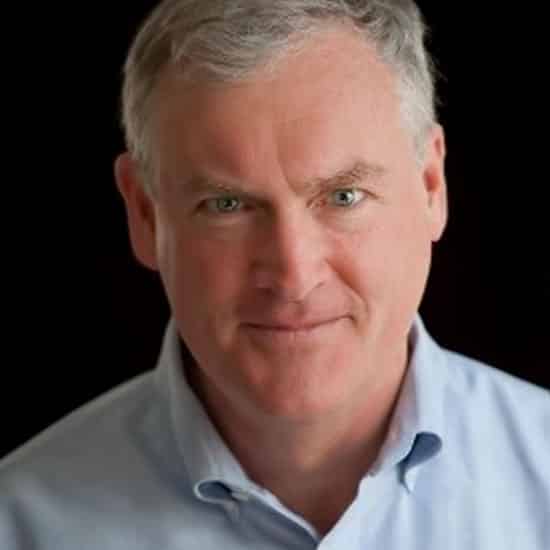
Bryan Mattimore covers Ethical Influence Strategies in this Marketer of the Day episode. Bryan Mattimore explains how to turn proven influence tactics into ethical branding ideas that help businesses stand out and solve stubborn problems. His framework examines 50 strategies built around brand consistency, simple language, symbols, memes, storytelling, and attention. He shows how binary messaging and narrative shortcuts such as memorable slogans let audiences quickly understand and personalize a message. Another principle, "spectacle on a shoestring," demonstrates how provocative, low-cost events can earn extensive media coverage. Bryan then combines these influence principles with AI, using them as stimuli for brainstorming rather than asking for ideas without direction.
Many entrepreneurs feel overwhelmed by today’s noisy, polarized media landscape, and unsure how to stand out without becoming controversial or “salesy.” Our guest, Bryan Mattimore, innovation expert and author of Trump’s Playbook: His 50 Brand and Influence Strategies and How to Use Them Ethically, has helped companies generate over $3 billion in new revenue by turning bold influence tactics into practical, ethical branding strategies. In this episode of Marketer of the Day, Bryan unpack what makes figures like Donald Trump, Taylor Swift, Steve Jobs, Winston Churchill, and Muhammad Ali so unforgettable from a marketing perspective. Bryan explains how Donald’s rise is a masterclass in branding, attention, and message simplicity, and how business owners can apply those same principles without the divisiveness. You’ll hear how concepts like binary messaging, narrative shortcuts, symbols, memes, and manufactured villains work psychologically, and how they translate into powerful, memorable brand positioning.
Bryan also dives into the idea of the attention economy, why simple, repeatable messages win over complex explanations, and how letting your audience “fill in the blanks” can make your brand feel more personally relevant. From “Make America Great Again” to “Just Do It,” he breaks down why the best slogans and stories stick, and how small businesses can create their own clear, consistent, and emotionally charged messaging that cuts through the clutter. In the second half, the conversation shifts to ideation and AI as a practical toolkit for entrepreneurs. Bryan reveals how he used his 50 influence principles with AI to generate hundreds of strategic ideas for brands and institutions like Harvard, NPR, Disney, Planned Parenthood, and Oreo, and how you can do the same for your business, nonprofit, or career. Instead of using AI just to “polish emails,” he shows you how to use it as a brainstorming partner to spark new campaigns, positioning angles, and growth strategies, even when you feel stuck or resource-constrained.
If you’ve ever felt frustrated that your brand isn’t getting noticed, or you’re uncomfortable with the way some high-profile figures gain attention, this episode offers a blueprint for ethical influence. You’ll walk away with a new understanding of how bold ideas, clear messages, and AI-powered ideation can help you differentiate your brand, attract the right audience, and generate fresh opportunities, without compromising your values.
Quotes:
“From a marketing standpoint, you’ve got to start by building the brand; otherwise nobody’s ever heard of you, nobody knows who you are and what you stand for.”
“Trump has taken narrative shortcuts; five or six word phrases where the entire story is implicit. He doesn’t even have to tell the story; you kind of get it.”
“We live in an attention economy: the more information we get as consumers, the more important it is to stand out and gain attention, and attention now is the power.”
Contact Details:
- Get Started with Growth Engine Today
- Follow Bryan Mattimore on Facebook and Unlock your Team’s Creative Potential
- Connect with Bryan Mattimore on LinkedIn
- Join Bryan Mattimore on X
- Grab a Copy of Trump’s Playbook on Amazon
Podcast: Play in new window | Download (Duration: 31:33 — 43.3MB) | Embed
Subscribe: Apple Podcasts | Spotify | Amazon Music | iHeartRadio | Podchaser | RSS
Transcript
Download transcript (.txt)A presidential campaign turned into a master class in branding, and now the playbook is being decoded by mr. Bryan Mattimore who has a book he's here to talk about, called Trump's Playbook: his 50 brand and influence strategies, and how to use them ethically. Mr. Bryan Mattimore, who's a return guest on the show? He has led more than 1000 innovation sessions that generated over $3 billion in new revenue, and this latest new book breaks down the 50 influence strategies behind Donald Trump's rise and how to use them ethically. We're here on the Marketer of the Day podcast with Robert Plank. We are brought to you by D F Y podcast.com We handle the podcast back end editing, publishing, and promotion, so you can focus on the interview. And today's interview that we're focusing on is how to perhaps consistently produce better ideas. What Bryan has learned studying figures such as Donald Trump, Taylor Swift, Steve Jobs, Muhammad Ali, wondering, like, what do they have? What's the magic spark that we can perhaps tap into, and overall, how we can use it to grow our business, focus better, make money, so that way our organizations can create new products and strategies the right way, learning from the secrets that Bryan has learned from all of the studying and helping other businesses along the way. So, Mr. Bryan, it's been a while. How have you been?
I've been great, Robert. Thanks for having me. And that introduction was so cool. I feel like we don't even have to do the interview. It was great, right?
We covered so many bases, but yeah, this guy, Donald Trump, like everyone has an opinion on him, and I wonder if he's like the most historical figure ever, right? Because you think about like past leaders or past, you know, like, like they always say, like, well, you know, Adolf Hitler changed the course of history so much, but like, Trump was, he's been a president, he's been a celebrity, he's been like the money aspect, there's just like so many facets to this guy, I can't tell if he's like a dumb smart person or a smart dumb person, and he's like, but he's like always, like, past decade he's been on TV like every single day, so he's got to be doing something right, and I'm just curious about just like what you think about the current world and this influential person, love him or hate him.
Well, yeah, in the back cover it says, you know, welcome or woe them, and that's, you know, that's absolutely true. I, you know, I can't think of a modern day figure who's more polarizing, right? I mean, come on, and you know the original title of this book was, you know, Donald Trump marketing genius, and I had to retitle it because it was so controversial. People said this is brilliant. Other people said I wouldn't bring that book into my house, and so that got to the polarization component of this for me, you know, to spend 11 months thinking about Donald Trump was frankly psychically very challenging. You know, I'm not a Trump supporter, I, but I, I wanted to write the book from an objective standpoint. I wanted to bring in historical figures. I wanted to really, I wanted to identify the principles of his success, and the eureka moment came. I mean, all know we all know that Trump is an entertainer, right? I mean, he's, you know, he's dancing around the crazy thing he does, yeah, right. And, and so that's, and you know, he had The Apprentice, and all, so that's that's not an original idea, but as soon as I had the idea, you know, what are the marketing principles behind what he's doing? That was my eureka moment, and so I, again, I spent 11 months thinking about it, writing about it, and when I identified those marketing principles, it became clear to me why he has succeeded, even as being controversial as he is right, so and I knew that if I could identify a bunch of these principles, it turned out 50 principles identified, they would help, it would help people not only maybe who were on the fence about Trump, but to understand what mechanisms and and principles and strategies and tactics he's using, I think, can help a people who are maybe on the fence, I don't know that it would necessarily change a MAGA voter, but, but B, people who want to do something to combat the wrong word, but to, you know, to share other ideas than the ideas that Trump is sharing, and so this was one of those books, and I'm sure you've been in a similar situation, Robert, where I felt I had to write it. I felt compelled to write it. I felt like I didn't have a choice, even though I didn't sleep a lot for 11 months, in part because of the psychic challenge of it.
Yeah, like I can't imagine knowing this guy, right? I, if you were like a friend or family member, like, he just.. he.. it would drive you nuts, and it's like, even just.. I mean, I think he's.. he stressed me out over the years, and a lot of people that I've known, just from the kind of everyday chaos, and you're always looking like, okay, well, any.. any person that, like, does this, you're looking to like maybe extract the good or like find the lessons that I can learn from this, and I guess what I liked about him early on was the like the consistency, like I'm the kind of guy where I'm like I'll write a blog post every day, podcast every day, send an email every day, and it frustrates me when some other marketer business owners like, oh, you know, I'll send an email next month, or I'll post on LinkedIn six weeks from now. It's like, why don't you put, once you have enough activity, so at the very least someone notices you, and like, the that initial presidential campaign, he like started it way before anyone else, and kind of the, the weirdness, like coming down the escalator, I was like, okay, this is like a goofy character, but at least I do like the consistent branding, and then a lot of times when there's whatever crisis people try to like kind of analyze what he's doing, and it seems like there's a lot of like he says a lot of different things and then sees what people pick up on, and then he like figures out a path, and like ooh, I can relate to that aspect too, of like, you post different things on social media, see what the algorithm picks up and dial down on, so it's like, man, the rise of this guy to when he, for him to come up right alongside like social media and AI, and all of this, like tons of communication, it's like the timing seemed to work out really well for him, but I mean, you tell me, like, what are out of all these 50 techniques, like, what stands out for you, or like, what do you think is valuable to us business owners, entrepreneurs.
Well, you know, I, I was recently asked the question, what, you know, what is Trump best at, right? You know, of all the things he's done, and, besides, you know, talking in memes and, and using symbols, and using language very creatively, right, brandings, branding ideas, I mean, these are all classic marketing strategies, but when I thought about it, I realized, you know, what Trump is best at is his own branding, and, and it, and it suddenly occurred to me, you know, he, you know, before he ran for president, I mean, he had built a brand, right, and that brand was all about luxury and success and all that, and once he had built that brand, then he was in a position to kind of run successfully, as it turned out, for president, but from a marketing standpoint, you know, the listeners, you got to start by building the brand, otherwise nobody's ever heard of you, nobody knows who you are and what you stand for, and you know, as much as he's disconcerting to me, you know, I do admire him for a staying on message, I mean, the guy is so consistent about his messaging, right? Number one, and that's, you know, you know, how long has the Nike just do it been around? It's been around over 35 years. All the best brands are very consistent in the messaging. And then the other thing I think that separates him from every other political candidate is, well, or a lot of things, but his authenticity, in some ways, the willingness to make people mad, and, and seemingly not, not care about it. I, you know, I could never do. He goes to the UN, and he insults everybody. I mean, who would do that? But he knows he's got his base, but he also knows that, you know, it's media worthy, and this, you know, this is obviously when he's president, virtually anything he does is media worthy, but before that he would talk in symbols and memes, and he knows that in this world we are in the what's called the attention economy, right? I mean, that idea was pioneered by the Nobel Prize winner Herbert Simon in the 70s, but the notion is the more information we get, right, as consumers, and we're deluged with information, right, the more important it is to stand out and gain attention, and attention now is the power, and that's when he's been a master in attaining.
Very nice, and like you hear about that a lot, as far as marketing lessons and simplifying the language, and whenever they look back at, I mean, you, you can just choose basically any presidential campaign, right? When you look at the ones that failed early, or that maybe we thought we were going to win and failed, it's like many times it comes down to the loser has too complex language that this doesn't have enough of the mass appeal, and it's sometimes it's counterintuitive, isn't it? Because we think, well, we want, when we talk to our customers, we want to seem smart, we want them to seem smart for knowing us, but then it's like, well, the simpler the better, especially when it comes down to this, like a. Tension-starved economy, we want to repeat, we want to kind of like simplify, and so like these are these are all things that are good reminders, and what interests me about like looking at your book and what you've created is you've connected the dots kind of more universally, correct, like you compared Trump to like Steve Jobs and like other influential figures, right?
Yeah, I mean, you know, implicit in this attention economy, as you said, is simplicity, right? You got to simplify your message, and also what Trump has done is he sort of bought, you know, he's a.. it's binary thinking, there's.. there's no nuance there, you're either for me or against me, right, but you know George Bush, when 911 occurred, he said you're either with us or you're with the terrorists, right, and so it's not like this is a new concept, but you know, by removing the gray areas and the nuance, right, it shows a, it's easier to apprehend, you know, or you know, understand, or grasp, or whatever, but also it shows confidence, right? There's no waffling, you know. And throughout history, I mean, the greatest non-waffler for me was Churchill, right? He's like, we'll never surrender, you know, on the beaches, you know, in the air, on the fields will never give up ever, and so you know there's not a white, well, you know, maybe sort of this happens, you know, we might know it's absolute, and this, if you will, this binary thinking in this attention account gives people confidence, and he, any, any presents it with confidence, and so you, a lot of people sort of believe that, I mean, have we ever seen a position paper from Donald Trump with specifics on different policies? I don't know about you, but I never have, and so you know, so everyone, oh, I've got a 25 point plan for health care from Hillary, I'm making this up, or whatever, but you know that that's not flying in these times, and you know the other thing I would say, Robert, is that you know we know how important storytelling is, right, in marketing. You know those that can tell stories can often, you know, sometimes double the price of something because it has a wonderful story to it. Well, what Trump has done in this again, short attention span economy is he's taken narrative shortcuts, so there are stories like, you know, build the wall or drain the swamp, or whatever, you know, the big beautiful bill, these are all, you know, five or six or seven word phrases, but implicit in those is the story behind them, and he doesn't even necessarily have to tell the story. You kind of get it. That's one thing. The second thing I'll say is that what's interesting about, you know, speaking in shorter terms, you know, Make America Great Again, is it allows the listener to fill in what that means might mean for them, what I mean, what the heck does that mean. Well, for me it means I'm gonna have a job, or for me it means, you know, I'm not worried about immigration, or for me it means it'll be back to a time when I had health care, or whatever it is, and by people filling in their own meaning, they think he is speaking directly to them and for them, and you know, and so you know, marketers, frankly, do the same thing, you know. You don't see a position paper, you know, from All State or State Farm, you know, like a good neighbor. State Farm is there. Okay, I got it. You're gonna help me out, so.
Yeah, that's powerful, and it's like when, when I see businesses, one will have like a white paper or something, it's like, okay, well, that's useful for like that singular decision maker, but more of approaching the masses, we want to be more casual and more personable, and like one of my top 10 movies is the movie Being There, remember that one?
Yeah, so Peter Sellers,
Peter Sellers, yeah.
But the clip at the end.
Yeah, walks on water at the end, but yeah, I love that movie, because it's like he's illiterate and he doesn't know much, but then he'll, he just keeps looking into situations, and like says something, and the room goes quiet, or like, oh my gosh, that's so profound, and it's like everyone kind of sees the best in him, or because he, he speaks very little and does very little, like people just kind of fill in the gap. So it's like, if we can tap into that, that's fun, and it's exciting to just, you know, make things more accessible. And if it's, if it's working for us, if we can put out something where, like, different groups of people kind of see their own benefit, then that's it, seems like that it's tricky to do, right, because in some ways that you have your cake and eat it too, and so I'm curious about, you know, we've, we've seen this guy for, I mean, our whole lives, right, he's been like you said, he's a reality show host, and even before that, with all the real estate, he was doing the different PR stunts, right. For president, like three different times, even before that, like, remember when, uh, he wanted Oprah to be his running mate, it's like just craziness, but as far as, like, you know, we've, and so we've seen him, but when you, you've gone deep, you've done research on this book, is there anything that surprised you, or anything that you learned that maybe you didn't expect?
Well, one of the surprises was, I thought, you know, because he's a narcissist. I think it's fair to say he's a narcissist, an egomaniac, that it was all about him, but you know, he would make statements like, I'm not doing this for me, I'm rich, I don't care, you know, I'm doing it for you. And so, if you look at his rallies and his speeches, he talks about bigger issues, he, you know, he'll, he'll reference himself a little bit relative to those, but he, he doesn't talk, it surprised the heck out of me when I looked at some of this, so that he's not talking so much about himself as, as what, what his ideas can mean for people, and that, that was definitely a surprise as I analyzed it, I mean, there, you know, there were other surprises too. One other surprise was that, you know, he would, he would talk, you know, he would do spectacle on a shoestring, as I call this chapter, and so, you know, these spectacles, you know, they got the red hats and they got some music playing, and he's dancing around, these are cheap to produce, and throughout history, you know, probably one of the best spectacle makers was Gandhi, you know, an assault march in 1930 you know, 20-six days to the Arabian Sea to protest English taxing assault. I mean, these are media-worthy events, and so, you know, the fact that he was not spending a lot of money and getting tremendous coverage. I knew about the tremendous coverage, but I, it never occurred to me how much little money he had to spend to get this, because their ideas were more controversial. You know, Robert, before we end this, I do want to mention, you know, the stuff about this ethically thing, these things ethically, because the last quarter of the book I want it, I didn't want to leave the reader saying, 'Oh my god, okay, now I get it, but you know that's number 13 when I see him on TV, and that's number 45 principle number 45 I really wanted to give the reader some strategies for helping either their brand, or their business or their nonprofit or whatever, and so I've taken in the last quarter of the book, I, you know, I focus on like NPR and Harvard and Disney and Planned Parenthood and even Oreo cookie, you know, brands or institutions that he's challenged, and say, how can you call it flip the script, and so throughout, and this is my ideation work and training and knowledge, it's mashing up the Trump 50 or the Matamore influence method 50, or whatever you call it, with different ideation processes, and I threw that into AI, and so the last quarter of the book is literally 50 ideas for each of these organizations or brand on how they can flip the script. Now, the last thing I would say about that, for the reader, it's really important to know that they could take these 50 principles. You know, you could just copy the table of contents, put those into AI, and maybe you mash them up with, you know, the tris tris methodology or St. Gallen's methodology, whatever. But even if you didn't mash it up with another ideation technique, and said I'd like you to flip the script on these 50 principles and come up with 50 ways to help me get a better, help me better get a better job, or help me help my nonprofit raise more money, or you know, do a better strategy for my university, right? Or help my marketing students, whatever it is, it doesn't matter. You can use these in 50 influence principles to come up with ideas, and AI will do that for you. And if you don't like those ideas, say, "Well, give me another 50 ideas. And so I think one of the messages and bright spots and things that make this book an optimistic one is that people can use this for their own to improve their own institutions, lives, brands, etc. And that, and I'm excited about, about sharing that for people, because I, you know, I spent 30 years helping organizations come up with new ideas. Well, now everybody can use these to come up with ideas.
Very helpful, and that's a great use of AI, right? Because a lot of people use AI, maybe to, like, you know, take this email that I wrote angrily and make it more polite and professional, but you're saying, like, use it for the big picture, and I'm looking at the table of contents now, there's a lot of ideas, like, you know, brand yourself before others do, or manufacturer a villain, and so if we are maybe stuck or complacent or flatlining in our business, and we say, hey, I need some new branding ideas to bring this back to life, then we can generate them, and as you said, that the great workaround, that the big kind of criticism people have. About AI is like, it does put out a bunch of garbage, right? It does put out a lot of crap, but the reason is you say, "Give me more garbage than I need, and let me pick who the garbage, and there's like out of these 50, there's maybe like 10 that are useful to me, and I kind of use my human judgment to filter and sort, and so now we can take this, this, you know, this, this crazy political and economic situation that we're in, in this, this very strange character, but he's a part of our lives, like it or not, and turn it into something useful, because, like, the all the news, information, politics, it can overwhelm us, and it can be self-defeating, where it's like, takes up all our attention, all our brain power, but there's not really much of a resolution to it, right? You kind of get awareness, or you vote differently next time, but as far as us making money, building our brands, changing our future, it's like, well, How do I put this to use? And, and here you go, right, you've kind of generated these ideas for Harvard, Planned Parenthood, Disney, Oreo, etc. and so many times, like I'm sure you've been sat in masterminds, Mr. Bryan, sometimes there's someone else with their own problem in their business being diagnosed, and you make the connection, say, hey, you know that problem this other business has, or that solution, it might even be more useful for me than it is for them, just like seeing something in a different perspective, so it's very helpful, and so you've educated us quite a bit. And in these final few minutes, do you think there might be a missing question in our conversation that I should be asking you? I just don't know to ask you.
Well, I, yes, I, but I want to comment on two things you said, because I think you nailed it, Robert. One thing was you implied that you know there are only 10 of these 50 ideas that might be any good. That's absolutely correct in our ideation work. Maybe 10 or 15% of these ideas are any good. So the reader has, or the listener of your show has to know that this is a numbers game, right? And you only need one or two ideas. So give me a break, you know, just keep banging these things out, and sooner or later you're gonna get, you know, one or two neat ideas. The other thing, you know, the controversy about AI, you know, Terminators, the world of Terminator, etc. I mean, to me, the highest use of AI, of course, I'm pretty biased because of my ideation and innovation background, is frankly as a brainstorming partner, right, or an ideation partner, and what separates what AI does for you. You know the difference between ideation and brainstorming. Ideation uses stimuli to trigger ideas, it's not just, hey, got any ideas, got any more ideas? No, it uses stimuli to trigger those ideas, and AI is fantastic for generating that stimuli, which you and or your team can generate ideas, and the last thing I would say about what you said is, you know, the cross functionality, getting other, you know, bouncing things off other people's ideas. I mean, that's why in our ideation sessions we insist, you know, to the extent we can with the client, we want cross functionality, we want people from different backgrounds, and when you get those different backgrounds, you make unique and wonderful connections, and so think of AI as just another, another person in the brainstorm, right, to help you generate new ideas for whatever you're trying to do, right?
Brainstorm simulation. I love it.
Yeah, and I think that to answer your question, I mean, I think the most important takeaway from this is that the listener should never feel trapped, you know, their brand is, you know, they don't have the money to spend on their brand, right, or their sales are down, or, you know, they have a manufacturing problem and they don't know what to do, it on and on, you know, logistics is an issue, or our strategy is not working. What you know, we have the wrong target market. Whatever these challenges are, I would like the listeners to know by using these techniques they can get out of that self-created box and realize, oh my gosh, I never thought of this, and therefore we could do that, and therefore we could succeed. So, the takeaway, the net net, I think my meme would be, you should never feel you can't generate a solution for the challenge you have, as impossible as it may seem. And, by the way, I've worked with the City of New York, I mean, these guys do have impossible challenges: no money, bureaucracy, bad boss, whatever it is, but if you use these techniques, you will find solutions. If we, as we have helped them find over the last 25 years, to generate ways around these self-constructed challenges.
Very inspiring that even just because you haven't come up with the solution or the conclusion, yet doesn't mean that it's not there. You just have to get different angles, have different people helping you solve the problem, whether that's a group or AI, or sleep on it, or do more research. There's all kinds of possible paths to success. So we've been speaking with,
Say, too, that it might be surprising, the solution, you come up with, and frankly, and this is where we get back to Donald Trump. It might feel little risky, and sometimes you get a brilliant idea, you got to take a risk, you know. And you know, so we're going to create a Super Bowl ad where we, you know, make IBM seem like their big brother, you know, for Apple, and you know that's that's another principle of, you know, sort of create an enemy, right? But, and that was a risky campaign, but became the most successful Super Bowl ad ever. But the point for the further listeners say, sometimes this will be risky, but that's okay. If it's risky, it could be a great idea, you know. And I think there was, I forget who said it, it was Einstein or Arthur Clark, or whatever, his quote was something like, if at first it doesn't seem, I think it was Einstein, I think, is it, if at first it doesn't seem impossible, there's probably no hope for the idea, right? So there you go.
Yeah, well, that'll, that'll help us to think differently, to also use a Steve Jobs slogan, that's that's short and memorable, and other people have different interpretations of it to get to some better outside the box results. And you can start on this journey by reading this excellent book by Mr. Bryan Mattimore. It's called Trump's Playbook, his 50 brand and influence strategies, and how to use them ethically. Because love him or loathe him, Donald Trump is one of the most effective marketers of our time, and in this book called Trump's Playbook, innovation expert Bryan Mattimore reveals the 50 branding and influence strategies that helped fuel Trump's rise to power, from crafting winning slogans and viral sound bites to orchestrating feuds, spectacles, and media firestorms. So, it sounds like a fun reading adventure in store for us. And, as far as these next steps, we should check out the book, Trump's Playbook. But is there any other call to action to add here? Any like website, social media, or just go to Amazon, get the book?
Then go to Amazon, get the book. Hopefully, we'll be in bookstores in a few weeks, but yeah, I mean, if anybody has an interest in sort of training of, you know, I do executive ed classes for Caltech and TCU, but if anybody wants training on really how to combine ideation and innovation processes with AI, you know, they can go to my website, www dot growth dash engine.com or frankly, you know, contacted me by email, it's, you know, it's bmattimore@growth-engine.com and I'm happy to talk to you about it. The teaching and training is so rewarding, I mean, it's so wonderful, and we do action learning. We encourage people to bring real-world challenges, so we're not just thinking of 1000 uses for a brick or something. No, it's entirely relevant to the challenges they're dealing with. And, and I want to thank you, Robert, for having me on again. This is always fun, and I learned a lot, frankly, by your questions in talking to you. So, thank you.
You're welcome. It's a two-way street, right? We both learn, and I think this is very much a needed skill. You say ideation and innovation with AI, because it's far too easy to pursue perfection, or like the academic ivory tower – 50 uses for a brick, but hey, let's actually put this to use and get to some, some, you know, new goals, and to get some problems solved. So, growth dash engine.com bmattimore at growth dash engine.com is the email address and the book, Trump's Playbook, his 50 brand and influence strategies, and how to use them ethically by Bryan Mattimore. It's on Amazon. We'll have the links in the show notes under the podcast, but before I let you go, mr. Bryan, it's time for the finale. Scary part of the podcast, where I try to stump you. I try to put you on the spot by asking about a fun or interesting quote or lesson that has served you. So, what comes to mind, as far as a fun or interesting quote or lesson?
You know, early on, when I, when I got out of college, I couldn't get a job in advertising, I wanted to get a job, you know, and, and I came up with this crazy idea, jogging for jobs, and we jogged to all the top 36 agencies in New York City, dropping off resumes. Well, we got national coverage, AP wire service covered, Chuck Scarborough, the New York reporter, ran with us, et cetera, et cetera. And I realized at that moment when I was sort of in the depth of my depression, you know, not being able to get a job, feeling bad about myself, you know. Here I was a cum laude graduate of an Ivy League school, but I still couldn't get a job, and I was feeling bad about myself, and I did the wish technique, if you will, and I realized that at that moment that ideas can change your life, and so that experience taught me, and that's why I've spent my entire life sharing ideation processes with the world, because I do. Think that it can change, it can change your life, and it can change your situation, and you know, I was feeling bad, and after that experience, I was great, and I got a job, so, so, there you go.
I love it, and ideas can change your life, and you are definitely the idea guy to help us figure some of these things out, so check out this book, Trump's Playbook, and you can just find out about the success of Donald Trump, what's why it's been working, along with Taylor Swift, Martha Stewart, Steve Jobs, Lady Gaga, Ben Franklin, Winston Churchill, Muhammad Ali. You've heard of these people. Well, there's a reason, there's a few things that they've done right, and so now we're so fortunate to be living in this era where we have just access to two centuries of data, right, and we, and we know, like, why did Muhammad Ali do that very well? Why did Winston Churchill do that well? Why did Donald Trump succeed? Well, now we can kind of have the benefit, the hindsight of history, and now you can apply it with AI moving forward. It's like just some exciting possibilities, but we can't squander it. We have to get the book, Trump's Playbook by Bryan Mattimore. So go ahead, do it right now. Get the book, read it, you'll love it, you'll get some amazing results. And thank you, Mr. Bryan, for showing up, stopping by, and helping us out today. I'm really grateful.
Well, I'm grateful too. Thank you, Mr. Robert. I love aspirin.