Published Last updated
Read Dave Roemer’s bio and speaker profile →
View in Podcast Library: stories, quotes, books, and resources in one place.
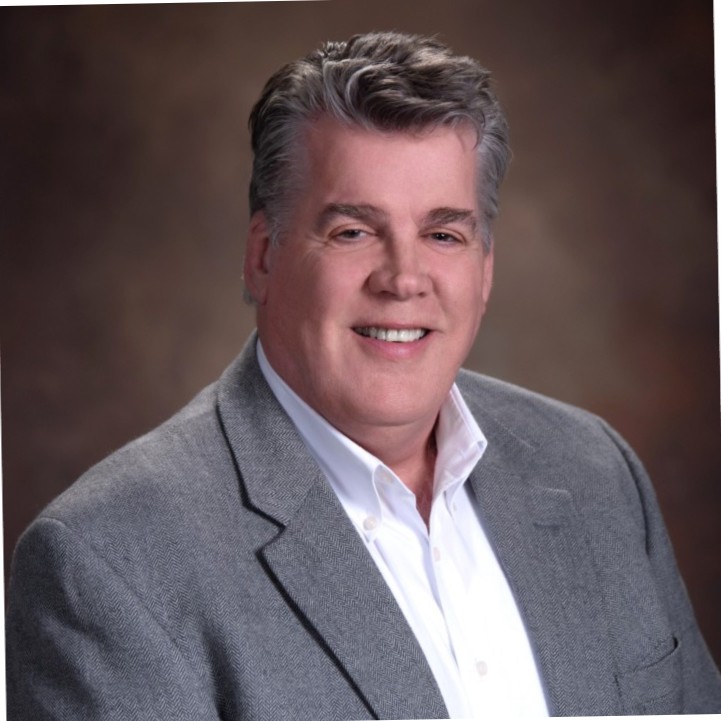
Dave Roemer covers Franchise Leadership in this Marketer of the Day episode. Strong leadership turns franchise systems into valuable businesses by building capable teams, enforcing accountability, and improving every day. Dave separates leadership from management: people are led, things are managed, and leaders must deliberately develop others rather than hold every task themselves. His core model is to teach the right process, follow up consistently, and hold team members accountable so the business no longer depends on the owner.
Too many business owners discover the hard way that a solid idea isn’t enough, without strong leadership, real accountability, and reliable people systems, even promising businesses stall out. Drawing on decades in franchising and his work with Complete Pest Solutions, today’s guest Dave Roemer shows how clear systems, humble leadership, and a growth-focused culture can turn a local service business into a scalable, high-value asset. In this episode, Dave explains the critical difference between leading people and managing things, and why so many owners get stuck doing instead of delegating. He talks about the mental shift required to “let the racehorses run,” empower your team, and stop clinging to control just to feel useful. Using real-world analogies, from parenting to sports, Dave shows how intentional leadership development, asking better questions, and holding people accountable can transform a franchise from a stressful job into a scalable, team-driven business.
Franchising, as Dave describes it, is essentially a “business in a box”: proven systems, branding, and support that let you go into business for yourself, but not by yourself. However, he debunks the myth that buying a franchise guarantees success. You still have to execute, stay humble, follow the system, and continuously improve. Dave shares how to spot whether a struggling location is facing a system problem, a market problem, or a leadership problem, and why great franchisors are constantly revisiting and upgrading their systems to keep franchisees competitive. Dave also reveals his deeper “why”: helping people get a little bit better today than they were yesterday. He talks about using business as a vehicle for building a legacy, funding causes, and serving your community, not just making a paycheck. You’ll also hear his favorite guiding quote: “The experience of the customer will never exceed the experience of the team” and what that means for how you treat frontline employees, design your culture, and drive customer happiness at scale.
If you’re considering buying a franchise, already own one, or want to turn your current business into something that runs on systems instead of your constant presence, this episode is packed with practical mindset shifts and leadership insights. You’ll also hear about Dave’s book, “So You Bought a Franchise, Now What”, which offers practical tools and advice for new and existing franchise owners who want to build strong teams, happier customers, and businesses with real, lasting value.
Quotes:
“Ego has no place in business and no place in leadership. If you think you’re the smartest person in the room, you’re in the wrong room.”
“Nothing in life is automatic. If you believe success is automatic, we need to have a conversation.”
“An entrepreneur does not build a business, an entrepreneur builds a team, and the team builds the business.”
Contact Details:
- Visit Complete Pest Solutions to Schedule Your Free Quote and Get a Customized Pest Control Plan
- So, You Bought a Franchise. Now What? on Amazon
- Ready to Grow Your Franchise? Schedule Your Free Strategy Call Today with Dave Roemer
- Ready to Find the Right Franchise? Connect with David Roemer on LinkedIn
Podcast: Play in new window | Download (Duration: 23:18 — 32.0MB) | Embed
Subscribe: Apple Podcasts | Spotify | Amazon Music | iHeartRadio | Podchaser | RSS
Transcript
Download transcript (.txt)Hey, we're here to talk about honesty, collaboration, empathy, and accountability from Mr. Dave Roemer himself, and he works with franchisees, direct employees, and business owners, and he is all about self-improvement, building your legacy, and tackling those boring basics, because he has learned this hard truth that most businesses don't fail because the model is broken. Those businesses fail because leadership, accountability, and people systems break first. So, we're here on the Marketer of the Day podcast with Robert Plank to talk all about it. We are brought to you by D F Y podcast.com where we handle the editing, publishing, and promotion, so you can focus on the interview, and the interview we're focused on right now is with Dave Roemer, author of So You Bought a Franchise, Now What, and there's a lot of practical advice and tools to help you achieve more success, and we're going to be talking about some of that today here as well, right about achieving your goals, having a great team, happier customers, make more money, build a business with incredible value. Who wouldn't want those things? So, Mr. Dave, how the heck are you?
I'm great, Robert. How you doing this morning?
I'm wonderful. It is 630 where I am, but I've got things to do today, so you get to it when you can. And so I'm excited to talk to you about what you've discovered and what you're all about. So, what are you all about? How are you unique?
Yeah, well, you know, look, I think over the years I've become more empathetic, and I think that makes me somewhat unique, especially when it comes to leadership, you know, the thing that I've learned, what many things that I've learned over the years, but one thing that I've learned is there's a huge difference between leading a team and managing, right? I mean, you lead people, you don't, you don't manage people, you lead them, things are managed, and I've worked for a lot of managers. I've seen a lot of managers, and I vowed that I wasn't going to be a manager, I was going to be a leader. So, I think that makes me somewhat unique.
Very nice. So, be a leader, not a manager, and you hear that leadership applies not just at work, but also with your family and the people that you want to be around, and that leaders grow more leaders, right? So that way things don't have to depend on you, which I imagine might be kind of a shock to the system for some people, right? If they've kind of been used to not leading or managing at all, or just managing to kind of adopt this new mindset, it might be difficult, so like, have has this come naturally to you, or like, what has your own evolution been like as far as leadership?
Oh, it has not come naturally. I mean, yeah, I think everybody has a little bit of natural leadership ability in them, but it has to be developed, and it takes purposeful, mindful, you know, effort, I guess, to develop that, that natural leadership that I think everybody has to one degree or another, you know, it's interesting, I think, and I don't know if this is true or not, this is just my own opinion, but you know, I think people need to be useful, and so that's one of the reasons why, as you said, the sign of a good leader is one that develops more leaders. Well, if you're developing more leaders, that means you're turning things over to them, and you're, you're maybe taking a step back, and I think that is a good leader, one that can take a step back and let, let the team run, right, and you know it's like, it's like a, I don't want to make a bad analogy here, but it's like a racehorse, I mean, at some point you got to let the doors run, and, and so you can not feel useful when you do that, because you're just kind of along for the ride at that point, but that's okay. I'm good with that, because to me, that, that's that's a sign of a great leader.
Oh yeah, and I think about this all the time with my six year old son, I'll say, like, you know, turn off the light switches downstairs, or put your shoes on, and I'm really tempted to, like, do it myself, or sometimes he struggles, or I say, 'Hey, like, would you like a little bit of help? or like, 'You put the left shoe on and I'll put the right shoe on, and it's just like, it.. I think you're so right. It takes that deliberate mental effort, because it doesn't come naturally, but it also won't happen by accident. And so, what has that been like for you, as far as the results of it, so you figured out this whole leadership thing, and then as far as what you've done in businesses with the franchises, what have you built?
What have I built? I've built teams, and so, and then the teams do the work, you know, um. Interesting, Bill Rosenberg, who founded Dunkin' Donuts, he was pretty famous for saying an entrepreneur does not build a business, an entrepreneur builds a team, and the team builds the business, the entrepreneur at some point just has to kind of step back and let the team run, and to use your analogy with your kids, I mean, you're not going to continue to do things for your kids for their whole life, right? The whole purpose of parenting in raising children is to teach them how to be people and how to behave and how to act and how to do things and how to live for themselves, and, and why do we do that with our kids, but we don't do that with our team. Why do we hold the reins so tight with our team? I think again it goes back to maybe feeling useful, maybe that I hear a lot of business owners say, well, if you want it done right, you got to do it yourself. No, if you want it done right, you need to teach someone else how to do it correctly, and then follow up and hold them accountable for doing it, it's really not, you know, the concept is not difficult. The execution makes it somewhat difficult.
Of course. And as you're speaking, I imagine that the emotions and the ego definitely get in the way, right? In theory, it's cut and dry, but then the real world is messy, and whenever I talk to the podcast guests about franchises, it's like an amazing conversation, right? Because who knew that there were franchises for pest control, lawn care, garage door repair? They're like, there's so many, and just the concept is so cool, because it's like there's all of these like systems in place. There's this branding in place. It's kind of once you, once you see it, it's more nationwidely known. There's like the like group masterminds. It's like it's such a cool concept, and it's like right there all around us. And we might even drive past a branded truck or something, and not even realize it's a like a nationwide franchise that someone has plugged into, and so, like, what's your like relation to this franchise concept? Like, do you teach it, or like, what are you all about as far as franchises?
So you know, it's interesting. I think franchising is one of the greatest things ever invented, because it allows businesses to expand at a much faster rate, and they're not limited by, by, you know, their own capital, which is really what the, the impetus behind franchising was, right? People like Ray Kroc and Bill Rosenberg wanted to expand, but didn't have the capital to do it themselves, so they, they brought other people in, and the beauty of it is you can, you can go into business as a franchisee, and I like to say you're in business for yourself, but not by yourself, because you've got this franchisor behind you, and if it's the right franchisor, they're there to support you, to guide you, to coach you, to give you the systems, to the proven systems, right? They figured it all out. They made the mistakes already, and so you don't have to make the same mistakes over again. You just learn from them, as long as you're willing to learn, and as long as you're willing to listen and follow the system. One of the best franchisees I've ever worked with said, I got into franchising because I didn't want to have to create the system, I just wanted to follow the system that someone else created. All I have to worry about is executing it at the best level that I possibly can, and the franchisor fixes the stuff that's broken and makes the improvements, and and does all those things, and then I just take the tools that they give me and I execute the heck out of it. So, to me, that's a great concept, and it requires, though, and this is another, another quality of what I think a great leader is, and that it requires humility. You have to be humble. You cannot think that you're, you said it, you can't have a big ego, right? Ego has no place in business. It has no place in leadership. It's, you know, if you think you're the smartest person in the room, you're in the wrong room. I'm sorry, you need to go in a different room because you're not learning, you're just expounding, and people get bored when they hear that. So, yeah, franchising is an awesome concept. It was talking to a potential client or candidate, excuse me, yesterday, and you know it allows you, if you start your own business, you not only have to have the creative ability in mind and all that stuff, but it takes time to develop all those things, and he said it, he said, "Yeah, I'm going to make a lot of mistakes. I said, "Well, yeah, you're right, we already did that. Here it is, simple, and it may sound trite, but it's almost not quite, almost like a business in a box, right? That's how I would describe franchising in the. Most simplistic terms, so.
Wonderful, yeah, and you say that there are there's plenty of problems that you'll have on your on your own once you get things up and running, so why not kind of start a little bit ahead with with many of the problems already solved that you might have had if you if you let that that ego win and the humility lose if you tried to build all this stuff from scratch, and so you've had 37 years as a franchisor and a franchisee. So, are there any like myths people incorrectly assume about franchises?
Any myths? I think,
Yeah.
I don't know. I mean, if you're talking about the general public, I think they, a lot of folks don't understand that a lot of the businesses are franchises. They think that they're all like they think McDonald's are all company owned and operated, and they're not. They're franchised, they're individually locally owned and operated. In many cases, they – many, many franchises are really just individual people who you know that just own and operate a business locally, and they're part of the community, just like everybody else. Just because they have a national name on their sign doesn't mean they're not a local business owner, right? And so I think that's one of the myths. The other thing is, I think many people believe that just because you are a franchisee or you get into a franchise, you're automatically going to be successful. That's probably the biggest one, and nothing's automatic. I mean, if you think anything in life is automatic, then you know we need to have a conversation, because it's just not realistic. You got to work it, you got to work it, and you have to take responsibility for it, and you have to spend time in the business, and yes, you can get a business operating on quote autopilot, but nothing is ever 100% autopilot, either. You've got to even after you've been in it for several years, and you've got a great team, and things are going well. If you're going to realize the most opportunity out of that business, you have to constantly look at what you're doing, and how can we get better. You know, the whole purpose of life, in my opinion, is to get a little bit better today than you were yesterday in whatever it is we're talking about, right? I mean, that's that's what it's all about, and so the minute you stop doing that, there's no standing still, you're either growing or you're dying, right? So I just, I just can't seem to, to grasp the concept of I'm good where I am. No, because we're never going to be as good as we can be, as long as we keep working at it. So, you know, that's those are a couple of myths, I think, just about business in general, and frankly, about life.
Of course, that's helpful. Incremental improvement. It seems like the cruel joke when automation, autopilot, AI, funnel building, all these things came about. The promise was that, oh yeah, you set it and forget it, right? You build a web page and follow up sequence, and, and, hey, it'll just run on its own, but it's automated doesn't mean that it's completely hands off, and you don't need to go in and keep on improving the system and make things work better in that way, and that's a, that's just a tough mindset to get into, but it seems like if you're the right person, that can really get you far, right? They talk about things like Think and Grow Rich and goal setting, and like revisit your plans and get things in writing, and kind of check on things every day, and what you focus on grows in so many things, and so, like, entrepreneurs and business owners are all about solving the problem, right, and being excited about solving problems when perhaps maybe those that are not suited for it might shy away from problems and go for the more of the path of least resistance, so there's kind of two choices, right? You do the easy way or do the hard way, and it's not unnecessarily hard, but it's just, you know, rising to the challenge. And so, when a franchisee that you know is perhaps struggling, like, how do you know whether the problem they have is the system, the market, or the person leading the business?
Yeah, that's a great question, Robert. It really takes a lot. You got to ask questions, right? I mean, that's really got to be the approach. Ask a lot of questions. What is going on? And so, and I also have to look at, is this the only person that's having this issue, right? Is it, or is this more of a global kind of an issue, because that'll lead you more to a systematic approach, and maybe it is a system problem, and maybe there's something there that needs to be tweaked or fixed, but most of the time, and I don't want to discount that, because there are times. Times when the system needs to be adjusted, things change all the time, the environment changes, the world changes, nothing's standing still. And so, if the franchisor is not looking at their systems and saying, okay, this system worked 10 years ago, but it's really struggling today, How do we have to fix it? And you can determine that again by looking at, is this a global problem? Is this, is it, is it a couple of franchisees that are having an issue, or is it 100 franchisees that are having an issue, right? And then dig deep and try to figure it out, and so again, we all have to look at how do we get better today than we were yesterday, and how can we be, how can we be a champion today, and it doesn't mean we're going to be perfect, you know. Vince Lombardi said that, that we strive for perfection. I'm probably paraphrasing him, but we strive for perfection in an effort to achieve excellence, and so perfection, while it may be unattainable, is always the goal, because we're going to pass excellence at some point as we're trying, as we're trying to get to perfect, and so, and I personally, I think there's virtue in making the effort every day, so.
Yeah, I think so too. And I think about this concept all the time, like when I was a kid playing baseball, they said don't just swing the bat to the ball, like follow through, swing the whole way around, and it's even though it's like it's technically unnecessary, because once the once the bat hits the ball, it's gone, but like you can't just, if you, if you say all going to stop right here, then you'll stop even further short, so it's kind of a weird mental trick paradox, and I was really impressed speaking with you a few weeks ago, you said you like how Matthew McConaughey says that his role model is himself 10 years from now, and so it's like you're just always on that path to self improvement, and, and getting there, and so we're definitely touching on a lot of helpful life advice, right, and it bleeds over, there's business stuff, and there's life stuff, and this whole concept you mentioned of asking questions, it's such a good reminder, right, because it's like anytime I've been inconsistent, or I've known someone that's inconsistent. It's usually because, like, we're not asking those right questions, or we've got a goal, or a problem, and it's like, so hard to break it down. And it's like, well, instead, you just ask, ask the questions, and and play around, and be like, am I asking the right questions? Is the right people, like, other ways this could be solved? Have been doing this the same way for too long, and then next thing you know, now you've got the problem broken down into manageable pieces, and that's just a great piece of advice that I mean applies in so many ways, but you're the star of the show here, Mr. Dave, and so I want to make sure that we focus on what's important to you. So, in these final minutes of our conversation, do you think there might be a missing question that I should be asking you. I just don't know to ask you.
I don't know. I mean, we've talked a lot about what kind of motivates me and why I do what I do, and you know, I think that I think that probably the most important question that anyone can ask anyone else is, what is your purpose in life? What's your why, right? Simon Sinek said, start with why. So, yeah, I would say, what's my why, and I'll answer my own, and
What is your why, Mr. Dave?
Yeah.
Yeah.
I've kind of alluded to it. My why is really to help people, as I said, get better, get a little bit better today than they were yesterday. So, if I can help them by sharing knowledge and skills that I've acquired over the years, and I've acquired everything that I know from everybody, from somebody else. I don't make any of this stuff up that I share. I get it, I got it from somebody that I worked for, worked with a book I've read. You know, it's all from somebody else. So, if I can share that with someone else and help them be a little bit better today than they were yesterday, I'm good. That's, that's, that's what kind of floats my boat, you know.
I love it. It's the abundance mindset. I'm sure it feels really good helping others that way. It's not just selfish, it's not just about you. And so, if someone says, "Well, this guy, Dave Roemer, he's got a lot figured out, I could use his help. Who are you looking for? Like, you're looking for someone who's like struggling with the franchise, starting a franchise, being in a franchise, who's your target?
Yeah, so our target right now, and you know, with our brand, Complete Pest Solutions, we are looking for people that want to build a big business, right, that want to use a business. As kind of a vehicle to help them achieve their why, whatever that is, whether it's, you know, they want to, they want to create a nonprofit or build a legacy for their family, those are the folks that we're looking for, because those are the people with the growth mindset, they're not just the I want to get to a certain point and I'm okay, they're constantly trying to grow, and so that's those are the folks that we're looking for to become franchisees at Complete Pest Solutions.
Very good, so have that growth mindset, which it might not come naturally, but if that's not where you're at, you need to get tapped into that, and and want more, and look to work hard and get big results, and help other people in the process, so completepestsolution.com is where you can find out about that franchise, and they also have a phone number, 833-427-6006 and I'm really grateful that you were here, Mr. Dave, and you just told us what we need to know about getting in this right business owner's mindset and making things not too hard on yourself and living a fulfilling life, because I think a lot of people there may be unhappy with their job and they say, "Oh, well, maybe a business is the shortcut to my success, and maybe they fail, or the business becomes another job, and so there's a lot to navigate, and we can't really do it alone, right? It's almost impossible. So, we need people like you to mentor and guide us, and just help us on the way. So, completepestsolution.com is the place to find out about that franchise opportunity. But before I let you go, Dave, it's time for the scary part of the podcast, where I try to stump you, I try to put you on the spot by asking about a fun or interesting quote or lesson that has served you. So, what comes to mind as far as a fun or interesting quote or lesson?
Yeah, I think my favorite quote of all time is there's two, but I'll go with the one: the experience of the customer will never exceed the experience of the team. The people that are serving your customers one on one, they are the most important people in your organization. You got to make sure that they're happy, knowledgeable, have all the tools and skills, and you know that culture behind them, because however happy they are, your customers are never going to be happier.
Very good, very inspiring, a great lesson. So we need to have that at that experience as good and as high as possible. And you can find out more about Mr. David J. Roemer on LinkedIn, you search that name, that's David J R O E M E R M B A, and then completepestsolution.com that's Singular Pest, and there's there's not 2s next to each other, so completepestsolution.com and go and find out more, and be curious, and you know, achieve great things in life, so thanks for showing up, Mr. Dave, and helping us out today.
Thanks for having me, Robert. This has been a lot of fun. I appreciate it.