Published Last updated
Read Ralph B. Watkins’s bio and speaker profile →
View in Podcast Library: stories, quotes, books, and resources in one place.
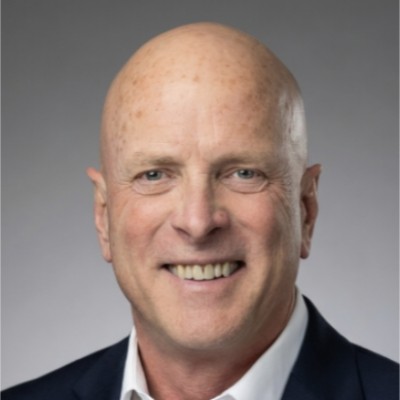
Ralph Watkins covers Business Cash Flow in this Marketer of the Day episode. Ralph Watkins explains how AI, authentic outreach, and a tax-based benefits plan can improve company cash flow and employee well-being. He recommends using AI daily, checking its answers, refining prompts, and treating it as a capable but imperfect business partner. The self-insured medical expense reimbursement plan can save employers about $640 yearly per W-2 employee, with 10 employees required.
Hidden tax leaks and underutilized strategies quietly drain the profits of otherwise healthy companies. Today’s guest, Ralph B. Watkins went from losing a $10 million real estate empire to helping mid-sized businesses uncover “money hiding in plain sight” using a powerful, tax-advantaged benefits structure called the FICA Flip. In this episode of Marketer of the Day, Ralph breaks down how companies with at least 10 full-time W-2 employees can implement a self-insured medical expense reimbursement plan (SIMERP) that effectively lets them get paid to offer world-class health benefits. Instead of sending all those FICA dollars straight to the IRS, businesses can legally redirect a portion back into their own bottom line, typically around $640 per employee per year in employer savings, while also putting roughly $100 more per month into employees’ take-home pay.
Ralph explains how this SIMERP structure layers on top of existing health benefits without replacing them, giving employees access to a robust suite of virtual primary care, urgent care, mental health counseling, financial counseling, and a zero-deductible pharmacy with 1,000+ medications at no cost, covering the employee plus up to five family members, 24/7. He shares why enrollment and retention rates are so high, and why the most common objection he hears is simply that it “sounds too good to be true.” Beyond the financial strategy, Ralph walks through how he’s using AI daily to find opportunities, design outreach, and scale his impact, leveraging tools like LinkedIn Sales Navigator, Lemlist, webinars, and local business/service groups (Rotary, chambers, etc.) to get this message in front of decision makers. He shows how AI-powered prospecting, smart drip campaigns, and speaking to rooms instead of just individuals can rapidly compound recurring, per-employee revenue for marketers and advisors who partner on this model.
Underneath the tactics is Ralph’s deeper philosophy: authenticity, resilience, and service first. Drawing from his heart attack scare, major financial losses, and the lessons that led to his book “10 Habits of Shit Creek Survivors,” he encourages entrepreneurs to see life and business as a series of experiments, to be kinder to themselves, and to focus on genuinely helping others win. If you’re a business owner, advisor, or marketer looking for a real, compliant way to boost cash flow, improve benefits, and build residual income, while using AI as a force multiplier, this episode with Ralph Watkins is packed with ideas you can put to work right away.
Quotes:
“The future belongs not to the people whose jobs are displaced by AI, but to the ones who grab onto it and learn how to use it to get more done.”
“There is no success, there is no failure; we live in a lab. Every day we’re running experiments and simply getting results.”
“When your biggest objection is ‘this sounds too good to be true,’ that’s an objection I like dealing with.”
Contact Details:
- Start Your FICA Flip Journey Today
- Ready to Earn Dual Commissions? Apply Today and Start Keeping More of Every Deal
- Get the Book That’s Changing Lives; Visit NASCS.Org today
- Connect with Ralph Watkins on LinkedIn for Practical Financial Wisdom
- 10 Habits of Shit Creek Survivors: Lessons from Hell to Hope on Amazon
Podcast: Play in new window | Download (Duration: 34:01 — 46.7MB) | Embed
Subscribe: Apple Podcasts | Spotify | Amazon Music | iHeartRadio | Podchaser | RSS
Transcript
Download transcript (.txt)Losing a $10 million real estate empire would end most careers, but for Mr. Ralph Watkins, it became the foundation for helping businesses become recession proof. We're here on the Marketer of the Day podcast with Robert Plank, with guest Ralph Watkins. We are brought to you by dfypodcast.com, where we handle the podcast backend editing, publishing, and promotion, so you can focus on the interview while growing your network and visibility. And the conversation we're having today is where Ralph will share how companies just like yours can uncover hidden cash flow, survive through tough markets, and turn financial leaks into long-term profits, it's this FICA flip hidden in plain sight. So, Mr. Ralph Watkins, how the heck are you?
You know, if I was doing any better, there'd be two of me.
Uh-oh. You know that could be dangerous.
There'd be me, and there'd be another one standing right next to me. So, get up in the morning, take some deep breaths, and realize what we have to be grateful for, and and it's a beautiful day.
What and and you kind of do have a second you because of AI, right? You you're you can be even smarter and pull in all kinds of information, but we still have to focus it and put it into good use. And there's so many businesses out there where I'm sure they're confused, overwhelmed, excited about. There's like 10 million possibilities a day. If you compared present day with remote work and and Zoom and the cloud and all this information you can just get in milliseconds, you'd say like we we should all be billionaires at this point, right? We should all just be living on the beach, and the AI should just be running our entire business. But still, it seems like there's there's quite a a struggle sometimes in like knowing about the decisions and keeping up with the fast pace. So I mean, what's what do you think about all that? Like, what is your take on what business owners should be focusing on? What's the problems? What's the solutions?
So I'm a huge fan of of AI and using AI. I know there's a lot of hand wringing. There's a lot of doom and gloom. It's become a very polarizing term, right? So some people love it, and some people like, oh my gosh, it's going to take all of our jobs, and we're doomed, right? And this is no doubt. This is a mega trend. If you go back 100 to 150 years, you know, we're moving from an agrarian society where everybody was farmers into the industrial revolution, the industrial society, and and and oh my gosh, what's that going to do? And and you know, then we move from there into the into the the digital age, the information age, and now you know now we're moving beyond that into the the AI, and frankly, for me, AI is my best friend. I mean, literally. I you know I keep my wife is like oh my gosh you know she she like named my my little speaker like the girl right named her Greta right but it's like in any conversation now gone is going you know you ever talk to somebody about? Oh, I think this is this. No, it's not. That person was in this show. Hold on. Okay, we're watching this TV show, and where did this person? Did they appear? Oh no, that was so and so, or whatever. It's like instant person with you all the time that knows everything about everything, and that includes not only trivial stuff like what you're debating while you're watching a TV show or a movie, but but what I'm doing every day in my business. I just had some great discoveries this morning before we got on here, and I am totally jacked up about it. So I think the people who embrace it, step into it. The future belongs not to those who you know. The people are afraid of being displaced. Maybe your job is displaced by by AI or or will be, but you can just pick that up and use it for. It's like we're moving from from one place to another place. We don't cease to be because our job maybe gets displaced. We can use that to our advantage, and the people who do the best moving forward are the ones who who grab who grab onto it who understand how to use it to get more done, and then you'll be able to show other people how to get more done. You know, of course, for me the glass is always half full. You know, I had a heart attack recently. They said your your LAD artery in your heart was 99% blocked. Oh, so that means 1% could get through them, right? So we got to start.
That's one way of looking at it. Yeah, and and you think about okay, well, like what what does it mean to be human, or why are humans like the the apex predators of the whole planet? Is it that we're we're smarter, or we build things? Well, the blue whale's supposed to be really smarter, like the coral reef. It's a huge, massive organism where, like beavers, chop down trees and create dams. But it seems like the the thing that made humans kind of win the evolution game is adaptability, right? We move from cold climates and get shelter and tools and clothing. So if you want to continue with our humanity, then we adapt to this. Like upending, and it seems like the kind of the the discussion about AI, like those first couple years, was like all these jobs lost. But what I'm hearing a lot now is like, okay, step one, all these jobs lost. But then on the other side of that, that there won't be enough people to fill the new jobs. But it's up to us to get with the times. And so then the way you talk about it, like you say, like you kind of you know annoys the wife a little bit. Use it for these tasks. It seems like there's like a need to like regularly play or like use it on a daily basis or like keep the the muscles strong, right? If you say, oh well, I only use AI like a couple times a year, like it seems like that's not enough, right? It needs to be a tool we use for both work and play, perhaps.
Not only that, it evolves daily. Like, if you use it daily, you'll come along and you'll see, oh, here's a new feature. This is just added. Now you can do this. Now you can. When it gives you the answer, I love this one. Guy was just talking. Goes, yeah. So I'll have AI give me the answer, and I'll say, good. Now go check your answer.
Yeah.
And it will check and go. No, that was that was wrong. You're the one that gave you the answer. Hey, look, I'm not perfect, right? It's like AI will tell you that I'm not perfect, but but it will go back. It will check its own answers, and then I'm and when you call it out, it will always be it's always very apologetic. You go, I'm sorry, that's not correct. Oh, good catch on that one. That was my bad. Yeah, I got in a hurry. I hallucin. I had one tell me I hallucinated. Sometimes I make stuff up. Okay, how how can you trust it? Well, you just you call it out and you and you keep working on it. It's almost like you're talking to a really smart buddy. So yeah, don't be afraid. And like you said, twice a year, you're not a user. Imagine imagine of a relationship that's important to you in your life, and you only talk twice a year.
It's not a relationship.
That's not a relationship, right? And this is something that can you that can help you on a daily basis if you'll just use it, and and and it never calls you stupid. It never goes. Well, that was a really dumb question. In fact, if anything, it's a little sycophantish, right? It's a little, it's a little over affirming, you know, sometimes. And I'll go, okay, I know you're programmed to be that nice. You can probably tone that down a little bit. We can just have a conversation here. I, you know, I feel good about myself. So, so anyway, where were we? What here's what we were talking about. How do we go forward from here?
Yeah, and you're touching on some of the rumors that we hear about it, right? Like, because it's it's one thing to use it, and but then you know there's the chatter, and then there's there's always reasons not to do things, and then sometimes it's tempting to kind of hear a little rumor and say, "Aha! See, I was right all along. AI is a scheme, or AI isn't something I could use, and the like the silly rumors are like it sometimes makes mistakes, but some so does your buddy, right? So does your assistant sometimes. So it is up to you to be responsible and to double check things, and then it does want to make you happy. And it feels like in the past year that's toned down a bit. Like sometimes it will disagree with you, but it's still up to up to you to say okay. In the same way, if your paid employee you set them on a task, they might also try to you know make you happy, and they wouldn't want to disagree with you at every turn. So you do have to double check and then also kind of push back a little bit. And so we have this amazing tool at our disposal, but then the it then it comes down to okay, well, how can it make me money, or how can it save me time? So as far as what that's led to you, mr. Ralph Watkins, where you you work at home and the wife works at home, and we're so fortunate, and you've survived this you know heart problem, and now you're on to bigger and bigger things. Like, what is your business? How do you use AI to build the life of your dreams?
So my business, right? Basically, right now, what I'm doing is helping mid-sized companies implement a a program that literally allows them to get paid to provide world-class benefits to their employees. People go sound of record scratching. Stop! I missed something. That's right. You actually you can you can pass and not do this, and your employees won't have the benefits, and you'll have less money than you otherwise would. Right. So it's it's it's a remarkable plan. It's based on tax code that's existed since 1953 or four. Right. This vehicle was actually created based on the tax code back in 2013, so so about 13 years ago. Okay, and and the idea is that implementing this, and by the it's it's called a a self-insured medical expense reimbursement plan, or or a SIM ERP. You don't have to get lost in all those weeds. Bottom line is that when when companies put this in place, they receive basically a minimum of about $640 a year reduction in the FICA taxes that they have to pay. For their w2 employees, that's money that would go out to pay taxes, but instead it stays in in their pocket. It stays in their bottom line. Effectively, they get paid that amount of money to be a part of this per employee, right? So if if you take if if if they've got 100 employees, okay, that's about $64,000 that would have gone out the door in taxes that now stays in their bottom line that they can use for hires or for projects or or or any way they want. Well, I don't have 100. Well, if you have at least 10, you can be part of the program. At least 10, right? Well, that's you know, 10 is still $6,400 on 10 employees. I mean, if you saw it laying on the street, would you pick that up?
Yes.
Right, 6400 bucks. So that's money in the in the corporation's pocket, and then for the for the employees side of it, they receive about $100 a month or so in additional take-home pay. Okay, after after these benefits, what are the benefits? So this is a world-class suite of virtual virtual medical services. So primary care, urgent care, counseling. So for for wellness or financial counseling, for health counseling, just for family counseling, there is a pharmacy that's part of this. There is literally 1000 plus medications in this pharmacy that can be delivered to you for free. There are no deductibles. There are no copays. People go. By the way, am I limited in my hour? No, it's available 24/7. By the way, the urgent care 90 plus percent of the items and the calls that come in from urgent care are resolved in 10 minutes from from your own home. And oh, and by the way, it covers you and five family members.
Nice.
You go wait. I'm getting paid more money, and I have these benefits. Let's just screw up my other. You know, no. This goes right alongside, perfectly in synchronicity with whatever benefits the company is is offering now. So when people go, well, why wouldn't somebody do this, that's the question I was asking from the moment I saw this. Okay, so so when you have something like this, when honestly your biggest objection that you get is screw that, it sounds too good to be true. Okay, if that's the biggest objection, I I like dealing with that.
Right.
You know, I mean, we we can just talk about hey, you got me there. If you don't want to do this, don't do it, and keep paying that money to Uncle Sam instead of using it in your business. Honestly, it's no skin off my nose. So, from the marketer standpoint, just for introducing this to companies, you know, so for for for every employee of any company that signs up, I get a per per employee per month, PEPM. We call it a PEPM, 15 bucks. Like for every employee of every company that signs up, that's what I earn each month on a completely passive basis, and that that pays out as long as the company stays on the plan and the person is an employee of the company, by the way, their retention is like 97% Once somebody comes in here, they go, "What? Why would I go anywhere? Why would I leave?
Right.
You know. So, so that's fantastic. So, by the way, I'll throw this out for your listeners. If somebody goes, "Well, that's cool, you know, you go well. That that's great. You don't. You can do it too. I mean, if that's something somebody has an interest in, they can reach out to you, and and we can tell them how to do that, and and they can do exactly what I'm doing, and get the same the same earn the same thing that I get. So if that sounds good to somebody and they want more information, we're obviously we're happy to share that. We want to help your listeners in any way we can.
Yeah, and and in the spirit of that, as we're you know in mid conversation, ficaflip.org is the website f i c a f l i p.org, and there's a chat button on the bottom. There's a let's talk button on the top, so you can get that conversation flowing with Mr. Ralph Watkins. And so you've discovered something that is a needed solution, and then you kind of turned it into a opportunity, a biz op a little bit, and then it's kind of fun hearing about your thought process because it feels like getting to the foundation of marketing and sales. It's like if you found a good like ClickBank affiliate product, and you say okay. Well, now how do I get the word out about it, right? I make a website. I get some traffic. I go on podcasts. I do the sales calls. But what is your like strategy or or your daily tasks like? You say okay. If you've got this way to save companies money, people need to know about it. Like then, what do you do at that point? Like. Do LinkedIn marketing? Do you do ads, list building? Like, what's the the paths to getting some butts in seats, so to speak, to get you know talk in your business?
Remember, just a little bit ago, I was saying I was having a conversation with AI this morning and got super jacked up about suggestions that were being made. So you've already hit some things that we're talking about. When I first came in, they said, "Hey, here's we put together this warm market playbook. So this is how to speak to people that you already know who would have companies that have at least 10 employees. How to talk to them about it? This is not a you know you don't have to sell them on what it is. I do happen to be. I I hold the the the designation. I am a certified financial educator. Okay, so when I talk to people, I can I can oh this is here's some financial education about a great program that could be beneficial for you and for your employees, right? And I don't have to go. Do you want to buy? There's nothing to buy, okay. So so warm market is one thing. I'm just I'm, I'm actually mapping out a hole right now. I worked on it for several hours yesterday on LinkedIn using their Sales Navigator in conjunction with Lemlist. I don't know if you're familiar with the Lemlist app, but it works fantastic for creating drip campaigns and follow-ups, and it'll actually write them for you, what have you, right? And you will import a list of people that you've done a search on with all these cool filters. It'll pull them straight into Lemlist and drop them into a campaign that's that's a multimodal, right? So not only sending emails and LinkedIn messages, but you can do text messages and phone calls and what. So there's a variety of ways to do that. I'm just getting ready to set up some like a webinar, a little information meeting, and record some short little 32nd videos to pop in and do some posts on LinkedIn. But what got me all excited? This I'm going no faster. I'm going to get in front of more people faster, right? So I'm like, what about some local business meetings? They could be service groups like Rotary or Kiwanis. They could be chamber meetings. They could be you know any sort of a business meeting or or any kind of that is a great that is a great way to get in front of people quickly and even these service clubs-they're always looking for outside people to come and deliver helpful information for their constituents, for their members, right? So I just had to pull up a list of all the different types of meetings in my local area. By the way, I live in the sticks. Okay, my nearest supermarket is 25 minutes away in Mountain City, Tennessee. What? Like who? Is that is that a real place? The big city.
Never heard of it. Yeah,
Never heard of it. You maybe heard of Johnson City because of the song "Wagon Wheel, right? Darius Rucker and whoever it was before that, right? Well, that's the big city. We're about an hour east of Johnson City, we're also about 45 minutes from Boone, North Carolina. But even just within that Greater Johnson City area, Northeast Tennessee, Western North Carolina, there's a whole bunch of different meetings that come up in a whole variety of things. And what I did was said, "That's great. You know what? Give me some help. Give me a list of of different business and service organizations that exist in this area. With, if possible, I'd like to know when they meet and the person responsible for booking speakers.
Nice.
And it spit it out to me right before I got in the meeting with you. I'm like, boom. There's my there's my quick thing because you know, if at all possible, you know, would I rather be presenting to a group of people or talking to people one on one? I'll take the one on ones. Of course, I'll talk to them, but if I'm reaching out purposefully, I can multiply by, you know, by by several factors, the the the effectiveness, and it's like if I go hunting. Well, do I want to get a bow and arrow and go hiking through the woods looking for a thing, or do I want to get a helicopter and a machine gun and cover some ground, baby? Right. I want to get in front of as many people as I can as quickly as possible. From there, I'll book one-on-one calls where we talk about it. By the way, the processing of this is real. Even if somebody goes, "Hey, I got a crap ton of money, and I and I want to sign up right now, beautiful. Why don't we do a call? We can estimate the savings that your company would have, and then we could talk about if your company qualifies, right? So they so there's no there's no quick sign here, dash out the door, cash my commission. No, that it it it it doesn't work that way. We're truly helping these companies before we we take things a step at a time, and before we put anything in place, we actually set it up. We do a complete audit on their company. We show how it would affect each employee. The employee has the opportunity to opt in. 85 to 90% of them do when they see it. Because frankly, there's there's no good reason not to, right? And then once they opt in, the retention, as I mentioned before, is incredibly high. We we run the system with their payroll. By the way, it runs automatically in their payroll. takes three to five hours of the HR department time to set it up, and then it just automatically runs with the payroll. Then they do a dry run just to make sure that it runs cleanly and everything works like it's supposed to. So yeah, the onboarding probably 30 to 60 days, but but once you do this, it creates and and marketers obviously love this. We're not you know this is we're not doing this to be altruistic. I mean maybe maybe that's an element, but we're doing it to provide for our families and to meet our financial obligations. Well, would you rather trade time for money or set this baby up and just have it run for you?
Run for you.
Yeah. I mean, my goal is. Wouldn't I love to have 1000 people across the different companies signed up? $15,000 a month coming in before I get out of bed in the morning.
Right, residual income,that's what we all want.
Hey, if 1000 was good, let's make it 2000.
Yeah.
Let's just you you you do it, and then you just keep building it. So this is not a a hype, a get rich quick, anything like that. You go out and you build it, but you do it with something that no one has a legitimate reason not to take. Zig Ziglar talked about this years ago. He says, "If you can think of any reason why somebody shouldn't buy your product, he said, ditch that and go find something else.
Nice. It's like at a window. I look at this. Speak now or hold your peace.
Or forever hold your peace. I look at this and go, for the wife of me, if somebody understands this truly, I mean, if they have the 10 employees, because you need a minimum of 10 employees in the company, 10 full-time employees, right? They have the 10 full-time employees. I can't imagine why somebody wouldn't do this. The only thing, the only reason some is if they didn't, if they didn't understand it, if they didn't get it, if they're just, you know, they're too busy looking at other stuff, they got everything going on. They didn't take the time to sit and understand what this is because if they do, they sign up. And as I said, maybe they don't enroll today, but they're gonna enroll. So stay in touch with them, even if they don't sign up today.
Yeah, and that's all very modern selling, right? Like, don't be pushy. Educate them, and then when if when the timing is right, then they're there for you. And then in the meantime, you find those people who are like warmer, and then you're organized, and you just kind of make the rounds, right? And you figure out who you talk to, and then hopefully along the way, there's that that element of luck. They say the harder I work, the luckier I get. So you do the form of content, you do the podcast, you do the content, you do the LinkedIn prospecting you do the things that are necessary to get in front and it's just there's so much like subtext here about what AI can do for all of us right you say there is that well how do I get excited or how do I get motivated or how do I find the blind spots or how do I look at what's my overall big picture or what company should I be contacting? Or okay, well maybe LinkedIn, but now what tool? Well, AI would tell you Lem List, and then it would figure out the scripts and what to set up, and so. But we just have to ask the right questions. It's it's become such a cliche, but it's so true, right? You have your your heart medical event, and they say, well, you nine or 9% blockable? What's the the optimist take on it? It's that there's the 1% still getting through, and so it's it's there's a lot to what you're you've been doing, and a lot to what you you are up to. And there's we've jumped around so many different topics, right? And with FICA flip, and there's what you've done with AI. I know that you have an amazing book out there, 10 Habits of Shit Creek Survivors. But in these final few minutes of our conversation, I want to make sure that we talk about what's important to you, Mister Ralph. So, do you think there might be a missing question in our conversation that I should be asking you? I just don't know what to ask you.
I don't know if there's only one, honestly, but what I would throw out is that you know the the I have this kind of driving little philosophy. I had seen this someplace, and I went, "Wow! If I could latch onto that and really, really drive that home. Really make that part of my essence, and live by that. I mean, what a difference that would make in life. And this was a quote by Cicero, and in Latin the quote is "essi quam videri, "essi quam videri, and that translates in English to "to be. rather than to seem, and it really just speaks to being authentic. Like, be that person that when people see you, they see the real you. You don't project a facade. You don't put up a front. You don't. You you don't have. You know my. This is this is what I look like to everybody else. But really, I'm this person over here, right? Just just be who you are, and interact with people, and and people aren't stupid, right? They can tell if someone is being less than genuine, if someone's being phony, and they can tell when someone is is authentic. Man, if you can be authentic, and what you do truly helps people, like remove yourself from the equation. I was talking to somebody else about this. They went, "Oh my gosh! How did you get in? Can I do that? Yeah, you can do it. Doesn't even cost anything to get set up. It's totally. It's literally free to somebody if you're interested in this, right? So, so like help people at every opportunity, right? If if you think about helping them, like you don't have to worry about yourself, your food, your clothes, scripture, what you'll wear, right? All that comes to you when you think of others first. You be authentic, and you do what you can to help people in any way you can, whenever you can, however you can, so that's.
Very cool and very inspiring, and I love soapbox. Yeah, but it's a great soapbox to be on and a wonderful message. Like there's the the yin and the yang sort of paradox, right? Like you mentioned about like the local business meetings or like Rotary, and like the the number one fear is public speaking, right? And it seems like the secret to conquering that is making it about others and not yourself, right? If you're if you're thinking about your internals and how nervous you are, then of course that's where you're fixated. But if you look at okay, well, I'm in front of this room of people that they they need to know about the this all this like FICA flip information. They need to know about the health insurance plan. Then it kind of it takes the focus off you, and it's about them, and then that shows up, and then but that in turn benefits you because you're putting so much good out there, and so it's a great reframe, especially on that journey to figure out our inner self and to be authentic and not live someone else's life and not live for other people because life is so gosh darn short, and and you know this too, right? You you have some medical event happen and really makes you rethink things. And you know, am I living the the best life? And am I helping others? Am I? It's like when you go camping, right? Do you leave it better than you found it? Are you leaving this world better than you found it? Are you just taking, or are you giving back? And we should be giving back. And so, if someone says, "Okay, Ralph gave me just like so much to chew on, so much to think about. There's a few avenues, right? There's the checking out the FICA Flip website, where smart business owners are discovering a tax structure hiding in plain sight, and you can give your employees better health benefits with no net cost and nothing out of pocket. So that is FICAFLIP.org. But after this podcast here, after they listen, where would you like them to go? Ficaflip.org, LinkedIn, contact you. What's the next steps here?
That's a great question. Probably if if you go to the Ficaflip.org website, up at the top, there's a button that says "Let's Talk, or if you if when you click that, scrolls to the bottom, and and my calendar is there. If you'd like to speak with me, you can just book a time in the calendar, and that will set that up, and we can talk about whatever it is you'd like to talk about. If if anyone's interested in the in the book, you know that life has been quite a journey. I've we've thankfully with the help of my better three quarters, with whom I've been married now for about 43 and a half years, you know, we've, we've overcome a lot of things, and I had taken a kind of a real deep look into what allows people. What what is it about them that allows them to overcome incredibly difficult situations, and and that was the genesis of the book that you mentioned, that 10 Habits of Shit Creek Survivors, right? And and the people I talk about in that book are they make what we went through look like a walk in the park, and yet they're they are here. They're helping, and so I relate my story to each of these 10 habits. But but but these are like these are world class. Like a lot of them household names, which do stuff that that just staggers the mind. So great great study on if you're in a tough situation. Highly recommend the book, and you can go to nascs.org. By the way, that stands for National Association of Shit Creek Survivors, right? nascs.org, and you can get the book there, so either place.
Very good. So, just to make sure we have that, nascs.org, National Association of Shit Creek Survivors, and then you can get to that book, 10 Habits of Shit Creek Survivors: Lessons from Hell to Hope. It's a powerful and deeply personal guide by mr. Ralph B. Watkins himself, where he draws on decades of hard-won experience navigating life's most turbulent waters to bring you those 10 habits that separate those who sink from those who swim. So that's 10 habits of Shit Creek Survivors, NASCS.org, and then Ficaflip.org. If you want to jump in and get that meeting on the calendar to talk about the S I M R P self. medical reimbursement plan and how you can get that installed into your company to save your company money and also save your employees' money and get them better benefits. FICAFFLIP.org and NASCS.org. And before I let you go, Mr. Rothwalk, because you've already dropped a few amazing quotes, but as a a final end cap to our conversation, do you think there might be one more in you? Do you think there might be a fun or interesting quote or lesson that has served you?
Um, yes. Here's what I would tell anyone who's listening and going, well, you know they bring interesting people on, and that's okay for them. And and you know, but but this is my situation, you know. But this is what I, I mean, whatever whatever you think is happening, I am just you on a different day. I'm no different. I have the same self doubt. I have the same. By the way, there's a great chapter in there on on kindness, on being kind to yourself. Because I went through a period of years where where I wasn't. And there's if there's a more damaging thing to do, I I can't imagine what it is. Right. So we start by being by being extending grace to ourselves, yeah. But I look, picture it this way: we live in a lab. There is no there is no success. There is no failure. It's like every day we're doing an experiment of something, and all that we're getting is an outcome. We're simply getting a result. Is that a result that we wanted? Yes. Great. Let's do more of it. Let's tweak it. Let's improve it if we can. Did we? Was it what we wanted? No. All right. Let's learn what about that is not what we wanted, and what can we do to modify that going forward. So all we are is is life is is a series of experiments that we go through, and we just learn from them. We just learn from them. I'm no better than anybody else here. I would hold anybody on this taking time to listen to this. First of all, congratulations! You're improving yourself. I would hold all of you in higher esteem than myself. Anything that I can do, anything that Robert can do, you can do period.
Very inspiring. You put your pants on just like the rest of us. So life is the series of daily experiments, and that's a lot built into that, right? Like treat yourself with kindness and and and learn from your mistakes. And you can dig into all of this by checking out nascs.org to find out about the book. Become a certified shit creek survivor, and then ficaflip.org to find out about that win-win equation where you provide genuine value to your workforce while strengthening your bottom line. And so it's been such a blast. It's been such a winding and weaving roller coaster ride of a conversation, Mr. Ralph B. Watkins. But that's what a podcast is all about right the unexpected randomness and getting us a few flashes of insights. So thanks for taking the time, and I really appreciate you being here.
My pleasure. Thanks so much for bringing me on.