Published
Read Tash Jefferies’s bio and speaker profile →
View in Podcast Library: stories, quotes, books, and resources in one place.
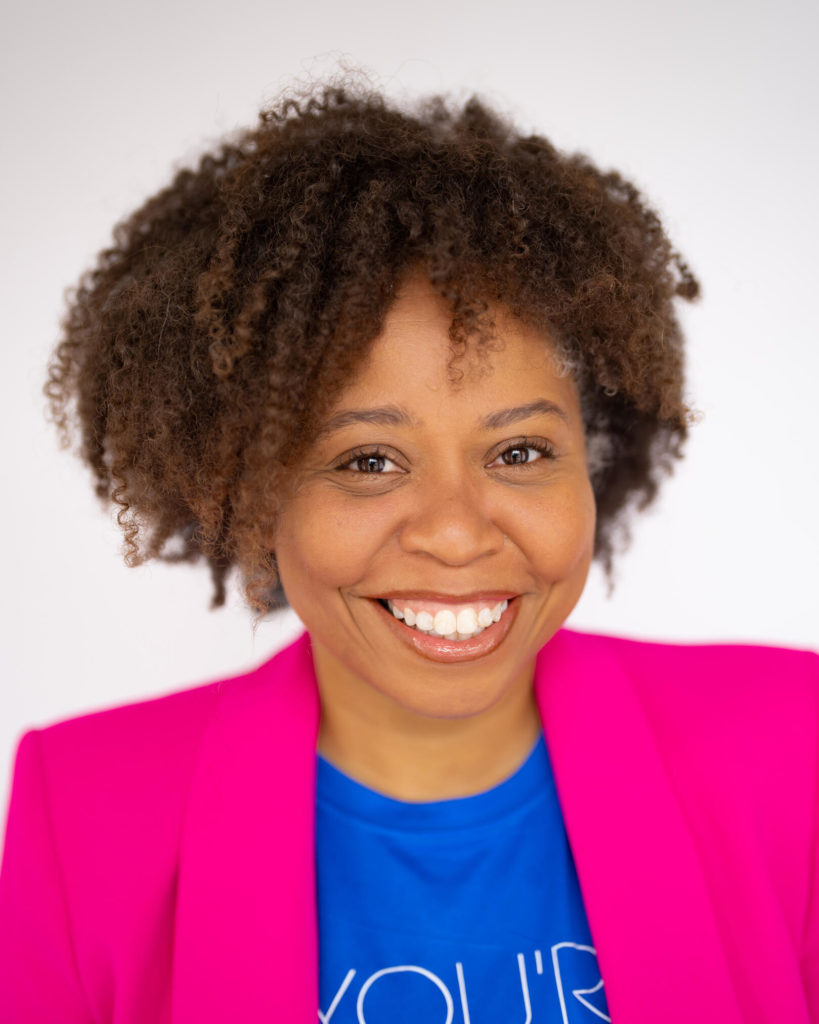
Startup founders can spend months building a product before discovering that customers don’t want it or won’t pay for it. In this episode, five-time founder and ecosystem advisor Tash Jefferies shares how to validate startup ideas and build businesses around real customer problems. Tash, the founder behind Money Engine and author of Solve Problems, Make Money, Repeat, helps founders find problems that align with their skills and experience. She explains why understanding the customer’s pain is essential for consistent revenue and a stronger path to product-market fit. She also warns about “zombie pilots,” where people use a product without becoming paying customers. Her advice is to test assumptions early, learn from customers, and make sure there is a clear reason they would buy.
A clear value proposition can make sales conversations more effective and help founders avoid jargon-filled product demos. Tash recommends leading with the customer’s desired outcome, such as saving time or increasing revenue, rather than explaining the technology behind the product. Before marketing, founders should validate their ideal customer profile, clarify their value proposition, and identify the channels their customers actually use. She also advises keeping the marketing funnel simple, with a free resource, an accessible low-cost offer, and a higher-value next step. A shorter funnel is easier to test and repeat, making it simpler to learn what converts prospects into customers. The episode offers practical guidance on startup marketing, customer discovery, sales messaging, and revenue growth.
Tash is also developing affordable, self-directed courses to help aspiring entrepreneurs validate an idea while keeping their jobs and income. Beyond business growth, she emphasizes founder wellness as an important part of building a sustainable company. She shares how sleep, nutrition, exercise, rest, and time with friends and family help her maintain balance while working with founders around the world. Her message challenges the all-nighter culture and encourages entrepreneurs to care for themselves as they build. Whether you’re exploring a startup idea or looking to improve your existing business, this conversation offers actionable ways to test, sell, and grow with purpose. Find Tash Jefferies on LinkedIn and learn more about her work at MoneyEngine.co.
Quotes:
“How about you keep your job, you keep making money, and let’s validate your idea as you go along. And then only after you see that you’re able to get traction, then make that jump.”
“The shorter you can make it, and the more steps you can remove, the easier you can get your money engine going.”
“For me, the money is part of my data. If I’m doing a talk, or if I don’t think I’m going to be able to activate new clients from it, I just don’t do it.”
Contact Details:
- Turn Your Ideas Into Profit: Start Today at MoneyEngine.co!
- Connect with Tash Jefferies on LinkedIn for Insights to Grow your Business and Boost Profits!
- Follow Tash on X for Money-Making Insights and Proven Strategies to Grow your Business!
- Follow Tash Jefferies for Simple Tips to Feel your Best!
- Follow Tash on Instagram for Money Tips and Wellness Insights to Help you Thrive!
- Solve Problems. Make Money. Repeat on Amazon
Podcast: Play in new window | Download (Duration: 25:30 — 35.0MB) | Embed
Subscribe: Apple Podcasts | Spotify | Amazon Music | iHeartRadio | Podchaser | RSS
Transcript
Download transcript (.txt)Tash Jefferies is a five times founder. She is a global keynote speaker and an ecosystem advisor behind Money Engine, and we're here to talk about those founders who build real businesses and what we can do to actually get some real growth and and get some clarity. And so Tash has seen so much to helping founders. She's done keynotes and workshops, and she finds the time to do the speaking and the books and the networking. And so we're just here to talk about how to solve some problems, especially if you are that pre-seed or seed stage startup. She can help you grow. She can help you reach product market fit, so we're here to crack a few nuts open and solve some problems. So, Tash, how are you?
I'm doing great, Robert. Thank you so much for inviting me, I'm excited for our talk today.
I'm excited as well. And and how do you find the excitement? How do you find that kind of consistent enthusiasm? Because sometimes you can say like, "Well, what did I get myself into? Why didn't I just get a a nine to five and then I could you know leave my problems at work like do you sometimes doubt yourself or how do you find the energy?
So what I like to say is that I kind of stumbled on a cross between my passion and my skill set, which is actually a chapter in my book as well, talking about how do you bring those two things together? I got an opportunity back in 2019 to actually travel and start working in Saudi Arabia, doing this work ecosystem building, and I decided to say, well, why not? And I went, and honestly, I haven't looked back. I've built a career that I'm so proud of, but it really was me, literally just understanding what am I really good at. I have a consulting background, but I don't think I'll ever do that again. Lesson learned. But how do I use those skills in something that I really love, which is helping founders to make money and build businesses that they can be proud of? And so I figured out how to put both of those things together. And honestly, it's it gets me up in the morning, and I take like calls from my founders all day and all night because I have founders literally globally.
Okay, nice. So you have that passion and that purpose, and you've figured out a few things. And the book you're discussing is called solve problems, make money, repeat. I'm looking at the table of contents
We show people too because this is it's on brand. Everybody always says like you're always in pink. Yes, I wear pink everywhere.
And, and like the, the, the, the women speakers are good at that, the men not so much. Like sometimes you'll have the women where they say like I've chosen my color scheme, and then like the the jacket matches the book, and it's like and matches the website, and it's like just so cool, and it's like some subliminal, subconscious thing that you know. I think I think they like scientifically proven that like men can't see as many colors as women. We're like, oh, that's that's yellow, that's blue, that's pink, but like no, that is that's fuchsia, that's sharp truce.
That's right. Yep, but I mean, at the end of the day, I'm a firm believer in as you grow, like branding is super important, and it's really important for yourself. Like I learned early on in my life, actually, that pink or fuchsia, this particular color of pink, is my power color. Like I wear it. I'm happy. I'm energized. I like. I just want to get stuff done. I smile just by seeing it, and it just so happens that when I smile, other people smile too, and people get happy and get energized too. So it's an infectious thing. So I've stuck with it.
Yeah, there's so many benefits, right? There's the the consistency, and and you've figured out, and I'm sure your your look has changed, like all of us, right? And and after all that trial and error, you're like, hey, here's what I'm all about, and then it also helps others. So, so like, what else is there? And so you have this book, and you talk about all kinds of amazing things, right? Energy, your north star, goal setting, passion, skill set, prototyping, growth loops. What do you think is worth discussing today? Maybe what do you think people miss out on?
You know what? I'm glad you asked that question, Robert, because I just did a session here in Edmonton. By the way, I'm always traveling, so I'm living for my suitcase this week. And I want to actually talk about the session because it was called "You've Built it. No one's buying now. What? And I want to talk about the problem piece, which is the very first opener of my book. Because in my experience, when I see all the issues and challenges that founders deal with, I can pretty much 90% of the time guarantee that the biggest problem that they have with consistency driving revenue, understand their ideal customers comes from not understanding the problem that they solve. At the end of the day, I said it to a founder, and he mirrored it back and said, "I've never heard anybody say that before. But I say the bigger the problem, the easier the money, and it really is true because a lot of founders like kind of just. I'm going to build this thing, and then they don't talk to anybody, and they just go ahead and build it without talking to a soul. Only to realize that when they start putting it in front of people, nobody wants it, and if they do, they're not willing to pay for it, and they just keep using it. People usually get into what I call the zombie pilots, where you have someone using your solution, but you don't know when to ask for money, and you don't know how much to ask for it, and so they just keep using your solution, and nobody wins. And so, if we have more people who are able to understand, listen, we deal with problems every day. I was just dealing with one here where I have a portable, like a iPhone holder, and I thought it was stuck to the wall or the the mirror because it's got the sticky thing on the back, and I'm in the middle of filming and it falls off. So super simple problem, but it's one that I would invest in some kind of iPhone holder that I can travel with. That's light that doesn't fall off when you're trying to use it and tape your content, right? So all of us deal with these types of problems every day, and all I do is try to help founders to go where that problem exists, where it matches their skill set and their experience and what they're used to dealing with, and something that they have a unique handle on and unique insights that it's hard for somebody else to come along and snatch up because that's where your gold comes. I found mine. I was lucky enough to find mine, but I also have been experimenting with this for decades trying to find it, and I was just lucky enough to find it.
Nice, yeah. That's, that's a really good way of putting it. That it it seems intuitive to do what's easier, but if it was easier, everyone would do it. And then it's like, how do you make money from that? But if you find that thing that's easy for you, hard for others, and solves really a really hard need just in general, then that seems to be the sweet spot. And so you've you've done all these things for different companies, and who's worth talking about? Do you have any fun stories to tell us just about the the failures and the successes.
Oh my goodness! Yes, I actually do. Let's see, she is the founder of the Bridge, and Daniela is her first name. She created a service here, actually in Alberta, and what they end up doing is they help mid-sized office firms and offices and companies where they're used to doing like Monday morning meetings and Thursday meetings. She helps provide all the catering, the food, and everything that they need to have a stellar event. And so, just by working together, we were able to unlock and figure out the key painful dates and times to reach her ideal customers, and through her being able to do that, she was able to more than double. I think the last time I talked to her, she had five extra revenue because we figured out that you know teams usually gather and do Monday morning meetings. So Monday mornings are the time where if there are complaints that are going to come because that gluten-free bagel isn't there, nobody brought the almond milk, or someone forgot some kind of other nut-free, you know, foods for the people to have, then they complain. So she was catching people on Monday mornings when they were most likely to complain, and realized that she was nailing every call, and so again, it's simple things like that that might seem like, oh, it doesn't make a difference. But those small things that we call experimentation, we experimented and found out that's the day when she should be calling because when the pain is high, like I said earlier, the bigger the pain, the easier the money, and the faster the money as well.
Nice, so it pays to experiment in those ways. And what are you currently experimenting with? I know you're you're living out of the suitcase. You're world traveler doing the speaking, but what's cooking for you?
Actually, I'm actually experimenting with because most of my clients right now are startup ecosystems globally, which is great, and my nickname is Tash Money. I love the money, but what I'm realizing is that I want to actually start growing and reaching entrepreneurs that are in places that are hard to reach. So they're not in your major cities where most of the accelerator and incubator programs would be. We all know what they are, but my goal is to actually make a product, and I'm just a few weeks away from it launching, where it is affordable enough so any starting founder, people who want to actually enter into startup, can actually start testing the right way. So before they invest lots of money and say, "I'm going to be a startup founder. How about you keep your job, you keep making money, and let's validate your idea as you go along. And then only after you see that you're able to get traction, then make that jump. I wish more and more people were doing that so that they didn't go into this like eyes blinded, not understanding. What they're getting themselves into, so I'm pretty much taking the framework for my book and turning it into easy to use, self-directed courses that people can go through. And as they do more of the work, they get more access to me. So that's my big experimentation that's happening right now.
Very nice, and the the validation is so important, isn't it? That way, as you say, there's the feedback loop. You can adjust. You can kind of get your idea, your product beaten up a little bit. You can have people using it, and it just seems a lot more logical the way you put it to go about that way versus acting on emotion or ego or random chance. It just seems like a much better, like scientifically proven way to go about it. And what kind of just messes with my head sometimes is you know when there's there's speakers like you and you do a lot of like extracurriculars so to speak. There's the the speaking, there's the podcasting, there's the book, there's all these things that are done ahead of time, right? Yes. That the book and the speaking it gets attention, but as you're doing it, who knows how many months a TEDx talk takes? Who knows how many years a book takes? And and sometimes I think about well, what's the ideal ratio where how how much of these extracurriculars that they pay off long term but not right away is appropriate? Like, do you ever think about that? Like, how how much speaking is too much or not enough?
Well, I think of it like this: the speaking and the books or the TEDx talks and all of the other things are supposed to feed my funnel. If they're not ideally going to fill my funnel, i.e. someone's going to hear the podcast, someone's going to hear even this podcast, or someone's going to pick up my book and say, "Oh, I want to work with you. Then you kind of have to balance. And again, you you mentioned the word experimentation, right, Robert? That's one of my favorite words. I actually have a science background. I'm a chem chemist and biologist by trade, and I think it's super important for us to always go back and be data driven. And for me, the money is part of my data. If I'm doing a talk, or if I don't think I'm going to be able to activate new clients from it, I just don't do it. I know that the more people see me and they see the energy and they they test one thing. I I've come across so many founders who have been recommended from my founders, so like second level away from me, who've read my book and tried something, and then I get emails and messages on WhatsApp saying I just tried this one small section of your book, and oh my goodness, I filled up my schedule and I filled up my calendar, and I'm like, yes. And so every time I create something, I'm always thinking about how can I get to more founders, how can I get to more ecosystems, and how can I close more deals.
And I like that robert used activating clients that they're already out there. They just need to see you. They need to be in that crowd as you're giving that talk, and then they just they my imagination has them lighting up like light bulbs, and then you know rushing towards you. So you you have, and I like how you you're you're thinking about like a funnel and what it will all lead to. But now you got me even more curious about like that thing you said that got their calendar filled up, what was that?
It was okay, so this is a thing, I'll give this as a tip to you and your listeners here. When people are trying to close demos, it's a whole chapter in my book where I talk about how to the usual format, and it's probably going to sound familiar to your listeners. You'll call, and someone will ask, "Well, what are you calling for? And then all of a sudden, you launch into, "Well, we are this AI technology, and we help streamline your workflow and what have you, so you end up getting word salad. That's all technology and jargon because usually most founders are so involved in their tech or the actual mechanics of how their stuff works. And so what I teach founders to do is no, you never get on a call and start just throwing out buzzwords and just saying stuff. Instead, it's like, no, you know what? We work with. In this case, I'll use one of the examples from a founder who this really happened to. We work with real real estate companies and help you free up 80% of your time and drive up to 50% more revenue. That's it. We want to see if it's a good fit for your organization. Always go with value, and they were surprised at how easy it was to get more bookings from that. Because again, people hear those numbers and they're like 80% more. I'm willing to give you 15 minutes if you can show me if this works for you. It's always about what's in it for them. Lead with value, that's it. They don't need to know how it works, honestly, your found your, your customers don't care. Talk to what's in it for them, and you use that right out the gate, and it works. It works all the time, just works.
Yeah, that's wonderful. It's a great reframe of like simple numbers, plain language, benefit driven, and some of. This language you're using, like, well, if if is this a good fit? Does this work for you? That's a lot, just a lot less pushy. And so, yeah, it's it's great to think about it in those terms. And and so, like this whole thing of a funnel, right? It's it. I know, like, my brain naturally doesn't think in funnel terms, like with a an opt-in form and a free gift and the follow up sequence and social media and phone call and postcard. It's like I can do all of it, but it just takes so much mental energy and it feels it feels so simple, but also overly complicated at the same time and full of missing pieces that I know I'm forgetting. But when those times I do get dialed into the funnel, whether it's like a hiring funnel, podcast follow-up funnel, like it works, right? And it, but like the danger is if I'm doing all this work and I'm getting someone through steps three through five and I drop the ball, then it's all this work for nothing. But I can get them to like step 12. If I can get them to where I want them to go, then I'm like, cool. All that effort, it was worthwhile, and then I can repeat the process. And so, do you ever think, like, in terms of like a all these sorts of funnels that people should build from like the book and the podcast and getting the demos? Like, like, what do you think makes you stand out there? What should we get dialed in our heads as far as that funnel mindset?
I, great question, Robert. And the first thing I will say is, again, I know that there's, which is why I'm here and I'm talking with you, because I feel like a lot of marketers get this process so super complicated. And one of the things that I try to tell people is that when you're at the stage that you're marketing, by the way, there's a whole step that happens before the marketing phase, where all founders should be validating their ideal customer persona or ICP, as I refer to it, their value proposition. So, like I showed you with that example, how do you actually communicate your value in a short, like one sentence? And then you have to understand the channels that are best for your customers. Not all customers are built the same. So once you know those three, those are three major pieces that I think founders need to to hone in on before they start marketing. And then the next piece is still keeping it super simple. I always tell founders if you are going to start marketing, it looks like this. Do your freebie, whether it's a lead magnet or you do a free webinar or what have you. Have your low ticket item that they can try out. That's very easy for them to say yes to. That's not going to cost an arm and a leg. If they end up liking that and they get value from that, that's when they graduate to your big ticket item. And it literally, for me, even that's how my funnel works. It's very like very simple. There's not 12 steps. If I cannot win you over in the first step, which is I'm gonna throw the most important value at you, so that you feel like whoa, I can't believe you gave me this for free, then I've done something wrong. And so I tell folks, marketers or new founders like keep that funnel simple. You don't need a whole bunch of steps. Lots of people make lots of money because they make it complicated. But the more complicated they make it, the harder it is for you to get value. So the smaller your funnel, the more you're going to be able to repeat it, and most importantly, the more money that's going to come out at the end because you learn how to do more with less, and I mean, I tell founders I can get on a 30-minute call, and I usually give more value to founders who have a 30-minute free call with me than they've had with literally mentors they've been working with for six months and up to a year. And to me, that that's all I need. I don't need a long funnel to get the value. The shorter you can make it, and the more steps you can remove, the easier you can get your money engine going. Which means you rinse and repeat. So that that would be the one thing I would tell you and your audience: like cut steps out of your funnel, man. Don't make it like complicated. Simple gets you more money.
I like it, these are great marketing fundamentals that I know you cover in your book, like the ICP and so on. And so it's it's so great just to hear about what's possible, and then it can be simple, and it should be simple because that leads us to more money and greater opportunities. But you're the star of the show, so I want to make sure we cover what's important to you today. So in these final minutes of our conversation, do you think there might be a missing question that I should be asking you? I just don't know what to ask you.
Yeah, you know what? I think it's really important. The question would be, what's one of the biggest success factors that founders that I see who thrive embody? And I would say it's the same thing that I have learned to master myself, and so I share it with founders, and that is founder wellness. I got my founder start in Silicon Valley in the Belly and the Beast. I decided to go out there. I didn't know a soul. I didn't have a network. I had nothing, and built it from scratch. And during that time, I was out there. I met quite a few founders who were. Either in my network that I knew or was connected to, who passed away, because what they ended up doing was thinking that to be a founder, you had to pull all nighters all the time. You had to forego sleep. You had to make sure you weren't eating properly and just be stuck on caffeine and stuck on coffee and not getting rest, not having days away, or not having wellness, and what I would like to impress upon folks is that if you are curious about being a startup founder, I want to help usher in a new way for people to view it. I get my eight hours of sleep. I'm in the gym all the time. I eat healthy even when I'm on the road. I walk with my energy bars and I have tea and I have my stevia, so I don't have to say I have an excuse not to eat properly. I do my research and figure out where the grocery stores are everywhere I go, even if I'm only in town for three days. And I actually prepare for my wellness that keeps me going. I want to impress that it is possible to have balance. Balance doesn't mean that it happens all the time. I still do pull all nighters, like with the session that I ran this morning. I flew into town last night and had to put some final tweaks on it before I did it this morning. But overall, you need to make time to fill up your own cup, to get your own rest, to take time and read, spend time with family, go hang out with friends, go dance. I will dance every time I go to a city where there's a lot of partying. Shout out to my Nairobi founders. You know who you are. I love Kenya. I will always go there if I need a good party. So it's like live with balance and take care of yourself because we only have one body, one life, and be really good to yourself, and take time out when you need it.
What a great message and helpful messages you've given us all around. And it seems like you're living the life, right? You're helping these companies, these founders, and you're accomplishing a lot. And you're you're mixing in a little bit of fun and having adventures in between. And so, if we want to know more about Miss , want to find out about the book and how you might be able to help these founders with Money Engine and so forth, what are some next steps here? Where should we go?
Very simple, first of all, you can always buy my book, Solve Problems, Make Money, Repeat. It is available on Amazon. You can also, if you're an ecosystem leader, you can find me on MoneyEngine.co. But I would say, if you're a founder and you want to connect, you can find me on LinkedIn. Don't search by the name Tash Money, but my actual LinkedIn handle is Tash Money. You can find me there. You'll see the hair and the fuchsia. It's my signature, and you'll know you found me. Feel free to drop into my inbox, and then more than happy to have a free intro call and see how we can get you started and get you on the road to building your own money engine.
Very good, very inspiring. That is LinkedIn.com/in/tashmoney. That's MoneyEngine.co, and then we'll have those links under the podcast and the book that we mention is "Solve Problems, Make Money, Repeat: A Simple Guide to Leveraging AI to Create Useful, pain-solving things the world wants and needs. They say it isn't a hype-filled startup book. It's practical, it's grounded, and it's deeply human. Thus, just like Tasha's work with founders. She combines strategic rigor with genuine care for founders. So that's solve problems, make money, repeat. LinkedIn.com/in/tashmoney and moneyengine.co. And you've already just dispensed so much amazing advice to us. It's time for one last tidbit soundbite where I try to stump you. I try to put you on the spot by asking you about a fun or interesting quote or lesson that has served you. So, what comes to mind as far as a fun or interesting quote or lesson?
Huh? Oh, this is related to wellness. I have to put this. Don't try to fill up somebody else's cup before you fill up your own meaning. You cannot give anything to anybody else when you're on empty. Because I came from the consulting world, I know that happens a lot. So before you start giving to others, make sure you're living your best life. Because when you're doing that, you can give with abundance to everybody else.
Perfect. No, what what helpful advice and knowledge for us? So let's consider that. Fill up our own cup first as we're pursuing those dreams and we're building that startup. So check out MoneyEngine.co, where you can get your founders' tools and skills from those who have been in their shoes. They help startup ecosystems, give founders skills and tools that help them grow their startups and enjoy the process. You can go there, click the button to book a discovery call, and have that conversation to discuss some possibilities. To use your language, find out if it's a good fit. So MoneyEngine.co is the place to go. And Tash Jefferies, it's been such a wonderful. Discussion with you today. Thanks for taking the time.
Oh, Robert, thank you so much for having me, it was fun.