Give the setting an explanation
He asks how a ship would look, how it would move and which weapons would work. Research helps him make deliberate choices within a fictional universe.
Barry J. Spaulding writes military science fiction and faith-oriented fiction shaped by service experience, personal responsibility and a lifelong love of stories.
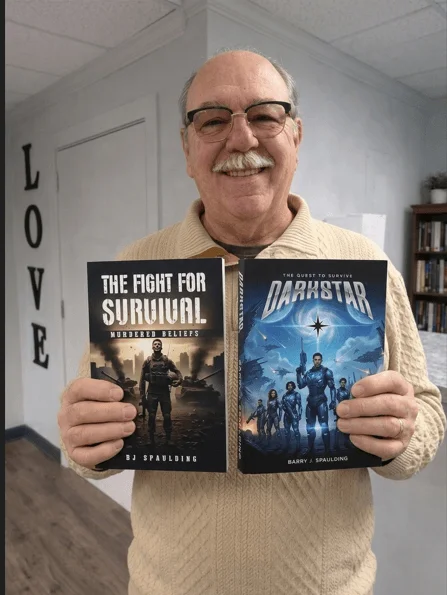
"When you're reading, it's between the words on the page and your soul. You envision what's on the pages."
Last updated
Barry J. Spaulding is an author of military science fiction and faith-oriented fiction, and a U.S. Army veteran and retired federal law enforcement officer. His books include Dark Star, The Fight for Survival and Who's to Blame. Barry began writing as a teenager and kept developing stories through his service career before bringing them into print after retirement. His fiction connects adventure with flawed characters, difficult choices and the consequences of conflict. He discusses world-building, writing without a rigid outline, reader imagination and returning to a creative ambition that has remained important for years.
Barry J. Spaulding is an author whose fiction moves between military science fiction and questions of faith, blame and personal responsibility. He publishes under versions of his name including BJ Spaulding. A U.S. Army veteran and retired federal law enforcement officer, Barry draws on a long interest in science fiction and fantasy alongside the experience of a service career.
Barry began writing as a teenager after taking journalism in high school and discovering paperback science fiction and fantasy. Star Trek and tabletop role-playing were part of that imaginative life. He continued writing through military service, family life and his later law enforcement career, keeping stories in notebooks and binders long before seeking a publisher. In his interview with Robert Plank, he dates his retirement to 2020.
Barry estimates that Dark Star took fifteen years of work to develop. Barry wanted a fictional universe whose ships, weapons, tactics and conflicts had an explanation behind them. He combines reading and research with his military experience, then uses those details to support the adventure. The story includes space battles and ground survival, while its central warrior, Aaron Darkstar, carries grief and a desire for revenge.
The characters' emotional lives matter to Barry as much as the scale of the conflict. He describes Aaron as a flawed hero and wants the reader to understand the consequences of the character's choices. His separate novel The Fight for Survival follows a soldier in the aftermath of a devastating attack. Its focus on duty, survival and conscience brings the human cost of war into the foreground.
Who's to Blame takes a different direction. It is faith-oriented fiction about George Gravely Jr., a man who responds to loss and frustration by blaming God. Barry builds the story around an imagined encounter that challenges George's perspective on his life. He uses a fictional setting to explore grief, resentment, forgiveness and responsibility, rather than presenting George's experience as a factual account.
Barry usually begins a story with an idea and writes before settling every detail. He describes getting the material onto the page, then returning to change and refine it. Research enters when a practical question arises, such as how a spacecraft would move or which weapons would make sense in a scene. He distinguishes that flexible fictional approach from the more structured planning that nonfiction research may require.
His interest in storytelling also comes from reading aloud to his children and grandchildren. Barry recalls using voices and inflections to make the characters come alive. As a reader, he values the private imaginative work that happens between the words and the person reading them. He also welcomes specific reader feedback, including suggestions that can prompt him to develop a character more fully.
Barry has discussed his books on Marketer of the Day and in other author interviews, including Deal By Me, Vigilantes Radio Live!, The Open Manuscript, My Life Now and Knew Amsterdam Radio. His official website collects interviews and branded book features, along with his three current titles. He has spoken of additional stories and a possible Dark Star prequel and sequel; the current catalog is the place to check what has actually been released.
Barry wants a spectacular adventure with enough internal logic and emotional reality for a reader to enter the story.
He asks how a ship would look, how it would move and which weapons would work. Research helps him make deliberate choices within a fictional universe.
His background informs how he thinks about battles and survival. He also asks what command, loss and danger do to the characters involved.
Aaron Darkstar's grief and desire for revenge help drive the story. Barry sees those tensions as part of making the character believable.
His writing process leaves room for discovery. His view of reading gives the audience an active part in the story.
Barry usually starts with the idea rather than a rigid outline. He writes the initial material, then revisits it to change and refine the story.
When a detail needs an explanation, he turns to books and other publications. He does not claim special scientific expertise and distinguishes fiction drafting from nonfiction research.
Barry values the way a reader imagines what the page describes. He also welcomes feedback that helps him see where characters or scenes need more development.
Connect fictional technology, practical research and the logic of a story's setting.
A question to ask: What does a reader need to understand for an unfamiliar universe to feel convincing?
Discuss how grief, loyalty, revenge and responsibility affect a character's decisions.
A question to ask: What makes an effective warrior more than a perfect action hero?
Explore Barry's flexible drafting process and the research questions that arise along the way.
A question to ask: How does he know when to keep writing and when to stop for research?
Consider reading as an active experience and reader feedback as part of an author's development.
A question to ask: What can a reader bring to a scene that an author did not expect?
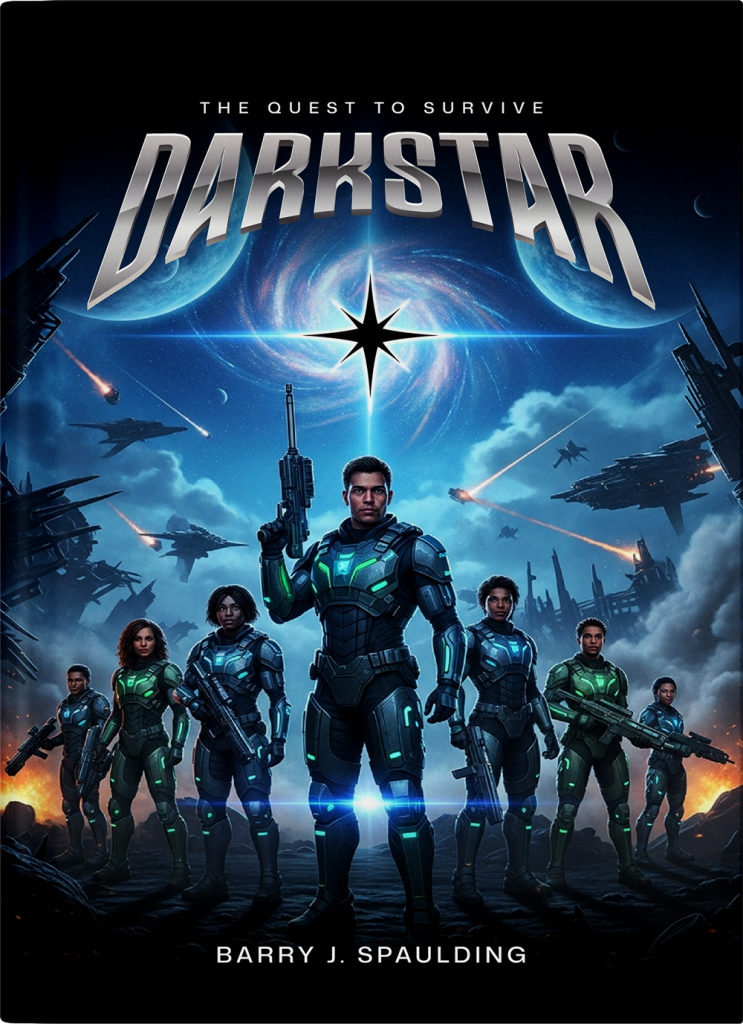
Military science fiction following Aaron Darkstar through an interstellar conflict shaped by conquest, loyalty, loss and revenge. Barry estimates fifteen years of work on the universe and grounding its adventure in tactical and emotional detail.
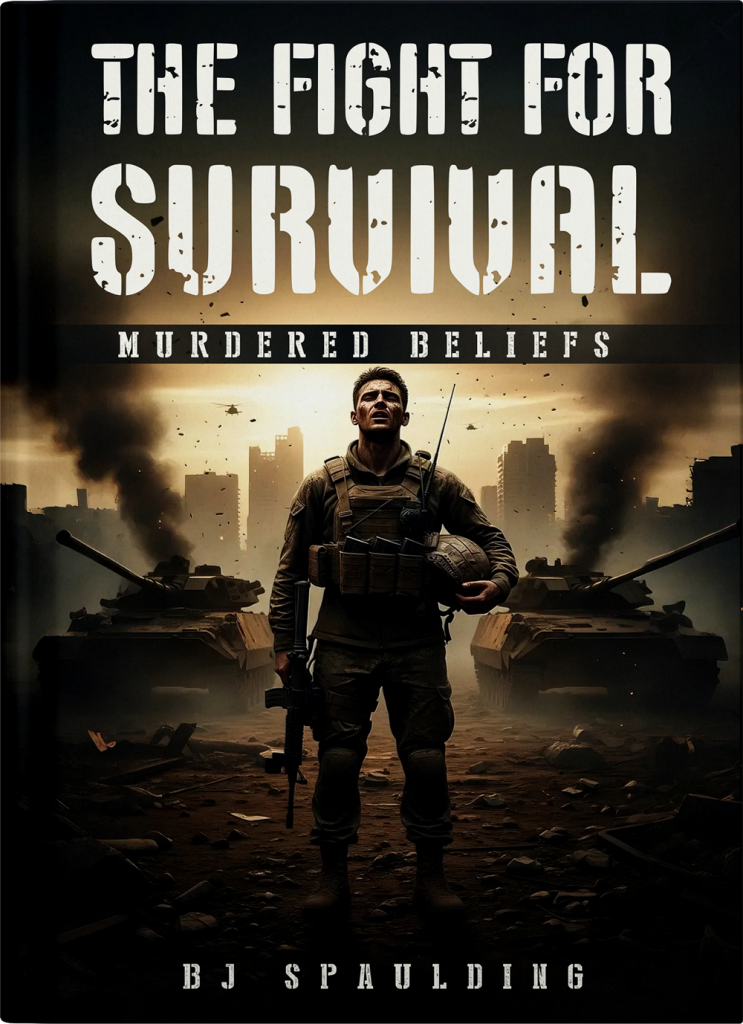
A military science fiction story following a lone soldier after a devastating attack. Survival in a damaged landscape becomes a question of instinct, duty, grief and the effort to retain a sense of humanity.
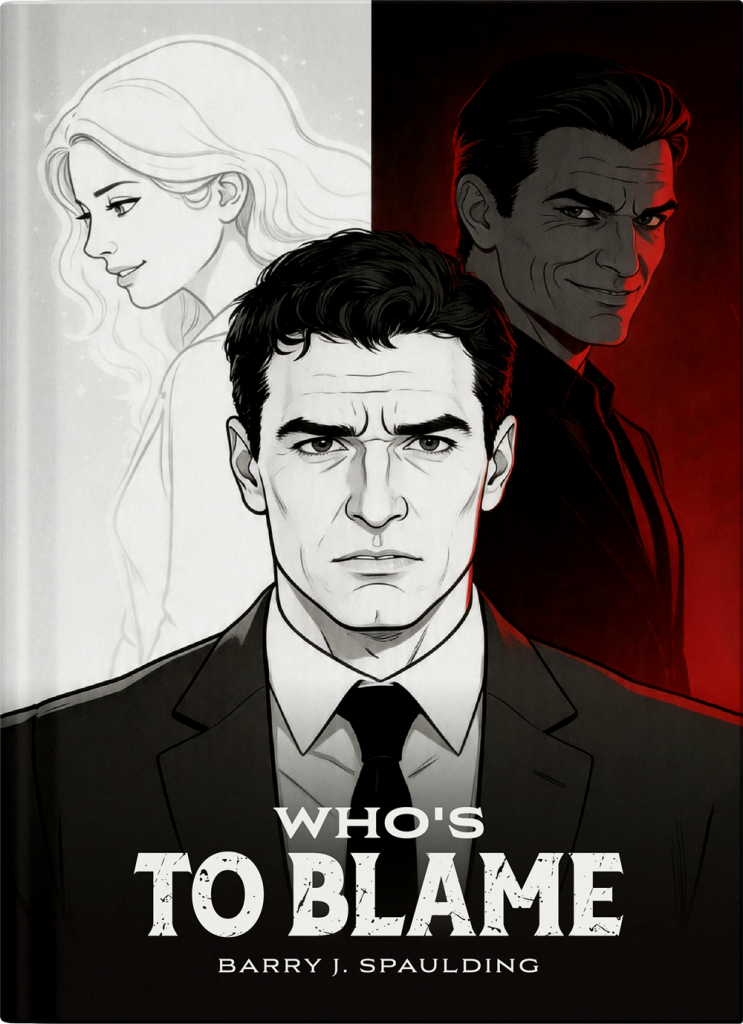
Faith-oriented fiction about George Gravely Jr., whose grief and frustration lead him to blame God. An imagined spiritual encounter prompts questions of perspective, choices, forgiveness and personal responsibility.
| Date | Type | Show or publisher | Topic | Source |
|---|---|---|---|---|
| June 17, 2026 | Podcast guest interview | Marketer of the Day | Grounded science fiction, faith-oriented storytelling and reading | Open source |
| June 5, 2026 | Podcast guest interview | Deal By Me - episode 313 | Service career, authorship and returning to a creative dream | Open source |
| August 7, 2026 | Podcast guest interview | Vigilantes Radio Live! | Dark Star, storytelling and a new chapter after retirement | Open source |
| July 28, 2026 | Podcast guest interview | The Open Manuscript - Christine Blanchette | The fifteen-year development of Dark Star | Open source |
| August 7, 2026 | Podcast guest interview | My Life Now - Chris Buscher | War, revenge and military science fiction | Open source |
| August 20, 2026 | Podcast return interview | Knew Amsterdam Radio - Flobo Boyce | Dark Star; return following a discussion of Who's to Blame | Open source |
| June 7, 2026 | Radio guest interview | The Real RAPP Radio Show - Walil Archer | Author interview | Open source |
| May 29, 2026 | Author interview | Global Book Network - Dark Star | Book inspiration, writing and the world of Dark Star | Open source |
| May 29, 2026 | Author interview | Global Book Network - The Fight for Survival | Survival, courage and the novel's human stakes | Open source |
| July 3, 2026 | Author interview | Global Book Network - Who's to Blame | Accountability, responsibility and the book's spiritual questions | Open source |
| Date not stated | Author interview | Famous Interviews with Joe Dimino | Army service, law enforcement and writing; listed in the author interview catalog | Open source |
| April 22, 2026 | Branded content feature | New York Weekly | Dark Star and the author's transition from service to publishing | Open source |
| April 23, 2026 | Branded content feature | US Business News | The Fight for Survival and the human cost of conflict | Open source |
Marketer of the Day - Episode 1592
Barry discusses Dark Star, The Fight for Survival and Who's to Blame, his flexible writing process, reader imagination and bringing long-developed stories into print.
Barry J. Spaulding is an author of military science fiction and faith-oriented fiction. His professional background includes U.S. Army service and a career in federal law enforcement. He also publishes as BJ Spaulding.
Barry J. Spaulding - current official author site | Barry J. Spaulding - author biography and book themes | Barry J. Spaulding with Robert Plank - complete episode 1592
His current author catalog includes Dark Star, The Fight for Survival and Who's to Blame. The first two are military science fiction; Who's to Blame is faith-oriented fiction.
Barry J. Spaulding - current book catalog | Dark Star - official book detail | The Fight for Survival - official book detail | Who's to Blame - official book detail
It follows Aaron Darkstar, a warrior shaped by family loss and a desire for revenge, through a galaxy at war. The novel combines military action, loyalty, political conflict and the emotional consequences of command.
Dark Star - official book detail | Barry J. Spaulding with Robert Plank - complete episode 1592
In his conversation with Robert Plank, Barry estimates fifteen years of work on Dark Star. He continued developing stories while pursuing his service career.
Barry J. Spaulding with Robert Plank - complete episode 1592
A soldier tries to stay alive after a devastating attack leaves his unit and surroundings in chaos. The story explores duty, instinct, grief and the choices involved in retaining humanity during conflict.
It follows George Gravely Jr. through an imagined encounter with God after grief and frustration have changed his outlook. The story explores blame, faith, forgiveness and personal responsibility.
Who's to Blame - official book detail | Barry J. Spaulding with Robert Plank - complete episode 1592
No. Dark Star and The Fight for Survival are military science fiction, while Who's to Blame is faith-oriented fiction. Barry also discusses ideas in other genres during the interview.
Barry J. Spaulding - current book catalog | Barry J. Spaulding with Robert Plank - complete episode 1592
He turns to books and other publications when a scene raises a practical question, such as spacecraft propulsion or weapons. He wants the imagined setting to have explanations and uses his military experience when thinking about tactics.
Barry J. Spaulding with Robert Plank - complete episode 1592
He usually begins fiction with an idea and writes the material before revising it. He recognizes that nonfiction research may benefit from a more structured outline, and he researches fictional details when they need attention.
Barry J. Spaulding with Robert Plank - complete episode 1592
Barry describes Aaron Darkstar as a character shaped by trauma, loss and revenge. He is interested in how difficult choices affect a character, rather than treating combat ability as a complete picture of a hero.
Barry J. Spaulding with Robert Plank - complete episode 1592 | Dark Star - official book detail
He began as a teenager, taking journalism in high school and reading science fiction and fantasy. Writing continued through his military service and later law enforcement career.
Barry J. Spaulding with Robert Plank - complete episode 1592 | Barry J. Spaulding - author biography and book themes
He values the private imaginative work a reader brings to the words on a page. In the interview, he contrasts that experience with watching a director's finished visual version of a story.
Barry J. Spaulding with Robert Plank - complete episode 1592
Yes. He encourages readers to tell him what worked and what could be developed further, including character development. He describes that feedback as useful to his future writing.
Barry J. Spaulding with Robert Plank - complete episode 1592
He has discussed a possible Dark Star prequel and sequel and ideas in other genres, including a vampire story and a story connected with his daughter. These are plans described in the interview, rather than additional titles verified as published.
Barry J. Spaulding with Robert Plank - complete episode 1592 | Barry J. Spaulding - current book catalog
Visit his official author website for the current catalog, book details and collected interviews.
Barry J. Spaulding - official author website | Barry J. Spaulding - current book catalog