User value
Show the people using the product how it supports the work they need to do. In Brent's recruiting-software example, the recruiting lead wants to understand applicant tracking and the usefulness of the capabilities.
Brent Keltner helps B2B teams connect buyer goals, buying committees and customer stories across marketing, sales and customer success.

"Customer stories take us from 'I'm trying to sell you something as a vendor' to 'We're trying to solve a problem together.'"
Updated October 28, 2026
Dr. Brent Keltner, PhD, is president of Winalytics and creator of its Journey First Growth methodology. He helps B2B companies personalize messaging, content and conversations around the goals of the people involved in a purchase. His books, Journey-First Marketing and The Revenue Acceleration Playbook, connect buyer research with practical playbooks for marketing, sales and customer success. A former qualitative researcher at Stanford University and the RAND Corporation, Brent brings a social scientist's listening skills to revenue work, helping teams replace product-heavy pitches with clearer value stories and a shared approach to the buyer journey.
Dr. Brent Keltner, PhD, is a B2B growth consultant, author and president of Winalytics. His work begins with a question many revenue teams move past too quickly: what is the buyer trying to accomplish? He helps marketing, sales and customer success teams use the answer to build a more coherent experience, from the first website visit through purchase, adoption and account expansion.
Brent earned a PhD in political science from Stanford University. He began his career conducting qualitative research at Stanford and the RAND Corporation, then moved into commercial revenue leadership. In his Marketer of the Day conversation, he explains how recruiting busy executives for research taught him to lead with what mattered to the person he wanted to engage. The institution's reputation and his own expertise meant little until he could make that relevance clear.
That experience informs Winalytics' Journey First Growth methodology. The approach connects buyer outcomes, account-level value propositions, role-specific messaging, customer stories and team playbooks. Brent emphasizes that a B2B purchase involves several people with different concerns: the person using a product, the leader responsible for its business value and stakeholders who need it to fit the wider organization. Marketing has a role in helping those people find common ground.
His 2026 book Journey-First Marketing focuses on identifying, engaging and converting ideal customers through personalized buyer journeys. The Revenue Acceleration Playbook, published in 2022, extends the buyer-value approach across sales, marketing and customer success. Both books translate his work into company examples and tools teams can use in their day-to-day conversations.
At Winalytics, Brent works with a team whose services include target-account marketing, sales and client-skills development, positioning, content, revenue operations and AI-assisted workflows. The firm serves mid-market and enterprise B2B organizations, with experience in education, human resources, healthcare and enterprise software. His teaching combines research, practical examples and repeated skills practice so the buyer's goals remain visible as different teams take part.
Journey First Growth starts with the buyer's desired outcome and connects the people who must agree on a purchase. Brent's explanation makes three kinds of value visible so a team can build its messaging, website and conversations around the whole buying committee.
Show the people using the product how it supports the work they need to do. In Brent's recruiting-software example, the recruiting lead wants to understand applicant tracking and the usefulness of the capabilities.
Connect those capabilities to the goals of the person responsible for the budget. The HR leader may care about recruiting efficiency, employee retention and whether the organization is making better hires.
Help the wider organization understand how the purchase fits existing systems and processes. Other stakeholders may ask how a recruiting tool connects with onboarding or compensation.
Start with the customer outcomes your team can credibly support. Build a value story for each buying role, add peer customer evidence and carry the same logic through the website, content, sales conversations and customer-success work. Winalytics' official explanation adds aligned playbooks and continuing coaching so the approach becomes part of daily execution.
Hear Brent explain the buying committee and three types of value at 0:44 | Read the official Journey First Growth explanation
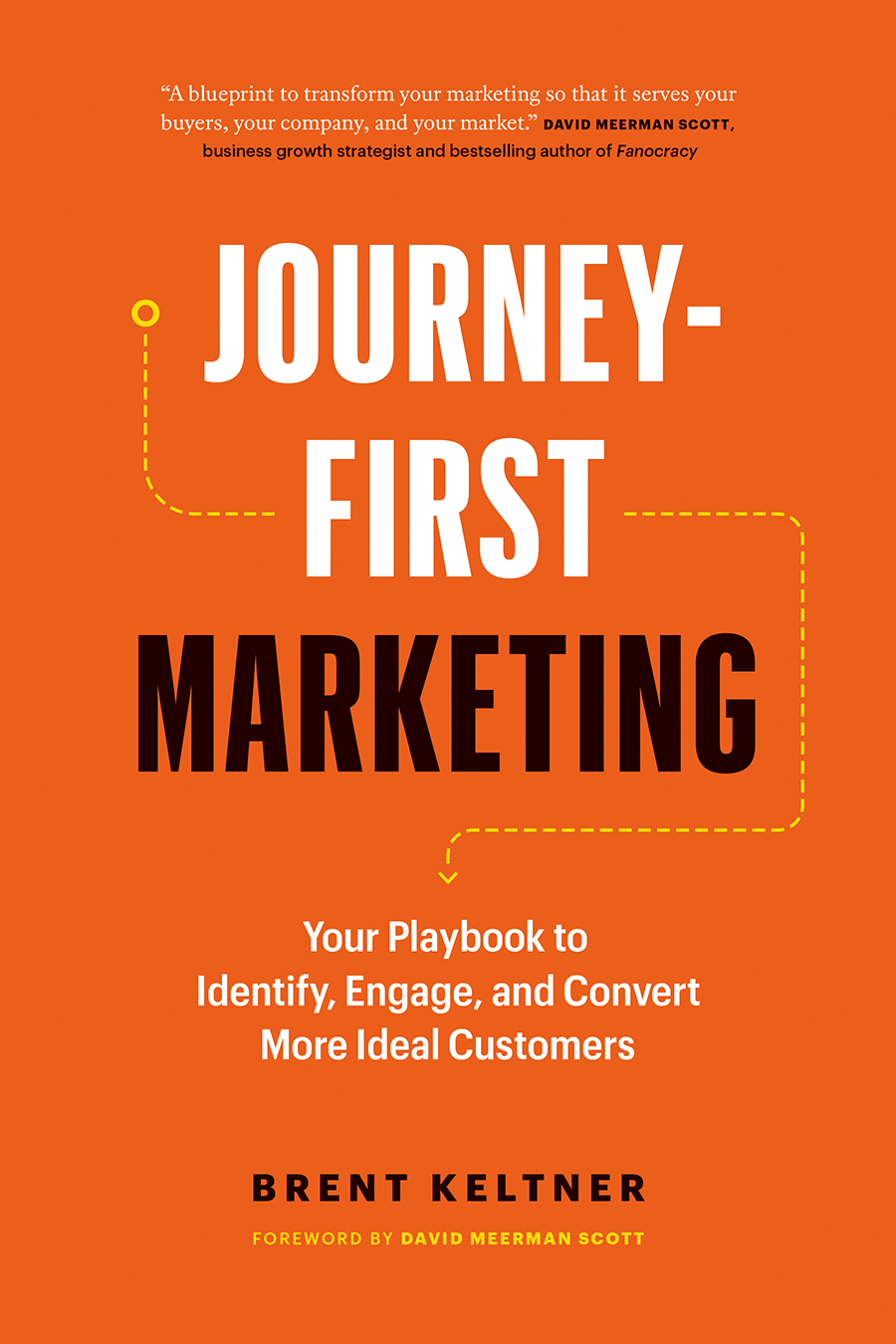
Your Playbook to Identify, Engage, and Convert More Ideal Customers
Brent's guide to personalizing the B2B buyer journey by role, goals and market segment. It connects buying-committee value propositions, versioned messaging, content streams and buyer intent with examples and templates. The aim is to help buyers educate and qualify themselves while marketing, sales and customer teams reinforce a consistent view of value.
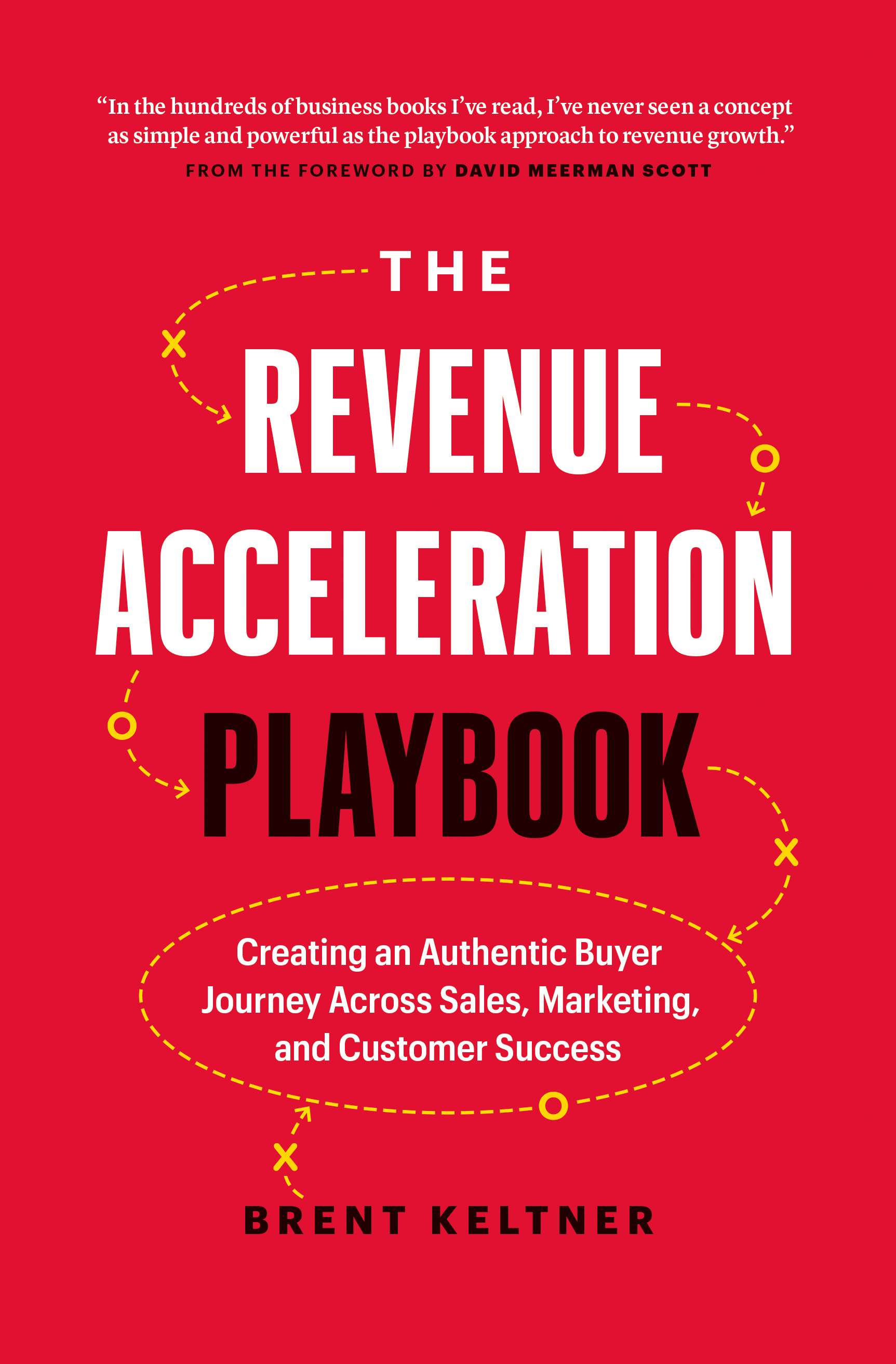
Creating an Authentic Buyer Journey Across Sales, Marketing, and Customer Success
A practical framework for replacing product-led pitches with conversations grounded in buyer-defined value. Brent draws on company examples to connect initial engagement, sales conversations, customer relationships and market-segment growth. The book treats playbooks as shared tools for a revenue team, with authentic buyer conversations at the center.
Winalytics combines strategy, execution and skills development around the buyer journey. Its services support different parts of the work, from positioning and acquisition through customer relationships and measurement.
Winalytics works with B2B teams whose lead volume does not translate into qualified conversations with buying committees. The team defines customer segments, target accounts, qualification thresholds, messaging, and cross-channel campaign playbooks, including website and answer-engine strategy. Delivery includes account-intent measurement, performance dashboards, and repeated targeting and messaging review.
Winalytics develops sales skills for teams that need consistent discovery, buyer-specific storytelling, qualification, and account expansion. Its role-based program includes weekly micro-lessons and assignments, practice and scoring rubrics, peer learning, field-ready playbooks, and individual coaching plans. Managers receive support to run the continuing coaching process and track its application to real pipeline work.
Winalytics trains customer-facing teams to understand goals across an account, build relationships with several stakeholders, and address renewal or expansion opportunities proactively. The program advertises role-specific work for account management, customer success, support, product, and engineering teams. Weekly lessons, coaching plans, peer reinforcement, and shared practice rubrics support applying the skills during current customer work.
Winalytics' growth partnership serves B2B companies that lack senior go-to-market capabilities across marketing, sales, and customer teams. It combines buyer-journey strategy, customer-segment and buying-committee definitions, messaging, campaigns, skills development, and fractional executive support. The engagement includes growth planning, customer-journey maps, measurement frameworks, and dashboards across acquisition, adoption, and expansion.
Winalytics helps B2B companies whose positioning emphasizes features without explaining value to the different people involved in a purchase. The team develops customer-segment and role-specific value stories, buying-committee messaging, and differentiated phrases. Playbooks, templates, and shared story governance help marketing, sales, and customer teams use the messaging consistently.
Winalytics develops content for B2B companies whose websites, campaigns, and sales materials give buyers disconnected messages. Its work includes customer-story libraries, thought leadership, segment-specific content paths, reusable templates, and decision-stage resources such as diagnostics and checklists. The team produces and deploys content packages, then uses cross-team feedback to refine them.
Winalytics supports revenue teams that use different customer definitions, handoffs, and measures across marketing, sales, and customer success. The work builds account and contact structures in CRM, account-intent measures, and channel-to-pipeline reporting. It also establishes shared definitions, review rhythms, and measurement governance so teams can inspect the same revenue process.
Winalytics helps B2B marketing and sales teams apply AI to account research, positioning, outreach, and sales-call preparation. The advertised work builds a shared knowledge base of value propositions, customer segments, personas, and content, then connects it to research and call-review workflows. Team skills development and continuing tuning keep people involved in reviewing and applying the outputs.
Connecting the goals of users, budget owners and wider stakeholders instead of treating each contact as an isolated lead.
Using relevant peer experiences to move a conversation from a vendor pitch to a problem the buyer and seller can solve together.
Making products, buying roles and priority market segments visible so visitors can find the value and examples relevant to them.
Turning a strong customer story into several useful assets, with different levels of detail and role-specific relevance.
Keeping marketing, sales and customer-success teams connected through buyer-value language, playbooks, practice and shared measures.
Applying AI to account research, intent signals and preparation while people review the outputs and keep conversations relevant.
The company's guide collection applies buyer-journey thinking to markets including human resources, K-12 education, higher education, industrial automation and retail. Other resources cover account-based branding, intent generation and continuous sales coaching.
February 13, 2026 | Episode 1543
Brent explains how buyer goals, buying committees and customer stories can guide B2B websites, content and sales activity. He also discusses account-level signals and the difference between product, business and corporate value.
Watch the complete interview on YouTube | Read the episode show notes
| Date | Type | Outlet | Subject | Source |
|---|---|---|---|---|
| March 25, 2026 | Podcast interview | InnovaBuzz 702 with Jürgen Strauss | Authentic buyer journeys, the buying committee and AI as a teammate. | Open source |
| - | Podcast interview | Consulting Rainmakers Podcast | Buyer relevance and aligning marketing messages with sales conversations. | Open source |
| - | Podcast interview | SharkPreneur with Seth Greene | The Revenue Acceleration Playbook and a journey-first approach to selling. | Open source |
| - | Video conversation | Winalytics with David Meerman Scott | Content marketing and the authentic buyer journey. | Open source |
| August 15, 2023 | Podcast interview | Leading Learning 370 with Celisa Steele | Researching customer value and building authentic buyer journeys for learning businesses. | Open source |
| May 23, 2023 | Podcast interview | TheInquisitor Podcast with Marcus Cauchi | Moving from seller-centered pitches to buyer-centered conversations. | Open source |
| March 3, 2022 | Written interview | Authority Magazine with Charlie Katz | Customer-focused selling and communicating without a pushy sales pitch. | Open source |
Brent discusses buyer relevance and alignment between the messages marketing publishes and the conversations sales teams have.
Brent joins Jürgen Strauss to discuss authentic buyer journeys, the buying committee, AI as a teammate and learning with less ego.
Seth Greene interviews Brent on moving from seller-first pitches toward a journey that helps buyers educate themselves and decide.
Brent and David Meerman Scott discuss where content marketing and sales overlap, and how teams can keep buyer value at the center.
Brent helps teams connect their marketing, sales and customer-success work around buyer goals. His work includes positioning, buying-committee messaging, content, team skills and account-based growth.
Journey First Growth is Winalytics' methodology for organizing revenue work around the buyer journey. It connects customer outcomes, account-based value propositions, personalized messaging and aligned team playbooks.
He distinguishes user value, business value and corporate value. Users need the product to support their work; budget owners need business outcomes; wider stakeholders need the purchase to fit the organization's systems and priorities.
Customer stories provide a relevant peer example. Brent uses them to shift the conversation from a vendor describing a product toward a buyer and seller considering a problem together.
Winalytics works with B2B organizations, including mid-market and enterprise teams. Its current company biography highlights education, human resources, healthcare, enterprise software and service businesses.
Brent recommends making products, key buying roles and priority segments visible. That gives visitors a clearer route to relevant value propositions, customer examples and content rather than asking them to translate a general product story themselves.
He is the author of Journey-First Marketing: Your Playbook to Identify, Engage, and Convert More Ideal Customers and The Revenue Acceleration Playbook: Creating an Authentic Buyer Journey Across Sales, Marketing, and Customer Success. Page Two publishes both books.
Brent earned a PhD in political science from Stanford University. Before his commercial revenue work, he conducted qualitative research at Stanford and the RAND Corporation.
Winalytics applies AI to account research, positioning, intent signals, outreach and call preparation. Its current offer keeps people involved in reviewing outputs, applying judgment and improving the workflow.
Teams can use the Winalytics consultation contact page, connect with Brent on LinkedIn or use his publicly shared professional email and phone listed on this page.