Media Appearances / Business Creators Radio Show
The morning I asked my girlfriend to marry me, we worked out the paperwork, clothes, venue and invitations. We were married that afternoon. We had to know which office was open and which job came first. We didn't need a year of optional decisions before we could show up.
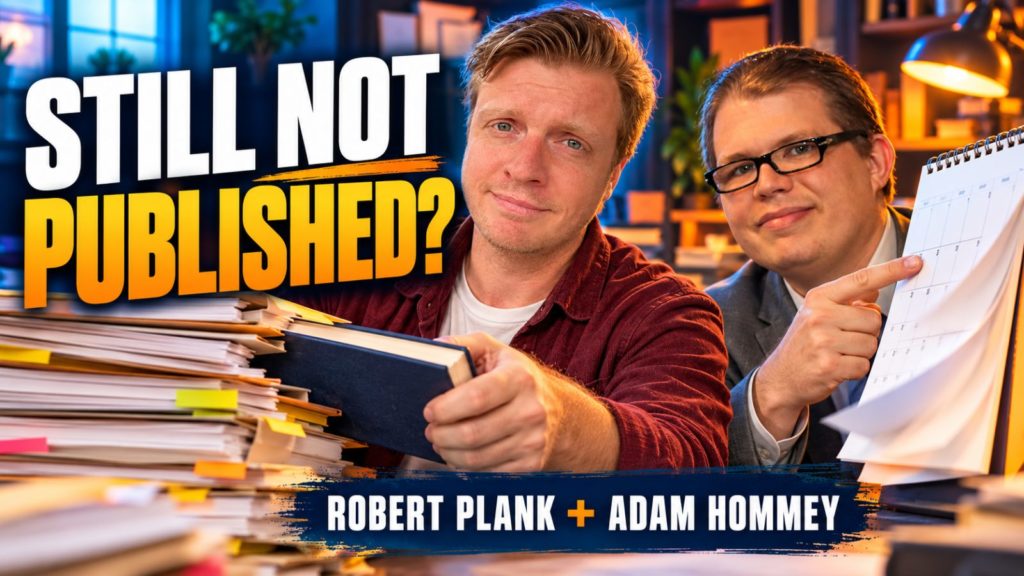
Adam Hommey brought up that story when I joined him on Business Creators Radio Show. He had his own example of finishing what mattered: four and a half years of weekly episodes without opening or closing bumpers.
If your first podcast is waiting for the right music, those are useful examples to sit with. What actually prevents someone from hearing episode one? And which extra requirement have you put in its way?
Hear Adam's twelve-minute book-preview idea in our Business Creators Radio Show interview: he used the recording to promote the book and finish text it was missing. Find our conversation in the show's episode archive, and visit Business Creators Radio Show for more of Adam's interviews.
Show What the Product Does for a Customer
Adam remembered a Backup Creator presentation I'd given for his Business Creators Toolkit. He recalled reaching roughly the thirty-minute mark and wondering when I was going to demonstrate the plugin. I'd spent that time laying the groundwork for what someone could accomplish with it.
The presentation covered moving a WordPress website from one host to another and using an existing site as a template. If you've already built a website the way you want it, you can use that working version as the starting point for site number two. You have a reason to care about the copying process before watching someone click through it.
As the person who built the software, I could easily have spent the hour showing off tabs and features. You put work into those things, so of course you want everyone to see them. The customer is trying to figure out whether your product will help them save time, save money, or do something they couldn't do before.
Adam said the presentation had prompted customers to come up with their own ideas for using the software. Explaining the possibilities gave the demonstration more meaning.
Before demonstrating a feature, name the job it helps the customer finish. For Backup Creator, that job was moving a site or starting a second one from a working version. Now the buttons have a reason to matter.
What Actually Has to Happen Before You Launch?
I've seen blogs begin with ten finished posts and twenty more half-written drafts. A few months later, the place is a ghost town. By the end of the year, the owner may have taken it down entirely. All that preparation didn't give them a process they could keep doing.
Podcasts can stall before anyone hears the first episode. Someone wants fifty episodes planned, the right music, and every recording edited perfectly. Each decision seems reasonable until you notice how much work has happened without anything being published.
Planning can even make you feel as though you've already done the work. You imagine your podcast a year from now, walk yourself through everything involved, and feel tired from the whole adventure. As I explained to Adam, you've taken yourself on a mental trip. You still need to record something.
A useful starting plan gives you enough direction to finish the next piece. For a podcast, that could mean one short episode introducing your business and why you started it, with the publishing setup completed so someone can find and subscribe to it. You can improve the production as you continue. Episode two then starts with some of the technical work already behind you.
Use the Recording You Already Made
Adam had a book to promote and material still missing from it. He recorded a twelve-minute preview walking through the table of contents. Prospective readers could see what was coming, while he spoke the introduction and chapter blurbs he still needed. He sent that recording for transcription.
That's a useful constraint: can the next promotional piece also help you finish the actual product? A real explanation of the contents did both jobs for Adam. A trailer promising great things would still have left the missing text unwritten.
For my own book, I started by choosing a problem the reader wanted solved. Then I listed ten possible chapter topics as questions, crossed out or combined three, and arranged the strongest seven in a useful order.
Under each chapter, I used Why, What, How To, What If. Explain why the issue matters, introduce what the reader needs to understand, show how to do something useful, then explain what they can do next. Planning short answers beneath those prompts gave the recording a defined job.
That's different from turning on a recorder and hoping an entire book comes out. Adam's table-of-contents preview gave him a particular assignment, too. We were both using spoken explanations to finish missing text, with the manuscript still needing review afterward.
Save Your Instructions and Approved Examples
Adam had assigned Microsoft Word styles to headings and body text in his first book. The next book could start with Save As. He still had to write it, but he didn't have to solve the same formatting problem again.
I used working versions of books, slide decks and software in the same way: remove the old material, preserve the useful structure, and replace what changes. Check every retained title, link and instruction. Reusing a template should save decisions without carrying the wrong content into the new project.
I'd spent the previous year intending to add pictures, chapters and video links to my book. They were still unfinished. The first edition existed because those improvements hadn't been conditions for releasing it. Keep a separate list of improvements so they don't quietly become requirements for the work already ready to use.
Who Handles Each Episode After Recording?
A continuing podcast gave me another reason to reuse a working process. The setup I described to Adam involved recording an episode, putting the audio on a hosting service, connecting it to a website post, and supplying a feed that podcast directories could use to deliver episodes to subscribers. My tools at the time included WordPress, PowerPress, and Libsyn. Once that setup was in place, each new recording could follow the same publishing steps.
For solo episodes, I usually prepared three main topics with three supporting points each. That gave me nine things to discuss without scripting every sentence. I aimed for a twenty-minute show, although some recordings stretched to forty minutes or an hour. The outline gave me enough direction to begin and something to return to if I wandered.
My first hundred episodes were mostly solo. Eventually, I noticed I was running out of subjects or covering the same ground, which led me to bring on guests. Interviews introduced other people's experience and ideas, but they also required a way to coordinate the conversations.
I used Calendly to offer recording appointments during designated hours. Guests chose a time and supplied their biography, picture, and contact information in advance. The appointment appeared on my calendar, and when it was time to record, I already had the information I needed to introduce and contact them.
Then I batched the production. When I had five or ten recordings ready, I'd edit them, upload them, and schedule their website posts ahead of time. That let me build a buffer of upcoming episodes instead of scrambling to finish each one immediately before publication.
Keep Publishing While You Work Out the Bigger Decisions
Adam described a period when he wasn't sure where his business or life should go. He kept interviewing. He could choose someone his audience would enjoy and deliver the next conversation even while other decisions were unsettled. He reported that the show continued bringing leads and clients.
One relationship exercise I suggested was interviewing conference speakers or attendees before an event. Choose someone you want to learn from, record a worthwhile discussion, and follow through with the finished episode. Arriving with a shared conversation gives you something more specific to return to than an exchanged business card.
Choose Four Things to Finish Tomorrow
Near the end, we returned to the daily work behind those projects. In this interview I described one fifteen-minute task and three forty-minute tasks. The exact sizes were less important than choosing work I could finish instead of giving every idea an unlimited claim on the day.
A first piece of a book, a recording, and an upload can each have their own stopping point. Completing one lets you return to something that exists. The next day's assignment can build on it instead of reopening all the choices you made the day before.
Get the Next Version Out
Choose the missing piece of your next release. After finishing it, save the template, instructions or settings you can use again. Separate the improvements you'd enjoy making from the decisions that would stop episode two.
If editing and publishing are the parts you keep rebuilding, bring one recording to DFY Podcast's production service. We'll use the episode and the outputs you need to define a repeatable handoff. You can spend the next recording appointment talking with someone instead of solving the upload process again.
About Robert Plank

Robert Plank is the host of Marketer of the Day and author of The Checklist Mindset. His work covers online business, productivity, and using systems, checklists, and templates to finish and publish useful content.
Original Conversation and Resources
This article draws on Robert's guest appearance with Adam Hommey on Business Creators Radio Show: "Promote Your Online Business Like an Unstoppable Machine, With Robert Plank."
Browse the Business Creators Radio Show archive on Apple Podcasts or visit the show's website. Explore more of Robert's guest conversations in the Media Appearances index.