Find the hub
Identify the expertise or capability that connects the work you can deliver.
Helping people turn their skills into a clear offer, trusted relationships and more than one source of work.

"People hire people they know and trust. Your job is to develop relationships in the field you want to work in and get referrals."
Last updated
Dr. Chaz Austin is a career coach, educator and author who helps people define, articulate and market their skills in the gig economy. He earned an Ed.D. in Organizational Leadership from Pepperdine University in 2011 and created three LinkedIn Learning courses covering career planning, succeeding in a new job and leaving a job. His books include How to Find Work for the Rest of Your Life. Chaz connects a clear personal brand with useful relationships, ongoing learning and ways to earn from more than one client or role. He also works with leaders and managers on supporting their teams.
Dr. Chaz Austin is a career coach, educator and author whose work addresses the gap between having useful skills and knowing how to find people who will pay for them. He teaches workers to define what they offer, explain it clearly and develop relationships in the field where they want to work. His public professional profile also lists executive coaching and public speaking.
Chaz earned an Ed.D. in Organizational Leadership from Pepperdine University in 2011. His dissertation, A model for integrating a career development course program into a college curriculum, examined how career development could become an ongoing part of a college education. His academic and publishing records also use the name Charles Michael Austin.
In conversation with Robert Plank on Marketer of the Day, Chaz starts with the desired outcome. What kind of work does the person want, and what specific service or skill can they offer? From there, he works on the person's online profile, the people they need to meet and the groups where those relationships can begin. LinkedIn is useful in his own work because his prospective clients and colleagues use it; he does not prescribe the same platform for every audience.
His networking advice emphasizes being useful before asking for an opportunity. Participating in an industry group or volunteering gives people a chance to see how someone works. A conversation over coffee or Zoom then has a clearer starting point than an unfamiliar resume. Chaz treats these relationships as something to maintain, rather than a list to contact only when work disappears.
Chaz also argues that a strong career can draw on several ways of using the same skill set. His Wheel, or Multiple Income Streams Approach, puts a person's core expertise at the center and considers different forms of paid work around it. The point is to reduce dependence on a single employer or client while keeping the work connected to skills the person can actually deliver.
His books develop that practical self-marketing approach. How to Find Work for the Rest of Your Life follows earlier titles, 101 Ways to Find Work...And Keep Finding Work for the Rest of Your Career! and How to Find Work . . . and Keep Finding Work for the Rest of Your Life. He also contributed the U.S. gig-economy chapter to Navigating a New Era of Business and Human Rights, a collection commissioned by Article 30 in collaboration with Mahidol University's Institute of Human Rights and Peace Studies.
For people who prefer structured lessons, Chaz created Creating a Career Plan, Succeeding in a New Job and Transitioning Out of Your Job for LinkedIn Learning. Together they address choosing a direction, entering a workplace and deciding how to leave it professionally. He has also presented the TEDxMSJC talk Wake Up to the Gig Economy.
His leadership writing turns from the individual worker to the environment a manager creates. Gardening Leadership - The Fourteen Principles, written with James Andrews, discusses clear expectations, thoughtful hiring, recognition, listening and the room people need to do their jobs. In separate career writing, Chaz adapts SWOT analysis by renaming Weaknesses as What's Missing and asking what the person needs to learn or obtain next.
Chaz describes a collaborative teaching style. He recalls students introducing themselves, discovering that someone else worked where they wanted to work, and beginning their own conversations. He enjoys the energy of that exchange and the moment when people can explain what they offer. For career educators, workforce programs and interview audiences, he brings concrete questions that turn a broad wish for work into a plan for learning, communication and relationships.
Wake Up to the Gig Economy, published by the verified TEDx Talks channel.
The Wheel, also called the Multiple Income Streams Approach, begins with a core skill set and looks outward to several forms of work.
Identify the expertise or capability that connects the work you can deliver.
Consider different audiences, formats or roles that could pay for that capability.
Develop more than one route to work while continuing to maintain useful relationships.
His musician example includes performing, teaching, producing and arranging. It makes the model concrete without promising that every possible spoke will become an income stream.
Chaz uses the established SWOT tool to compare a person's capabilities with the market they want to enter.
List specific marketable skills, then identify gaps that education, experience or training could address.
Research demand, compensation, competition and conditions that could make the intended move harder.
He renames the Weaknesses quadrant What's Missing. His own example considers teaching, further education and the limits of available tenure-track work. The purpose is to examine a career choice before committing resources.
Chaz and James compare leadership with creating conditions in which other people can grow.
Their fourteen principles address hiring, written responsibilities, team involvement, training, individual motivation, recognition, listening, well-being, autonomy and feedback. They distinguish the team's process from the manager's responsibility for clear results.
A practical starting point is to agree on deliverables and deadlines, then keep communication open when a problem appears. This is their coauthored leadership guide, separate from Chaz's career-networking farming analogy.
Start with a career goal, identify a specific marketable skill and make that offer clear in a profile or conversation.
A question to ask: What can you say when someone asks what you do, beyond naming a job title?
Participation, volunteering and steady follow-up as ways for people to learn how you work.
A question to ask: How can someone be useful to an industry group before asking it for work?
The Wheel connects a core skill set with several possible clients, roles or formats.
A question to ask: Which different forms of work could grow from the skills you already use?
Chaz works with people who need to explain what they offer and reach employers or clients in the gig economy. One-to-one coaching connects a career goal with a specific marketable skill, an appropriate online profile and conversations with people in that field. His interview examples include choosing the platform an audience uses and maintaining relationships after the first introduction.
Chaz advises leaders and managers on working with people and using social media to reach their intended audiences. His Gardening Leadership article, written with James Andrews, explains how clear responsibilities, agreed deliverables, training, recognition and listening can shape the environment a team works in.
Chaz presents and teaches on career development, personal branding and finding work in the gig economy. His material connects defining a marketable offer with professional networking, useful participation and continued learning. Career educators, workforce programs and event organizers can explore those themes through his TEDxMSJC talk and three LinkedIn Learning courses.
Clarify a direction, develop a personal brand and plan the relationships and actions that support a career move.
Prepare for a new role, understand its workplace and establish useful working relationships.
Evaluate a departure and leave a role professionally, including notice and conversations with the team.
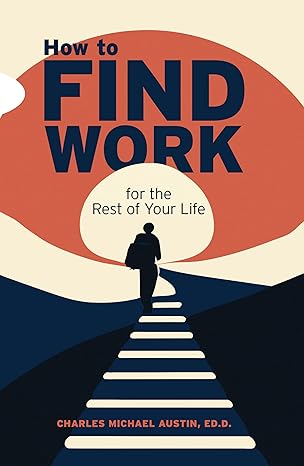
A career guide to defining a personal brand, explaining an offer and marketing skills to the people who need them. The 2024 book includes career direction, communication, networking and the continuing work of finding opportunities.
An earlier self-marketing handbook organized around practical career decisions, communication, networking and ongoing learning. It is a separate title from the later How to Find Work for the Rest of Your Life.
An earlier career handbook published under Charles Michael Austin. Its title and identity remain distinct from his later book with the shorter title How to Find Work for the Rest of Your Life.
Chaz contributed The Gig Economy: How Freelance Work is Re-defining the 21st Century Workplace in the United States. The 2019 collection was a collaboration between Article 30 and Mahidol University researchers; Chaz is the chapter author, rather than author of the complete collection.
| Date | Type | Show or publisher | Topic | Source |
|---|---|---|---|---|
| June 18, 2026 | Podcast guest interview | Marketer of the Day with Robert Plank | Personal branding and relationships in the gig economy | Open source |
| October 13, 2026 | Coauthored article | edCircuit | Gardening Leadership - The Fourteen Principles, with James Andrews | Open source |
| March 3, 2025 | Book review | Literary Titan | How to Find Work for the Rest of Your Life | Open source |
| September 18, 2023 | Podcast guest interview | Positive Philter with Philip Wilkerson | Re-careering, changing work and continuing to upskill | Open source |
| November 18, 2020 | Published TEDx talk | TEDx Talks / TEDxMSJC | Wake Up to the Gig Economy | Open source |
| Date not established | Recorded webinar | Career Planning Academy | How to Find Work - and Keep Finding Work for the Rest of Your Life | Open source |
Marketer of the Day - Episode 1593
Chaz explains how to define an offer, choose a platform where the intended audience already spends time and turn a clear profile into a starting point for useful conversations. He discusses volunteering, referrals, continuing to learn and nurturing relationships without expecting an immediate result.
Chaz helps people define a marketable offer, communicate their personal brand and develop relationships with people in their intended field. His services include career-development coaching, executive coaching and public speaking.
Chaz Austin with Robert Plank - complete interview | Chaz Austin - current service listing
Chaz earned an Ed.D. in Organizational Leadership from Pepperdine University in 2011. The university's dissertation record identifies his work on integrating a career-development course program into a college curriculum.
Yes. His publishing and dissertation records use Charles Michael Austin, while his professional profile and teaching work use Chaz Austin. These records connect the same career-development work and author identity.
Pepperdine University - dissertation and 2011 award record | How to Find Work for the Rest of Your Life - publisher library listing | 101 Ways to Find Work - publisher library listing
Chaz places a core skill set at the center and considers different ways it could produce paid work. His musician example includes performing, teaching and producing. It is a planning approach, rather than a guarantee that every possible route will pay.
Navigating a New Era of Business and Human Rights - chapter by Chaz Austin
He compares specific strengths and missing capabilities with market opportunities and threats. He calls the traditional Weaknesses quadrant What's Missing. SWOT is an established tool; Chaz describes his adaptation for individuals.
No. He explains that LinkedIn works for his own clients and professional audience, while another audience may use a different platform. His starting question is where the people you need to reach already spend time.
Chaz starts with the person's goal and the specific work or skill they can offer. The profile should then help a potential client or colleague understand that offer.
It gives people a chance to see how someone works and contributes before a hiring or referral conversation. He describes relationships as something to develop and maintain, rather than contact only when work is urgently needed.
They are Creating a Career Plan, Succeeding in a New Job and Transitioning Out of Your Job. Chaz is the instructor and creator, covering career direction, joining a workplace and leaving a role professionally.
LinkedIn Learning - Creating a Career Plan | LinkedIn Learning - Succeeding in a New Job | LinkedIn Learning - Transitioning Out of Your Job
How to Find Work for the Rest of Your Life is his 2024 career guide. His earlier handbooks have similar titles, so the books section keeps the separate titles and credits visible.
How to Find Work for the Rest of Your Life - publisher library listing | 101 Ways to Find Work - publisher library listing | Earlier How to Find Work handbook - book record
No. He contributed The Gig Economy: How Freelance Work is Re-defining the 21st Century Workplace in the United States to Navigating a New Era of Business and Human Rights. The collection brings together multiple contributors.
Navigating a New Era of Business and Human Rights - chapter by Chaz Austin
Chaz Austin wrote the article with James Andrews. They discuss the environment leaders create for their teams, including clear expectations, training, recognition, listening and appropriate autonomy.
Wake Up to the Gig Economy introduces his perspective on self-marketing and preparing for a changing workplace. It is a TEDxMSJC talk, published by TEDx Talks, and is separate from his interview with Robert Plank.
Use chaz@chazaustin.com or his verified LinkedIn profile. Chaz gave both routes publicly in his Marketer of the Day conversation and invited people to discuss career-coaching support.
Chaz Austin with Robert Plank - complete interview | Dr. Chaz Austin - verified professional profile