Media Appearances / What Are You Made Of?
I wanted more speaking opportunities and was tired of getting passed over. I was doing webinars and joining masterminds, hoping for stage slots. Being able to build the software didn't make me the person someone wanted to put in front of an audience.
Toastmasters gave me a place to practice. Some exercises felt silly compared with the business opportunity I wanted, but I could stand up and do them instead of staying in my head, imagining how well I'd speak.
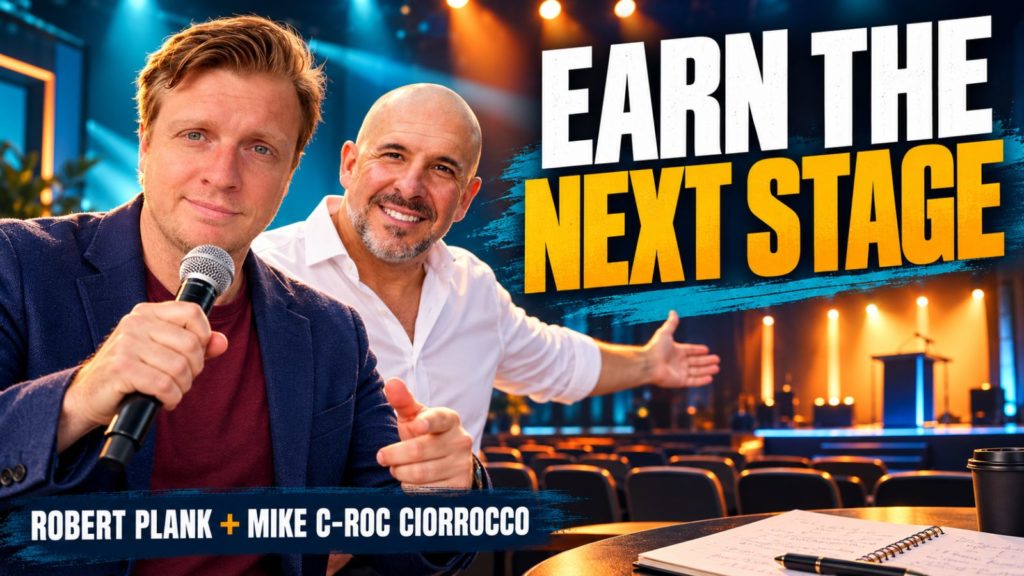
Mike "C-Roc" Ciorrocco noticed the pattern when I joined What Are You Made Of?: I'd learned to find a gap in software and work on it, then started doing the same with marketing, speaking and networking. That comparison helped. A missing skill is something I can practice without declaring my entire personality broken.
Mike compares my missing communication skills with the software problems I knew how to work on. Hear that exchange on What Are You Made Of?, including his suggestion for showing an organizer what I could do. His show's archive has more conversations about how people develop their abilities.
Programming Did Not Prepare Me for Speaking
My brain comes alive when I'm programming. I enjoy figuring out why something won't work, pushing through the frustration, and coming out the other side with usable software. Entrepreneurship gave me a way to keep doing that work, but it also exposed requirements that coding alone couldn't satisfy.
I had to figure out websites, email lists, and traffic so someone would find what I'd made. Then public speaking became a limitation. Having something useful to explain didn't mean I could explain it well to an audience. Professional relationships needed attention too, especially if I wanted a more consistent way to meet people than showing up at a random networking event and hoping for the best.
Podcasting gave me a deliberate approach to that last problem. I could invite someone interesting, have a substantial conversation, and begin getting to know them. It combined something I needed to practice with a reason to practice it.
Identify the skill your next opportunity requires. If someone needs to understand your product before they'll consider buying it, practice explaining it. If you want to meet potential collaborators, find a way to begin those conversations. That gives you a specific ability to work on.
Practice Answering Questions Out Loud
I felt stuck in the middle. Around people who were much more sociable than me, I didn't quite fit. Around highly technical people whose social approach didn't suit me, I didn't feel at home either. Neither extreme seemed like a good fit, and I wanted to find more in-betweeners like me.
Networking gave me something specific to examine. Which conversations did I enjoy? Sometimes making small talk was more pleasant than talking business with someone who immediately wanted to sell me something. Getting comfortable with each other had value. We could figure out whether we got along before deciding where a professional relationship might lead.
Mike challenged the assumption behind my description. Was awkwardness necessarily bad? He talked about how being different can help you stand out, even when the attention feels uncomfortable. I had been describing not fitting in as a problem, and he gave me a reason to question that.
My answer was that discomfort could point toward something worth practicing. I had to make a deliberate effort to be present, care about the person, listen, and ask questions. I also needed to avoid adding my own story to everything someone said or turning the exchange into one-upmanship. Those were behaviors I could work on in an actual conversation.
After an awkward exchange, identify one behavior before judging your whole personality. Did you interrupt, miss a question or add a story that took over? Give the next conversation one specific correction to try.
Get Feedback From People Who Hear You Speak
The speaking opportunities I wanted required practice I hadn't yet done. Toastmasters let me try an explanation in front of people. A podcast gave me a different test: could the person follow it well enough to ask the next question?
Mike pointed out that an experienced interviewer's ease can hide all the attempts that came before it. Someone watches a comfortable conversation and assumes the person is naturally good at interviewing. They haven't seen the awkward repetitions or the work done when nobody was paying attention.
The number of recordings alone doesn't tell you how much someone has improved. Give yourself something to notice during each repetition. You might listen for whether you answered the question, explained an idea without wandering, or left enough room for a follow-up. Then use what happened to make one adjustment. A webinar, a Toastmasters exercise, or a podcast conversation becomes more useful when it gives you something specific to try differently next time.
Choose Whose Advice to Follow
I used to expect every conversation to be the best possible version of itself. Everyone who met me needed to come away impressed. It was a ridiculous standard, and it left plenty of room for disappointment when someone didn't respond the way I'd hoped.
Becoming a dad changed how much attention I could give those worries. I was too busy to care about everything I'd cared about before. I started allowing for other explanations when an interaction felt off. Maybe the person was having a bad day. Maybe I was having a bad day and picking up on something that wasn't there. Either way, trying to force a perfect conversation wasn't helping.
Mike described how his relationship with a higher power helped him worry less about pleasing other people. He also talked about recognizing when a room wasn't receptive and choosing not to keep returning to it. For me, becoming a father made it harder to justify spending so much attention on impressing everyone. I had people and responsibilities that needed that attention.
Public speaking gave me a practical way to redirect that attention. When I focused on my nerves and everything I might mess up, I became absorbed in myself. Asking how I could help someone gave me something useful to focus on. From there, I could notice who was receptive and what they needed.
Show the Organizer a Recording
Mike suggested a speaker reel. I added appearances, videos and a page that brings the work together. Choose a passage where someone can hear you explain an idea clearly; make the recording easy to find.
Mike also described speakers advertising a fee they hadn't yet been paid. Keep a proposed price separate from evidence of a paid booking. An accurate example of what you can do is more useful than a stronger claim you can't support.
Watch What Improved in the Next Recording
LinkedIn can feel like AI talking to AI. I want the tools to help me find a useful explanation from a real exchange, with the example and the qualification that made it mine.
Choose a passage that demonstrates the skill you're developing. If you're practicing a clear explanation, listen for where the other person understands it or needs another example. That passage can also belong on the page or reel an organizer uses to evaluate you.
My team can prepare the clip and captions. I need to choose the passage that lets someone hear the explanation and judge it for themselves.
Practice the Explanation Before Your Next Appearance
Choose one behavior for the next meeting, webinar or podcast: explain the service clearly, let the other person finish, or answer without wandering. Afterward, identify the missing step their response revealed. Try the correction in the next conversation.

For an answer that keeps wandering, my WWHW book gives you four questions to organize it before practicing aloud. Record yourself, listen for the part that needs a clearer example and try it again. You can use that recording to prepare for the next interview or show a speaking organizer what you do.
About Robert Plank
Robert Plank hosts Marketer of the Day and runs DFY Podcast, a podcast production service. His work connects software, marketing, and podcasting with his experience developing public speaking skills and building professional relationships through interviews.
Original Conversation and Resources
Robert joined Mike "C-Roc" Ciorrocco on What Are You Made Of? to discuss discipline, curiosity, communication, and using technology to share real conversations.