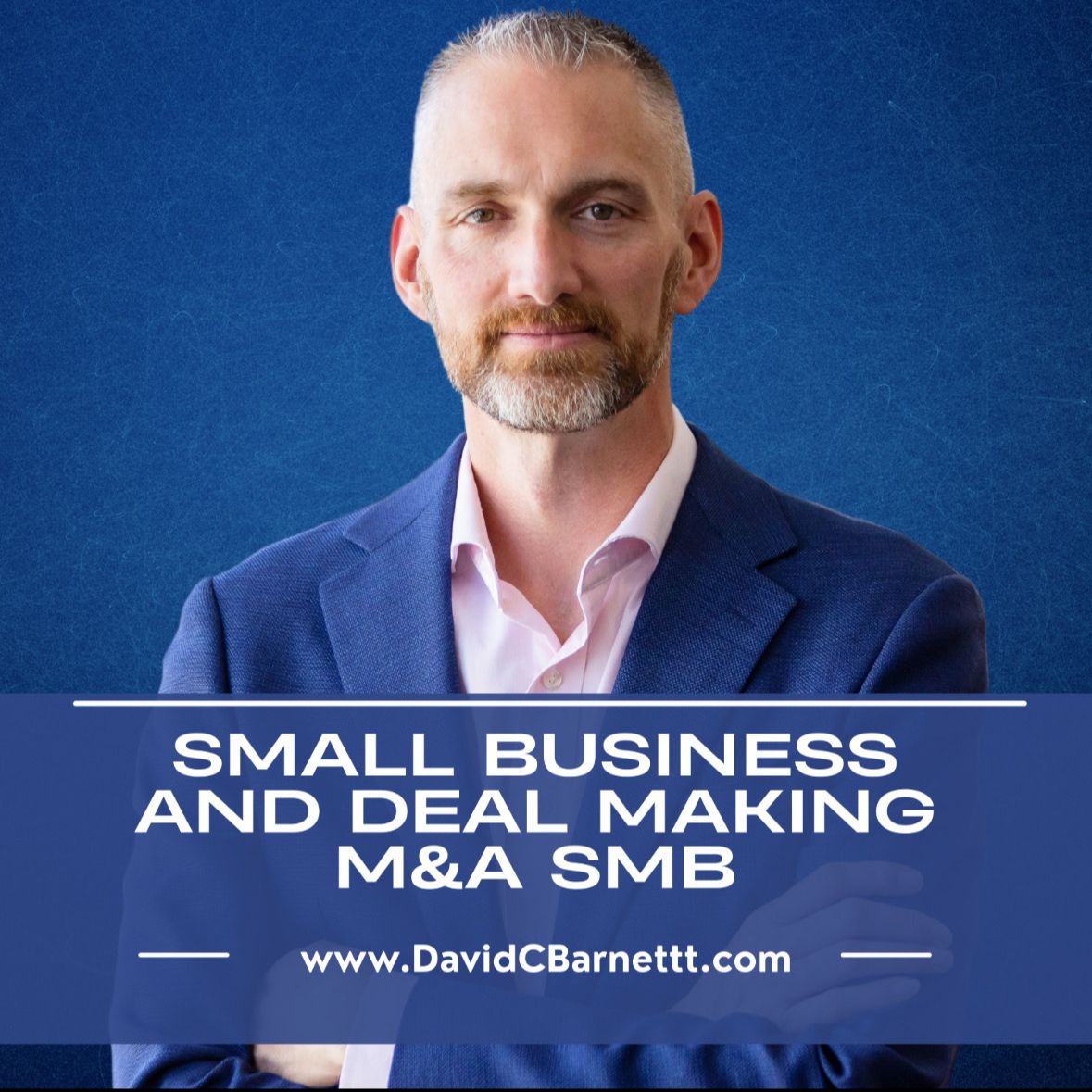
David C. Barnett works with the questions that arise when a small business changes hands: what is being bought, how the purchase can be financed, what the company needs to keep operating and how much depends on the current owner. His writing, consulting and speaking bring those questions into view for entrepreneurs, sellers, lenders and the advisors around a transaction.
David has a Bachelor of Business Administration from Bishop's University's Williams School of Business and Economics, where he graduated in 1998, and a certificate from UNBSJ's Electronic Commerce Management Program. The NEBB Institute lists him as a Certified Machinery & Equipment Appraiser (CMEA), a designation he earned in 2009.
David's career includes advertising sales, running businesses, commercial finance and business brokerage in Moncton, New Brunswick. His official biography describes establishing Advantage Liquidity Partners Ltd. in 2006 and joining Sunbelt Business Brokers in 2008. After leaving brokerage, he developed a consulting and education practice serving people evaluating acquisitions, preparing a sale or making decisions involving business and equipment values.
In his first conversation with Robert Plank, David explains the difference between selling a building and selling an operating company. He describes a combined towing and excavation operation that found separate buyers after the activities were separated. Another example concerns the difficulty of selling a restaurant when the people arranging the deal did not resolve the buyer's financing. His emphasis is on understanding what a particular buyer can acquire and operate.
His systems work begins before a company goes on the market. In the second interview, David describes asking owners what they want their lives to look like in ten years, then working backward through a future organization chart and the tasks being done today. A sign company discovered that its planned sales role had no current work assigned to it. The exercise exposed responsibilities that needed attention, including sales forecasting and maintaining commercial relationships.
Smarter Than a Startup explores a different reason to acquire an operating business: its existing resources may support another idea. In his third interview, David describes a buyer testing gourmet cookies in a pizzeria's licensed kitchen during the quiet morning hours. He also distinguishes seller's discretionary earnings from the money a new owner can simply take home, because replacement labor, debt payments, equipment and other demands still matter.
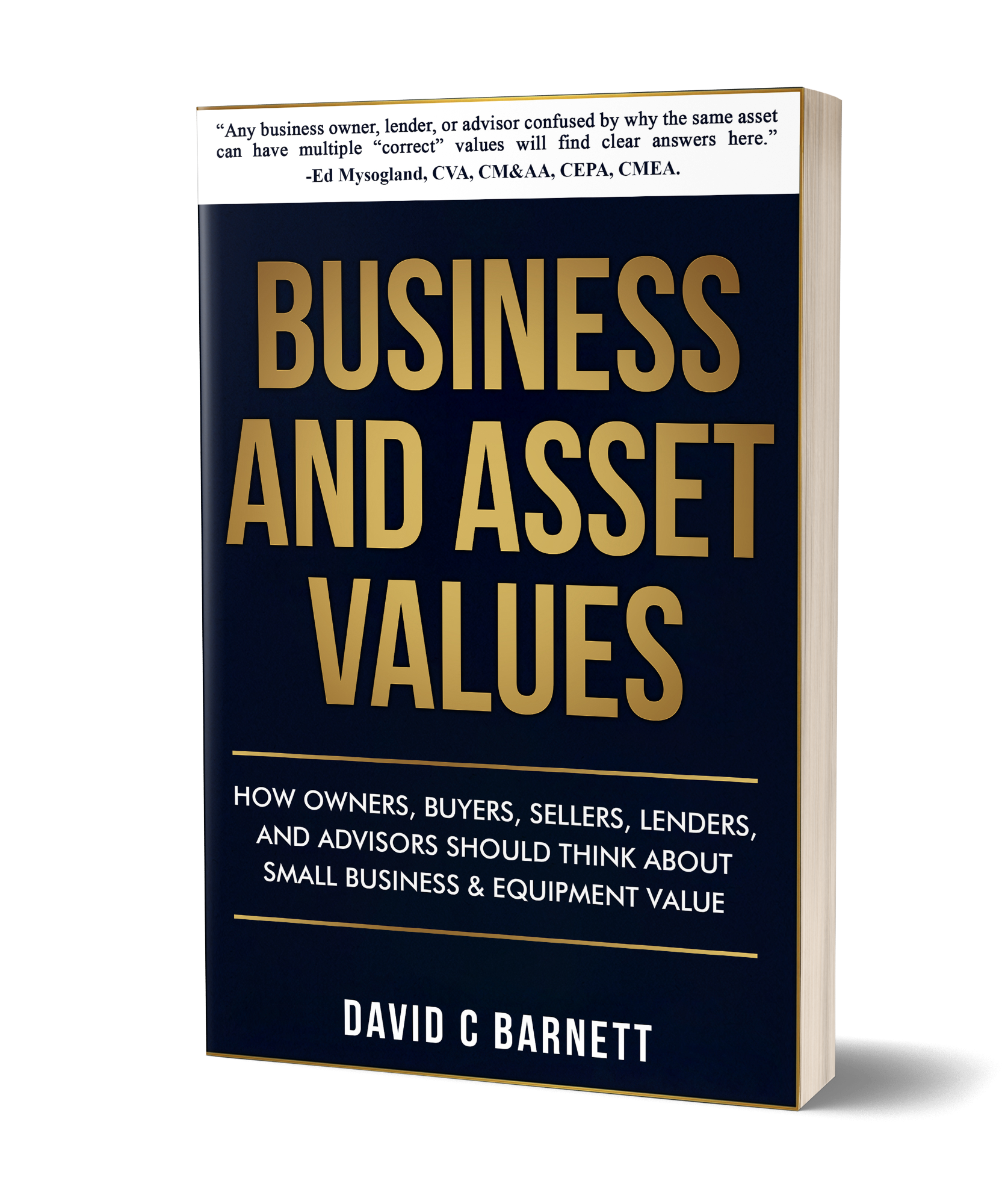
Business and Asset Values takes a closer look at the assumptions behind a valuation. In his latest conversation with Robert, David describes a capital-heavy business whose cash flow could not support a purchase financed at the total value of its equipment and inventory. He discusses why the same assets can lead to different conclusions depending on the buyer, purpose, timing and terms of the proposed transaction.
His current work includes Buyer Insight Analysis and Business Buyer Advantage for people pursuing an acquisition, the Implementation Group for ongoing buyer support, and seller services through How to Sell My Own Business. Exit Ready covers preparation through transition in seven stages. ALP Ltd. Valuation Services provides business valuations and machinery or equipment appraisals, including on-site work in Atlantic Canada and virtual or desktop assignments elsewhere.
David's catalog contains eleven books, including The Business Fortress, written with Mark Willis, and shorter guides to franchises, deal vocabulary, broker financing and business payment tools. He also hosts the Small Business and Deal Making podcast. Recent interviews have explored GreenPal cofounder Bryan Clayton's local-service experience, Ray Drew's SBA lending work and Jaryd Krause's perspective on online businesses.
For a conference, workshop or podcast conversation, David can explain how a buyer evaluates a business, why a proposed sale can stall, how owner dependence affects a transfer and what a valuation number actually represents. His published speaking formats include keynotes, shorter workshops, half-day or full-day sessions and virtual presentations. His public business email and phone are available here for event and interview inquiries.