Purpose
Why does this conversation need to happen? Clarify the reason for bringing the group together.
Practical collaborative leadership for high-stakes meetings, better decisions and clear follow-through.
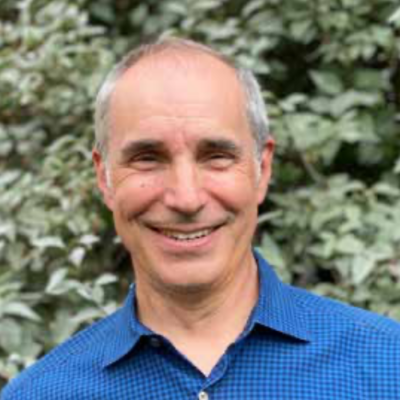
"Why are we having the meeting, and what are we trying to get done? You should not be allowed to have a meeting if you can't answer those two questions."
Updated October 28, 2026
Evan Unger, MBA, is a leadership development consultant and facilitator with Schwartz + Associates. He helps project managers, change leaders and executive teams prepare the conversations where strategy, priorities and difficult decisions come together. Evan teaches the POPRA model: Purpose, Objectives, Process, Roles and Agreements. His approach combines deliberate meeting design with inclusive participation, clear commitments and repeated practice. His background includes leadership roles at Merck and Centura Health, a BS in Psychology and Economics from Duke University and an MBA from the University of Michigan.
Evan Unger, MBA, is a leadership development consultant and facilitator with Schwartz + Associates. His work centers on the difficult collaborative conversations that shape an organization: deciding strategy, redesigning a process, agreeing on priorities and turning a decision into action. He works with the people expected to lead those conversations, including project managers, agile practitioners, change leaders and executive teams.
Evan entered change leadership while working at Merck. As he describes in his Marketer of the Day interview, a challenge to reduce silos and improve collaboration led him into designing processes that helped leaders work through consequential decisions together. His later roles included Vice President of Leadership, Change & Development at Centura Health, followed by consulting and facilitation work. His experience spans pharmaceutical and healthcare organizations, corporate teams and school systems.
He teaches the POPRA model to make a meeting clear before it begins: why the group is meeting, what it must accomplish, how the conversation will proceed, who needs to participate and what working agreements apply. He compares a meeting to a flight, with a deliberate takeoff, a structured journey and enough time to land with explicit commitments.
The human side matters as much as the agenda. Evan discusses how a senior leader can unintentionally silence the most useful expertise in the room, and how a facilitator can make space for quieter people without abandoning the decision-maker. One practical tool is simultaneous chat: participants prepare responses to the same question, hold them briefly, then submit together so the group can see a wider range of views.
Evan teaches Collaborative Leadership: A Virtual Immersion through Schwartz + Associates. The four-day format includes demonstrations, recorded practice labs, detailed feedback and opportunities to apply the work between sessions. He emphasizes developing facilitation skills through practice and coaching, rather than treating a leadership workshop as a set of ideas to remember.
Evan holds a BS in Psychology and Economics from Duke University and an MBA from the University of Michigan. His public podcast conversations bring his facilitation approach to audiences in project management, continuous improvement, construction and entrepreneurship.
Evan teaches POPRA as a practical way to contract for a collaborative meeting before people enter the room. It connects the reason for meeting with the process and people needed to accomplish the work.
Why does this conversation need to happen? Clarify the reason for bringing the group together.
What decisions or other concrete outcomes need to be complete when the meeting ends?
How will the group work through the subject? Design the sequence, tools and time around the objectives.
Who needs to be involved, and who is facilitating, contributing expertise or making the decision?
What working agreements will help people participate and work through disagreement?
Use the questions with the meeting sponsor before writing the agenda. Evan emphasizes that much of a high-stakes meeting is designed before it begins; the facilitator then guides the process and closes with who will do what by when.
In a virtual meeting, the same people can dominate both the spoken conversation and the chat. Evan teaches a simple change in timing so more people contribute before one answer sets the direction.
Give everyone the same question and time to think.
Ask participants to write their responses in chat and wait before pressing Enter.
Release the responses at the same time, review the range of views and invite quieter participants to expand on their thinking.
The technique is useful when the group needs multiple perspectives, especially when status or confidence differences make people reluctant to speak. It creates a structured starting point for discussion rather than replacing the discussion or the decision.
The firm combines applied training with facilitated meetings, team development and organization-specific leadership work. Evan teaches leaders how to prepare collaborative conversations, involve the right people and agree on clear decisions and follow-through.
Schwartz + Associates' four-day virtual program serves project leaders, agile practitioners, change leaders, and others facilitating difficult group decisions. Two coaches work with up to twelve participants through meeting simulations, recorded practice labs, problem-solving tools, agenda design, and detailed feedback. The program runs across two weeks, with an optional paid one-hour follow-up coaching session.
Schwartz + Associates' three-day applied-skills workshop develops leadership through the practice of leading meetings and group decisions. Participants learn observation and intervention methods, agenda planning, collaboration tools, and problem-solving techniques. Individual practice is recorded and reviewed with feedback from group members and consultants. Sessions are customized around the needs of the participating leader or group.
Schwartz + Associates supplies facilitators for organizations facing unclear meeting processes, competing interests, or difficult decisions. The advertised work includes single meetings or conferences spanning several days, with agenda design, group problem-solving tools, consensus work, and behind-the-scenes logistics. The team plans the process around the sponsor's stated objectives.
Schwartz + Associates works with teams dealing with low trust, poor morale, or communication barriers. Its advertised approach uses facilitated group work to develop more open communication and shared responsibility. The team creates a follow-up plan so participants can continue applying the work in their day-to-day setting.
Schwartz + Associates designs off-site retreats for boards of for-profit and nonprofit organizations. Work begins with meeting sponsors to identify outcomes, then establishes the facilitation process and practical logistics. Engagements can be a single retreat or a series of meetings built around defined work goals.
Schwartz + Associates offers individual and group sessions for leaders developing their effectiveness and leadership skills. The team assesses impact, style, and skills, then designs work around the client's needs. Advertised areas include performance coaching, conflict resolution, negotiation, presentations, and facilitation. Sessions are customized around the needs of the participating leader or group.
Schwartz + Associates helps organizations connect a shared cultural vision and core values with strategy and operating systems. The advertised process engages the CEO, executive team, and other leadership levels to clarify expectations, build understanding, and establish a common direction. It includes leadership involvement and skill-building around putting the agreed values into practice.
Preparing strategy, project and change conversations so the purpose, decision and process are clear.
Facilitating other people's expertise while keeping the group focused on the work it needs to accomplish.
Managing the impact of the highest paid person's opinion while making room for the information a decision-maker needs.
Using structured questions and simultaneous chat to hear from quieter contributors.
Leaving time to confirm decisions, owners and next steps before people leave.
Building facilitation skills through demonstrations, practice, feedback and coaching.
February 1, 2026 | Episode 1540
Evan and Robert Plank discuss meeting design, the POPRA model, handling challenging participants and simultaneous chat. Evan explains why the four-day virtual immersion uses practice labs and coaching, and how facilitation can support wider organizational change.
Watch the complete interview on YouTube | Read the episode show notes
| Date | Type | Outlet | Subject | Source |
|---|---|---|---|---|
| 2026-05-18 | Podcast interview | Manage This with Wendy Grounds and Bill Yates | Stop Wasting Time in Meetings: High-Performance Strategies | Open source |
| 2026-03-25 | Podcast interview | People and Projects Podcast with Andy Kaufman | How to Facilitate Meetings That Actually Lead to Decisions | Open source |
| 2026-01-19 | Podcast interview | KPI Fireside with Keith Norris | Transforming Meeting Culture | Open source |
| 2025-06-09 | Podcast interview | Zero to CEO with Jason Sherman | Broken meetings and stronger teams | Open source |
| 2024-07-04 | Podcast interview | Gemba Academy with Ron Pereira | Transforming Meetings | Open source |
| 2023-09-27 | Podcast interview | The EBFC Show with Felipe Engineer-Manriquez | Effective meetings in construction | Open source |
| Podcast interview | Quality Time with MoreSteam, hosted by Dan Swartwout | Most Meetings Shouldn't Happen | Open source |
A discussion of what goes wrong in high-stakes meetings and practical facilitation tools for continuous-improvement leaders.
Evan discusses people dynamics, meeting structure and facilitation for construction professionals.
A conversation about collaboration, leadership and making meetings more useful for startup and remote teams.
Evan works with people leading collaborative decisions, including project managers, agile practitioners, change leaders and executive teams.
POPRA stands for Purpose, Objectives, Process, Roles and Agreements. Evan uses it to clarify why a meeting is happening, what it must accomplish and how the group will work together.
Purpose explains why the meeting needs to happen. Objectives identify what needs to be accomplished by the end. Evan treats both as prerequisites for designing a useful process.
HIPPO refers to the highest paid person's opinion driving a decision. Evan teaches facilitators to manage that influence while bringing relevant information and quieter expertise into the conversation.
Ask everyone the same question, give them time to prepare their responses, then have everyone submit together. Evan uses the responses as a starting point for a wider discussion.
The program combines fundamentals and demonstrations with two recorded practice labs, detailed feedback and application between sessions. Two coaches work with up to 12 participants across two consecutive weeks.
Evan distinguishes understanding an idea from being able to facilitate under pressure. He uses repeated practice, coaching and feedback so participants can work on their actual leadership behavior.
Leave time to confirm the decisions, who owns the follow-up and when actions need to be complete. Evan calls this landing the plane rather than using every minute for discussion.
Evan holds a BS in Psychology and Economics from Duke University and an MBA from the University of Michigan, as listed in his official Schwartz + Associates biography.
Email evanunger@terischwartzassociates.com or use the program conversation booking page. The current virtual program page also explains the format and participation requirements.