1. Explain the case and approach
The book sets out why a guiding blueprint could help and how business architecture could be applied. This is the first stage of the proposed journey.
J. Bryan Lail explores how business architecture could help leaders connect shared human values with better coordinated global initiatives.
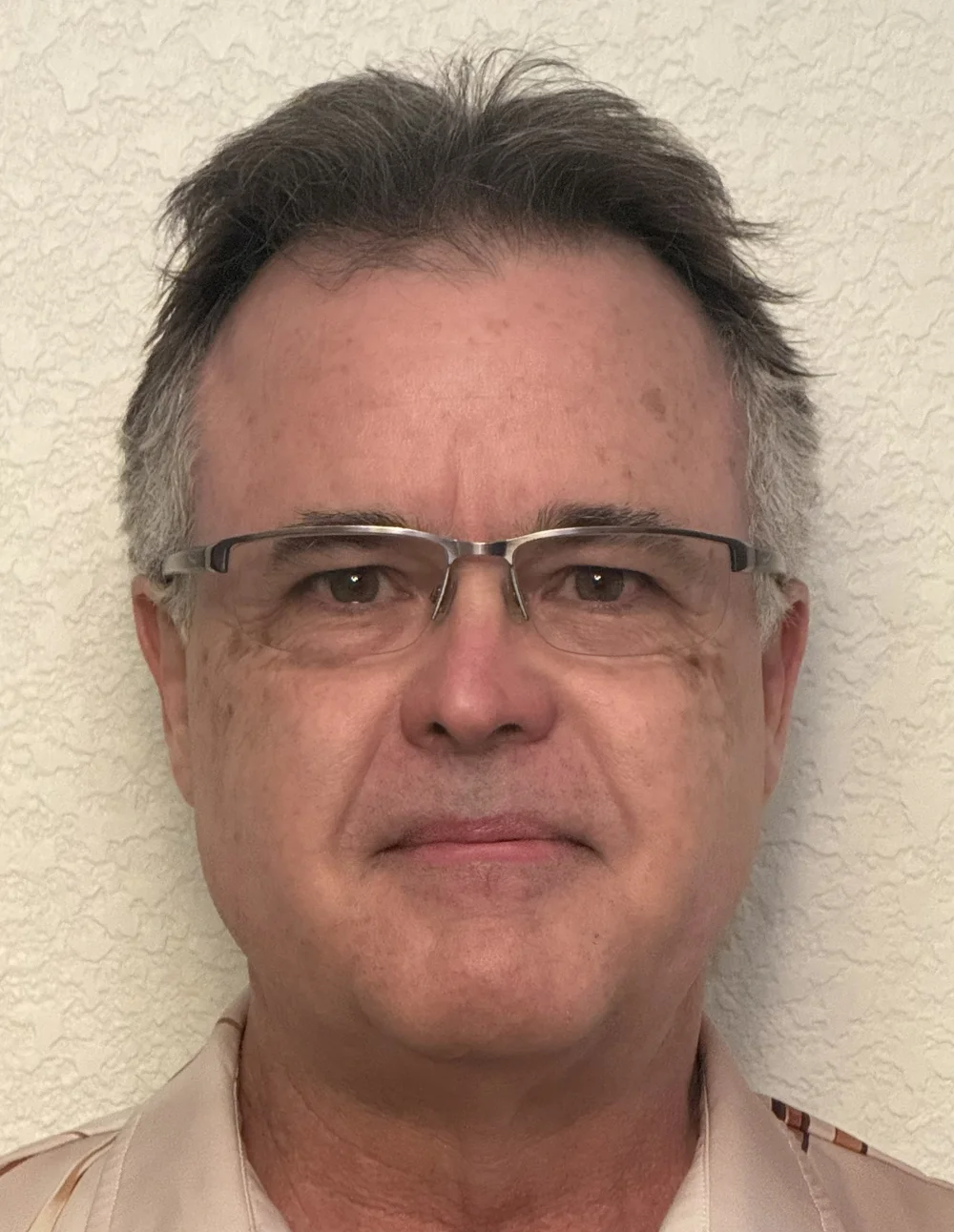
"The Blueprint for Humankind isn't about saying what the solution is. It's about a guiding framework to get to better solutions."
Last updated
J. Bryan Lail is an author and retired business and enterprise architect who spent 36 years working as an architect and engineer. His book Journey to a Blueprint for Humankind: An Architectural Approach for Leaders proposes applying business architecture to global initiatives. Bryan explains how shared values, value streams and capability maps could guide better coordinated action without prescribing one solution for every nation or organization.
J. Bryan Lail is an author and retired business and enterprise architect focused on a question that grew out of his professional work: could the methods used to align a large enterprise help leaders coordinate initiatives for humankind? After 36 years as an architect and engineer, Bryan began writing Journey to a Blueprint for Humankind: An Architectural Approach for Leaders following his retirement in April 2025.
He earned the Business Architecture Guild's Certified Business Architect (CBA) credential. His earlier career included service as a U.S. Navy scientist and roles as Chief IT Architect and Business Architect Fellow at Raytheon. In a 2018 interview with The Open Group, Bryan described using value streams and capability maps to connect business strategy with changes in processes, roles, information and technology. He also contributed to the work bringing business architecture methods into the TOGAF ecosystem.
Blueprint for Humankind extends that interest in coordinated action to a different scale. Bryan proposes starting with evidence of the values most commonly shared by people and communities, then mapping the activities and capabilities needed to support them. The aim is a common frame of reference that could guide multinational initiatives while leaving nations and organizations room to choose their own solutions.
Bryan makes an important distinction between the book and the blueprint it proposes. The book explains the rationale and approach; developing the blueprint would require sponsorship, research and collaboration. Applying it to real initiatives would be a later stage. He presents this as a journey to undertake, rather than a finished global framework or an already demonstrated solution.
His author website offers early copies of the book and lists general retail availability for November 10, 2026. It also invites eligible leaders and people who can reach potential sponsors to request a free 30-minute author consultation. On Marketer of the Day, Bryan discussed the patience, leadership and shared language such an effort would need, and why reaching the right collaborators matters more to him than a large book-sales total.
Bryan proposes applying established business architecture practices to the scale of humankind. The starting point is evidence of the values people and communities most commonly share, rather than assuming universal agreement or asking one leader to define those values.
The book sets out why a guiding blueprint could help and how business architecture could be applied. This is the first stage of the proposed journey.
With sponsoring leadership and collaborators, use surveys and data to identify shared values, then connect them to value streams, capabilities, organizations and information.
Use the resulting framework to guide real initiatives and share examples. Each government or organization would still choose the solutions appropriate to its context.
A value stream describes the activities that deliver value to a stakeholder. A capability map identifies what the participating organizations need to be able to do. Together with organizational and information maps, these can expose gaps and coordination problems before a team commits to a solution.
Bryan did not invent business architecture, value streams or capability mapping. His proposed contribution is applying these established disciplines to a shared framework for humankind. At the time of his interview, the blueprint itself still needed to be developed.
Explore how shared values could guide global initiatives while allowing different nations and organizations to choose their own solutions.
A question to ask: How can leaders agree on the value they want to create before debating a particular solution?
Connect intended value with the activities, capabilities, information and organizational relationships an initiative would need.
A question to ask: What does a capability map reveal that a list of projects or technologies can miss?
Discuss sponsorship, patience and a shared language when specialists from different institutions must work toward a larger goal.
A question to ask: What kind of leadership would be needed to develop and test a blueprint at this scale?
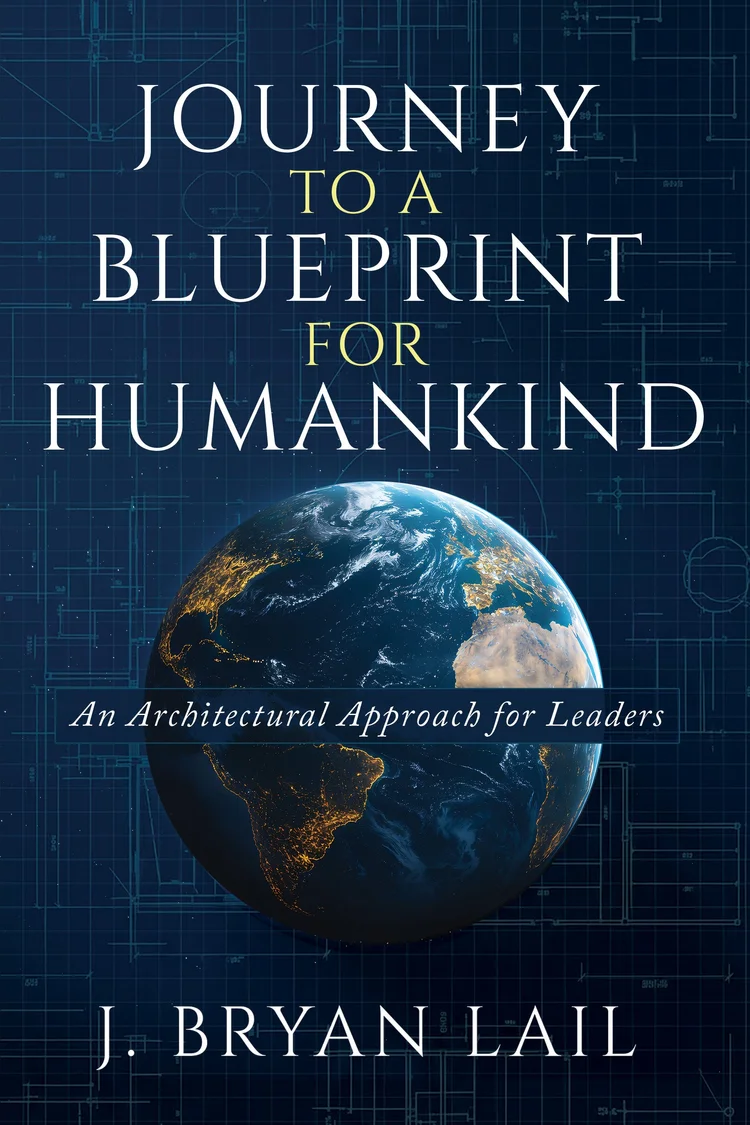
For leaders of complex initiatives, Bryan proposes a way to connect commonly shared human values with the capabilities and collaboration needed to act on them. The book explains the case for a blueprint, how it could be developed and how it could guide different solutions across nations and institutions. It is an invitation to develop the framework, not a claim that a completed blueprint has already been adopted.
Early author copies available through the official website. General retail release listed for November 10, 2026.
Chapter coauthor with Kerry M. Finn
Bryan coauthored the case study Business Process Integration in a Defense Product-focused Company. It examines a common process language across business silos and the relationship between business operations and defense products. The publisher also lists the contribution in the first edition.

Guest chapter author
Bryan contributed Transforming the Business for a new Customer Segment: The Role of BPM in the New Business Model. The chapter connects a changed value proposition and business model with capability mapping, process modeling and execution.

Chapter coauthor with Kerry Finn and Stephanie Ramsay
The publisher credits Bryan as a contributor to a chapter on knowledge work and a living value-stream approach, using local and enterprise examples. His role is a chapter contribution within a multi-author collection.
| Date | Type | Show or publisher | Topic | Source |
|---|---|---|---|---|
| October 9, 2026 | Podcast interview | Marketer of the Day | Shared values, business architecture and the proposed Blueprint for Humankind | Open source |
| May 1, 2018 | Published interview | The Open Group | Business architecture, value streams and enterprise transformation at Raytheon | Open source |
| December 19, 2018 | Webinar presentation | Business Architecture Guild | Advancement of Business Architecture in the TOGAF Ecosystem, with Steve Dupont; recording requires registration | Open source |
Marketer of the Day - Episode 1675
Bryan explains his proposed three-stage journey: make the case for a blueprint, develop it with sponsoring leadership, then apply it to real initiatives. The conversation covers values informed by data, capability mapping, the patience required for collaboration and the difference between a guiding framework and a prescribed solution.
J. Bryan Lail is an author and retired business and enterprise architect. His career included work at Raytheon and as a U.S. Navy scientist. He is now developing the ideas and collaborations behind Blueprint for Humankind.
Blueprint for Humankind official author website | Business Architecture Guild organizer biography and webinar, December 2018 | Marketer of the Day interview
Journey to a Blueprint for Humankind: An Architectural Approach for Leaders proposes applying business architecture to large, multinational initiatives. It explains the case for a shared guiding framework and a path for developing one.
Blueprint for Humankind official author website | Official book orders and author consultation criteria | Marketer of the Day interview
No. In his interview, Bryan distinguishes the book from the blueprint it proposes. Developing the blueprint would require leadership, sponsorship, research and collaboration; applying it to initiatives would follow.
No. Bryan calls for identifying the values most commonly shared by people and communities using surveys and data. That is different from claiming every person agrees or letting one leader define the values.
No. Bryan explicitly credits established business architecture practices. His proposed contribution is exploring how those practices could guide coordination at the scale of humankind.
Marketer of the Day interview | The Open Group interview with J. Bryan Lail, May 2018
The official author site lists November 10, 2026 for general retail availability. It also offers early paperback and eBook copies directly from the author before that date.
Official book orders and author consultation criteria | Author account of the book and publication journey
Bryan publicly lists jblail42@gmail.com on his official author website. His LinkedIn profile and the Blueprint for Humankind website provide additional ways to learn about his work.
Blueprint for Humankind official author website | Official book orders and author consultation criteria | Maintained and identity-matched LinkedIn profile
The official order page offers a free 30-minute author consultation, with preference for people who can show a role in multinational organizations, national governments or global philanthropy and can reach potential sponsoring leaders. The page explains what to include in an email request.