Building a business that runs without its owner
Moving approvals, knowledge and customer relationships into a capable management team before an owner leaves.
A question to ask: What would stop working if the owner stepped away for a month?
Helping executives buy established businesses and owners prepare a company that can thrive without them.

"If the buyer and seller don't like and trust each other, there's not going to be a deal."
Last updated
John Martinka is a business acquisition advisor, author and speaker who helps executives become business owners and helps owners prepare for a sale. He founded Martinka Consulting and co-founded Nokomis Advisory Services with his daughter, Jessica Martinka. His work examines the management teams, financial records, customer relationships and transition plans behind a business transaction. John has written five books on buying, growing and selling companies, including Exit with Style, Grace, and More Money with Jessica. He hosts the Getting the Deal Done podcast and speaks on owner independence, acquisition decisions and preparing a business for its next owner.
John Martinka helps people on both sides of a business transition: executives seeking an established company to buy, owners preparing to sell, and businesses growing through acquisition. Through Martinka Consulting, he works on buyer searches, financial and operational analysis, valuation, negotiation and the transition into ownership. Sister company Nokomis Advisory Services represents sellers. John and his daughter, Jessica Martinka, built that sell-side firm around preparing a company, finding a suitable buyer and completing the transaction.
A central question in John's work is whether a buyer is acquiring a business or simply taking over the owner's job. An otherwise profitable company can remain dependent on one person's approvals, customer relationships or technical knowledge. John examines what the management team can run independently, how employees make decisions and what would happen if the owner stepped away.
John describes a sale in which the owner had delegated daily operations to a CEO and concentrated on business development and industry contacts. When the buyer asked detailed operating questions, the owner referred them to that CEO. The family-office buyer required the CEO to sign the representations and warranties as well. For John, the transaction illustrated how thoroughly responsibility had moved into the management team.
John also looks beyond earnings to the risks behind them. He discusses inconsistent financial reporting, personal expenses mixed into business accounts, dependence on a large customer and reliance on a single supplier. On the buyer side, his nine-step process includes searching beyond advertised listings, examining the company's operations, structuring the deal and planning the handover. His books explain those decisions for first-time buyers, growing companies and owners considering a sale.
His education includes a master's degree in Finance and Economics from Marquette University. Alan Weiss's Million Dollar Consulting Hall of Fame lists John among its 2015 inductees. John's work also extends to community education: he started a Rotary computer-lab project with the Bellevue School District in 2005. His company's account describes computers installed in Slovakia, Turkey, Antigua and Barbuda, along with dictionaries, teacher training and other local projects.
John brings those transaction and operating examples to business associations, conferences and podcast interviews. He can discuss building a management team before selling, understanding what different buyers need, evaluating an acquisition and preparing for the first months after closing. On his Getting the Deal Done podcast, owners and specialists explain the practical details, from acquisition lending and working capital to family succession and customer relationships.
John Martinka's ACTION plan organizes a company's preparation for a sale and the information a buyer needs.
An owner can use the plan to organize financial records, document responsibilities and explain how operations will continue after the handover.
In his conversation with Robert Plank, John distinguishes a capable founder from a company that depends on its founder for every decision. Buyers want employees and a management team who can keep delivering results after the owner leaves.
John illustrates the problem with a service business employing 50 people. After speaking with employees and the four-person management team, he found that work stopped at the owner's desk. The company introduced delegation and weekly follow-up; when the managers became overloaded, the next step was teaching them to delegate too. John reports that profits increased fivefold over the following year.
He connects that example to other risks buyers examine: unreliable financial statements, excessive reliance on a customer or supplier, and systems that exist only in the founder's memory. For a founder audience, the practical question is which decisions, relationships and routines still require the owner personally.
Moving approvals, knowledge and customer relationships into a capable management team before an owner leaves.
A question to ask: What would stop working if the owner stepped away for a month?
Searching for candidates, examining financial and operating risks, arranging a deal and preparing for the handover.
A question to ask: What should a buyer understand before relying on the seller's earnings figure?
Organizing the company's records and operations while understanding the owner, employees and likely buyers.
A question to ask: Which changes make a business easier for its next owner to take over?
Executives moving into business ownership and owners expanding through acquisition can use Martinka Consulting's buyer-side search and transaction support. The team searches listed and unlisted companies, screens candidates, analyzes financial and nonfinancial risks, and works through financing, valuation, negotiation and due diligence. Its nine-step process also includes a transition plan and closing coordination, so the work continues beyond identifying a company.
See the offer ↗Nokomis Advisory Services works with owners of profitable lower-middle-market companies preparing to sell, including businesses typically earning $750,000 to $3 million in EBITDA. The team assesses value and readiness, organizes financial and operating evidence, identifies likely buyers, and supports buyer assessment, deal structure, negotiation and closing. For owners who are not ready to sell, preparation focuses on financial systems, marketing, owner dependence and coaching the owner and team.
See the offer ↗John Martinka gives presentations for business associations, member meetings, conventions and conferences whose audiences face buying, selling or succession decisions. Topics include buyer types, the ACTION plan for preparing a company, owner dependency, seller pitfalls and growing through acquisition. He uses transaction examples to explain how financial records, management teams and deal structure affect a buyer's decision.
See the offer ↗
Written with Jessica Martinka, this book follows the sale of a small or lower middle market business from personal readiness through buyer screening, financial review and the closing process. It addresses the work an owner will do after selling, the effect of customer and supplier dependencies, and the records needed to support a valuation. Chapters also explain letters of intent, purchase and sale agreements, transition responsibilities and the fatigue that can derail a transaction. The emphasis is preparing both the company and its owner before approaching buyers.

This guide is for an executive considering the move from a corporate job into ownership of an established business. John covers finding a mature, profitable company, evaluating it and putting a transaction together. His accompanying buyer process extends beyond advertised listings into the hidden market, then moves through financial analysis, valuation, negotiations, due diligence and a transition plan.

This seller's guide asks an owner to view the company through a prospective buyer's eyes. John emphasizes the room a buyer sees to improve a business using different skills, knowledge or experience. The book connects that opportunity with the seller's task of making the company attractive, rather than assuming years of effort alone will persuade someone to buy.

For an owner whose existing company has reached a plateau, this book examines acquisition as another route to growth. John presents 19 reasons to consider it, including gaining talent, reaching new locations, adding products or technology, reducing dependencies and combining operations. His official companion material distinguishes the broader list from three priorities: customers, the confidence to act and the benefits that can come with greater scale. It connects buyer strategy with the reasons an existing company might attract an acquirer.
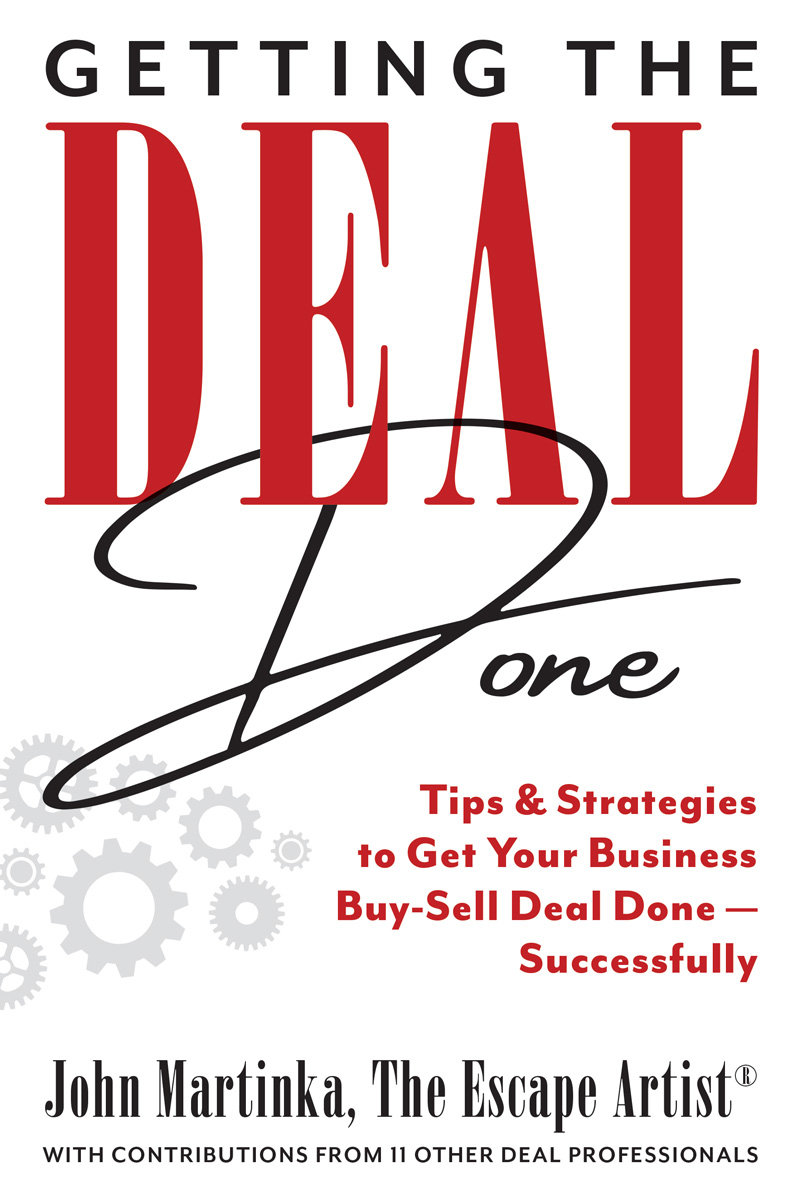
This is a collection of 61 short chapters on the practical details that help a business purchase or sale move forward. John adds input from 11 other deal professionals. The chapters cover techniques to use, actions to avoid and ways to overcome obstacles during a deal. Its format lets a buyer or seller work through individual decisions alongside the larger transaction.
| Date | Type | Show / event / publisher | Topic | Link |
|---|---|---|---|---|
| January 7, 2026 | Podcast appearance | Buying Online Businesses podcast | Buyer fever, continuing the acquisition search, due diligence and choosing a suitable business rather than falling in love with a deal | Open ↗ |
| October 21, 2025 | Podcast appearance | The Leadership Project podcast | Leading through an ownership change, employee trust, retention and preparing a management team to meet prospective buyers | Open ↗ |
| October 19, 2025 | Podcast appearance | Marketer of the Day | Preparing a Business That Can Thrive Without Its Owner | Open |
| July 16, 2025 | Podcast appearance | Deep Wealth podcast | Preparing a business exit, checking the buyer, supplier risk and the personal side of leaving a business | Open ↗ |
| July 8, 2025 | Podcast appearance | M&A Launchpad podcast | Business-buyer and seller expectations, financial preparedness and improvements that make a company easier to sell | Open ↗ |
| May 4, 2007 | Speaking announcement | Partner On-Call Network Annual Conference & Success Workshop | Two keynotes announced for the May 4-6 conference: buying or selling a business, and increasing business value | Open ↗ |
John's conversation with Robert Plank focuses on preparing a business that can operate without its owner. He explains the management, financial reporting and relationship issues a buyer will examine, using examples from business transitions he has worked on.
Marketer of the Day · Episode 1448
John describes how a 50-person service company reduced its dependence on the owner, why buyers look closely at management responsibility, and how customer or supplier concentration can weaken a deal. He explains the role of motivation and trust in a sale and shares his Rotary work bringing computers and technology education to schools in Antigua and Barbuda.

Martinka Consulting's Getting the Deal Done podcast examines the work of buying, improving and selling a business. John Martinka's conversations with owners and dealmakers sit alongside short lessons from the firm, readings from his books and recurring discussions with Nick Anderson. The audience includes people leaving corporate work to buy a company, owners planning a sale and professionals involved in business transitions. Topics include owner dependency, financial records, working capital, deal financing and what happens after ownership changes.
Third-generation owner Daniella Devine describes taking over her family's flooring business and discovering the demands on cash and management after closing. Banker Lisa Forrest discusses acquisition lending; Ian Reynolds explains why management talent can matter more than available capital. John also talks with Andrew Brooks about different kinds of acquirers, H J Chammas about books that establish business expertise and Scott Armstrong about earning a client's trust.
233 episodes · Earliest episode: December 11, 2020 · Latest interview: October 19, 2026.
Daniella Devine tells John Martinka how she bought her family's commercial-flooring business and prepared for the transition by hiring a general manager before closing. She explains why working-capital needs, delayed customer payments and transferring accounts proved harder than expected. They also discuss her separate car-wash acquisition and a financing arrangement that left her paying costly interest while refinancing stalled. The episode focuses on analyzing cash flow, preparing the team and allowing financing to determine the closing timetable.
Martinka Consulting - intentionally public professional contact form and office number ↗ · John and Jessica Martinka - public January 20, 2026 weekly memo and business contact details ↗ · Martinka Consulting - Official website ↗ · Checked October 20, 2026
John Martinka is a business acquisition advisor, author and speaker. He founded Martinka Consulting, co-founded Nokomis Advisory Services with Jessica Martinka and hosts the Getting the Deal Done podcast. His work covers buying, growing and selling established companies.
John Martinka - Official company biography ↗ · Nokomis Advisory Services - Official website ↗
John can discuss buying an established business, preparing an owner for an exit, reducing owner dependency, evaluating company risks and growing through acquisition. His presentations use transaction examples to explain how management, financial records, buyer motivation and deal structure affect a business transition.
John Martinka - Speaking topics and ACTION plan ↗ · John Martinka with Robert Plank - Complete archived interview
His advertised presentations serve business associations, member meetings, conventions and conferences. They are relevant to owners considering succession or a sale, executives planning to buy a company, and advisors helping clients through ownership transitions.
A company can be profitable while depending on its owner for approvals, technical knowledge or customer relationships. John explains that buyers want to understand what the employees and management team can do without that person. Preparing for a sale therefore includes transferring responsibility and building reliable operating systems.
John Martinka with Robert Plank - Complete archived interview · Martinka Consulting - ACTION plan to sell a business ↗
ACTION covers arranging company affairs, coaching the team and explaining the business's intricacies, operations and numbers to a buyer.
Martinka Consulting lists search, financing, analysis, valuation and pricing, deal structure, negotiations, due diligence, a transition plan and closing. The process starts with finding suitable companies and continues through the practical work of taking over the business.
Martinka Consulting provides buyer-side search and acquisition support. Sister company Nokomis Advisory Services represents business sellers, including owners preparing a lower-middle-market company for a transaction. John works with Jessica Martinka and the firms' advisory teams.
Martinka Consulting - Nine steps to business buying ↗ · Nokomis - sell-side scope and exit preparation ↗ · Nokomis Advisory Services - John and Jessica Martinka ↗
John discusses dependence on the owner, a small number of customers or a single supplier, along with employee responsibilities and operating systems. These factors help explain how reliably a company's earnings can continue after ownership changes. His buyer process includes examining these nonfinancial details during due diligence.
John Martinka with Robert Plank - Complete archived interview · Martinka Consulting - Nine steps to business buying ↗
His books are Exit with Style, Grace, and More Money: Creating a Large Exit for Your Small Business; Buying a Business That Makes You Rich: Toss Your Job Not the Dice; If They Can Sell Pet Rocks Why Can't You Sell Your Business (For What You Want)?; Company Growth By Acquisition Makes Dollars & Sense; Getting the Deal Done: Tips & Strategies to Get Your Business Buy-Sell Deal Done - Successfully. Exit with Style, Grace, and More Money is credited to John with Jessica Martinka.
John and Jessica's book addresses the owner's readiness to leave and the company's readiness for scrutiny from buyers. Subjects include nonfinancial factors that influence value, financial reporting, buyer types and the steps involved in selling a business.
John has a master's degree in Finance and Economics from Marquette University. Alan Weiss's Million Dollar Consulting Hall of Fame lists him among its 2015 inductees. His community work also received the Partner On-Call Network's 2006-2007 Community Service Award.
John Martinka - Official company biography ↗ · Alan Weiss - Million Dollar Consulting Hall of Fame, 2015 inductees ↗ · Partner On-Call Network - John Martinka Community Service Award announcement ↗
The Getting the Deal Done podcast covers buying, improving and selling businesses. John's interviews with owners, lenders and deal specialists appear alongside short firm lessons, book readings and recurring conversations with Nick Anderson. Guests discuss financing, management teams, working capital, company value and the transition after a deal closes.
Yes. The publisher feed contains 233 entries as checked October 20, 2026, and its latest episode is John's October 19 interview with Daniella Devine. She discusses buying her family's flooring company, preparing its management team and handling working-capital and financing problems after closing.
Getting the Deal Done - native publisher feed ↗ · Getting the Deal Done - Daniella Devine interview ↗
John started a Rotary project with the Bellevue School District in 2005 to install computer labs in schools. His company's account describes thousands of donated computers in Slovakia, Turkey, Antigua and Barbuda, as well as dictionaries and teacher training. In his Marketer of the Day interview, he explains how students help install Wi-Fi networks and technology in schools.
John Martinka - Community service and memberships ↗ · John Martinka with Robert Plank - Complete archived interview
The With Robert Plank section includes their full interview video and a direct link to the episode page and show notes. They discuss delegation, owner dependency, the risks buyers examine and the role of motivation and trust in a sale.
John Martinka with Robert Plank - Complete archived interview
John's public business email is john@johnmartinka.com, and his current company office number is 425-515-4903. The contact section links to his company's contact form, speaking topics and verified LinkedIn profile.
John and Jessica Martinka - public January 20, 2026 weekly memo and business contact details ↗ · Martinka Consulting - intentionally public professional contact form and office number ↗