JP Maroney works on business growth, marketing strategy, and partnerships. His official biography describes more than three decades across publishing, media, software, e-commerce, and consulting, including work as a fractional chief marketing officer and strategic adviser. His speaking programs address marketing, customer relationships, and business leadership.
A recurring question in JP’s work is who already serves the customer a business wants to reach. In his conversation with Robert Plank, he distinguishes reactive referrals, deliberately asking for referrals, and building a campaign with a complementary business. The third approach gives each partner a reason to introduce the other to an established audience.
JP illustrates the approach with a jewelry-store campaign distributed through local Chamber of Commerce businesses. He describes using the store’s customer acquisition cost and customer lifetime value to decide whether gift certificates made sense. The lesson is to check the economics of an offer before dismissing it as too generous. The campaign results in the interview are JP’s account of that historical engagement.
His Duct Tape Marketing podcast interview extends this discussion to fractional marketing leadership: setting a defined scope, agreeing on the outcome, and distinguishing strategic work from tasks that another team member can deliver. That conversation is useful for founders deciding what they need from an adviser and for consultants thinking through how to structure an engagement.
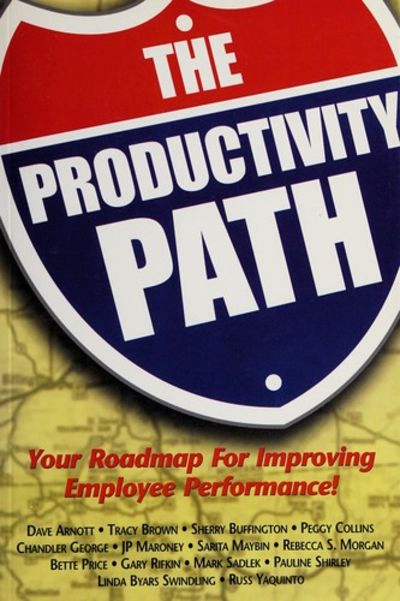
JP’s books include The Profitable Speaker's Playbook, which addresses building a speaking business, and collaborative works on employee performance, leadership, and marketing. He founded Justice Impact and hosts The Justice Impact Show podcast, interviewing people working in or affected by the justice system. His older Audio Vault and Deal Flow podcasts remain available as separate archives.
For a business event or podcast, JP can discuss referral partnerships, complementary audiences, customer acquisition economics, and turning expertise into a speaking offer. A focused conversation could start with one business, identify who already reaches its buyers, and examine what each side would need from a useful partnership.