Media Appearances / Doing Business with a Servant's Heart
When my wife and I were preparing to potty train our child with a three-day plan, I wanted to know what we were supposed to do during those three days. A general explanation of potty training wasn't the answer I was looking for.
A person finding your podcast can arrive with a question just as specific. The recording might contain it, but someone still has to identify the answer, label it, link the resource and make it easy to find. That's useful production work. It can also eat the time you meant to spend having the next conversation.
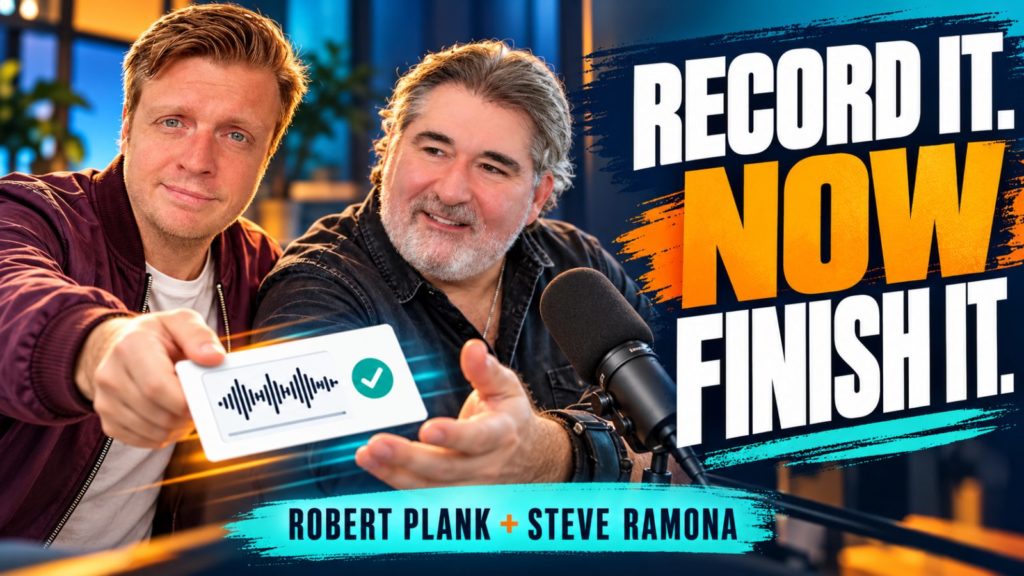
I discussed that division with Steve Ramona on Doing Business with a Servant's Heart. I wanted to keep the part that needed me: choosing a direction, asking questions and listening. My team could turn the recording into a package someone could actually use.
Steve asks what the owner still has to supply when a production team takes over. Watch that discussion on Doing Business with a Servant's Heart, especially how we turn the interview into a page someone can use. The show's archive contains the other episodes.
Explain the Work Before Asking Someone to Hire You
Programming came more easily to me than finding customers. When I began documenting the work in ebooks, demonstrations and courses, people could see what I knew and decide whether they wanted help. Some material was free; some was paid. Explaining the work brought me customers.
Steve's emphasis on service fits that practical experience. Help someone understand the task well enough to make a decision. An episode page can do the same job if it preserves the actual explanation instead of merely announcing that an interesting conversation happened.
Decide Which Jobs the Host Keeps
Getting a podcast started involves a few basic decisions: what the show is for, what to call it, and what branding you already have. When Steve asked how my team handled that process, I explained that we started with the owner's company, proposed show name, colors, and logo.
Your existing company or book name may give the show enough identity to begin. Bring the branding you already use before making a new logo the first assignment.
From there, you need to invite relevant guests and record something useful. In the process I described to Steve, the owner supplied video recordings and my team handled the work of preparing and publishing them.
The production handoff can cover the agreed audio and video versions, show notes, graphics, publishing, and promotional material. Define those outputs with the person doing the work so you both understand what a finished episode includes.
I gave Steve the example of recording for a little while, then losing the rest of the day to finding clips, choosing a quote, making a graphic, and posting it. Each task gives you another reason to switch gears.
Help the Reader Find a Specific Answer
That potty-training search is the test I'd apply to an episode page: what question brought the visitor here, and how easily can they reach the answer? Give your production team that question along with the recording.
The episode page helps them recognize that answer. Give the episode a title that describes the subject, then use the summary to explain what the listener will learn. Include the guest's name and relevant business details so the reader understands whose experience they're hearing.
Timestamps help with the next decision: where to start listening. Useful details can sit deep inside a recording. If someone wants one particular explanation, a clearly labeled timestamp gives them a path to it without making them work through the whole conversation first.
Relevant links carry that help beyond the recording. A listener who wants to learn more about the guest or follow up on a resource should be able to find the right destination.
Test the page without playing the recording. Can a visitor identify the question, find the relevant timestamp and reach the resource? Those are concrete things your production team can improve.
Send the Guest the Finished Episode
Once an episode has a useful page to send someone to, you can keep sharing it. I told Steve I'd be delighted if he promoted our conversation again six or nine months later. You might highlight a passage you didn't emphasize when it first came out or create a new graphic around an idea that's relevant again.
That also gives you a reason to contact the guest. Send them the accurate episode link and the material you're using to share it. Explain which part of the conversation you're bringing back so they can see why you're mentioning it now.
I suggested preparing social posts and a short block of email copy, perhaps 100 words, that a guest could use with their own audience. Someone may be happy to share an appearance but never get around to writing a post from scratch. Giving them a graphic, a link, and a few accurate sentences removes some of that work.
Invite People You Want to Know Better
You can give that same attention to relationships before an invitation goes out. If you're stuck wondering who to invite, look at your current clients, past mentors, and the people you did business with five or ten years ago. Consider what they could help a listener understand. Your podcast may give you a reason to reconnect.
You can also make requests that feel like long shots. I told Steve about contacting Guy Kawasaki to see whether a client could appear on his show. He replied, but the request didn't produce the appearance I wanted. I was still glad I'd asked.
Having guests also changed my experience of creating the show. My first five episodes were an hour long, with just me talking. I later shortened the episodes, but most of my first 100 were still solo. Eventually, I ran out of ideas. Moving toward interviews meant I could ask questions and hear experiences I wouldn't have supplied on my own.
The theme of your show helps determine which invitations make sense. Marketer of the Day gave me a broad umbrella: guests who market themselves could bring different businesses, experiences, and questions. Steve's emphasis on doing business through service also left room for varied conversations.
A Recorded Interview Can Become a Book Chapter
Steve asked whether the podcast material could become blog posts or books. I explained that detailed notes could already approach an article, while a compilation book required another deliberate project.
The process I described started with past guests whose experience suited the book. Contact them, explain the proposed chapter, and get their agreement. The interview could be transcribed and edited into readable material, with the contributor able to revise it. Removing my questions didn't remove the person's authorship or the need to preserve what they meant.
We also discussed versions with a contributor on the cover and a smaller book containing that person's chapter. Sending finished copies gave them something they could hand to somebody else. The audio conversation had produced material they might never have sat down to write from scratch.
Some of those contributor projects were paid, while others could be free or a mixture. That was a separate offer after the interview. An ordinary guest appearance did not require agreeing to buy a chapter package.
Steve noticed the cycle: conversations could supply ideas for a book, and the finished book could give us more to discuss in later appearances. The work wasn't finished by producing a transcript. Someone still had to select the useful material, edit it, attribute it properly, and complete the book.
Have Someone Else Check the Finished Work
When Steve asked which books had helped me, I named The E-Myth and its distinction between doing the work, managing it and setting direction. Handing over an episode page doesn't make those other responsibilities disappear.
Give the writer the question the page should answer. Give the reviewer a test: can a visitor find the answer, reach the correct resource and understand the next step? The person setting direction still chooses which audience and relationships the show should serve.
Start with one episode so you can inspect the handoff. A vague summary needs a correction tied to the recording, not another request to 'make it better.' Show the missing detail and let the person revise it.
Agree on What Happens After Recording
Open one episode page you've already published. Write the question it answers, then try finding that answer from the page alone. Use the missing timestamp, link or explanation as the next production instruction.
That's part of the work behind DFY Podcast's production service. Bring a recording and the question it answers, and my team can prepare the notes and supporting material around it. You keep time for the next interview while the finished page helps someone use this one.
About Robert Plank
Robert Plank hosts Marketer of the Day and owns DFY Podcast. He helps business owners use podcasting to share their knowledge and build relationships, with a production team handling editing, publishing, and supporting content.
Original Conversation and Resources
- Watch Robert Plank's conversation with Steve Ramona about podcast delegation, guest relationships, and turning interviews into books.
- Doing Business with a Servant's Heart, hosted by Steve Ramona.
- Robert Plank's Media Appearances for more guest conversations.