A visual starting point
Luis pictures a chapter as a movie in his mind.
Preserving the experiences behind volunteer rescue work and a New York City police career.
"I try to visualize every chapter as if I'm doing a movie in my mind."
Updated October 28, 2026
Luis A. Rivera is a retired NYPD officer and the author of The 52nd and 46-Rescue to Central. His books draw on two distinct periods: volunteering with a Bronx rescue unit while in high school, then pursuing his childhood ambition to become a police officer. Luis writes about service, teamwork and the difference between imagining a career and living it. His author interview describes a visual approach to chapters, picturing them like a movie in his mind.
Luis A. Rivera is a retired NYPD officer and police memoir author whose books preserve two different parts of his life in New York City. He grew up in the South Bronx with a childhood ambition to become a police officer. Before that professional career, he joined a volunteer police force and became involved with its rescue unit while he was still in high school.
In his Marketer of the Day conversation, Luis explains how the volunteer team brought people with different day jobs together around a shared purpose. Those experiences became 46-Rescue to Central. He keeps that period distinct from his later work as a police officer, where the responsibilities, paperwork and demands of the job were different.
The 52nd follows the later period. The publisher describes Luis entering the New York City Police Academy in 1989 and confronting the realities of a career he had wanted since childhood. His interview explores both the external demands of service and his personal response to difficulties within the workplace. He presents these subjects through his own experience and memoir writing.
Luis wrote The 52nd first, then returned to the earlier volunteer years for 46-Rescue to Central. The result gives readers two entry points into his story: the young volunteer discovering service and the officer living the career he had imagined. His author interview describes visualizing chapters like a movie, an approach that fits his interest in realistic stories and how situations unfold.
In his author interview, Luis describes visualizing each chapter like a movie in his mind. He also encourages new writers to record ideas as notes and gradually put them together.
Luis pictures a chapter as a movie in his mind.
His advice to new authors begins with writing ideas down, then assembling the material over time.
For a writing group or interviewer, this offers a practical conversation about turning remembered events into a readable story.
Luis makes an important distinction during his podcast interview: volunteer rescue work and professional police work were different experiences. The books preserve that separation rather than treating every incident as part of the same role.
46-Rescue to Central looks back at a high-school student joining a volunteer team and discovering what it meant to turn up for a community.
The 52nd explores the later move into the NYPD and the responsibilities and workplace realities that came with becoming an officer.
Reading the books together lets an audience compare the ambition to serve with the experience of doing the work, while keeping Luis's roles and chronology clear.
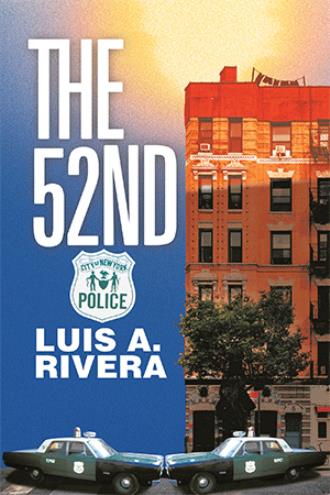
Luis looks back on a South Bronx childhood, his ambition to join the NYPD and the experience of becoming a rookie officer. The memoir follows the gap between the career he imagined and the demands he encountered inside the department. It is the later chapter of his life, although it was the first of these two books he wrote.

This book returns to Luis's earlier experience with the Forty-Six Precinct volunteer rescue unit. He recalls the people who gave their time to assist their Bronx community and the calls that turned a teenager's interest in police work into lived experience. Published after The 52nd, it tells the earlier part of his story and honors the volunteer team.
What Luis learned as he moved from wanting to become a police officer to describing the realities of that profession in a memoir.
His recollections of people with different backgrounds giving their time to a Bronx rescue unit.
How Luis approaches the task of preserving memories, keeping distinct periods separate and shaping a chapter visually.
How police novels and encouragement from author Tom Walker became part of Luis's path toward writing his own books.
January 17, 2026 | Episode 1532
Luis distinguishes his high-school volunteer rescue experience from his later NYPD career and explains why he wrote separate books about each. He discusses shared purpose within a team, the difference between imagining a job and doing it, and the importance of recording firsthand experience for readers.
Watch the complete interview on YouTube | Read the episode show notes
| Date | Type | Outlet | Subject | Source |
|---|---|---|---|---|
| January 17, 2026 | Podcast interview | Marketer of the Day | Volunteer service, the NYPD and the two memoirs | Open source |
| Author Q&A | Awesome Gang | Two books, writing habits and literary influences | Open source | |
| February 2, 2024 | Press release | Police1 | Introduction of The 52nd and Luis's author background | Open source |
Luis writes from his experience in Bronx volunteer rescue work and his later NYPD career. His two books examine different periods of service and the people and responsibilities he encountered.
His two memoirs are The 52nd and 46-Rescue to Central. He wrote The 52nd first, then returned to the earlier volunteer years for his second book.
46-Rescue to Central concerns his earlier volunteer rescue-unit experience. The 52nd concerns the later professional police career, with different responsibilities and workplace demands.
Luis describes wanting to become a police officer while growing up in the South Bronx. As a high-school student, he joined a volunteer force and became involved in its rescue unit before his later NYPD career.
In his author interview, Luis says he tries to visualize every chapter as though he is making a movie in his mind. He also advises new authors to write ideas down as notes and gradually put them together.
His interviews support conversations about volunteer service, shared purpose, career expectations, writing firsthand experience and keeping distinct periods of a life clear in a memoir.
Luis identifies Tom Walker as an influence. In his podcast conversation, he describes reading police novels and receiving encouragement before writing his own books.
The official iUniverse publisher lists The 52nd in softcover and e-book formats, with a publication date of January 30, 2023.
Luis links to Amazon for 46-Rescue to Central. Its identity-matched retailer record identifies Luis Rivera as the author and lists a paperback publication date of January 14, 2025.
His maintained LinkedIn profile, Awesome Gang author interview, Marketer of the Day conversation and the two book pages provide public routes to his background and writing.