Notice what activates action
Does seeing an unfinished task make it difficult to relax, or does focus arrive as a deadline gets closer? Mary encourages people to recognize the difference before criticizing themselves or someone else.
Marketer of the Day - Speaker Biography
Grief, emotional memory and the motivation behind getting things done.
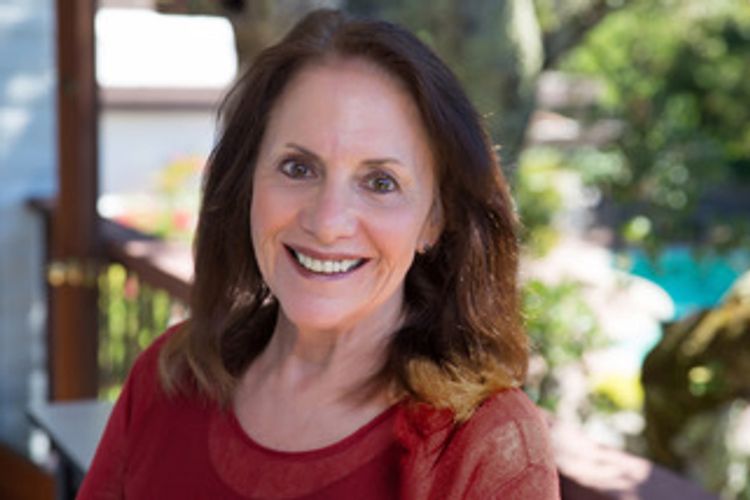
"Success means never missing a deadline and producing work that reflects your best efforts. It doesn't mean getting it done two weeks early."
Dr. Mary Lamia, PhD, is a clinical psychologist, psychoanalyst and author whose work examines grief, shame and the emotions that motivate behavior. A professor emeritus at the Wright Institute in Berkeley, she writes for adults, clinicians and younger readers. Her books include Grief Isn't Something to Get Over and What Motivates Getting Things Done. Mary connects emotional memory with everyday experiences of loss, relationships and task completion. Her public education work includes Psychology Today articles, professional presentations and the former Radio Disney call-in show KidTalk with Dr. Mary.
Dr. Mary Lamia, PhD, is a clinical psychologist, psychoanalyst and author in the San Francisco Bay Area. She is a professor emeritus in the Wright Institute's doctoral program. Her work centers on how emotions influence attention, motivation, identity and relationships, with particular attention to grief, shame and differing ways of getting work done.
Her book Grief Isn't Something to Get Over: Finding a Home for Memories and Emotions After Losing a Loved One explores bereavement through the relationship between memory and emotion. Rather than treating grief as something that must be erased, Mary examines how people adapt to loss while retaining memories of the person who died. The book includes case examples, personal vignettes and discussion of identity, sensory reminders and finding a place for memories in continuing life.
In What Motivates Getting Things Done: Procrastination, Emotions, and Success, Mary distinguishes task-driven and deadline-driven motivational styles. In her Marketer of the Day interview, she describes people who complete high-quality work near a deadline and others who feel compelled to finish earlier. She also explains how commitments to other people can create deadlines for open-ended projects. Her emphasis is on understanding motivation while still meeting commitments and doing good work.
Mary has written six books, including two coauthored works: The Upside of Shame with Vernon C. Kelly Jr. and The White Knight Syndrome with Marilyn J. Krieger. Her books for younger readers include Understanding Myself and Emotions! She also writes for Psychology Today and speaks on grief, shame and motivational styles. Her earlier public education work included nearly a decade hosting KidTalk with Dr. Mary on Radio Disney stations.
In her conversation with Robert Plank, Mary distinguishes the urgency of an unfinished task from the urgency of an approaching deadline. These patterns can affect both the way someone works and the way partners or colleagues judge that work.
Does seeing an unfinished task make it difficult to relax, or does focus arrive as a deadline gets closer? Mary encourages people to recognize the difference before criticizing themselves or someone else.
Her discussion of successful procrastination includes meeting the deadline and producing work that reflects a person's best effort. It does not treat repeated missed commitments as success.
Mary describes a dissertation student who promised when each chapter would arrive. The student used those commitments to create deadlines for a project that required self-direction.
Watch Mary explain these motivational styles | Read the book overview
Grief Isn't Something to Get Over considers how memories connect a person with someone who has died. Mary explores the emotions, thoughts, sensory reminders and changes in identity that can accompany bereavement.
The book's focus is adapting to loss while retaining memories, rather than measuring progress by forgetting or eliminating every painful feeling. Its chapters examine remembering, grief thoughts, physiological reminders and rediscovering a sense of self.
Watch Mary's conversation with Imi Lo: Getting Over Grief... Or Not | Publisher overview and chapter list
Explore why memories can bring both comfort and pain, and how identity and familiar routines change after a death.
Understand differing work styles, the emotional urgency behind them and the role of commitments in finishing open-ended projects.
Discuss how shame affects relationships and behavior, drawing on Mary's clinical writing and work with emotional experience.
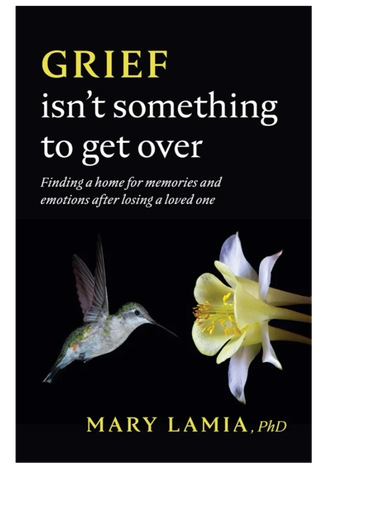
A guide to bereavement through memory and emotion. Mary uses case examples and personal vignettes to examine identity, recurring reminders and adapting to loss. The book offers a way to understand continuing emotional connections rather than treating recovery as forgetting a loved one.
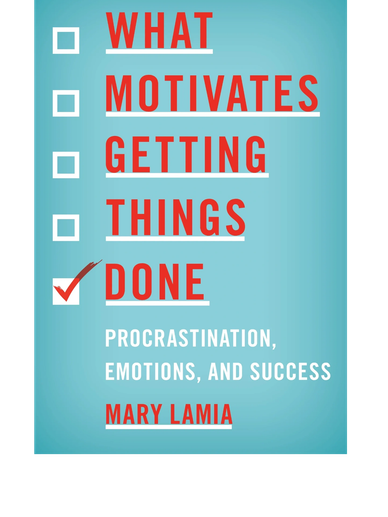
Mary examines the emotional motivation behind early action and delay. The book compares task-driven and deadline-driven styles, considers their effects on relationships and explores ways to work with a natural style while retaining accountability for deadlines and quality.
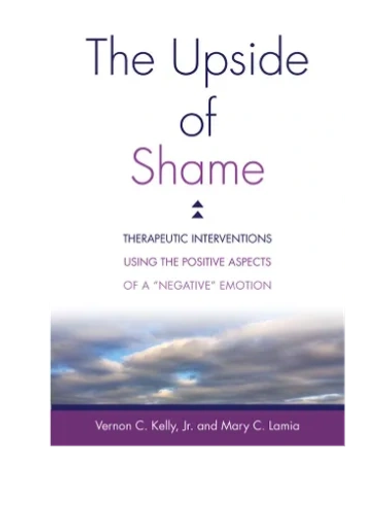
A clinical book for understanding shame beyond its reputation as a negative feeling. Vernon and Mary discuss its role in anxiety, depression, addictions and personality difficulties, connecting their account of emotion with therapeutic interventions.
Written for readers ages 8-13, this guide builds an emotional vocabulary through explanations, stories from children, facts and feeling quizzes. It encourages young readers to notice what their emotions communicate about themselves, their friends and their families.
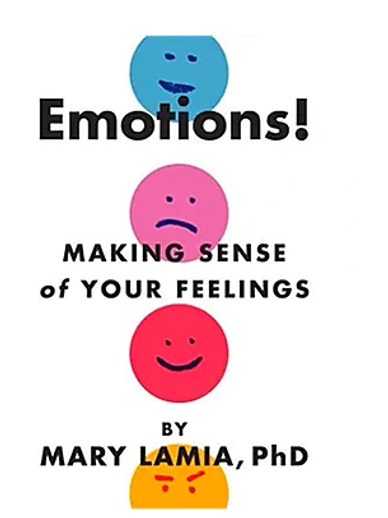
A guide for teen readers to the information emotions provide. Mary examines feelings such as anxiety, guilt, pride and hope, explaining how they can draw attention to a situation, influence a decision and motivate action. The publisher identifies an audience of ages 15-18.
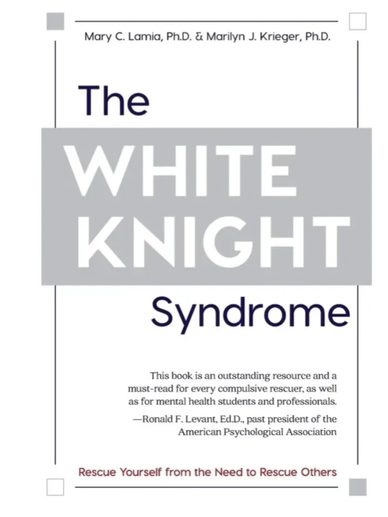
Mary and Marilyn examine a relationship pattern in which someone repeatedly seeks partners to rescue. They describe different forms of rescuing behavior, the search for validation behind it and ways to recognize an imbalance between meeting a partner's needs and attending to one's own.
The Wright Institute's faculty biography confirms her BA in psychology from the University of California, Berkeley (1971), MA in educational psychology from San Francisco State University (1973), and PhD in clinical psychology from the California School of Professional Psychology (1977). It identifies her as a professor emeritus.
Mary's official professional biography also lists certification in psychoanalysis from the San Francisco Psychoanalytic Institute. The APA's 2013 publications report records Family Choice Awards for her books Emotions! Making Sense of Your Feelings and Understanding Myself.
Her clinical practice page describes work with adults, adolescents, couples and families, with remote conferencing for California residents and an appointment inquiry route.
Mary explains task-driven and deadline-driven motivation, a consultant's self-criticism and a dissertation student's use of commitments. Robert connects the discussion with his own changing approach to homework and work.
Full interview and transcript | Watch on YouTube | Episode Share Kit
Mary's official biography lists the 2025 and 2024 presentations below. The 2019 entry is documented in the organizer's convention program.
| Date | Type | Show or organization | Topic | Source |
|---|---|---|---|---|
| 2025 | Listed presentation | Utah State Psychological Association | Memory and the Emotional Life of Loss | Open source |
| 2024 | Listed presentation | Northern California Psychiatric Society | Reconceptualizing Our Understanding of Loss | Open source |
| 2019 | Convention program | California Psychological Association | Procrastination and the Stigma of Delay | Open source |
| December 22, 2017 | Podcast interview | Marketer of the Day | Procrastination and emotional motivation | Open source |
| September 16, 2017 | Podcast interview | Everyday MBA with Kevin Craine | Motivation and getting things done | Open source |
More interviews selected by Mary | Mary's Psychology Today articles
Office: 415-457-2839
Mary explores grief and emotional memory, shame, and task-driven and deadline-driven motivation. Her work ranges from public education for families to clinical writing for mental health professionals.
Mary holds a PhD in clinical psychology from the California School of Professional Psychology, awarded in 1977. The Wright Institute lists her as a professor emeritus. Her doctorate is in psychology.
In her interview with Robert Plank, Mary explains that unfinished tasks can motivate one person to act early, while an approaching deadline activates another person. She emphasizes meeting commitments and producing good work rather than judging timing alone.
Grief Isn't Something to Get Over examines the connection between memories and emotions after a loved one's death. It explores adapting to loss, identity and recurring reminders without requiring a person to forget the relationship.
Her official site publishes drmarylamia@gmail.com and the office number 415-457-2839. Use those public professional routes for an interview or event inquiry.
Her December 22, 2017 Marketer of the Day interview is episode 464, Procrastinators Are People Too. It discusses emotional motivation, differing work styles and creating deadlines through commitments.