Observe
Notice what is happening and ask questions before judging the person or deciding on an answer.
Developing leaders who ask useful questions, build team accountability and prepare others to carry responsibility.
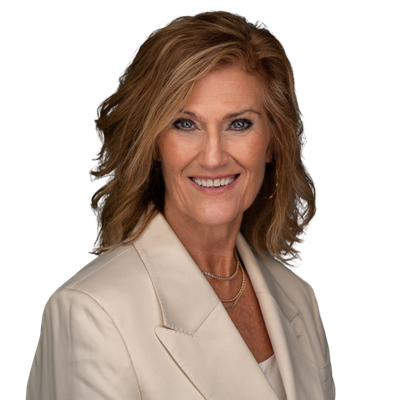
"When a problem is brought to us, ask a question first."
Updated October 28, 2026
Pamela Potts is an executive coach, speaker and founder of Leader Coach Approach. She helps leaders develop their people through self-awareness, curiosity and coaching conversations. Her book, Every Leader Is a Coach, examines the shift from solving every problem to helping team members think and take responsibility. Pamela's OMO Method organizes coaching around Observe, Map and Optimize. Her current work includes individual and team coaching, leadership sprints, workshops and speaking, with programs for owners preparing to transfer leadership responsibilities. She brings experience in technology training and entrepreneurship to a practical question: how can a leader help other people grow?
Pamela Potts is an executive coach, speaker and founder of Leader Coach Approach. She works with leaders who care about their teams but find themselves carrying the decisions, resolving the conflicts and becoming the answer to every problem. Her focus is developing other people's ability to lead, while helping the leader understand how they work best.
Pamela's background includes technology training, consulting and entrepreneurship. In her Marketer of the Day interview, she describes enjoying the work of teaching complex material while finding extended programming projects draining. That experience changed how she thought about performance: being able to do a task is different from finding it energizing. She now helps leaders examine that distinction in their own work and in their teams.
The Leader Coach Approach begins with awareness and carries it into practice. Pamela encourages leaders to notice their assumptions, listen with curiosity and ask a question before offering a solution. Her OMO Method - Observe, Map and Optimize - gives those conversations a structure. The aim is to help people understand a challenge, consider possibilities and take responsibility for what they do next.
Her book, Every Leader Is a Coach, develops this shift through practical leadership topics, including self-awareness, coaching questions, delegation, recognition, feedback and accountability. Pamela treats coaching as part of everyday leadership, rather than an activity saved for a formal review or a training day. Follow-through matters: a useful conversation should connect with action and later reflection.
Her practice offers private executive coaching, matched coaching through the team, group programs and organizational work. Leadership sprints provide a recurring structure for applying the approach to current situations. Live to BLOOM, offered with Linda Loveless, serves women founders and senior leaders through group coaching and peer connection.
Pamela's current leadership-transition work examines the knowledge, relationships and decisions that still depend on an owner. The process builds a roadmap for transferring those responsibilities and reviewing progress in 90-day sprints. Through workshops and speaking, she brings the same people-development question to founders, executives and leadership teams: who else is ready to carry the work forward?
Pamela explains OMO as Observe, Map and Optimize in her interviews and current coaching material. The method gives a leader a way to help someone think through a challenge while keeping the conversation curious and the responsibility clear.
Notice what is happening and ask questions before judging the person or deciding on an answer.
Explore what is behind the challenge and the possibilities the team member can consider.
Turn the conversation into a practical action the person can own, then follow up and learn from it.
When someone brings a problem, begin with a question rather than taking the problem away from them. Pamela connects that pause with listening, self-awareness and the development of the other person.
Watch Pamela explain coaching and OMO on the Selling From the Heart podcast
Pamela's current Leadership Capacity Transfer approach addresses the people side of an owner's transition. It examines the responsibilities and relationships that still return to one person, then plans how that capacity can move through the organization.
Use the Exit Readiness Assessment and a coaching conversation to identify areas of owner dependency.
Explore the owner's goals, timeline and the challenges behind the assessment results.
Identify the knowledge, decisions, relationships and responsibilities to transfer, and who needs development.
Work through priorities in 90-day sprints, then review what changed and what still depends on the owner.
The work can begin before an exit is announced. Its focus is developing leadership capacity and tracking what others can carry, alongside the separate financial and legal work of a transition.
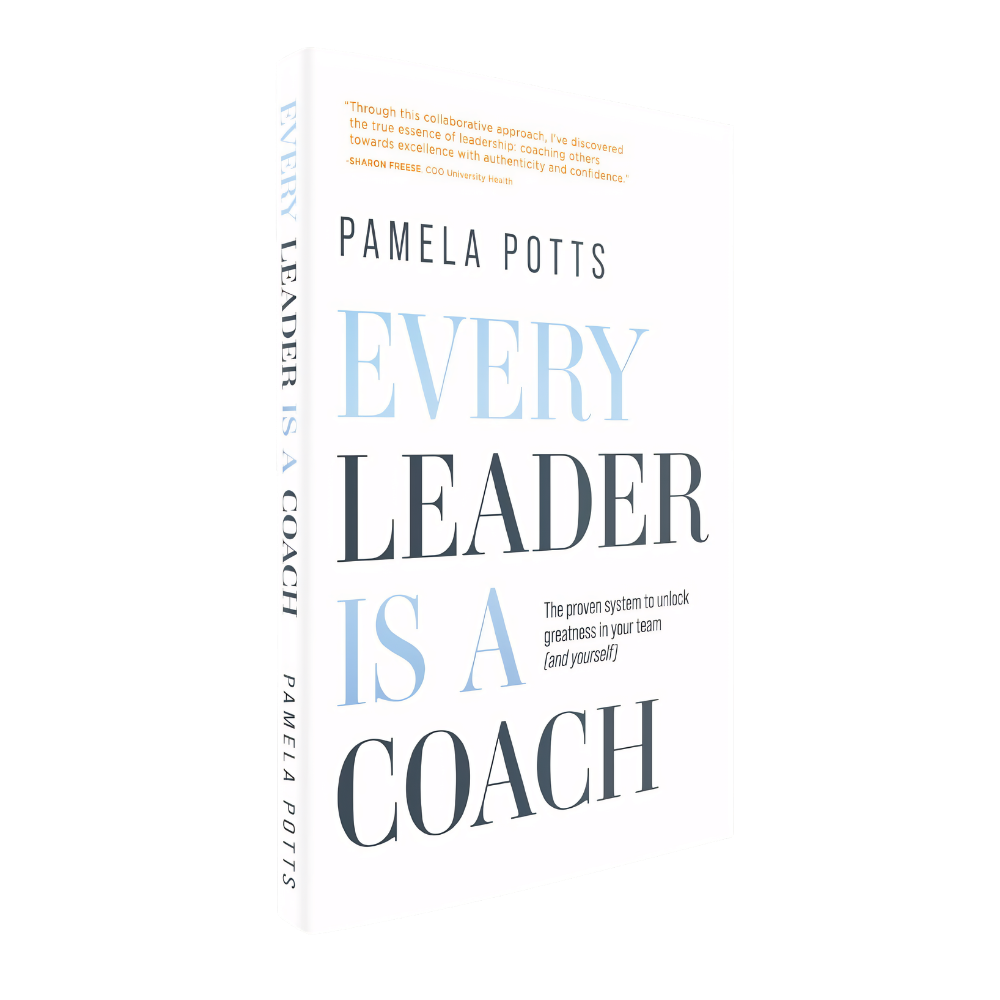
Pamela's book addresses leaders who are good at their own work but need a different way to develop other people. It covers self-awareness, coaching questions, delegation, recognition, feedback and accountability, connecting individual conversations with a broader coaching culture. The emphasis is on giving team members room to think and take responsibility while the leader stays engaged in their development.
Read the official book information | View the book on Amazon
Pamela works with leaders on self-awareness, coaching conversations and the practical development of their teams. The practice offers private and matched coaching, group and organizational programs, workshops and speaking, with leadership-transition work for owners preparing others to carry responsibilities.
Leader Coach Approach's private executive coaching serves leaders seeking clearer direction and a different way to develop their teams. It begins with identity, conditions in which the leader works best, and purpose in action, then applies the OMO Method to current leadership challenges. Sessions are customized to the client, with a ninety-day sprint structure, accountability, and tailored cadence.
Leader Coach Approach matches individual leaders with a coach around their industry, circumstances, leadership challenge, and current needs. The application-based process uses a discovery conversation before selecting a coach from the team. Matched work shares the practice's awareness foundation, OMO Method, and ninety-day sprint structure.
Leader Coach Approach's sprint program supports individuals and teams building leadership habits and reducing reliance on one decision-maker. Four ninety-day cycles address awareness, application of the OMO Method, culture and accountability, and developing other team members. The advertised structure includes defined outcomes and check-ins, with owner and succession situations addressed within the organizational work.
Live to BLOOM is an application-based group program for women founders, senior executives, and C-suite leaders. Live sessions with Pamela and Linda work through awareness, presence, curiosity, empowerment, and acceleration, with space for peer collaboration and relationship-building. The advertised cohort includes the book Every Leader Is a Coach.
Pamela Potts' three-and-a-half-hour workshop serves owners and senior leaders preparing others to carry responsibilities when they step back. Participants review their Exit Readiness Assessment, examine key-person dependency through the OMO Method, and identify ranked priorities for leadership transfer. The workshop includes materials, the book Every Leader Is a Coach, and a next-steps plan.
The Alignment Lab is advertised as a two-and-a-half-day organizational leadership experience for teams building a coaching culture. It sits within Leader Coach Approach's awareness-based work and can include succession planning when needed. The organizational offering also connects teams with leadership sprints to continue applying the approach.
Pamela Potts speaks to executives, business-owner groups, women's leadership events, and technology audiences on developing other leaders and reducing dependence on a single problem-solver. Advertised themes include coaching culture, leadership in an AI workplace, and preparing a business to operate beyond its founder. Event support includes an audience-planning call, tailored content, questions and discussion, and follow-up resources.
Using questions and listening to help team members think and take responsibility.
Understanding the difference between being able to do work and being energized by it.
Noticing assumptions and exploring what is happening before judging or advising.
Connecting an insight with clear action, follow-up and continuing development.
Preparing people to make decisions and carry responsibilities beyond one owner.
Bringing awareness, presence and peer connection to a new season of leadership.
January 28, 2026 | Episode 1536
Pamela and Robert Plank discuss the difference between skills and energy, complementary working styles and the habit of asking a question before solving a team member's problem. Pamela explains how self-awareness, curiosity and accountability support coaching-based leadership.
Watch the complete interview on YouTube | Read the episode show notes
| Date | Type | Outlet | Subject | Source |
|---|---|---|---|---|
| 2026-08-22 | Podcast video interview | Selling From the Heart podcast | Every Sales Leader Is a Coach - with Larry Levine and Darrell Amy | Open source |
| 2026-01-28 | Podcast interview | Marketer of the Day with Robert Plank | Energizing leadership, accountability and team potential | Open source |
| Self-published speaker reel | Leader Coach Approach | Speaking presentation footage and an onstage conversation | Open source |
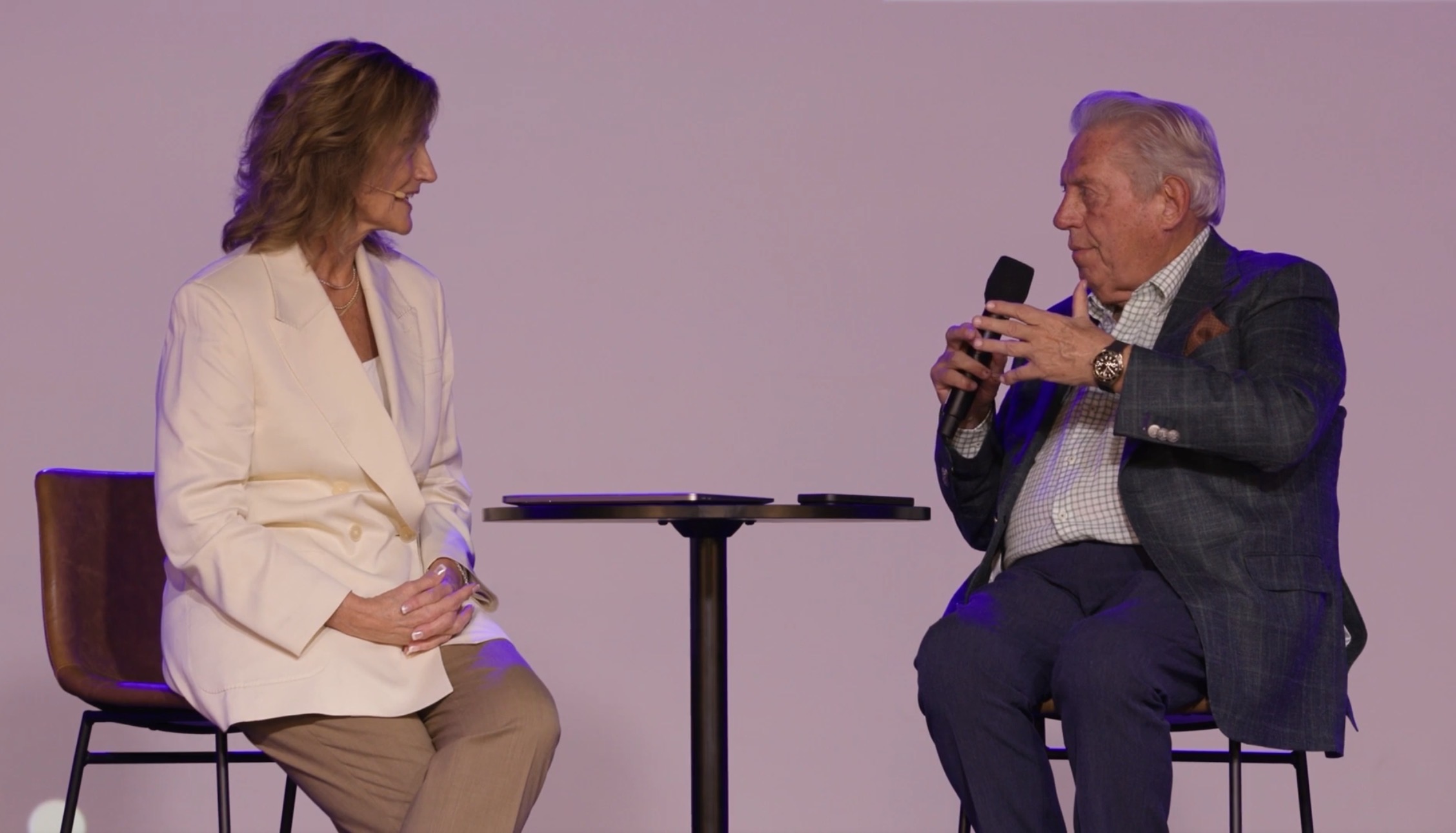
Pamela helps leaders develop other people through self-awareness, listening, coaching questions and accountability. Her work addresses the habit of becoming the answer to every team problem.
It is Pamela's approach to developing people through everyday coaching conversations, supported by awareness, practice and continuing follow-through.
In Pamela's interviews and current coaching material, OMO stands for Observe, Map and Optimize. It structures a conversation around noticing, exploring possibilities and choosing action.
Her own experience showed her that she could be skilled at work that drained her. She encourages leaders to notice what energizes them and how that affects sustainable work and complementary teams.
Pamela recommends asking a question first. Staying curious can help the person gain clarity and take responsibility instead of handing the whole problem back to the leader.
Pamela's book addresses the shift from managing output to developing people. It covers self-awareness, coaching questions, delegation, recognition, feedback, accountability and coaching culture.
The current options include private executive coaching, matched coaching through the team, leadership sprints, Live to BLOOM group coaching and organizational leadership work.
The current coaching cohort serves women founders, senior executives and C-suite leaders. Pamela and Linda Loveless lead live group sessions with space for peer connection and collaboration.
She examines what knowledge, decisions and relationships still depend on the owner, develops a leadership-capacity transfer plan and reviews implementation in 90-day sprints.
Use the speaking inquiry form, email hello@leadercoachapproach.com or call the published office number, 816-533-6306. Her maintained LinkedIn profile is also linked on this page.