Readiness
Start with the energy and attention available for the work. Paul treats this as the foundation supporting the capabilities above it.
Human judgment, leadership and the habits behind continuous adaptation.
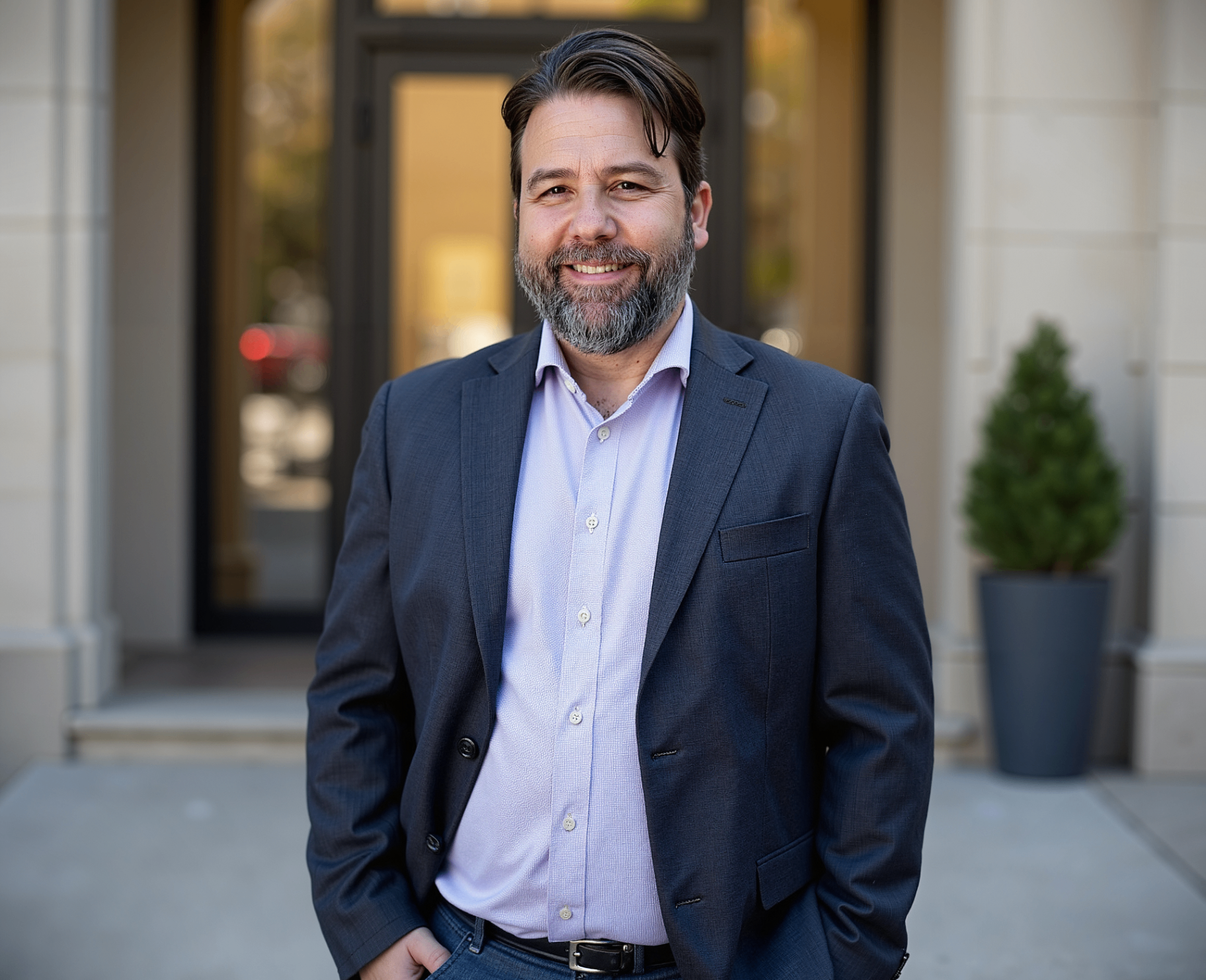
"We can't treat AI as a technology we learn once and we're done. We need to keep adapting and learning alongside it as it evolves."
Last updated
Paul Slater is an AI enablement advisor, author and speaker focused on the human side of technological change. He wrote The AI-Ready Human, a 90-day program for developing human capabilities as work changes, with a foreword by Kyle McDowell. His advisory and speaking work explores judgment, leadership, resilience and adaptability. He also hosts Humanity Working, combining presenter discussions with interviews with authors and other specialists.
Paul Slater is an AI enablement advisor, author and speaker who focuses on the human side of technological change. His work asks what people need to practice, and what organizations need to change, when new technology alters how work happens. He wrote The AI-Ready Human and hosts Humanity Working, a podcast that combines conversations between presenters with interviews with authors, business leaders and other specialists.
Paul's interest began with people learning to use computers for the first time. In his Marketer of the Day interview with Robert Plank, he recalls desktop computers arriving in offices and the uncertainty that accompanied them. The technology was visible; the effect on a person's confidence, responsibilities and working habits could be harder to see. That relationship between a new system and the person using it remains central to his work.
His career includes training, consulting and work at Microsoft. In The Unfolding Thought Podcast, he describes helping explain new products, developing training materials and writing technical books for Microsoft. Some of that writing appeared under Microsoft's name rather than as books marketed around his own identity. The experience connected technical understanding with the challenge of making a complicated subject usable for someone else.
The AI-Ready Human, published in 2026, brings that teaching interest into a 90-day program. Each day pairs an idea with a practical exercise. The book is written by Paul, with a foreword by Kyle McDowell. It is intended to help readers examine how they work alongside AI, with attention to habits and capabilities that remain useful as individual tools and interfaces change.
Paul calls the book's seven capabilities the Magnificent Seven: readiness, organization, control, balance, motivation, resilience and adaptability. He describes them as connected layers. Readiness concerns the energy someone brings to work; organization and control concern making sense of demands and directing attention. Balance and motivation support sustained effort. Resilience and adaptability address the challenges of change and the ability to keep adjusting.
He distinguishes reading an interesting idea from practicing a different behavior. In his conversation with Eric Pratum, Paul explains why he organized the book as short daily concepts and exercises rather than a conventional sequence of long chapters. His aim is to help readers work on the underlying capabilities consistently, with later exercises building on earlier practice. The program gives his broad discussion of change a concrete learning structure.
The organizational side is equally important in Paul's conversation with Robert. He argues that individuals can develop new skills while still working inside policies, infrastructure and a culture that make those skills difficult to use. His advisory work considers readiness, adoption plans, governance, learning programs, leadership and measurement together. These are parts of an organizational enablement engagement, rather than unrelated products or a promise that one training session will complete the work.
Paul's speaking topics include human judgment, leadership alongside automation, workforce adaptability and the future of work. His published formats include keynotes, fireside chats, executive briefings, panels and moderated discussions. The stated audiences include executives, HR and learning teams, technology conferences and leadership offsites. Organizers can discuss the audience and format with him through his public professional contact route.
He also speaks candidly about decisions that did not work out as planned. In the Marketer of the Day interview, Paul describes closing BillionMinds after the company's direction moved away from the mission he wanted to pursue. He discusses the emotional difficulty of that choice and the difference between building something that makes money and building the work he intended. It is a retrospective founder story, separate from his current advisory services.
Humanity Working extends these questions into an ongoing audio conversation. Its publisher identifies Paul as the host and as Principal AI Technologist at Adobe Systems. Recent descriptions feature regular discussions with Matt Neal and Bill Kirst, alongside outside-guest interviews. Subjects range from AI adoption and creativity to leadership, learning, organizational culture and the experience of change at work.
The checked publisher feed retains 149 entries, including earlier program names and bonus episodes. It is active: the latest retained release is October 20, 2026, and recent outside guests include Geoffrey Moore, Kyle McDowell and Carol Pearlman. These examples establish an interview component alongside presenter discussions. Not every retained entry is a separate guest interview.
Across his writing, speaking and interviews, Paul returns to the person behind the technology. His discussion with Robert moves from early computer training to human judgment, continuous change and the systems surrounding a team. The practical question is how to keep learning and adapting while work itself changes. His book, newsletter, podcast and professional presentations offer different ways to explore that question.
Paul's Magnificent Seven connects readiness, organization, control, balance, motivation, resilience and adaptability. In The AI-Ready Human, a daily concept is paired with a practical exercise, so the reader has something to try as well as something to consider.
His interview with Robert Plank connects the individual with the organization. A person's skills can grow while policy, infrastructure and culture still make them difficult to use. Paul asks leaders to consider those conditions alongside new technology.
Paul presents these capabilities as connected layers: later practice builds on the foundations below. His explanation to Eric Pratum gives each layer a practical meaning.
Start with the energy and attention available for the work. Paul treats this as the foundation supporting the capabilities above it.
Create enough structure to make sense of incoming demands and an ambiguous working day, rather than treating organization as physical filing alone.
Examine who directs the calendar and attention. An orderly calendar can still leave someone reacting to other people and constant interruptions.
Distribute effort across work, family, relationships and personal growth. Paul uses balance more broadly than a simple division between work and everything else.
Build ways to keep practicing as enthusiasm naturally rises and falls, rather than depending on feeling equally motivated every day.
Develop the capacity to cope emotionally and intellectually with a significant setback or change.
Keep adjusting as work changes. In Paul's framework, this upper layer depends on the capabilities supporting it below.
Read Paul Slater explain the seven capabilities with Eric Pratum
In his conversation with Robert Plank, Paul uses a voyage into uncertain conditions to explain why resilience and adaptability matter. Rather than claim certainty about the next three years, he asks how people and organizations can become better at dealing with what changes.
His earlier experience teaching people to use computers gives that question a personal history: a new technology can change someone's responsibilities and confidence as well as the tools on their desk.
Connect learning with an exercise a person can actually try.
A question to ask: What changes after the training session is over?
Consider the policies, systems and culture around a team.
A question to ask: What helps people use the skills they are developing?
Explore resilience and adaptability without pretending to know every next step.
A question to ask: How can a team keep adjusting as work changes?
Paul Slater advises organizations whose AI investment has not translated into sustained adoption or whose teams need stronger foundations for change. His work covers readiness assessment, phased adoption plans, governance, learning programs, leadership alignment, and measures connecting adoption to business activity. Focused advisory and longer partnerships can serve technical and nontechnical teams across healthcare, life sciences, higher education, technology, and other industries.
Paul Slater speaks to executives, HR and learning teams, and technology or future-of-work audiences preparing for AI-driven change. Topics include maintaining human judgment, leading alongside automation, strengthening valuable human skills, and building adaptable teams. Available formats include keynotes, fireside chats, executive briefings, panels, and moderated discussions, with practical language and next steps for the audience.
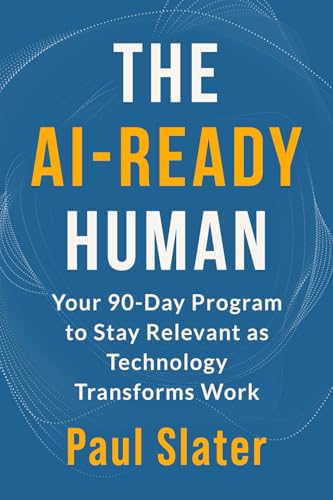
A 2026 book organized into 90 daily concepts and practical exercises on human capabilities as technology transforms work. Paul connects readiness, organization, control, balance, motivation, resilience and adaptability as layers that support one another. Short concepts are paired with practice, with later exercises building on earlier work. The program addresses people doing the work as well as leaders thinking through how their teams adapt.

Paul hosts a mix of presenter discussions and outside-guest interviews on technology, human capability and the experience of work. Recent guests include Geoffrey Moore, Kyle McDowell and Carol Pearlman. The feed checked October 26, 2026 retains 149 entries, including earlier branding and bonus episodes; its latest release is October 20, 2026. Sixteen releases appear within the preceding ninety-day window.
| Date | Type | Show or publisher | Topic | Source |
|---|---|---|---|---|
| April 21, 2026 | Podcast appearance | Marketer of the Day - Robert Plank | AI readiness, human skills and continuous change | Open source |
| February 9, 2026 | Podcast appearance | The Unfolding Thought Podcast - Eric Pratum | AI-Ready or Sleepwalking Into Irrelevance? | Open source |
| January 12, 2026 | Author announcement | Humanity Working - Paul Slater | The AI-Ready Human book launch | Open source |
Marketer of the Day - Episode 1566
Paul and Robert discuss human capabilities, organizational habits, resilience and continuous adaptation.
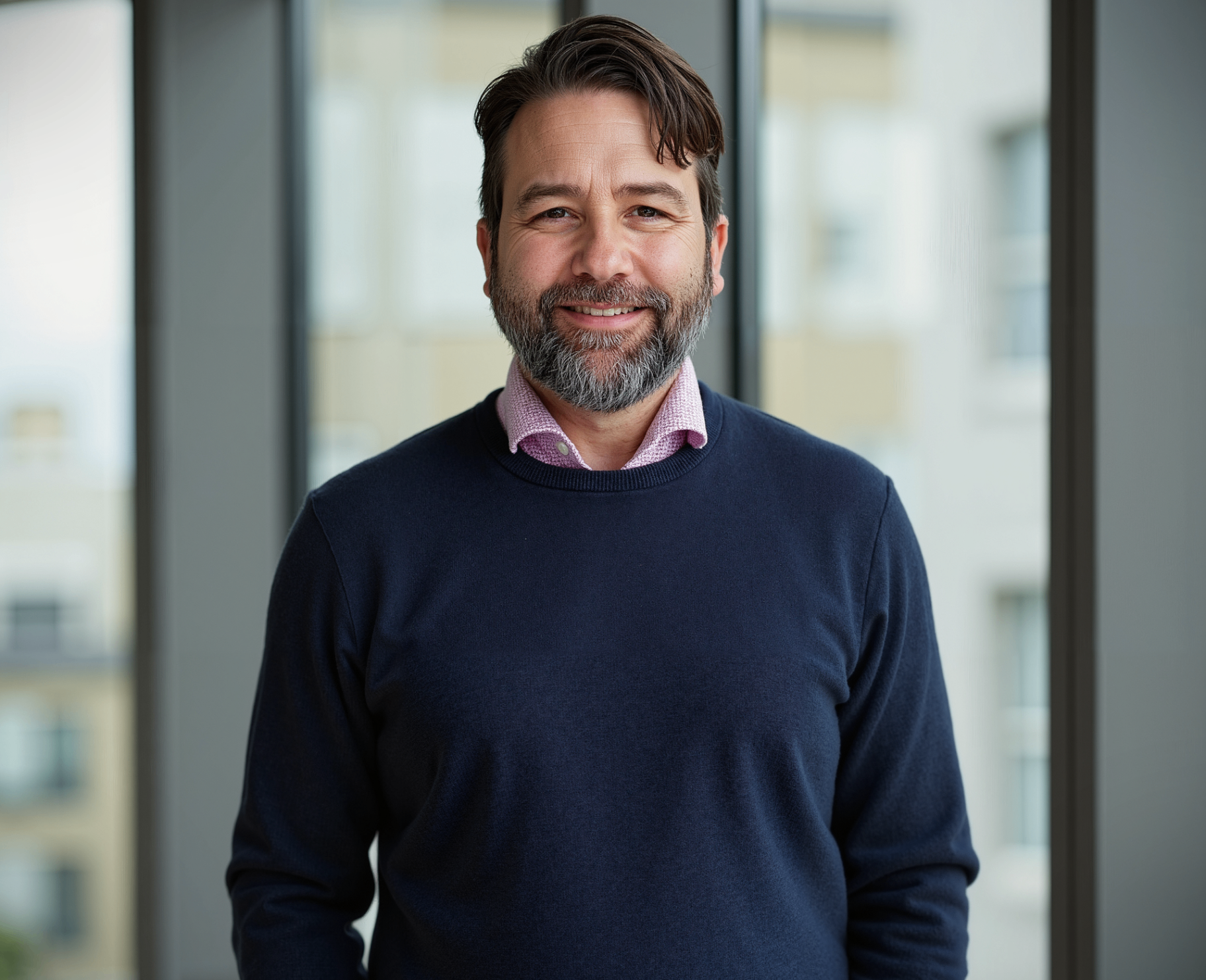
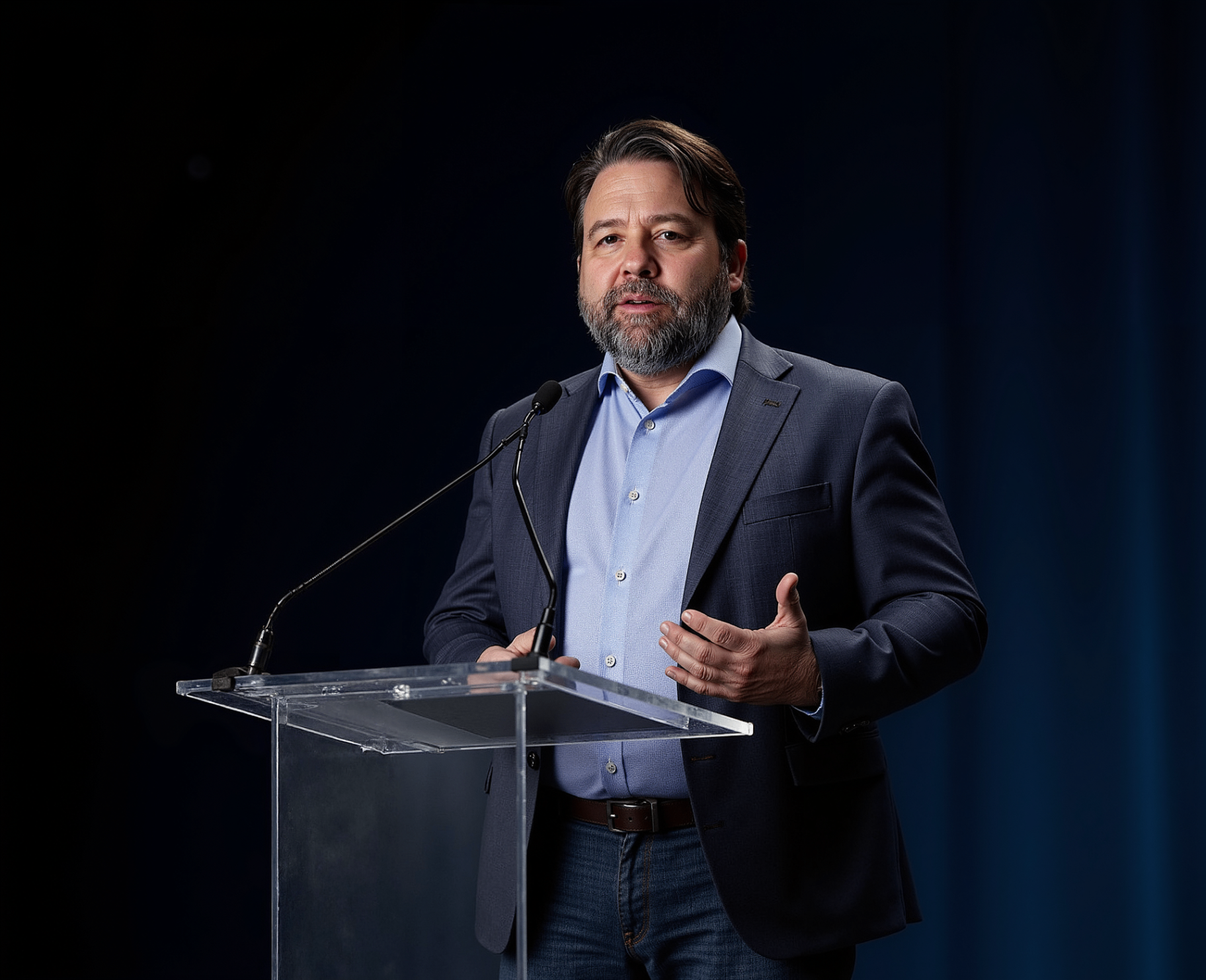
Paul is an AI enablement advisor, author and speaker focused on the human side of technological change. He wrote The AI-Ready Human and hosts Humanity Working.
Paul Slater - official professional site | Paul Slater with Robert Plank - Marketer of the Day | Humanity Working - original publisher feed
It is Paul's 2026 book, subtitled Your 90-Day Program to Stay Relevant as Technology Transforms Work. Each day pairs a concept with a practical exercise for developing human capabilities alongside changing technology.
Paul Slater - The AI-Ready Human | Paul Slater - January 2026 book announcement | Paul Slater with Eric Pratum - The Unfolding Thought Podcast
Kyle McDowell wrote the foreword. Paul is the author; Kyle's credited role is foreword writer.
They are readiness, organization, control, balance, motivation, resilience and adaptability. Paul describes them as connected layers, with foundational habits supporting the ability to cope with and adjust to change.
Paul Slater with Eric Pratum - The Unfolding Thought Podcast
He wants a reader to practice differently rather than only agree with an interesting idea. In his conversation with Eric Pratum, he describes pairing short concepts with exercises and building later practice on earlier work.
Paul Slater with Eric Pratum - The Unfolding Thought Podcast
He recalls teaching people to use computers as desktops arrived in offices. His interviews connect that early experience with his continuing interest in the effect technology has on confidence, habits and how people do their work.
Paul Slater with Robert Plank - Marketer of the Day | Paul Slater with Eric Pratum - The Unfolding Thought Podcast
Paul describes a history of training, consulting, technical writing and work at Microsoft. His account includes explaining new products and writing technical material that appeared under Microsoft's name.
Paul Slater - official professional site | Paul Slater with Eric Pratum - The Unfolding Thought Podcast
The published offering covers organizational readiness, adoption plans, governance, learning programs, leadership alignment and measurement. These are parts of an AI enablement engagement, offered through focused advisory or a longer partnership.
His speaking page lists keynotes, fireside chats, executive briefings, panels and moderated discussions. Topics include human judgment, leadership, adaptability and the future of work.
He argues that new individual skills need an environment in which they can be used. Policies, working systems and organizational habits therefore belong in the same conversation as training and personal capability.
Paul Slater with Robert Plank - Marketer of the Day | Paul Slater - organizational AI enablement advisory
In his interview with Robert Plank, Paul describes closing the company after its direction drifted from the mission he wanted to pursue. It is a historical founder account, rather than a current service offering.
It is Paul's podcast on technology, human capability and the experience of work. The publisher feed combines presenter discussions with outside-guest interviews and retains earlier program branding within the same archive.
Yes. The publisher feed checked October 26, 2026 retains 149 entries; its latest is dated October 20, 2026. Sixteen releases fall in the preceding ninety-day window. The retained feed count is not presented as a lifetime recording total.
Yes. Recent publisher descriptions name Geoffrey Moore, Kyle McDowell and Carol Pearlman as guests. Other entries are discussions between presenters.
This page links his Marketer of the Day conversation with Robert Plank and his February 9, 2026 appearance on The Unfolding Thought Podcast with Eric Pratum.
Paul Slater with Robert Plank - Marketer of the Day | Paul Slater with Eric Pratum - The Unfolding Thought Podcast
Paul's official site publishes paul@humanityworking.net for professional inquiries. His consulting and speaking pages describe the available work and formats.
Paul Slater - official professional site | Paul Slater - organizational AI enablement advisory | Paul Slater - speaking formats and topics