Embracing Adaptability
Identify an area where a change is difficult, then write three possible ways to work with the new circumstances.
Employee benefits education, practical AI outreach and habits for rebuilding after a setback.

"Every day we're doing an experiment, and all we're getting is a result. If it's the result we wanted, let's improve it. If it isn't, let's learn what we can modify going forward."
Last updated
Ralph B. Watkins is an employee benefits consultant, author and speaker who connects business education with practical lessons in resilience. Through FICA Flip, he introduces employers to a supplemental benefits program and offers short educational briefings for business groups. He founded the National Association of Shit Creek Survivors and wrote 10 Habits of Shit Creek Survivors: Lessons from Hell to Hope, drawing on his experience rebuilding after the collapse of his real estate and mortgage businesses.
Ralph B. Watkins brings together employee benefits education, business development and the experience of starting again after a major setback. Through FICA Flip, he introduces business owners and leadership teams to a supplemental employee benefits program. His author and community work explores a different question: how do people find their footing when the life they built stops working?
On his official author page, Ralph describes running a mortgage, title, construction and real estate holding operation with his wife before the real estate and mortgage-market collapse. Losing that operation also unsettled his sense of identity. He writes that the relationships, skills and instincts he had developed remained, even when the business was gone; finding a new use for them became part of rebuilding.
That experience helped shape the National Association of Shit Creek Survivors, or NASCS. Ralph founded the community around stories, practical habits and the recognition of what people have lived through. Its CSCS badge means Certified Shit Creek Survivor. It recognizes the experiences community members have lived through.
Ralph wrote 10 Habits of Shit Creek Survivors: Lessons from Hell to Hope, published by Watauga Publishing. The book combines his own experiences with accounts of people facing difficult circumstances and practical actions for readers. Readers can find the book and its companion resources through the NASCS author and community site.
The ten habits cover adaptability, radical acceptance, meaning, support networks, routines, gratitude, vulnerability, problem-solving grit, self-compassion and lifelong learning. A separate bonus habit addresses personal faith. The accompanying public guide gives each habit a concrete exercise, such as identifying three possible ways forward, contacting a trusted person or choosing a small morning routine.
In his benefits work, Ralph and Kristen Watkins are the named contacts at FICA Flip. The program is presented as supplemental to an employer's existing health coverage. The current site separates the introductions and education from specialist review, administration and clinical delivery: a CPA or plan specialist reviews workforce information, the administration platform handles enrollment and payroll coordination, and Revive Health supplies the clinical services.
Ralph also offers 15-minute educational briefings for Chambers of Commerce, Rotary Clubs, BNI chapters and executive associations. Advertised subjects include payroll and benefits questions, employer obligations and workforce retention. The format is intended to give a business group a manageable introduction and a starting point for a more specific discussion with its advisers.
Ralph's conversation with Robert Plank shows how he approaches business development. He describes using LinkedIn Sales Navigator and Lemlist to organize outreach, then asking AI to identify local business and service organizations, their meeting times and the people who book speakers. The next step is a useful presentation and a one-to-one discussion, rather than assuming that a list or an automated message has settled a person's needs.
His closing lesson is to treat daily outcomes as experiments. A result can show what to repeat, what to change and what to learn without becoming a verdict on the person trying. Ralph connects that approach with self-kindness, authenticity and helping the person in front of him. Those themes connect his author work, speaking topics and practical interest in using new tools.
Ralph's public Ten Habits guide gives readers a set of reflection exercises for difficult transitions. The ten named habits below are the main sequence; Drawing Strength from Personal Faith is a separate bonus habit.
Identify an area where a change is difficult, then write three possible ways to work with the new circumstances.
Separate what has already happened from the next action that remains within your control.
Reflect on a lesson or perspective gained from a difficult experience without denying that it was painful.
Name trusted people and begin with one honest conversation, rather than treating resilience as a solitary task.
Choose a small, manageable morning routine that provides continuity when larger plans feel uncertain.
Write down three things that remain meaningful, including ordinary details that might otherwise go unnoticed.
Share an honest difficulty with someone who has earned your trust instead of presenting a polished version.
Write several possible approaches to a problem and try one that has not yet been tested.
Notice harsh self-talk and ask how you would speak to a person you love in the same situation.
Choose something unfamiliar to learn and allow yourself to be a beginner again.
In his Marketer of the Day conversation, Ralph describes moving from a broad prospecting idea to a specific local speaking opportunity. His example combines research tools with a human conversation.
Ralph asks for business and service organizations around his area in Northeast Tennessee and Western North Carolina. Chambers, Rotary Clubs and similar groups give the research a concrete starting point.
His request includes meeting times and the person responsible for booking speakers. Those details turn a broad list into leads that can be checked before making contact.
He proposes a short educational presentation, then follows with individual discussions for people who want to explore their own situation.
Earlier in the interview, Ralph discusses asking AI to check its answers and continuing to question the output. A generated lead or answer still needs review.
Explore how Ralph separates an outcome from a judgment on the person trying, and uses it to decide what to repeat or change.
A question to ask: What did the last attempt teach you that the next one can use?
Discuss a concrete research request: business groups in a defined region, meeting times and the people who book speakers.
A question to ask: What information would make a prospect list useful enough to act on?
Introduce the roles of leadership, payroll staff and advisers when reviewing a supplemental benefits proposal.
A question to ask: Which details need specialist review before a company can decide?
Discuss Ralph's practical guide to adaptability, small routines, support networks and self-compassion after a setback.
A question to ask: Which small action is still available when the larger plan has changed?
Ralph introduces employers considering a supplemental employee benefits program. The advertised process includes workforce review by a CPA or plan specialist, followed by plan administration, enrollment and payroll coordination. Revive Health supplies the clinical services. The company's savings illustrations are conditional on eligibility and plan circumstances; they are not a tax, legal or medical determination for an individual employer.
Ralph offers 15-minute briefings for Chambers of Commerce, Rotary Clubs, BNI chapters and executive associations. Topics cover employer benefits and payroll questions, workforce retention and the questions leadership teams can raise with their advisers.
The National Association of Shit Creek Survivors combines Ralph's book, public habit exercises, member stories and a community recognition called Certified Shit Creek Survivor. The materials focus on reflection, resilience and connection; CSCS is the community's own survivor badge.
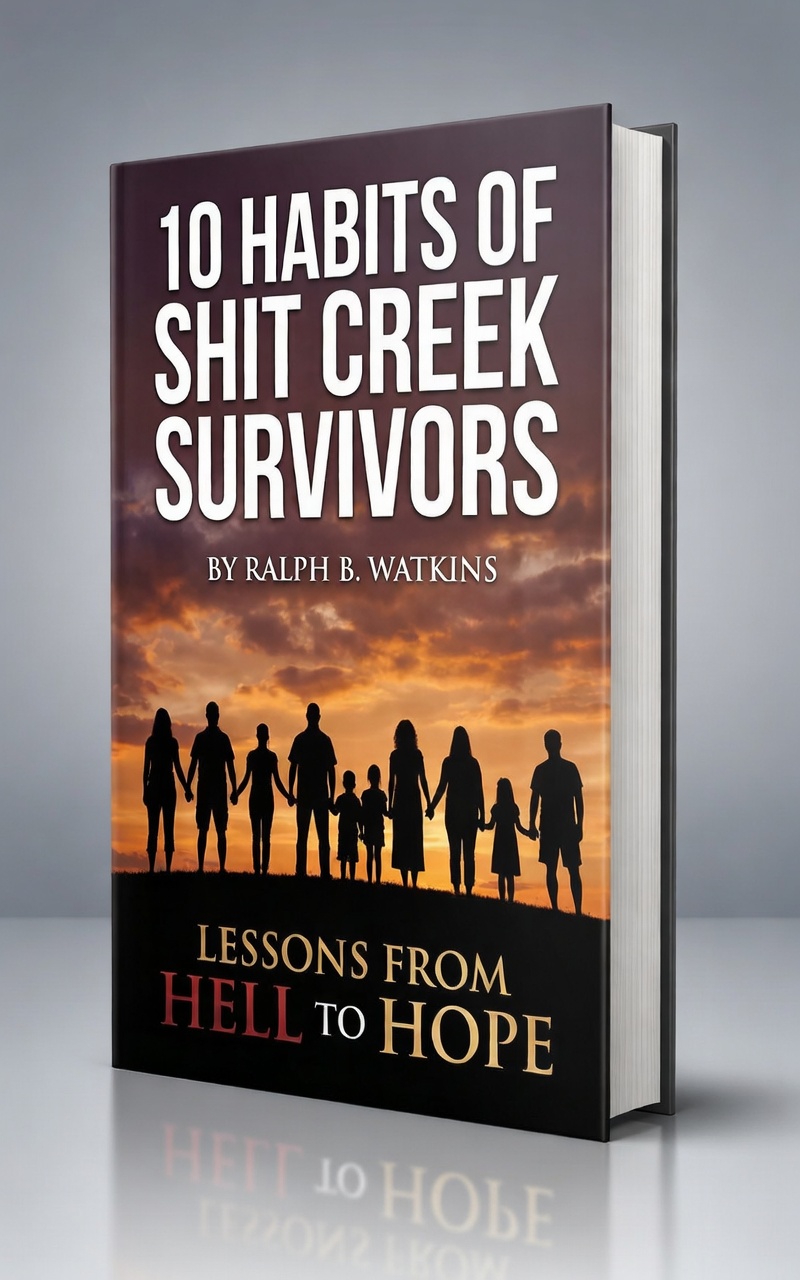
A published book combining personal experiences, survivor stories and ten named habits, plus a separate personal-faith bonus habit. Its public companion guide includes practical reflection exercises. The current author/publisher page offers the book through Amazon.

Ralph hosts this real estate and mortgage-industry interview series. The current publisher feed retains four episodes, with the latest dated April 17, 2025. The archive includes conversations with Scott Hudspeth, Jeremy Crooks and Lynette Heck. It is a historical interview series.
| Date | Type | Show or publisher | Topic | Source |
|---|---|---|---|---|
| August 5, 2026 | Podcast guest interview | Marketer of the Day with Robert Plank | AI-assisted outreach, benefits education and a practical approach to resilience | Open source |
| July 7, 2026 | Podcast guest interview | The Failure Guy | Up the Creek: Ralph's business setback and the National Association of Shit Creek Survivors | Open source |
| July 14, 2026 | Podcast guest interview | The Failure Guy | Part 2: rebuilding after a business collapse, self-encouragement and accepting help | Open source |
| Current public companion | Author's practical guide | National Association of Shit Creek Survivors | Ten Habits reflection exercises, with a separate personal-faith bonus habit | Open source |
Marketer of the Day - Episode 1628
Ralph and Robert discuss practical AI use, local business outreach, benefits education and treating daily outcomes as experiments.
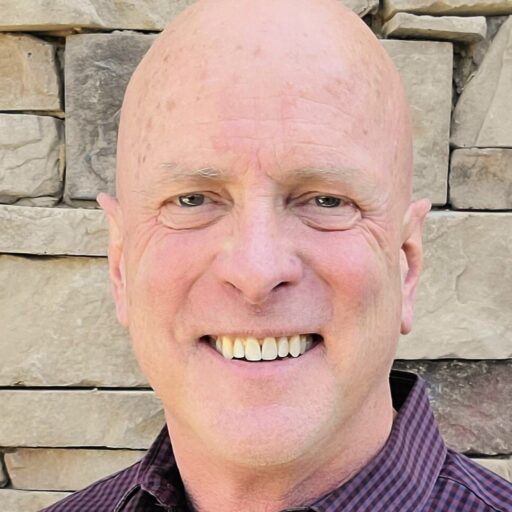
Ralph B. Watkins is an employee benefits consultant, author and speaker who connects business education with practical lessons in resilience. Through FICA Flip, he introduces employers to a supplemental benefits program and offers short educational briefings for business groups. He founded the National Association of Shit Creek Survivors and wrote 10 Habits of Shit Creek Survivors: Lessons from Hell to Hope, drawing on his experience rebuilding after the collapse of his real estate and mortgage businesses.
Ralph B. Watkins official author story | Complete Marketer of the Day interview | Current FICA Flip offer
He introduces employers to a supplemental benefits program and provides related education. The current process separates his introductions from CPA or plan-specialist review, administration and clinical delivery.
The official site names Ralph and Kristen Watkins and publishes +1 (727) 424-4000 as their business phone.
Ralph offers 15-minute briefings for Chambers of Commerce, Rotary Clubs, BNI chapters and executive associations. Subjects include benefits and payroll questions, employer obligations and workforce retention.
The FICA Flip site says a CPA or plan specialist reviews workforce information and prepares company-specific numbers. The administration platform handles enrollment and payroll coordination.
The FICA Flip provider FAQ identifies Revive Health as the clinical wellness-services provider. Ralph introduces the program and provides benefits education.
NASCS is the community Ralph founded around survivor stories, practical habits and recognition of what people have lived through. It connects with his book and public Ten Habits guide.
National Association of Shit Creek Survivors | Ralph B. Watkins official author story
CSCS means Certified Shit Creek Survivor, the NASCS community's recognition of what its members have lived through.
He wrote 10 Habits of Shit Creek Survivors: Lessons from Hell to Hope, published by Watauga Publishing. It combines survivor stories, practical habits and action steps.
The sequence covers adaptability, radical acceptance, meaning in suffering, support networks, disciplined routines, gratitude, vulnerability, problem-solving grit, self-compassion and lifelong learning. Personal faith is a separate bonus habit.
Each habit includes an action prompt. Examples include writing three possible paths forward, contacting a trusted person, choosing a small morning routine and trying an untested approach to a problem.
On his author page, Ralph recounts the collapse of a real estate and mortgage-related business operation and the loss of identity that accompanied it. He connects the rebuilding process with learning, coaching and the book.
In his interview with Robert, Ralph describes researching business groups in a defined region, their meeting times and the people who book speakers. He also discusses organizing outreach with LinkedIn Sales Navigator and Lemlist.
He discusses asking AI to check an answer and continuing to question the response when it is wrong. His example treats the tool as useful but fallible.
He suggests looking at each outcome to decide what worked, what to improve and what to modify. That separates learning from the idea that an unwanted result defines the person.
The publisher identifies Ralph as the host of the DUAL Commissions podcast. Its current feed retains four episodes, latest April 17, 2025. It is presented here as a historical interview series.
Ralph's current NASCS site promotes this podcast project around survivor conversations and the ten habits. The official project page is the available starting point for its listening options.
Ralph appears on The Failure Guy in the two-part conversation Up the Creek and "...And Back Again." The publisher links the interviews to NASCS, his book and his LinkedIn profile.
He discusses AI as a daily business tool, local speaking opportunities, benefits education, authenticity and a practical way to learn from results.
Email ralph@nascs.org or call +1 (727) 424-4000. The FICA Flip site provides a booking calendar for benefits discussions, and his LinkedIn profile offers another way to connect professionally.
Ralph B. Watkins official author story | Current FICA Flip offer | Maintained Ralph Watkins professional profile