People pleasing and unspoken expectations
The covert contracts behind agreeable behavior, resentment and difficulty asking for needs to be met.
A question to ask: What distinguishes a freely chosen act of kindness from a covert contract?
People pleasing, boundaries and the habits behind more direct relationships and consistent work.
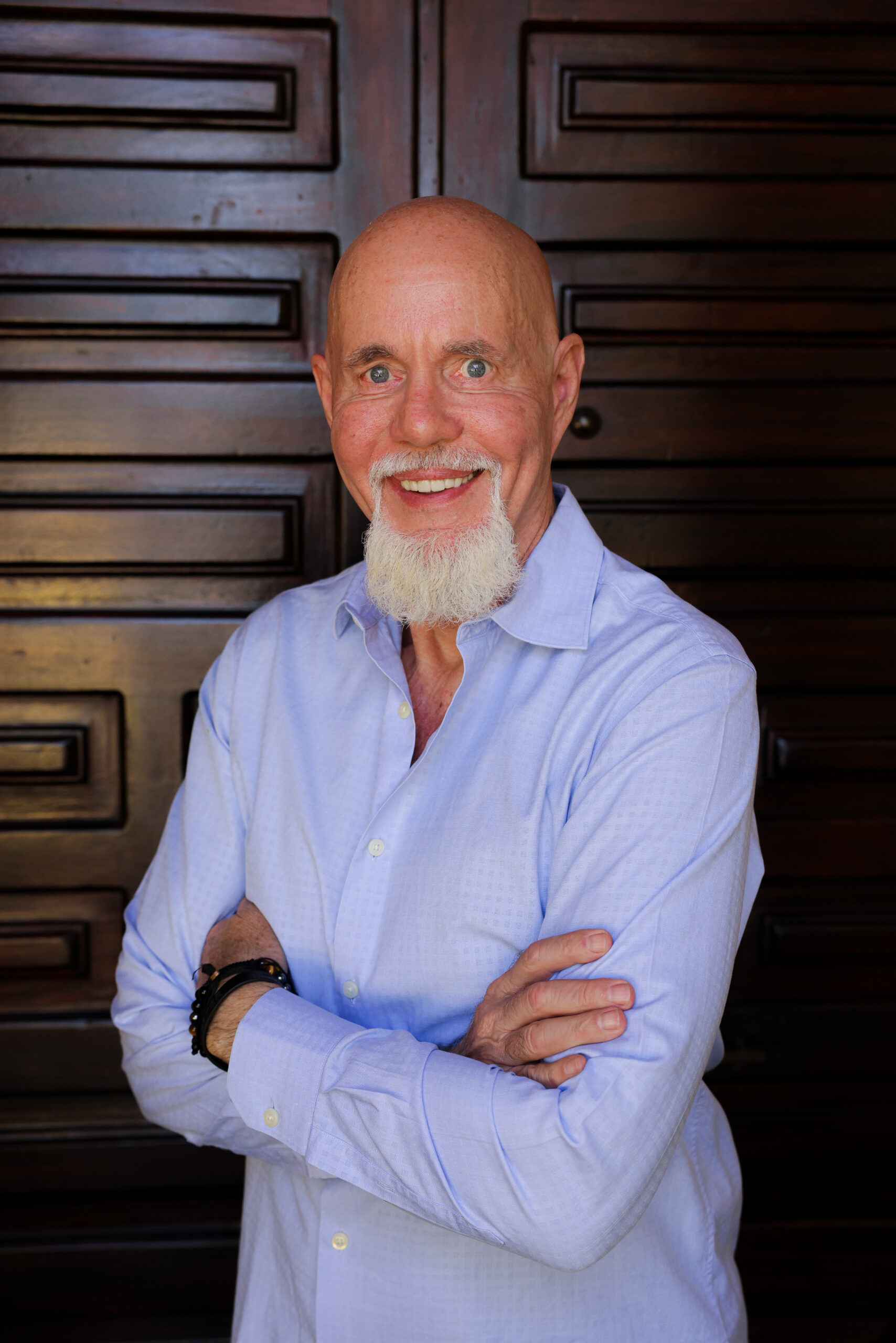
"A Nice Guy is a man who believes he is not okay, just as he is."
Last updated
Dr. Robert Glover is a men's coach, educator and author of No More Mr. Nice Guy and the Dating Essentials for Men books. His work examines people pleasing, hidden expectations, boundaries and the support needed to make changes in relationships and work. He created TPI University and founded Integration Nation, a community built around his teaching. Robert's conversation with Robert Plank applies that work to fear of success, professional procrastination and a writing accountability group. He holds a PhD in marriage and family therapy from Texas Woman's University.
Dr. Robert Glover helps men examine the cost of trying to earn approval by being agreeable, hiding needs or avoiding conflict. His No More Mr. Nice Guy model focuses on the expectations beneath that behavior: the assumption that being good should guarantee love, or that meeting other people's needs should make them return the favor without being asked. He teaches a more direct way of participating in relationships through boundaries, honest requests and support from other people.
Robert earned a PhD in marriage and family therapy from Texas Woman's University. His background includes private practice with individuals and couples. In his conversation with Robert Plank, he describes how his work expanded into men's groups, books, workshops and online teaching. Wanting to spend time in Mexico prompted him to introduce remote consultations and online courses while drawing on the professional experience he already had.
No More Mr. Nice Guy grew from his own experience and the patterns he noticed in the men he worked with. His Dating Essentials for Men books address dating beliefs, social practice and specific questions from participants. The Big Stick extends the published record of his teaching through Tony Endelman's collection, while his forewords and introduction in other authors' books are identified separately below.
His current programs offer different levels of involvement. An individual coaching call focuses on a specific sticking point. TPI Weekend Workshops bring a small group together for questions, practices and individual work, while the No More Mr. Nice Guy mentorship provides a six-month setting for applying the material. A separate certification program trains coaches in the approach. Integration Nation supplies an ongoing community and smaller coach-led groups.
TPI University contains four on-demand courses: Nice Guys Don't Finish Last, They Rot in Middle Management; The Ruminating Brain; Positive Emotional Tension; and All The Way In. They cover work habits, repetitive self-criticism, dating and relationship participation. The public course pages give a host or venue a way to see the scope of Robert's teaching and choose a particular question or practice to discuss.
On Marketer of the Day, Robert connects fear of success with ordinary professional decisions. He describes checking a finished proposal instead of sending it, mapping the fear that success might upset other people, and protecting a writing schedule with peer accountability. Those examples give business audiences a concrete route into his work beyond a broad discussion of confidence.
Robert uses the term Nice Guy for a pattern of trying to secure approval by becoming what someone else wants. The important distinction in his model is the hidden bargain: a person does something agreeable while expecting love, repayment or safety that nobody else has actually promised. He calls those bargains covert contracts.
His alternative is the Integrated Man: someone who can acknowledge his needs, strengths, limits and mistakes without constructing a pleasing persona. The work he describes includes direct requests, boundaries, reciprocal relationships and a support system. On Marketer of the Day, he also explains why he does not frame the alternative as a midpoint between being a pleaser and being a bully; he asks what fear is driving either reaction.
For a conversation with a business audience, this gives a host a specific question to explore: what might an entrepreneur keep delaying because the next step risks someone's disapproval? Robert's own unfinished book proposal provides an example of that distinction between work that needs another revision and work he is afraid to send.
In his interview with Robert Plank, Robert explains how a vague fear of success became something he could examine. A man in his group had stopped using dating skills precisely because they were working. That discussion led Robert to investigate his own reluctance to move forward and to make a mind map.
His book proposal was the concrete example: after working on it for a year and a half, he spent a week repeatedly checking it instead of sending it to his agent. Asking what he was avoiding exposed his fear of being told that the proposal was not good enough. The useful distinction was between a revision the work needed and another reread serving as avoidance.
The mind map and the writing group serve different purposes. One helps identify the feared consequence; the other supplies a place to make a commitment, do the work and report back. Robert presents these as practices he used in his own life and coaching, with an example a host can ask him to unpack.
In The Ruminating Brain, Robert teaches what he calls becoming the observer rather than the believer of a repetitive thought. He organizes the material around three areas: replaying the past, judging the self in relation to other people, and anticipating the future. The practical focus is noticing the pattern before treating every self-critical thought as a settled fact.
This is the educational approach taught in Robert's course. Its eight lessons pair the explanations with homework, guided practices and reflection. A host can ask him to demonstrate the difference between observing a thought and arguing with it, or to explain how the notebook and bedroom practices differ.
The covert contracts behind agreeable behavior, resentment and difficulty asking for needs to be met.
A question to ask: What distinguishes a freely chosen act of kindness from a covert contract?
An unsent proposal and a mind map make professional avoidance specific enough to discuss.
A question to ask: How can someone tell whether a task needs more work or whether they are afraid to finish it?
Robert's writing group combines a protected schedule with weekly peer check-ins.
A question to ask: What did the writing group add that a private promise to write did not?
His work connects self-acceptance with stating needs, tolerating disagreement and participating more directly in relationships.
A question to ask: What is a first sign that a boundary is replacing an unspoken expectation?
Robert works directly with a client on a particular sticking point in a 60-minute Zoom or telephone session. The advertised process examines relevant conditioning, beliefs and repetitive behavior, then develops an action plan and identifies support and resources for continuing the work. An intake form gives him context before the call, making this an individual consultation rather than a recorded class.
See the offer ↗Men already working with Robert's Nice Guy material can join a weekend workshop limited to eight participants. Robert leads an interactive seminar and small-group process from Friday evening through Sunday, with the topics shaped by the participants' actual concerns. The workshop includes questions, individual practices and a resource page containing diagrams, selected recordings and reading; current listed locations include Puerto Vallarta and Vancouver.
See the offer ↗This six-month program serves men seeking a sustained way to apply No More Mr. Nice Guy to their own lives. Robert and his certified coaches combine twice-monthly teaching webinars with twice-monthly Integrated Man process groups, supported by recorded topic videos. The program also advertises access to his four video courses, Integration Nation membership and a dedicated in-person weekend, while keeping the professional coach-training track separate.
See the offer ↗Coaches, therapists and people preparing to work professionally with men can apply for Robert's six-month certification program. Training covers twelve core Nice Guy issues through teaching webinars, Integrated Man groups, peer coaching triads, feedback and an Integration Nation apprenticeship. Completion also requires one of the stated education or experience prerequisites; the provider's NMMNG designation is the specific certification offered.
See the offer ↗Robert's eight-lesson video course serves employees, freelancers and entrepreneurs who recognize a pattern of playing safe or postponing important work. Its curriculum examines fear of success, covert contracts, boundaries, focus and the support system behind follow-through. Self-paced lessons and exercises connect his Nice Guy model with career decisions and work habits, including a final unit on building a team.
See the offer ↗Robert's self-paced educational course is designed for people caught in repeated self-criticism, replaying the past or worrying about the future. Eight teaching videos and eight homework videos introduce his observer approach, with notebook work, guided practices and exercises for recognizing recurring thought patterns. The curriculum includes a rumination-free bedroom practice and a relationship support group; the provider presents this as education rather than therapy.
See the offer ↗Robert offers this eight-lesson video course for men examining attraction and the way they respond to discomfort in dating or an existing relationship. His curriculum contrasts what he calls positive and negative emotional tension, then covers his PET terminology, confidence, communication and sexual consent. The lessons present Robert's own approach to dating and relationships, with a public introductory lesson available before enrollment.
See the offer ↗This eight-lesson video course is for people examining how they participate in a strained or uncertain relationship. Robert teaches his All The Way In approach through lessons on reactions, self-soothing, differentiation, outside support, boundaries and communication. The curriculum asks participants to examine their own actions and needs, and includes a six-month commitment framework introduced in the first lesson.
See the offer ↗Integration Nation is Robert's subscription community for men who want continuing peer contact, support and accountability. Its Gold membership advertises weekly Brotherhood calls with Robert, smaller coach-led tribe calls, reading and practice circles, guest interviews and a members' discussion space. A separate Silver membership provides a smaller selection of recordings and drop-in activities, making the level of live participation a concrete choice.
See the offer ↗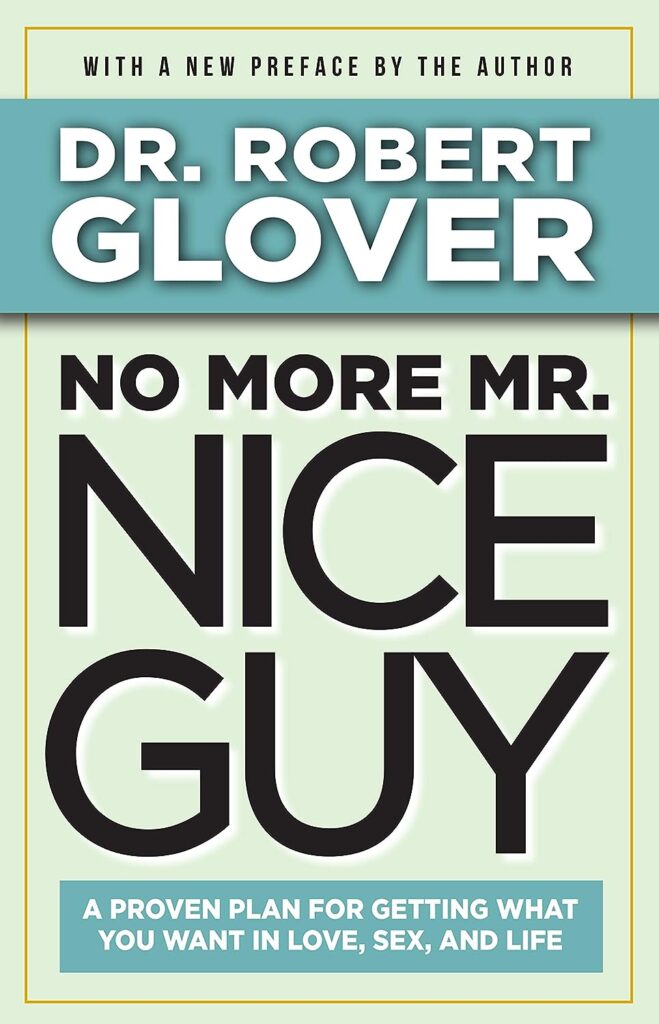
Robert's central book examines men who try to earn approval by hiding needs, avoiding conflict and giving with an unspoken expectation of a return. It introduces the Nice Guy model and works toward honest self-expression, boundaries, support systems and acceptance of the whole person. The chapter structure moves through needs, personal power, relationships, sexuality, and purpose in work and life. His later courses and community provide different settings for applying these ideas.
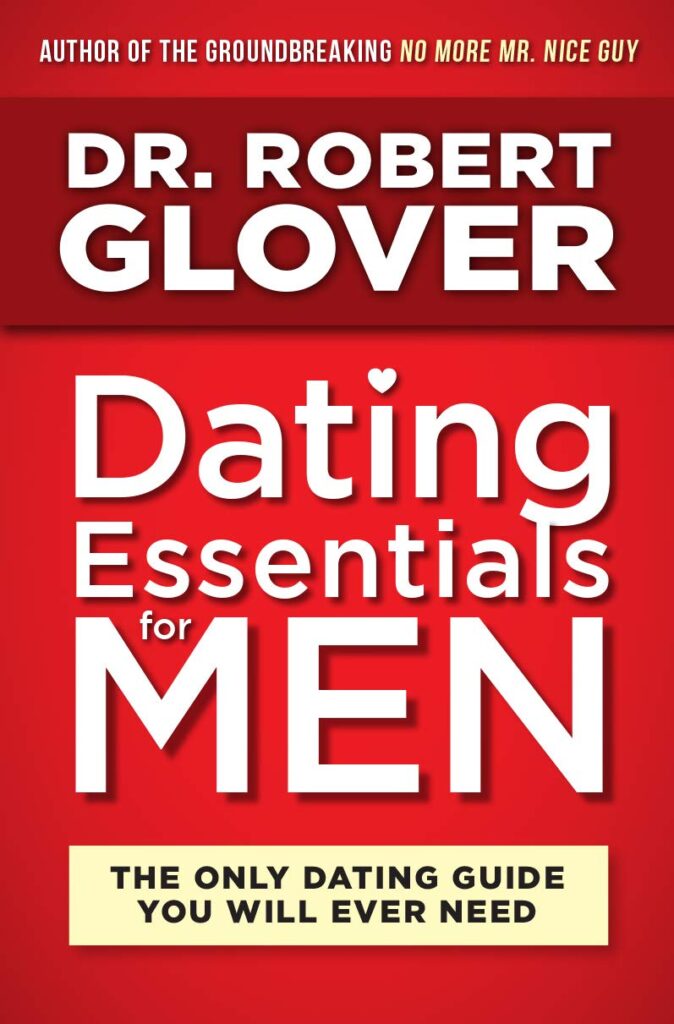
Robert developed this book from his experience returning to dating in his forties and teaching men in his Dating Essentials program. It addresses the beliefs, fears and avoidance that can make ordinary interaction feel difficult, connecting social practice with the broader life a person wants to build. His stated approach is conscious dating and authentic interaction rather than a collection of pickup lines.
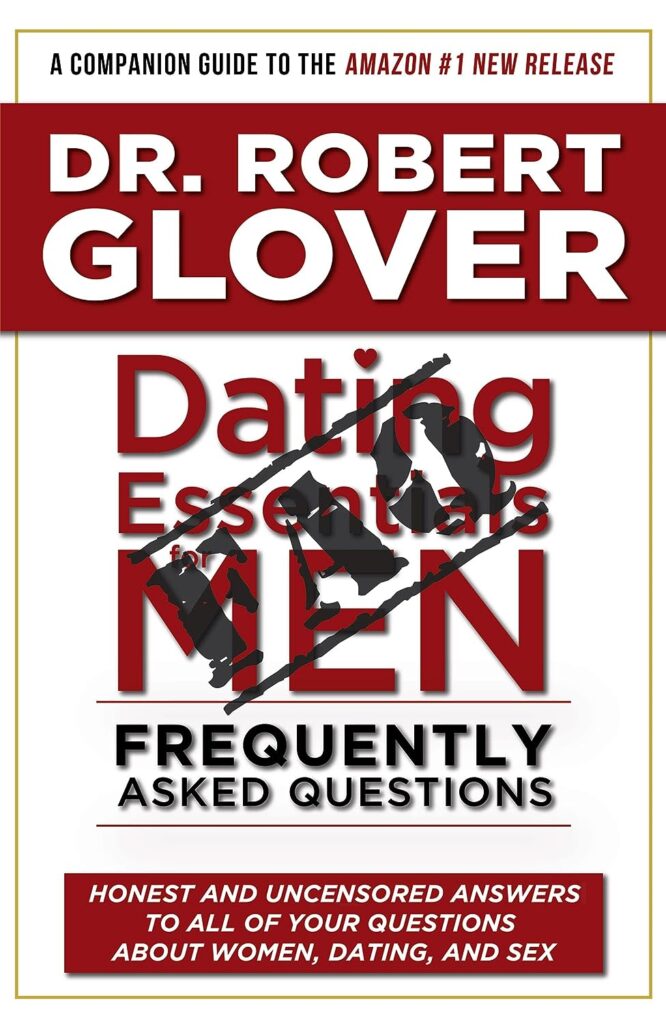
This companion collects Robert's responses to nearly 300 dating questions, organized into 97 subjects. Its format lets a reader turn to a particular concern as well as read through the material in sequence, extending the underlying ideas of Dating Essentials for Men into specific situations. The questions grew from his work teaching that program and responding to participants.
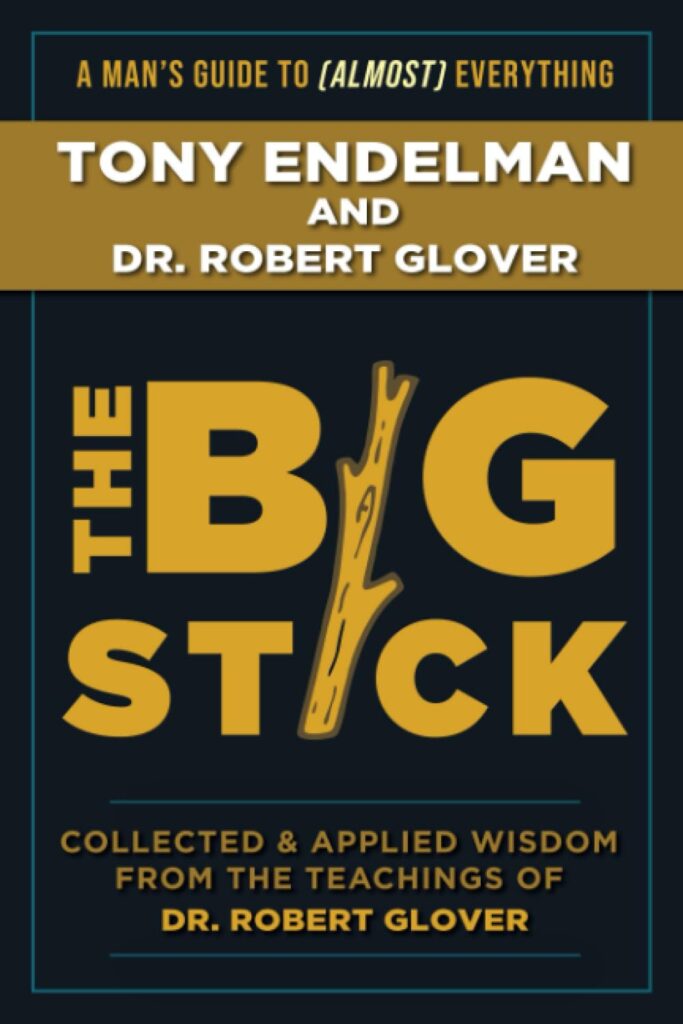
Tony Endelman gathers Robert's teaching from books, classes, recordings, workshops and consultations into nine subject areas. The subjects include the Nice Guy model, dating, relationships, heartbreak, success and well-being, accompanied by examples and practical material. The published catalog credits both men, while the official book site identifies Tony as its writer and Robert's work as the foundation. The book also has a companion workbook and supplemental resources on its own site.

Michael Pariser's companion takes the ideas in Robert's original book into a chapter-by-chapter sequence of reflection and exercises. Its listed subjects include emotional awareness, assertiveness, boundaries, fear of rejection and covert contracts. The emphasis is on practicing the changes rather than only recognizing a description of the problem. Robert contributed the foreword; the exercises and main text are Michael's work.

G.S. Youngblood presents a three-part relationship blueprint: Respond vs. React, Provide Structure, and Create Safety. The book addresses men who want a clearer way to participate in a relationship while examining defensiveness, withdrawal and appeasement. Robert wrote the foreword. G.S. Youngblood's main text explores how a man responds to difficulty and the responsibility he takes within the relationship.

Elliott Katz's book discusses responsibility, decisions and participation in a relationship through a story-based presentation of advice. It is aimed at men trying to understand what they can change in their own conduct when a partnership is not working as they hoped. Robert contributed the foreword to Elliott's account of how those choices affect a relationship.

Chuck Chapman develops the thirty rules at the end of Robert's original book into a daily journal. Each day pairs one rule with a reading, questions, a gratitude practice and space for personal reflection, giving readers a way to turn the material into a routine. Robert contributed the introduction to Chuck's sequence of exercises.
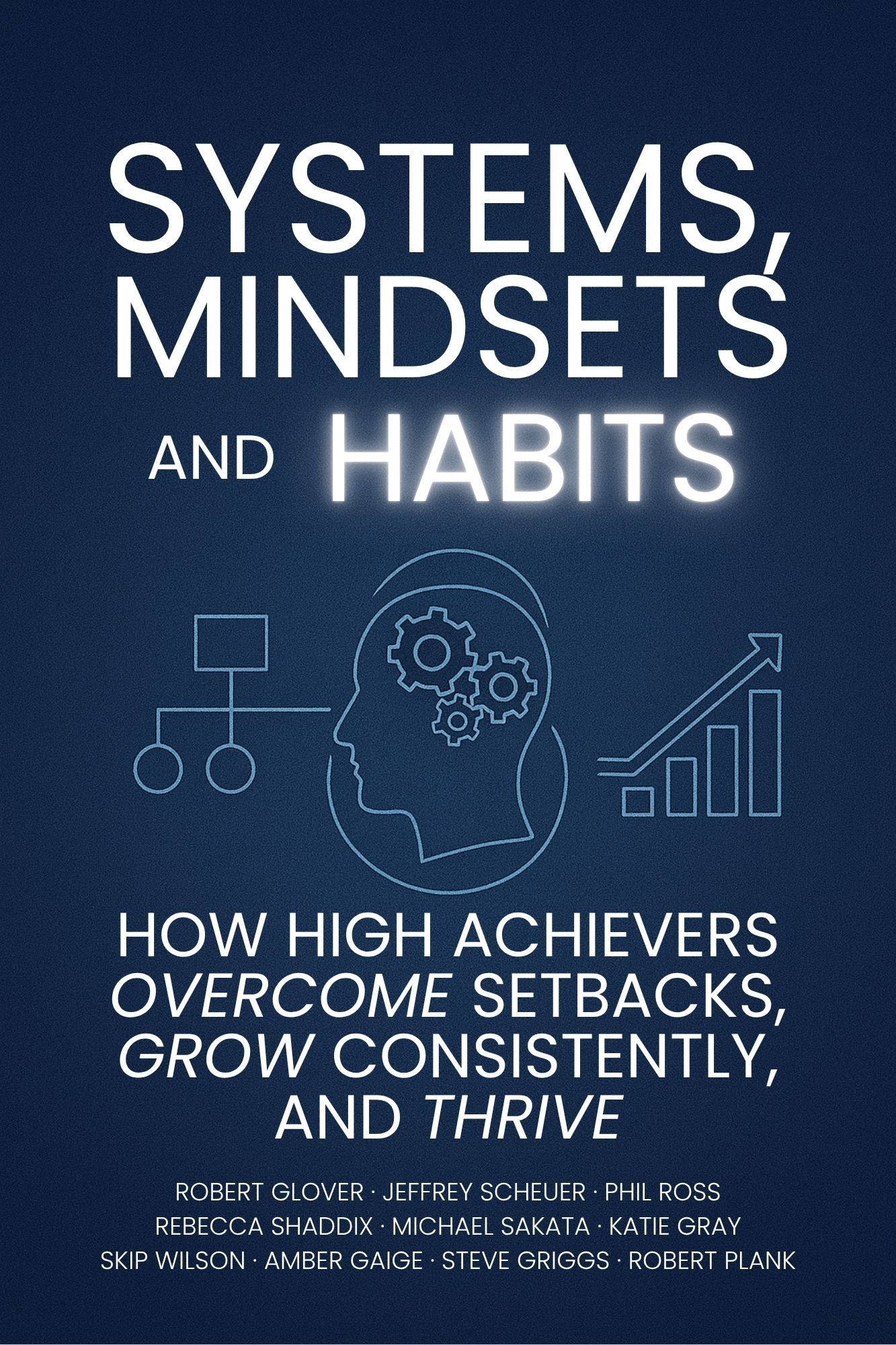
This collection brings together contributors on the internal and operational obstacles behind a business plateau. The public book page identifies Robert among the contributors, and the published description connects his contribution with the fear that success can create. Other chapters address subjects including thinking, marketing, infrastructure and follow-through. Robert is one voice in the collection, with his contribution connected to his work on people pleasing and fear of success.
| Date | Type | Show / event / publisher | Topic | Link |
|---|---|---|---|---|
| October 2-5, 2026 (listed engagement) | Speaking appearanceListed engagement | The Gathering of Men, Australia | International guest at the four-day gathering in Numinbah Valley, Queensland | Open ↗ |
| November 24, 2025 | Podcast appearance | Fathers Sons Brothers podcast | The hidden cost of people pleasing and asking for needs to be met | Open ↗ |
| February 27, 2025 | News appearance | Quentin Super | An interview on the origins and continued application of No More Mr. Nice Guy | Open ↗ |
| August 10, 2022 encore publication | Podcast appearance | Sexy Marriage Radio podcast | Recognizing covert contracts and participating in relationships | Open ↗ |
| March 28, 2022 | Podcast appearance | The Art of Charm podcast | Passive communication, covert contracts and reciprocal relationships | Open ↗ |
| June 15, 2018 | Podcast appearance | Marketer of the Day | Fear of success, professional procrastination and accountability | Open |
| January 21, 2018 video upload | Podcast appearance | Order of Man podcast | No More Mr. Nice Guy and the costs of people pleasing | Open ↗ |
Robert discusses fear of success, an unsent book proposal, and the practical work of building a writing support system.
Marketer of the Day · Episode 556
Robert explains the fear beneath avoidance and people pleasing, using his own delayed book proposal as an example. He describes making a fear-of-success mind map, recognizing a concern about other people's disapproval, and starting a writing group with weekly check-ins and a protected morning schedule. He also discusses how his existing practice developed into remote consultations and online education.
Robert's Intention Into Action podcast library contains recorded lessons on personal development, authenticity, self-observation and relationships. The public catalog names material on personal Nice Guy recovery, keeping a sense of self in a relationship and becoming a nonjudgmental observer. It presents individual recordings and multipart lessons, with some material also available under the Dating Essentials Q&A label.
Historical solo teaching library.

The Dating Essentials for Men Q&A podcast library collects Robert's recorded answers on dating and relationships. The public catalog includes boundaries, indicators of interest, resentment, Positive Emotional Tension and decisions about whether to continue a relationship. These are educational answers to submitted questions rather than a public outside-interview series.
Historical solo teaching library.
The Ruminating Brain – Dr. Robert Glover ↗ · Dr. Robert Glover's Integration Nation ↗ · Robert Glover - Official media kit and headshots ↗ · Checked October 19, 2026
Dr. Robert Glover is a men's coach, educator and author of No More Mr. Nice Guy and the two Dating Essentials for Men books. He created TPI University and founded Integration Nation. Running Press identifies his PhD in marriage and family therapy; his current public offerings are coaching, courses and group programs.
Running Press / Hachette - Robert Glover author credentials ↗ · Robert Glover - Official book catalog and actual credits ↗ · Dr. Robert Glover – Intention Into Action – Love, Sex, Dating & Career ↗ · Dr. Robert Glover's Integration Nation ↗
Robert can discuss people pleasing, hidden expectations, boundaries, the support system behind personal change and fear of success. For business audiences, his conversation with Robert Plank provides specific examples of postponing a book proposal, identifying feared disapproval and organizing a writing accountability group. His work also addresses dating and relationship communication.
Robert Glover with Robert Plank - Full archived interview · Robert Glover - Nice Guy model and three covert contracts ↗ · Nice Guys Don't Finish Last; They Rot in Middle Management – Dr. Robert Glover ↗
In Robert's Nice Guy model, a covert contract is an unspoken bargain: being good should earn approval, meeting another person's needs should make them meet yours, or doing everything right should prevent problems. He asks people to recognize those expectations and practice direct requests, boundaries and reciprocal relationships.
Robert describes the goal as becoming an Integrated Man who can accept his strengths, needs, limits and mistakes. He connects that with honesty and boundaries. In his interview with Robert Plank, he explains why becoming a bully is not the answer to a pattern of appeasing people.
Robert Glover - Nice Guy model and three covert contracts ↗ · Robert Glover with Robert Plank - Full archived interview
Robert describes repeatedly checking a finished proposal because he feared his agent might reject it. He uses a fear-of-success mind map to examine what success could mean socially, including the worry that other people might feel left behind. His career course applies the broader Nice Guy material to work habits, focus and support.
Robert Glover with Robert Plank - Full archived interview · Nice Guys Don't Finish Last; They Rot in Middle Management – Dr. Robert Glover ↗
Robert wrote No More Mr. Nice Guy, Dating Essentials for Men and Dating Essentials for Men: Frequently Asked Questions. The books section also identifies forewords, an introduction and his contribution to Systems, Mindsets and Habits. Tony Endelman is the writer of The Big Stick, which collects and applies Robert's teachings.
Robert Glover - Official book catalog and actual credits ↗ · The Big Stick: Collected Wisdom from Dr. Robert Glover ↗ · Books by Robert A. Glover (Author of No More Mr. Nice Guy) ↗ · Systems, Mindsets and Habits - Publisher book page ↗
The mentorship is for men applying the material to their own lives through teaching and process groups. The certification adds professional practice, peer coaching triads, an apprenticeship and stated education or experience requirements. Both are advertised as six-month programs led by Robert and his trained team.
NMMNG Mentorship Program – Dr. Robert Glover ↗ · NMMNG Coach Certification Program – Dr. Robert Glover ↗
Integration Nation is Robert's membership community for men, with peer discussion, coach-led groups and different levels of live participation. Gold membership lists weekly Brotherhood calls with Robert, smaller tribe calls, practice circles and guest interviews. Silver offers a more limited set of recordings and drop-in activities.
The educational course teaches his observer approach to recurring thoughts, organized around the past, self-and-other judgments and the future. Its eight lessons pair explanations with homework, including a notebook practice, a bedroom routine and building outside support for relationship decisions.
This page includes Robert's interview with Robert Plank and a separate lesson from his official YouTube channel. His media kit supplies approved headshots and verified social profiles. His current course pages publicly list support@drglover.com, and his coaching page provides a direct route to an individual session.
Robert Glover with Robert Plank - Full archived interview · Robert Glover - Official media kit and headshots ↗ · Dr. Robert Glover Coaching – Dr. Robert Glover ↗ · The Ruminating Brain – Dr. Robert Glover ↗
Robert holds a Doctor of Philosophy (PhD) in marriage and family therapy from Texas Woman's University. His 'Dr.' title reflects this academic doctorate. His background includes private practice with individuals and couples; his current work includes coaching, books, workshops and online education.
Running Press / Hachette - Author credentials ↗ · Quentin Super - Interview with Dr. Robert Glover ↗