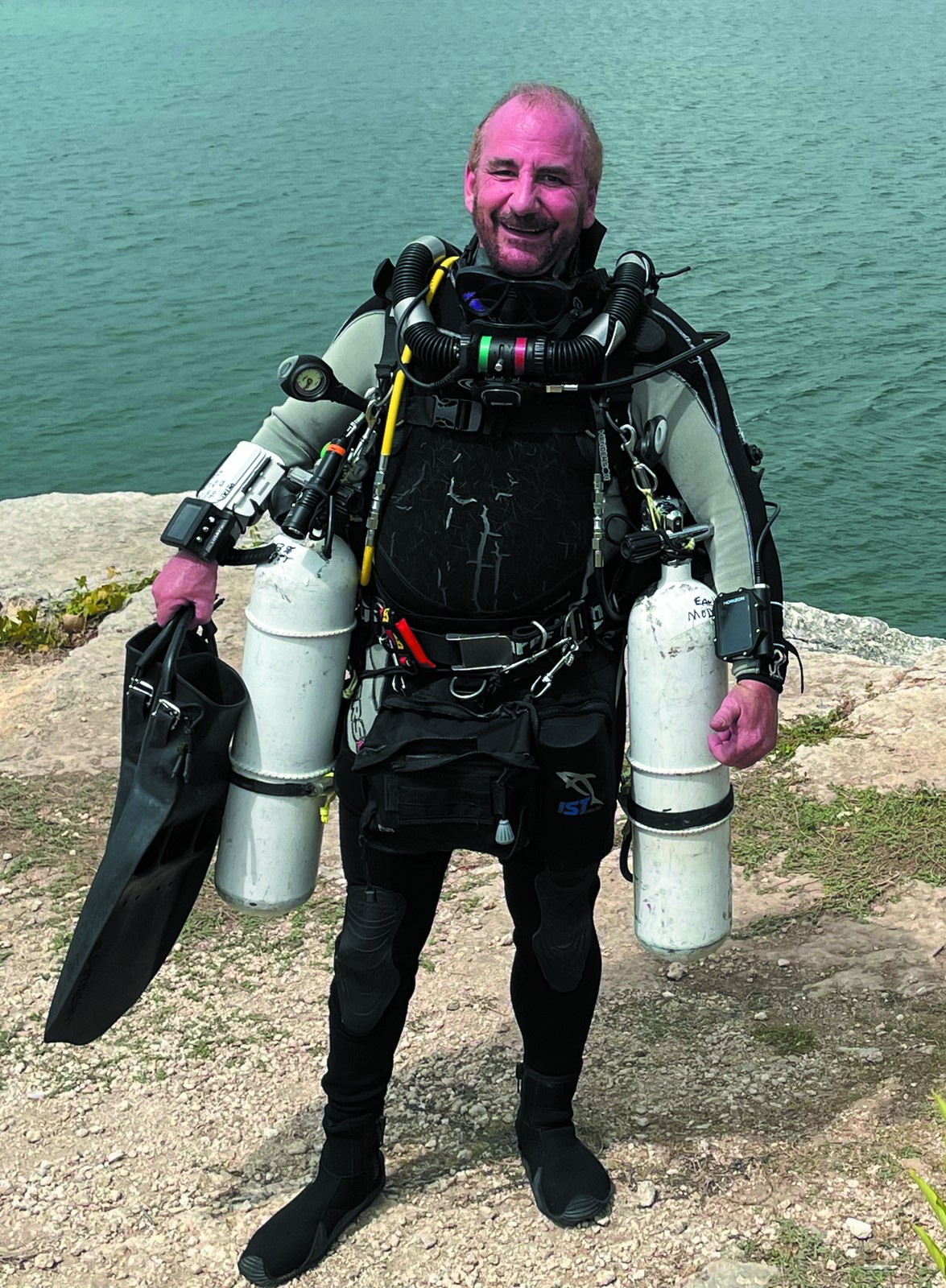
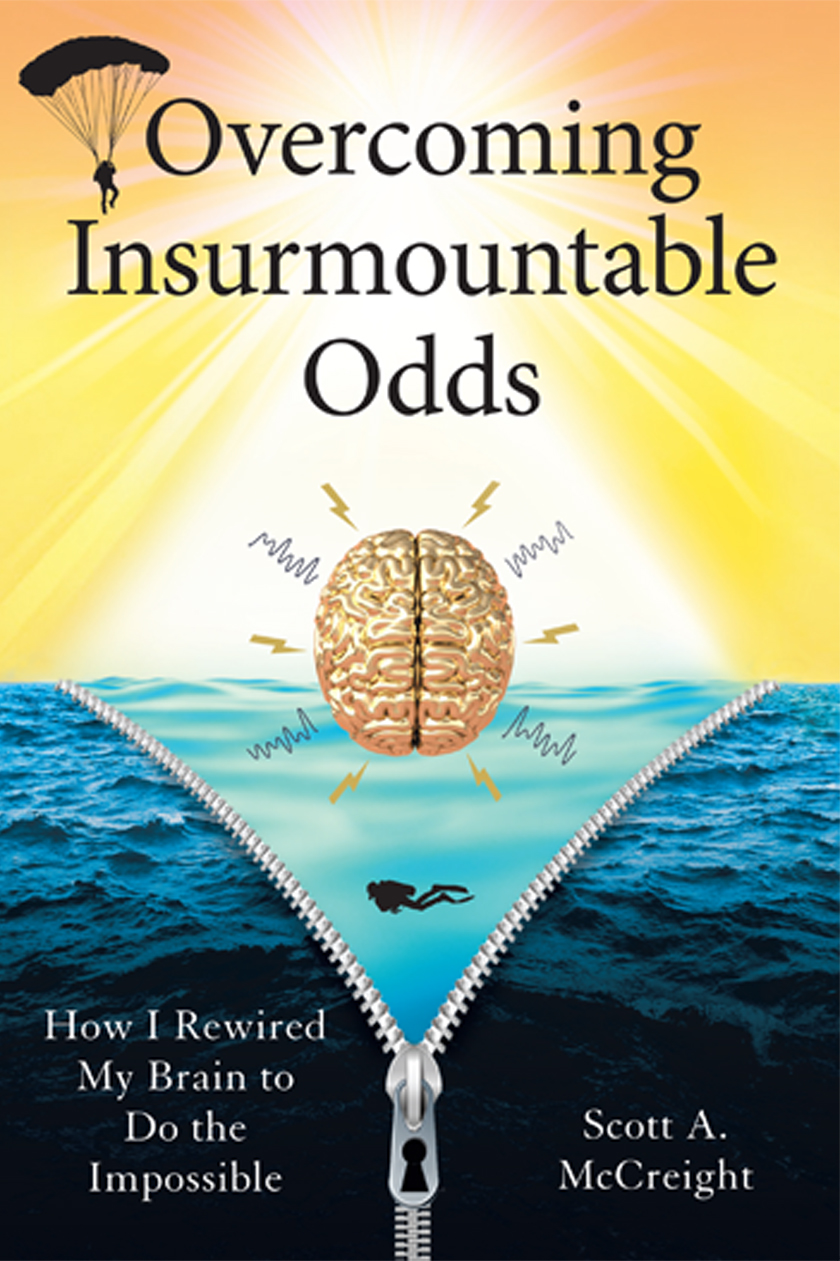
Scott McCreight grew up in Austin, Texas, with cerebral palsy. In his account of childhood, difficulty with everyday physical tasks became a reason to avoid attempting them: failing in front of other children felt worse than staying out. His memoir, Overcoming Insurmountable Odds: How I Rewired My Brain to Do the Impossible, follows how that expectation changed as he pursued engineering and demanding outdoor activities.
Engineering offered Scott both a career and a way to approach a difficult goal. Texas Tech University's engineering department identifies him as an alumnus and describes the faculty mentors who helped him through his studies. He credits his capstone class, in which students presented projects to sponsors and engineering staff, with preparing him for later professional work.
His athletic stories turn a distant goal into a series of learnable tasks. Scott tells Robert Plank that he became interested in diving as a teenager and went on to technical diving. His Grand Canyon backpacking trip began with shorter day hikes alongside experienced hikers. He describes taking a course, learning the equipment and practicing with more capable companions before attempting the larger undertaking.
In 2011, Scott began working with a trainer. He expected help learning the gym equipment; the work instead took him back to basic movement, balance and strength. His interviews describe progress photographs, measurements and exercises that made him use the side he had learned to avoid. He draws on that experience to explain why repeatedly getting through an activity is different from learning how to perform it well.
Scott calls the connection between practice and support the Brain Muscle Alliance. The phrase has two meanings in his explanation: coordination between brain and body, and collaboration among the person, trainers and relevant specialists. A spotter helping a lifter finish a difficult repetition is one of his everyday examples. His emphasis is on getting knowledgeable people alongside the work rather than expecting determination to supply every missing skill.
A serious skydiving accident interrupted his progress and led to surgeries and rehabilitation. Scott describes having to rebuild from an earlier starting point more than once. That experience gives his discussion of persistence a specific problem to examine: how to adapt a plan, find support and continue practicing when earlier progress no longer describes your present circumstances.
His Author Hour podcast conversation and later Rising Authors interview also examine writing a personal story. Scott explains revisiting old journals, reviewing measurements and reading other authors while putting his experiences into a book. For a podcast or event conversation, his strongest material combines the lived experience of disability with concrete examples of learning, preparation, community and starting again.