Build the factual account
Collect the references and establish what the surviving sources actually support.
Preserving family history through carefully researched stories that readers can connect with.
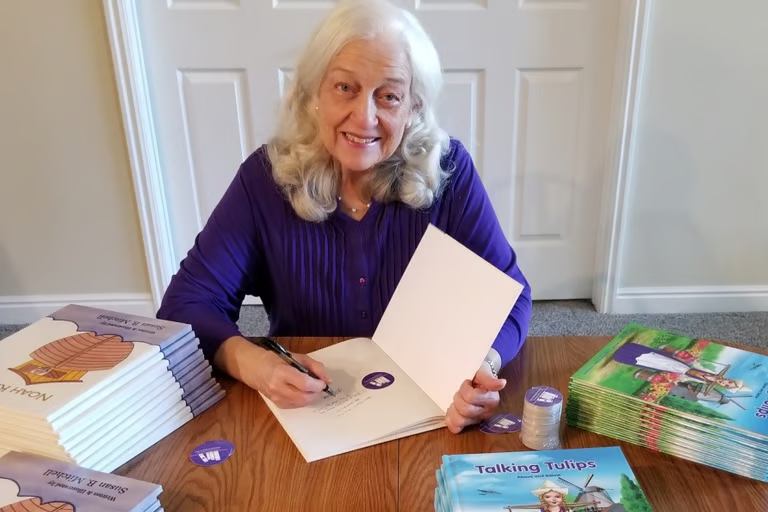
"When you're writing, take off your editor hat and just let it go. Then put on the editor hat and go back and edit it."
Last updated
Susan Billings Mitchell is a faith-based author, family historian and founder of Stalwart Stories. Her Forever Stalwart books follow the intertwined lives of the Titus Billings, Isaac Morley and Edward Tuttle families through early Latter-day Saint pioneer history. Susan spent three decades researching the account, then shaped it into readable narrative while identifying sources and fictional additions. Her work also includes companion coloring books, illustrations and family storytelling. Her guiding belief is that hearts turn when history talks.
Susan Billings Mitchell is a faith-based author and family historian who wants ancestral stories to be read, remembered and shared. Through Stalwart Stories, she creates books and reader resources that connect people with the experiences of earlier generations, with a particular interest in helping children and young people understand their family history.
Forever Stalwart began with an assignment from her father: write an accurate and interesting biography of their ancestor Titus Billings. The task was complicated by the loss of his journal and by the way references to him appeared as brief mentions in other people's records. Susan spent three decades following those clues through libraries, museums, family accounts and historical sources while raising her family.
The research eventually widened beyond one person. Isaac Morley was closely connected with Titus, and the Edward Tuttle family added another essential part of the account. Susan follows the three families through the development of early Latter-day Saint communities and the upheavals of migration, religious persecution, separation and loss.
Her writing process begins with documentation. Susan describes assembling a factual historical account before giving herself room to make it read like a novel. She includes historical background and references at the end of chapters and identifies material she has imagined. That separation lets readers distinguish the surviving record from the narrative choices used to make a scene readable.
An example is her sequence of Erie Canal letters. Susan explains in her conversation with Robert Plank that she imagined those letters and the situation around them; she did not discover them in an archive. A reader later asked where the letters were held, illustrating both the appeal of the scene and the importance of the note identifying it as fictional.
The original large volume also taught her something practical about readers. Her aunt found it too heavy to hold in bed, and another reader told Susan she had physically divided her copy. Susan reorganized the story into shorter volumes, each following a location and a theme: discovery in Ohio, testing in Missouri, sacrifice in Illinois, endurance across the plains and refining in Utah. A planned documents volume brings together photographs, maps, letters and other supporting materials.
Susan's interest in writing began in childhood, with school poetry and story contests encouraging her to continue. She later edited her high school newspaper and published in magazines. Her storytelling work expanded through volunteer appearances in schools and libraries, leading her into puppetry, costumed storytelling and ventriloquism. Those forms reflect the same interest that drives her books: helping an audience care about a story.
She also looks for approachable ways to pass family experience from one generation to the next. In her Ensign article Creating a Family Flag, Susan describes a family flag, motto, song and newspaper built through shared decisions. Her Forever Stalwart coloring collection and individual companion books offer another way for families to revisit a historical story through pictures.
For Susan, the purpose of this work goes beyond collecting names and dates. In her interview with Robert, she describes her sister's genealogical research as the structure on which she builds the stories. She wants readers to recognize real people facing difficult choices and to find perspective in the way they continued. Stalwart Stories brings that conviction together with the books, historical sources and reader conversations that sustain it.
Susan's magazine writing includes Word of Honor in Nauvoo, published in Friend in April 2001. The story follows Eunice, the daughter of Titus and Diantha Morley Billings, as she keeps a promise to protect Joseph Smith's whereabouts. It is another example of Susan presenting a family-history episode to young readers.
Susan describes two connected stages in bringing family history to readers.
Collect the references and establish what the surviving sources actually support.
Shape scenes and dialogue so a family history can be followed as a narrative.
Use the chapter background to distinguish documented facts from fictional additions, including the Erie Canal letters.
Susan explains the process and the letters with Robert Plank
The shorter Forever Stalwart volumes follow Ohio, Missouri, Illinois, the plains and Utah. Each uses a theme to connect its setting with the families' experiences: discovery, testing, sacrifice, endurance and refining.
The separate documents volume is presented as coming soon on Susan's website. It is designed to gather photographs, maps, letters, certificates and the bibliography supporting the larger account.
Susan wants younger generations to encounter the people behind the names and dates. In her interview, she describes taking shorter stories and pictures from larger family records and sharing them through FamilySearch.
Her published family-flag article gives a smaller example of the same approach: invite a family to choose colors, symbols, a motto and a song, then preserve shared experiences in a family newspaper.
Following brief mentions through other records and rebuilding the context around one person's life.
A question to ask: How do you move beyond a name in a record to understand the life around it?
Turning a factual account into narrative while clearly identifying imagined scenes and dialogue.
A question to ask: Where do you draw the line between what a record proves and what a story needs?
Using shorter stories, family projects and companion pictures to make history easier to share.
A question to ask: Which family story would you most want a child or grandchild to remember?
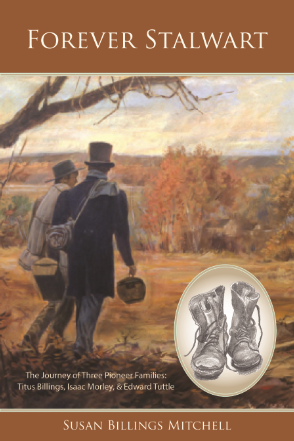
The original single-volume account of three connected pioneer families, with documents, maps and historical references.
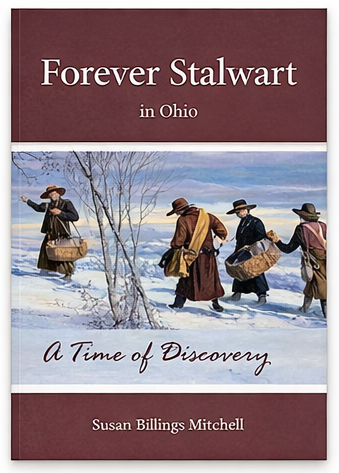
Volume One follows the families' early Ohio lives and discoveries, including the relationship of Titus and Diantha.
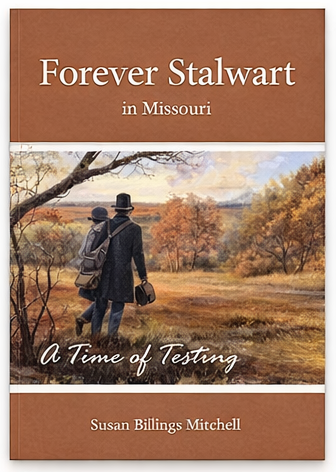
Volume Two follows the families through the challenges of the Missouri period.
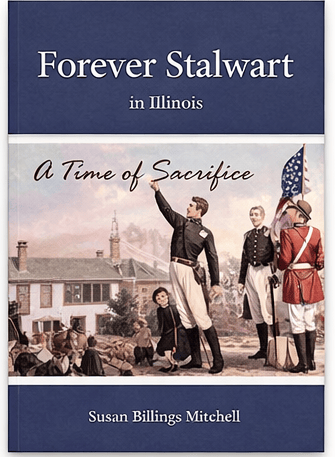
Volume Three follows the families' experiences in Illinois and the sacrifices surrounding their community.
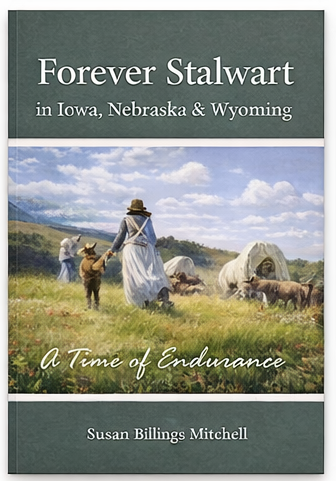
Volume Four follows the westward journey across Iowa, Nebraska and Wyoming.
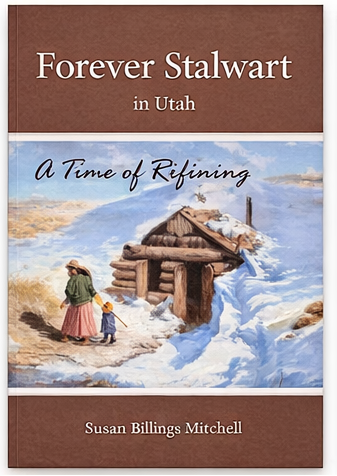
Volume Five follows pioneer life and the development of new communities in Utah.
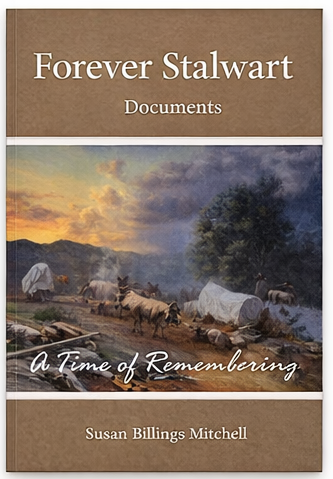
A planned sixth volume of photographs, maps, letters, certificates, family appendices and the series bibliography. Susan's website lists it as coming soon.
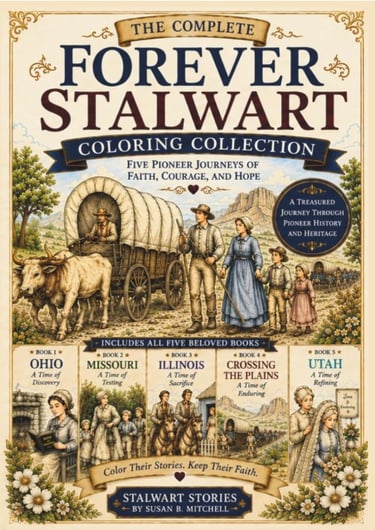
A companion collection presenting the five narrative journeys through pictures, alongside individual coloring books.
A 2026 Global Book Network announcement also lists Talking Tulips, Noah Knew It, Lupus Lou, Pure Parenting, Pioneer Charm Stories and Favorite Stories for the Twelve Days of Christmas among Susan's other books.
Susan's website presents five individual companion coloring books alongside the complete coloring collection. Each follows the corresponding narrative journey through pictures.
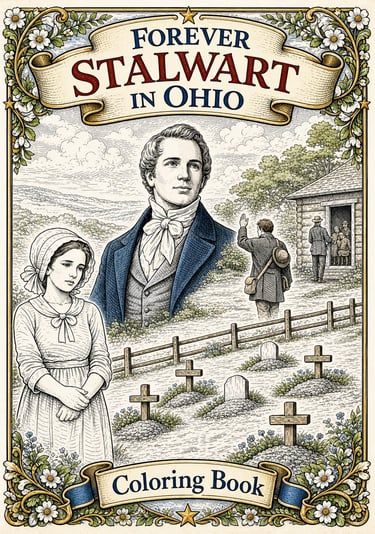
An individual companion coloring book revisiting the Ohio part of the Forever Stalwart story through pictures.
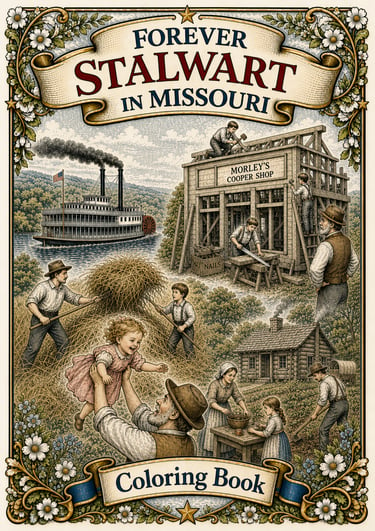
An individual companion coloring book revisiting the Missouri part of the Forever Stalwart story through pictures.
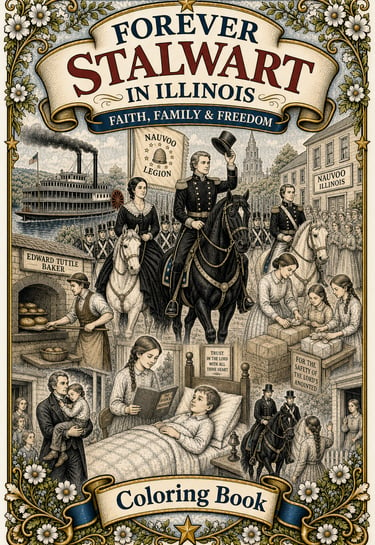
An individual companion coloring book revisiting the Illinois part of the Forever Stalwart story through pictures.
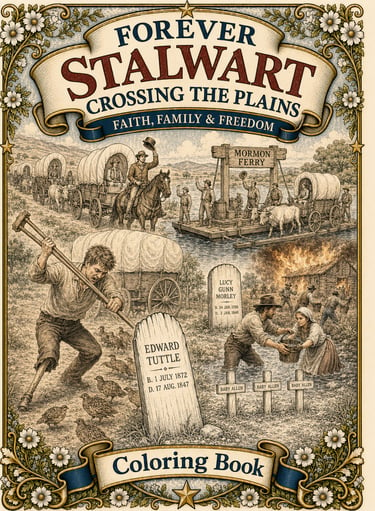
An individual companion coloring book revisiting the plains part of the Forever Stalwart story through pictures.
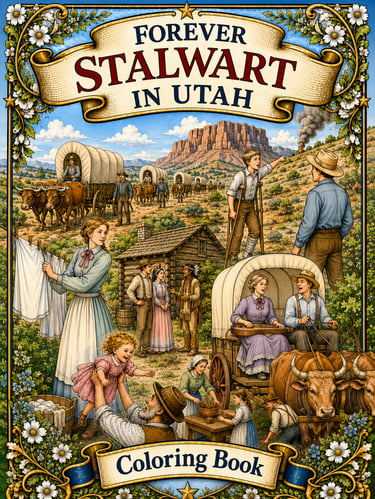
An individual companion coloring book revisiting the Utah part of the Forever Stalwart story through pictures.
| Date | Type | Show or publisher | Topic | Source |
|---|---|---|---|---|
| June 20, 2026 | Podcast guest interview | Famous Interviews with Joe Dimino | Forever Stalwart, pioneer history and preserving family stories | Open source |
| June 1, 2026 | Podcast guest interview | Marketer of the Day with Robert Plank | Documented history, narrative and the Forever Stalwart series | Open source |
| May 2026 | Press release | Global Book Network via Get News | The Forever Stalwart series and Susan's writing background | Open source |
| Date not listed | Streaming television interview | Global Book Network with Logan Crawford | Forever Stalwart in Missouri | Open source |
| September 2001 | Magazine article | Ensign | Creating a Family Flag: colors, symbols, a motto and a family newspaper | Open source |
| June 3, 2026 | Podcast guest interview | Knew Amsterdam Radio with Flobo Boyce | Forever Stalwart, family history and adapting a large book into installments | Open source |
| April 2001 | Magazine article | Friend | Word of Honor in Nauvoo: a family-history story for children | Open source |
Marketer of the Day - Episode 1585
Susan explains the three-decade research behind Forever Stalwart, distinguishing documentation from imagined scenes, adapting a large book into shorter volumes and helping younger readers connect with family history.
Susan writes faith-based stories rooted in history. Her Forever Stalwart books follow three connected pioneer families, and her work includes magazine writing and companion coloring books.
Stalwart Stories - official books and reader resources | Susan Billings Mitchell - author biography and contact form | Creating a Family Flag - Ensign
The central families are those of Titus Billings, Isaac Morley and Edward Tuttle. Susan explains that their connected experiences required a broader account than the biography of one ancestor.
Susan Billings Mitchell with Robert Plank - complete interview
Her father asked her to write an accurate and interesting biography of Titus Billings, her great-great-grandfather. Scattered references and a lost journal led her into extensive research.
Susan Billings Mitchell with Robert Plank - complete interview
She describes researching for three decades while raising her family. Her work began before online records were readily available and involved visits to museums and libraries.
Susan Billings Mitchell with Robert Plank - complete interview
She includes historical background and references at the end of chapters and identifies fictional additions. Her aim is to make the history readable while letting readers see what the sources support.
Susan Billings Mitchell with Robert Plank - complete interview | Forever Stalwart in Missouri
No. Susan explains that she imagined those letters and identifies them as fictional in the chapter background. They are a storytelling device, rather than letters she found in an archive.
Susan Billings Mitchell with Robert Plank - complete interview
Readers told her the large book was difficult to hold. Shorter volumes made the story easier to handle and allowed her to organize the journey by location and theme.
Susan Billings Mitchell with Robert Plank - complete interview | Stalwart Stories - official books and reader resources
The five narrative volumes follow Ohio, Missouri, Illinois, the plains and Utah. Their themes include discovery, testing, sacrifice, endurance and refining.
Stalwart Stories - official books and reader resources | Forever Stalwart in Ohio | Forever Stalwart in Missouri | Forever Stalwart in Illinois | Forever Stalwart across the plains | Forever Stalwart in Utah
Susan's official page currently presents Forever Stalwart Documents: A Time of Remembering as coming soon. It describes photographs, maps, letters, certificates and the bibliography supporting the series.
They are companion resources that revisit the historical story through pictures. Susan's website presents individual books for the five narrative volumes and a complete collection.
She describes volunteer storytelling in schools and public libraries, followed by puppetry, costumed storytelling and ventriloquism. Her interest in writing began with childhood poetry and story contests.
Susan's Ensign article describes how her family chose colors, symbols, a motto and a song, and preserved shared experiences through a family newspaper.
Use the contact form on the Stalwart Stories About page. The official reader pages also publish susan@stalwartstories.com for correspondence.
Susan Billings Mitchell - author biography and contact form | Stalwart Stories - public reader contact
Susan recommends taking off the editor hat while writing, then putting it back on to revise. In the same answer, she explains how an imagined exchange of letters developed through dialogue, and why the chapter background identifies those letters as fictional.
Susan Billings Mitchell with Robert Plank - complete interview