Recent Updates
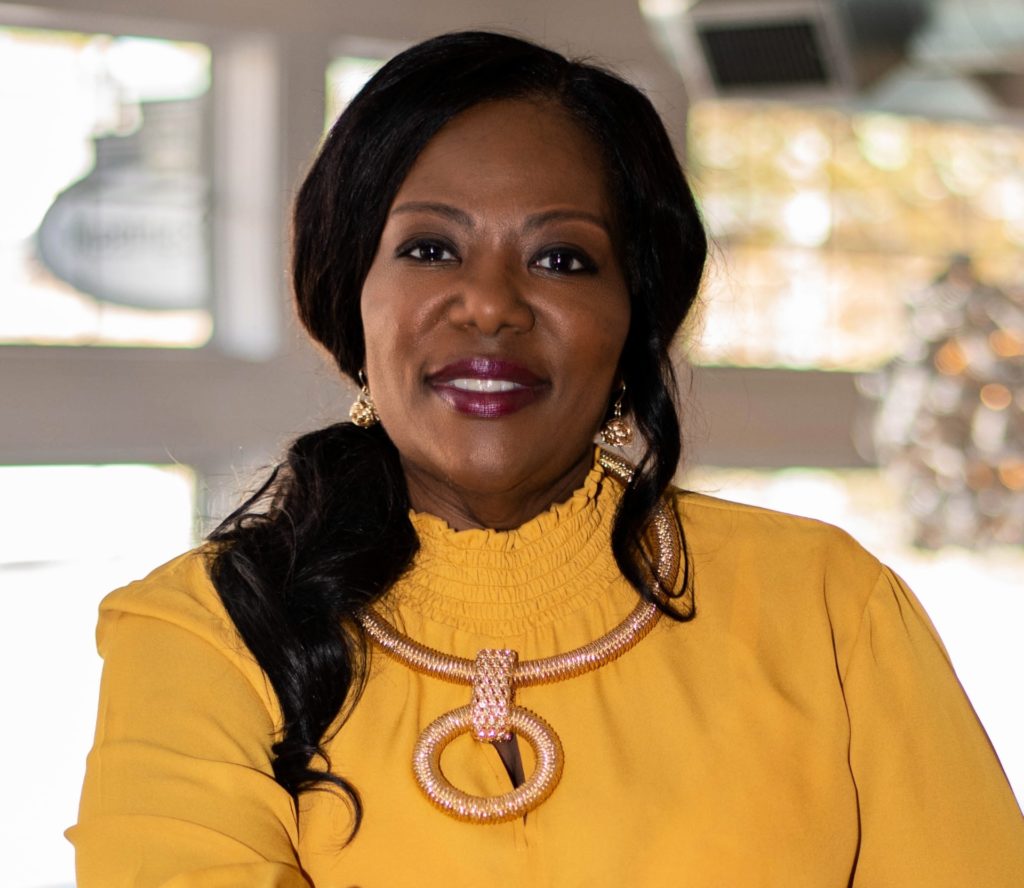
1637: Energy Healing to Release Limiting Beliefs with Beth McGill

When life feels like an endless loop of the same problems, bad relationships, sabotaged sales calls, recurring self-doubt, it’s usually not a lack of willpower. It’s deeper patterns, hidden beliefs, and subconscious blocks quietly steering your choices. Today’s guest, Beth McGill of ThriveFlourishGrow.com, is a certified hypnotherapist, energy healer, spiritual mentor, and best‑selling author who helps people finally break those patterns by working at the root level of mind, body, and spirit. In this episode of Marketer of the Day, Beth explains how our thoughts, language, and energetic patterns shape our reality often more than we realize. She shares how clients usually come to her after trying “everything else” (therapy, acupuncture, mindset work, etc.) and still feeling blocked, anxious, or stuck in repeating cycles like toxic relationships, failed sales calls, or chronic self‑sabotage. Using a combination of hypnotherapy, energy work, and connection to the higher self, Beth helps uncover and release the original emotional imprints sometimes from decades earlier that are still influencing current behavior.
Beth demystifies what actually happens in a hypnotherapy/energy session and why it’s not like the movie clichés. She walks us through her process: a free consultation to clarify the real issue beneath the surface, then a guided, deeply relaxing session (in person or via Zoom) that blends prayer, grounding, visualization, sound healing, and intuitive guidance. Each session is unique, but the goal is the same: identify the emotional root cause, release it, and “activate” a new, empowered way of being so clients can move forward with clarity and confidence. We also dive into practical tools listeners can use right away. Beth shares how to shift your self‑talk by dropping disempowering words like “always,” “never,” and even “I’m sorry” (and replacing them with stronger language like “I apologize”). She explains why breathwork, especially extending your exhale, can instantly calm your nervous system before a Zoom call, sales conversation, or big decision. Throughout the conversation, Beth emphasizes that choice, awareness, and surrender to a higher power (God/Spirit/Universe) are not weaknesses, but gateways to recognizing your true inner power. Beth’s book, “Allow Life to Happen and Receive Everything You Desire,” distills her personal journey and research into a practical roadmap. She read 16 books, tested 30+ manifesting and mindset exercises, and then packaged the most effective ideas so readers can experiment, discover what resonates, and build their own toolkit for manifestation and spiritual growth without the overwhelm or guesswork.
If you’re feeling blocked by recurring patterns in business or life, struggling with negative self‑talk, or just sensing “something” is in the way but you can’t name it, this episode offers a grounded, spiritual, and highly practical perspective. Beth’s approach to transforming fear into freedom, connecting with your soul’s purpose, and manifesting with intention may be exactly the reset you’ve been looking for. Tune in to learn how to stop carrying old emotional baggage, tap into your higher self, and start allowing life to unfold in your favor.
Quotes:
“Surrender is powerful. When we truly surrender to God, Spirit, or the Universe, we recognize our own power within us.”
“Everybody else is a mirror. If we think something’s wrong with somebody else, they’re just being a mirror for us, and we need to go within.”
“One of the things I like to do is remind people how powerful they are in every situation. We don’t need to be in a place of victimhood.”
Contact Details:
- Ready to Thrive, Flourish & Grow? Start Your Journey Today
- Follow Beth McGill on Facebook for Daily Inspiration and Encouragement
- Connect with Beth McGill on LinkedIn for Inspiration, Insights, and Growth
- Subscribe to Beth McGill on YouTube for Inspiration and Practical Growth Tips
- Follow Beth McGill on Instagram for Daily Inspiration and Growth
- Discover Beth McGill on Pinterest for Fresh Inspiration to Thrive and Grow
- Allow Life to Happen: And Receive Everything You Desire on Amazon
Podcast: Play in new window | Download (Duration: 27:54 — 4.8MB) | Embed
Subscribe: Apple Podcasts | Spotify | Amazon Music | iHeartRadio | Podchaser | RSS
1636: Podcast Guesting Strategy for Organic Growth with Josh Elledge

Most experts don’t struggle to grow their business because they lack talent or results, they struggle because their message isn’t landing, their online presence is weak, and their podcast guesting feels random instead of strategic. Today’s guest, Josh Elledge, fractional Chief Revenue Officer and founder of Pod Verified, has launched over 300 podcasts, hosted more than 3,000 episodes, made 3,000+ traditional media appearances, and helped clients generate over $40 million using relationship‑driven podcast guesting strategies. In this episode of Marketer of the Day, Josh breaks down how to become the kind of podcast guest hosts want back again and again, and how to turn those appearances into real business results instead of “nice exposure” that goes nowhere. He explains why being “the marketing guy” or “leadership consultant” is killing your chances of getting booked, and how to define a clear, unique media brand that instantly stands out to podcast hosts and producers. Josh dives into the real rules of engagement for ethical podcast guests from positioning and messaging to websites, press kits, and LinkedIn profiles that actually impress decision makers. Josh shares why most common calls to action (“buy my book,” “join my newsletter,” “book a call”) fail for 95% of listeners, and what to offer instead so that cold listeners are willing to take the next micro‑commitment with you. He also explains why your website must be built to “concierge” podcast listeners, deepen the relationship, and keep them with you for another 15–20 minutes where conversion really happens.
You’ll learn how to appeal to both audiences and gatekeepers: what podcasters look for when they’re getting 200–300 pitches a month, why many good experts never break into the top 10% who get booked, and how to signal that you’re media‑savvy, prepared, and ready for prime time. Josh talks about authority signals, influence, and guest activity, and why your speaker kit, social presence, and on‑air performance either open doors or quietly disqualify you. This conversation also goes deep into mindset and skill development. Josh shares how he went from a shy, insecure “husky‑pants” kid to a Navy journalist and high‑volume media personality, and why “do the thing, have the power” applies perfectly to podcasting: you get good by doing reps, but only if you stop making the same mistakes and get the right feedback. He compares podcast guesting to stand‑up comedy and swimming: you can learn it, but only if you respect it as a skill, stop “spray and pray” pitching, and commit to intentional improvement.
If you’re an expert, coach, consultant, founder, or thought leader who’s tired of cold outreach, ads, and pushy sales, and you’d rather grow organically by serving audiences, this episode will give you a practical roadmap. You’ll discover how to assess where you really are today, what caliber of shows you should be targeting, and how to start showing up as a high‑value, ethical, and memorable podcast guest who builds trust, authority, and revenue, without feeling salesy. Tune in and learn how Josh’s Pod Verified approach can help you stop guessing, stop spamming, and start getting real results from podcast guesting.
Quotes:
“If you’re a speaker and you have no speaker kit on your website, there’s a reason you’re not getting paid very well. You just don’t look ready for prime time.”
“Podcast guesting works. If you’re smart but still broke from your PR efforts, it’s not the medium; it’s the strategy. You’ve been doing it wrong, and no one’s been honest enough to tell you.”
“You can build an enormous business by serving audiences in the media. I’ve built multiple seven-figure companies without spending a dime on ads, simply by showing up and being generous.”
Contact Details:
- Join PodVerified And Turn Your Expertise Into Podcast Opportunities
- Start Growing Your Influence Today: Check UpMyInfluence Now
- Connect with Josh Elledge on LinkedIn for Influence and Business Growth Insights
- Follow UpMyInfluence on Facebook for Tips to Grow Your Influence
- Follow The Thoughtful Entrepreneur on Instagram for Business Insights
- Watch The Thoughtful Entrepreneur on YouTube for Smart Business Insights
- Follow Josh Elledge on X for Business and Influence Insights
- Tune in to The Thoughtful Entrepreneur on Spotify for Fresh Business Insights
- Join Josh Elledge on Threads for Growth, Strategy, and Inspiration
Podcast: Play in new window | Download (Duration: 41:45 — 7.2MB) | Embed
Subscribe: Apple Podcasts | Spotify | Amazon Music | iHeartRadio | Podchaser | RSS
1635: Manufacturing Growth for Small Manufacturers with Brian Becker

When small manufacturers hit a growth ceiling, the problem usually isn’t the product, it’s the constant firefighting, isolation, and lack of structured strategy. Strategic thinking, leadership development, and smart capacity planning often get pushed aside in favor of “just getting through the week.” Today’s guest, Brian Becker of Becker Growth Strategy and program director of the Manufacturing Accelerator Program (MAP), helps small manufacturers escape that reactive mode and build organizations that are designed to scale on purpose, not by accident. In this episode of Marketer of the Day, Brian shares how MAP, a tuition-free, national, virtual executive education program gives small U.S.-based manufacturers the tools, peer community, and strategic frameworks they need to grow. He explains why founders often feel alone on an “island,” and how curated cohorts, breakout rooms, and cross-industry conversations (including everything from biotech to feral pig trapping to chocolatiers) create mastermind-style support that changes how owners think and lead.
Brian dives into focus and execution as the real differentiators between businesses that plateau and those that expand. He walks through his “future casting” exercise, where owners imagine their ideal business five years from now with smooth operations, predictable revenue, strong team, and then reverse engineer the concrete steps to get there. From figuring out whether you truly have a sales problem or a capacity problem, to deciding whether to chase that dream big-box retail contract, Brian shows how clarity leads to better decisions.He also breaks down a practical task triage system what only you can do, what you can delegate, and what you should only touch on your worst day along with a powerful sports analogy of running a business like a soccer team: you can’t play offense (big growth goals) if your defense (operations, fulfillment, and retention) isn’t solid. For manufacturers eyeing larger enterprise customers, Brian shares the risks of overreaching too soon and how to ramp capacity intelligently so big opportunities don’t become “career killers.”
Beyond operations, Brian tackles workforce development and the talent gap in U.S. manufacturing, especially among younger workers. He explains how reframing roles around STEM, robotics, complex problem solving, and hands-on challenges can make manufacturing careers more attractive to the next generation, and how MAP is bringing in workforce experts to help owners rethink how they present and structure these jobs.Throughout the conversation, Brian emphasizes that no one is coming to save your business, but the right questions, the right community, and a willingness to invest time in your own growth can completely shift your trajectory. He shares hard-won lessons from his background in education, nonprofit fundraising, and as COO of Well Found Foods during COVID, plus life advice from his football days: “You said you wanted to be one. This is what being one means.”
If you’re a small manufacturer (or any small business owner) who feels stuck in the weeds, struggling to scale, or unsure whether to double down on sales or build capacity first, this episode will give you concrete mental models, frameworks, and next steps. Tune in to learn how to think more strategically, delegate more effectively, build your peer network, and grow a manufacturing business that doesn’t depend on you doing everything yourself.
Quotes:
“Business owners oftentimes can fall into the trap of worrying about everything else except for the strategic growth of the business.”
“Every single business is different, and most importantly, it’s because of you and the other people in the business; there’s no one-size-fits-all solution.”
“For most business owners, they need to invest in themselves, and the sooner they can understand that no one is coming to save them, the better off they’re going to be.”
Contact Details:
- Ready to unlock your next level of growth? Visit Becker Growth Strategy Today
- Explore Programs and Unlock Your Business Potential at ICIC
- Connect with Brian Becker on LinkedIn for Insights on Leadership, Growth, and Strategy
Podcast: Play in new window | Download (Duration: 30:49 — 5.3MB) | Embed
Subscribe: Apple Podcasts | Spotify | Amazon Music | iHeartRadio | Podchaser | RSS
1634: AI for Authors Ethical Writing & Marketing with Carma Spence

Many smart, capable experts sit on powerful book ideas for years, not because they can’t write, but because they feel overwhelmed about finishing the manuscript and getting it in front of the right readers. Today’s guest, Carma Spence, multi-time best-selling, award-winning author and book marketing strategist, helps coaches, consultants, and nonfiction experts turn their books into engines for authority and client attraction by using AI ethically and intelligently across the entire author journey. In this episode of Marketer of the Day, Carma shares insights from her upcoming book “Author Ignition,” which gives authors the confidence, clarity, and strategy to treat AI as a creative ally rather than a threat. She and Robert break down what ethical AI use really looks like for authors, why AI detectors are unreliable and often wrong, and how to avoid publishing bland, generic “AI slop” while still taking full advantage of the technology.
Carma explains how she weaves AI into her “Road Trip to Authority” signature program, using it at every stage of the book journey to help writers move past the friction points that usually derail projects. From brainstorming and outlining to overcoming writer’s block and speeding up marketing tasks, she positions AI as a fast-learning intern: helpful, efficient, but always needing your direction and final human review. They zoom out to the bigger landscape too, looking at the backlash against AI, the mob mentality around calling everything “AI slop,” and the parallels to the early days of self-publishing when quality was questioned but the market eventually matured. Carma shares how she uses AI for images and even music (like transforming old poetry into songs), and why, in many cases, AI is enabling creativity rather than taking money out of artists’ pockets. Beyond tools and tactics, Carma challenges authors to wrestle with a deeper strategic question: “What do you want to be known for?” In an age of answer engines and algorithmic recommendations, you can’t be known for everything. She talks about narrowing your focus, choosing a niche where you can stand out, and defining your unique “pink gorilla” angle so that your book and brand become memorable and referable instead of blending into the noise. Carma dug into how AI is reshaping education and online courses. Static, teacherless courses are losing their appeal; hybrid models that mix evergreen training with live interaction, Q&A, and community are becoming the new standard. Carma shows how AI can handle the repetitive, time-consuming pieces of content and marketing while you double down on the human side of teaching, coaching, and leading your audience.
If you’re intrigued by AI but worried about losing your voice, or simply overwhelmed by where to start, this episode will help you see how to use AI to amplify your message, finish your book, and market it more effectively without compromising your ethics or authenticity. You’ll walk away with a clearer sense of how AI fits into your writing process, your business strategy, and the author brand you want to be known for. To dive deeper into Carma’s world, her books, podcasts, and services, or to schedule a short call to talk about your book and marketing systems, visit carmaspence.com.
Quotes:
“You can use AI if it starts with you and it ends with you, and it's not mass produced. It's unique for each piece.”
“Courses without a teacher are no longer very useful. The hybrid model, lessons plus live interaction; is where real transformation happens.”
“If everything is slop, then the word means nothing. Being lazy with language says more about you than it does about AI.”
Contact Details:
- Ready to Turn Your Expertise Into a Book That Builds Authority? Visit the Official Website of Carma Spence
- Want to Turn Your Book Into Profit? Book a Book Profit Strategy Call with Carma Spence
- Follow Carma Spence on Facebook for Practical Tips on Book Strategy
- Want to Turn Your Expertise Into Authority and Profit? Connect with Carma Spence on LinkedIn
- Turn Your Expertise Into a Book That Builds Your Business: Subscribe to Carma Spence on YouTube
- Turn Your Expertise Into Profit: Follow Carma Spence on TikTok
- Turn Your Expertise Into Influence: Follow Carma Spence on Instagram
- Get Smarter About Books, Marketing & Business. Follow Carma Spence on X
Podcast: Play in new window | Download (Duration: 30:44 — 5.3MB) | Embed
Subscribe: Apple Podcasts | Spotify | Amazon Music | iHeartRadio | Podchaser | RSS
1633: AI Conversational Analytics for Business Intelligence with Dan Bruder

Many companies obsess over sales reports, churn metrics, and dashboards, but the real story is hiding in what people say long before the numbers move. Today’s guest, Dan Bruder, co-founder of Blendification, helps organizations tap into that hidden layer by turning everyday conversations into decision-ready intelligence that leaders can use to predict and prevent problems before they show up in the P&L. In this episode of Marketer of the Day, Dan shares how Blendification uses conversational AI and linguistic analytics to run psychologically adaptive, goal-focused interviews at scale, thousands in a week if needed. Instead of just answering questions like traditional AI tools, their system asks smarter questions, reads engagement and emotional readiness, and uses a panel of specialized AI “agents” to understand what employees and customers really think and feel. The result: organizations can detect cultural hotspots, disengagement, and customer risk months before it shows up as lost revenue or turnover.
Dan explains how Blendification fuses this deep qualitative data with existing operational data from CRM, HR, and financial systems to create traceable dashboards, emotional intelligence patterns, and research-grade insights, without the months-long effort of a traditional consulting engagement. He also shares a bold vision: replacing static PowerPoint decks with dynamic, fully traceable presentations generated directly from source data and conversational insights, giving leaders both speed and confidence in their decisions. If you’re a consultant, advisor, market researcher, or small to mid-sized firm trying to compete with giants like Accenture, this episode is especially powerful. Dan shows how nimble firms that adopt conversational data analytics early can actually leapfrog larger, slower competitors, delivering deeper insights, faster, with far less manual labor. You’ll hear how conversational AI, when used as a true language tool (not just a fancier spreadsheet), opens up a blue ocean of understanding human behavior at scale.
Dan also shares a thought-provoking perspective on planning and uncertainty, why “it’s none of your business where you’ll be in five years” and how that mindset aligns with leading through rapid AI-driven change. If you’ve been stuck in the world of transactional metrics and static dashboards, and you suspect the real gold is hidden in the conversations your people and customers are already having, this episode will give you a clear, exciting look at what’s now possible with conversational AI and Blendification.
Quotes:
"With AI, we're not just leveling the playing field; we're giving a competitive advantage to the people who are nimble and move quickly."
"Most of what I've seen out there is really taking the same data we've always used and using AI to report the same dashboards we've always had, just a little bit quicker and with more data."
"We’ve created an AI platform that holds psychologically aware conversations just as a human would, adapting the next question to bring someone back in when they start to disengage."
Contact Details:
- Transform Your Brand with Blendification: Start Today
- Discover Better Leadership with Dan Bruder
- Connect with Dan Bruder on LinkedIn for Leadership Insights
- Subscribe to Dan Bruder's YouTube Channel for Leadership That Inspires Action
Podcast: Play in new window | Download (Duration: 26:54 — 4.6MB) | Embed
Subscribe: Apple Podcasts | Spotify | Amazon Music | iHeartRadio | Podchaser | RSS
1632: AI Video Sales Letters and Funnel Copy with Jon Benson

A great copy isn’t just a “nice to have” anymore, it’s the difference between traffic that prints money and traffic that quietly bleeds your ad budget dry. In a world where attention is short, feeds are noisy, and AI-generated fluff is everywhere, only truly persuasive words cut through and convert. Today’s guest, Jon Benson of BNSN.AI, is the copywriter credited with inventing the Video Sales Letter (VSL), a format that has generated billions of dollars in digital sales and reshaped online direct response marketing.In this episode of Marketer of the Day, Jon breaks down the evolution of the “ugly” VSL, from plain text on a black screen with voiceover, to hypnotic slide patterns, NLP command phrases, and innovations like magic buy buttons, no-pause video players, and timed call-to-action reveals. He explains why words on the screen plus spoken words outperform talking-head videos, how dual modalities (reading + listening) supercharge retention, and why removing distractions can multiply conversions even in today’s muted, mobile-first world.
Jon then pulls back the curtain on Benson (BNSN.AI), his AI-driven copy platform built specifically for high-converting VSLs and funnels. Instead of generic prompts and AI “stink,” Benson uses promptless AI, pre-prompting, frameworks, and RAG to train multiple LLMs on proven copy patterns. You’ll hear how his system breaks a VSL into specialized sections, uses different models for different copy tasks, and rewrites behind the scenes so what you see sounds like a top-tier human copywriter, not a template-spitting chatbot. A big theme of this conversation is mindset: you are not your avatar. Jon explains why writing “how you talk” usually kills conversions, why your copy shouldn’t sound exactly like you, and how to instead sound like the best version of you that your market will respond to. He shares lessons from decades as a hired gun copywriter and ghostwriter, the importance of writing for cold traffic, and why the words are still 80% of the funnel, even if you use ClickFunnels, GoHighLevel, or any other page builder.
If you’ve ever been frustrated by weak AI copy, low-converting VSLs, or the feeling that your offer “should” be selling better than it is, this episode will recalibrate how you think about persuasion, funnels, and AI-powered copywriting. You’ll walk away with a deeper understanding of what truly moves cold prospects to buy, and how tools like BNSN.AI can help you scale high-quality copy across your entire funnel without sacrificing human-level persuasion.
Quotes:
“It’s not enough to just give AI a good VSL and say ‘you figure it out.’ You have to break it into components and get very specific.”
“What people call ‘AI stink’ is really just AI pulling from the wrong training. If you don’t feed it the right patterns, you’ll never get what you’re wanting.”
“The words are the most important things that you have to sell anything… if you get the words that sell, you are 80% there.”
Contact Details:
- Turn AI Into Your Best Copywriter: Start with BNSN Today
- Master the Words That Sell: Learn from Jon Benson
- Connect with Jon Benson on LinkedIn and Master Copy That Sells
- Subscribe to Jon Benson's YouTube Channel for Sales Copy Secrets
- Follow Jon Benson on Instagram for Daily Copywriting Tips
- Follow Jon Benson for AI & Copywriting Strategies
- Master Copywriting: Follow Jon Benson on Facebook
Podcast: Play in new window | Download (Duration: 38:45 — 6.7MB) | Embed
Subscribe: Apple Podcasts | Spotify | Amazon Music | iHeartRadio | Podchaser | RSS
1631: B2B Event Strategy That Builds Pipeline with Joseph Fontana

Most B2B event strategies don’t fail because of budgets or venues, they fail because they’re built around pitches, decks, and headcount instead of real conversations with the right people. Today’s guest, Joseph Fontana, Chief Revenue Officer at Amzai and Chief Growth Officer at Buyer Foresight, has spent over 30 years building sales organizations and leading thousands of sales conversations. He’s turned a simple but powerful idea into a scalable model: conversations move pipeline, not pitches. In this episode of Marketer of the Day, Joe breaks down why we’re living in a “golden era” for events, even as AI floods the market with low-quality content and buyers become more skeptical than ever. Instead of chasing massive conferences and overproduced webinars, Joe helps B2B brands design one-to-few executive dinners and small-format events where prospects talk honestly about their biggest pain points. No slides. No case study walk-throughs. No “quick demos.” Just carefully curated conversations that build trust, insight, and long-term pipeline.
Joe explains where most companies get events totally wrong: talking at prospects instead of with them, making the night about their agenda instead of the buyer’s, and pushing decks, collateral, and follow-up sequences that instantly kill trust. He shows how to flip that model by starting with one critical question: “What makes this person sweat the bed at 4 a.m.?” From there, Joe and his team craft tight messaging, smart outreach, and 6–7 sharp questions that get high-value prospects to happily show up, engage with peers, and open up about the real problems they’re trying to solve. You’ll also hear Joe’s philosophy on simple systems that scale, the crucial difference between motivation and accountability, and why even the best event will fail without disciplined, thoughtful follow-up from the actual people in the room (not a random SDR three days later). He shares how his own chocolate-tasting events for marketers and sales leaders double as both a memorable experience and a live demonstration of his methodology in action, no hard pitch required.
If you’re tired of events that “look good” on a slide but don’t turn into revenue, this episode will show you a different path. You’ll learn how to design small, high-trust experiences that your buyers actually want to attend, how to listen more and talk less, and how to turn authentic executive conversations into predictable, high-quality pipelines.
Quotes:
“Sales has always been and always shall be a series of conversations that moves you from awareness to consideration, from life as it is today to life as it can be.”
“There’s nothing easy about a simple process, people see simple and assume they can ‘make it better,’ and that’s exactly how they break it.”
“Your prospect doesn’t care about you; they care about themselves, and the only time you enter the equation is if they think you might cost them their job.”
Contact Details:
- Ready to Make Every Event Deliver More? Discover How Amzai Helps Organizations
- Connect with Joe on LinkedIn to Unlock Your Next Business Opportunity
- Love a Good Laugh? Subscribe to Joe Fontana's YouTube Channel!
- Fred Flintstone Selling in a George Jetson World on Amazon
- Turn Buyer Conversations Into Qualified Pipeline: Connect with BuyerForesight Today
Podcast: Play in new window | Download (Duration: 31:30 — 5.4MB) | Embed
Subscribe: Apple Podcasts | Spotify | Amazon Music | iHeartRadio | Podchaser | RSS
1630: Future of Podcasting, AI and Trust with Rob Greenlee

The biggest challenges in podcasting today aren’t about microphones, software, or even ideas, they’re about trying to succeed with strategies built for a completely different era. In this episode, podcasting pioneer Rob Greenlee joins Robert Plank to unpack how the industry has evolved from early downloadable audio to today’s world of streaming video, AI, and creator-driven communities, and how relying on outdated models can quietly sabotage growth. Rob has been at the forefront of podcasting for over two decades, working with platforms like Spreaker and Libsyn, tools like StreamYard, and now leading initiatives such as Trust Factor Lab and the Podcast Hall of Fame. Rob dives deep into the shift from downloads to streaming-first distribution, and what that means for podcasters who want better metrics, deeper audience understanding, and more discoverability. Rob explains why big players like Apple backing streaming video changes the game, how dynamic and injectable ads went from “innovation” to standard, and why creators must think beyond “hosting and RSS” to a more holistic media strategy. They also explore the uncomfortable truth about content permanence, why platforms like Facebook are deleting videos after 60 days, why nothing online is truly permanent, and how that impacts how you plan, store, and repurpose your show.
A major theme of the conversation is the role of AI and trust in modern media. Rob breaks down the tension between creators publicly distrusting AI while privately experimenting with it, and the risks of going “all in” on one extreme or another. He shares a forward-looking view of how AI might interact with media archives, from simply storing transcripts to potentially powering AI agents modeled on real people, and why the real differentiator for podcasters will be human connection, authenticity, and trust, not just technology. They talk about the future of creators as facilitators of community conversations, where the audience’s interaction may ultimately become more valuable than the host’s monologue.
Rob also gives a behind-the-scenes look at his work with the Podcast Hall of Fame at PodcastHall.com, how inductees are chosen, why it’s not about raw download numbers, and how true impact in podcasting is measured in vision, leadership, and the ability to help others succeed. From his early days podcasting in 2004 (after starting on radio in 1999) to today’s global ecosystem, Rob shares hard‑earned lessons on staying relevant, reinventing yourself, and focusing on serving people, not algorithms. If you care about the future of podcasting, want to understand where AI, streaming, and community are really taking the medium, and need a grounded perspective on building long-term trust with your listeners, this episode with Rob Greenlee is a must-listen.
Quotes:
"A lot of people are fearful that what they create online will define them forever, but the trend lines are actually pointing to a lack of permanency and sustainability of content."
"We’re shifting into an era where streaming capability doesn’t just deliver content; it gives creators deeper metrics and understanding of audiences so they can actually make better content."
"The distinction between impacting a hundred people and impacting a million isn’t what matters. It’s more about attitude, vision, and how other people perceive the impact you’ve had on them."
Contact Details:
- Level Up Your Podcast; Visit New Media Show
- Discover Podcast Legends at Podcast Hall
- Build Trust. Grow Your Podcast. Explore Rob Greenlee's Official Website
- Learn From a Podcast Pioneer; Follow Rob Greenlee on Facebook
- Master the Future of Podcasting; Connect With Rob Greenlee on LinkedIn
- Follow Rob Greenlee on X for Podcast Insights
- Subscribe to Rob Greenlee's YouTube Channel for Podcast Success
Podcast: Play in new window | Download (Duration: 33:09 — 5.7MB) | Embed
Subscribe: Apple Podcasts | Spotify | Amazon Music | iHeartRadio | Podchaser | RSS
1629: Build an Online Wellness Business Using AI with Yvonne Franklin

Many people never launch the projects or businesses they dream about, not because they lack ideas, but because burnout, self-doubt, and emotional overwhelm stop them in their tracks. In this episode, Yvonne Franklin shares how, at age 61, a workplace injury and emotional breakdown ended her 30-year healthcare career, but also became the catalyst for building an online wellness ecosystem from scratch, without tech skills, marketing experience, or an ad budget. Her story is a powerful example of turning adversity into action and using lived experience to help others reset their lives. Yvonne explains how she discovered AI tools like Microsoft Copilot, ChatGPT, and especially the Buildyai platform to create a complete digital presence in just a few months. Without writing a line of code, she built The Mindful Reset at themindfulrezset.com, along with quizzes, email sequences, workbooks, guides, a course, and even marketing assets for social media. She also became an affiliate for Buildyai and created a guide specifically for non-technical people who want to get online without the overwhelm of domains, hosting, and web design.
At the heart of Yvonne’s work is a simple but powerful promise: you don’t need 60-minute routines or complex meditation practices to feel better. Her “Mindful Rezset” approach centers on 2–5 minute micro-resets, printable pocket cards, reflections, affirmations, breathing prompts, and short exercises designed for overstressed workers, professionals, parents, and caregivers in a fast-paced world. She breaks down different types of resets (emotional, rational, inspirational, mindset, and more) that help people pause, breathe, and reconnect with themselves so they can return to their day calmer and clearer.
Yvonne also shares the business-building side of her journey: using free and low-cost tools, posting organic content on platforms like Facebook, Instagram, LinkedIn, TikTok, and Pinterest, applying for grants as a women entrepreneur in Canada, and thinking strategically about partnerships and future webinars. She talks about writing her 107-page book “Your Reset Begins Here”, creating a reflection blog series called “When Thoughts Become Things”, and launching her Etsy store at rezsetyourmoments.etsy.com. Throughout, she returns to her core mantra: “You are allowed to come back. This is built for that.” If you’ve been feeling overwhelmed, stuck, or “too late” to start something new, Yvonne’s story and framework offer both practical tools and deep encouragement.
Quotes:
"I’m not a wellness guru; I’m just a simple person with lived experience, packaging what I’ve learned so everyday people can actually use it."
"If you feel lost, overwhelmed, or like you don’t recognize yourself anymore, this work is about helping you reconnect with you so you can move forward again."
"People don’t just need another routine; they need a moment to breathe, to come back to themselves, and remember who they are in the middle of a fast-paced world."
Contact Details:
- Ready To Rezset Your Mind? Start Your Journey Today
- Ready To Transform Your Life? Follow Yvonne Franklin Facebook Page
- Start Your Mindful Reset; Follow Mindful Rezset on Instagram
- Follow Yvonne Franklin on X for Daily Inspiration
- Shop Meaningful Moments; Rezset Your Moments on Etsy
Podcast: Play in new window | Download () | Embed
Subscribe: Apple Podcasts | Spotify | Amazon Music | iHeartRadio | Podchaser | RSS
1628: AI-Driven FICA Flip to Boost Profits and Benefits with Ralph Watkins

Hidden tax leaks and underutilized strategies quietly drain the profits of otherwise healthy companies. Today’s guest, Ralph B. Watkins went from losing a $10 million real estate empire to helping mid-sized businesses uncover “money hiding in plain sight” using a powerful, tax-advantaged benefits structure called the FICA Flip. In this episode of Marketer of the Day, Ralph breaks down how companies with at least 10 full-time W-2 employees can implement a self-insured medical expense reimbursement plan (SIMERP) that effectively lets them get paid to offer world-class health benefits. Instead of sending all those FICA dollars straight to the IRS, businesses can legally redirect a portion back into their own bottom line, typically around $640 per employee per year in employer savings, while also putting roughly $100 more per month into employees’ take-home pay.
Ralph explains how this SIMERP structure layers on top of existing health benefits without replacing them, giving employees access to a robust suite of virtual primary care, urgent care, mental health counseling, financial counseling, and a zero-deductible pharmacy with 1,000+ medications at no cost, covering the employee plus up to five family members, 24/7. He shares why enrollment and retention rates are so high, and why the most common objection he hears is simply that it “sounds too good to be true.” Beyond the financial strategy, Ralph walks through how he’s using AI daily to find opportunities, design outreach, and scale his impact, leveraging tools like LinkedIn Sales Navigator, Lemlist, webinars, and local business/service groups (Rotary, chambers, etc.) to get this message in front of decision makers. He shows how AI-powered prospecting, smart drip campaigns, and speaking to rooms instead of just individuals can rapidly compound recurring, per-employee revenue for marketers and advisors who partner on this model.
Underneath the tactics is Ralph’s deeper philosophy: authenticity, resilience, and service first. Drawing from his heart attack scare, major financial losses, and the lessons that led to his book “10 Habits of Shit Creek Survivors,” he encourages entrepreneurs to see life and business as a series of experiments, to be kinder to themselves, and to focus on genuinely helping others win. If you’re a business owner, advisor, or marketer looking for a real, compliant way to boost cash flow, improve benefits, and build residual income, while using AI as a force multiplier, this episode with Ralph Watkins is packed with ideas you can put to work right away.
Quotes:
“The future belongs not to the people whose jobs are displaced by AI, but to the ones who grab onto it and learn how to use it to get more done.”
“There is no success, there is no failure; we live in a lab. Every day we’re running experiments and simply getting results.”
“When your biggest objection is ‘this sounds too good to be true,’ that’s an objection I like dealing with.”
Contact Details:
- Start Your FICA Flip Journey Today
- Ready to Earn Dual Commissions? Apply Today and Start Keeping More of Every Deal
- Get the Book That’s Changing Lives; Visit NASCS.Org today
- Connect with Ralph Watkins on LinkedIn for Practical Financial Wisdom
- 10 Habits of Shit Creek Survivors: Lessons from Hell to Hope on Amazon
Podcast: Play in new window | Download () | Embed
Subscribe: Apple Podcasts | Spotify | Amazon Music | iHeartRadio | Podchaser | RSS
1627: AI Sales Funnels for Service Businesses with Francis Rodino

Service businesses usually don’t struggle because they lack leads, they struggle because those leads aren’t being captured, nurtured, or turned into consistent, predictable revenue. In this episode of Marketer of the Day, AI growth architect Francis Rodino, author of Leads Machine and founder of Lead Hero AI, explains why simply signing up for a CRM like Go High Level or installing the latest AI tool is never enough. The real leverage comes from doing the deep strategic work most business owners skip: understanding your ideal clients, their pain points, desires, and fears, and then building a revenue engine that turns that insight into sales. Francis breaks down why so many home service, trades, and local businesses feel burned by agencies, Facebook ads, and half-built funnels. They confuse software with strategy, thinking a shiny new CRM or AI agent will fix everything. Instead, Francis walks us through the nine-step Leads Machine system that underpins his book, a framework that connects the entire customer journey: from market research and messaging, to follow-up, sales processes, and retention. He shares how AI tools like ChatGPT and Claude can accelerate the “deep work” of customer understanding, but stresses that AI is the drill, not the painting, the tech is only as good as the strategy behind it. You’ll hear a powerful case study from a SaaS company called Book Magic, which helps authors write books using AI. They were sitting on a goldmine of 8,000+ dormant leads stuck in ActiveCampaign with no real customer journey. Francis’ team migrated them to High Level, cleaned and segmented the data, and launched an AI-powered database reactivation campaign via SMS and WhatsApp. The result? They doubled their MRR in just two months without spending a cent on ads, by simply re-engaging and nurturing leads they already had.
Throughout the conversation, Francis returns to a central theme: make marketing human again. Even as AI agents, automation, and complex tech stacks become more advanced, the fundamentals of human psychology haven’t changed. People still buy from people. The businesses that win won’t be the ones who spam prospects with robotic AI slop, but those who use AI to enhance empathy, relevance, and timing, crafting campaigns and follow-ups that feel like genuine conversations, not canned scripts. Francis explains how to align AI, CRM, and automation with real human behavior so that teams actually use the tools, leads are followed up with, and sales pipelines don’t quietly leak money.
If you’re a service or home services business owner staring at a barely-used Go High Level account, frustrated with inconsistent sales, or overwhelmed by all the AI “hype,” this episode will show you what’s really possible. You’ll learn how to turn your existing lead list into a reliable revenue engine, how to think about your tech stack as part of a bigger strategy, and how Francis’ nine-step Leads Machine framework can help you scale from early-stage chaos to multi-seven figures. Tune in to discover how to build AI-first revenue systems that are deeply human, highly profitable, and built to last.
Quotes:
"The biggest myth is that these systems are easy and they are fully automated, and you just sit back, do a lot of nothing, and the sales and the leads roll in."
"Automation, AI, and tech are never a replacement for fundamental human psychology. At the end of the day, we're selling to people and marketing to people."
"Let's make marketing human again. The more empathetic and less robotic we can craft our AI to be, the more of a leg up those businesses will have in the short term."
Contact Details:
- Turn More Leads Into Customers with Lead Hero AI
- Scale Smarter with AI; Connect with Francis Today
- Connect with Francis on LinkedIn for AI-Powered Growth Insights
- Subscribe to Francis Rodino's YouTube Channel for Practical AI Marketing Insights
- Follow Francis on Instagram for Proven Lead Generation Strategies
- Grow Smarter with AI; Join Francis on Facebook
- Leads Machine on Amazon
Podcast: Play in new window | Download () | Embed
Subscribe: Apple Podcasts | Spotify | Amazon Music | iHeartRadio | Podchaser | RSS
1626: AI Productivity for Entrepreneurs with Donna Blevins

Many entrepreneurs are smart, experienced, and ambitious, but still feel stuck, scattered, and frustrated that their results don’t match their potential. In this episode of Marketer of the Day, Dr. Donna Blevins, a 6'5" former professional poker player, high-scoring basketball standout, stroke survivor, and performance coach, shows how changing your self-talk, daily habits, and relationship with AI can create real breakthroughs in your business and life. She draws on concepts from her book MindShift, where she teaches how to reframe setbacks, focus on wins, and harness the power of intentional language. Donna shares the pivotal story of being told by Kareem Abdul-Jabbar that her high school basketball stats made her not just “good,” but a star, even though she’d spent years telling herself she was terrible. That moment shattered her habit of focusing on misses instead of scores, and it mirrors how many entrepreneurs obsess over what’s not working instead of the results they are getting. Donna explains how this kind of negative self-talk quietly sabotages success, and why shifting your internal language is the first step to changing your external results.
From there, Donna gets practical. She reveals her simple productivity framework: finish three small things a day, and plan your business in 90‑day quarters instead of chasing vague, far-off “big goals” you never complete. She talks about her mind shifting process, so powerful she credits it with helping her regain speech three days after a massive stroke, and her exercise to “evict your perfection witch,” freeing you from the perfectionism that keeps offers, content, and ideas stuck in draft mode. You’ll learn why doing things live, iterating in public, and embracing “beta” versions is often the fastest path to a profitable, repeatable offer.
Donna also dives into how she’s using AI as a true virtual assistant, not a distraction. She explains how she trained ChatGPT’s new work feature to understand her voice (“donatize” her content), organize her Google Drive, build course templates, and act as a pocket performance coach for clients, while maintaining strict boundaries so the tech stays safe, useful, and under her control. For entrepreneurs, especially those over 50, who feel overwhelmed by tech, uncertain about their “next page,” or tired of spinning their wheels, this conversation offers a blend of mindset, systems, and AI strategy rooted in real-world experience. If you’re ready to stop overthinking, start finishing, and finally turn your brilliance into bankable results, you’ll want to hear what Donna shares.
Quotes:
"Find three little things that you can finish now. What happens? It changes the frequency, the energy within you, and the frequency around you, because we create the energy around us."
"When you make a goal, sure, look at the big hairy-ass goals, that's fine, but look at something that's three months away. If you plan in quarters, you're far more productive."
"I created a mind shift exercise called 'Evict Your Perfection Witch' because she has taken residence on my shoulders from time to time, and I want to evict her, evict the bitch, that's what I say."
Contact Details:
- Ready for Your Breakthrough? Visit the Official Website of Donna Blevins Today
- Your Next Chapter Begins with YES
- Connect with Donna on LinkedIn for Daily Mindset Breakthroughs
- Follow Donna on X for Daily Mindset Wins
- Transform Your Mindset; Follow Donna Blevins on Instagram
- Join the Journey; Subscribe to Big Girl Poker
- Subscribe to Donna's Substack for Weekly Mindset Breakthroughs
- MindShift On Demand: QUICK Life-Changing Tools on Amazon
Podcast: Play in new window | Download () | Embed
Subscribe: Apple Podcasts | Spotify | Amazon Music | iHeartRadio | Podchaser | RSS
1625: Follow-Up Sales Strategies for More Clients with Wanda Allen

Too many business owners think their next sale is hiding behind a bigger ad budget or more leads, when in reality the real money is in the leads they’ve already generated, but never properly followed up with. Prospects say they’re interested, timing gets in the way, and then fear, procrastination, and disorganization quietly choke off potential revenue. Today’s guest, Wanda Allen of Follow Up Sales Strategies, has helped business owners, sales professionals, and especially realtors transform “I meant to call them” into a simple, systematic follow-up habit that consistently converts more existing leads into paying clients. In this episode of Marketer of the Day, Wanda breaks down why follow-up is the real leverage point in your sales process, and why the most powerful, underused tool is still the phone. She explains how a five-minute conversation can replace days of emails and DMs, uncover real objections, and build genuine prospect loyalty long before someone becomes a paying customer. Rather than chasing more leads or bigger ad budgets, Wanda shows you how to focus on the opportunities already in your pipeline.
Wanda shares the three fundamentals of effective follow-up: adopting the right mindset, consistently using a CRM, and making follow-up a true priority instead of something you “get to later.” She unpacks the hidden fears that keep people stuck, fear of rejection, of being pushy, of not knowing what to say, and reframes follow-up as a professional obligation, not a nuisance. With research showing that 80% of sales happen between the 5th and 12th contact while 90% of sellers quit after two, she explains why simply staying in the game longer can make you the “last one standing” who wins the business.
You’ll hear how Wanda’s systems-based approach has helped clients triple their sales just by getting serious about follow-up routines, tightening their processes, and reframing “I have so much follow-up to do” from a burden into a sign of opportunity. She also shares a powerful mindset rule you can apply to both sales and life: when you feel like you can’t do one more call or push-up, do two. If you’re ready to get over your discomfort, stop apologizing for doing your job, and turn your existing leads into real revenue, Wanda’s strategies will give you the structure and confidence to follow through.
Quotes:
“The salesperson that follows up and continues to follow up is the one that’s going to get the business, because when that prospect is ready, the one who followed up is the one who’s going to get the call.”
“When you have a lot of follow-up work to do, that shouldn’t stress you out; it should put a spring in your step. It means you’ve got opportunities in front of you.”
“If your job is to bring in more business, you have to follow up. When you’re following up, you’re doing your job; that’s called professionalism.”
Contact Details:
- Visit Follow-Up Sales Strategies to Turn More Conversations Into Closed Deals
- Connect with Wanda Allen on LinkedIn for Practical Follow-up Strategies and Sales Tips
- Ready to Close More Deals with Smarter Follow-up? Schedule a Call with Wanda Allen
- Follow Follow Up Sales on X and Discover Simple Strategies to Improve Follow-up
- Grow your Sales One Follow-up at a Time; Follow Follow Up Sales Strategies on Instagram
Podcast: Play in new window | Download () | Embed
Subscribe: Apple Podcasts | Spotify | Amazon Music | iHeartRadio | Podchaser | RSS
Stop Winging Your Podcast: A Repeatable System for Scheduling, Recording, Repurposing, and Guest Follow-Up
One interview should create more than one episode. A podcast workflow starts breaking long before anyone presses Record. It breaks when scheduling takes six messages, the guest cannot find the meeting link, the video is too compressed for social clips, or the finished file disappears into a downloads folder. Recording a useful conversation may take twenty or thirty minutes. Managing everything around it can consume far more time when every step depends on memory.
I built my podcast workflow with Calendly and Riverside to remove those loose handoffs. A guest chooses an available time through Calendly, the appointment appears on both calendars, and the confirmation includes the permanent Riverside studio link. We enter the correct recording room without another round of emails. Riverside records each participant locally, giving me better source video than I would normally get from Zoom.
Once the conversation is finished, I can export the full interview, create a short vertical clip, produce a transcript, and turn the guest’s ideas into written promotional material. The tools matter, but the way they connect matters more. As I often say, “It’s all about workflow.”
Calendly handles the booking and reminders. Riverside handles the high-quality recording, separate participant tracks, transcript-based editing, and Magic Clips. Otter AI gives me a transcript I can export as text or an SRT caption file. ChatGPT helps reshape that source material into SEO titles, show notes, emails, quotes, and LinkedIn copy. Google Drive gives my team an organized place to retrieve the files and continue production.
None of this means pressing one button and publishing whatever artificial intelligence produces. A Magic Clip may choose the wrong moment, cut away too soon, center the wrong speaker, or place captions across someone’s face. A transcript may misspell the guest’s name. A Riverside recording may still need time to finish uploading after the conversation ends. The workflow removes repeated labor, but it does not remove judgment.
The goal is not simply to produce more files. One interview should become a polished podcast episode, a YouTube video, several social clips, searchable written content, and a reason to reconnect with the guest. I like to create a guest-focused clip immediately after recording, post it on LinkedIn, and tag the person while the conversation is still fresh. They see that I followed through, and they receive something useful to share before the full episode is even produced.
That is the practical difference between recording a podcast and running one. The interview ends, but the value of the conversation should keep moving.
For a complete walkthrough of how these pieces connect, watch my tutorial on using Calendly and Riverside to book and record podcast guests. I show how the guest moves from the scheduling page into the recording room, how I organize the finished files, and how the interview becomes promotional material afterward.
Put the Right Guest in the Right Room
The first part of my podcast system has nothing to do with microphones, cameras, or editing. It starts with making sure the right person can choose an appropriate time, answer the questions I need, receive the correct recording link, and arrive prepared.
Without a scheduler, booking a guest can turn into a long exchange. Are you free Tuesday? What about Wednesday afternoon? Which time zone are you in? Can we move it back an hour? That process may be manageable for one interview, but it falls apart when you are trying to publish consistently. You cannot wing it every time. You need a process and a routine.
I use Calendly to define the times when I am willing to record. It connects to my Google Calendar, checks for existing appointments, and removes unavailable times automatically. When someone books, the meeting appears on my calendar and theirs. I do not have to compare schedules manually or worry about placing a podcast interview on top of another commitment.
For my interviews, I typically block out 45 minutes even though the recorded show may run for about 20 minutes. That gives us room to speak beforehand, check the guest’s setup, record the episode, and talk briefly afterward. Calendly also lets me add minimum notice and buffers around appointments. Those details matter when a meeting is scheduled near school pickup, another call, or any obligation that requires travel or preparation.
The most important connection is the meeting location. Riverside gives me a permanent studio link, and I place that link inside the Calendly event as the custom location. After the guest books, the correct Riverside room appears in the calendar invitation and reminder messages. They do not need to search through an old email or ask me where to go five minutes before the interview.
I also use the booking form to collect information that improves the conversation. I ask for a bio so I can introduce the guest accurately. I invite them to suggest questions or topics. I ask what makes them unique, what quote has served them, how we met, and where they expect to promote the episode. I may also ask whether they are open to another conversation about my services.
These questions are not there to make the form difficult. They help qualify the guest and reduce surprises. When I asked fewer questions, I was more likely to encounter people who did not have a usable bio, did not have much to discuss, or repeatedly failed to show up. A modest amount of preparation filters for people who take the appearance seriously.
The reminders matter too. Calendly can send the initial confirmation, calendar invitation, email reminders, and text notifications. I like using reminders at several intervals, including the day before, about an hour before, and shortly before the recording. The guest receives the time, Riverside link, and preparation details more than once without requiring me to send each message manually.
This may look like administration, but it shapes the quality of everything that follows. A well-matched guest arrives in the correct room with a bio, a clear topic, a working calendar invitation, and enough context to have a useful conversation. The recording becomes easier because the system did its work before the guest turned on a camera.
Record for the Content You Will Need Later
Zoom is easy to use because almost everyone understands it. A guest clicks a familiar link, joins the call, and starts talking. The tradeoff becomes obvious later, when that compressed recording is enlarged for YouTube, cropped into a vertical reel, captioned, and encoded again for social media. Video that looked acceptable inside a small meeting window can become soft, pixelated, and difficult to reuse.
I prefer Riverside because it records each participant locally on their own device. During the conversation, we still see a lower-quality live stream so we can speak naturally without waiting for large files to move across the internet. At the same time, Riverside records the higher-quality audio and video separately and uploads those files in the background. As I describe it, “Both ends of the conversation record on their own.”
That difference changes what I can create after the interview. Instead of relying on one compressed side-by-side meeting recording, I can access separate tracks for me and the guest. I can export a complete grid video, isolate one participant, pull audio-only files, or work with a 1080p recording that holds up much better when it is cropped for a vertical clip. Riverside can capture even higher resolution in some situations, depending on the camera and setup being used.
You can see the recording setup, guest lobby, separate tracks, exporting process, and Magic Clips in my detailed guide to recording high-quality podcasts with Riverside.
The recording room itself is straightforward. I enter the studio, choose my microphone, camera, and speakers, and indicate whether I am using headphones so the echo-cancellation settings behave correctly. When the guest arrives, they wait in a lobby until I admit them. That gives me a chance to see whether their camera is working, confirm that their microphone sounds reasonable, and handle obvious problems before the real conversation begins.
Internet quality still matters, but it does not have to ruin the source recording. Riverside includes a low-data option that can turn off the live cameras when a connection is unstable while continuing to capture the local recordings. I have used that approach when speaking with someone whose internet connection could not reliably support live video. The conversation could continue without forcing us to accept a poor final file simply because the live connection was struggling.
For a closer comparison of the two recording approaches, watch why I prefer Riverside over Zoom for podcast interviews. It shows why compressed meeting video becomes a problem when the recording is later enlarged, captioned, and converted into vertical social clips.
Local recording also creates one important responsibility. When the interview ends, the guest may need to leave the browser tab or Riverside app open while the last part of the file finishes uploading. I make sure not to rush through that step. If someone closes the room too soon, Riverside provides an upload-recovery page that can sometimes retrieve the remaining locally stored pieces of an incomplete recording. That recovery option is useful, but prevention is easier.
This is why I think about the final uses of the interview before I press Record. The source file may need to become a full podcast episode, a clean audio release, a YouTube interview, several close-up vertical videos, or a guest-only clip where the speaker fills the frame. Recording quality determines how many times the conversation can be reused without looking worse each time.
A familiar meeting tool may be enough when the recording will never leave an internal archive. Once the conversation needs to represent the host, the guest, and both of their businesses across several public platforms, I would rather capture the best raw material I can. The recording session lasts less than an hour, but the files it creates may continue working for months.
Make the Recording Easy to Hand Off
When the conversation ends, I do not want the finished recording to become a new project that only I know how to complete. My goal is to make a few consistent decisions, export the right files, place them where my team expects to find them, and move on to the next high-value task.
I start with the complete Riverside recording. For a straightforward episode, I usually choose the all-participants version and export a 1080p grid video. Riverside opens the recording inside its web-based editor, where I can review the beginning and end, remove a false start, trim an awkward pause, or cut a sentence I do not want included. Instead of hunting through a traditional video timeline, I can highlight the words in the transcript and delete the corresponding part of the recording. Editing spoken text is faster than guessing where a mistake appears on a waveform.
I keep this stage deliberately simple. Most podcast interviews do not need dramatic effects or dozens of camera cuts. I remove the empty space before the conversation begins, trim anything recorded after the real ending, and fix obvious interruptions. Riverside’s Smart Layouts can switch between the active speaker, a side-by-side view, and other arrangements so the finished video does not remain on one static shot for the entire interview.
Before exporting, I normally enable audio normalization and background-noise removal. Normalization helps when one participant recorded at a louder level than the other. Noise removal can reduce steady distractions such as a fan or room hum. These tools do not replace a good microphone or a quiet recording environment, but they can make the final conversation easier to listen to without sending the episode through a complicated repair process.
The export itself has an important status change that can confuse people the first time they use Riverside. Clicking Export does not mean the file is immediately ready to download. The project first appears as exporting. Once Riverside finishes processing it, the status changes to exported, and the download control becomes available. I learned to confirm that status instead of assuming the file had already been saved.
Separate participant tracks remain available when the episode needs more advanced editing. My team can cut between speakers, use a clean close-up of the guest, repair one side independently, or create a vertical clip without enlarging a small box from the grid recording. I may also export an audio-only version for the podcast feed. The important decision is not to download every possible file automatically. It is to give the next person the assets they will actually use.
Once the finished recording is downloaded, I place it in an organized Google Drive structure. I keep a main folder for Marketer of the Day Podcast, an Episodes folder inside it, and a clearly named location for each recording. The Google Drive desktop app synchronizes the local folder to the cloud, which means my team can retrieve the file without asking me to upload it again, search through my downloads, or identify a recording called something vague like “final-video-3.”
That naming and folder discipline may seem minor compared with recording an interview, but poor handoffs create expensive delays. A producer cannot edit a file they cannot find. A social media assistant cannot create clips if they do not know which export is final. A guest cannot receive promotional material if the assets are scattered across several platforms.
The handoff should answer three questions without another meeting: Which episode is this? Which files are approved? What happens next? When the folder structure, file names, exports, and responsibilities are consistent, the podcast no longer depends on me remembering every small detail. The end of the recording becomes the beginning of production, not the beginning of confusion.
Turn the Transcript Into a Content Engine
One interview can leave me with far more than one finished episode. From the same recording, I can create a YouTube video, several short clips, an audio release, show notes, an SEO-focused article, LinkedIn copy, promotional emails, quotes, and captions. The transcript becomes the raw material that keeps me from starting with a blank page every time.
Riverside gives me the first layer through Magic Clips. It reviews the conversation and identifies short moments that may work as reels or social videos. I usually look for clips close to one minute because that length gives me more flexibility across LinkedIn, Instagram, TikTok, and YouTube Shorts. The automatic selection is helpful, but I still review the surrounding transcript to make sure the clip begins with enough context and ends at a natural point.
The visual presentation also needs attention. I often prefer a guest-focused clip rather than a layout that keeps cutting back to me while I listen and nod. Inside the editor, I can choose a full-screen layout, hide the host track when necessary, reposition the guest inside the vertical frame, and move the captions away from the person’s face. I may enlarge the text or allow several caption lines so the clip remains readable on a phone.
Captions matter because many people encounter social video with the sound turned off. A strong moment can still communicate something useful when the spoken words appear clearly on screen. The default captions are not always ready to publish. Names, companies, technical terms, and unusual phrases may need correction before the clip accurately represents the guest.
For longer written assets, I export the conversation into Otter AI. Once the upload finishes, I can identify the speakers and download the transcript as a TXT file. I also like having an SRT file when captions are needed for YouTube or another video platform. Speaker labels are useful, but I do not let an imperfect label stop the larger process. The important part is having the complete language of the conversation in a format I can search and reuse.
I then bring the transcript into ChatGPT with specific instructions for the asset I want. I might ask for SEO title ideas, show notes, a promotional email, pull quotes, social posts, or a LinkedIn description built around a selected clip. The quality of the result depends heavily on the instructions. A vague request produces generic copy. A detailed prompt can specify length, structure, tone, guest tagging, website references, formatting, and what should be excluded.
I demonstrate this complete repurposing sequence in Podcast Production: Riverside, Otter AI, and LinkedIn, including how I create a transcript, generate LinkedIn copy, prepare a short clip, and tag the guest immediately after recording.
Human review remains essential. The transcript may spell a guest’s name incorrectly. An AI-generated post may overstate a claim, choose a weak quote, include awkward formatting, or add language the guest never used. I check the copy against the conversation, remove unnecessary phrases, correct names, and make sure any quote inside quotation marks is exact.
The transcript is valuable because it preserves the language, examples, questions, and decisions that made the conversation distinctive. I do not need artificial intelligence to invent a new topic. I need it to help me find and reshape the useful material already there.
Repurposing works best as a production step rather than an optional marketing task. When the transcript, clip, captions, and prompts are part of the standard workflow, each interview creates a library of material that can serve different audiences in different formats. The conversation happens once, but the ideas do not have to appear only once.
Promote While the Conversation Is Still Fresh
The best time to remind a podcast guest about the conversation is not three weeks later when the finished episode finally appears. It is the same day, while they still remember the discussion, the energy, and the specific points they wanted people to hear.
After I finish recording, I like to choose a short guest-focused clip in Riverside, add readable captions, and post it on LinkedIn. I tag the guest by name and include a concise description of what we discussed. The full episode may still need editing, show notes, artwork, and distribution, but the guest already sees that something useful came from the time they invested.
That immediate follow-through creates a better first impression. The guest does not have to wonder whether the recording disappeared into a production queue or whether I will remember to contact them later. They see themselves presented professionally in a polished clip, and they have something they can like, comment on, or share with their own audience.
The guest’s network is also the most natural starting audience for the content. I sometimes call this built-in traffic. The person featured in the video has a clear reason to engage with it. Their colleagues, clients, friends, and followers may recognize them in the feed and stop to watch. That does not guarantee a viral post, but it is more logical than publishing a clip without involving the person who helped create it.
Tagging must be handled carefully. Transcription software may spell the guest’s name incorrectly, and LinkedIn may display several people with similar names. I check that I have selected the correct profile and confirm any company or website reference before publishing. The goal is to strengthen the relationship, not create an awkward post that identifies the wrong person or misrepresents what they said.
The promotional process should continue when the full episode goes live. My team can create a shared folder containing short clips, quote graphics, suggested LinkedIn copy, episode links, and other ready-to-use materials. Instead of asking the guest to invent a post from scratch, we give them assets they can review and publish with minimal effort.
That folder makes follow-up more concrete. I can send a message saying that the episode is live, provide the exact link, and point to several clips or graphics they can use. I can also ask them to leave a comment beneath the YouTube video or share the episode through the platforms they mentioned on the original booking form. The easier I make the promotion, the more likely it is to happen.
One message is rarely the end of the relationship. A guest may share the episode when it launches, but the conversation can remain useful months later. A 90-day follow-up might bring the episode back to their attention, provide another relevant clip, or create an opening for a second conversation. It may lead to a referral, collaboration, service discussion, introduction, or simply a stronger professional connection.
Podcasting also helps me understand who I want to know better. A 20-minute interview reveals how someone communicates, what they care about, how they explain their work, and whether there is a natural reason to stay connected. Some guests may become clients. Others may become referral partners, affiliates, collaborators, or friends. The episode is valuable, but the relationship may be worth far more than the download count.
This is why podcasting is not just content creation, it’s also your networking tool. The clip, transcript, LinkedIn post, and shared folder are not merely promotional outputs. They are evidence that I listened, followed through, and created something that benefits the guest as well as my own audience.
The recording may end when I press Stop. The relationship should not.
Build the Workflow Before You Book the Next Guest
Before the next interview lands on your calendar, connect the pieces that should happen without another decision from you. Create one podcast event in Calendly. Set the recording window, buffers, reminders, and guest questions. Add your permanent Riverside studio link as the meeting location so the guest receives the correct room automatically.
Decide what the recording becomes after you press Stop. Export the full episode and save it in the folder your team already knows to check. Generate one guest-focused clip, correct the captions, and post it while the conversation is still fresh. That sequence prevents the recording from becoming another file you meant to use later.
The visible result is more content, but the operational result matters just as much. You spend less time arranging meetings, searching for links, renaming mystery files, and rebuilding promotion from scratch. The guest receives a smoother experience from the first booking confirmation through the first public clip. Your team can continue production without waiting for you to explain what happened.
The small object that holds the workflow together is the Riverside room link inside the calendar invitation. It connects the guest, the appointment, and the recording before the conversation begins. From there, the transcript, clips, episode files, and follow-up have a defined place to go.
The interview ends, but the value of the conversation should keep moving.
The system works when a guest can choose a time, enter the right room, have a valuable conversation, and see that conversation working for both of you before the day is over.
About Robert Plank
Robert Plank is a podcaster, entrepreneur, and host of the Marketer of the Day Podcast. He helps business owners, experts, and thought leaders use podcasting to create consistent content, develop professional relationships, and expand their online presence.
Through DFY Podcast, Robert and his team manage the production work that happens after a host finishes recording. Their services include editing, publishing, show notes, SEO content, social media assets, short video clips, and distribution across podcast and video platforms.
Robert has developed a repeatable workflow built around guest scheduling, high-quality video recording, transcript-driven content creation, and immediate follow-up. He uses Calendly, Riverside, Otter AI, ChatGPT, Google Drive, and LinkedIn to move each interview from booking to publication without relying on scattered manual tasks.
His approach treats podcasting as both a content system and a practical way to build trust with guests, referral partners, prospects, and collaborators.
Resources
1624: Private Money Real Estate Funding Secrets with Jay Conner

Funding, not deals, is often the real bottleneck in real estate investing. If you’ve been relying on banks or hard money lenders, you already know how slow, expensive, and restrictive they can be. In this episode of Marketer of the Day, Jay Conner, who has flipped and rehabbed over 500 single-family properties in eastern North Carolina and automated his seven‑figure business down to less than 10 hours a week, shows you a different path: private money. Since 2009, Jay hasn’t missed out on a single deal due to lack of funding. He breaks down exactly what private money is (and what it’s not), how it differs from hard money and bank financing, and why working directly with individual private lenders can transform your speed, flexibility, and profit margins. You’ll discover how everyday people, often using self-directed IRAs, can become your lenders, earning solid, secured returns while you gain fast, reliable funding for your flips, rehabs, and single-family projects.
Jay walks through his relationship-first approach to finding and educating private lenders, including how he “diagnoses” whether someone has an investment problem before ever offering a solution. You’ll hear why the old saying “get the deal and the money will show up” is dangerous, and how Jay instead lines up capital first, then uses his signature “good news phone call” to place his lenders’ money, without ever “asking for money.” He also shares his preferred strategies for single-family deals, from flipping and MLS resales to lease options, rent-to-own, and work-for-equity exits. You’ll learn his simple formula for not overpaying for properties, how he protects his lenders with conservative loan-to-value (LTV) limits, proper collateralization, and why he often gets paid to buy houses by borrowing up to 75% of the after-repaired value (ARV). Jay explains how strong relationships with attorneys, title companies, and lenders allow him to confidently offer seven-day closings that sellers love.
Jay also highlights his national best-selling book, Where To Get The Money Now: How and Where to Get Money for Your Real Estate Deals Without Relying on Traditional (or Hard Money) Lenders, which lays out his full system for raising and structuring private money. Combined with his scripts, frameworks, and real-world examples, this episode shows that raising private capital doesn’t have to be complicated or salesy; it can be a straightforward, repeatable system that fuels your deals and builds real wealth for both you and your lenders.
Quotes:
“One of the biggest lies in real estate is ‘get the deal under contract, and the money will show up.’ That’s the most stupid thing I ever heard in my life.”
“I want my private lenders to think of themselves as the bank. They’re secured by a note, a deed of trust, insurance, and title; just like the bank would be.”
“Private money is a simple business once you understand the moving parts; most new investors fail because they overcomplicate it.”
Contact Details:
- Visit Jay Conner's website and Discover Proven Private Money Strategies
- Secure your Seat at the Private Money Conference
- Connect with Jay Conner on LinkedIn for Expert Insights on Private Money Lending
- Follow Jay Conner on Facebook for Expert Tips on Private Money
- Apple Podcasts: Raising Private Money with Jay Conner
- Subscribe to Jay Conner's YouTube Channel to Start Learning Private Money Funding Tips
- Follow Jay Conner on Instagram for Insights on Private Money
- Grab your Copy of Jay Conner's Book
- Unlock Jay Conner's Proven Private Money Scripts by Downloading them for Free Today!
- Where To Get The Money Now on Amazon
Podcast: Play in new window | Download () | Embed
Subscribe: Apple Podcasts | Spotify | Amazon Music | iHeartRadio | Podchaser | RSS
How to Use Calendly: Build a Smarter System for Podcast Bookings, Sales Calls, and Paid Consultations
A Calendar Link Is Not a Business System
A Calendly link can eliminate ten scheduling emails and still create a meeting that should never have been booked. Removing the back-and-forth is useful, but speed alone does not make a conversation valuable. How to use Calendly well comes down to giving each meeting a specific job before anyone chooses a date or time.
I think of Calendly as the operating system for purposeful business conversations. It can help someone book a podcast interview, a discovery call, a networking conversation, or a paid consultation. Those meetings should not all use the same link, ask the same questions, or lead to the same outcome.
A podcast guest needs to submit a bio and possible interview topics. A prospective client should explain why we are meeting and what result they want. Someone paying for a consultation should know the price, the length of the call, what is included, and what happens after payment.
That structure matters because “the money for you can be made in your appointments, whatever that means.” Your calendar might contain coaching calls, webinars, podcast recordings, sales conversations, or meetings with potential referral partners. When each appointment has a purpose, you stop treating the week like a collection of interruptions. You know where to show up, who you are meeting, what they expect, and what information they have already provided.
My podcast booking page is a good example. A guest selects a time, but the form also asks for a bio I can use in the introduction, questions they would like me to ask, how we met, and whether they plan to promote the finished episode. I can also ask whether they are open to discussing my services afterward.
Those answers appear with the calendar appointment, so I am not searching through old LinkedIn messages five minutes before the interview begins.
Calendly also checks my Google Calendar before offering a time. If I already have an appointment, a family commitment, or something else blocked off, that slot disappears from the booking page. When someone schedules, the meeting is added to my calendar and theirs. The system adjusts for time zones, sends reminders, and gives both of us the correct meeting location.
None of that happens by handing out one generic scheduling link to everyone who says, “Let’s chat.” The link needs an event type, controlled availability, useful intake questions, a Zoom or Riverside room, and a clear next step. Otherwise, you have automated only the easiest part of an unfocused meeting.
“Serious people, seriously showing up to their meetings” is a useful standard. Calendly can help make that happen, but only when the system surrounding the link tells people what the conversation is for and helps them arrive prepared.
Start With the Conversation You Want to Create
Before creating a Calendly event, decide what the meeting is supposed to accomplish. A calendar filled with conversations is not automatically productive. The value comes from knowing why each person is showing up, what information should be exchanged, and what a useful next step would look like.
I use separate event types because a general business meeting is different from a podcast interview. A paid consultation is different from both. Each one needs its own duration, description, booking questions, meeting location, and follow-up process.
My general meeting link is useful when someone wants to discuss podcasting, audiobook narration, a possible collaboration, or another business opportunity. I might ask why we are meeting, where I can learn more about the person, and what outcome they want from the call. Those answers tell me whether the conversation has a clear purpose before it begins.
A podcast interview requires a different setup. I need the guest’s bio so I can introduce them accurately. I want to know which questions they would like me to ask, how we originally connected, and where they plan to share the episode. I may also ask whether they are open to another conversation afterward about my podcasting services.
The public interview can be presented as a focused 20-minute conversation while the calendar blocks 45 minutes. That leaves enough room to connect before recording, solve a minor technical problem, and wrap up afterward without rushing.
A paid consultation needs even more explicit expectations. The event should state the price, call length, subject matter, rescheduling terms, and promised deliverables. In my example, the client receives a recording and transcript after the consultation. Connecting Stripe or PayPal means the person chooses a time and pays during the same booking process. There is no separate invoice chase or uncertainty about whether the meeting is confirmed.
Watch How to Use Calendly for Podcast Bookings, Sales Calls, and Paid Consultations
Calendly lets you create these different paths through Event Types, but the important decision comes before clicking any setup button. What conversation are you trying to create? The answer determines everything else.
A podcast booking link can be sent to an author, speaker, coach, entrepreneur, referral partner, or someone who contacts you through LinkedIn. Instead of agreeing to a vague request to “hop on a call,” you can invite the person into a conversation that produces something tangible.
Even when the relationship does not lead to a sale, a good interview can become a full podcast episode, a YouTube video, short clips, quote graphics, social posts, and an SEO-focused page on your website.
That does not mean every person who messages you should become a guest. The event type gives you a filter. Someone willing to choose a time, provide a legitimate bio, share a website or LinkedIn profile, and suggest useful talking points has shown more commitment than someone sending a casual message with no proposed outcome.
The same principle applies outside podcasting. A coach could create separate links for a discovery call, a client session, and a paid strategy intensive. A consultant could distinguish between networking, project qualification, and paid advice. A speaker could offer media interviews, event-planning calls, and private consultations.
One generic calendar link forces very different conversations through the same doorway.
Calendly should not decide what happens in your business. It should carry out a decision you have already made. Name the meeting clearly, explain what it is for, ask only for information you will actually use, and establish what happens after the call. Once the conversation has a job, the calendar link can help the right person enter the right process.
Build the Calendly Foundation
Three parts control almost everything inside Calendly: Event Types, Meetings, and Availability. Event Types define what people can book. Meetings show the appointments that have already been scheduled. Availability determines when those appointments are allowed to appear on your calendar.
That structure prevents several common scheduling problems. Without separate event types, every visitor sees the same meeting regardless of whether they want a podcast interview, a sales conversation, or a paid consultation. Without controlled availability, people may book at inconvenient times. Without calendar synchronization, two commitments can occupy the same hour.
The first connection I make is Google Calendar. Calendly checks the calendars I select for conflicts before it displays an available time. If I have a podcast recording, a family commitment, a school pickup, or another blocked event, Calendly removes that slot from the booking page. When a person schedules, the new appointment is written back to my chosen calendar.
That read-and-write relationship is one of the most valuable parts of the system. I do not need to update Calendly every time something changes in my week. I manage my actual calendar, and Calendly works around it.
Availability adds another layer of control. You might decide that podcast interviews can be booked only on Monday, Wednesday, and Thursday afternoons. A general meeting could have wider availability, while a paid consultation might be limited to two specific blocks each week.
Your public booking page shows the overlap between those office hours and the time that remains open on your connected calendar.
You can also establish how far ahead people are allowed to book. I do not want every meeting scheduled months into the future, when priorities and availability may change. A shorter booking window keeps commitments close enough to remain relevant. At the other end, minimum notice prevents someone from dropping an interview onto the calendar with only a few minutes to prepare.
Buffers protect the space around each appointment. A 45-minute podcast block might include a 20-minute recorded interview, a short conversation before the recording, and a few minutes afterward to discuss promotion or next steps. Adding time before or after the event also prevents one meeting from ending at the exact moment the next one begins.
These rules are especially important when your day includes commitments away from the computer. A meeting that technically fits between two events may still be impractical if you need to drive somewhere, prepare recording equipment, review a guest’s information, or reset before the next conversation.
An open space on the calendar is not always usable availability.
Calendly also handles time zones automatically. The person booking sees times in their local zone, while the confirmed event appears correctly on my calendar. That removes one of the most frustrating sources of scheduling mistakes, particularly when podcast guests or clients are located across the country or around the world.
When a time does not appear as expected, Calendly can help identify the reason. The slot may fall outside the event’s availability, conflict with a connected calendar, violate the minimum notice period, or be blocked by a buffer. Instead of guessing, you can troubleshoot the date and see which rule removed it.
The foundation is not complicated. Define the event, connect the correct calendars, establish realistic office hours, protect the time around each meeting, and decide how soon or how far ahead someone can schedule. Once those controls are in place, your calendar can accept appointments without giving strangers unrestricted access to your week.
Use the Booking Form to Qualify and Prepare People
A weak booking form creates work later. When someone schedules without explaining who they are, why they want to meet, or what they hope to discuss, you have to reconstruct the context from old emails, LinkedIn messages, and website tabs just before the call begins.
Calendly can prevent that by collecting the information you will actually need while the person is already committed to booking.
For a general meeting, I ask for more than a name and email address. I want to know why we are meeting, where I can learn about the person, and what outcome they want from the conversation. A LinkedIn URL is especially useful because it gives me their role, company, background, and current focus in one place.
By the time the appointment appears on my calendar, I have enough context to avoid opening with, “Remind me what this is about.”
Podcast bookings require a more specific form. I ask guests for a bio that I can use in the introduction and for questions they would like me to ask. I also ask how we met, where they plan to promote the episode, and whether they are open to another conversation afterward about my services.
Those fields support the interview itself, the relationship around it, and the work that happens after the recording.
The bio is not busywork. It saves me from inventing an introduction based on a rushed search. Suggested questions reveal what the guest most wants to discuss, even though I do not have to follow their list word for word.
Asking where they intend to promote the episode puts sharing into their mind before we record. A short answer such as LinkedIn, email, or YouTube is enough to establish that expectation.
I have also experimented with asking for a physical mailing address. That may not belong on every form, but it can be useful when you want to send a book, handwritten note, printed article, holiday card, or another follow-up item.
A podcast guest is not merely a line on a schedule. Over time, these people become part of your professional network and relationship database.
The form also acts as a filter. Someone who takes the time to provide a real bio, a functioning website, and thoughtful interview ideas has demonstrated a basic level of seriousness. That does not guarantee a great guest or client, but it “separates the wheat from the chaff” more effectively than allowing anyone to book after entering only an email address.
Too few questions can lead to unclear meetings, poorly prepared guests, and people who repeatedly fail to appear. Too many questions create a different problem. A form that feels like a lengthy application may discourage qualified people before they reach the calendar.
I try to keep each field connected to something I will actually use before, during, or after the appointment.
Required fields should be reserved for essential information. A podcast guest’s bio might be required because I need it to conduct the interview. A social media URL may be helpful but optional. Calendly allows free-text responses, multiple-choice answers, checkboxes, and other formats, so the form can match the kind of answer you need without making every response an essay.
For people I do not know well, I sometimes use a general 30-minute call as a vibe check before inviting them onto the podcast. The form tells me what they do and what they want. The meeting tells me whether we communicate well, whether their story fits the show, and whether there is enough substance for a useful interview.
If the conversation works, I can send them the podcast booking link next.
Qualification does not need to feel suspicious or aggressive. It is preparation shared between both people. They tell you what matters, and you create a meeting that respects that information. When the appointment arrives, neither person has to begin from zero.
Connect Calendly to Your Podcast Recording Workflow
The guest chooses a time, completes the form, and receives a calendar invitation. When the appointment arrives, the recording room should already be waiting for both of you. That is why I connect my Calendly podcast event directly to Riverside instead of sending a separate link later.
Riverside works like a permanent studio for the show. Inside the studio, I can copy the guest invitation link and paste it into Calendly as the custom location for the podcast event. I set the location to appear only after the booking is confirmed.
The guest then receives the correct Riverside room in the calendar invitation and reminder emails without seeing or saving it before they have scheduled.
Watch How I Use Calendly and Riverside to Book and Record Podcast Guests
This connection removes another manual step. I do not need to search for the guest’s email, send a recording link, wonder whether they received it, and resend it on the morning of the interview. When the appointment appears on the calendar, the room is attached to it.
I usually describe the interview as a focused 20-minute podcast conversation while blocking approximately 45 minutes on the calendar. That gives us time to say hello, confirm pronunciation and bio details, record without rushing, and speak briefly afterward.
The extra space also protects the interview when someone has a minor camera, microphone, or browser issue.
Calendly reminders help the guest reach that room at the right time. I send an immediate confirmation, then reminders around 23 hours, one hour, and ten minutes before the appointment.
I prefer 23 hours instead of exactly 24 because a reminder arriving at the same clock time on the prior day can momentarily make someone think the meeting is happening now. The irregular timing gets attention without creating that confusion.
Riverside gives me a higher-quality recording than a standard Zoom call because it records each participant locally and uploads the larger files during and after the conversation. The live call can remain responsive while the finished recording is available in 1080p or, depending on the setup, even higher resolution.
That extra quality matters when the full interview will be published on YouTube and cut into vertical video clips.
The workflow still needs one precaution. A guest should leave the browser open until the upload is complete. If someone closes the room early or Riverside shows an incomplete recording, the remaining local data may be recoverable through Riverside’s upload recovery page.
That is worth knowing before the first problem occurs, not after assuming the interview has disappeared.
Once the files are ready, Riverside provides individual participant tracks and an all-participants version. I usually make only light edits. The transcript-based editor lets me remove a sentence by selecting the words rather than hunting for an exact video timestamp.
Smart Layouts can switch between the host, guest, and side-by-side views, while audio normalization and background-noise removal improve consistency before export.
The exported video then moves into a dedicated Google Drive folder for the show. My team can retrieve it there, edit and publish the episode, and create the supporting materials. A guest folder may include short captioned clips, quote graphics, suggested social posts, links to the finished episode, and instructions for commenting or sharing.
That follow-up is part of the recording workflow, not an optional promotional favor. The guest helped create the content and has a reason to distribute it to their own audience. Sending them finished assets makes that easier. Following up again later can give the interview a second life instead of allowing it to disappear after launch week.
Calendly gets the guest into the room. Riverside captures the conversation. The production system turns that one scheduled appointment into a podcast episode, a video, social clips, graphics, written content, and a reason to continue the relationship.
Turn Scheduled Meetings Into Better Content and Revenue
A scheduled meeting can remain a single conversation, or it can become the starting point for research, content, follow-up, and revenue. The difference is whether the information collected through Calendly is used after the appointment reaches the calendar.
For podcast interviews, I begin with the guest’s Calendly answers. Their bio, website, LinkedIn profile, and suggested questions give me the foundation. From there, I can search YouTube for previous interviews, pull transcripts from those appearances, and use ChatGPT to identify the questions they have already answered, the themes they return to, and the areas other hosts may have missed.
Watch My ChatGPT and Calendly Podcast Preparation Workflow
That process does not need to consume hours. In many cases, five to ten focused minutes is enough to enter the conversation with useful context. I can ask ChatGPT to break down previous appearances into questions and answers, compare recurring themes, and suggest a logical sequence of interview questions.
The goal is not to memorize the guest’s entire history. It is to know enough to cover the basics, recognize a promising thread, and ask something more interesting than the same five questions they receive everywhere else.
During the interview, I keep Riverside on one side of the screen and my research on the other. The guest’s bio, website, prior interview notes, and prepared questions remain visible without interrupting the conversation.
That split-screen setup helps me stay organized while still listening closely. ChatGPT can help prepare the route, but it should not replace curiosity once the guest says something unexpected.
The same principle applies to client meetings. Calendly can collect a website, a description of the problem, the desired outcome, and anything I should review before the call. A prospect who arrives after providing that context does not need to spend the first ten minutes explaining basic facts I could have read beforehand.
We can begin closer to the actual decision.
Calendly can also collect payment before the appointment. A paid consultation event can state the fee, duration, topic, rescheduling policy, and deliverables. In one example, I set a one-hour consultation at $100 and specified that the client would receive a recording and transcript.
Stripe or PayPal handles the payment during booking, so the calendar invitation is tied to a completed transaction rather than a promise to pay later.
That changes the role of the scheduling page. It becomes a compact checkout and onboarding process. The person sees what the consultation covers, chooses an available time, answers the required questions, pays, and receives the meeting details.
There is less room for uncertainty about whether the call is free, what is included, or what should happen afterward.
Calendly can also be embedded directly into a website. An inline calendar works well on a dedicated booking page, while a popup can appear after someone clicks a consultation button. Either option keeps the prospect on the site instead of forcing them to search for a link in an email or social profile.
The booking experience feels like part of the offer rather than a separate administrative task.
None of this removes the need to evaluate whether meetings are producing results. “It’s a math problem.” If five qualified calls usually produce one sale, you can work backward from the value of that sale and estimate what each completed meeting is worth. You can then compare that value with the time spent preparing, conducting, and following up.
Podcast interviews create value differently. Some guests may become clients, while others become referral partners, collaborators, or long-term professional relationships. Even when no sale follows, the conversation can produce a YouTube video, podcast episode, blog post, social clips, quote graphics, and material the guest helps distribute.
That outcome is much more useful than an unrecorded networking call with no asset attached to it.
The system works when each layer supports the next one. Calendly captures the context. Research improves the conversation. Riverside records it. Payment tools monetize the right appointments. Website embeds make booking easier. Production and follow-up extend the value after the calendar event ends.
A meeting should not be judged only by what happened during the scheduled hour. It should be judged by what the conversation made possible afterward.
Give Every Meeting a Job
Start with one event type, not an overhaul of your entire calendar. Choose the conversation that matters most right now, whether that is a podcast interview, a discovery call, or a paid consultation.
Give it a clear name, define when it can be booked, add only the questions you will use, connect the correct meeting room, and schedule reminders that help both people arrive prepared.
That setup changes what happens before the meeting begins. Instead of exchanging messages about availability, searching for context, and sending the call link at the last minute, the important details arrive with the appointment.
The person booking understands what the conversation is for. You know who they are, why they want to meet, and what should happen next.
A useful calendar does more than hold time. It carries intent from the invitation into the conversation.
For a podcast interview, that may mean a bio, suggested questions, a Riverside room, and enough space around the recording to connect without rushing. For a paid consultation, it may mean the price, deliverables, payment, and preparation details are settled before the call.
The calendar link looks simple to the person booking because the decisions behind it have already been made.
Calendly does not replace judgment, preparation, active listening, production, or follow-up. It removes avoidable scheduling work so you can spend more of the meeting doing what matters.
Create one link with one purpose. Let it check your actual calendar, collect three useful answers, deliver the correct room, and remind both people when to arrive. Then pay attention to whether those conversations are producing stronger relationships, better content, or paid work.
Give each meeting a purpose, then make it easy for the right person to show up prepared.
About Robert Plank
Robert Plank helps entrepreneurs, authors, speakers, and business owners use podcasting to build relationships, create useful content, and grow their visibility. Through DFY Podcast, he and his team handle the technical and production work that often slows podcasters down, including editing, publishing, social content, promotional assets, and episode distribution.
Robert is the host of Marketer of the Day, where he interviews entrepreneurs and thought leaders about business growth, marketing, systems, leadership, and emerging technology. His podcast workflow uses tools such as Calendly, Riverside, Google Calendar, Google Drive, LinkedIn, and ChatGPT to move guests from the initial invitation to a prepared interview and a complete collection of publishable assets.
His approach centers on purposeful conversations. A podcast interview should strengthen a relationship, create valuable content, and give both the host and guest something useful to share after the recording ends.
Resources
1623: Workplace Safety and Violence Prevention with Jerry McCormick

In most workplaces, safety conversations jump straight to the scariest headlines, active shooters, and worst-case scenarios, while overlooking the everyday situations that are far more likely to cause harm. Yet the people who consistently stay safe aren’t superheroes; they’re ordinary individuals who’ve learned to notice early warning signs, trust their instincts, and take simple, proactive steps before trouble starts. Today’s guest, Jerry McCormick, Marine Corps veteran, retired police captain, workplace safety expert, and author of Why Some People Don’t Become Victims: What 10,000 Police Officers Reveal About Workplace Violence and Practical Prevention, is here to change how we think about personal and workplace safety.
In this episode of Marketer of the Day, Jerry shares what he learned from interviewing more than 10,000 police officers worldwide about why they rarely become victims of crime off duty, despite constantly being around danger. Instead of teaching fantasy heroics or fear-based “what if” scenarios, Jerry focuses on plain-language, practical safety habits that anyone can use at work, at home, and in public. He explains why most companies don’t actually need “active shooter training” (which is designed for first responders), and why a holistic, everyday safety approach is far more effective and relevant. Jerry breaks down simple, high-impact actions, like knowing how to lock doors, use the office PA system, run basic lockdown and evacuation drills, and recognize when a situation is starting to turn bad so you can quietly leave before trouble starts. He also talks about the psychology of fear, how it hijacks your body in a crisis, and why rehearsed, step-by-step procedures help you act calmly when it matters most. Through real-world examples from offices, schools, industrial parks, and medical practices, he shows how small changes in preparation, communication, and team drills can massively increase safety without creating panic or disrupting operations.
If you’ve ever wondered whether your organization is focusing on the wrong threats, or you want your family and team to be safer without living in constant anxiety, this conversation delivers a grounded, empowering perspective. You’ll walk away with a clearer understanding of actual risks, simple ways to reduce them, and how to turn “safety” from a scary, technical topic into an everyday skill that everyone can understand and use.
Quotes:
"You don't need active shooter training; you need training that looks holistically at where you work, where you play, where you live, and how you can live safer without living in fear."
"My suggestion is see danger, recognize it, and avoid it in the first place; you don’t have to be the hero in every story to keep your family safe."
"When you give employees safety, you give them value, and excellent security is actually excellent customer service."
Contact Details:
- Visit Personal Safety at Work Today and Discover Expert Training to Help you Stay Prepared, Not Scared
- Follow Jerry McCormick on LinkedIn for Expert Insights on Workplace Safety
- Follow Jerry McCormick on Facebook for Practical Personal Safety Tips
- Why Some People Don't Become Victims on Amazon
Podcast: Play in new window | Download () | Embed
Subscribe: Apple Podcasts | Spotify | Amazon Music | iHeartRadio | Podchaser | RSS
1622: Authentic Bestseller Book Marketing with Steve Kidd

Most authors have plenty of ideas, but struggle to turn those ideas into a book that is both authentic and successful. Today’s guest, Steve Kidd of Thriving Bestsellers, has spent over 40 years helping entrepreneurs uncover their true voice and transform it into bestselling books. He’s worked with more than 5,000 authors and contributed to 42 #1 international bestsellers, giving him a rare depth of insight into what it really takes to stand out in a crowded marketplace. In this episode, Steve dives into why self-discovery is the critical first step in authorship. Steve explains that most people are writing from the identity others assigned them; parents, teachers, spouses, instead of the person they actually are. He shares why your book becomes a powerful tool for transformation when it’s rooted in your authentic self, not in borrowed quotes or imitated styles. Rather than staring at a blank page, Steve recommends writing your book via interview, capturing real, spontaneous stories and insights that sound like you, then shaping that raw conversation into a compelling manuscript.
Steve tackles the rise of AI in writing head-on. Steve isn’t anti-AI; in fact, he shows how it can be incredibly powerful when you feed it deeply personal, accurate information about who you are and who you serve. But he warns that most AI-generated books are “garbage in, garbage out” generic content stitched together from other people’s work, with no real voice or originality. The difference between a soulless AI book and a powerful, AI-assisted bestseller is whether you’ve done the hard work of knowing yourself and clearly defining your reader. From there, the conversation shifts to the part almost no one plans for: real book marketing. Steve explains that a book is a product like any other, and it needs both a marketing plan and a marketing budget to perform. He breaks down why simply “hitting bestseller” on launch day is not a strategy, and why most authors stall out after release because they have no follow-up campaign. Steve shares how verified purchaser reviews, ongoing promotion, and a realistic ad budget (or equivalent time investment) make the difference between a book that quietly disappears and one that consistently brings in readers, clients, and opportunities.
If you’ve ever thought, “I’ll just let AI write my book,” or assumed that if you “build it, they will come,” this episode will challenge those myths and give you a grounded, hopeful path forward. Whether your book is just an idea, half-finished on your hard drive, or already published and underperforming, Steve offers a practical, encouraging way to bring your real voice to the page, and then get that book into the hands of the people who need it most. To explore your options for done-with-you or done-for-you support, head over to AskSteveKidd.com (that’s Kidd with two Ds) and see how Steve and his team can help you turn your message into a true bestseller.
Quotes:
“Most of the biggest problem people have with the book they write is they’re thinking they’re supposed to write a specific book because of a trend or something somebody told them to do.”
“Step one is knowing who are you, who are you writing to, and then what do they need; knowing those three elements before you do anything else.”
“Every product has to have a marketing plan and a marketing budget, whatever that is, and most people launch the book, hit bestseller, get excited, and then do nothing to follow it up.”
Contact Details:
- Visit the Thriving Best Sellers Website to Start Your Publishing Journey Today
- Connect with Steve Kidd on LinkedIn for Proven Bestseller & Business Growth Strategies
- Your Bestselling Journey Starts Here; Follow Steve Kidd on Instagram Today
- Ready to Become a Bestselling Author? Follow Steve Kidd on Facebook
- Get Expert Publishing Guidance; Book Your Personal Strategy Session with Steve Kidd
- Subscribe to Steve Kidd on YouTube for Expert Publishing Insights
- Best Seller is Only the Beginning on Amazon
Podcast: Play in new window | Download (Duration: 25:49 — 20.7MB) | Embed
Subscribe: Apple Podcasts | Spotify | Amazon Music | iHeartRadio | Podchaser | RSS
1621: Retail Growth and AI-Powered Operations with Mani Subramaniam

Retail success isn’t about chasing the latest tools; it’s about building operations that actually deliver on your promises. Today’s guest, Mani Subramaniam, Head of Retail and Consumer Goods at Experion Technologies, has spent over 30 years helping global retailers modernize their stores, supply chains, and customer experiences, all while keeping AI and technology tightly aligned with real business outcomes instead of hype. In this episode of Marketer of the Day, Mani explains why growth doesn’t solve weaknesses; it exposes them. Using vivid examples from major retailers (including what happens when shelves are literally empty for months), he breaks down retail operations like an umbrella: if every “spoke” (supply chain, merchandising, store ops, people, systems) isn’t working in harmony, the whole thing fails.
Mani shares how smart retailers stress-test their operations before they scale, asking, “What will break if we grow faster?” and then fixing those weak links in advance. Mani dives into the mindset and measurement behind reliable execution: learning from mistakes instead of hiding them, building true teamwork instead of lone heroes, and measuring not just leads and sales, but on-time delivery and promise-keeping. Mani emphasizes that marketing and websites can say anything, but the customer only experiences one thing: whether you kept your promise. Fail at that, and you don’t just lose a sale; you lose the customer and their entire cohort.
The conversation then shifts to AI in retail and business operations. Mani argues you should never start with “What can AI do for me?” but instead ask, “Where is my work breaking down, and can AI help there?” He shares how he uses AI to compress weeks of financial and business analysis into days, while still validating every insight, and how retailers are using AI for proactive communication around shipment delays, pricing changes, and faster, more consistent follow-up. If you’re interested in using AI as a practical assistant to strengthen existing processes, improve execution, and grow without breaking your business, this episode is packed with grounded, real-world insights you can apply right away.
Quotes:
“Marketing makes promises, but only your execution can keep them. The customer doesn’t care which part of your business failed; they only know that you failed.”
"Make sure that if you have made a promise, every small bit of your business is geared up to meet that promise."
“There are no single heroes in a retail operation. Everybody contributes to the success, and it’s the coordination of many small things that keeps your promises to the customer.”
Contact Details:
- Transform your Business with AI-powered Software Solutions: Explore Experion Global Today
- Join Mani Subramaniam on LinkedIn for Thought Leadership on AI, Retail, and Digital Transformation
Podcast: Play in new window | Download (Duration: 20:37 — 16.5MB) | Embed
Subscribe: Apple Podcasts | Spotify | Amazon Music | iHeartRadio | Podchaser | RSS
1620: Emotional Intelligence Leadership with Dr. Julie Donley

Stress, burnout, and emotional overload silently derail even the most talented leaders. Today’s guest, Dr. Julie Donley, a psychiatric nurse, leadership coach, and author, has transformed decades of personal hardship and frontline experience into practical tools that help leaders become more resilient, emotionally intelligent, and effective with their teams. In this episode of Marketer of the Day, Dr. Julie shares how surviving 17–18 surgeries, serious illness, divorce, single parenting, and financial hardship forged her perspective on change and leadership. Out of that journey came her book, Does Change Have to Be So Hard?, in which she breaks down why change is H.A.R.D. (Habits, Attachment, Resistance, Discouragement) and how to make it E.A.S.Y. using neuroscience, mindset shifts, and simple, repeatable strategies. Instead of getting stuck in “Why me?”, she shows leaders how to ask, “What can I learn from this?” and use adversity as curriculum for growth.
Dr. Julie dives into the human side of leadership, how to protect your attention, avoid “shiny object syndrome,” and use clear goals and vision to stay focused in a noisy, fast-paced world. Drawing on her decades in psychiatric nursing and leadership, she explains why emotional intelligence, boundaries, and self-awareness are now competitive advantages, especially as AI and technology accelerate. Her Leading at the Speed of People framework and C.A.R.E. model (Communicate, Appreciate, Respect, Empathize) help leaders create environments where people feel seen, supported, and inspired instead of burned out and checked out. You’ll also hear why mentors, coaches, and community are non-negotiable if you want to grow faster and avoid avoidable mistakes. Dr. Julie talks about the danger of negativity, whether from family, coworkers, or social media, and why curating what (and who) you allow into your head is essential for resilience. She shares practical ways to shift from scarcity (“I don’t have enough…”) to intentional creation, using mindset, structure, and support systems to move from survival mode to a life and career you’re genuinely proud of.
If you’re a manager suddenly thrust into leadership, a business owner feeling overwhelmed, or a high performer who’s quietly burning out, this conversation will give you tools and hope. You’ll learn how to define success on your own terms, lead at the speed of people, not just technology, and become “unapologetically you” while creating environments where others can thrive too.
Quotes:
“You are not alone, even if it feels that way. Your job is to find the mentors, the teachers, and the support that shorten your learning curve.”
“Leaders underestimate how hungry people are for attention, nurturing, and simple human kindness.”
“I believe we have far more power than we know how to use, and most of us are giving that power away without even realizing it.”
Contact Details:
- Lead with Confidence; Transform Your Leadership Today: Visit the Official Website of Dr. Julie Donley
- Follow Dr. Julie Donley on Facebook for Emotional Intelligence Tips, and Practical Strategies
- Connect with Dr. Julie Donley on LinkedIn for Leadership Insights That Inspire Action
- Unlock Better Leadership; Subscribe to Dr. Julie Donley on YouTube
- Get Inspired; Follow Dr. Julie Donley on Instagram
- Does Change Have to Be So Hard on Amazon
Podcast: Play in new window | Download (Duration: 35:47 — 28.7MB) | Embed
Subscribe: Apple Podcasts | Spotify | Amazon Music | iHeartRadio | Podchaser | RSS
1619: Mastering Listening and Storytelling in Business with Scott Harvey

In today’s workplace, it’s rarely the lack of communication that causes the biggest problems; it’s the fear of saying the wrong thing, the emails never sent, and the hard conversations avoided. Silence, mixed messages, and surface-level conversations quietly erode trust, culture, and productivity. Today’s guest, Scott Harvey, a former FBI-trained hostage negotiator, communication advisor, and author of “Silence Kills,” reveals why unspoken conversations and poor listening are costing organizations up to 18% of their payroll in miscommunication, and what to do about it. In this episode of Marketer of the Day, Scott breaks down the art and science of communication as he’s lived it: from high-stakes hostage situations and law enforcement media briefings to corporate boardrooms and keynote stages. He explains why communication is a “dance” instead of a formula, how tone and body language outweigh the actual words you say, and why in a world obsessed with content creation and TL;DR shortcuts, deep listening has become a rare superpower.
Scott shares practical, real-world tactics leaders can use immediately: How to use tone, questions, and curiosity to “listen people” into the decisions you need them to make. Why silence without rapport feels like you don’t care, and how to break that silence in a way that builds trust instead of fear. How to leverage simple CRM notes and meaningful follow-up to create unforgettable experiences that keep customers and team members loyal (including a powerful hotel-cookie story you’ll remember). Ways to use AI as a research assistant and rehearsal partner, without becoming robotic or losing authenticity. We also dive into Scott’s passion for storytelling as a strategic tool. He explains how to collect everyday stories, test them on social media and podcasts, then refine them, just like a stand-up comedian, into a “quilt” of stories that emotionally land with audiences and make your message stick.
If you’re a founder, executive, coach, or team leader who senses that miscommunication, unasked questions, and unresolved tension are holding your people back, this episode will give you a new lens and a toolkit for leading with listening, speaking with confidence, and building the kind of trust that keeps your best people and best clients around for the long term.
Quotes:
“If there's no listener, there's no story. You can share stories all day, but if there's nobody there to interpret those stories, you're not communicating anything.”
“Don’t script hard conversations. In an AI-driven world, that feels inauthentic. Trust your tone to convey that this is hard, but that you both will be better at the end of it.”
“In a world that doesn’t ask you to listen much, listening today is so rare it’s like a superpower.”
Contact Details:
- Book Scott Harvey Today → Transform the Way Your Team Communicates
- Communication Can Make, or Break Your Team: Connect with Scott Harvey on LinkedIn
- Ready to Change the Conversations That Matter Most? Follow Scott Harvey on X
- Follow Scott Harvey on Facebook for Powerful Communication Strategies
- Follow Scott Harvey on Instagram for Quick Communication Tips
- Silence Kills on Amazon
Podcast: Play in new window | Download (Duration: 28:19 — 22.7MB) | Embed
Subscribe: Apple Podcasts | Spotify | Amazon Music | iHeartRadio | Podchaser | RSS
1618: Global Warming Solutions and Climate Action with Dr. David E. Comings

Most conversations about climate change stop at fear, politics, or denial, and never make it to practical solutions. Today’s guest, Dr. David E. Comings, is determined to change that. A physician, geneticist, former director of medical genetics at City of Hope National Medical Center, and author of nearly 500 peer‑reviewed papers, Dr. Comings brings a lifetime of scientific rigor to what he calls humanity’s greatest challenge: global warming. In this episode of Marketer of the Day, Dr. Comings breaks down four key variables driving climate change: rising CO₂ levels, the accelerating rate of that rise, Earth’s massive heat imbalance (equivalent to 143,000 atomic bombs going off every day), and the warming and acidification of the oceans. He connects the dots between hotter oceans, more extreme storms, deadly heat waves, crop failures, and food insecurity, showing how these forces compound into a global crisis already claiming thousands of lives.
But this isn’t just another doom-and-gloom climate episode. Dr. Comings lays out four actionable ways to fight global warming at scale. You’ll hear about restoring Earth’s albedo (reflectivity) with highly reflective surfaces in deserts, reversing ocean acidification, and using enhanced weathering, crushing specific rocks so they chemically bind CO₂ safely and permanently. He also explains why injecting carbon dioxide into basalt formations could safely store trillions of tons of CO₂, and why some popular “bury it underground” approaches may be far riskier than people realize. Dr. Comings also exposes the policy failures and missed opportunities that are making the problem worse, from governments paying companies not to build offshore wind farms, to leaders who dismiss climate science as a hoax. He contrasts this with countries like China, which, despite high emissions, are investing heavily in hydroelectric, solar, and wind, and “putting us to shame” with their sense of urgency. Along the way, he shares how his own shock at the accelerating rate of CO₂ increase pushed him, post‑retirement, to write his book “The Science of Global Warming: Four Ways to Fix It” with 106 color illustrations and over 300 scientific references.
If you’ve ever wondered, “Is there actually anything we can do?” this conversation offers both hard science and real hope. You’ll come away with a clearer understanding of the physics behind global warming, concrete large‑scale interventions that could make a meaningful difference, and specific actions individuals can take, from how they vote to how they might participate in enhanced weathering efforts. Whether you’re skeptical, overwhelmed, or already convinced, this episode will equip you with better arguments, better science, and a more actionable vision for what it would take to turn the ship around.
Quotes:
"The Earth's heat imbalance is equivalent to 143,000 atomic bombs going off every day. That is an enormous amount of heat going into the ocean."
"Heat kills more people as a weather problem. It kills more people than hurricanes, tornadoes, and earthquakes combined."
"Climate change is real, and it's getting worse and worse and worse. We need governments or billionaires to step in and say, 'I'm here to help.'"
Contact Details:
- Discover Real-World Solutions to Climate Change. Visit the Comings Foundation Today
- Follow Dr. David E. Comings on Facebook to Stay Informed on the Latest Climate Science
- The Science of Global Warming: And Four Ways to Fix It on Amazon
Podcast: Play in new window | Download (Duration: 23:21 — 18.7MB) | Embed
Subscribe: Apple Podcasts | Spotify | Amazon Music | iHeartRadio | Podchaser | RSS
1617: AI Client Management & Voice-First CRM with Jan Levine

When your business depends on appointments, renewals, and repeat clients, dropped follow-ups and scattered notes are expensive problems. Handwritten reminders, sticky notes, and overcomplicated CRMs often create more friction than they solve. Today’s guest, Jan Levine, CEO of ClientPulse Ltd, explains how he used Voice First AI to rescue his own rapidly growing financial practice from that chaos and then transformed his solution into a powerful platform that helps other service-based businesses stay organized, responsive, and consistently top-of-mind with their clients. In this episode of Marketer of the Day, Jan walks us through how voice-driven client management can replace tedious data entry and outdated workflows. Instead of typing notes or wrestling with bloated software, agents, advisors, salon owners, repair shops, and other professionals can simply talk into their phone as they leave a client meeting. Client Pulse automatically extracts the key details, contact info, assets, preferences, next steps, and appointment times, updates the record, sends a thank-you email, and schedules reminders, all in seconds.
Jan dig into one of the biggest fears around automation and AI: that it will feel cold, fake, and impersonal. Jan explains how he intentionally designed Client Pulse to do the opposite, using AI to create more human, personal communication at scale. From birthday and anniversary reminders that prompt you to record a quick, personalized video, to one-click follow-up calls and policy renewal reminders, the system keeps you consistently present in your clients’ lives without feeling like yet another generic, system-generated message. You’ll also hear how Jan has extended this technology beyond business into family life. He demonstrates a simple visual “family wall” interface built for grandparents, where each grandchild is represented by a photo. With a single click, Grandma or Grandpa can start a video call, send a message, or trigger reminders like “take your medication” or “call Mom,” all powered by the same AI-assisted reminder engine. It’s a compelling example of how voice, automation, and smart prompts can make life easier, not more complicated.
If you’ve ever felt guilty about weak follow-up, missed appointments, or losing client details in notes and memory, this episode will open your eyes to what’s now possible. You’ll learn how voice-first AI, personalized automation, and smart reminders can help you show up more consistently, deepen relationships, and grow your business, without adding more tech headaches to your day. Stay tuned to discover how Client Pulse can turn everyday conversations into organized, meaningful, high-touch client experiences.
Quotes:
"The whole idea is to use the concept of AI and the power of a contact management system, melding them so that the contact is very personalized and very much one-on-one."
"That's what this is all about, using AI to find a better way for people to care for and about each other."
"All of these features are designed not to replace but to augment communication, not to have any negative effect on anything artificial, just the opposite, personalizing everything."
Contact Details:
- The Faster You Automate, The Faster You Grow: Try ClientPulse Today
- Connect with Jan on LinkedIn for More AI strategies, Business Growth Tips, and Real-World Insights
Podcast: Play in new window | Download (Duration: 27:37 — 22.1MB) | Embed
Subscribe: Apple Podcasts | Spotify | Amazon Music | iHeartRadio | Podchaser | RSS
1616: Franchise Business in a Box Success Strategies with Dave Roemer

Too many business owners discover the hard way that a solid idea isn’t enough, without strong leadership, real accountability, and reliable people systems, even promising businesses stall out. Drawing on decades in franchising and his work with Complete Pest Solutions, today’s guest Dave Roemer shows how clear systems, humble leadership, and a growth-focused culture can turn a local service business into a scalable, high-value asset. In this episode, Dave explains the critical difference between leading people and managing things, and why so many owners get stuck doing instead of delegating. He talks about the mental shift required to “let the racehorses run,” empower your team, and stop clinging to control just to feel useful. Using real-world analogies, from parenting to sports, Dave shows how intentional leadership development, asking better questions, and holding people accountable can transform a franchise from a stressful job into a scalable, team-driven business.
Franchising, as Dave describes it, is essentially a “business in a box”: proven systems, branding, and support that let you go into business for yourself, but not by yourself. However, he debunks the myth that buying a franchise guarantees success. You still have to execute, stay humble, follow the system, and continuously improve. Dave shares how to spot whether a struggling location is facing a system problem, a market problem, or a leadership problem, and why great franchisors are constantly revisiting and upgrading their systems to keep franchisees competitive. Dave also reveals his deeper “why”: helping people get a little bit better today than they were yesterday. He talks about using business as a vehicle for building a legacy, funding causes, and serving your community, not just making a paycheck. You’ll also hear his favorite guiding quote: “The experience of the customer will never exceed the experience of the team” and what that means for how you treat frontline employees, design your culture, and drive customer happiness at scale.
If you’re considering buying a franchise, already own one, or want to turn your current business into something that runs on systems instead of your constant presence, this episode is packed with practical mindset shifts and leadership insights. You’ll also hear about Dave’s book, “So You Bought a Franchise, Now What”, which offers practical tools and advice for new and existing franchise owners who want to build strong teams, happier customers, and businesses with real, lasting value.
Quotes:
“Ego has no place in business and no place in leadership. If you think you’re the smartest person in the room, you’re in the wrong room.”
“Nothing in life is automatic. If you believe success is automatic, we need to have a conversation.”
“An entrepreneur does not build a business, an entrepreneur builds a team, and the team builds the business.”
Contact Details:
- Visit Complete Pest Solutions to Schedule Your Free Quote and Get a Customized Pest Control Plan
- So, You Bought a Franchise. Now What? on Amazon
- Ready to Grow Your Franchise? Schedule Your Free Strategy Call Today with Dave Roemer
- Ready to Find the Right Franchise? Connect with David Roemer on LinkedIn
Podcast: Play in new window | Download (Duration: 23:48 — 19.1MB) | Embed
Subscribe: Apple Podcasts | Spotify | Amazon Music | iHeartRadio | Podchaser | RSS