1581: Type 1 Diabetes, Cancer, and Resilience with Paula Aldis
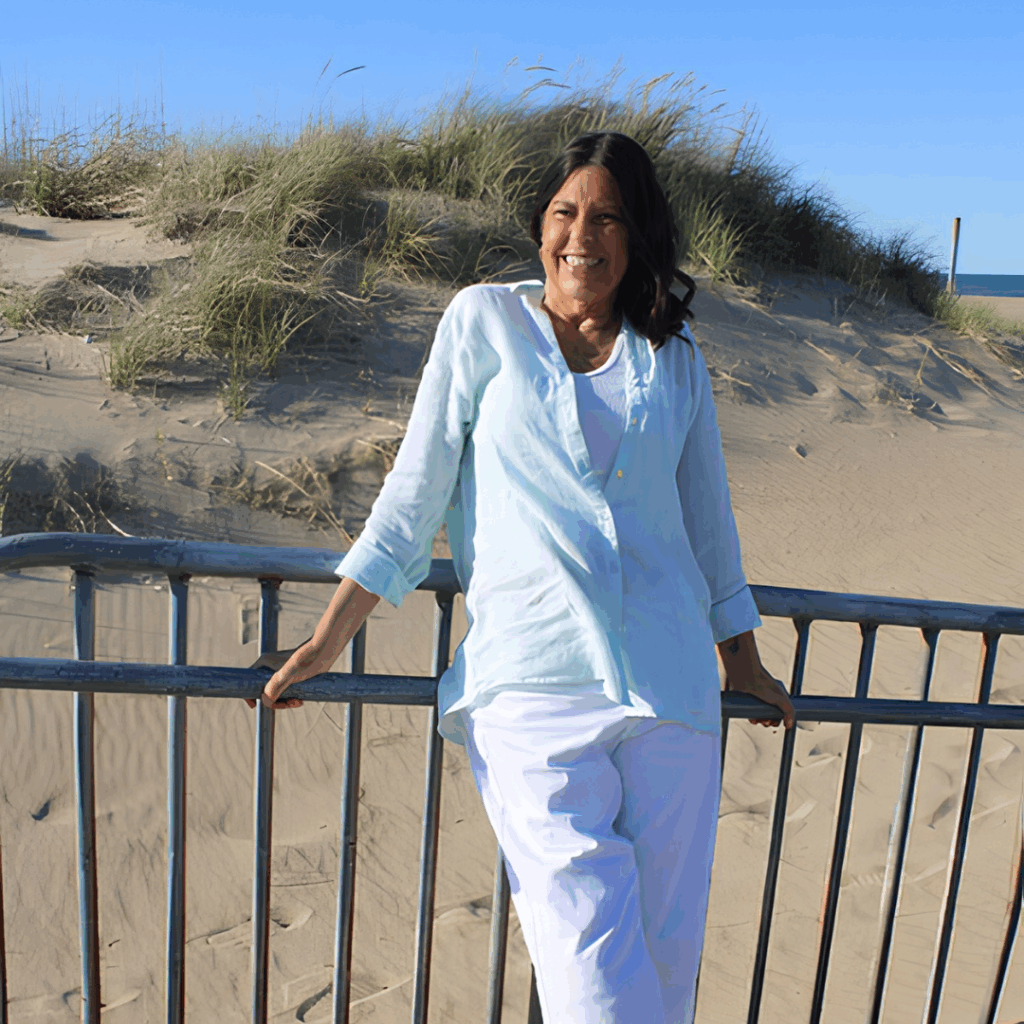
Paula Aldis covers Chronic Illness Resilience in this Marketer of the Day episode. Paula Aldis shows how relentless medical trauma can become a path back to real happiness. Diagnosed with Type 1 diabetes at 12, she later faced gastroparesis, vision loss, thyroid cancer, kidney cancer, amputation, and over 30 surgeries. She learned to respond quickly when something felt wrong, get tests, and focus on what she could still do. After malpractice, family crises, and a collapsing marriage, her mental state hit a breaking point. In a hospital bed, she opened her phone notes and wrote her memoir in one week. Writing helped her stop retelling scattered pieces and see the full strength of her story.
From surviving Type 1 diabetes, cancer, amputation, medical malpractice, and near-death experiences to rebuilding her happiness and marriage, Paula Aldis shares a deeply personal story of resilience, faith, and emotional healing. In this episode, Paula opens up about living with chronic illness from childhood, enduring more than 30 surgeries, and navigating years of physical and mental hardship while refusing to lose her identity or hope.
She discusses the emotional toll of constant medical crises, the strain it placed on her family and marriage, and the turning point that inspired her to write her memoir, The Woman Who Wouldn't Quit: Unbreakable Spirit. Paula explains how writing the book became a cathartic process that helped her reclaim her voice, process trauma, and finally move beyond simply surviving.
The conversation also explores topics like adoption, parenting children with mental health challenges, PTSD in military families, finding happiness after trauma, and learning to appreciate life’s small moments again. Paula’s story is a powerful reminder that resilience isn’t about pretending to be strong—it’s about continuing to move forward, even after unimaginable pain.
If you’ve ever struggled with chronic illness, emotional burnout, family hardship, or finding joy after adversity, this episode will leave you inspired by Paula’s honesty, courage, and refusal to quit.
Quotes:
“Find something that you can do versus what you can’t do, and I’ve had to make that my mental thought. You can still do things.”
“There is getting past the most horrific things that you go through. You can get past it. You have to just get right with yourself first to move on.”
“The scars will always be there, but I now see them as reminders of what I have been through. I wear them with pride.”
Contact Details:
- Follow Paula Aldis on Facebook
- Subscribe to Author Paula Aldis on YouTube
- Shop Paula Aldis’ Books on Amazon
- Visit Paula Aldis’ Official Website
Podcast: Play in new window | Download (Duration: 23:48 — 33.2MB) | Embed
Subscribe: Apple Podcasts | Spotify | Amazon Music | iHeartRadio | Podchaser | RSS
Transcript
Download transcript (.txt)She was declared brain dead for nearly four days, and she still came back fighting. It's Paula Aldis who survived type one diabetes, cancer, medical malpractice, and unimaginable losses without losing faith or her identity, and she has a very excellent book that she is here to talk about, called the woman who wouldn't quit unbreakable spirit, where she unpacks some of this, and she shares what it really means to fight for your life when the world thinks you should have given up long ago. She will not quit, not today, not ever, and you should not either. We all have struggles, difficulties, and Paula's here to share with us and tell us what we need to hear. So, Miss Paula, how are you today?
I'm doing fine, thank you.
Wonderful, glad to hear it. And so, what do you think I left out of that introduction? What are you all about? What should we know?
I mean, that was pretty much me in a nutshell. I'm, I'm not a very complex person. I'm very simple. I love adventure. I love humor. I find good in most things. I have had mental struggles. It's, you know, I started my family. My family became a family in a different way. We adopted both of our children. We have two biracial children, so it's like, yeah, our family is different, but you'll see one thing in all of us is that we're happy, we're happy people, and that's how I live my life. I mean, no matter what I've gone through, what you go through, what anybody goes through, there is always happiness in the end.
Very good. So, you enjoy those little things in life, and you have that pursuit of happiness. It's right there in the Declaration of Independence, isn't it? And it's like, what's the point of achieving things in life, or getting places if you're not happy, and then there are many people who would just kill to have what someone like you or I have, people that live, like, in, you know, extreme poverty, real bad life situation, and they have found a way to be happy with their circumstances. So that's just great to hear. So you have this, this journey that you've been through, right? You've had all these escalating medical crises: diabetic ketoacidosis, gastroparesis, vision loss, thyroid cancer, kidney cancer. I mean, talk about just getting hit with one thing after another, and medical practice on top of that, coma, near-death experience, being brain dead. I mean, I don't even know where to start. What the heck happened to you?
See, I don't know. I got diagnosed with type one diabetes at a young age. I was 12 years old back then. It was in the 70s, and it just wasn't taken care of the way it is now. All the medical equipment and all that stuff, it wasn't around. I mean, you didn't even check blood sugars back then. When I became a diabetic, I was told you can't eat sugar. 12 year old kid getting told you can't eat sugar is like, oh, I'll show them, but but I learned very young that my case of diabetes, it involved my whole endocrine system, not just my pancreas, and not producing insulin. And through the years, the complications started to arrive. It was simple little things. Well, not simple, but I had a reconstructive surgery of my foot. My body rejected all the hardware they put in there, and after six surgeries, and these bone infections showing up all over the place, I ended up, I made the decision just to have my leg amputated. Of course, that comes with the stigma, you're a diabetic and you lost your leg, you don't take care of your diabetes, that's not true. I'm a very tight, controlled diabetic, and I have been for many, many years, and it's just the my case is kind of a hard one. Not all type one diabetics experience the things that I experience, their bodies don't fight them as much as my body fights me, getting kidney cancer just out of the blue. Then thyroid cancer is just like going for a regular appointment, and they see a lump in my neck and they said we gotta check that out, and then it's like we gotta get that out, it's cancer, you know, and I was having stomach problems. I went in, they said we'll do a cat scan. Said, oh, you have a mass, a very large mass, we're going to have to remove that, but there's also, you know, it's just one thing after another is. Just, I go into the doctors, and I come out with something wrong with me that I didn't know was wrong with me, but I, I've learned, I've learned to expect that as soon as I feel just one thing off, I'm at my doctor's. I know I'm a pain in the butt sometimes, but I'm like, I'm not feeling right, I got to have this checked out, so I'll get it checked out, and sure enough, it'll end up being something that needs to be taken care of. Yeah, and I've had over, I've had over 30 surgeries in my life, and I'm expecting one more. I have to have my left shoulder replaced now.
Oh, wow. So they're just replacing pieces left, and right, you're the bionic.
Yeah, pretty bionic. I'm metal.
Well, very good. Well, I, a common thread I'm hearing in this is that you deal with the problems, right? You, you go get the test, you don't feel good, you go to the doctor, and you say, you know, you could talk yourself out of it, or there could be all these procrastination and obstacles and self sabotage, and and it's good that these things are checked out, and you mentioned that kind of keyword there, expectations, and were you always like this, were you always so resilient, or did it take some work to get into this positive mental state, despite all the obstacles?
I always was resilient, and there's some, but with my gas deal, prices I dealt with that for almost a whole year. I was on my deathbed, and I'm like, this has got to change. I'm young, I've got more life to live. I got it, I gotta figure this out. But I was kind of like put on my own because there wasn't a lot known in my family about diabetes. I was the only, I'm one of six children, I'm the only one that's sick that lives with any diseases, and it was kind of like, okay, well, you gotta take care of yourself, just stop eating sugar, you know, and as like, okay, well, I gotta do this, I gotta get through this, then you know, meet my friends when I was a senior in high school, is when I met all my friend group that were still very, very close to this day, and it's just, I, they don't want to say goodbye to me, I don't want to say goodbye to them. So it's like, find, find something that you can do versus what you can't do, and I've had to make that my mental thought, is you can still do things.
Yeah, it just takes that positive mindset, and it seems like there's like educating yourself and finding the time and doing the mental work, because it could be easy to not take this seriously, or to go to the doom and gloom, but you're saying, "Hey, I'm recentering, refocusing, saying, hey, I've got friends that count on me, that need me, they want me to be around, and there's also the searching for what it is that I can do, and how did all of that lead to publishing a book, because it's one thing that you know go through life's adversary adversities, but then just say, hey, I need to like take inventory, collect this, and get to writing. I mean, that seems like a whole other project. So, what was there? Did you always want to read a book, or did you at some point get inspired? Like, what led to the book?
My mental state had taken a big hit. My marriage was falling apart. My son got diagnosed with his mental issues. My daughter was becoming an adult, and my mental state was, I can't take, I can't take anything else. And people didn't see me like that, you know? People saw me as being this strong person that's been through so much, but my mental, my mental state was down in the dumps. I had just gone through a long, long lawsuit with malpractice to where I was in within seconds of dying by a doctor hurting me, and I just couldn't get past it, and I was losing my happiness and I was in the hospital waiting to have another surgery and I was bored, you know, doctor came in first thing in the morning and so I had the whole day to not do anything, just wait for someone to come visit me, and I pulled my phone out, opened up my notes, and I started writing a book. I was in the hospital for a whole week, and by the time I got out, I was done with it. I just nonstop writing, you know, texting. They had to charge my phone 20 times, you know. It was just like, get this out, get this out, and it was so cathartic to me to just. I write it down. I talk, you know. People ask me, what you know, what happened with this, what's that scar for? What's this? What's this? And I talk about it, but just in little pieces. It's in pieces, you know. And it's only one little thing I'm talking about. So writing it all down, just that was like the finale. I was like, okay, I'm done. Everybody's going to know about this now. I don't have to constantly be talking about it, because I'm the one that goes to a party in the first thing that gets asked, How are you doing, Paula? Any, anything you know, and I'm like, you know, now I don't need to talk about that. Let's talk about something else. Let's talk about the trip I went on, and let's talk about the trip you're going on. Let's talk about our kids, you know, and it was just.. it just lifted me up mentally.
That's great. They have the introduction and they can just read that, get the foundation, and then you can catch them up on the more recent scene and the positivity and the fun trips you went on. That's great. And so you said, well, there's the boredom of like sitting around, nothing to do. There is that repetition of having to keep telling the same stories, and then the, it's, you know, the attention span is tricky, isn't it? You think about, oh, where do I do I start with the malpractice or the diabetes or this cancer or that cancer, but to have it all kind of in one place, I'm sure it, it even you can look back and say, okay, now, now it all makes sense, whereas when you go through the day to day, it's, it's just like it's tough to sometimes keep a handle on reality, because there's all the baggage of the past and all the current crises and the worry about the future, and it's like, oh, okay, that's why they say write it down, right, write the journal entries to talk it out with a therapist, like, get it in words, that way it becomes something solid. And so you say this book flew out of you, and it was just like, so cathartic, and so fast. But what's always fun and curious about when people write these things, they have their own ahas. It's like, it's so weird, right? Because, like, it came out of you, but then you look, it's like, oh, I didn't connect these dots, so was there anything like that? Were there any ahas that came out of you writing the book?
Just, yeah, my biggest aha is I'm like a cat, I've got nine lives,
Yeah.
And I'm still living those lives, and just the aha, too, to me was a wow, like you have really, really been through things, because I take everything as it's happening. I don't take everything like everything that's happened to me is just one thing at a time with me, but it's just like after reading my story, you know what I wrote, and working with my publicist to get it published, and everything like that, is just like, wow, you know, I want to let other people know, you know, it's there, is getting past the most horrific things that you go through, you can't get past it. You have to just get right with yourself first. Do you know to move on? And that was the fact that I have moved on from such horrific incidents in my life. It's.. it still shocks me to this day.
Oh yeah, the metaphor that comes to mind is you're saying that is when they say an asteroid almost hits the planet, is that a near hit or a near miss, and it's like, do you feel like bad because it almost hit you, or do you feel good because the asteroid, hey, it whizzed past the planet, we survive another day, we can accomplish even more things, and it's a wonderful just healing technique out there that if you have a problem and you tell the friend, you don't always want the friend to like butt in, interrupt, to tell you how to solve it, it might really might not be a good solution. It's like, hey, just go to the doctor, get the treatment, get the test, and so it's great to say, well, hey, I've got problem A, and some other friend out there has problem B, and they're not trying to butt in your business, you're just kind of hearing about their own perspectives and the similarities and differences, and what's great about you having this book out there is that now we all have access to you, right, we can all just read your book and say, hey, there's this, this friend's Paula, and she's been through some things, and I can feel better about my own situation, and whatever it is, right? It doesn't necessarily have to be diabetes or thyroid cancer, but if I'm just going through those tough times in life, I can kind of feel like I have a friend who's on the journey with me and find out all about what, what she was, you know surviving and thriving and going through and having the faith, family, fierce determination, etc. And so we've been talking about you and your, your struggles and your successes and all these things that that's happened. Do you think there might be a missing question in our conversation that I should be asking? Asking you, I just don't know what to ask you.
I think just, am I truly happy now, and not am I putting on a front, but it's, it's genuine now with me. It's like I'm looking forward to every single morning, you know. There were nights where I would pray, you know, God, just take me, you know, I'm done. I'm done dealing with this, just take me. But now it's like, oh, thank God I woke up this morning. What am I going to do today? Let me think, what I can do is get starting to become summers, like, oh, we got the pool open. I'm like, I'm going to go swimming today, I'm going to go here, I'm going to do that, and that's that's just it's just genuine now. I'm not, I'm not putting on a front to sell a book or anything like that. I am truly happy in my life, where I am right now.
And is there a secret to that? Did he just.. you woke up one day, and you changed, because there's like, the, you know, the gratitude, the optimism. So many of us struggle with that. Like, how did you get to that point?
The first thing I had to do was work on my marriage. Me and my husband, we were going through it, and we worked on it, and I opened up to him, you know, told him what I was going through, and I want him to open up to me, and he's starting to open up with me now, because he was going through a lot, he's a military vet, two wars, got his PTSD issues, he was going through his PTSD issues, same time my son was getting diagnosed with schizophrenia, and I had just been injured in the hospital, and all three of us going through that, we weren't there for each other, you know, I was there for my son, and he was there for our son, but we were fighting more than we were, you know, loving each other, and we always had a wonderful, wonderful relationship prior to all these life things, but we really have worked on it a lot in this past year. Did a marriage retreat too, and forgiveness, I forgave him for everything you know, we went through. He forgave me and our sons in treatment, and he is doing absolutely wonderfully. But my daughter's becoming a nurse, you know, and it's just like I looked at everything that's going on, and it's just like, man, I've got a beautiful family, I've got it, you know, I've got a beautiful life. I, we won a lawsuit against the government, and so I've got my beach house down in the Outer Banks, and that was my, my serenity, you know. It's like I got a place to go to escape from reality and just sit there on the ocean, or, you know, and the water is my happy place. I've lived around ocean all my life, so it's like it's just.. it's there, and I'm feeling it now. Where before I was not feeling it, I think before it was kind of an act. You're so strong, you know, because that was what I was labeled - a strong person just gets through everything, and I was getting through everything, and I was finding the triumph after the devastation or the hardship and stuff, but the happiness wasn't truly there, and I'm finding it now, slowly finding it.
And you've broken through. You built up those good internal mental habits, and it wasn't easy. It was an instant, and life is for sure a mix of the good and the bad, but you make the best of it, right? And you figure out, well, how do I move forward, and life goes on, whether I want it to or not. And the kids will grow up, and the marriage will either get worse or get better, and the same with the health situation, and so it's great to hear that you survived and you made it, and you're happy now, and we've been speaking with Paula Aldis, who is the author of The Woman Who Wouldn't Quit: Unbreakable Spirit, and it is the intimate, breathtaking memoir of a woman who walked through fire lost nearly everything, and still rose with faith, humor, stubborn hope, and the kind of grit that can only be forged in the hardest places. So, if someone says this book sounds amazing, I need to get it yesterday. Where can they go and get a copy?
On Amazon? Yes, it's available on Amazon, also with IngramSparks as well.
Very cool. So, go on Amazon, you search Paula Aldis, that's a L D I S, and the book, as we said, is The Woman Who Wouldn't Quit: Unbreakable Spirit. And I also understand that you have an excellent website and YouTube channel, correct?
Yes, I did. Yes.
And so we can go to youtube.com/AuthorPaulaAldis, and you can watch some of her videos about, like, her book launch podcast interview. Heck, maybe we should even toss this podcast on there. Maybe that's how you found her YouTube channel. Who knows? And you can go there from there to her book website, which is Adriana dot company slash author Paula Aldis, and you can read more about the book, but we really, really want you to go to Amazon and get your copy and start reading it, get a Kindle or paperback, and start changing your life and getting some new perspectives, information, entertainment, and etc. to find out about adoption, military family, finding your happy place, dealing with chronic illness. There's so much packed into this very amazing memoir and book, and you owe it to yourself to check it out. And, as we said, the book is The Woman Who Wouldn't Quit: Unbreakable Spirit by Paula Aldis. And you should go to Amazon and get it. But before I let you go, Miss Paula, it's time for the scary part of the podcast, where I try to stump you, I try to put you on the spot by asking about a fun or interesting quote or lesson that has served you. So, what comes to mind as far as that fun or interesting quote or lesson?
I do have a quote in the book, and it's right there on the back of the Maya. your Zoom
Your Zoom background, yeah.
Yeah, yeah. It says the scars will always be there, but I know I now see them. Hold on, I have a heart. I have a dyslexia, so.
As if all the other stuff was enough.
Yeah, absolutely.
Scars will always be there, but I now see them, these scars as reminders of what I have been through. I wear these like my tattoos, I wear them with pride, and I have a lot of tattoos, so but all my tattoos are my children and my husband, and yeah, they're all that, yeah, faith, so.
You've accumulated some life. Well, it's been very wonderful to hear about this, and we need to get the book right now called The Woman Who Wouldn't Quit: Unbreakable Spirit by Paula Aldis. Go and get it, you'll read it, you'll love it. And thanks so much, Miss Paula, for showing up, stopping by, and just telling us what we need to know. I'm really glad that you made the time.
Thank you, and I appreciate it. I appreciate you giving me this time.
Subscribe
If you enjoyed this article, subscribe to receive more just like it.


