Published Last updated
View in Podcast Library: stories, quotes, books, and resources in one place.
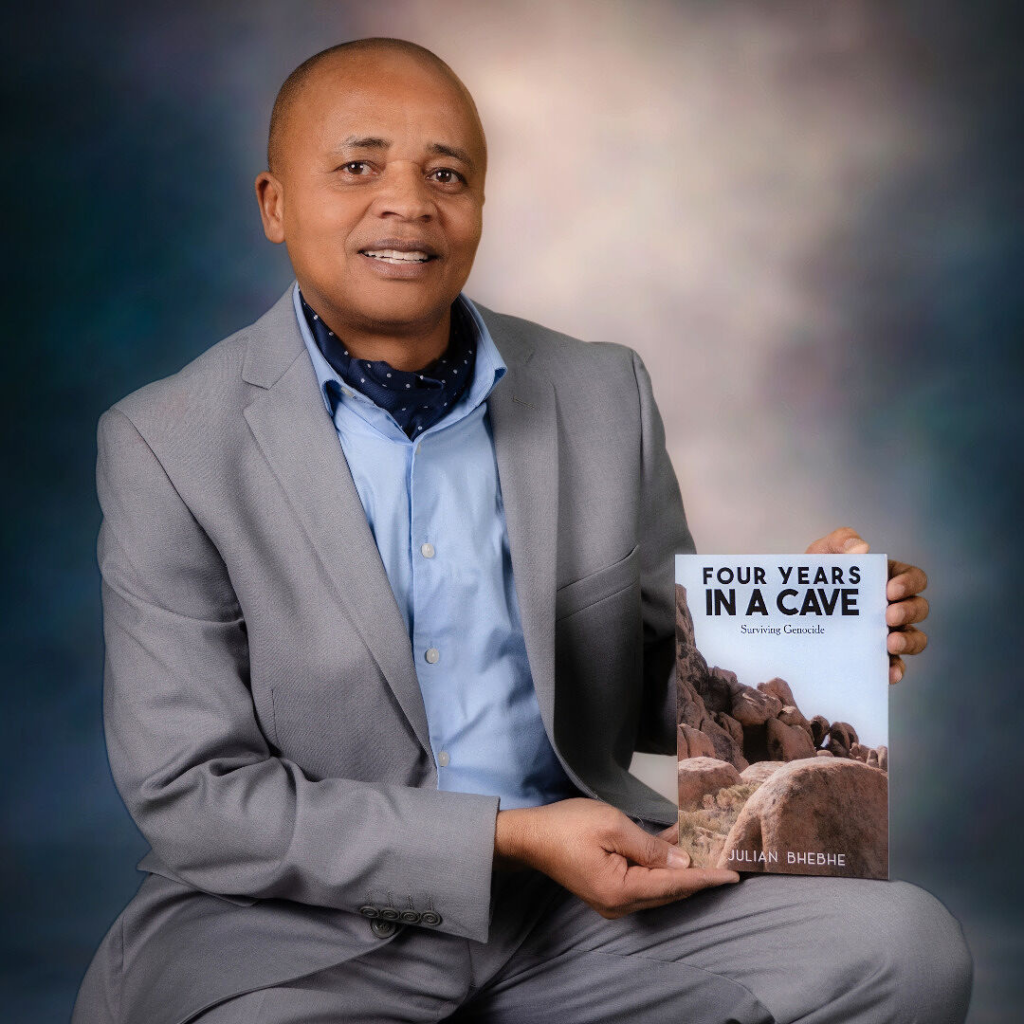
Julien Bhebe covers Survival Stories in this Marketer of the Day episode. A Zimbabwean teacher survived torture and a four-year cave hiding by finding help and meaning. Falsely accused of feeding dissidents, he was stripped and tortured, then escaped when soldiers left to play soccer. He lived on fruit at first, then met Joe at dusk for food, blankets, water, and news while staying unseen. Joe took him to the Njelele shrine in the Matobo Mountains, where rituals asked the deity for protection. A mediator warned that survival depended on judgment, and his risky trips to see family nearly got him caught. When amnesty came, he returned to teaching, but the pension office questioned his 1983 to 1987 absence, so he walked away.
How can resilience and spirituality help bridge divisions and foster unity in our communities? Cultivating inner strength and connecting with deeper values are essential for overcoming conflicts and finding common ground. Embracing these principles enables anyone to navigate differences with grace, compassion, and a shared sense of humanity.
Julian Bhebhe is an organization development practitioner, teacher of online business communication in higher education, and an author. Through his harrowing first-hand account in his book “Four Years in a Cave,” Julian brings awareness to the brutal military purge he survived and its lasting trauma. His story shines a light on the atrocities faced by ordinary citizens and helps combat indifference to human rights violations. Today, he tells the story of his experiences and teaches lessons of resilience, spirituality, and overcoming divisions, so stay tuned for more!
Quotes
“The lesson right here is to get your system cleaned up and to stop fighting each other.” – Julian Bhebhe
“People must open their eyes and rise above petty differences and learn to work together.” – Julian Bhebhe
“There must be order so that people can get together and improve their quality of life.” – Julian Bhebhe
Takeaways
40:45 Tribalism and envy can lead to unjust suffering, but maintaining faith, perseverance, and community support can help one overcome even the most extreme adversity.
08:29 Young people who are misguided can commit horrific acts, highlighting the importance of guidance, education, and accountability to prevent such tragedies.
10:59 Connecting with a higher power and exercising sound judgment can provide the strength and clarity needed to navigate through life’s most challenging circumstances.
26:28 Pension and bureaucratic struggles can compound the trauma of survivors, underscoring the need for systemic reform and international intervention to provide justice and closure.
41:20 Sharing personal stories of resilience can inspire others, raise awareness, and potentially lead to positive change in the face of ongoing injustice.
Resources
- Julian Bhebhe: Welcome to the Bestselling Author’s Website
- Four Years in a Cave: Surviving Genocide by Julian Bhebhe on Amazon
Podcast: Play in new window | Download (Duration: 46:01 — 63.4MB) | Embed
Subscribe: Apple Podcasts | Spotify | Amazon Music | iHeartRadio | Podchaser | RSS
Transcript
Download transcript (.txt)Hey, we're here with Julien Bhebe, who has an amazing creation called for years in a cave, which documents a painful real life experience of an elementary school teacher who survived a brutal, barbaric and tribally charged military purge of the 1980s in Zimbabwe. So we're going to find out from Julian, about his ordeal, about his story about these guys hiding and escaping in a remote cave for four years, and about the agreement to unite some parties, and just what this led to, and what kind of lessons and insights we can get from it. So Julian, glad to be speaking with you.
Thank you. Thank you, Robert. And thank you for being here.
And so you have this four years in a cave documentary, you went through the story? Can you tell us in your own words, just what happened? What is this all about?
Okay, thank you for the opportunity to rub it. This is a story about an elementary school teacher. I know, an elementary school teacher, I've interacted with a teacher who went through this difficult moment in his life, who was picked up one day, and accused of feeding guys were against the government. And he was taken away from his family from from work, then from his family, to some torture site, where he enjoyed unbearable,
excruciating torture, which left him almost dead. He was unconscious. But then the soldiers decided to go and play, relax by playing soccer.
And then he regained his consciousness. And when he realized that he was naked, and he said, close close by, he decided to put on his clothes and cottages built up in him. And he decided to flee. And then found his way to a cave, far away from the torture site. And he stayed there for four years like an animal. And then, at some point, the warring factions, the parties that were fighting, the ruling party, and the opposition party decided to come together, negotiate a truce. And in that truth, one of the conditions was to allow people like this teacher that we're talking about to return home, and maybe even go back to his work, work place of employee employment. And then, at the same time, the soldiers were taken away, allowed to go back to their camps. And then these are the guys who were causing problems, what they call the dissidents, were also given amnesty to assemble at certain points, and forgiven as if nothing ever happened. Wow.
And so what led to the elementary school being picked up? Was it just some randomness? Or like, Why? Why did they take him in the first place?
Right. The thrust of the story is that there is tribal conflict here. There is the two tribes that seem to be wrestling for power. The majority try. Takes over the government. This is after Zimbabwe used to be Rhodesia, and it was under the British. And then in 1980, after some war after a long a bush war. The British government that was leading Rhodesia and these guerrilla movements, the two parties that were that we're talking about here, all got together, negotiated a truce, which led to the independence of the country 98. Okay, so when elections were held, because everything that comes was tribal, the tribe that had the majority of supporters, one and led the gap, and then the minority try, which is an army just like the majority became the opposition prime. Now there was a tussle. There was a fight between the ruling party is made up of the majority try and the minority try which also had apps. Right. So these little these Enam, the Rhodesian government, these two guerrilla movements, and the British government decided to get together. And then there was this this argument as I indicated earlier on, okay, so they had to find a way to bring all the the fighters together. The fighters, from the majority try the fighters from the minority tribe, and the Rhodesian forces themselves. So they had to come together, integrate and form one national army. But in the process of the integration there were bad things started happening. The guys from the My dog, my majority tribe, this started frustrating the former guerrillas from the my knowledge side. And those from the My muddy, dry. were so frustrated that they decided to abscond with amps. So they went out to the communities stayed out there and started forcing people to cook for them and so on. And then the government, which had the majority try, are the majority of the soldiers started pursuing these guys were out there, causing problems, running, demanding food from people and doing all kinds of horrible things that you can think. All right. So it then during the pursuit of these guys away, with absconded the army, the soldiers then came after anyone who's supported, was accused of having interacted with the dissidents, from the minority. So anybody could just go to the soldiers and tell a story that, oh, sorry, I'm so fed the dissidents last night, and the soldiers would pounce on that person, take him away, torture him, kill him or do anything they wanted. So that's what happened to this teacher, somebody in the community decided to snitch on him. And just tell lies to the soldiers. The soldiers didn't care. They went to pick him up from his work, then went to his home, and film daily to come to the torture place. And that's where he was lucky to regain consciousness and escape, to go and live in a cave for four years.
That seems terrifying, just hearing about it right? With all of this turmoil and all this bad human behavior. And what's this man's name is his name, z, z this evening. Okay, and so, like, I'm sure that with all this, everything that happened, right, Z was unjustly taken, tortured, escapes, living in the cave, and then returning. And so what sort of just insights about human nature and brutality and cruelness? Like, what sort of lessons did Z pick up from all
of this? Right? Firstly, that he tells me is that he realized that if you're doing well in the community, don't assume that everybody likes you. There are some people were envious of you and the one tell you so it is he was basing it on the fact that someone in the community had given wrong information to the soldiers. Because he says he never saw the dissidents. He never fed the dissidents. Therefore, the accusation that was made against him was all false and mischievous. Right? So the lesson number one is that people will do crazy things to you if they envy you. And so he ended up suffering for something that he didn't do. And next, it goes to the torture camp. And he finds that the soldiers are perhaps as young as his own sons. And these boys do all kinds of barbaric things on other human beings. They strip people naked, they attach electric lines to private parts in the torture them they do all these are little young men who are doing this to a man who is old enough to be their father. So the lesson that he picks up from there is that when young people are misguided, they can do horrible things. And forget that there'll be consequences later. Because right now here we are talking about this matter. If the international community gets the story, there needs to be a follow up. And one time where the other, some of these boys will have to account for what they did to people who have done nothing to them. So that's the second lesson that Z talks about. And the other thing is that, when you're faced with a difficult situation is he experienced, where you're forced to live in a cave, you have to be strong. These These, these diseases power within you, that comes up, and he tells you to persevere. And then he talks about faith. He says, the biggest problem we make as human beings sometimes is that we label our faith in terms of denominations and that kind of thing. But he says, there's this one power that he discovered when he was in the cave, this power that was present there, all the time. And if he kept his mind on it, and stopped worrying about what the soldier has done to him on, and whoever sold him out, and all that, if you focus on that power, you will find peace. And this is what kept him sane for those four years. And when he got out of the cave, he returned to his employment, and wait like any other human being.
Wonderful. And this, this is great, because when when bad things happen, and then they get resolved, then you want it to have meaning, right? You want it to help others. And then the rest of us, hopefully don't have to go through something this extreme right, but you hear about this extreme situation, and then you extract the lessons, and then maybe you can apply it to your own life. And so these are some some good lessons so far, right? There's the lesson that this whole envy concepts, that sometimes you do things well, and you you work hard, and you succeed in life, and then someone does something mean to you. And you think Well, what did I do? And many times it's not about you, right? It's that the other person had the envy of you. And they kept it secret. And maybe they they sought revenge or said or did something mean or it expressed itself in that way. And that's a good thing to think about that about how we need to persevere anyway. And that was be a little bit on the defensive about those people that sometimes will want to tear us down because that is the shortcut. That is the easy way. And then you're saying that there's this lesson that, especially with, with young children, there's sometimes they don't know what they're doing, right, they're brought up in a certain way and told to do things and they don't know why they're doing what they're doing. So that's helpful to think about being getting on on the right path, or back on the path that we've kind of, you know, fall on our way. And you hear about about like a teenage you know, gang members or a young kids that get into crime and things like that. And it's just so easy to just go astray in that way. And then you also have this helpful lesson about the higher power, so to speak, right, that there's this thing that's always there, to give you the strength when you need it to combat some of these problems. And when you are living in a cave, I imagine that there is this constant problems, right? Just trying to survive trying to find food dealing with isolation. So can you tell us since you mentioned a little bit gave us a tease about that, that greater power? Like What Did Z go through? Trying to live in that cave? Like even surviving in a cave for one week? sounds impossible? How do you live in a cave for four years?
That's the point aerobic. And that is the purpose of that is the whole reason why we this book is out. We want to talk about those kinds of things. So these days. It was difficult to start with, but he had no choice. Because he knew that if he got out, the soldiers would come after him. Remember, he ran away from the torture site. He ran away from these guys wanted to kill him. So when they discovered that he had escaped, they were mad. They were really upset. And they did everything they could to go after him to find him but it couldn't. Right. So he finds a way into the cave. And in this cave, he discovers this presence, this higher power. And it says that's what kept him alive. When he went into the cave, he didn't even have any food. He only had fruit that he picked up along the way. A on his way to the cave. And that's what he survived on for a number of days, maybe a week or two. And survived. And then when the food Renegades when the food ran out, he realized that he had to find other ways to survive. He had to find other ways of sustenance. And so he kept on maintaining this relationship with the higher power. And he says he prayed, that's what he told me. He says he prayed and asked for guidance on what to do next, and where to go to find salaries. And one time, prompting Kane. And he remembered a man who he knew lived in the area. And that guy was a distant relative of his. So in his mind, because he had been communing with the higher power silently in the cave, he felt that was the direction from this higher power to a source of food. And so towards the end of the day, because he was trying to avoid contact with other human beings, he didn't want to be seen less TV, recaptured, and skinned alive. So he waited until it was almost dark, and went headed to the men's Oh. And that guy, strangely, welcomed him. And that's the man who kept him alive. That's the main who made sure that his life in the cave was almost close to normal. He's the one provided him with not only food every night, but also provided blankets. And checked on a man made sure that Z was doing okay. And to count it up. This man, Joe, as I, as his name is in the book. Joe was a traditional leader and men was very spiritual. He in his community, he was a leader in this community. And he knew how to pray, even pray for rain and stuff like that. So when Z comes to him, and he narrates his ordeal, Joe is excited that the deity is in charge. And because he's a traditional healer himself, and he's in constant communion with the DAV, he even suggests that they go to a major shrine, what they call jewelry, they go to the shrine together. And Joel sincerely believes that if they go over there and present this case, to the Deity in the shrine, then z will certainly be protected in the, in the in the in his cave, and he will, his life will be spared the soldiers not even find him until normalcy returns.
Very nice. And there are more good lessons here, right? There's this idea that you should, you should find a way to ask for help, like there's doing what you can, and doing the deep thinking and introspecting. But even something as simple as getting food and surviving. I mean, sometimes you need to ask for help. And then there's the other side of the lesson there of don't be afraid to provide help to someone that needs it. And so this is wonderful. Then they went to the shrine and spoke to the Deity and got their protection, so to speak. And so tell us about some of these like cultural and spiritual practices, because I know that this, this ng li shrine that you mentioned, is a significant part of this book. So just what are the kind of religious practices and customs for this, right?
The Indian village believe in a deity that lives out in the Matoba mountains there is already done in the book, chapter five. So Z finds himself in a cave. And the developers believe that the theory also resides. The gelila shrine itself is like a cave to be one strange, very significant in its own way. So there is a connection between the cave that Jay Z finds himself hiding it, and the main shrine where the deity resides. So one of the practices that developers observe or collect is, after the death of an adult, of one year, after the death of an adult, the family must perform some rituals to help the departed soul go to wherever human beings come from. They believe that when you die, your soul departs from the body. And it's only the body that is left here, and we committed to the ground, but the spirit goes somewhere. So within that one year, we believe that the spirit is still close by. So when they perform this ritual, the it's sort of releases the spirit to go ahead back to his maker, just create. And once that is done, then there is order in the family. So the interpretation form of this situation was that perhaps he went through the kind of problems he was facing the kind of problems he was facing, because there was some spirit that was upset and settled. And so they had to perform these rituals. And that was one of the reasons why Joel suggested that they go to the genetic shrine, to perform this which one, and they did. And when they got there, they had a number of things to do, like I just the book describes the practice, the reports themselves, tell the the, the the deity who they are directly, there is somebody who goes the mediator who goes between the gap and the living, each all in z in this case. And then they mentioned those people, the ancestor has all depart, were departed, that kind of thing. And then they perform rituals such as is feeling alcohol to the ground is a cloth that they lean on. And then they would ever has a problem like z in this case, laid out what his problems were cried out for help and ask for protection from the soldiers were out to get him. And at the end of it, they were convinced, especially when the mediator told them what the deity was saying. And they left convinced that everything was going to be fine. But I must emphasize that the mediator, emphasized to see that anything. Whatever happened to him after their visit to the shrine, would depend entirely on his judgment. Even if he made the right decisions, he would be safe. But if he rushed, if he was impulsive, if he had he didn't think properly, just rushed into taking action, he will find himself running into problems. And we see in the book there, as well did some chapters, which describe some of the dangerous that he put himself in, when he was in passive. When he did not pay attention to what he was told it. When he just rushed to action, he tried to go and see his wife, then into problems, he was almost caught, visited Joe, at some point, when he felt very lonely. You don't expect a human being to stay in the cave forever. There were times when they would, there was this desire in him as a human being to connect with other human beings. So he would want even at some point, he decided to go to see Joe. And while he was there, problem study, the soldiers came. Luckily, they did not come to the warm state. They were only at the field, which was a few meters away from the house. And then when he visited his wife, the soldiers actually came looking for him and looking for the residence that you mentioned early on. But luckily, the wife had locked him up in a in a guest room. The soldiers almost keep it open. But they decided to listen to the wife who said no, that I keep that little guesthouse slot because from time to time I visit the city. And there's so much to do. So I haven't gotten to eat or open it when I get to eat some time. They understood that. But he could tell from the way the conversation was going, that one of them was moved close to the door, and could have kept the door open. And that would have been trouble for him. Once again, he says he remembered that everything he did, his safety would depend on his sense of judgment.
This is an interesting idea as we all navigate our own decisions, right? And we all deal with this balance of your destiny and your free will you think about well, my greater power that wants the best for me, but there's also room for me to screw up and a similar way, how if you have a child, and you say, well, I'll do what I can for my child, but they still might mess up and make their own decisions. So similar sort of relationship right with you as an adult in your child in the US an adult with your with your deity and your higher power. And, you know, life really is just a series of decisions and problems. And even after all this, my understanding is that z then had difficulty and frustration and resentment applying for his pension. So can you tell us about just what happened even afterwards?
Yes. So the warring factions, the ruling party, and the opposition finally decide to negotiate. And they arrive at an agreement. And one of the terms is that people like z should return home, and maybe even go back to their jobs, self employment, as in that happens, so the family goes to the school where used to work, or where he last worked before his capture. And then the headmaster there, the head of the school, he advises him to go to the district office, and support himself and present himself and ask for reinstatement to his employment. And that all works out, he gets back to his job. And he starts contributing his pension towards his pension. So But then, at the end of his employment, I mean, if he's a grown man, and he works for a few years, and then retirement has to come. So he applies for his pension. And that's when twists and turns come to him again. So it's the trauma comes back. She was accused of a crime he did not commit. She was almost killed at the Georgia side. He lived in a cave for four years like an animal. And he knew that the soldiers would kill him, if whenever they got him. So now he's applying for his pension that is rightfully his. But then, he receives a note from the pension department, which asks for further information. They want him to explain why there was a gap in his employment between the time he was captured, and the time he was released to go back home, they realize that he must have been somewhere. So they asked him Where were you? So he responds to them and tell them look, I ran into problems. I was picked up. And somehow I managed to escape. Fencing department is as if the present value is looking for that it's okay. You run away from resources, you should have been killed in a way. So that's why there's a gap between 1983 and 1987. Okay. So, if you don't really need your money, come over to the capital city and explain your case. And he knows for knows no doubt that they will bring security guys, the police and the college, FBI, whatever it is. Law enforcement will come try to investigate him, and he might find himself arrested again. So he decides to forego his pension. Just let it go. And he says you'd rather die after all, he managed to live for four years without any money so what would kill him? But this time he's had these special after buying kittens cattle, goat its own, you'll survive on those things and till the land, produce food, rather than risk getting arrested again, when he goes to explain what happened to him, something that you do not plan. So is he fails to get his pension. And to this day, his pension is still held by the pension department. And so one of his cries, especially for platforms such as this robot, the world needs to know that these things are happening to other human beings. And if the international community could just intervene, and help Z, get his pension, and maybe other people who are not talking, there could be some people like him, he says EEG, he suspects that there are other people who could be facing, who probably face something worse than his. But we're not talking. But once the world knows, and there's some intervention of some kind, then perhaps the and others could have their problems addressed. He could get his pension, he could get some rehabilitation, he could get some, you know, counseling so that he recovers from this trauma that he's battling with, which he knows other people are also facing. After all, some people were taken from families had their hands tied to their backs, thrown into shafts, mine shafts, or mine shafts alive to die in there. Some were short and buried in shallow crease. So families are suffering, families are traumatized. And Z hopes that this pension thing of his herbs may bring sanity, even to the leaders. So that they've been, they bring closure to this unit.
And that is a great first step to get some awareness about some of these injustices to get some sunlight on the problem for many different reasons, right? Because first, the direct obvious one is that he has been frustrated for decades now dealing with this issue. So the first step is to just get some of the information out there. But you're also saying that there's some secondary benefits to communicating this right that others can be motivated and inspired to deal with her own maybe even bigger issues. And then even the rest of us can pick up some other like interesting stories and tidbits and insights along the way. And so this is just, it's, it's awkward and scary to hear about these events. But they're, it's necessary for us to find out about them. And we also want to know a little bit about Z's mental and emotional well being right, because he has gone through a lot. And but he also like survived a lot. And he pulled in from some of these things that you mentioned, like the higher power and the making good decisions. And so what sorts of insights you have, as far as like maintaining hope, a sense of normalcy, those sorts of things. Yes.
Is Joe's Joe this friend is not bound is not confined to the cave, like the he has his home. He knows what is going out going on out there in the community and in the country at large. So whenever he brings Z food at night, that becomes an opportunity for Zi to get a picture of what's going on out there in the world. So Joe tells them about the massacres that is still going on. The stories that he hears, informs him about just how people are doing these negotiations that were taking place. So it keeps giving him hope that things will be okay. Because it looks like the government, the ruling elite and the opposition are talking and they are praying that they will arrive at some kind of agreement. So, Joe comes into the cave every night. Anybody brings hope to see. He tells them about things that Z reflects on when z i mean when Joe has departed
He brings him food, he brings him water to drink. He offers his time just to talk to him. Ask him how he's doing. Here, what is the streams
of course, allow him to vent out the frustration, the anger, the pain and all that. So, in a way, Joe's visits are therapeutic to see. Because it allows him to let out the pain, the fear, the suffering, that he's going through the trauma that he's dealing with inside him. So, whenever he brings food during these mealtimes, that's an opportunity for the to, to listen to another human being, to connect with another human being, to laugh, to cry, to share his dreams. And Joe is therefore his friend. He also listens to him cry out. And he answers questions and goes out there to get more information to answer some questions that z could have had. So those things the interaction that these two men have, especially at mealtimes. Bring sanity, maintain sanity, to Z. Z realizes that, yes, the enemy could be out there looking for him. But there's somebody who cares. Somebody who is willing to see him live there in the cave, and remain safe without snitching on it without telling anybody. And he does that, until the end of the madness until there is amnesty. And he's the one it is Jo comes to z and tells him that look, an agreement has been reached, they are now free to go home. But because he was so traumatized, he couldn't believe it. It decided give himself more time in the cave, then risk going out there after having put himself through difficulties such as visiting his wife and going to just one state on one or two occasions.
Very nice. So and again, there's so many lessons here. And what I'm getting from that is that when we go through all of our own personal problems, there is the temptation to let the void take over. Right the the vacuum, the emptiness and what happens, negativity, stress, thinking about the worst. And you're saying that the solution to our problems is to find some connection with someone to get our problems out in the open to have a conversation to be social, but then also to get some information, right if if you're stressed or if there's some kind of issue that you're facing, then study it, learn about it just to combat that, that dark black void of negativity and the despair and all those all that other bad stuff. And so this book is called four years in a cave surviving genocide written by you, Julian Vevey. And we can spell out that last name, B H, E, B, H, E. And so what are some next steps here? They heard about the book, they heard about some interesting questions, answers stories. If someone wants to find out about the book as well as anything else, what is the call to action here? What should someone do after listening to our conversation?
Right, they can purchase the book can find the book from Amazon. There is Kindle these various forms. There are various formats that are available. For this book. There is the Kindle, the paperback, there is the hardcover, and then there's the audiobook. The audiobook can also be obtained from iTunes. Right? So they can also go to my website with the same title for years in a cave for years in a cave and I order it from there.
Excellent, so many formats, whatever is your preferred way of taking in the information. And it seems like a wonderful story, right? Something that needs attention, but and then we can also kind of go through it with Z, and also get our own insights and really make us think and go through the emotions. And it seems like a fun read that is four years in a cave surviving genocide by Julian Bibi. And as we wrap up our conversation here, Julian, it's always fun to get like one final quote or less than write one final little soundbite. So Does anything come to mind as far as just a one final bite sized piece of advice for us?
Yes. tribalism is a bad thing. tribalism can create unnecessary deaths, unnecessary pain. And the differences that these two tribes that we spoke about when we started off
have actually created problems for the citizenry there is not the majority tribe that seems to be enjoying life. The people from the majority tribe are suffering as much as people from the minority tribe. The only people that seem to be doing okay are those who are in charge. So, the lesson right here is get your system, clean up your system and stop fighting each other. It is not the minority tribe that is a threat to the majority tribe, it is not the majority of the time, that is a problem to the minority try it is some people who want to make it that way.
And those are the people that must be confronted. The ordinary people from both sides are suffering. So there must be a way to end this suffering. Is he is alive. Suffering like anybody else from the majority try. So what was the point of butchering people like that?
Who benefited other than them who are you know, we're putting the, the wedge between the two tribes. So people must open up their eyes and rise above petty differences like that, and learn to work together. But that would mean challenging the status quo to some extent, so that things can improve, and people learn to work together, rather than killing each other. For reasons that don't seem to make any sense. It's just just the must be a way to end madness. And like we saw earlier on, when young soldiers are allowed to do as they please, where there is no control, where there's no guidance, we're bound to have this anarchy. So there must be order. So that things so that people can get together
and improve their quality of life. And the other thing I would like to add is that
yes, our leaders can cause problems. We know that. But we need to be open minded to and trust in this higher power to change stakes. Not only fold our hands and trust, but do something to end, confusion and madness. Z might have looked past it. It might have made two word decisions here and there. It might look like might look so to us. But this is a man who was looking for meaning. And we can do stuff to find meaning. Yes, we will mess up here and there. Thanks. Let's do Look for order. Yes, look for direction and stop fighting each other.
Thank you very helpful, very inspiring. And thank you, Juliana. We it is our duty to make sense out of what has previously been senseless and to do the hard thing and do the right thing. So you can find out about Z's story and about everything that happened in this book for years in a cave surviving genocide by Julian Bebek. Wonderful speaking with you, Julian.
It was wonderful. Thank you so much. Yeah. Robert, thank you so much for having me on.
I really appreciate you being a listener of the marketer of the date Podcast the place to go right now. If you want to know more about running your own podcast is d f. Y podcast.com/free. Go there right now claim your free gift. DFI podcast.com/free