1433: S.E.L.F. Mastery for Elite Performance: Break Self-Limiting Beliefs and Achieve Business & Life Growth with Executive Coach JM Ryerson
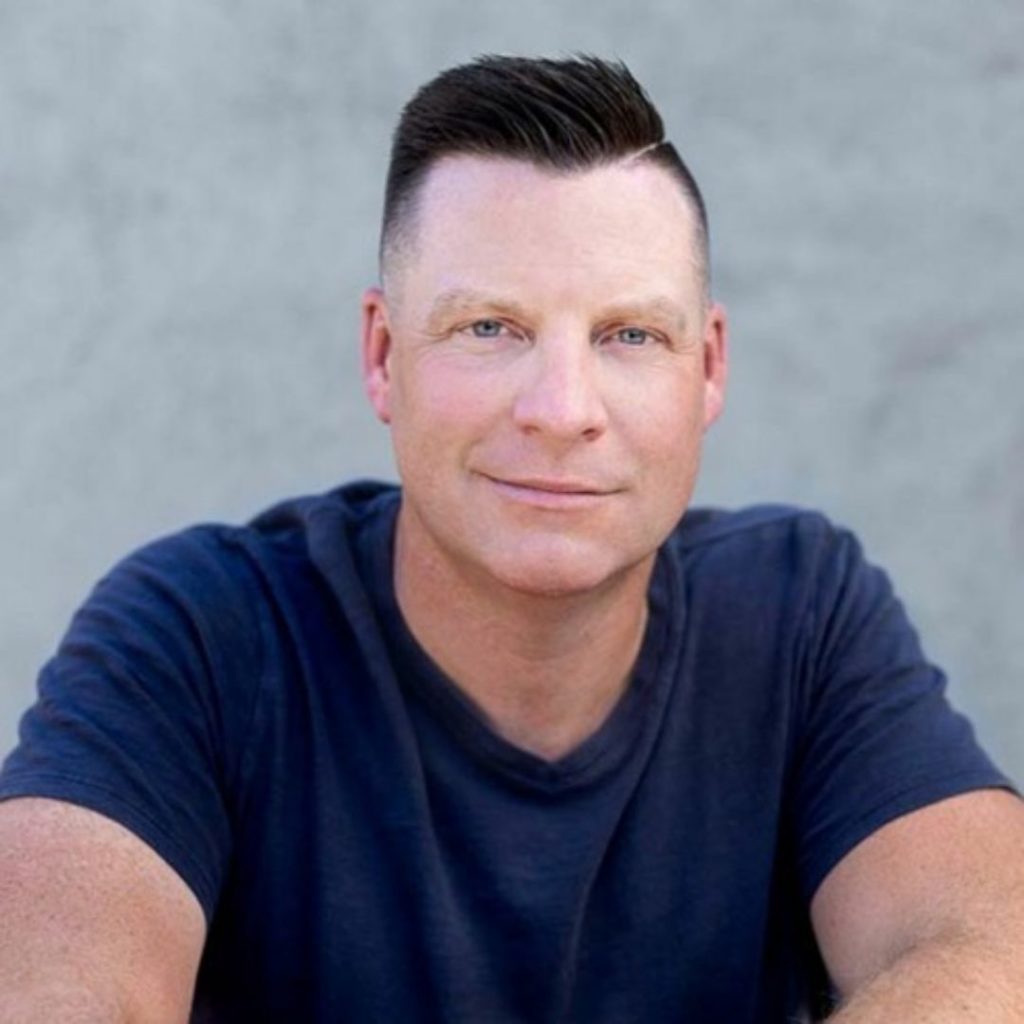
JM Ryerson covers High Performance Leadership in this Marketer of the Day episode. JM Ryerson explains how to upgrade your mindset so big goals get met without burnout. He starts by attacking self limiting beliefs with three questions: is it true, why do you believe it, and how is it showing up. To build new habits, he works in 90 day sprints, noting research that habits form in about 66 days, and uses daily check-ins on attitude and activity. One exercise draws a line between victim and victor to reveal how excuses feel negative while ownership feels energizing. He adds the ABCs, align, believe, choose, plus gratitude, quiet time, and courage to fail forward. In relationships, alignment matters, and he cites two fixes: no drinking and driving, and no negativity before 9am.
He built and sold three companies, but what makes Executive Coach and Best-Selling Author JM Ryerson stand out is how he helps elite performers win in both business and life—without burning out. As the creator of the SELF Method (Strength, Energy, Love, Freedom) and host of the Let’s Go Win podcast, JM equips leaders to balance high performance with lasting fulfillment, ensuring they thrive instead of merely surviving.
In this episode, JM shares insights from Let’s Go Win: The Champion’s Daily Playbook. You’ll learn practical strategies to chase big goals, break free from survival mode, and build a culture of resilience. If you’ve ever felt the pressure of success pulling you toward burnout, this conversation shows how champions are built—one intentional habit at a time.
Quotes:
“Winning isn’t about burning yourself out—it’s about building yourself up with strength, energy, love, and freedom.”
“Too many leaders are in survival mode. True champions learn to thrive without sacrificing who they are.”
“Success means nothing if it costs you your health, your family, or your joy. The real win is balance.”
Resources:
- Follow JM Ryerson on Facebook
- Connect with JM Ryerson on LinkedIn
- Listen to the Let’s Go Win Podcast
- Let's Go Win WITH JM Ryerson
Podcast: Play in new window | Download (Duration: 26:21 — 36.2MB) | Embed
Subscribe: Apple Podcasts | Spotify | Amazon Music | iHeartRadio | Podchaser | RSS
Transcript
Download transcript (.txt)He built and sold three companies. But what makes JM Ryerson a rare breed is how he teaches elite performers to win in business and in life without burning out. He is the creator of the S, E, L, F method, the self method, and he's the host of the let's go win podcast, and Mr. JM helps leaders balance strength, energy, love and freedom, and that is what we are here to talk about today on the marketer of the day podcast with Robert plank. We're brought to you by D FY podcast.com where your show becomes your best leadership and culture building asset. And here today with Mr. J Ryan or Ryerson, we're here to talk about, let's go win the Champions daily, playbook and upgrade and how to chase big goals and so much more. Right? Get out of survival mode. We need some help. Mr. JM will help us. So Mr. J I'm glad to see you. Glad to be speaking with you.
Hey, Robert, thanks for having me, brother. I appreciate it. And just good to see your face, man, good to connect with you again.
Likewise, yeah, we connected it for a few minutes, maybe a few weeks ago, and then we're like, hey, let's get together. Let's have a fun conversation. And to fill in our audience, what are you all about? We did a little bit of an introduction. But what gets you just sort of, sort of like, lit on fire these days.
You know what I do every day is I started the let's go win company based on I wrote my first book for my kids, and the whole idea was to inspire them to live their best lives. And the gal I was working with said, man, you're selfish. If you don't, you know, share this with more than two people. I said, Okay, no problem. You're right. Publish it. And now, brother, every single day I get to work with people on helping them achieve their dreams, whether that be in a business relationship, whether that be in a coaching relationship. And so every single day I get to help people, you know, be a small part of them achieving their dreams. There's just nothing better, in my opinion, to watch somebody accomplish something that they never thought they could. Like, you know, watching these people, I can only make, you know, $200,000 a year. Now they go to 2 million. Now they go to 20 million. Those are some of the stories that I get a chance to be a part of. And it's just it's so remarkable because I see it differently. I see you in a much bigger light. So that's what fires me up on a daily basis.
Very nice. And we've all been, at some point in our lives, woken up by someone like that, right where we're kind of just stuck with the same old people. And then we we meet a stranger like you who sees us completely differently, and we say, Cool, now I'm on a different path. And so it seems like for you, it's all about the people and helping people, right? You wanted to help your kids now you're helping others, and you're helping them think bigger and act on a larger scale. And so when people come to you and you said that people get stuck or they get burned out, like, what are they verbalizing? Do people not have goals? Do they feel stuck out of options? What's the problem they're presenting to you?
Yeah, brother. So there's only really one thing I hate in life. I try not to use the word, but I hate self limiting beliefs, and that's what they come with. I can't make money because I'm overweight because I'm just think of the self limiting beliefs that are out there. That's what people come to me with. And I'm like, Okay, well, let me ask you a question. And audience, if you want to write these things down, I mean, these are three questions I ask everybody, is that true? Like, are you really unable to make money? Is that true? Second question, why do you believe that? And the third question, how's that showing up in your life? And what you're gonna find is often we receive these self limiting beliefs from mom, dad, brother, sister, you know, somewhere along the line, and we adopt this belief. I don't see that when somebody walks. I don't have that baggage. I get a chance to see this incredible person in front of me with unlimited potential. They're just limiting themselves. And so I just ask them some simple questions, get them to realize that, oh my gosh, I created this story. I have the chance. Just like you mentioned my third book upgrade. Let's just upgrade that story a little bit, and I can speak to this from a very, you know, close place, because that was me. I had a real limiting belief around making money because of my upbringing. And then I realized, well, that wasn't even my story. That was something that I adopted from my dad, who adopted it from his dad, who adopted it from his dad. So I'm taking this belief from three generations that's crazy, and then you start to realize, oh, I don't have to be this way. I can do anything I choose to, if I if I find the right person to connect with, if I'm willing to overlook these self limiting beliefs. So that's usually how the conversation starts. And as a coach, it's just so easy, because I don't have any of that that you have, I just get a chance to see the unlimited potential and say, All right, let's strip that away and let's get to work.
Very nice, you're breaking the generational curse, so to speak, aren't you? You're asking these questions and just changing the story because, like, I mean, I don't know about you, but I think about this all the time, that the you know, the story can keep you in your comfort zone. And comfort zone gets a bad rep where you kind of, like, can't expand beyond a certain point, but it also keeps you safe, right? Keeps the bottom from falling out. So it's like, kind of a mixed bag, isn't it? The story you tell yourself, it saves you from complete failure, but also kind of holds you back with that ultimate success that you could achieve. And so, like, what's the timeline like? Like, you say that you're a coach, you help people. Like, what's this kind of like timeline, the process, the meetings. What's it usually like? How long does it take for someone who's maybe trapped at that 200k a year you're describing, and you get them to get to 2 million, 20 million. Like, is it like, weeks, months, years? How long does it take? So you're gonna
see pretty radical change in 90 days. And the reason 90 days, it's it's not science, but it is something that 66 days it takes to create a habit. That's the most recent study. Now, when you are stripping away a self limiting belief. There's a lot of habits that are in there. As you said, that's a comfortable routine, even though it may not be serving you. You're feeling safe, you're feeling comfortable. Well, that's not where growth lives when you're uncomfortable. That's when you know you're growing and so really, for 90 days, and that's why I wrote the second book. Was I wanted a document. I wanted a living, breathing thing that anybody could take, and if you followed the champions daily playbook for 90 days, you can accomplish whatever goal that you want. And I actually tested it for myself recently. I always like to just check in, and one of the things I did is I had become a little heavier than I was used to, and I was like, All right, look, I want to get down to this goal weight. Well, in the last 12 weeks, I've dropped the 40 pounds that I said I was going to do. Is it magic? No, it's literally just following this simple process of checking in. How did I do because I believe that you're you're completely in charge of two things, your attitude and your activity, and most people don't check in on them. So for me, how is my attitude? How's my activity? Am I doing the things that I am wanted to do to hit this weight goal? Yes, great. The weight starts shedding off. And it's the same in business for growing companies, which is really my specialty, or for writing a book, or whatever goal you have, in 90 days, you'll see radical shifts. I like it the value
of checking in daily, of saying, Well, I'm I'm seeing where I'm at. I'm not letting this half written book, I'm not letting this weight loss goal sit on the shelf for three months, three years, and then I imagine that there's some magic that goes along with that, because when you check in, then you say, oh, you know, I can put five minutes into this, I can take a walk, I can lift some weights, and the next thing you know, it's built into your schedule, and next thing you know, it's in your subconscious. Because you check it so much, I imagine your subconscious is saying, hey, you know, I'll start having dreams about this. I'll start waking up thinking about this, because you're dedicating part of your day to it like this must be so important. And we hear a lot of these things, but for some reason, it doesn't always stick right. People just kind of, they learn this on like a surface level. But luckily for us, we have you here, and you have some outspoken opinions, right? You have the self framework, yet I imagine you say some things that stand out there that are kind of help us, where the other generic advice might fail. And so what are those sorts of things? What advice do you have that seems to stick and work and create lasting change, or maybe the generic stuff doesn't.
Yeah, and what you just talked about is really creating routines, which ultimately routine doesn't have. Most people hear routine and they think, oh, that's I don't like a routine. It's boring. Look, we thrive as human beings on routines. Now the key is, does it serve and so to your question, what really sticks with people is when you get them to realize that I'm not accomplishing whatever goal, they're all excuses. And one of my favorite exercises, if you have a piece of paper and you take a line and draw it right down the middle, on one side, you put victim. On the other side, you put Victor. And if you go through and write down how it feels when you're a victim, overwhelmingly, it's going to be extremely negative. Now, on the other side, how do you feel when you're a victor? And you're going to see it's overwhelmingly, like 99% very positive. Well, the challenge you have is, most people like to live in this land of victim, because people feel sorry for you, empathy and so one of the things I make people realize is you're not a victim. You're choosing to be a victim right now, and that that's a path that you can take, but it's you came to me because you're not achieving the goals that you wanted. So why don't we take a page over here? Let's let's be in the victor side. Let's make the choice to have this control, to to really own whatever happens, good, bad or indifferent. I get to own it and say this is in my control, because, as I said, you're in full control of your attitude and your activity. And the question I follow up right behind that is, how's yours today? And is interesting? You and I were talking up air, and you even said, you know, it's not maybe my favorite day. Hey, that's self awareness. But what can we do? As you said, go for a walk. Go for a workout. You know, listen to positive music, something that triggers you to show up as the best version of you, because it's okay to have a bad day. It's not okay to have seven bad days in a row. It's not okay to have 100 bad days in a row. Now we're talking about creating a life that you definitely don't want. So oftentimes with my clients, it's are you being a victim right now? And the answer is yes, and by the way, me too, it happens all the time, but how fast can I stop that so that I can truly live my best life?
Very cool. So it seems like you mentioned it's all about self awareness and the pattern recognition and then having the tools in the toolbox like that exercise of listing the Victor and the victim. And it seems like, when you you think about that comparison, right? The people that are maybe stuck, and I could just a little bit miserable and a little bit like happy that they're in victim mode, it's like, well, that's a set of tools that they use, and maybe don't realize it. So maybe it's time for some better tools, right? It's better to have this accountability partner, these better daily routines and get to a better life. And we both know that it's not always a straight line. Is it, like we just said, some days are better than other others, and I'm curious about you, Mr. JM Ryerson, and your own personal struggles, because those are always the most interesting, right? So where have you really had problems, or where do you sometimes not have the best stage or the best results.
Well, I mean, I've had two major ones in my professional career, right? I had a business partner steal a couple million dollars for me that that wasn't great. I had my dad die in a very tragic way just over three years ago. And those are the ones that really test you, where it's like, look, this sucks. There's no doubt about it. It's it's really hard, especially losing your hero right in life, and to lose him in the manner that I did. It was, it was really challenging. And I think the one thing that I would say to people is it's okay not to be okay, right? You're gonna go through that grieving process. You're gonna have those challenges, but don't let that, you know, define your life. Those those moments. Don't define who you are, unless you allow it to. So yeah, having my business partner, who was literally my best friend, you know, family friend for 10 years, my kids stayed over at his house and vice versa. To have that happen that sucks. So you know what? That doesn't define me and and our relationship in general. Now we're not going to be business partners any longer, but I'm not going to sit there and say, Woe is me. Look how, look how awful this is. It is, what it is. Let's get back up and let's go create something even better. And I think it's that ability, that resilience, to have that to get back up even though you've been knocked down. And it's kind of like, you know, watching the old Rocky movies like that guy gets knocked down, knocked down, but he continues to get back up. That's life. You're gonna get knocked down, man. You're gonna have some crappy things happen to you. How do you respond in that moment? Not react, because in the moment you might react poorly. But if you respond, if you say, Okay, this sucks. I'm gonna accept that for a moment, and now I'm gonna put my best foot forward. Now you got a chance, man. Now you got a chance to get back up, go create something even bigger, which I did right after having the business partner. You know, it's, it's awful, and I've created something even bigger. I can't get my dad back. I wish I could, but I have a perspective on life that I could never have if I hadn't lost him the way I did. So it's just, it's really having that ability to stop and say, okay, that sucks. Now how do I respond?
Very nice so you've got your bounce back, you've got your resilience, and you say, this event didn't define me. It's about how I respond later. And there's also the kind of unspokenness of the gratitude, right? Like, I'm sure you have lots of. Fond memories of your dad and fond memories of the business partner, maybe when times were good, and it's like, well, there, there's a mix of the good and the bad. And so you've sold these three companies, right? And I imagine that you've seen some things there. And what's always fun is thinking about the aggregation, right? Think about like, Think and Grow Rich, and like, there's these people that they all have life or they have business figured out, and there's like this, these collection of qualities, and they say, Hey, here's the most important factors, and all the rest doesn't matter as much. And so what are those factors for you and selling these three companies, like, when it comes to leadership and success and showing up and all those things like, what do you think is important? What should we focus on? Maybe, what's not like spoken about enough these days?
Yeah, it's a great question, man, and I love the way that you brought in the gratitude piece. And that's 100% if you don't have a gratitude practice today, just start. You've heard it enough. This is an absolute huge part, no matter how bad it is in that moment, being able to say, I'm grateful to be alive to even witness it, that is such a huge part of it, so that I'm got, I have to give credit to you on that you're absolutely correct. It's a huge part of what I do. The other thing is getting silent, and people might go, What are you talking about? But literally, we have so many distractions today. You have cell phone, email, AI, I mean, you have so many things just coming at us, the ability to stop and actually just get silent with your thoughts. It's incredible. What will come now again, it might not be your thoughts, whether you believe in God or the universe. Allah Buddha, I don't care. There is energy in this world. And when you can slow down and really just give yourself the gift of silence, you're going to find some incredible stuff. And then the last one, I would say, was just courage. Have the courage to get up and and fail. Have the courage to, you know, put yourself out there, because no one wants to look back and say, Gosh, I regret not doing X, Y or Z. That's when you talk to there's a, there's a book called The Top Five Regrets of the Dying by brony ware. And one of the biggest things that comes from that book is these people reflect they're in palliative care, they're literally about to die, and one of the things is the regret of looking back and not having the courage to live their best life, to not have the courage to live the life that they really wanted to so I those would be the three that I would say is, is Really the gratitude getting still and quiet, and then ultimately, you know, have the courage to put yourself out there,
gratitude, stillness and courage. What a great list, right? We need to take that calculated risk and have that adventure. And I feel like I am getting an A plus on my homework assignment. Mr. JM Ryerson, because I'm saying things and adding and doing my best to not one up you, but you're saying, Hey, you're such a genius. Robert plank, thanks for adding that, but I want to make sure that you're the star of the show. And I'm sure, like, there's a really good question, but I could ask you, would get, like, a plus, plus marks with you? But since we don't know each other that well, I don't know what that ideal question is or could be. So in this conversation we're having, what's the missing question? What should I be asking you? I just don't know to ask
you. I You know what? I do love this question because I do it to my guests as well, and it's really hard when you even prep me for it. You know what I would say is, ultimately, I want people to live their best lives, and what that looks like is really being in alignment. My most recent keynote that I that I wrote and then have been speaking on stage, it's the ABCs that changed everything, and the A stands for alignment. I think so often, when we get out of alignment, that's when things get really messy. That's when relationships get messy. That's when business partnerships get messy. That's when if we're not in alignment with who we are, that's when we're not showing up as the best version. That's when we're not able to as I was. I was out of alignment and weighing, at the time, almost 275 pounds. Got back in alignment. Got real clear with my diet, my exercise, and now, you know, 235, and it's like it's not difficult, but it is challenging. And what I mean by that is it's not difficult to know what's important to you, what is truly in alignment with you. It is challenging to always stay in that lane, and when you get out of it, that's when you want to be the victim. That's when you want to be like, No, you don't understand this relationship isn't working because they're doing x look in the mirror, man, you are out of alignment with who you are. And I can again, speak from experience, my wife and I were almost divorced, separated for a year. It wasn't because she was wrong and I was right, is because I was out of alignment. We were out of alignment with one another since we've been married almost 20 years. Now, life is beautiful, but we had to get clear on what is the alignment of our values and how does that work with one another.
Very nice, and if you don't mind me being too personal, like, what was out of alignment? Like, sometimes people talk about values and what floats in my head are, like, you know, terms, keywords, groups of words, but like, what was misaligned there? If you don't mind me asking
such a good I mean, for my wife, it was really simple. At the time, I was working hard, but also we worked hard, we played hard. And her one thing was, no drinking and driving. It's so simple. I say it out loud, it's so simple, and yet I didn't respect those boundaries. Okay, going back, it's like, gosh, Uber, walk, stop drinking. It doesn't really matter. It's so simple for me. All I wanted was it to be positive until 9am after that, you can tell me the world's falling apart, but literally, those two things were crushing our marriage, me with the drinking and driving, and her with, you know, bringing some negativity before 9am because that's usually my sacred time where I'm spending time on myself, once we fix that. Robert, it was like so easy, and now we just dance through life. Now does that mean we don't have of course, we have problems. Any relationship does, but we absolutely have been thriving together. And it was that that was all that was out of alignment was those two simple things, and
you have to imagine so many problems in hindsight, just seems so minor and silly. Like, why don't I just fix that little thing? It could have been a lot more happier, more fulfilled. And so it's a great conversation we're having. And as we're saying at the beginning, like, sometimes you just have to have a good chit chat with someone such as yourself, and get put in a better mood and be like, hey, you know I'm I'm rocking and rolling now. And if someone out there in podcast land is listening or watching our conversation, they say, Man, this guy. JM Ryerson, he's got it going on. He's got a lot figured out. I'm encouraged, I'm inspired, I'm curious. And he mentioned some of these things about his coaching or his books or his keynote presentation. So if someone's been bit by the JM Ryerson bug, how can they get their fix? How can they get more of the good stuff from you? What's the call to action?
Yeah, thank you, brother. I'd say there's two places go to. Let's go win.com free resources all over for you guys. And also the let's go win podcast again. It's something I'm proud of. I'm so pleased to be a guest on your show. But you know, if anybody's sitting there going, you know, I want to double my revenue in my company, go go to info at Let's go win.com send an email, and let's get connected, and let's see if we're the right fit. So those would be the best resources. And, brother, you asked great, insightful question. Thank you so much, and
thank you for thanking me and thank you for being here. It's always good to have more positivity and these routines and habits and things, as you said, like they're not sexy on the surface, but hey, if it gets you there, and if it gets you to the light that you want, and then it can be exciting. It's sometimes we make these excuses, we tell ourselves, these lies, these stories, and it's just it does it is hard to change, unless there's like a crisis, or we just get this kind of daily dose of someone like you who just says, Hey, you know, there's a better way. You can tackle some of these minor problems and make these adjustments and be on a better path, a better better trajectory. So you say info at, let's go win.com is that email address? If someone says, Hey, you know, Mr. JM Ryerson, I liked your ideas about doubling or 10x ing, my company's revenue. What does that look like? How can that happen? That's a great conversation to start. You said, Let's go win.com so that way someone can find out more about you and find out about your podcast, and that's the next logical place to go. But as we're checking out those resources, it's time for the scary part of the podcast. Mr. JM Ryerson, where I try to stump you. I try to put you on the spot by asking you about a fun quote or lesson that has served you. So what comes to mind as far as a fun quote or lesson?
My favorite quote is by Henry Ford, and it's very simple, whether you think you can or can't, you're right. And I just think it's such a profound, simple quote, because our mindset literally creates our reality. And I it's just, it's one of those quotes that stuck with me. And every time that I say I can't, I'm right. When I say I can, I'm absolutely right. And it's just, I hope people resonate with that to where it's like, Look, you are the one creating your story. You can flip that page go to a new. Chapter and create whatever life you want, but it is on you. So that would be my favorite quote, brother. And thank you for bringing it up, because it's one that makes me, gets me excited.
It's very helpful. We need to be giving some of these issues some thought. Get it pointed in the right direction. And the direction we want to point you in is, let's go win.com. Go there. You'll be glad you did. And you can check out these books for Mr. GM Ryerson there. There's let's go win. There's that champions daily playbook, which you mentioned about that 90 day process, and then upgrade. So if you are chasing those big goals, but you're feeling drained, you need to reset, reclaim your energy, get some new and better results. Let's go win.com is the place where you should go right now. And Mr. J O Ryerson, it's been wonderful speaking with you. Thanks for being here,
Robert. Thank you so much, brother. I appreciate you. You.
Subscribe
If you enjoyed this article, subscribe to receive more just like it.


