1582: ADHD, Dyslexia, Autism, and School Support Strategies with Tracey Lyons-Tozier
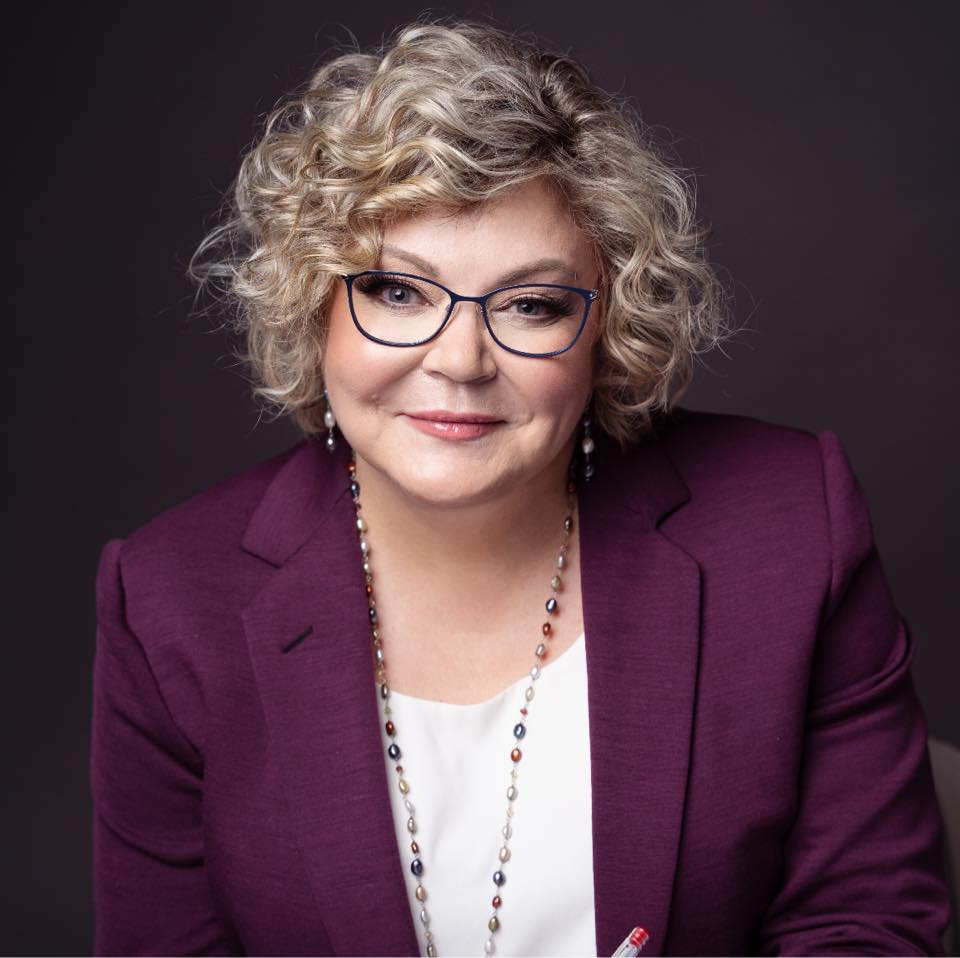
Tracey Tozier covers Special Education Advocacy in this Marketer of the Day episode. Tracey Lyons-Tozier shows how children's books can help families understand special education rights and speak up with confidence. She explains how IEPs and 504 plans deliver school services, but parents often need help decoding the alphabet soup. Her first book, Benny Speaks Up, teaches calm assertiveness instead of silence or aggression. Fiona Finds What's Fair uses dyslexia, ADHD, extra test time, and a quieter room to explain that fairness means getting what you need. Mikey Can't Help It helps siblings understand level two and three autism, public behavior, and hidden disabilities. Her upcoming ADHD book adds chore charts, medication, therapy, an IEP for Jack, and a 504 for Abby.
In this inspiring episode, Tracey Lyons-Tozier joins host Robert Plank to discuss her mission of helping families navigate the world of special education, neurodiversity, and self-advocacy through her powerful children’s book series, Mama Bulldog Books. Drawing from her experience as a master’s-level clinical social worker, professional education advocate, and parent of children with autism, ADHD, and learning disabilities, Tracey shares how personal struggles, including a devastating legal battle with a school district, inspired her to empower other families facing similar challenges.
Whether you’re a parent, teacher, advocate, or simply someone passionate about inclusion and education, this episode delivers practical insights, emotional encouragement, and hope for families navigating special education and neurodiversity.
Throughout the conversation, Tracey explains how books like Benny Speaks Up, Fiona Finds What’s Fair, and Mikey Can’t Help It help children better understand autism, ADHD, dyslexia, IEPs, 504 plans, bullying, fairness, and emotional regulation. She reveals why teaching children to advocate for themselves is one of the most important life skills parents can nurture and why compassion and understanding are critical for both neurodivergent and neurotypical kids alike.
Tracey also opens up about the emotional realities of parenting children with special needs, the challenges families face in the education system, and the importance of having advocates during IEP meetings. She shares details about her upcoming ADHD-focused book, Abby and Jack Aren’t Bad Dogs: Mama Bulldog Tackles ADHD, which explores hyperactive, inattentive, and combined ADHD presentations through relatable family storytelling.
Quotes:
“Fair isn’t everybody getting exactly the same thing. It’s everybody getting what they need to learn.”
“Not being timid and silent, not being angry or aggressive, but being calm and assertive, even when you’re scared that’s how children learn to advocate for themselves.”
“I promised myself at that moment that if I could keep anybody from hearing ‘Google it,’ I would.”
Contact Details:
Podcast: Play in new window | Download (Duration: 33:27 — 45.9MB) | Embed
Subscribe: Apple Podcasts | Spotify | Amazon Music | iHeartRadio | Podchaser | RSS
Transcript
Download transcript (.txt)MOTD1582-Tracey-Tozier Robert Plank: [00:00:00] Tracy Tozier is here, and she is passionate about educational rights for all children. She's a master's level clinical social worker, and she has a series of children's books. There's Benny Speaks Up, Fiona Finds What's Fair, and Mikey Can't Help It, and she even has an upcoming book about ADHD. So Tracy has a dream to support as many families as possible with tools and skills to navigate our education system. Robert Plank: So if you're a fan of children's books or you're looking for something new to entertain the kids, you want to know all about these stories that inspire courage and compassion, there's the Mama Bulldog series. We'll find out all about it, and Tracy Lyons Tozier as a person, and just hear some interesting stories, right? Robert Plank: Find out about the ups and downs of the self-publishing world. So Ms. Tracy, how are you today? Tracey Tozier: I'm really great. Thank you. Thanks for having me on. Robert Plank: Happy to have you. And so what do you think we left out of that introduction? What [00:01:00] currently has you so passionate and fired up? Tracey Tozier: Um, I'm also passionate about educating, um, parents and teachers and typical kids as well as kids with special needs about what they have. Tracey Tozier: Okay. So my books, um, can be used in a variety of ways and settings depending on, uh, what the purpose is, but it's always helpful for people who don't have special needs to learn about them, to have compassion and a little bit more knowledge. Robert Plank: Ooh, very nice. Yeah, reading's important and learning's important, and the, uh... Robert Plank: Like, I have a, a kid on the autism spectrum, a, a six-year-old son, and then his teacher s- always shares me with the techniques. Like, there's some kind of, like, stories, like a PowerPoint slide you can present, and it's like these kids books- Mm-hmm ... are kind of, in a way, like some of those stories about, like, being kind to someone and manners and social skills, and it just seems like even as adults, right, we kind of backdoor in these important [00:02:00] lessons. Robert Plank: Because if we're reading textbook facts and figures, like we have the resistance, but if we experience a, a fun story, then the lessons work their way into us, and that seems to be like a, a, a better path to learning and growth. And so I'm all about that. And so as far as these books, like what are they? Tracey Tozier: Um, these are books meant for parents of elementary and maybe middle school kids to read with their children, um, to teach them, help them learn about different situations, and help the parents and the kids realize that they're not alone in what they're experiencing. Tracey Tozier: Because having special needs in a typical, um, general education setting or being a parent of a child with special needs, as you probably know, can be an isolating experience. Sometimes you feel like, "I'm the only one going through this." Um, and, and it's good to know that you're not alone and you're not the first one to have walked this path.[00:03:00] Robert Plank: Oh, yeah. And I think- When my son Tracey Tozier: was- Robert Plank: Oh ... w- Tracey Tozier: w- when my son was diagnosed with autism, I was told by this huge conference table full of medical professionals when I said, "Okay, he has autism. What do I do now?" And they looked at each other like, you know, I'd turned dangerously stupid and like deer in the headlights, and they went, "Um, um, um." Tracey Tozier: One doctor said, "Uh, Google it." And I said, "Do you know how much misinformation is out there on the internet?" And this was in, like, 2004 or '05. Okay. So things were really sketchy back then. Robert Plank: Yeah. Tracey Tozier: Um, and I, I promised myself at that moment that if I could keep anybody from hearing, "Google it," I would. Robert Plank: Yeah. It's, yeah, it's, it's, it's... Robert Plank: Uh, my mom used to say, "Look it up. Go to the library," and that's just the modern iteration of that, and it basically says, "I don't even want to help you. I don't even wanna help you with the questions you would ask or where to look. Just shoo, go away and find something else." But a- as opposed to saying, "Well, hey, here's this book. Robert Plank: Start there, and you don't have to get it all solved at once. Just make [00:04:00] some initial steps," and it can be fun, and it can be this relaxing experience to, uh, read this heartwarming story to your child. Hey, that's a, a good start, right? That makes me feel like I am at least working on the problem, so that way I know I'm not resting on my laurels, and I won't let the stress win. Robert Plank: And so, but we also know that there are so many kids books, right? I don't even know how many, like, thousands of new ones per year. So what, uh, sets the Mama Bulldog series apart? Tracey Tozier: Um, my publisher did some research before I released my first book, and what she discovered was that there were no, zero, books on the market about kids with individual education programs or 504 plans, and those are the means that public schools and public charter schools have, um, for delivering services to these kids. Tracey Tozier: So, um, having kids and parents see themselves in [00:05:00] the education process, uh, was a, a- apparently a new concept in the children's book world. So I was really glad to fill that need. Robert Plank: Oh, nice. And, and I'm familiar with the, the IEP meetings. I do those twice a year, and when I go to them, it, it is tedious, and the first couple times I was like, "Okay, we're going through, like, 67 pages and all the, the goals." Robert Plank: And at first I didn't feel like I understood what was going on, but after, like, three or four of those, I'm like, okay, I, I feel like I'm, I'm more fluent in it. And every time I go, I just think, like, h- I feel extremely lucky for it to be this year and not, you know, not 2005 or not 1985 because it, like, i- like you said, even in, in your era, there was just so much unknown, and i-i-i I feel like it's more systematized. Robert Plank: Like, I feel like the, the training is better, and the, the educators kind of know more of what they're dealing with. Tracey Tozier: Absolutely. Our challenge now is the current political [00:06:00] environment, um, uh, the, uh, destruction or attempted destruction of the Department of Education, um, gutting the Office of Civil Rights, which was o- the oversight and recourse for parents, um, who weren't, whose teams were not delivering the 504 services, um, that they needed because the five- 504s were governed by the Office of Civil Rights, which, which now is, like, nonexistent for, in, in all practical reasons and for the purposes of, uh, filing a complaint that your child's civil rights have been violated in school. Tracey Tozier: Um, and there are so much, so many more, you know, urgent, important complaints out there that, you know, kids in school, you know, who aren't getting their services are, like, way down on the list of priorities right now. So that's, that's a, that's a challenge right now. It's kind of the Wild West out there. Tracey Tozier: Yeah. I've had, I've had a teacher look at me and say, "You know, [00:07:00] I don't have to do anything that's on that 504, and there's nothing you can do about it." And I fired back, "Well, why did you become a teacher? Was it just for the, the summers off and those great benefits? You know, if so, you might wanna rethink your life choices." Tracey Tozier: And I walked away. Robert Plank: Yeah, it's ridiculous. I- But sometimes you have to- Sometimes you have to do what- ... stand up for yourself in that way ... Tracey Tozier: right. Well, and my, my real job, in addition to being an author, is, um, I'm a professional education advocate and consultant, so I am Mama Bulldog. I go to meetings- Oh, yeah, yeah Tracey Tozier: with parents and, and help them understand the IEP process, and I know what questions to ask, and I know what the schools can offer, but they're not gonna tell the parents about it because it requires more staffing, more money, um, more time, more effort. Um, but I know what, what can be requested in those situations, so it, it's really fun. Tracey Tozier: I get to social work my clients- And, and they- ... and help them, support them, and, and I get to kind [00:08:00] of, not lawyer, God forbid. No, I don't have a law degree. I can't, I don't wanna practice law without a license, but I can advocate in almost an attorney kind of way with the school districts and negotiate. I'm also backed up- Oh, yeah Tracey Tozier: by education attorneys. So if they don't wanna deal with me They can deal with who's behind me. Robert Plank: Oh, nice. It's fun. So y- yeah, y- you have some resources. And lawyers on TV- Mm-hmm ... looks like so much fun, right? When the lawyers are in court and they, they know to say this, and they respond to that, and they speak up at that time, and it's like, I, I know that- Robert Plank: the real world is not like that, but with your, uh, kind of your, uh, your social work background, your teaching background, you can kind of, uh, experience that in, in, in some way, right, in the, the fun way. And so when you say that you kind of help the parents in the IEP meetings, like speak up for certain things, is there any common threads there? Robert Plank: Like, is there any, any question or aspect that you wish [00:09:00] parents, uh, with the, the IEP plans knew to ask? Tracey Tozier: Oh, boy. I just, I wish that parents knew that education advocacy is available. Whether you have money or not, you can get somebody to go to an IEP meeting with you. It's very hard to be an advocate, and objective, and thinking strategically, and to be a parent whose emotions are very much, um, caught up in the, in the process, right? Tracey Tozier: This is your child, and you're passionate about getting your child what they need. And, um, people don't call me when things are going great with the schools. Right. They call me when, you know, relations are strained and kids are suffering, and they're almost always in some level of crisis when they, they first call me. Tracey Tozier: So I wish they knew. I, I say on my personal website at tracylionstozier.com, which is the website for my advocacy [00:10:00] business, I, I say that my biggest mistake when my son and I sued a school district was not having an advocate sitting there with me. I thought I could do both things, and I couldn't. Hmm. And I wasn't a professional advocate yet at the time. Tracey Tozier: And we had a eight-day hearing that was very dramatic, very court- very law and order type courtroom stuff. Right. Um, and we lost on all eight counts of federal violations that we proved because the judge was friends with the principal of the high school that was involved in the lawsuit. And she said, "I believe everybody from the school district. Tracey Tozier: I don't believe anybody who testified for the parent. And the kid was just a little slow and unmotivated to succeed, and that's why he failed." Well, Mr. Slow and Unmotivated to Succeed gradu- repeated the 11th grade, which is, uh, by his choice. He was offered the chance to make up things during the summer and, [00:11:00] and evenings. Tracey Tozier: He said, "No, I wanna just repeat the 11th grade and, um, learn the content that I need to learn because I wanna go to college one day." So he repeated the 11th grade. He graduated with a 3.75. He's at Landmark College in Vermont, which is a college for people who learn differently. But you have to have a minimum of a, of a three seven, I believe, to grab grade, uh, grade point average to get in. Tracey Tozier: So these are not stupid kids, and they don't dumb down the curriculum. They teach the kids about their neurodiversity and, um, their learning disabilities and what they need to do in order to get information into their heads. So that's been fantastic for, for him. So Mr. Unmotivated To Succeed is in the process of becoming an environmental biologist. Robert Plank: So ha. Oh, very cool. Yeah. So, so you, you showed them. You showed that judge and that principal, and it's great that there's someone like you- Mm-hmm ... out there to help stand up for these kids. And as you say, [00:12:00] there's strength in numbers, and, uh, uh- Yeah ... you always think about, like, and the... And we were talking about, like, TV shows and Law & Order. Robert Plank: Like, whenever there's a, like, a murderer crime show, the murderer, it's their very first murder of, like, of all time, and then the police man or woman, they've solved hundreds of murders. So it's like there's this person that it's time number one- Yeah ... this other person time number 100. So it makes sense for going to court- Yeah Robert Plank: going to the IEP meeting, if it's your first time doing that, go with someone that it's their 100th or 1,000th time doing that, such as you. And so it's, it's great to hear about what you do and, and how there's, like, a little bit of an, an overlap, right? You, you do this good work- Mm-hmm ... and then you kind of have the, the books to raise your profile perhaps, but also just, like, help kids and, and get them to learn and, and love reading. Robert Plank: And so as far as, uh, the, the three books, is there one that makes sense as a jumping-off point, or is there one that is your favorite? Tracey Tozier: Um, a [00:13:00] jumping-off point, and probably the most universal book, is my first book, Benny Speaks Up, because that's about parents teaching their children, even young elementary school children, how to advocate for themselves. Tracey Tozier: Not being timid and silent, not being angry or aggressive, but being calm and assertive, even with teachers and administrators- Nice ... and even if they're scared or nervous to do it. And that's a message that can apply to any kid with any situation. You know, may- a kid without special needs needs to advocate for themselves sometimes. Tracey Tozier: You know, "Miss Smith, I don't feel well. I need to go to the nurse." And some kids have a huge problem doing that. Yeah. So it makes it okay for kids to speak up for themselves. Oh, yeah. So I think that's the, the most universal of my books, and it's my first book. Robert Plank: Nice. There's a nuance to that, isn't it? Where it's, and it, sometimes even adults ha- don't have that figured out. Robert Plank: Of am, am I being sh- too [00:14:00] shy or too aggressive or speaking out about myself, or if I see something, uh, that's not okay happening, do I speak up about that? It's, it's so tricky, and sometimes takes a lifetime- Mm-hmm ... so it helps to just get that, that lesson reinforced. And so you, y- they said that Benny Speaks Up is your favorite, and it was your first book. Robert Plank: And you mentioned something right before we started recording, which is that, like, like, uh, you're the bulldog, right? You kind of, uh- ... subconsciously or consciously inserted yourself into these books. Tracey Tozier: Uh, very consciously. Um, Mama Bulldog is an advocate and, um, actually my illustrator and publisher, Jen Novak, um, was the first one. Tracey Tozier: We were, we were talking about a case that I was really wrapped up in, and she said, "Wow, you really are a bulldog. You just sink your teeth in and don't let go." And I sa- I said, "Yeah, I am a bulldog." I try to be as nice and polite and, you [00:15:00] know, cooperative as I can, but if the school starts refusing to meet the needs of a child, I will bite and sink my teeth in and not let go of an issue. Tracey Tozier: Yeah, Robert Plank: sometimes that's- Tracey Tozier: So that's where, that's where the idea for Mama Bulldog came from. Robert Plank: Yeah, and that can be required sometimes, obviously not all the time, but when the situation calls for it, it's, it's time to be tough and stand up. And so were you always- Mm-hmm ... like this? Like, when you, when you were younger until now, did you have to evolve or did this skill just come naturally? Tracey Tozier: Um, well I, I have a master's in clinical social work, so in s- at some level the skills were always there. You know, even when I was younger, I was often the, you know, the teenage therapist for my friends. Um, and um, I would advocate for my patients in inpatient psychiatric situations. I worked for the juvenile court in beautiful, scenic downtown Detroit. Tracey Tozier: That was fun. Robert Plank: Oh, boy. Um, Tracey Tozier: and I was the [00:16:00] substance abuse program director at a locked residential treatment facility for adolescents. So I designed the program and had to argue to get 12-step meetings allowed on campus, and they said, "Okay, but you have to supervise them and stay late for work without pay." Tracey Tozier: I'm like, "All right." Um, so in, in a way the, the clinical social work was a natural segue into, um, you know, raising kids with special needs. My daughter was just diagnosed at age 25 with autism. Um, and, uh, oftentimes girls are not diagnosed until much later in life because they can mask. They can, they can hide the symptoms in school set- settings or, um- social settings, and they just sort of blow up when they get home. Tracey Tozier: And, uh, I didn't even realize that what I was seeing [00:17:00] with her fit the, the, the category of autism because her brother was so much more extreme. And she was like, "How, how co- You're a therapist, how come you didn't see my autism?" I said, "Have you met your brother?" So, um, and she has dyslexia, and my son has all of the specific learning disabilities. Tracey Tozier: So, um, it, it was just a natural progression for me. When we lost our lawsuit, I turned to my attorney and I said, "Now what do I do with all this rage and knowledge?" And she said, "You go take the special education advocacy training course offered by COPAA, the Council of Parent and Attorney Advocates," which is a great resource for parents, and I think it's like 50 bucks a year. Tracey Tozier: And you can ask, you can ask a question and get answers from education attorneys and professional advocates all over the country. Um, they have webinars on every possible topic known to special education. [00:18:00] Um, and, uh, they offer the, these education opportunities like, um, the special education, um, advocacy training class, the, an advanced one that's like a 10-month graduate school class. Tracey Tozier: Um, and then there's a practicum that you have to complete as well under an attorney or a trained advocate, and it really helped me get-- Um, I knew the s- the people skills, the social worky skills, but legal research, you know- Not, I w- I was not so great at that. And I think it just helped round out my education so that I could be effective and try to make sure that nobody else had to go through what I went through. Robert Plank: Oh, very nice. I don't even want to Tracey Tozier: know how much money we spent on that lawsuit that went nowhere. Probably $100,000. Whoa. Robert Plank: And then, and you said after that failed, you, you tempered your rage and you said, "Hey, I'll, I'll r- focus it on something productive for others." And it just goes to show how important learning and education is, right? Robert Plank: I think that, [00:19:00] uh, I- Mm-hmm ... I know I can't be alone, that when I was a teenager in high school, in that 11th grade sort of age, I thought, "I can't wait to be done with high school and college, and then learning will be over." And the joke's on us. We have to maybe learn even more as adults. And I know, like, when the, the regional center, uh, visits and says, "Hey, h- here's all these programs," and they lay out like one page at a time, like 35 different things, I get so overloaded. Robert Plank: But it's like, hey, you have to- Mm ... put those skills that you hated back in school back to use and say, "Hey, I need to learn some of these things. I need to get the foundation and know who I can contact and get certified and what- whatever's necessary in order to get... Speak the proper language and navigate that system." Robert Plank: Because it is set up. We just have to, uh, figure out what's there and, and perhaps if it's overwhelming for us, then we could use the help of someone like yourself. And I want to make sure, like, we kind of round out the conversation because there's those two other books. There's Fiona Finds What's Fair and Mikey Can't Help It. Robert Plank: So what are [00:20:00] those books about? Tracey Tozier: Fiona Finds What's Fair is about, it's another pretty universal book. She has dyslexia and her friend Abby has ADHD, and they get to have extra time on tests and go to a separate room that's quieter, um, than the classroom environment in order to take tests. And Charlie Chihuahua stands up and says, "That's not fair. Tracey Tozier: You know, they get to do, you know, they get to have a advantage, you know, special, special things that we don't get." And, um, Fiona uses several examples to explain to Charlie and the class, um, that fair isn't everybody getting exactly the same thing, it's everybody getting what they need to learn. Hmm. Um, and she uses examples like, you know, when George Greyhound broke his leg, he needed extra time to get to class and somebody to carry his books and open the doors for him. Tracey Tozier: What if he hadn't got that help? He wouldn't have been able to go to school, and would that have been fair? Or, you know, Mr. [00:21:00] Wolfhound brings pizza for lunch, but Billy, you know, gets sick when he eats cheese. So should Billy just not have lunch that day? Is that fair? Hmm. Um, so it's, it's things that kids can really understand. Tracey Tozier: And, um, so that in, in that way, the book is also kind of universal, and it deals with bullying, um, by peers and by teachers and administrators. Um, and, and that story is dear to my heart because it's pulled straight from my daughter's life. Her middle school principal in California, and I worked for, um, an autism expert, uh, through the regional center system, so I know exactly what you're talking about. Tracey Tozier: Um, but, um, she promised me that she was gonna take away Fiona's 504, and I said, "Try it." And she didn't. Oh. I had to... I went to the superintendent, just like Mama Bulldog does in the book. We got her tested, just like in the book, and she was allowed to keep her 504. And then she was allowed to explain to the classroom bully that, you know, [00:22:00] "This isn't any special advantage. Tracey Tozier: This is why we need what we need." Um, and so, and he, he accepts the explanations and, you know, everything is good. Robert Plank: Nice. So you, it, you o- once again apply real life and you put it through the narrative filter and it's, it's even more interesting, right? Because there's the kind of the, the nuance and it's, it's dances around the issue so we can really think about it. Robert Plank: And so, so there's Benny Speaks Up, Fiona Finds What's Fair, and then Mikey Can't Help It. What's that one? Tracey Tozier: Mikey Can't Help It was requested of me by a lot of people at the National COPA Conference one year. Um, and it's a book aimed at siblings, but also parents of children who are diagnosed with profound autism or more, more heavy-duty autism. Tracey Tozier: Now they do levels, so this would be autism level, [00:23:00] more level two and three autism. Um, not that kids with autism level one, you know, parents don't need this too, and, you know, the, the siblings might need it as well. But it, it... Fiona and Benny get a little brother, Mikey, who has autism, and he embarrasses them in public and at school by acting weird, and the kids, you know, love him, but they don't know how to handle those situations, so they end up yelling at him, you know, "Why can't you be normal?" Tracey Tozier: Which is something that actually my daughter yelled at my son one time. Um, you know, she sh- she was teased 'cause she had a funny brother at school who was weird, and she said, "Don't you talk about my brother." And then she turned right to her brother and said, "Why can't you be normal?" And that is such a normal and typical reaction and, and it's, it's, it deserves, you know, our empathy and [00:24:00] understanding and some explanation for the kids. Tracey Tozier: And, um- Like in the book, we went to a psychologist who is an expert in autism who helped us with those beginning communication techniques to help Mikey understand, um, what's, you know, how to behave in public and, um, how to respond to requests that are, that are made of him, and to help the kids, um, the other, the older children, they... Tracey Tozier: It gives them permission to use the word autism or autistic to explain their brother's behavior to other people so that even if people really don't know the ins and outs of autism or exactly what it is, they know that word and they know that it means he has a hidden disability, right? 'Cause he looks normal. Tracey Tozier: He doesn't have Down syndrome or cerebral palsy or, you know, something that, you know, obviously marks him as having a special need, but his behavior definitely [00:25:00] is not typical. So, um, it, it's a, it, it helps the parents and the children understand that their feelings are absolutely normal and valid and they're not alone, but then it also gives them those beginning techniques to help them, um, from the initial diagnosis into the process of learning how to help the autistic child integrate into the family, the community, and at school. Robert Plank: Ooh, so important and so needed. I can see why the, the people at the COPAA yearly conference wanted you to make that, because this needs to be talked about. But as we've been saying, making it in a kids book makes it fun for everybody involved and gives us these new perspectives. So these books we mentioned, there's Benny Speaks Up, Fiona Finds What's Fair, Mikey Can't Help It, and you also have this upcoming ADHD book coming up. Robert Plank: But in these final minutes of our conversation, I wanna make sure we tackle what's important to you. So do you think there might be a [00:26:00] missing question that I should be asking you, I just don't know to ask you? Tracey Tozier: Um, I would love to talk about w- what the ADHD book is about and, uh, and you know, why I thought it was im- really important to write about, if that would be okay with you. Tracey Tozier: Yeah. Tell me. That sounds great. Um, so in the new book, it's called Abby and Jack Aren't Bad Dogs: Mama Bulldog Tackles ADHD, Mama Bulldog moves away from advocating for members of her own family and is actually more of an education advocate in this book, which opens up the territory for future books as well. Tracey Tozier: Um, we meet the Terrier family. There's Mommy Terrier and Abby Terrier, who we met in the Fiona book, and her little brother Jack, who's a Jack Russell Terrier. And, um, it turns out that Jack has [00:27:00] ADHD hyperactive and co- and impulsive type, 'cause what Jack Russell Terrier kinda doesn't. Yeah. And, um, and then Abby has ADHD inattentive type. Tracey Tozier: And because these things run in families, Mommy, um, Terrier has ADHD combined type. Hmm. And Mama Bulldog helps Mommy through the IEP process and the fi- or the f- and the 504 process. Um, the IEP is for Jack, and the 504 is for Abby. And, um, then she seeks help herself for her own ADHD. Hmm. And, um, we talk about medication and, uh, therapy and practical things like chore charts for everyone. Tracey Tozier: And, um, in the end, Mommy's v- m- much, much happier, and she thanks Mama Bulldog, who says, "You and your wonderful puppies did all the hard work." Robert Plank: Hmm. [00:28:00] Tracey Tozier: Um, which is, which is really true. Um, so it gives understanding and hope, um, for people with ADHD, kids and adults, and helps them see themselves and, again, not be so isolated. Tracey Tozier: And it introduces the concept of education advocacy, um, in a practical way to people who might not know that exists. And people who don't have funds to hire an advocate, every state has a, a PITC, a Parent Information Training Center. Now, they're called something different in every state, but if you look up, if you google parent educa- Parent Information Training Center in your state, the name of your PITC will come up. Tracey Tozier: Oh. And they usually have people who are s- who are trained to go to meetings with parents. Um, and there's also, um, the Disability Rights Services, um, office in your area has people who [00:29:00] go with others to IEP meetings. And even just taking a friend who might have a child who's a little bit older than yours, who's been through more of the IEP process, just bringing a friend along to help know what questions to ask and what the alphabet soup means, 'cause schools speak, schools speak alphabet soup, right? Tracey Tozier: Oh, Robert Plank: yeah. IEPs, 504- And they don't even realize it. They just, they think- IEP- ... they're speaking common language ... Tracey Tozier: oh, yeah, IEEs, E- ESYs. And if you, if you aren't from this country or English isn't your first language, you're like, "What?" Yeah. So, um, so, you know, there are ways to get help even if you don't have money to hire an advocate. Robert Plank: What a great message. And that's even s- a few things I might look into. And wh- when you mention even about, like, the, the book, how it, it even brings up the, the IEPs and the chore charts and all that, it... Like, a, a bunch of years ago- Mm ... a friend explained the Pixar movies to me, like, like Madagascar and all those. Robert Plank: And he said, "You know, there's all the... Of course it's a kids [00:30:00] movie, there's all sorts of things for the kids, but there's this other layer of the adults get a whole other series of jokes that just go right over the kids' heads." And I thought, "Well, that's such a cool idea." And, like every k- kids movie- Mm-hmm Robert Plank: since the beginning of time, I guess, has done that, and same with these kids books. Yes. Right? The kids, they get their serious lessons, but us adults, hey, we, we get educated in our own way too, so that way everybody wins, and that seems to me like a children's book done right. And so you can find out about these books at mamabuldogbooks.com, and you can search Tracy Tozier on Amazon. Robert Plank: That last name is T-O-Z-I-E-R. And as far as these next steps, is there any other links, resources you want to send us to? Tracey Tozier: Um, I have a Facebook page, um, f- just for my books. Um, I believe it's Tracy Tozier, uh, um, TracyTozier.pages- Okay ... on Facebook. Um, I [00:31:00] also have an Instagram account under my name, and, um, a TikTok account. Tracey Tozier: And I'll be, uh, learning how to make little videos that I'm going to call Mama Bulldog Moments- Robert Plank: Ooh, fun ... um, Tracey Tozier: in the near future, so that'll be really fun. Robert Plank: Yeah. And, and that, that's- Tracey Tozier: That's me and people. Robert Plank: Yeah. And, and, and I, I always like following creators like that, where I don't always have the time to jump into a whole other book, a whole long video, but if there's a little tiny bit every day or every week, it's like just, like, following along, keeping up with a friend. Robert Plank: Mm. It's a really good feeling. And so we'll find those links and we'll put them in the show notes under the podcast, the Facebook and the Instagram. And ch- but definitely check out Tracy Tozier on Amazon and mamabuldogbooks.com, and you'll be glad you did. You'll learn a few things, and you can always remember that you are worth standing up for. Robert Plank: And speaking of those final parting words of advice, it's time for the scary part of the podcast, Ms. Tracy, where I try to stump you. I try to put you on the spot [00:32:00] by asking about a fun or interesting quote or lesson that has served you. So what comes to mind as far as a fun or interesting quote or lesson? Tracey Tozier: My favorite quote, um, is from literature. It comes from, um, Isak Dinesen, who wrote Out of Africa, and, um, she once famously said, "The cure for everything is salt water: tears, sweat, or the sea." Robert Plank: Cute. Tracey Tozier: And that, that has served me well in so many situations. It's like, what do I need right now? Robert Plank: Yeah. What's my solution? Robert Plank: What's my path? Very nice. Right. Very inspiring. Mm-hmm. Well, we've been speaking with Ms. Tracy Lyons-Tozier. Her background in education and social work inspired the Mama Bulldog series, reminding readers that kindness and understanding can change lives. Find out more, join her list, check out her Instagram at mamabulldogbooks.com, and you'll be [00:33:00] immersed, enthralled, inspired, and you really enjoy these book series, the three that she has out, plus the new ADHD one coming soon. Robert Plank: Ms. Tracy, it's been a blast speaking with you. Thanks for being here. Tracey Tozier: Thank you so much, Robert. It's been wonderful speaking with you. Thanks for having me on your show. Of Robert Plank: course
Subscribe
If you enjoyed this article, subscribe to receive more just like it.


