Published Last updated
View in Podcast Library: stories, quotes, books, and resources in one place.
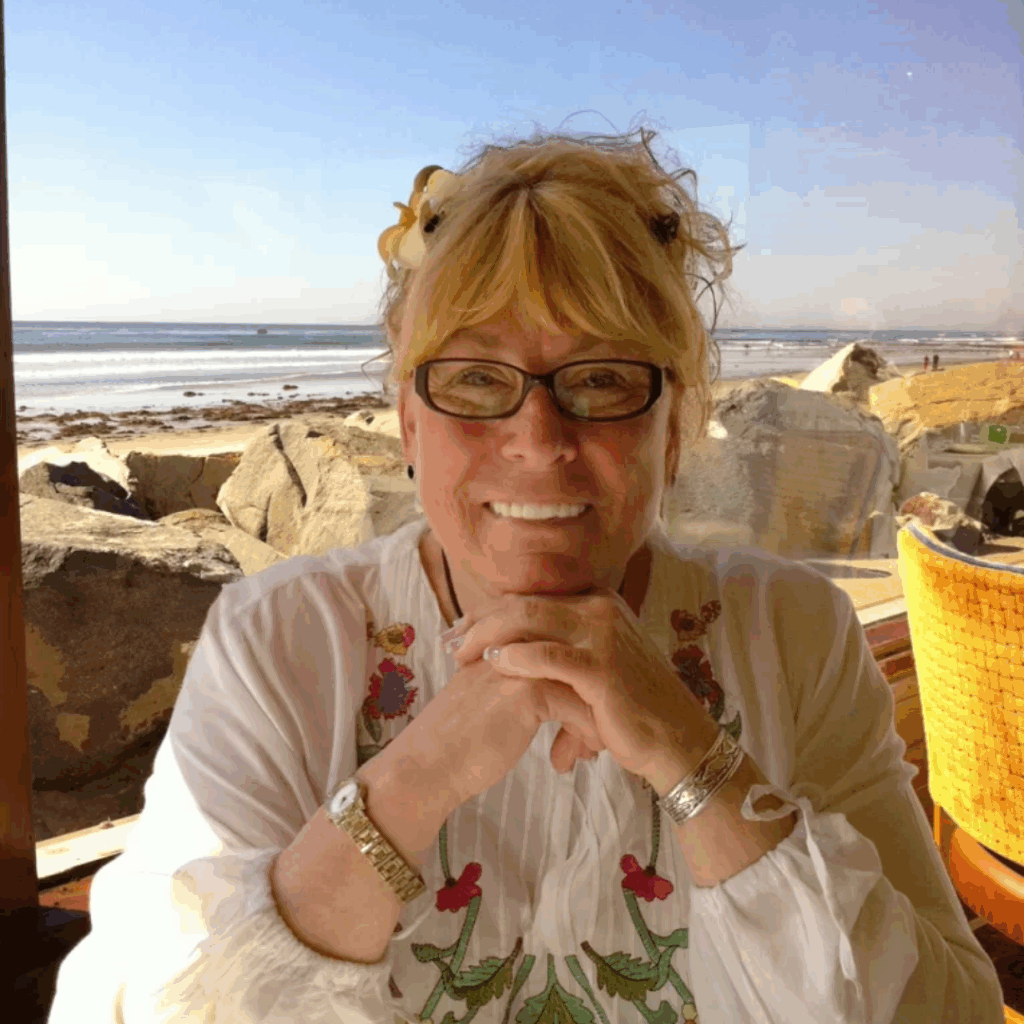
Death covers Death Conversations Toolkit in this Marketer of the Day episode. Darity Wesley shows how facing death directly can reduce fear and help you live with more peace right now. She urges families to start the hard conversations early, so no one is guessing in a hospital room. From her lawyer perspective, basic end-of-life planning includes stating your wishes even if you fall into a coma for eight weeks. To break the taboo, she recommends shifting from fear to curiosity, using near-death experiences as "empirical evidence" that consciousness continues. Her community hosts certified evidential medium sessions on Zoom every Thursday, where visitors hear specific details that spark recognition and comfort. As an author coach, she starts with a clear book description for the back cover, then crafts a media-friendly title and guides a narrative arc to a finished self-published manuscript.
Darity Wesley has navigated a diverse and unconventional career path, moving from attorney and privacy law expert to a multifaceted professional known as the “Death Diva.” Alongside her legal work, she has pursued coaching, authorship, and a metaphysical path, demonstrating adaptability and a willingness to explore different facets of life. During the pandemic, she left San Diego for the mountains of Northern California, embracing a quieter, nature-focused lifestyle while continuing her professional pursuits remotely. Her journey reflects a balance between structure and flexibility, showing that varied experiences can coexist and enrich both personal and professional growth.
In this episode of Marketer of the Day, Darity discusses her current mission to demystify death and encourage meaningful conversations about dying, grief, and end-of-life planning. She highlights her work with certified mediums through her platform, Death, Dying, and Beyond, offering webinars and Thursday Zoom sessions. Darity is also authoring the book No One’s Getting Out of Here Alive: A Practical Guide to Death and Dying, aiming to break societal taboos and help people approach mortality with curiosity rather than fear. She shares practical strategies for preparing emotionally, financially, and spiritually, emphasizing that confronting death enhances the way we live. Her work blends legal guidance, coaching, and metaphysical exploration, providing tools to navigate life and death with clarity, grace, and presence.
Quotes:
“We really are varied human beings that can do all different things, and that’s part of the fun of life—not to get caught up in any particular thing.”
“Death is a sacred process, and in that sacred process, what we need to do is support each other, whether it’s grief, a terminal diagnosis, or simply not knowing.”
“By contemplating death, it really helps us live our lives better now. When you have no fear, living your life becomes a completely different experience.”
“You can shift from fear to curiosity about death, which kind of tampers down the fear and opens you up to understanding and acceptance.”
Resources:
Podcast: Play in new window | Download (Duration: 26:15 — 36.1MB) | Embed
Subscribe: Apple Podcasts | Spotify | Amazon Music | iHeartRadio | Podchaser | RSS
Transcript
Download transcript (.txt)She went from attorney and privacy law expert to death diva, leading bold healing conversations about a topic most people avoid. It's scary, it's taboo, it's death, it's Dougherty Wesley, who helps people face death with clarity, grace and even humor. We're here on the marketer of the day podcast with Robert plank. We're brought to you by D FY podcast.com we handle your podcast production so you can stay focused on building real conversations that matter. The conversation we're having today is about how no one is getting out of here, live, death, dying and beyond, and also maybe before we get to death, there's also the small issue of life and what you do with yourself and what you grow into, and how those transferable skills relate, and the people you help, and it's just a whole big continuum. So they're already wonderful speaking with you and having this conversation you're about to have. Thank
you for having me, Robert. This is, this is so enjoyable to share. The fact that my life has been so varied. Like you said, from going from attorney and privacy expert all the way to death diva. I'm also an author coach. I coach people who are writing non fiction books. I do legal work. I just, I just, I just love all that I do. And I think that's something that that your audience can understand, is really, that we really are varied human beings that can do all different things and and that's that's part of the fun of life, in my opinion, not to get caught up in any particular thing. And so I've been walking the metaphysical path as well as the legal path as well as the business path for many, many, many, many years. And it's really, really enjoyable. I really love it. I love my life. I love who I am. I love where I am, and I love what I'm doing. And I think that's something that that each of us can step into in our lives.
Of course, we can learn from what you've discovered, which is enjoying this journey. And it seems like there's a bit of a yin and a yang to it, isn't there. There's like the solid substance, there's what you've learned, accumulated your skills, and then a little bit of flexibility, adaptability, right? You don't want to be too gullible and too throwing stuff out every year, but also not too set in your ways. You hear about the coal miners who say, Oh well, now I have to learn coding. Or you hear about the truck drivers who say, Oh no, AI, and the self driving trucks will take my job. So there is that amount of like flexibility needed, and my understanding that you were live more closer to where I am in California, and when the pandemic happened, you just you packed up. You said, I'm getting the heck out of dodge. Yep,
I lived down in San Diego, California, and that was a very big city, and in 2020 I left and came up to the mountains of northern California. So I, I live in the mountains now, with the trees and the quiet, and it's just amazing the difference of getting out of the city, and it just shows you can be anywhere and do all that you have to do from wherever you want to be. But I really left civilization as such and moved up to the to the nice rural community that I'm in now, which I totally love. Yeah, so nice to be living in nature. You know,
it's the modern miracle, where you look at the pandemic, especially like accelerated things along where this they said, Well, nothing's for certain. But then finally, the technology, internet speed, computing power, video, all that. It's finally, after all these decades, finally caught up where remote work is kind of everywhere, and it's possible. So now there's no excuse of like, oh, well, I have to live in this part of that part of the country. You live where you want with a suit, your lifestyle, and then people say, well, oh, I'm out of a job, or this industry went under. Well, that's more more fluid as well, right? So you have the remote work, and you have the like, career transition, and then you can even be a entrepreneur like you are, right? You have your own business, write your own ticket, do your own thing, and that's just a great thing. That's that you've done, that we can all learn from and follow along. And so what has that turned into? You listed a few things, right? There's, there's like the lawyering and the writing and the book coaching, but it seems like the focus is on on death, correct?
Right now? Yeah, what? Right now I'm writing a book called No one's getting out of here alive, including you, A Practical Guide to death and dying. And it's kind of my mission right now to bring death out of the shadows and into the light. It's been a taboo subject. It is a mystery, of course, but it's been a taboo subject for so long, and nobody wants to talk about it. Oh, my God, we're afraid. Oh, let's not talk about death. And yet, since it's all going to have, it's going to happen to each and every one of us, we need to consider things, and especially from the lawyer side, I think about the end of life considerations so many people. Stand outside the the room in a hospital or something where someone's dying and they don't know what to do. They don't know what their mother, father, brother, sister wants. They've never talked about it, so they don't, they don't have those important conversations. And so that's kind of my mission, is to support people in having those hard conversations, whether it's parents to children or children's to parents, whatever it is, or our spouses. I mean, there's just stories for days that I have Robert that are just so sad because people haven't had those conversations with each other. And happens, it can happen in a flash that someone is is in that position where they're either going to die or they've been diagnosed with a terminal illness, and they don't know what to do, and so that's that's kind of what my mission now is, to help have those those hard conversations, and it really supports people. Because death, in my opinion, is a sacred process, and in that sacred process, what we need to do is support each other, whether it's whether you're, whether it's grief, or whether you've been terminally diagnosed or or whether you're, you're still working on it, not knowing. I mean, it can happen at any time of your life. People think, well, it's something I'll talk about later, but it's not necessarily later. These are good things to do, no matter where you are, in your 40s, your 50s, in your 20s, to think about what it is that you'd like to have done, or what, I mean, people might go in a coma. You could be in a coma for eight weeks, a month, five days, whatever. But if you don't tell people what it is that you think you'd like to do and what you'd like done, then you, you know, people don't know what to do. People are confused the the parents and the kids. They've just and so that to me, I mean, I've just got so many stories about that that that are so hard for people to know exactly what anybody wants, and and struggles within families, you know? So, so that's kind of my mission now, is to have those conversations, which I've had with a lot of people. And we need to remove ourselves from the discomfort of this comfort of talking about death and it's, it's kind of like the evil. It's the enemy, something we fight with medicine and machines. And yet, no matter how you fight it, no matter what, how hard you try to beat it, it's still going to come
at some point. Yeah, that's
all. I mean, there's no getting out of it. I mean, it's like, you know, it's, it's, and so we can pretend. But like I said, I really, really am interested around breaking that taboo on on having those conversations, because it's so it's so needed. I mean, it's, and it doesn't have to be hard, but it does, because people are afraid to talk about it. And, you know, it's a matter of being at peace, in my opinion, with the diagnosis, with grief, with so much that surrounds the whole topic.
Yeah, 100% so you're saying that it pays to be prepared. And you know this as I mean writing a book, and all the preparation there, and all the lawyering, right? That's like preparation city. And so we it's if you can choose to either prepare 20 years, 30 years before, or prepare 20 days before. It makes sense to think some of these things through, and you would hope that the increased information out there leads to increased conversation and therefore less taboo. Don't you used to be like, Well, say you were dealing with some kind of grief, you'd go to your local library and you'd get you'd be like, one book on the subject, and that was it. And hopefully that one book was good. And now it's like, well, there's Facebook groups, there's YouTubes, there's multiple books, there's there's podcasts right now, there's this wealth of information. And so it with all that sea of knowledge. If this topic of death, what do you wish could change? Like, you say you wish that people kind of could have these uncomfortable conversations. Like, how can that happen? Like, what would the steps be to take, in a practical sense?
Well, in a practical sense, I think it's a matter of starting to talk about it right now people don't want to talk about it, and so you have to get by that. And part of it, of course, is conditioning. We've been conditioned to not talk about it, to not think about it, to, oh, my God. You know that's just, that's just the enemy. Death is the enemy. So we need to break that up. And how do we do it? We talk more about, about the things that are going on now, like there's a lot of conversation that has given us empirical evidence, really, because of near death experiences, there are just huge numbers of people who've had near death experiences, which means they haven't left the planet, but they've had experiences. So, I mean, like Eben Alexander wrote a book. I forget the name of the book, but he wrote a he was a neurophysicist, and he was a coma for a long time, and he had these unbelievable experiences while he was gone. And Anna Moroni, I mean, there's just some, and Betty Edie, there's all kinds of books on near death experiences, and it seems like everybody's experience is different, which my. Opinion creates a curiosity about death, rather than the fear of death, if you can shift your thinking to think about being curious about it. I mean, I watched a video about when, when, well, when Steve Jobs died, and they had a video of when he was dying, and he says, Wow, just before he died. Same thing with O'Leary that he the same thing he had this, oh my god, kind of experience just before he left his body. So there's this curiosity. I think that you can shift from fear to curious about it, which kind of tamps down the fear of death. I'm surprised that the number of people who are Christians, and then have this fear of death at the end, and yet, when they when they've done everything they have, they know that they know what their particular perspective is. And that's another thing that I've learned from so many people, and that is, depending on what your particular perspective is, that's what you get when you first crossed over that you if you're a Christian, you're going to see the pearly gates. You're going to see Jesus, or whatever that is. And the Christians do that the Buddha same thing. They're going to go through the Bardos. There are belief structures that are set up, that are into our consciousness, that your religiousness takes you over, so that when you first cross over, you've got that kind of structure before you move on to the many other dimensions that are on the other side of the consciousness that passes on after you leave this physical body. That's a whole metaphysical discussion, as opposed to just death here on this planet,
that's a whole other rabbit hole. And I can tell you, thought a lot about this.
Yeah, that the preparation, or that religion is the preparation of it, right? You say, Well, this will help me understand what is currently incomprehensible to us mortal beings. But it seems like as far as what we can do on this earth right now is to flip the fear into curiosity and say, well, this, this thing called death, you say it's evil, or you say that it's you know it's coming for me. Well, we can't avoid it. We'll be there eventually. So why not enjoy the ride, and why not be positive about what might happen after? And it's, it's just there's, it's the most, it's the weirdest thing in the world, right? That someday you and I and everything we know and everyone we know will someday be gone. So we have to make the most of what we're here in this finite time to do. And as far as you getting more attention on this, because, like, you know, it's like you said, it's taboo, or it's sometimes it's hard to find people like, I remember we talked about you were, like, participating in the the the, like the the medium stuff, right? And like the speaking to the the dead, is that still happening?
Yes, there's a matter of fact, with death, dying and beyond, with the mediums on our website, you could they every Thursday, the two mediums that I work with are doing where people are having conversations. I mean, it's so interesting to me. I mean, I have my own mediumship, but these are people who are talking with people and sharing that are coming through, that are beautiful. I mean, to me, it's just, it's just amazing, because so many people don't believe that our consciousness continues, and yet, these are ways that people can really see that it is. So there are people come across. I mean, it's interesting how they do it. And so that that's still going on death dying and beyond with the mediums on Thursday, you can check it on on our website, at death dying and beyond com. And so there's, they're still doing that mediumship, which is interesting. They're having people come every Thursday, and then they'll see who, see who comes from the other side to top, which is really, really interesting. Yeah, it
sounds fun and spooky in a good way, and we're living this, this modern day and age, or it's even done on Zoom. And as far as the the speaking to the dead, I only know what you see dramatized in TV and movies right where, like the the wind blows and the candle flickers and goes out. But what's it really like? What's maybe misunderstood about speaking to the dead, the near death experiences,
what's misunderstood is the fact that they're they're coming through. They can come through that there's an energy through the medium, certified mediums. Now these are the ones that are on death, dying band with the mediums. Danny is totally certified as an evidential medium. So what happens is a person will come through. I can give you my my experience. And that was she said, I've got someone here from Washington. I don't know if it's Washington DC, or if it's Washington state. And then she said, and he's, he's smallish guy. She said, he's got brown hair. And she said, and I see all the skiing and boating and biking and and, and she said, I'm not, I'm not sure. So she's, she's putting this information. Out, for those of us who are listening, and I'm going, Wow, I just had a friend of mine die up in Washington State, but he didn't have brown hair. He was great because he was like 86 and I'm going, well, but he was a boater and a and a skier, and so all of a sudden I'm getting this feeling that this is, this is my friend. And so I asked, I said, Well, can this person showing up to you with brown hair? Can he have gray hair? And she said, Oh yeah, they show up like they want to show up. And I said, well. And she said, and this isn't for he's not here for you. He's got a message about the the his his spouse was like a friend, and that's what really made it. His spouse was my my friend, and like a sister to me, and that's when I knew and then, and the message was simply that she was supposed to come and visit me, and nothing was supposed to get in the way of her visit. So I conveyed that to her, and when I she did, she just broke down in tears. It was beautiful, because she felt the truth of it too. So that's kind of that there wasn't any magic to it or anything. It's just those pieces of information that come across when a medium is in contact with someone on the other side, and that information comes and then you you start recognizing, oh, well, well, maybe this, and maybe that. And so we've had a lot of that that's happened on this death, dying and beyond, with the mediums, that was just my experience. And I was, like, blown away, because I had no anticipation of what it would be like with someone else doing it. And I'd never, I'd never been to one. I have my own, my own mediumship that I do because I'm in contact with a lot of my loved ones that have crossed over, and that's just me, but I haven't done it in a in a professional way, and so it was great fun seeing how it really worked and and it's, it's really interesting. So death, I can be on with the mediums. Every Thursday. Check out our website.
Very nice. Every Thursday, there's those zooms, where there, there's Doherty, there's Deborah, and there's Danny, and it's good to know that there's certified mediums, right? It's not just people making stuff up. They've gone through the the training and the certification, and there's a little bit of a, maybe, like a recurring theme in what we're talking about today here is, like, this idea of there, the bits and pieces and like the interesting tidbits, and sometimes you gotta explore and see where it goes. And I imagine that it's not too different from your book coaching, right? Like, sometimes you have someone and they want to write a book, or they should write a book, and they're just like, where do I start? It's a jumbled mess. What's important, what's not, what goes in what order? And can you explain that a little bit like when someone comes to you with you doing what you do as a book coach. Like, how are you unique? Or, like, what's interesting about your process
as far as the book coaching is concerned? Yeah, yeah. Well, what I do is I take authors who are even in the process. They have a mission, they have a statement. They have something they want to do. It could be a memoir. It could be something about a trauma that they've experienced, that they've overcome. So it all depends on what the subject matter is, but we start off with with teaching them about putting together a book description, describing what your mission is, what do you want to write about, and putting that book description together kind of a lot of times, morphs into what goes on to the back of the book, to bring people to to read what your book is. So then we put, you know, we work on a title that's mediogenic, and then I take them through the process of writing, writing their book, and and I review the chapters and give them feedback. And so there's step by step by step, and then we come to a manuscript and and all of our clients are doing self publishing, and so we just, you know, take them all the way through publication and design, and all the way through the whole process, which is just beautiful. So in coaching them, it's a matter of keeping them on target, keeping them focused, keeping them excited about what they're doing, helping them with what their mission statement is and what their perspective is, and to support what the reader is getting to so, you know, there's a narrative arc that goes when we're writing a book. And so in writing that book, you have to take a person on a journey, and that journey starts, of course, with the introduction, where you introduce somebody to what you're going to write about, then you write about it, then you conclude, of course, like everything with journalism, you conclude with what you've just told them and how it impacts their lives. Lot of times, client put workbooks in the back if they're doing some kind of a, you know, a transformational journaling kind of thing. You put that on the back of the book where you ask them questions. And so it just depends on what the client is doing. But it's, it's a fascinating, a fascinating experience. I love being a book coach. It's one of my, one of my favorite things,
of course, and it's, yeah, to me, it all relates, right? Because, like, putting out the book is a form of immortality. So if someone says, Okay, well, what does it all mean? I. I can maybe speak to the dead relatives and get the lessons in life for now, I can plan my own future death and know what my wishes would be for others. But then, when I think about what will remain after I do well, you know, the house we live in, or the buildings around those might crumble, but information that, for that might be preserved forever, right? When you think about the way that information, it's like, can so easily be stored, and you know, you could and Wikipedia, or all these AI models have, like, all of human knowledge, all in one the the whole internet, right? All of Amazon, all of YouTube. So you imagine that if you wrote a book now, maybe in like 5000 years, they might stick it on a probe, shoot it out into space. It'll exist permanently, right? Future generations can go and, like, look it up. So a book is really your best bet for someone centuries from now, your distant ancestor, or someone saying, like, hey, what was already all about, and they can just go to their their brain chip, or whatever they have then, and read the book about you that you wrote so many centuries ago. So to me, it all interrelates, but as far as making sure that we cover the points that are important to you, we really run the circuit. Haven't we? We've talked about near death experiences, the mediums, the book coaching, the end of life and so much more. But what's the missing question in this conversation we're having? What should I be asking you? I just don't know to ask you.
I think that probably the question would be, how, how do we make this transition? And I kind of addressed it with talking about becoming more curious about it. But I think, I think that's probably what it is. How do we how do we work on having a good death? How do we realize, how do we realize that by contemplating death, that it really helps us live our life better now, that's the kind of thing I think that people don't understand, is that when you when you have no fear, when you don't have when you're all together about death is coming, I'm fine with it. I'm ready to go when it's time. Then, then living your life is just such a different experience you have that's kind of put aside. You're not concerned about it or or even with others. I mean, certainly there's grief, but you know that there is a continuation of life, you have an understanding of that. I mean, so many people don't believe that there is anything when we're done, we're done, that's all there is. And so having that understanding that there more than likely is a continuation of consciousness, just because quantum physics has shown us that now that I think that there's for people who really do the exploration will see that there's really so much more that we don't know, that we can understand at a different level of consciousness, moving, our moving, evolving, that's, that's what, exactly, what it's really all about is the evolving consciousness,
and that's what I mean. Like it
it's good to be optimistic, isn't it? Like if you had a really bad thing coming up, like you used to do your lawyering, if you had a court date in two weeks, are you going to be miserable for two weeks? Or will you say, well, I'll I'll be prepared for that, but I'll also live my life in the present day as well, and have a good mood going into that court date. Well, if your court date is death, and why are you struggling with it, and why are you just having such a bad attitude? So I like your concept there of having a good death and speaking to that, if we're someone who's listening to this podcast and we say, I like what Doherty had to say, I want to know about some next steps. Where should someone go? What are some websites, resources? What should someone check out? Well, I think
you can go to my website. I've got a blog on my death, dying and beyond calm. I've got a couple of articles up so far. Still going to put up more, but I've got one called breaking the taboo around death, and I've got another one called is dying such a bad thing. I also have on YouTube, if you go to YouTube, death dying, beyond that, death dying and beyond, I have been putting up short, short videos from the death diva, death diva Dougherty.
The next step is to go to death dying and beyond.com and when you go there, you can see a YouTube video, and you can also click and check them out on YouTube. Death dying and beyond is dedicated to illuminating the path toward a greater understanding and acceptance of death through webinars, workshops, writings and shared stories. Their program aims to support anyone who is grieving, terminally ill, curious, caregiving or simply seeking deeper understanding around the universal experience of death. We've been speaking. Working with Dora T Wesley. That's D, A, R, i, t, y, W, E, S, L, E, y. She's the death diva, and her upcoming book is called, no one is getting out of here alive, so go to death, dying and beyond.com. Subscribe on YouTube. Check out their Thursday zooms. And when that upcoming book comes out, then check it out. You're gonna love it. None of us are getting out of here alive, and it pays to look into this. Think about this, consider this, and be prepared, both mentally, physically, emotionally, financially, about this inevitable end that we are all headed towards called death. So check it out. Do it right now. You'll love it and have a good death. Have a good life, have a good day, and we'll see you at death, dying and beyond.