1557: Poetry, Freedom, and 1970s Counterculture Life with WL Gertz
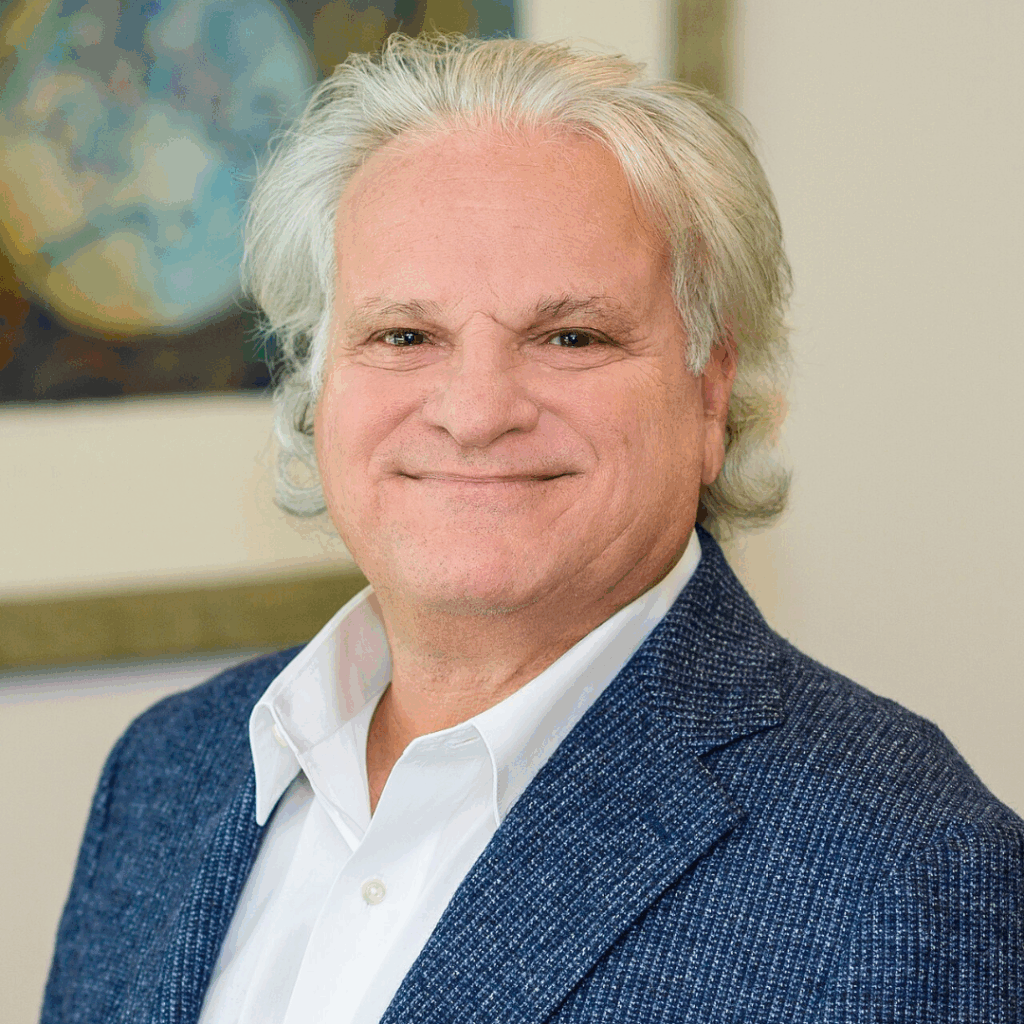
WL Gertz covers Beat Poetry Revival in this Marketer of the Day episode. Travel becomes the engine of WL Gertz's poetry, turning risk, memory, and freedom into lasting creative momentum. He traces the spark to backpacking Europe 50 years ago, riding trains, sleeping in hostels and cemeteries, and learning to fend for himself. That independence shaped his lifelong work in educational travel and his belief that young people should "go now." His books Broken Dreams and Land of Forgotten Fish combine early 1970s New York poems with newer work from the last two years. He describes a style that remains surrealistic, fatalistic, and resistant to obvious rhymes or easy meanings. He also revisits dreams magazine, a mix of manifestos, poems, literary criticism, and rock and roll writing. The useful lesson is that travel builds the inner freedom that keeps art alive.
From shaping New York’s underground poetry scene in the 1970s to transforming travel, memory, and history into haunting verse, WL Gertz is the poet readers turn to when they want art that survives the moment. As co‑founder of Dreams magazine, he helped define the Beat generation ethos spontaneous writing, anti‑materialism, jazz rhythms, Eastern philosophy, and personal liberation. Decades later, he channels a lifetime of adventures into his two poetry collections, Broken Dreams and Land of Forgotten Fish.
You’ll hear how decades of global travel from sleeping in European hostels to attending Woodstock shaped his worldview, why travel is a confidence and character builder, and how stepping outside your comfort zone can expand your mind. WL also shares how the digital age is reviving interest in the Beats, making music, poetry, and art more accessible than ever. He reflects on what makes poetry “good,” how stream of consciousness writing captures the complexity of life, and why publishing fuels continued creativity.
Quotes:
“Travel is the ultimate teacher you leave as a boy and return as a grown man.”
“Poetry isn’t about being obvious; it’s about stirring the mind and surviving time.”
“If it feels good, do it life is too short for hesitation and regrets.”
Resources:
Podcast: Play in new window | Download (Duration: 24:02 — 33.0MB) | Embed
Subscribe: Apple Podcasts | Spotify | Amazon Music | iHeartRadio | Podchaser | RSS
Transcript
Download transcript (.txt)Some poetry doesn't just describe a moment. It survives it. And WL Gertz is here because he helped shape New York's underground poetry scene in the 1970s as co founder of dreams, which is a poetry and music magazine. But now, decades later, he's turning travel memory and history into haunting verse in his two books, he has land of forgotten fish and broken dreams and so WL Gertz, he is all about the beats. So we're going to find out what the the beats were all about. As far as Allen Ginsberg, Jack Kerouac, William S Burroughs, they're all about spontaneous writing, anti materialism, Buddhism, Eastern philosophy, jazz rhythms, travel, urban life and personal liberation. Sounds like a fun all around so Mr. W O Gert, how the heck are you?
I'm great. Thanks. Very good,
very nice. And so what did I leave out of that introduction? What are you all about? What currently has you so passionate and excited?
I think you pretty much nailed it. I'm avid traveler, so wherever I go in the in the world, I try to read my poems or leave my books at local bookstores. So you know, I'm not new at this. I've been doing it my whole life, but I'm back on the scene after a 50 year hiatus.
Ooh, very nice. And I don't think any of us travel as much as we want to. And the stereotype with Americans is like so many of us don't have a passport or just remain in that radius around where we were born or grew up. And it's really sad. Travel really does expand the mind. But can you tell us about travel, like, what it means to you where you've been, where you've liked the most.
Yeah, I think basically, travel is my life, and it was the impetus for all the poetry. So when I went to Europe 50 years ago, you know, as a, after I graduated from university, I was a, had no idea what I wanted to do with my life, and then I went abroad, and I realized that there's a whole world out there that I would need to explore. So I've been traveling ever since I, you know, my other life. I'm a chairman of an educational travel company, but so, so really, the traveling and the writing was all connected. I went all over Europe in a backpack. I slept in hostels, cemeteries, any place I could sleep, and rode the trains, really. So kind of, you know, I didn't have a lot of money in those days, and I just kind of traveled around on, you know, eating and sleeping on the train, so, but I got to see the all of Europe. So it was, it was pretty exciting.
Yeah, it sounds exciting and so, and, you know, there's, like, a stereotype from, from that, that era, right? Like, they would call them hippies. Is that an okay thing to say, or is that derogatory? Or, call them bums and things like that,
right? So, definitely not bums. You know, I think hippies. I would not have described myself as a hippie then, but of course, I was one in those days. It was being used by the the administration to sort of make fun of people, and there was a big stereotype of people who were hippies, you know, didn't have a job and didn't want to work, and basically were dirty, you know. So there were a lot of stereotypes, but I think the late 60s was the best time in my life in terms of, you know, exploring the world and listening to music, art, poetry. I mean, it all came together in that brief, really, less than 10 year period that that really changed America in many ways.
Oh yeah, yeah, yeah. It's a very pivotal time. And then, and now we're here where it's like, I don't even, I don't even know what to make of the present day, right? Because there's, there's still the class divide, and then there's kind of, it's so easy to say, like, oh, well, you know, kids, kids don't appreciate art anymore, don't listen to music. But also, like, all the music is now accessible. So maybe it's like, it is what you make of it. But I'm not sure. Like, what do you think about like, what's happened since then?
Yeah, I think there's a tremendous revival, in a lot of ways, of the music and the spirit of the 60s. I mean, it never really went away. It kind of went underground, to use term. And I think I know there's one thing about the web and and the the internet. It really that everything is out there. So if you want to find the poems of Allen Ginsberg, or you want to see the roots of the beats, or read about the 50s, or read about the French surrealists, you can because it's all out there and it's all free. So I think there's a lot more potential and a lot more more you know, places for people to read, there's Tiktok, there's doing podcasts like this. Yes. So the world is open, and there's, there's plenty of people that that you know long for the days of freedom and you know, and not just, you know, doing commercial things and working for hedge funds. So, you know, there's a world out there, and kids can find it that that'll be great. So I think that's good. And plus, there's so many people my age who have never forgotten, you know, you never forget the best period of your life in terms of freedom. So there's just so many out there, so many revivals, you know. And you can find it all, all on the web, all these, you know, Facebook groups of, you know, psychedelic music and all that kind of stuff. It's out there, you know. And now with things like sub stack, you the writers can write for free, and people you can experience that you can read stuff that you don't have to go in and buy a magazine for $6 you know. So it's kind of an interesting period. Now I'm pretty excited about it, and which is why I basically came back and just said, Okay, a lot of stuff I did in the 60s. You know, in the early 70s, I was young, I didn't know how to market myself at all. I mean, there was no such thing. So I'm older and wiser now, and I think it's a good time.
Yeah, it's, there's something magical and cool about combining the old with the new, right? Like, even, like, my phone on the desk chair, like this glass. They invented it in the 1960s like Gorilla Glass, right? And they said, Well, we're gonna make this, like, bulletproof glass for cars. But, like, Oh, it's too expensive, but then just to do a little rectangle, hey, decades later, they found a new use for an old thing. And so it's like, there's all and now it's applying to art and music. And it seems like the kids these days don't know how good they have it, do they but we had to go to the library and the card catalog and order stuff for some other library. Now it's like, it's instant you get it in seconds and and so so much has changed. And you mentioned in there a little bit about, like, the like, when you're in, like, say, the prime of your life, or when you're in those exciting times. And I know you said, like, things like your backpack through Europe, but was there like, a really, like, adventurous time or a really just great moment you feel like telling us about?
I mean, you know, the moments remain so things like, I was at Woodstock in 1969 so getting rained on for three days and going through it, you know, there was no food. There was the sound system was bad. But when you remember it, you know, 55 years later, it's like an amazing time, right? So that's just one thing that's domestic, but traveling throughout Europe, you know, sleeping in the parks and with a lifestyle that I could be on a train and and, and look out the window, and if there was an interesting time, I could just jump off the train, you know, when it stopped, and find a hotel. You can't do that anymore, you know, first and, and, you know now, in Europe, everybody speaks English. So when I went 55 years ago, no one spoke English. You had phrase books, you had you had 25 different currencies. You didn't have a euro. So you learned you had to really fend for yourself, much more than you have to fend now. So you know my point is that I went away a little boy, and I came back a grown man. So that's the kind of thing, and that has inspired me to stay in the field of education and travel my entire life. So I love airports. I love getting on a plane. I'll go anywhere. I don't, you know, I don't check bags ever. I take the same amount of clothes, whether I'm going for two days or two months, it's just they have laundries in Europe, you know, so, oh yeah, but no, it's just many, many exciting moments through the years like that.
Very interesting. So there's something to be said about the scrappiness, and you figure that, yeah, someone flying now, I mean, that can be in such a bad mood, or have to wait in this line go to this weird airport. It's like, it's fun. You're having these new experiences. And so when you were were traveling and dealing with the phrase books, the languages, were there any, ever any scary moments, like, did you get robbed? Or did you ever fear for your life?
No, I would say, No. I never got I mean, you know, I had more of that in New York City than I had abroad as a New Yorker. There's plenty of scary moments there. But in Europe, I would say, No, I nothing jumps out. You know, the world was different. Then you know you and you when you're when you're 17 years old, you're not afraid. You know, the older you get, the more afraid you are. And we also didn't have all this social media and media in general, so you didn't know what the hell was going on all over the world. You know? You just thought everything you felt invulnerable. And I think kids today still, do you know they still feel invulnerable at that age? Yeah.
Yeah. That's That's good. So we need to embrace our inner child. Because, like, if you're not careful, when you get into those adult years, you become dull and boring and scary and rigid and and that's no fun at all. And so like, you're you reminding me that when I the first time I left at America, I was so afraid. I was like, I need to call the embassy. I need to, like, tell people where I am, but then when I got there, I felt safer than I did in America. And then coming back into America, the danger returned, like I was, like, I thought I was afraid to leave this safe place, the US. And it's like, well, the US was scarier for me than these other countries. And so if someone is maybe, like, saying, Okay, well, I know I need to, like, broaden my horizons, take the risk, go travel. Do you have any encouraging words of advice, like, if, if some say young person was, like, afraid to travel, what would you say?
I would say, first of all, I would say, Go. Now. You know, this is your time. So it gets harder and harder the older you get. Of course, you have a job, you have a family, you can't wander around. It's hard to wander around when you're 60, 70, years old. It's easy when you're 18 and 19, I would say, don't be afraid. People are people. You're going to find bad people and good people. So you need to develop street smarts, you know. And I think, as a New Yorker, of course, who rode the subways since he was nine years old, I have street smarts, but, but you develop it when you're overseas and you have to do everything for yourself. Where are the trains, you know? You It's a incredible growth experience, much better than college or any other experience because, and especially if you're on your own or you travel, you know, I went over with four friends, but we ended up traveling independently. So I did a lot of traveling on my own. I love to be alone. Actually, I love to travel by myself. You know, I travel with my family a lot, but I travel by myself all the time. And you know, you have to figure out, Where's your passport. You know, do it? Did I lose anything? You know, there's all these challenges when you travel, but it's so good for you. When you've seen so much, you grow so much, and you're so much of a more intelligent person when you get home, you just, you know, it soaks into your into your bloodstream. So I think that's that's really important.
Oh, yeah, confidence and character builder. I think there was probably a time when I was afraid to go to the movies alone, or go and eat a meal alone. And I think that's pretty relatable. And you're and so you're saying, Go out there and toughen yourself up and have these travel experiences and develop your street smarts. And so you've taken these travels, and then you like, part of what you're all about is the art and the writing and the poetry. And so you've created these two amazing poetry books. And you say sometimes it's stream of consciousness comes, comes from who knows what depth, so you're not even really sure what it means. But I mean, tell us about these poetry books you've created.
Yeah, well, a lot of it comes from my travels. So you know, when you travel, you meet a lot of people, especially if you travel on your own. So you meet, you know, people from all over the world, and you pick up a line or two or or feeling or two from from everyone. So I kind of write a lot of interesting fantasy type things like about being in Africa, where I've never been in Africa, but, you know, being in a war zone, you know, just people trying to get through life on their own for the first time. So a lot of my experiences come through in the poetry, which is part stream of consciousness and really part, you know, I find, I find the title before I find the poems. Sometimes that title just comes to me. And that title could be, you know, I'm out of popcorn, you know, that that could be a title of a poem, and then I kind of write the poem, or I pull out a line from the poem, and that becomes the title. But I write a lot of stuff about what life is like, you know, a lot of it is not up. I would say I'm not an upbeat poet, you know, I'm much more fatalistic, especially because the world is slowly falling apart, or maybe not so slowly falling apart. So I would say, but, but they're always interesting, and people get something out of it, and it makes you think and write your own poems. I mean, I hope, I wish everybody could just, you know, have the luxury to do a lot of the stuff that I've done, but, you know, I am older, which gives you a lot more freedom. You know, also you can say what's on your mind easier. You have no one to to worry about.
Oh, yeah, yeah. And, and poetry is amazing, right? Because it's, it's very like, developed and worked on, and it's, like, says a lot in in a short space. But then also, kind of, sometimes there's layers and makes you think. And so when you are. Or like, you know, you get inspired, you write down your poetry, your advice that you figure out what goes in your book. Like, do you think is there? Is there good and bad poetry? Like, do you look to, like, get an emotion, or do you can do you know, when you see it? Or, like, just, what's the difference between good and bad poetry?
That's the the eternal question, what's the difference between good I mean, it's all in it's all in the opinion of the reader, right? So you know, for me, I don't like rhyming poetry, I don't like insipid poetry, I don't like obvious poetry. So my one thing like poetry, it's not obvious, like you read it, and you go, what the hell is this guy talking about? But you never say, I read this before, you know, I've seen this before. I've seen this type of poem. I don't think so, you know, because my style really hasn't changed in 50 years, which is interesting. I was always a little bizarre and surrealistic, and my writing has always been, you know, like that. So it's hard for me to say, I mean, I put it if it's bad and I think it's bad, and cause with the web now, there's just so much more poetry out there, so And there's so much more bad poetry out there, of course. But you know, if it feels good, do it, and if you like the way it sounds, read it
Nice, so there's that, that that need for the self examination of it, and also you're still the same person. You're just older, different, more evolved. And so you've got these two books of poetry, and we said that they are broken dreams and land of forgotten fish. So like, what are what are these all about? What makes them different, right?
So first of all, they, they. It's basically a both two compilations of decades old poetry, you know, clearly delineated, and then newer poetry written in the last two years. So you can see, it's so interesting, at least for me, to see that my style didn't change. You know, I'm kind of the same person on the inside, obviously different on the outside, but, but the book is a collection of poems from the early days in the in the early 70s in New York, living in Manhattan and SOHO and the village and just wandering around and, you know, being in that period, pre right before the punk came in, After the hippies, kind of, there was kind of a little segue there, and and then later stuff. So it's old stuff, it's later stuff. It's also a lot of stuff, manifestos. So they're kind of bizarre. We had a magazine back in the day called dreams magazine, which was all manifest, which was manifestos, poems, literary criticism, rock and roll stuff. So it was really cool. So I put some of those in as well. So it, I think it's a really interesting read. I'm done with all the old stuff. So this will be my last book which combines old and new. My next book for September will be all new, because one thing good about publishing is you get to it makes you want to write. So, yeah, publish. You get it. You go, Well, I got to keep writing and, you know? And I again, I didn't write. I didn't write much, I would say for a long time, but now I really want to write again. So I think it makes it spurs you on to writing.
Yeah, it's like, do you ever miss a meal like you forget to eat lunch, and then when you eat your next meal, you're like, Oh, I didn't realize how hungry I am, and I ate a little bit now I'm hungry for more. So maybe you got the writing itch back, and I'm excited for you and what you have happening in the future. And it's just it's fun to hear about the nostalgia, right, the 1970s and especially, like New York City as a as a location, it's such a character. Like, sometimes I'll go on YouTube, and I'll call up, like a time lapse and just see, like, how it's evolved since, you know, like 1930s 1960s and just the the architecture, and it's just like, seems like a you've had so many fun experiences at home and abroad, and because you have these books of poetry, we can experience some of that with you in our own way, and just kind of hear about or learn about the the beats, 1970s Europe, New York City and so much more. And so if we wanted to check out those books that's on on Amazon, W, L, last name, G, E, R, T Z, and that's broken dreams and land are forgotten fish. Is that correct?
Yeah, that's correct. I also have a website, W L gert.com, so there'll be a little more information on the website. You can and yeah, I can. You can find me on my Facebook page. W L Gertz, beat beat poet. You find me on Tiktok, you can find me on LinkedIn. I have a big following there, so I'm around you know it's and I do a lot of readings overseas. So I'll be coming to the to your town next, as they used to say. So I'll be doing one in Paris in July of. What 15th and I'll be in New York and Connecticut. I live in Connecticut and New York, and when I'm not traveling, so, so you that's where you can find me. Amazon's the best place, because the books are there. You know, I've got a bunch of reviews you can read about the poems. You could get a, you know, Kindle version, hardback, paperback.
Yeah, very cool. So we can speaking of splitting the old and the new. The old we can see and personally do your tour, but the new we can find out about you digitally. That's W, L, G, E, R T, z.com, to find those books, and you can find them all over social media. You mentioned Tiktok, LinkedIn, etc, and in this conversation we have, and we've jumped around all sorts of different topics, but you're the star of the show, I want to make sure that we talk about what's important to you. So do you think there might be a missing question in our conversation that I should ask you? I just don't know what to ask you.
I don't think so. I mean, you know, the question is, what's next for me, you know? And what's next is, I'm going to do more books. So I'm going to do a book a year, maybe more. But a book a year sounds about right for me now. And I'll be coming up with some very interesting concepts, you know, really taking off on the world situation, the past, the present, nostalgia, modernity, you know, which I'm not a big fan of. Modern Times. There was a lot more cooler stuff, I think, going on in Paris, in the, you know, post, post and pre World War One, than there is now. So, you know, and those, I like all these periods. So I like to read and I like to write. So that's really no missing questions. Just just, you know, good conversation.
Very cool. I love your ambition and the momentum that you're picking up. And as you said earlier, if it feels good, do it. So the writing Express thing is feeling good for you. And so you say, Hey, I'm I'm making something to myself. I'm putting my words out there, and so that's W, L, G, E, R, T, Z.com, and you know, you're a poet, you're a man of many words. So I know this will be an easy question for you. I like to end these conversations by asking about a fun or interesting quote or lesson that has served the person. So Does anything come to mind as far as a fun or interesting quote or lesson for you.
I mean, my favorite quote is a Bob Dylan quote, quote which says, don't follow leaders, watch the parking meters, which means nothing, but it sounds incredibly cool. And a lot of times when I write something, it means nothing, but it sounds really cool. Yeah.
Yeah. And then you never know if someone through, from their own perspective, they come up with their own meaning that you didn't even intend. But hey, it helped them. It got them to some kind of conclusion. Yeah, exactly. Well, funny stuff. Well, looking forward to seeing you on your book tour, as well as online. That's WL gertz.com to find out about those two books, broken dreams and land of forgotten fish, as well as those other books yet to be created. So Mr. WL Gertz, it's been quite a fun conversation, kind of thinking about the past and travel and and life and art and everything in between. So thank you for being here.
Thank you, Robert.
Subscribe
If you enjoyed this article, subscribe to receive more just like it.


