Published Last updated
View in Podcast Library: stories, quotes, books, and resources in one place.
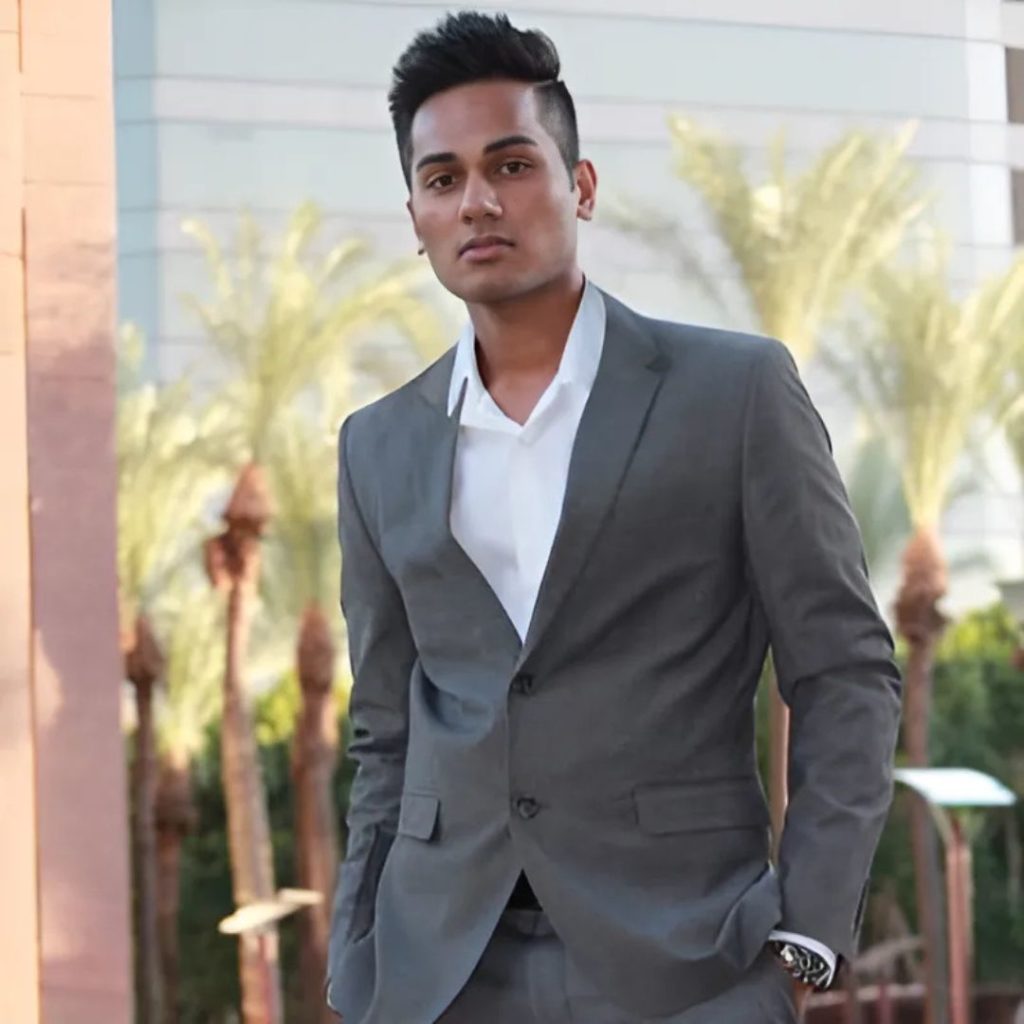
Yogin Patel is the founder of an influencer marketing agency called YPSocial and works with large mobile games, some with over 100M MAUs. YPSocial has created campaigns with some of the largest female YouTube influencers in the Beauty/DIY, including Alisha Marie and Niki and Gabi. One particular campaign his agency ran did over 80,000 downloads for a mobile game in less than 6 days, having the game jump up 100 spots to #56 in the Top Charts across all apps on iOs.
Listen in as Yogin discusses influencer marketing (in a way, it’s product placement using social media apps) — connecting brands and businesses with “influencers” (celebrities, blogger moms, veterans, etc.) using SnapChat, geofilters, YouTube ads, and more. He also discusses the new Amazon Influencer program and how his 21 year old millennial built his business before the influencer trend was well known.
Quotes:
“Everyone’s hearing about influencers—they’re just not sure how to go about it. A lot of brands simply don’t know, in the whole world of influencers, where to start.” – Yogin Patel
“Once influencers reach a point where every video or post is basically an integration or product placement, they’re going to lose a bunch of followers.” – Yogin Patel
“Any category—your business could probably use influencer marketing. You just have to find the right influencer with your target audience.” – Yogin Patel
Takeaways:
01:24 Influencer marketing is a powerful alternative to traditional advertising, offering brands direct access to targeted audiences through social media personalities.
05:48 Successful influencer marketing requires strategic creativity to maintain follower trust and engagement.
10:58 Brands across multiple industries can benefit from influencer marketing, not just limited to millennial-focused products.
22:39 Finding the right influencer match means understanding their audience demographics and ensuring product alignment with their followers.
28:16 The influencer marketing industry is rapidly growing, expected to expand from $1 billion to $10 billion in the next five years.
Resources
- YPSocial
- Yogin Patel on Twitter
- Email yogin@ypsocial.co with subject line “Robert Plank sent me”
Podcast: Play in new window | Download (Duration: 33:36 — 30.8MB) | Embed
Subscribe: Apple Podcasts | Spotify | Amazon Music | iHeartRadio | Podchaser | RSS
Transcript
Download transcript (.txt)Marketer of the day number 417, influencer marketing. Promote your brand on Snapchat, YouTube and Amazon with yogin Patel. Hey everyone, and thanks for listening. We're talking right now with yogin Patel. And yogin is the CEO and founder of yp social, and he's here to talk about this thing called the Amazon influencer program. So Yoga is a 21 year old millennial, which means that he's dialed into the social media stuff, and he's gonna be talking about this concept called influencer marketing. So yoga, how are things today?
Thanks for going well, man, thanks for having me on.
Glad to have you on, and I'm glad that we're about to have some fun here. And so I kind of have to admit, a little bit I'm kind of one of those old parts. I just turned 33 a few days ago, so I'm not quite tapped into this whole thing of like, you know, I barely use Instagram. I use it to post some cat photos, but I sometimes see like these, you know, YouTubers with huge presence, these Instagramers with huge presence, they'll just, you know, review a product, or they'll show something and then, like, you know, a bunch of people will buy it based on their recommendation. We'll make a bunch of sales. Everybody makes money. So I've seen like, a little bit of it, but I'm sure that, uh, you can kind of take us, you know, get tell us the big picture, and tell us, like, what the start to finish is. So can you kind of, like, assume that that I pretty much know nothing about this, and tell us what this whole influence or marketer thing is.
Yeah, so basically, in influencer marketing is, generally, you know, you have a large influencer that has anywhere from 10 to 100,000 followers, and you have a brand that is not getting the ROI that you know, it's supposed to be getting on traditional advertising, on TV, on just newspapers, billboards and stuff. And so these brands are looking for different ways, and they're seeing all the attention is on social media, on a mobile device. And these brands are basically paying these influencers that have a large following, even influencers that have, you know, 1000 to 5000 followers. They're paying them, you know, a couple 100 to a couple $100,000 per Instagram post, even you know, YouTube posts, Twitter posts, pretty much any social network that you can amass a following. Brands are paying big dollars just to get their brand out, get their product out. And, yeah, and you'll even see it with big movie launches, big movie releases, you know, movie like production companies are paying influencers just to, you know, shout their movies out. They're coming, you know. And so it's every, everyone's kind of just trying to take a take a piece in this influencer marketing world that's been developed over the last like 10 years. Super
cool and, and, yeah, so I, when I watch YouTube and things like that, I'll sometimes see these people with like, huge, huge following, and kind of follow them from the beginning and and see them grow and grow. And I want to say, maybe, you know, five, six years ago, I started seeing some of these YouTubers, like you said, when a movie would start to come out, just some everyday person or so I thought was now kind of sitting down with like some actor of the movie, or they'd be doing some kind of product placement. And at first I was thinking like, oh well, they're kind of starting to sell out. Or they do like a Patreon, they do like some kind of fundraiser. And it seems like a lot of these YouTubers, maybe they have no other choice but to do some of this influencer marketing stuff, because the YouTube ads are letting them down and not really paying out as much these days, exactly
traditionally. So back in the early days of YouTube, the payout was a lot higher. I don't know exactly, but I'll give you an estimation of what it is. Now, approximately, if you're averaging a million views per YouTube video, you can get about 1000 to $2,000 with the ads, you know. And back in the day, I think it was like maybe double or triple that. And so now, with YouTube just being so big as it is, and maybe getting a little market saturation that payouts a lot less. So these influencers are looking for brand deals, and that's what the big term is in the market field. So, and you have big influencer platforms coming out, you know, I think Google just bought this product called FameBit. It's basically a platform where, you know, you as a brand, can go on and find influencers, you create your own campaign, and influencers bid for your project. So, you know, there's a lot of different things coming out in the marketplace just to, you know, kind of give enable these influencers to make more money than they are used to getting paid by just traditional YouTube ads. Because if you're making about, if you're averaging about 100,000 views, you know, with ads, it's really not paying that much, maybe a couple $100 So, but, yeah,
awesome. And it sounds like, I mean, there's, there's always that risk right within. Kind of like internet stuff, there's always that risk of whatever platform just changing the rules out from under people. And so always a good idea to, you know, look out there and find other ways of making money. And so you mentioned, or we both mentioned, as we started off here, that you're only 21 years old. So I mean, when the when the heck did you start at Elvis? And how long have you been at it?
Yeah, so, I mean, I've been at like, just the entrepreneurship world for the last, like, five years, five, six years, and really tapped into social media about two years ago. You know, this is kind of when Snapchat was really taking off, you know, and Snapchat geo filters were a thing. I'm not sure if you're familiar too much with Snapchat, but I
used it a couple of times, but I couldn't even understand it.
Yeah, yeah. So Snapchat is basically a platform really designed for millennials to send photos just for like 10 seconds. So basically you receive a photo, and it's usually the person that's sending it puts a limit on it for anywhere from one to 10 seconds. And so it's really just idea to kind of get people to express themselves on a day to day, and not really just for a permanent aspect. And so, but Snapchat gained a huge fault, like their, I think their total user base was over like 100 to 300 million in the last year. So they really gained a huge following, and they were trying to make some money, because they weren't really producing any profits on their app. And so they launched this thing called geo filters. And geo filters is basically a little bit of augmented reality. But when you're in this particular area, you'll see a specific geo filter with, you know, a branded either logo, like, let's say, if you go into a Hilton, you'll in your check in, and then you're just taking a Snapchat. If you swipe right a few times, you might see a Hilton logo pop up with a specifically designed slogan and designed for that area, like, if you're in Phoenix, Arizona, you might have some cactuses, just like, whatever the design is. And so when this thing came out, everyone is getting excited, you know. And the biggest invention for for Snapchat was these birthday geo filters. And kids were getting so excited, like, if you had a birthday party and someone made you a birthday geo filter, everyone was going nuts because Snapchat was a thing. And what we did, what I did with my partner, was we basically took geo filters and we introduced it to a large businesses and large nightclubs, large DJs, and we basically told them, hey, you know, we will have a geo filter running at your you know, venue, or at your hotel, at your restaurant, and kids and millennials will just walk in. And most likely, at least, you know, 10 to 20% of them will probably use it, and that was usually the ratio that we got. And one of our first filters that we launched got over 1.5 million views. And so as a brand, they were really excited. And so since then, they were really so brands were really excited about the exposure, but it wasn't really translating into direct ROI, because geo filters don't let brands, you know, have a direct link, so you can't really swipe up or click on anything to go to your brand site or your product site. And so, you know, we launched a geo filter over a big concert one day, and the brand was being promoted through the geo filter, but we didn't see any ROI. But the only thing we could tell the brand was, Hey, big celebrities like Chris Brown's girlfriend or Ariana Grande are using your filter, and that's why we got such a big view count, and they were excited about that, but they just weren't excited about getting zero ROI, and so it doesn't really justify for them spending 1000s of dollars on a geo filter if they're not making ROI. And that's when we thought, okay, well, what if we got like, you know, Ariana Grande or Justin Bieber or a celebrity to actually endorse their product or, you know, talk about their product on social media, then that would really translate into an ROI, because we'd have the celebrity even place a link. And that's kind of how we got started. And, you know, we reached out to a couple big YouTubers, and they put us in touch with their managers out in Los Angeles. I mean, those managers put us in touch with some of the biggest Hollywood talent agencies, you know, like CAA W me, and these are agencies that are representing, you know, people like Angelina Jolie or Brad Pitt and Ariana Grande. And so, you know, for us, you know, we have all these clients that we had reach. Out to over the years, and now we just have to tell them, hey, you know, we have direct relations with these influencers, and if you guys want to advertise your product, we can happily do that. We can construct a campaign. And so yeah, and that's really just how kind of the ball started rolling. And now we work with some of the biggest mobile app developers in the world,
super cool. So it sounds like you just kind of, like, slowly worked your way up to bigger and bigger people. And I imagine that along the way, there was some, there were, there must have been, like, some kind of resistance, right? Like, I imagine that like trying, first of all, like trying to, like, explain this concept, or even, like getting, getting even some people to listen to you, or, like, you know, getting some of these doors open was tough. So I mean, how did you do it was just, was it just a matter of, like, making as many contacts as possible and getting through the nose, or was it like you had some small results with some clients and worked your way up to bigger clients? Like, how did you get to talking to the people that you needed to
talk to? Yeah, so, I mean, biggest thing is, with the advent of email, and especially a lot of people not using it as often, we were sending out, you know, hundreds of emails a day, just to like a target market that we had selected. And this target market was basically restaurants and businesses around college towns. So this was mainly for selling them geo filters, because we realize, you know, in these areas around college towns, that's where all the millennials are going, and that's where they're going to use the geo filters. Yeah, you know, you said it, right? You know, we faced a lot of resistance because Snapchat was such a new thing, and we had to really just tell we had to show them how they can get an ROI, or show them why this is even meaningful. And so we got a ton of no's, you know, we were working. We were in touch with big marketing teams from, you know, big donut franchises that have over, like, you know, 100 locations. But, you know, their marketing execs are, you know, in their sick, late 60s, and so they don't really see the whole Snapchat. They don't, you know, they're like, Well, you know, we have, you know, our target audience being, you know, 20 to, like, 34 but we don't, we don't see Snapchat as being the right fit, you know. So there was a lot of like, resistance, just from marketing teams not wanting or not wanting to spend money on even trying something out. And so that was a hard part. But we did see a lot of owners of businesses that were like, alright, I really love the Snapchat thing. My daughter uses Snapchat. How can I get involved? And once we kind of talked to those people that you know had heard about it a little bit, but just weren't sure and how it could result in an ROI. That's, you know, when we kind of got in the door, and that's when we started showing them the results. And now there's some of our long term clients, and now with influencer marketing, you know, the same thing, basically, a lot of brands are so we, yeah. So we reached out to a lot of brands. We've, you know, reached out to their direct user acquisition managers, their marketing managers, and they, they weren't spending the money on influencer marketing yet, and so we had to send them, you know, pitch decks, or they wanted to see previous results of previous case studies. And so originally, it was very tough, until we got a few yeses. And once those yeses turned into really good results, we created case studies. And you know, after that, it was just a matter of sending emails and then pitching and just asking them, hey, can we just send you a case study of what we've done for a similar client in your field, and the results we've brought them and so, you know, once people saw that, once we got on a phone call, you know, video call, a lot of brands were open to it, because everyone's hearing about influencers, they're just not sure on how to go about it. You know, like, a lot of brands just don't know, like, in the whole world of influencers, where to first get started, and so we were kind of, like, the first agencies to kind of get a lot of these international companies involved. Yeah. I
mean, yeah. I imagine, if you're you guys are the pioneers here. It's like, hard to get people convinced of this. But then once you have those case studies, you can say, well, here's this client, and then we hook them up with this influencer, and then here are the numbers, hard to argue with. That exactly. I mean,
so numbers were the biggest thing for us is, you know, the ROI. Every brand is looking for an ROI, and so it was our job to really show that. And, you know, once we started getting the ball rolling, we got a lot of great numbers. And from that, it was just a matter of, you know, just talking to them and having a conversation and saying, hey, you know, if you spend this amount of budget, you can get this amount of downloads or this amount of ROI. Yeah. And
then when you guys do that, that pitch to your clients, do you guys do that sort of research there? Like, you say, like, Okay, here's your brand. And then based on that, you say, we can, we can have this YouTuber or this Instagram or promote you. And then here's what we think will happen,
yeah? So we do a lot of research beforehand. We don't want to promote. We don't want to have an influence or promote a product if it's not really in their category. Because, you know, influencers are willing to take any product if you have the right check, but it's a better campaign and integration if you have an influencer with a product in their niche. And so when we talk to brands, we only presented them with talent or influencers that are have an audience similar to theirs or similar to their target market. And so we really had to, you know, do a lot of research, talk to the influencers, talk to them and figure out what their audience demo is, you know, what ages, what gender, what their interests are, just so we can create a really profitable and long lasting campaign, because otherwise, you know, it's just, you're just throwing dollars up in the air and seeing if it will work, and their followers will even pay attention to it,
right? And
so, so with, all this like yp social stuff, what was interesting is, you know, when I was looking at it, I guess you guys specialize in mobile games, which I think is pretty cool, because usually, at least for me as sort of a bystander, I guess when I think about or I hear about influencer marketing, what I think is like, usually like, like a makeup tutorial, or like an iPhone case or something like that. But I hadn't even considered that. Like, you know, you have some, some high profile person promote mobile games, so you focus on mobile games, anything else, sort of, any like, interesting offers like that, that the rest of us normally wouldn't think of when we hear influencer marketing.
Yeah. Well, mobile games are really interesting, because if you talk to a traditional mobile mobile developer, you'll find out that their marketing channels are primarily in the ad networks or like or Google ads, Facebook ads, then there. Most of them aren't really tapping into influencers. And so for them, for us to even bring them this idea of, hey, if you work with this high level talent, you can expect this many downloads. They were really excited about it, because they thought they were, like, pretty much using up all their channels, and there's nothing else available. And so this was kind of an opportunity for them. But yeah. I mean, as far as different categories, nothing really comes to mind that's really, really unique. I mean, there's just so many different brands that are using it. Like I said, you know, like, movies, products in general. Like, obviously, you're probably seeing a lot of supplement companies on Instagram using it. You know, the Fit teas that all the random teas that people are promoting, you know, it's just, there's just so many different things that there's just a huge market of it, and so nothing particularly unique, other than just, like, Yeah, different categories. I'm sure some B to B companies are trying to tap into it as well, especially with some of these entrepreneur influencers that are out there. So I would say, honestly, like any category, if your business could probably use influencer marketing, you just have to find the right influencer with your market audience. I don't think there's any like, limitations or restrictions, maybe, if you're industrial and you're selling like manufacturing equipment all that. But even then, I'm sure you'd be able to do something with it.
Get like Bob Vila or someone like that on there, right? Yeah. And what's what's funny is, like, the way that you're describing this is like, the more I hear about, the more it sounds like, like the like, celebrity endorsement and all that. She's used stuff from, like, the 1980s but that was, you know, TV, that was famous actors that now it's like, a way huge, a way larger market space, because now it's like, well, there's all these, you know, different channels like YouTube and Instagram, and then all these people who are, you know, lesser celebrities, but a celebrity within their own kind of inner circle there. So it's like, you know, take taking this, this old, kind of outdated concept and and that we'd almost forgotten about, and also the product placement part of it, like in in movies and stuff like that, used to be just in movies and TV shows, but now updating it for the new era and all that cool stuff, and then. So one thing that I kind of want to switch gears here a little bit about, is that I guess there's a new thing called the Amazon influencer program that you guys are getting into. So can you explain what that's all about?
Yeah, so Amazon, you know, Amazon basically released this program for influence. Users, because they want to tap into that world as well. And basically, you know, it's just an extension of Amazon Associates. So I'm sure you're a failure familiar with that, because that's just an affiliate model for Amazon. But what this does is it gives influencers a special vanity URL and allows them to, basically, while they're talking to their followers or whoever, say, hey, you know, go to my shop on Amazon, and whatever the shop name is would probably be in their URL. And so, you know, influence or followers, can go into their shop and see all the product recommendations that this influencer is making, and why this is so amazing for the influencers? Because, well, you know, there's a lot of influencers that aren't getting, you know, high brand deal, large brand deals, or brand deals on a frequent basis. And so if you have something like this, which is kind of like your own shop, and you're not really selling anything else, you haven't created your own makeup line, you created your own T shirts or whatever. Then you can sell other people's products through Amazon store that they created for you, and you just have to put in your products that you like. And, you know, your followers probably just go in there and be like, Oh, wow. Like, this person likes, you know, this type of coffee. Oh, I'll purchase that. And so it just really gives influencers more power to, you know, make more money, and, you know, just have, you know, product recommendations that they truly believe in. So, yeah, cool. So
it's so, it's like, so that influencer, they can either send someone to an exact product. Or just say, Here's my store. You pick and choose what you like
exactly. So, you know, they can put their vanity URL in their Instagram bio, their YouTube description, or they can just, you know, directly tell them over Snapchat, like, hey guys. Like, if, for example, if this was Superwoman, just be like, Hey guys, you know, go check out my store on Amazon for Super women or something like that. You know, just like whatever the influencers name is, they would probably put that in the vanity URL. And so it just makes it easier, compared to Amazon Associates, which kind of gives you this rent, like random jumbo of letters, you know, for your, you know, personal affiliate code or whatever. So this makes a very, you know, like, enables the influencers to directly market their store, and especially if they don't have anything else they're endorsing. It gives them an opportunity to make more money. Great.
So with it, this influencer marketing stuff in general, like, you know, you mentioned at the beginning here that a lot of it was based on, you know, like, Snapchat filters, geo filters, things like that. And so the way that you were describing it kind of sounded to me like this influencer marketing mostly appealed to millennials. And Is that still true? Like, are most of the the buying market for this millennials, or are there other people in there as well?
Yeah. So basically, when I was explaining, like, the whole Snapchat story, I was just explaining it for myself. A lot of companies, like big brands, are already spending large dollars on influencer marketing. For me as a, you know, young millennial, I kind of just hopped onto this market because I wasn't really, I wasn't tuned in. I was familiar with all these brands paying, you know, 1000s of dollars for Instagram posts, but I just wasn't sure how they were doing it. And I kind of just learned by just going through that process. But what you were saying regarding, what was your exact question again.
Well, my question is, Are most of the buyers from influencer marketing Millennials or other age groups, like equal, or millennials, like the majority? Or what's the deal with, like, the ratios, I guess? Oh, yeah,
so definitely not all millennials. Yeah, you have like, probably about a 50 to maybe 60% millennial group, mainly because Millennials kind of were brought up with social media as being a part of their norm. But, you know, with with Facebook now having a larger baby boomer audience, and you know, even Instagram, like at the point that it is now, it has so many other people in different age groups. So for example, you know, I ran a campaign for a mobile game that was, you know, about, like, like snipers and, you know, just like shooting and stuff, right? So their target market was ages 34 and up. And so for me, I have to find influencers that had a market or had an age group like that. And so, you know, what we did was we found veterans that had large followings, and they were talking about just like military stuff, you know, guns, etcetera. And, you know, they had large audiences that were watching that. And so, because, you know. And yeah, they had, like, I think they had over, like five, 600,000 people, and we found, like almost 10 different influencers. So there is a big other than millennial population on these social media networks. You also have, like, the moms that are on YouTube that aren't really they're stay at home moms that are just promoting videos. And so the followers that are watching them are also other moms or other, you know, people that are at that stage in their lives. And so you have a variety of influencers, you have a variety of people watching them. And I think honestly now it's just becoming such a big norm, you know, it's kind of almost slowly replacing television. Because, you know, you talk to a kid right now and they'll be like, Yeah, I barely watch TV, but I watched that kid named Jake Paul on YouTube, you know. And so it's just, it's honestly, really crazy.
Yeah, it sounds like it's becoming a lot more peer to peer, a
lot more democratized. So, so So that's great. So it's not just for millennials, like, like you said. It's a matter of finding the right match. So if it's like, if this influencer appeals to this age group and that the offer appeals to that age group, then there you go. It's a good fit,
exactly, exactly. And so you can pretty much find an influencer for any category. There might be lower amounts, obviously, but I'm sure you'd be able to find someone
great, yeah, and, and, and when you were explaining about the the whole thing with, like, the veteran promoting the game, I just now had a total brain fart. And remember it, um, I think I saw, like, there was some war game with tanks that Arnold Schwarzenegger was promoting in some ads I saw once, and that's kind of a huge, you know, example. He's a huge name, but I imagine that Arnold Schwarzenegger is a type that appeals more to the older generation. Exactly. I
actually talked about that recently. The game was mobile strike, and that was such a strategic partnership for that game's brand, because, you know, Arnold's got this whole Terminator audience, and it's just, you know, their their target market was probably, you know, 25 and up males, and, you know, so it made perfect sense for them. And for Arnold, I don't think it was a matter of how much money he was getting paid. He he probably was like, All right, this is a really fun, you know, product, and you know, it fits right up my alley with my audience, so I'm going to push it, you know. And so I think, honestly, that was probably a really great strategic partnership. And for the company I checked, you know, did wonders for their brand and for the ROI from that so, and I think they launched that commercial during the Super Bowl last year. So fantastic.
So they just had everything going for them, Super Bowl. Arnold, what else do you need, right?
Yeah. I mean, they were one of the biggest games, I think of 20, actually, of all, like, in the last five years. And one of the biggest games, probably over 100 200 million in revenue.
Well, cool. So what kind of things do you see happening in the future with influencer marketing? Like, clearly, it's here to stay, and it's only gonna get bigger and bigger and edge out, you know, TV and on some of the other stuff. But I mean, do you see any thing coming up soon with this sort of
stuff? Um, yeah. So, you know, influencer marketing is definitely at its early stages. It's not at its earliest point where it was like, really great for a brand to get on and get all these negotiable rates, but it's still growing, and it's becoming one of those things. Right now, the Instagram market is about a billion dollars in influencer marketing, and they're expecting the total in for influencer marketing world to grow to about 10 billion in the next five years. And so we're gonna see a lot of brands, you know, start pushing their products onto it. You know, we're probably gonna see less brands using television, less brands using traditional outlets. And I think what's gonna happen is a lot of brands that are in the same categories, like a lot of these big conglomerates, are probably going to be competing for attention. And so what's that? What that's going to do to influencers is make them more innovative in how they promote these products. Because once influencers get to a point where every video or every post is basically an integration or product placement, they're going to lose a bunch of followers, and so they're really going to have to think of ways to keep that loyalty, engage their followers and still make some money by doing endorsements. And so you're going to see more strategic partnerships, and you're probably going to see, like, a lot of influencers trying to get into the marketplace again. You know, you're, you're seeing kids come out of high school, or even, like, elementary school, like jumping onto YouTube promoting videos. You're going to see more influencers. So, yeah, it's just, and it's, I think it's going to become a better place for advertisers and Mark. Computers. There's gonna be a lot more tools available, a lot more companies that are developing tools, you know, like fame bit or couple other influencer marketplaces, and so, yeah, there's just gonna be a lot more tools in the area.
Super great. So it'll become more more crowded, more competitive, but it'll also become more civilized, and people will have to find new, creative ways to not get left behind. Exactly. Well, great. So what's your website? Is it? Yp, social.co
Exactly. Yp, social.co and if you shoot me an email on there, you know, I can, you know, answer any questions you guys might have about influencer marketing in general. So,
okay, great. And, and who exactly should be reaching out to you? Like, I mean, like, it sounds like, if someone has a brand they want to promote, and also, if they're an influencer, are those the two types of people that should be contacting you?
Yeah. I mean, I'm, I'm even open to any type of general inquiries about, you know, marketing, or influencer marketing if you want, if you have those general inquiries, you can probably reach me on my twitter at the yoga Patel, or you mean, you can send me an email at yogan, at yp social.co, and the type of people for yp social we're looking At right now are mainly just brands that are interested in getting into influencer marketing. You know, if you have, if you're an influencer that you know is looking for more strategic partnerships with brands. We have a pretty wide roster of brands that we work with. And so yeah, either or. But yeah. So if you have a general inquiries. Just, you know, reach me on my twitter at the yogin Patel,
so great stuff. So make sure everyone do that. If you have a brand, or if you just have any of these general inquiries for any reason whatsoever, just reach out and see what yogin can has to respond to you. So find them on Twitter at the yogin Patel, email him at yogin, at yp social.co and then the website itself is yp social.co so, so great stuff. And you know, whenever these these trends are kind of coming, I think it's really important for people to jump on them, because it's really easy to wait a few years. Next thing you know, yeah, you missed the big wave that came. So, really important to stay ahead of the curve. Stay ahead of that competition. So if you've heard little whispers, little bits here and there about influencer marketing, well that should be a sign that your brand, or whatever you have going for you, needs to jump on this influencer marketer thing before everyone else does that. We can be one of the people that rides the waves up, as opposed to trying to catch up to everyone else who already got there before you. So don't wait. Do it right now. Go to yp social.co email yogin at yogin at yp social.co and find him on Twitter at the yogin Patel. So thanks mr. Yogin, for stopping by and enlightening us on this whole new world, especially in this day and age when I can't even remember the last time I saw a commercial on TV. Maybe it was at a friend's house or something, because I just like stream stuff. So things are changing more than ever before, so people need to get on this influencer marketing thing. So thanks for stopping by and sharing some of these great stories and this great advice for what people need to know. So I appreciate that, and I appreciate you.
Thank you, Robert, thanks for having me on. Man.
This is Robert Plank, and would you like to be a guest on the program? Do you have an idea for a future episode? Or do you just want to tell us how we're doing? Get in touch with us right now at marketer of the day.com/ask, to let us know you.