Published Last updated
View in Podcast Library: stories, quotes, books, and resources in one place.

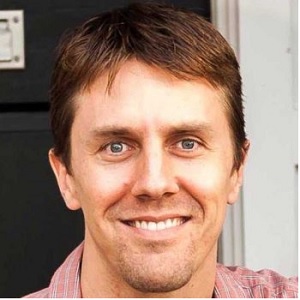
Chad Carson began real estate investing from scratch right out of college in 2003 at the age of 23. Since then, Chad and his business partner have bought, flipped, rented hundreds of properties in and around Clemson, SC. They currently focus on buy-and-hold rentals and private lending that produce regular monthly income.
Podcast: Play in new window | Download (Duration: 30:00 — 27.5MB) | Embed
Subscribe: Apple Podcasts | Spotify | Amazon Music | iHeartRadio | Podchaser | RSS
Chad focuses on using real estate income to retire early and do what matters. For example, in 2017 he traveled with his wife and two young daughters to live in Ecuador in South America for a year. He also enjoys working on local community projects like pedestrian/bike paths.
He talks with us today about house hacking and practice buying — and has a very doable strategy that involves you investigating 100 properties in your area within a short period of time to learn by doing.
Quotes:
“Real estate is a market-driven business. There is no U.S. real estate market—there’s a San Francisco neighborhood market.” – Chad Carson
“The basics of real estate are: you’re either going to try to buy low and sell high, or you’re going to try to buy a property that has a really good ratio of rent to the price you pay for it.” – Chad Carson
“If you love the game, and if you love the process and just the doing of it, then I think you’re going to stick with it.” – Chad Carson
Takeaways:
04:40 Understanding the nuances of a local real estate market, down to the street level, is key to making informed investment decisions.
14:14 Cold calling and researching 100 properties helps build confidence and uncover potential investment opportunities.
21:29 Real estate investing offers multiple entry points, from house hacking with low down payments to partnering with experienced investors.
25:42 Money for real estate investments is abundant if you can find and structure good deals.
28:26 Successful real estate investing requires loving the process and being willing to weather challenges.
Resources
- The Real Estate Investing (Newsletter)
- Coach Chad Carson: Invest in Real Estate, Retire Early, Do What Matters (Official Site)
- Chad Carson (YouTube)
Podcast: Play in new window | Download (Duration: 30:00 — 27.5MB) | Embed
Subscribe: Apple Podcasts | Spotify | Amazon Music | iHeartRadio | Podchaser | RSS
Transcript
Download transcript (.txt)Marketer of the day number 489, construct your ideal life. Enjoy the fun game of entrepreneurship, house hack and master real estate to build long term wealth with Coach. Chad Carson, Hey everyone, and thanks so much for listening. We're talking with Chad Carson. And Chad is a real estate entrepreneur from Clemence in South Carolina. You can find them at coach carson.com where he talks about using real estate investing to retire early and do what matters. You can check out his free newsletter at coach carson.com/newsletter so we're going to talk about lots of interesting things today. So how you doing today? Chad,
doing awesome. Really good to be here. Thanks for having me.
Yeah. I mean, glad to hear it. Glad to have you here. And so, yeah, tell me what you have going on and what has you excited these days?
Well, I'm always, as you mentioned earlier, I'm always involved in real estate investing. It's, it was something I started about 15 years ago. It's a little bit more of a passive part of my life at this point, my my family and I have two young kids, and my wife, we are living in Ecuador. We've been here for about a year, and our main kind of real estate holdings are back in South Carolina, in the US. So that's been kind of my project over the last 15 years, is to build passive income with that. And I also bought and sold properties and did some of that as well. But you know, these days, that's I manage that a little bit and I from a distance, and also write my newsletter. And try to help other people do the same thing. Try to help them use whether it's entrepreneurship, but primarily real estate investing, to kind of build wealth and then income streams that they can live on and do whatever else they want to do, whether it makes money or not. Well,
awesome. So you're basically living the dream. You're having your cake and eating it too, making money and basically on vacation all the time, right? Yeah,
I don't take I'm kind of a, I kind of like work projects. I don't take too many vacations. But, yeah, you that for sure, we're doing something different and enjoying life and getting to do some things that are we've been dreaming to do for a long time. Well,
super awesome. Well, yes, as far as the real estate stuff. Like, I have to admit, like, I'm, I'm super jealous of it and, and it's like, the the grass is always greener on the other side. And every, every couple of years I think about it, because, like, every couple years there's, you know, there's, like, sometimes some house for sale or some foreclosure or something nearby, and I start to, like, get the gears turning, but I very quickly talk myself out of it for a couple different reasons. I mean, maybe, maybe some of this sounds familiar, like, sometimes I'm like, Oh, I wish I had done the whole thing where, like, instead of a buying a house, you buy a duplex, where, like, you live in one side and you rent the other, and then you you rent for free, or you rent, or, you know, you live, or you live almost for free, like their rent pays your mortgage. But then I think, oh, I don't want to, like, share a wall with someone. I don't want to have someone, you know, noisy person, and I don't want to be having to, you know, unclogging toilets or dealing with loud neighbors. And then there's, like, the property management company thing. And I'm like, I don't know how much of a percentage that they'll take. And so at that point in my thought process, I pretty much, like, throw my hands and give up. And I'm like, I it was a dumb idea. So, I mean, am I? Am I crazy? Am I alone in this sort of thinking process here? It's definitely
some common objections that you have, and so you're not, you're not alone in that. And I think really the big deal with real estate is people, you know, people know about investments. They've heard about stocks, they've heard about bonds and and there's different, like, degrees of how passive they are. And so I think real estate is the thing that's a little intimidating for many people, is that you sometimes, especially early on, you do get a little bit more hands on. It doesn't have, you know, you don't have to be a contractor or swing a hammer. Like, I'm very bad at doing any kind of repair work whatsoever. Like, I'm even a bad painter, you know, I don't, I can't do any of that stuff. I can make a good punch list. I can manage people. But I think the decision that real estate such a big umbrella, and so it serves a lot of different functions. So I think, like, the first step I always talk to people about is like, look at where you are in your life, and look at where you are financially. So if you're, if you're somebody who is, like, kind of the early stages of of making money, and you kind of, you're working a job, and you feel kind of stuck. I think it's a really great tool for, like, particularly the house hacking that you were talking about earlier, where you live in one unit and rent out the other units. Like, I love that strategy. I did it myself. For anybody in their 20s, 30s, you know, they have a young family, or they're just on their own, you know, instead of just going and paying, like, for an expensive apartment, that's kind of a no brainer early on when you're because you're trying to reduce your expenses so you can save some money, you're trying to start building wealth, but you really don't know how to kind of get into the wealth building game. It's just the perfect avenue to kind of accomplish several things at one time. And so like for that, that's good for that stage of life. Other people who want to kind of build wealth, and they maybe either they want to control their investments a little bit more than stocks or some other things that are mutual funds, that sort of thing. They like the hands on. They like being able to kind of mix business and entrepreneurship with investing. And that's really what real estate is. I think it's perfect for those kind of people, too. And then, like, there's a whole nother segment of people, and I don't know you might be in this game. This part of the stage too, where you've already kind of built some money up, you saved money, and you're trying to decide, all right, where do I put my money at this point? And your real estate has some good kind of passive options as well, like what I'm doing with passive rental properties and private lending and things like that. But it's still, it's just got to be something I think you're interested in and also willing to kind of take maybe three to six months, maybe a year, to sort of gear up and get it going. After that, it can be a little bit more passive, but it just is like starting a startup, you know, you gotta, you gotta, kind of pay your dues a little bit learn. And after that, it kind of can get on autopilot a little bit more, yeah.
I mean, all that makes perfect sense, that at number one it, you know, it's not a one size fits all thing depending on, like your stage in life, your your your skills, right? Carpentry skills or not, or our financial situation, all of that. So there's, there's such a wide umbrella, it sounds like that there's something for everyone so that, that you can kind of pick and choose what, what makes sense for you. And that's even if it's tough at first, especially with the growing pains or getting things going, it won't always be that way. Maybe there'll be like that six to 12 month period of figuring things out, but then after that, you can take a step back and things might run a little smoother,
exactly, that's right, yeah. And in that way, it's no different than anything else. I mean, I know you, you teach a lot of entrepreneurship and online businesses. And to me, it's there's a lot of similarities between the two that you have to you have to learn, you have to pay your dues. But then, you know, once, once you get those systems up, once you get a team together, people are doing things for you, it makes it a lot easier. And
then and then. And something else that that kind of comes to mind is that it seems like that no matter what avenue someone takes. There's definitely that that aspect of like project management or or keeping your eye on the ball, so to speak, so whether you're doing the work yourself or you're having someone else, it's, it's really essential that you, that you, you follow up and you, you make sure that things are done, whether it's you or someone else. Is that right?
Yeah, that's right. I mean, so, like, even in the most passive kind of, like, so I'm a rental investor, and also do some, I mentioned earlier, some private lending. And so just an example of what you're saying with project management is, you know, I have a group of properties that a third party business, like a property management business, manages those properties for me. So they they talk to the tenants, they take maintenance calls, they do a lot of the day to day to day stuff that, you know, I don't have to do, you know, the tenants and the toilets that you mentioned earlier. You know, they take those midnight calls, not me, but at the same time, if I don't give them some some parameters, and if I don't give them some guidance, and if I don't check in on it every every so once in a while, look at the numbers and look for kind of exceptions or weird things going on, anybody can kind of get off from, even if it with the best of intentions. They can get off from what you want if you're not communicating, if you're not watching. So I think in that respect, it's always, I don't think there's any business that's completely passive in that respect, because you need to keep your eye on it. You need to, even if it's just encouraging the people say, hey, great job. You guys did awesome last month. You collected all the rent. You handled those things the way. I like it. Good job. That's awesome. You know, even that kind of thing is helpful. And so, yeah, I think that's always going to be part of it, but it can also be fun. That's where I say, if I talk to some people who are kind of like spreadsheet nerds, and they just don't want to, like, talk to people, and I say, Okay, well, you know, maybe real estate is not exactly your thing, because even in the most passive case, you have a person you talk to once a month for an hour or something. So I think that's the kind of delineation point when people are deciding whether to get into it or not. Okay,
fair enough. So, so even so that sounds like number one, you have to find a way to make it fun. And there's always that way to do it, right? I mean, like, think about like, video games are fun, but what are you doing? You're looking at a screen, you're pushing some buttons. How is that all that different than than you know, get, getting the spreadsheet together. But that on its own isn't enough. You still need to have at least a little bit of people skills just to be able to make sure things are going the way that you want them to go, and be able to express your needs and things like that. That's right, exactly right. So, I mean, would you say that you know, having said all this stuff so far, do you see, like, is there a really common like, I guess, gap in, in the information out there, as far as, like, what people out there usually know and what people need to know? Like, do you see any people like, out there just really missing out on some really important information as far as all this stuff goes, Yeah,
and I think it kind of we touched on a little bit earlier that, I think that people kind of lump real estate altogether, as opposed to, it's a very much a niche driven business. And so I can describe niches in a couple different ways. And I think the most important way though real estate is a market driven business. So there is no us real estate market. There's a San Francisco neighborhood, you know, market, and not even San Francisco is even too big. Sometimes they analyze a market. You really have to get used to figuring out what niche of a location am I going to invest in. Because, you know, at the essence of real estate, you have to look at the end customer and say. Are going to be a renter, or it's going to be somebody buying a house. And I'm thinking about residential real estate primarily right now. And so like when you think about those people, you know, when you're going to hunt for a rental property, you know, all of us have done that, you think about, what do they what does that renter want? They want to live close to something, you know, in that in that certain neighborhood, that certain locale, it might be a coffee shop, it might be a park, it might be a school district, you know, and it's going to depend on what location you're in, what's important. And so the first step I always tell people, I think the gap that a lot of people miss is that you really have to commit to studying a local market. And I think you can get better at that about you can become an expert in a market, you know, I've done this in three months just by slicing it down really, really small into a small, little niche. So, for example, if you, if you already rented in a neighborhood that you thought was a good opportunity to buy properties or to invest there, just slice it down to, like, a few blocks and look at, you know, call every front sign, look at every Craigslist ad, look at every realtor for listing, for sale, listing. And I challenge people to look at, look at 100 properties without the expectation of doing anything, just just out of interest of learning. And if you, if you look at 100 properties in your little niche, I think you're going to get really good and confident and what's going on. You're going to know who the players are. You're going to know what the numbers are. You're going to know how many properties are for rent. What are the high high numbers? What are the low numbers? So I think that kind of, like skill is just a regular skill that real estate investors need to cultivate. Is a gap for a lot of people is not figuring out what that niche or what that location will be.
That makes a lot of sense. So, like, basically, become so obsessed with that, that little area that you kind of, it's impossible to get it out of your head that you've made all those phone calls, you've seen the same names over and over and, you know, all the numbers that you can, just like, look at a property and maybe have almost get to the point where you can have, like, an intuition, a sixth sense about, is it a pass or fail
exactly because, because real estate's a value. It's a value game. You know, the basics of real estate I could describe like deal analysis, and let's see maybe 20 seconds here. You know, you're either going to try to buy low and sell high. That's that's one strategy, and you're going to or you're going to try to buy a property that has a really good ratio of rent to the price you pay for it. It's one of those two. I mean, you can combine those in a lot of different ways, and there's a lot of a lot of different ways to look at it, but that's why you study the market, because you want to see, you want to understand the relationship between rents and prices. You know, in some neighborhoods like I studied, just because I've coached some people and helped some people out, like a lot of California big cities or New York City, the relationship between rent and price is just way out of whack. You know, it's like you have a really small rent, a $2,000 a month rent, and the property is worth 800,000 bucks and that. So what you need to know in your local market is, hey, that's that's not gonna work. I'm gonna look at the numbers and know that doesn't work. As opposed to another deal where I could buy it for 200,000 and it rents for 2000 you know, that's a good deal. And if, like, if you saw that, it would jump off the page, and you would say, I gotta buy this. I gotta make an offer, like, right now on that property. And that's really, like, the kind of skill and the kind of confidence you get as you learn the market, and then you combine that with understanding of what it means to to make money in real estate, which is really no different than any other business. You know, you're trying to buy it at a lower price than you sell it for. And with income property, you're trying to get as much rent as you can back as quickly as you can. That's really the name of the game. You can make it a lot more complicated and get into a lot of financing and all sorts of other stuff, but that's really the basics of real estate investing and how you make money. Yeah.
I mean, this is making a lot of sense, especially you've alluded to a couple of times here, that it's, it like it's, it's real estate, but it's still, there's a lot of parallels to other kinds of investing. And what you're making me think of is, you know, some of these guys who do the stock trading stuff, and they they just have, like, a huge pile of money that's just in cash, not even invested in anything. So that way, when the right opportunity comes along. They don't have to spend a month crunching all the numbers. They can just see it and jump on it. And, I mean, maybe, maybe they crunch some of the numbers, but sometimes you just have to be able to see enough to be able to know, like, Okay, I crunch numbers, but I got to this final calculation. But is that, is that good or is that bad? So you get that from from all the repetitions and all the experience. And one thing that I'm curious about that I'm hoping that you can clear up here. So you mentioned this idea of basically calling out to 100 properties and so, so what does that mean? Exactly like you go on Craigslist and you, like, look at properties for sale and call and inquire about them, or what's the plan there?
Yeah, that'd be the basic, basic idea. And if your readers are interested, you mentioned my website, and I'm not trying to give an extra plug there, but I have a little form that people can look at for free, and this basically has a lot of questions and information that they might want to ask when they call those numbers. And so you, what I would recommend is just print out some of those forums or have them on your computer and word or something. And you would just just. Practice is, is that you're practicing buying that property like when you call them up, you say, My name is Chad person I saw you had an ad for a house for sale over on Smith Street. I'm interested in buying a property in that area. Do you mind? Have asked some questions about it, and then you would just go down the list, and it's really good practice as a, you know, for people who are uncomfortable talking cold calling, you know, talking to somebody. It's really non threatening. I mean, if they you're not committing to buying it, you're just asking questions. But you just get a piece of paper, you write the information down, you learn. And the point is, though, maybe, like, the first 20 or 30 you're going to be asking questions about, what are you trying to sell it for? How big is the property? Does it need any repairs? What kind of repairs does it need? You know, all those kind of, kind of basic questions about the property and the numbers the first 20 or 30 it might not make sense, yet you're just taking notes. And you said, thank you very much. I'll call you back if I'm interested. But by the 50th or 60th one, you're going to start seeing some patterns, and like I was talking about earlier, you know, you might have a bunch of properties where the numbers just didn't look that good. And and then all of a sudden, one guy, or one person says, Yeah, I've owned this property for a long time. I'm a landlord. I'm just, I'm kind of sick of the tenants, and I'm just ready to get rid of this property. Like they'll volunteer that information. You know, one out of 100 is going to be kind of a motivated seller, somebody who isn't just trying to get top dollar. They just, they just, I just want to get rid of this property. And I've heard those exact words many times, and when you hear that, that's a sign you're looking for good numbers, but you're also looking for a seller who has some kind of other motivation, other than just trying to get rich off of that property. And so when you hear that, that your ears are going to perk up, you're going to take a little bit closer notes, and then you're going to you're and if you're really bold, if you want to go do this, go make an appointment with the person. Say, When can I meet you? I'm available this afternoon. And you go out and look at the property, you take some pictures, you ask more questions, you build some rapport, and you try to estimate by looking at this property. Is this a good property? Is it in demand? You kind of double check your numbers. I've got a few formulas on that spreadsheet, on that sheet that people can look at just to do some basic numbers. But that's really the kind of the process you go through to buy a property. And I'm not buying a lot right now because I'm down in Ecuador. We have enough properties. We have a 90 properties back at home that kind of take care of us right now. But when I'm in the buying mode, you know, I'm just talking to people on the phone. You know, one out of 10 might make sense to go look at. I make an appointment. I go meet them at the house. We meet for an hour. If it's a good deal, I'll make an offer right there with a piece of paper saying, Yeah, you know what? I know you're asking 80,000 bucks for this property. The best I could do is 60,000 bucks, but I could pay cash, and we could close this Friday, if you wanted to, and they'll either say yes or no, or we'll negotiate, you know? But it's just like that. You just get out there, you make an offer, you buy the property. Super
awesome. I love this. And by the way, I mean, if you want to plug the link to get that that worksheet, I mean, I have no problem with that, plug away.
Awesome. So it's Coach carson.com, forward slash newsletter. And so it's called a you'll see it says Free, free tool kit. And so as soon as you sign up for that, you'll have a link to that it's called, it's called a acquisition. Let's see what's it called, acquisitions form, or a buyer's information sheet. And then there's a lot of other resources, like a closing checklist and other free stuff that you'll need once you get it under contract and you're ready to buy
it. Super cool. And, I mean, I just got to say, like, I love this strategy, because, I mean, sometimes people throw things out out there, just as like, a, like, a pie in the sky made up thing, right? Sometimes they're like, oh, go check out 100 things. But I like this a lot because, I mean, you're making these phone calls and you're, I mean, you're not even really being too shady, right? Because, I mean, you are interested in buying, in buying that property. You're interested, right? You're just asking questions. You're just doing a little fact finding and, and what's great about this. The strategy here is, I mean, it pays off in so many ways. Like, it gets, it gets you to figure out how to, like, you said, like, get a sort of a smell for these properties. It helps with the confidence issue. Because, I mean, you've made 100 phone calls before you've even started, and then when it when you're ready. I mean, this is the kind of thing where it's like, you're making these phone calls, because at some point you want to get into real estate investing, so that by the time you're ready for that, once you have all your ducks in a row, then you have the relationships with these buyers, and you already know about some of these properties. So this might even start out as this might just be a casual thing you're looking into, but by the time you get finished making all these phone calls might be ready to pull the trigger and get into this thing absolutely,
you know. And I think this is probably other industries as well, but real estate investing in particular, like, when you're a new investor, you're like, I want to go learn about this. And how do I buy it? You know, the temptation is you go to some of these seminars, or a place where they upsell you to, like, the next $500 weekend and a $10,000 coaching program and this and this, and, yeah, I don't there's value in those kind of things. But to me, like, if you could early, early on, and whatever you're doing, try to kind of get with a predisposition towards taking action and actually, like, learning in the real world like you're talking about, I think that's so much more profitable. Because even if, like, if you were to do a one on. One consulting session with me, which I'm happy to do. Like, it would not be as helpful to you or to me, really, if you didn't have some kind of, like, real world things to talk about. So, like, if you had done 100 calls, which are very non threatening and what we just talked about, we could then go down a list and say, Look, I talked to these five people. This one seemed like a good deal. Can I share the numbers with you? You know, we'd have some real stuff to talk about, and you would get so much more out of it. And so that's why I try to start with that, because you don't need to be an expert to go make 100 calls. You don't need to be an expert to go walk around a neighborhood and look for signs for sale by owner, signs. That's just something that's kind of fun to do, and it's curious, and it gets you out, and you can exercise, and you'll feel good about yourself, and you'll learn in the process. And maybe even, you might even get lucky. And, you know, early on doesn't always happen, but you might just stumble across a deal. Somebody just tells you about a property and some numbers that are just such a no brainer that you just, you just jump on it.
Yeah. I mean, I agree completely. That's super cool. I mean, you can't learn karate from a book, so, so get out there instead of, uh, instead of doing all that, all that book, book reading. So something else that that, uh, sort of, at least me personally, and probably a lot of others, something that makes me maybe hesitate about this real estate stuff is sort of the money issue. Because sometimes I'm like, well, like, how much money saved up is enough? Or should I shoot for a certain number? Or should I plan to, like, dump all the money in one property or spread it out, or, like, somehow use someone else's money? Man, I know that's sort of a loaded question there, but what are your thoughts on all that stuff?
Yeah, you're exactly right. I mean, real estate is a big money game, and that some markets are much bigger than others, like where I am in South Carolina, you know, the median price in some of my little towns are 150 to 200,000 so that's kind of, for some people in New York or California or Toronto, Canada, you know, they're going to say, Wow, that's like, you know, you couldn't buy a shack for that. You know, they're starting at 500,000 or 600,000 so the money is definitely an issue. I would say, I would go back to the point of, like, earlier, we're saying, you know, real estate's a big umbrella. You have to sort of look at what niche you're going to be investing in. So let's take, like, house hacking, which I mentioned earlier, which is one of my favorite strategies to get started. It's a lot easier to get into house hacking because you are actually going to be moving into that house. And when you when you're talking about owner occupant financing, it's the most widely available type of financing out there. So like, if you were going to buy a duplex, you could go to any like, more your local bank, your mortgage broker, you know, find somebody you're comfortable with who has a wide variety of programs. And you just tell them, I'm going to be buying looking for a duplex or a triplex or a quadruplex. You know, I like to get a long term fix the mortgage that I think that's important, because you want to get the lowest interest rate possible, the longest terms possible. So like a 30 year loan to be kind of your standard owner occupant loan. And just tell your mortgage broker, your mortgage lender, that what you're doing. And they'll they'll say, Okay, well, let me show you the programs. And they'll tell you, Hey, you could get a you if you could buy with your income. And what you're telling me, you could probably buy a $400,000 property. You'd have to put 5% down, or 10% down at minimum. And so that they would, you kind of, work it backwards, working with your mortgage lender, and you would figure out, all right, 10% down on a $400,000 property, that's 40,000 bucks, and you either have that or you don't. So if you don't, then you might start looking at, is there any other loan programs where I can do 5% down? And so you kind of, you can work it backwards. You can figure out how much you need down. And it's much easier to qualify if you have a good credit and a job, kind of steady job, to get kind of a bank loan. So that's that's like, one kind of component, one path. It's actually not the path I went down, because when I first started, I just I graduated from college. I was a football player at Clemson University, where I went to school, and the NFL didn't work out for me, and so I was going, all right, what am I going to do? I'm not. I was. I thought about going to med school, but I didn't want to do that for a while, so I just sort of jumped into real estate, just thinking, I'm just going to give it a shot. But I had, you know, no guaranteed income. I was living in first my parents house, then a buddy's house, and so, like, I was very unbankable. Like, no bank was going to give me a loan. And so I had to get a little bit more creative, and I had to go to other individuals. So, like, think about me right now, somebody's kind of more of experienced investor, like a young investor who had no money might come to me and say, in my hometown and say, I'm out there. I'm out there calling 100 properties. I'm finding some good deals. I'm not somebody who has the money to buy these deals. Is there any way we can work together to do that? And that's exactly what I did with an experienced investor in my town. And so I basically partnered with people who did have the money, and I was, I was the hustler going out making offers, and we figured out a way for them to put up the money, then split the profit on the deal once we bought it. And so that's, you know, that's not the simplest, most straightforward way. But I guess my point is, if you get good at finding deals, and you get good at understanding the numbers, there's definitely, there's tons and tons of money out there, just in general. I mean, if you look in the world right now, 2018 with the way the. Governments have pumped money into the system, and there's tons of loans out there. The interest rates are really low. There is so much money looking for good returns. And so if you can be the person who figures out how to put deals together, whether that's real estate or anything else, that the money is there if you learn how to ask for it. And so I think that's the that's the general message we could go into like all sorts of rabbit holes about, how do you how to how do you find those people? How do you structure it? I'm happy to do that, but it's just kind of general ideas. You either go that conventional route, go to a bank, get a loan, that's one way, or you kind of go the venture it's almost like the real estate venture capital route, where you, you know, go find people who have the money, you put the deal together, and kind of figure out a way to split that pie between the two of you, or three of you.
Well, super cool. Well, yeah, I don't want to dig too deep on some of this stuff, because I'd rather send people over to you, and then you they can dig deep on on your newsletter and your content, but, um, but I like, I like a lot of what you're laying out here, and what the sort of the common thread that I'm hearing with all this is, don't be afraid to talk to people, whether that is, you know, going out there and and making those 100 calls and looking at those properties, or once someone has done that, and maybe they have, like, their their five favorite or now they're at the point where they're ready to make some decisions, then they can go and talk to you and flush that out. Or if we're looking to get the money situation figured out, don't be afraid to talk to your lending agent, or even do some of these partnerships where you know, one person does one thing, one person does another thing. I mean, yeah, all these, all these great little micro stories that you're working in here, where it seems like there are all these deals that wouldn't have even happened if, if you hadn't just picked up the phone or gotten out there or talked to people that you need to talk to. So, I mean, this is all great stuff. And so as we're winding down here, I'm curious about like, so you've gone through all all this stuff and all these, you know, years and decades of of being like a great investor and things like that. Is there anything that you wish you'd you could tell your younger self when you were, you know, sleeping on those couches, things like that, any sort of message you wish you can send back in time, if you could,
yeah, that's a good question. I'd say, do it all over again. This is, this is a fun game. I mean, I really love entrepreneurship. And, you know, even when it, aside from the financial success, like the fact that it you progressively get, you know, you build wealth, you start getting these income streams coming in, and how awesome that is, and how much flexibility that is, like, I just love the entrepreneurial game. And I think people who are attracted to real estate and other kind of things where you get you kind of get involved a little bit. I think you got to love it. And it's not for everybody. And I think so. I think if it's attractive to you to kind of put a puzzle together between the people and the property and the money, if you like going out and negotiating and making things happen and kind of have some control over your your investment, investing destiny. If that excites you, then Awesome. That's that's my message to my earlier self, is like, Hey, this is exciting. You know, stick with it and do it anyway. And that you're gonna have some, some ups and downs. You're gonna have some some challenges, like I went through the 2008 2009 you nine, you know, economic real estate downturn, and that was kind of, it's kind of like having a hurricane come and you had to kind of batter up the windows and just kind of hold on for dear life. And we made it through. But you know that that kind of stuff is gonna going to happen. But if you love the game, and if you love the process and just the doing of it, then I think you're gonna stick with it. You're gonna learn what you need to learn what you need to learn. You're going to build relationships, and that's going to serve you well down the road. Well,
awesome stuff. And I can relate completely to enjoying that journey of entrepreneurship, and, you know, taking pride in what you built, and, like you said, solving the puzzle and, and being in control and kind of have having ownership over all that, I mean, and, and also, yeah, weathering through the scrappy years. Yeah, so, so, yeah. I mean, that's great stuff. And I want to make sure that, you know, as we're sort of, you know, ending wrapping things up here, that everyone knows where to go and find out all all these great stuff. I know you mentioned the website and the newsletter, but if you want to mention those again or any other links that you feel are appropriate. I mean, feel free.
Great. I appreciate it. Yeah, just hop on over at coach, carson.com, and then forward slash newsletter is probably the best place to start, because you'll that's where you get the free real estate investing toolkit. A lot of the things we've talked about today, like the how to analyze deals, the questions you ask when you call somebody, you know what you do when you get to a closing and then also, I just have some kind of introductory videos and some other free stuff that helps you sort of figure out what your niche is within real estate. That'd be the place to go, Coach carson.com, forward slash newsletter. And I would love to meet people, ask answer questions, let me know how things are going and what you're interested in. I would love to hear
from you. Super great. So did you hear that? He'd love to hear from you. So don't let Mr. Chad Carson down. Run don't want go over right now to coach carson.com/newsletter and we will see you there. And thank you.
All right, thanks for having me, Robert. It's a pleasure. Subscribe to us right
now, while it's still fresh on your mind at marketer of the day.com/itunes,