Published Last updated
View in Podcast Library: stories, quotes, books, and resources in one place.
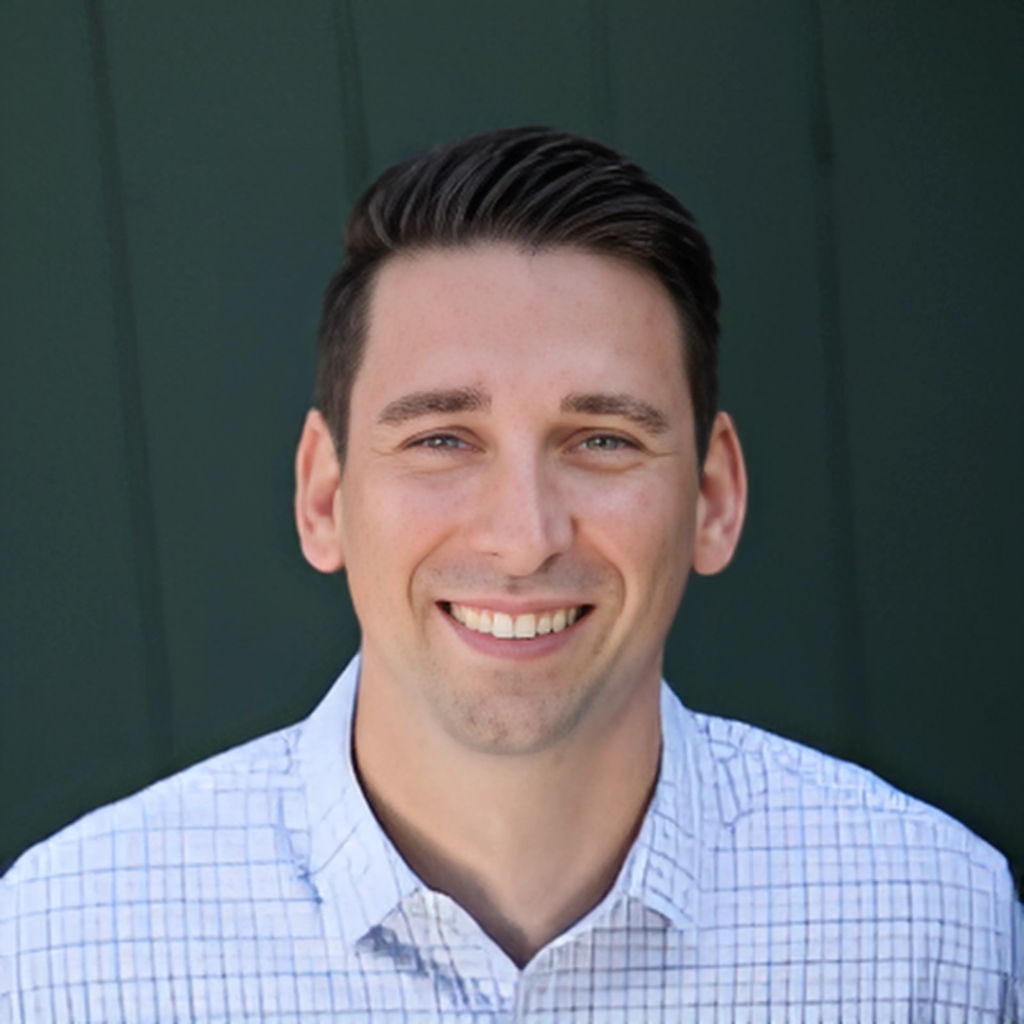
John Kennedy covers Business Financial Strategy in this Marketer of the Day episode. John Kennedy explains how business owners can make smarter financial decisions by understanding their numbers, outsourcing strategically, and becoming comfortable with change. His fractional CFO approach helps entrepreneurs connect business cash flow, key performance indicators, personal finances, and long-term planning without hiring a full-time executive. One practical exercise is calculating your effective hourly rate and comparing it with the cost of outsourcing tasks you dislike or perform inefficiently. He recommends separating work into tasks you love and perform well, tasks you can do but dislike, and tasks you neither enjoy nor perform well. John also stresses that entrepreneurs often prioritize urgent work over important activities such as long-term planning and business improvement. Retirement for business owners may involve consulting, investing, or working selectively rather than stopping completely.
John Kennedy is a certified financial planner who focuses on helping business owners scale their companies. He co-founded Candor Path Financial, a firm that provides fractional CFO services to entrepreneurs. Today, John discusses the benefits of working with a fractional CFO, highlighting how it can help business owners manage their finances, understand key performance indicators, and make informed decisions.
Quotes
“We oftentimes prioritize urgency over importance. And I thought, ‘Man, oh man, that’s so true,’ and that just defines all of what we’re talking about here.” – John Kennedy
“For the clients we work with, if we invest in technology and automation correctly, there are no geographical boundaries. You can travel and spend time with your family, kids, and grandkids, without being confined to a nine-to-five office schedule.” – John Kennedy
“We really enjoy having one-on-one conversations with individuals and business owners. So, at the very least, let’s have a conversation. We’re absolutely open to it.” – John Kennedy
Takeaways
02:06 Fractional CFO services can provide valuable financial guidance and accountability for small business owners who may not be able to afford a full-time CFO.
04:14 Outsourcing and leveraging technology can help business owners focus on their core competencies and improve efficiency.
07:25 Understanding your hourly rate and identifying tasks that can be outsourced at a lower cost can lead to significant financial benefits.
16:09 Retirement planning for business owners is evolving, with many continuing to work in some capacity even after selling their businesses.
19:57 Passion and finding work that aligns with your interests can be a key driver of success and fulfillment in both business and life.
Resources
- CandorPath: Our Guidance. Your Journey. An Ensemble Approach to Financial Planning
- Connect with John Kennedy on LinkedIn
Podcast: Play in new window | Download (Duration: 26:55 — 24.8MB) | Embed
Subscribe: Apple Podcasts | Spotify | Amazon Music | iHeartRadio | Podchaser | RSS
Transcript
Download transcript (.txt)Marketer of the Day episode 699 get comfortable being uncomfortable. Understand your numbers, calculate your hourly rate and implement a winner's mindset with John Kennedy. Hey everyone, and welcome back to the marketer of the day podcast. We are joined here with John Kennedy, who is a certified financial planner, and he focuses on working with business owners and helping them scale their business, because Long gone are the days of focusing on just these old school techniques to build wealth. And John believes that as a business owner, your mindset is on growing the company. And he understands that for most people, including you listening right now, that means investing every bit of your cash flow back into the business. So John, glad to be talking to you.
Yeah, absolutely. Robert, thanks for having me
today.
Glad to have you. And I don't know about you, but I'm the kind of person where, like, if I'm listening and listening to a podcast interview, sometimes the guest or the speaker says just the right thing, and I say, I don't need to hear anymore. Let me go contact them. So can we throw out your contact details so that if someone's listening and they say, I've heard enough, I'm ready, they can just jump in and call a phone number, go to a website, something like that,
yeah, yeah, I'd be happy to so our website's candor path.com, c, a, n, d, O, R, P, A, T, h.com, and then our phone number is 407-502-7284, and if you Google me, you're probably not going to find anything, because my name is John F Kennedy Jr, so I'm very pretty deep in the Google search because of the Royal Kennedy family,
right? But, but maybe you can pick up on some of their coattails. So, so great. Yeah, we
There we go.
We throw those out, so that way, if you google him, you get buried, but with all that other stuff, so can door path, calm, 4075, or 5027284, so now that we've thrown out the sales pitch, now we really have to deliver right now. We have to really impress people. So can you tell me if someone's listening today and they're not like I'm not sure if I'm listening to the right thing or if it's aligns with my problem. What's the problem and what are we solving here?
Yeah, well, so for us, I mean, we really try to serve as a fractional CFO for business owners and entrepreneurs that we work with. So I kind of feel like, you know, long gone are the days of that traditional financial model. I mean, when you think of a financial advisor. What do you typically think of like, that's the guy or gal that, you know, rebalances your portfolio, helps with your stock and bonds, that type of thing. And don't get me wrong. I mean, that stuff's like, that's what's really critical. It's important. But we found, you know, a long time ago, that working with business owners, identifying with their issues, helping them with, you know, key performance indicators, the lending of their business and their personal finances. How hard is that? Sometimes, especially in those first five years of starting up a business, and we just identify with it, you know, we're we started our own business, my business partner, Matt and I, you know, we started canter path financial with this vision in mind to serve as someone's financial advocate and go far beyond just like the traditional financial, quote, unquote financial advisor type stuff. So that's really key to us. I mean, we love what we do. We have a passion for it, and we just, we love serving business owners,
super cool. And what you've done, right there is one of those things that a lot of people pay lip service to, but not everyone does in not just serving everyone, right? You say, I provide this service, and that's okay, but then I also serve this particular niche or this particular demographic, and especially who you've chosen in particular business owners, I mean people who are busy, people who have to learn all these different things, may be afraid of looking stupid, and like, years ago, when I first came across people such as yourself, I was like, Where have you been on my life? Some of these guys would say things like, well, just give me your paypal dump and I'll make sense of it. You don't have to, you know, clean things up for that. The regular accountant, it seems like a really needed service. And so as far as some of these things that you do specifically, and you mentioned like this, this fractional CFO thing, so I have a feeling like, I kind of maybe know what that means. But when you say fractional CFO versus regular CFO, what does that mean exactly?
Well, I guess you know, I like, there's an important statistic that I read in the last couple of months, and it was something like, there's 20, I think it was 27 million business owners, or businesses in the United States that operate with a million dollars or less a year in revenue. And, I mean, look like that's, that's a lot of money. I mean, if you're, if you're a business generating $500,000 or $300,000 in revenue, that's still a lot of money. But the reality is, being able to hire a full time CFO to help you manage all these different elements of the financial side of your business, it's just not practical. So, you know, we live in this gig economy, right, which is such a such a buzz word right now, but it's this outsourced economy, and so we. Thought, Well, okay, you know, why are we not translating our skill set to be able to serve in that capacity for a business owner? And you know, it's just so interesting to me. I mean, I feel like, I feel like, you know, you had mentioned this a little bit earlier, in terms of working with business owners versus just working with anybody, right? Like, so in my industry, it's like, when you start out, it's work with work with anyone who's willing to work with you. And I mean, we work with all walks of life, retirees, people who are just starting their career. But the fact of the matter is, we just really identify and working with business owners, that's where our passion lies. So it's a lot of fun, but I think, you know, in serving as a fractional CFO, we're helping someone identify what their cash flow needs are, what's what's going on within the business, understanding key performance indicators really, even just having like, you know, perspective and conversations around big financial decisions and how money moves from the business side to the personal side, things like that. A really fun example I like to give you know, if, especially, like in the service based world that I'm in, there's a lot of business owners who their valuation of their company as they're looking to sell and do their succession plan is based on a multiple of revenue or net profit, right? And so we can find ways to increase your net profit, even if it's by 1% if you're a business that that $5 million that's $50,000 so 50,000 times whatever the multiple is in your industry to sell your business for. So there's a lot of, like, really cool, practical things that we do, and we just love it. It's fun.
It seems like it shows off in your you're speaking here, and it seems like this. So this way, it's like, you do a little bit of the thinking for US business owners. Or you, kind of, you're you think about maybe some of the things we might be missing. And we don't have to piece these different, like, pieces of advice together, and you won't have to have something full time, like you said, it's the gig economy. We don't have to have that commitment. We can just like, do a little bit there, and so kind of speaking to the way that things have evolved, and the gig economy and things like that. And it seems like you're really interested in, you know, outsourcing and using technology to get more things done. So can you unpack that a little bit? As far as like working with these business owners, like, what have you seen? As far as, like leveraging that this outsourcing and technology, just to, just say, improve these multiples, to improve this casualty, just to make things work better.
Yeah. I mean, I would even use our business as an example. I mean, in the last 24 months, we have changed literally every system we use, from our from our CRM to our client communications, outsourcing, different things like, like event planning. It's really important for us to be connected with clients outside of the meetings, and we're going more and more virtual with our meetings, right? So we decided we need to hire an event planner. We shouldn't be trying to manage all the details of that. And so I feel like, you know, for us and for a lot of other business owners, it's really just about getting uncomfortable with it, like change is always hard and it's always weird. And when you you know when, when you decide to do something different, whether it's how you're doing digital marketing or doing videos or whatever. And I can go off all sorts of different tangents on this, but I think really the idea of of leveraging and outsourcing is is, for one, just getting uncomfortable with it and and then from there, be willing to be uncomfortable with it. From there, I think you have to, you really have to understand your numbers. I mean, like you have to know in the profession that you're in, what your hourly rate is. And I feel like it all sort of starts there, because if you can identify your hourly rate, and then from there, you can identify, Okay, here are things that I'm great at and I love doing. Here are things I'm I'm great at, but I don't necessarily love or have the time to dedicate to doing. And here are things I'm not great at and I hate doing. And sort of starting with that list and identifying all the different areas where you potentially could outsource. And depending on what the hourly rate to outsource that thing might be, you can stack it against your own hourly rate and very from a very quantifiable way, understand well, is it worth doing that? Right? If I'm at, if I'm at an hourly rate of $200 an hour, and I can outsource this for $45 an hour, and then do what I'm really passionate and good at doing, that's a good math equation. So, you know, it's, it's, a weird exercise at first, because it sounds basic and it sounds easy, but when you really spend an hour and carve out, like, okay, here are the things I love doing, I'm great at, here are the things I suck at and I hate and everything in between. It's an important it's a really important exercise. I
think it's
critical. I agree, and that's the kind of thing where I don't do that often enough, but like, maybe once every I don't know three to five years, I kind of make my best guess. Because, as you know, like, we don't even, we don't always know exactly like what tasks we do, unless we like track it really well. And I mean, it took me, like, probably a whole decade to even, to even think in this way that you're describing, like in in my 20. I was afraid of looking at numbers. And it wasn't even like sometimes the numbers were down or up, but just there was just, there was so much emotion attached to all of that, right? Like, if I felt like I had to be so involved with things. But then the problem with that was, when the numbers were down, I took it personally. When the numbers were up, I told myself, like I wasn't doing enough. Could be doing more, and then only within the past year or so have me and my business partner finally got into this outsourcing stuff. And I mean, it's like this whole we had so many conversations probably every week, saying, Why didn't we think of in this way earlier, like you're describing here, of like making that inventory of those tasks and saying, Well, let me just try outsourcing this, and then, whoa, I can't believe how cheap that was compared to what my hourly rate is that you that you described. And then it kind of almost like snowballs, right? Because you can just, like, take more things away and just pay a fraction of the money that you would have been, like, paying yourself, so to speak, and then focus yourself on doing more, bigger and better things. I mean, have you struggled with something similar like this, like just making that mental leap between the chaos and winging it, being afraid to make that inventory and still being more organized?
Yeah, absolutely, I think it's difficult, and honestly, by no means. Have we perfected it? I mean, that is just an evolution that we you know. I mean, as an entrepreneur, you always feel like you can get better at that stuff. I do think that this is where we always talk about, like transformative planning, and where, like the quantitative and the qualitative can kind of blend together. So like understanding very quantitatively, what the numbers are, what your hourly rate is, what it costs to do this. But like you said, this took me a long time to even get to this point in my thought process and my mindset to understand that, hey, I should be doing this exercise every few years. I should be identifying what these things are. And so for us, we like to have this discussion because it's very qualitative in nature. But these are the types of conversations we're having with business owners, because it is hard, and frankly, at the end of the day, it's just more, more or less about accountability than anything else. I feel like we serve in that capacity, because it's easier said than done. It's like the same way that you it's the same way that you hire a personal trainer, right? Like in your fitness is it? Is it a difficult equation to understand how to get healthier and how to get in better shape. Not really. It's we know we need to exercise. We know we need to eat better, but that's really difficult to commit to day in and day out. And so you have a personal trainer to hold you accountable, to coach you on nutrition, to show you the best exercises that are going to optimize, you know, the time that you have in the gym, that type of stuff. So we kind of feel like it's the same thing. It's just that accountability that's so critical.
Yeah, yeah. I mean, I agree completely. It's like, as you're explaining, that makes me think, like there's a certain amount of just, like, maturity and growing into it. And then also, there's some days are better than others, right? Some, some days your mood and your motivation are better than others. And just like, how sometimes it's tough to go to the gym just because you have too much going on, you don't feel like going out, getting out of bed, but then you have that personal trainer, so that way you have someone to hold you accountable. And you're you're letting someone else down if you don't do it, it's not just about you. And then also, there's a little bit of that, that mindset stuff in it's it's easy. It's like, you just have to get there, right? You just have to get to the gym, so to speak, either literally or figuratively in your business. And then so so many tasks that we need to do, or so many, you know, projects or things we need to show up for, we just, we dread it up until the moment. And then once we're in it, we're like, like, two minutes into, say, like, maybe a podcast interview. We didn't quite feel like going to podcast interview. Two minutes in. I'm like, minutes in. I'm like, it's a big deal. I can't believe I was dreading this. And it seems like there's just, there's so much of just showing up and like you're saying here, like, going back to the fundamentals and then making sure to, like, check in with ourselves, even if it seems like a really simple, easy thing, like, you know, writing down our goals, or figuring out what these tasks are that that we don't really feel like, because if we don't do them, we will really drift, won't we? Like, things will happen just, I mean, like, driving a car with your eyes closed, like, maybe you'll be okay for for 30 seconds, but you're gonna end up in some really bad places if you don't know, like what you're doing and what you enjoy, and so, yeah, this is all, this is all really important stuff. And then, so, because you're a a certified financial planner, and you know, you're all about the money, you're all about, you know, living that lifestyle, getting to that retirement for a typical nine to FiVER, they kind of know what retirement is like. Right pay into the retirement account and then you cash out. But as far as business owners, what does retirement look like for some of these people you're working with?
Yeah, definitely. That's a great question. And before I answer that, I'd like to say to some of what you just said. I heard this on your podcast where you. Recently, I wish I could give credit where it's due. I can't remember who said it, but it was we oftentimes prioritize urgency over importance. And I thought, when I heard that, oh my gosh, I thought, Man, oh man, that's so true, and that just defines all of what we're talking about here. We prioritize urgency, and I'm guilty of it. I have meetings throughout the week. What? What ends up happening if I have three meetings in a day, I need to prepare. I needed to, you know, I need to be all in and mentally focused on the meeting. I have follow ups. And so those things are really, really urgent and and then the big scale, long term, you know, vision casting and stuff we want to do, the important stuff gets pushed aside. So anyway, I just thought, Man, that just so ties in with what you said, that we oftentimes prioritize urgency over importance, and it should be the other way around. Yeah,
yeah. And it's like, the the whole the Stephen Covey quadrants, right? You figure out, like, what's urgent and important, urgent, not important. And then once you put them in the right buckets, then you know, like, what to delete, what to delegate, what to do, all that, definitely stuff. But, I mean, once again, something super simple, but it's so simple that a lot of people don't do it, and that's to their own detriment.
Yeah, yeah, absolutely. And I think in the in the realm of kind of get back to what you were saying with like, lifestyle and retirement design for business owners, I you know, for us. I mean, we're, we certainly are following our passion. I love what I do for a living. I wake up in the morning pumped about it. I wake up at 2am and I'm thinking about this stuff. I'm like, jotting notes down. It's just that's when you know your passion is in the right place, like you're doing the right thing, right? And so I think entrepreneurs today are definitely redefining retirement, right? Like it's not this. Hey, let's work until 65 build up, build up a portfolio, which, by the way, those are all four things to do, right? Like you need to be saving and building up in other ways and diversify. But that's sort of the old school way of doing it. I think today I work with more and more retirees, where we talk about succession planning and selling their business. And then when they get to that point, love what they do, and they don't want to do that yet, you know, so they continue to work in certain aspects of their business. Maybe they, maybe they do sell it, go back and consult for their business. But it's not no longer are the days where you're just going to stop working one day and then and then never go back to work for the next 30 years. It's just, it's just not really practical for someone who has poured all of their time and effort into their business, their career, being an entrepreneur. So I think it's kind of cool. I mean, you know, for for the clients we work with, if we invest in technology and automation correctly, there's no geographical boundaries, you know? I mean, you can you can travel. You can go do the things with your family and your kids and your grandkids that you want to do, and not be defined by having to come into the office from nine to five. And frankly, it just doesn't feel like work. So, you know, it's, it's not, it's not difficult. And like, use me as an example, right? Like, I'm in my 30s, my business partners in his 40s, we both have two children, and we prioritize our family. I mean, I want to be with and around my family as much as I possibly can be that sometimes, you know, work is challenging. It takes up a lot of time, but it's just, it's just so, so different nowadays versus how our, you know, parents and grandparents had to, had to work.
Yeah, I agree completely. It's like, the, the old fashioned model is, you know, go to go to the factory, go to the coal mine, and put up with this job for a couple of decades, and then you're so tired by the time you're 65 you say, okay, great, I'll just, like, take a nap for 10 years, and then you die. And what's the point of that? And, and like, so, you know, I've interviewed a lot of like, kind of older people on this podcast, and the question always comes up, like, Well, some people when, when they're of a certain age, they just sort of wither away and die. And like, they might not be physically dead yet, but they might as well be just kind of sitting around all day or have the brain fog, and that's no fun. And it seems like the common factor is these people, when, when they retire from, you know, the the whatever, the the main like, hard working or, you know, hustling activity is, they make sure to stay active. They make sure to like, you know, keep up the put out some books, or do some speaking gigs or like, or make an app, or maybe, maybe dial things back a little bit, but like you're saying, like, live or wherever, and and don't just stop, because otherwise, like, what have you been doing your whole life? What is your whole life been leading up to? Is it just to sit around? I mean, that's going to get boring up really quickly. And so, as far as us, you know, finding this passion that you're talking about, like, is there a secret, or is there something that, like you think, that that you and your business partner uniquely have figured out? Or is it just a matter of, like, some of these principles we've been talking about, like, the the accountability, course correction, is the secret that there is no secret, or is there really a secret?
Goodness? That's a great question. And I don't know the answer to that. I mean, I I think that it's certainly easier said than done to tell someone, hey, follow your passion, what do you like, and then do that and make a career out of it. I mean, I don't think everyone can even think that way. It is difficult, and I recognize that we're grateful that we get to do that, and I think a lot of the listeners who are listening to podcasts probably do too. Podcasts probably do too. But you know, I will say what we see a lot too is someone, quote, unquote, retiring early, and let's say early is defined as anywhere from between the ages of 50 and 60, and then going and working their passion and so that might be managing numerous rental properties, that might be flipping homes, that might be manage, managing an Amazon store that they, you know, that they sell things through Amazon. There's so many different ways that we've seen people now retire from their day job like that, nine to five, and then, you know, they were financially secure enough where the numbers could work, but they knew they didn't want to just sit around because, like, you know, when you retire now, we're talking 3040, years of a time cycle that you're going to be in retirement, versus, I don't know, 6080, years ago. You know, I'm people would retire, and within five to 10 years, they they, you know, they'd be gone, right? I mean, so it's a much longer life cycle. So you got to do what you enjoy. What you enjoy. So it's really fun to see people doing that as well. And I just, I don't know, man, I wish I had a better answer. I don't know that there's a secret for it, but you certainly you just got to find something you love and try to try to latch on to it any way you can, and
at the very least be aware and take some action. And what really stood out to me when we first began talking was you said that you you were doing the financial planning at first, just for anyone. And it seems like, as you were saying that it's like, well, because it's easy to like say, Well, I'm only going to serve this person. But there's a difference between your imagination and what reality is. And sometimes you have to maybe go down a few wrong paths, or, you know, sometimes going down this path leads you to some other thing that you wouldn't have come across unless you'd, you know, gone down that way first. So it seems like we all have to start somewhere, and sometimes go in with, maybe not a fully fleshed out plank plan. But then the plan takes place, and the plan can change, and we have a new plan, and that's just like the the imperfection of life and so, so yeah, we might now, since we're in this modern, enlightened age, we might change careers or change businesses again and again, and that's just the way things are. But it seems like now, as a result, everyone's retirement plan and everyone's finances is completely customized. It's completely unique. Not everyone's trying to fit into that exact nine to five box. Now we can kind of have these new ways of like, expressing ourselves, I guess, right? And so, so, yeah, we there's all kinds of great things happening now, and as we've been saying, you don't want to prioritize urgency over importance. You need to be looking into some of these new options available to you, such as having a fractional CP CFO, who can help you better with your goals, and who knows, business owners and who knows, and can help you around with those KPIs and things like that. And the place to go is candor path.com, and if you're a phone number person, that is 407-502-7284, and so John, for us to really sell this thing here, as we're wrapping things up, why should people go to candor path? Calm. And when they go down this, this process of contacting you and figuring things out, what should they be asking you about? And how do you think you can best help people once they start talking to you?
Yeah, yeah. I love it. Thanks for asking that. I mean, I think we just, we really enjoy having these conversations, one on one with individuals and business owners. So at the very least, let's, you know, let's have a conversation. We're absolutely open to it. And I should have said this at the beginning, but if you go to canterpath.com, forward slash interview, that'll bring you to a PDF giveaway where it's just really good questions that you should be asking your financial advisor, financial advocate. Like as you're interviewing, we always say, hey, you need to interview three to five different individuals for the position you're looking to bring on for your life, for your business, or whatever. And so that's just kind of a great document that goes through a series of questions, you know, certifications, things that are, you know, very quantitative and important, but then also, like asking questions to make sure that they're the right personality fit for you. But yeah, we love this stuff we do. We start every, every conversation with a with someone by doing a strategy session call. So, you know, it's just a 30 minutes like, hey, let's get to know each other. And at the end of that call, like, make sure that that feels like, you know, gut check time, like, Was that a good conversation? And did that? Did that make sense? And so we're always open to having that dialog and helping a. Any way we can, you know, even if it's just in like one or two conversations where we can really just have good dialog with someone and maybe uncover something or a different way of looking at something a different perspective. We love that stuff. So we're always open to we're always happy
to do
it. Fantastic. And so can I make sure, am I spelling this right? C, a, n, d, O, R, P, A, T, h.com, is that
right? Yep, that's right. Candor path, calm, great.
So, so candor path.com/interview, go there. Check out those questions. And if retirement or lifestyle planning or your finances have been on your mind in any sense, then why not get to this before it becomes a huge problem? Why not nip it in the bud, and why not get the I mean, that's why it's a plan, right? Get things rolling years before you hit the deadline, and have to figure some of these things out. So candor, path.com/interview, check out that PDF, check out those questions, and go ahead and talk to your three to five retirement or plan or financial planners, but if John and his team makes sense to you, then take the next step, have that conversation, schedule that 30 minute call, and just see, see if you feel good after it, and see if your questions are answered, and see if it makes perfect sense to move forward. So thanks John for stopping by and for on a Friday, and for telling us what we need to know and giving us some ideas and some inspiration, and even noticing something someone else said on another podcast interview. Like it's always good, because sometimes we listen to things again and again, and we pick things new things up every time. So thanks for stopping by giving us advice, and just really appreciate it.
I love it. Thanks. Thanks, Robert. Thanks for having
me. This is Robert plank, and would you like to be a guest on the program? Do you have an idea for a future episode, or do you just want to tell us how we're doing? Get in touch with us right now at marketer of the day.com/ask, to let us know.