Published Last updated
View in Podcast Library: stories, quotes, books, and resources in one place.
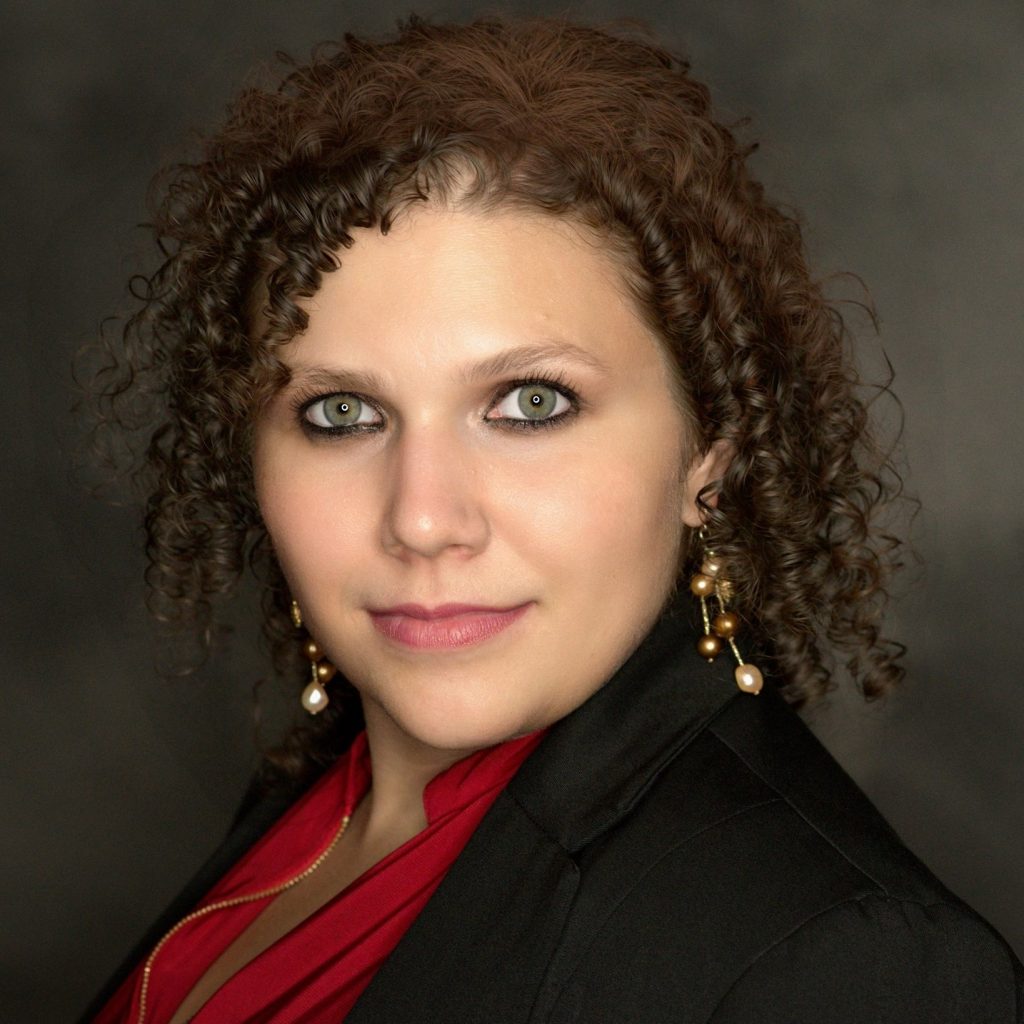
Stephanie Scheller covers Event Marketing Strategy in this Marketer of the Day episode. Successful events require relentless marketing, careful preparation, and the willingness to adapt when plans fail. Stephanie Scheller explains how her team used a 25-page safety manual, 25 percent venue capacity, health checks, masks, waivers, and virtual options to continue producing live experiences. She emphasizes that events are roughly 20 percent planning and 80 percent marketing. Because tickets can cost $3,000 or $7,000, organizers must combine compelling promotion with a strong, reassuring sales process. Her framework includes building a deep bench of tactics, evaluating results, adjusting scripts only after meaningful testing, and using scholarships when seats remain empty. Violin practice illustrates the same process: slow down, identify the weak mechanic, correct it, and repeat until performance improves.
Stephanie Scheller of Grow Disrupt simplifies the psychology of sales, marketing, & people for small business owners who want to increase their impact. After studying for more than a decade about human psychology, Stephanie built her business from scratch and left her 9 to 5 job, and under a year, she has worked with more than 2500+ companies, dedicated to uplift and help small entrepreneurs understand how to create their impact in their own businesses. Stephanie is the ultimate “Impact Authority”, a best-selling author, TED X speaker, and today breaks down the psychology behind sales, marketing, and people management to implement and accelerate growth in your business. Today, Stephanie shares her journey of building her business from scratch, the challenges of running events during the pandemic, and the importance of taking action and creating momentum in your business.
In this episode of Marketer of the Day, Stephanie discusses her current work running live and virtual events, coaching small business owners, and building her brand. She emphasizes preparation, energy management, skill-building, and decisive action to create momentum. Key takeaways include having backup plans, marketing effectively, and continuously evaluating and improving strategies. Her websites, stephaniescheller.com and growdisrupt.com, offer access to events and resources for entrepreneurs.
Quotes
“Our greatest asset isn’t our time; it’s our energy.”
“Have a backup plan to your backup plan, and work your ass off to make them both happen.”
“Events are 20% about planning the event—they’re 80% about marketing the heck out of it.”
“Action creates momentum. The only reason someone else takes your idea is because they act on it and you don’t.”
Resources
- The Stephanie Scheller: The woman who doubled her events company During a global pandemic [on a $0/month ad spend]
- Grow Disrupt: Breakthrough is Waiting.
- Connect with Stephanie Scheller on LinkedIn
- Get a copy of Friend Power: How the Friends You Choose Can Change the Course of Your Life by Stephanie Scheller on Amazon
Podcast: Play in new window | Download (Duration: 35:01 — 32.2MB) | Embed
Subscribe: Apple Podcasts | Spotify | Amazon Music | iHeartRadio | Podchaser | RSS
Transcript
Download transcript (.txt)Hey and welcome back to the marketer of the day podcast. We are here with Stephanie sheller from the Stephanie sheller.com she is the impact authority. She has studied human psychology for more than a decade and built her business from scratch in order to walk away from her job in less than five months, Stephanie has worked with more than 2500 companies. She is dedicated to helping small business owners understand how to create their greatest impact. We're going to break out the violin a little bit later. She is a TEDx speaker, a two time best selling author. We are going to be talking about entrepreneurship, small business marketing. So Stephanie, glad to be talking to you today.
I'm super excited to be chatting with you. I mentioned before we started recording, I've been I've been obsessing over your podcast, so this is fun for me. I'm super happy to be here.
Well, I'm glad to have you here, and I have some questions, both like open ended and then also maybe a few selfish ones, if I remember what I'm going to be mentioning. But I looked really quickly at your your website before we started, and your blog, and I, like the marketers like you, that kind of drip out the like, the continuous, kind of reassurance and the just like the advice, like I was looking at some blog posts about how you were talking about how, like, as you add more marketing tools to your business, that kind of like, it's a It's a curved graph instead of, like a straight line. And I mean, and you're so right? And so I'm excited to jump into some of those things. So just as far as what you have going on, what has you excited the last six to 12 months? What do you feel like unpacking today?
Oh my gosh. What has me excited? Well, so six to 12 months, we launched the new brand of the impact authority. We've been going through this whole like, what is it that may like, what's the common denominator? I was a sales trainer, I was a marketing coach. I was This is that? And we finally realized, like, the common denominator is psychology, and it's about creating impact. Like, that's what we as small business owners do every day, all day long, is we impact the lives of our family because we, you know, we're changing our own life with working for ourselves. We impact lives of our employees. We impact the lives of their their families, our vendors, their client until it creates this really cool one of my friends calls it the ripple effect, and it creates this very cool ripple effect. So we've rolled that out. We've leveled up our events. We have we've been doing events. Okay. At time of filming, most people have not actually been doing live events, and we actually have been doing live events with zero viral spread, which has been just mind blowing. So that's probably what has me most excited, is just everything's coming together, the branding, the fact we can still do events, it's just amazing.
So what's your secret? Because I've been seeing like, I just like you, I follow, you know, marketers that run events, and I miss events, and sometimes I've seen like, the sales angle of, well, if the if everything's over, then We'll all meet in person, and if not, then your ticket will be used for something virtual. I've seen event organizers say, Well, we're going to have like, less capacity and more more ballrooms. So what's the secret at how the heck are you still doing it? And no one else is so
I mean, we actually built like, a 25 page manual on how to run an event in a pandemic, and it's like our vendors, all of our venue, our caterers, everyone has to, like, check off and sign off on. We're doing these things right. Everyone who attends, they get emails in advance, before the event, saying, hey, here are the parameters. If you're not comfortable with these parameters, don't show up. This is what we're doing. One of the things that's, you know, super controversial, is we do require masks at our events, and what we tell people is like, I don't really care whether they work or not. We ran three events during spikes in the spread without anyone getting sick, and masks were apart. We're not changing we found a formula that works. We're not changing that. So they have to sign waivers. We're in touch with them ahead of time. We provide options if they're not like if you know the one we ran in January, people were texting me and calling me the day before. Hey, Steph, I just found out my wife tested positive. Hey, I just found right? So we made it very easy for them to switch. And we do a really good job with our virtual events. So it doesn't feel like most virtual events, and very few people were were put out that, you know, of the, I think five or six people who had to switch to virtual but they couldn't be there in person, and nobody who came in pitched a fit over, you know, the parameters we did, we had less than we actually did, a 25% capacity. So the room we had, what could hold 400 people? We did 100 we've been keeping it to whatever capacity is. We do about 25 30% of what the capacity is. People. Sign waivers. We do temperature checks, we do oxygen checks, we do masks. It's. It's a whole thing, and it requires more work, but at the end of the day, to be able to provide that space where people can still come and connect, I think it's, it's well worth it.
And I mean, and I mean, I haven't done events of your size. I've done smaller ones, and even the smaller ones, even before covid was like, it's like planning a wedding. There's so many nooks and crannies to keep track of, I can only imagine. I mean, it's got to be like, 10 or 20 times harder to do it with all the all the weird, like, covid restrictions first of all, but then also, like, the additional things that that you're adding just to be safe. And then there's even the layer of like, I mean, like, it's almost like, there's like, I don't know if like higher cancelation is the is the right term, but like higher, like, switching to the virtual and I am at and also, as you know, like, it's it's tough to even, like, sell an event, right? Because it's like, well, you have to convince someone to either, like, get on a plane and go in person, or even with the streaming, you're having to convince them that, like a thing that you haven't created yet. I promise it'll be good. It doesn't exist yet, but please pay you money for it now. So like adding covid On top of that. I mean, it just seems like a nightmare, but then, you know, what's cool about what you've done is you always hear, like business owners, entrepreneurs, saying, we'll figure it out, or go around the obstacle, and so many just flat out gave up and, like, didn't even try. And I kind of it shows, like, a lot of people kind of pay lip service to that idea, but like, you've actually done it,
yeah, I mean, and that was, that was huge. It was really important for us. We did get a lot of flack, especially leading up to, you know, 100 person event in January, in the midst of a spike, we were it was definitely all the numbers were going up. Speakers were worried. Attendees were worried. You know, everyone's going is this happening? Are we doing this? And we were like, look, I mean, we were straight up just sending out the manual to people saying, Look, this is everything we're doing to keep you safe. If you're not comfortable with this, you can switch to a virtual ticket. But this, we're very confident in what we're doing, and so, yeah, I mean, it just came down to we need you look at the numbers, the stats and people have we're dealing with more depression and more anxiety and isolation. People are trying to operate in, in bubbles, in, in isolation, and it doesn't work. You know, social media only goes so far. Zoom only goes so far. We have to, we need that, that real connection. And it was very interesting, because especially we at time of filming this, we haven't, we have an event again next week, but our last big event was January, and people kept coming up to me and saying, I didn't know if I was going to come. I really wasn't sure. I just, I just, I just didn't know. Only reason I'm here is because, you know, I paid so much money for the ticket, but I'm so glad I came. I needed this more than I realized, and we are all about supporting small businesses and helping them thrive, because they really do struggle. They're up against so many odds, and they're the lifeblood of everything. And so for us, that's that's crucial. So to realize it was making that much of an impact for these small business owners, we I didn't feel like we had a choice, like we had to find a way to make this work. That was End of discussion. There was no I didn't entertain questions from the team about whether or not we were doing. It was like, what's the obstacle? Find it. One of our core values is the indomitable spirit, black belts. Don't give up. We find a way through. We push through with art, with that spirit. And that is how we live and breathe everything. So that was just, it was just, there was no question of whether or not we were doing it. It was, we're doing this. We're gonna make it work
so you have that. That's that spirit that you mentioned. You've mentioned, kind of the like, the being on the ball with things, and like having, like, the checklist, the 25 page manual you've mentioned, like, having the team. Like, and do you think, I mean, because I'm curious about, like, what makes what makes you succeed where others are failing, especially with, I mean, even, like, even with the the factor of, like, filling in, filling in seats and events in general, like, is it these things you mentioned, or is it like, even more things? Or, like, what? What's the secret? What are others lacking that you have?
Well, so, I mean, I do think the anomalous spirit is a big part of it. Because I think one of the things, and this is something I fell into when I first started doing events, was I looked at it very much as if you build it, they will come right. If you put on a really good event, people will show up. And I realized very quickly that it doesn't work like that. There are a lot of good events out there. And what's worse, there are a lot of really good marketers, marketing, really crappy events. Don't know if I'm allowed to say that word, but let's be Yeah, really bad events. And so you're sitting here going, I've got a great like, I get so many people who ask questions. About events, and they're like, you know, they they have a plan for how they're going to do it, and they're putting all of their energy into the details of the event, into where is it going to be and what are we going to do for the food and the agenda, and step by step, and they put everything here, and they forget about the marketing side. They forget about the sales side. And one of the very early things I learned was that if we were going to do events, we really had to up the ante on our marketing. One, we had to start getting creative. Another friend of mine, Jesse Cole, he likes to say that, you know, attention is everything, right? You have to be able to get their attention. If you cannot get their attention, you've got nothing. And so we had to start getting creative with one, with the marketing, but two, with the sales side too. Because the events we're selling, um, you know, we have some, we have some that are, that are less expensive, but a lot of the events we're selling are $3,000 tickets, $7,000 tickets, like these are, these are designed for a very specific business owner. And those are not small commitments, and they need some support to feel comfortable making that decision and investing that money. So the sales process has to be on point. The marketing really you have to do. I think people underestimate how many marketing messages they have to put out if they want to do an event and sell tickets and move tickets and and the other thing they'll do is they'll give up right at the cusp, right they've put out five or six or 10 messages, and they haven't gotten anybody to grab it. And so they panic, because now they're going, oh my god, I'm putting on an event, and three people are going to show up, and one's my mom, the other one's me, the third person is our guest speaker. Like, Oh crap. And so then they cancel the event. And what happens is it actually really damages your brand to do that, because what it says to your audience is, don't buy my ticket because you don't know whether or not my event is actually going to happen. And so when you make the stand and say, I'm putting on this event, like it's really important to put the event on, be smart about before you commit and make that announcement and that decision, be smart about it, because once you make the announcement, I do not I there's no going back, put the event on, make it happen, whatever you've got to do, find a way through or don't make that commitment, because you're just damaging your brand.
I agree completely. I mean, there was one time when, like, to use an analogy, like, I went to go to the movies once, and they forgot to turn the lights off when they played the movie and like. And even something as simple as that, like, I still think back to that. And I think that was, like, five or six years ago, and like, one of the one of the people I had to go and find someone to like, turn the light off and like. But imagine if you went to the movies and, like, the movie didn't play at all, or if they were like, Oh, we know that you bought tickets for the Showtime. And even for like, a $10 movie ticket, if you're like, there, we're not playing it, I would think like, I might never go back to that movie theater just because of that, that one thing. So there's that, there's that damaging your brand, and I also imagine that it's probably really demotivating, like, if you yourself just were like, you know, said, I want to have an event. Gonna figure out all these details. Gonna nail it down, like the city, the hotel, the date, the speakers, all the minutia, just to like you said, at the cusp, right at the end, you've done all this work, and then you give up like you probably wouldn't even be motivated to do an event ever again. So, I mean, you're so right, of like, know that you're sure and then commit to it and make it work.
Yeah, can you I, you know, you think about just how much I like to talk a lot about how our greatest asset isn't our time, our greatest asset is our energy. And because look here, we've all had time. You've, you know, gotten to the end of the workday and you're exhausted and you can't really do anything else. You have time, and you just go sit on the couch and zone and watch TV. You don't do anything with it because you don't have energy. So without energy, time is a useless asset. And for me, like, I look at that and I'm like, Look at the amount of energy you just put out for nothing. You didn't even give it a chance for a return. I mean, for crying out loud, if you have to go give away scholarships to get people into seats, then do it, but make the event happen. And there were a lot of events that that was what we did, was we would have, you know, 50% of the seats sold that we wanted, and we're sitting there going, all right, well, let's go scholarship some people in and get, you know, get at least to 70% of what we wanted sold for the event. And so it started to create this really consistent brand. And so I think a lot of people look at events as a quick way to make money and a quick way to make a lot of money. They sit there and they hear the numbers of, you know, this event was worth you know, I went to a Grant Cardone about a few years back, and everyone was running the numbers of how much money they closed off the stage. They were like, oh my god, Damon John just closed $1.7 million in sales in an hour. So everyone's looking at these going, oh my god, we can make so much money. Funny. And you know, the reality is, like you have to work a lot to get to that level, like events have a very steep curve. Have you ever heard of the dip by Seth Godin the book? Yes. Okay, so he talks about how, you know, the reward is on the other side of a deep dip, right? Well, events have a very deep dip, because there is a lot of reward on the other side. And so it's all about mitigate your exposure, right limit your exposure, so you don't end up destroyed. But push through and really focus on building a brand that people will trust, because now we can put on an event in a pandemic and have people still show up and play full out. And it was just one of the coolest experiences for me.
And I imagine that whether it's pandemic or no pandemic, you have all of these. I don't know if tricks is the right word, but you have, you have all these tactics in your back pocket, right? Like, like, the scholarship thing is one example. And I'm sure you have a bunch of like, because it was a rough path in the past, and you had to maybe scramble. You kind of have, almost like a, like, an unofficial library of all these, these things that you can try and I mean, like, there's so many of the times, like I saw my own problems. I think back to, like, oh yes, six years ago, when I was in this other jam with this product launch, like, I use that. Or, like, 10 years ago, I saw this person use this thing. And so it's, it's like, I imagine that now you, you have all these, like, reusable ideas, when, when the failure happens, because there's always failure, right? There's always setbacks. And now you have all these, these things you can use. It's, you
know, best analogy. And this is, you know, kind of drawing it back to the whole marketing thing is to build your bench like you think about, I'm not a sports person, but you think about like baseball, right? They have an entire bench of people that they can play. And so they very, very rarely get all the way down to the very bottom of the bench, and they have no more options. But the deeper that bench, the more robust that bench. And so if we think about each of those players as different skill sets we can learn for our business, then you have a whole bunch of skill sets you can pull and come into play, and you can implement some of them right off the bat that you know work every time, and some of them maybe they're more expensive. And so you save those as like your your last ditch effort. They're, they're more expensive, and they get a little bit less results. So you save those as like at the very All right, I'll try this if you know we need to, but you got to have, and that's, you know, is the constant. Here's the goal. We have to keep working towards it regardless, no matter what look if we have to start, I will always remember my the very first event we did. This is a perfect, perfect example. Very first event we did was 2015 fall of 2015 it was a two day sales training seminar. And the idea was, you come to this two day seminar and you're going to walk out with your entire sales process scripted out, step by step in a workbook that you can then take and use. And I sold six tickets, and the workshop was kicking off on Sunday, between Thursday night and Friday morning, four of those six people had called the cancel and said they wouldn't be able
to attend. Jeez, so I'm
sitting here going, are you I mean, do I cancel? I'm down to two people, two people attending. What do I do? Like, do I cancel the event? Do I and, you know, me being the stubborn, you know, person that I am, and the the indominal spirit, right push through and find a way I spent all day Friday, when I was planning to be practicing the content and preparing, I spent all day Friday making calls. Every single person on my list got a call. Hey, I'm doing this event. I had a spot open up. Do you want it? And we ended up, I ended up picking, I mean, last minute still, picked up two tickets to do this event, and we had four people there. They were present the whole time. It was a phenomenal two day seminar, and it started to give me a glimpse of what we could do and the amount of effort that was necessary to do that, to make it really happen. So I think, you know, as a marketer, as a business owner, that is what we do every single day, is we find a way through 100%
and and it's always like, there's always more options than you think there are. And what you just mentioned right there of just like, like hitting the phone, like calling everyone on your list. I mean, that's always that's like the most obvious thing, but like, I always forget that's a possibility. And then I imagine, like, there's kind of like an eight minute or, like, a four minute mile type of concept. There were, like, once, once you've done it, you're like, Okay, if I had to do this again. Now, now I know that I can do it. And you know, you even mentioned, like, Grant Cardone there a little bit. And, like, I know, like, he's obnoxious on all the place. But like, some of this stuff is, like, it's so simple. I'm like, I have, I've never. Heard it presented that simply before. And like, he mentions, you know, 10x and, and like people don't even dive into like, what that what that means, because one time, like, I heard him say, like, well, 10x is you have your goal, and then you like, 10x the goal. And like, everyone's heard of that part. But then he's like, also 10x the the work that you think you have to do, and like, everyone wants to skip over that part. They just want to say, like, oh, dream bigger. And it's like, yeah. But also imagine if, if you wanted to sell a, you know, 20, or if you wanted to sell, like, 100 seats at your event, will you do enough work where you'd sell 1000 seats, and then it probably would work out where you'd sell 100 seats. Like, I think that's the thing. People don't really talk about, what that whole 10x concept?
Well, yeah, and people start to panic. And they're like, Well, what if? What if I then end up with so many people wanting tickets and I don't have room for it? I can't do all that work. It's like, Look, if you end up with that many people wanting tickets and you don't have room for it, here's what you do. You raise the rate. Like, if you have, if you're at that point, because you have to get especially for events. Events are kind of a unique I mean, they're fun, but you're going to end up with people who are going to cancel last minute, right? It's almost like the, you know, the situation of the now, we do not do this, but if I were doing like, really large scale events, I would do the whole airplane model of where you oversell by 20% because you know that anywhere from 20 to 40% aren't going to show up, but you really do. You have to put in that extra work. And sometimes it's doing the stuff that you don't want to do, like making calls. Like that freaks people out. Sometimes you only didn't make calls. Oh my god, stuff. I made 10 calls. I didn't get anywhere, so I stopped. Well, why did you stop? Why didn't you evaluate the script, adjust the script and try again? And also, why are you adjusting the script after only 10 calls? Like, you did not have a wide enough sampling, you can adjust your script after you've made 25, 3050, calls. Like, then you go, okay, like, this is a actually, perfect chance to use the violin, right? So, yeah, it's kind of funny, when the violin, it gets a lot of lot of attention. Just in general, people are like, Oh my God, it's a violin, right? So they get excited about it. But there's also very wide recognition of the violin is one of the most challenging instruments to play. And part of that is because there's so many mechanics that are going into play just to be able to make you know, it sound good. The joke with the violin is that it takes five minutes to learn how to play the violin and then five years to make it sound good. And it's only kind of a joke because it's it's kind of true, but like one of the things that you constantly have to be doing is evaluating how you're playing and adjusting how you're playing. So there's this one piece that I'm working on learning right now, and there's this section of the piece that goes like this,
right and it keeps going, and I can play the piece through, but I was having trouble. But it wasn't sounding good, right? It sounded it started to sound to my ear. It sounded muddy, like the notes didn't sound distinct and individual. And so I had to take time to sit back, and after, you know, you play it one time and you're like, Okay, I could have just, you know, little mistake. But when you're consistently playing it and it's sounding muddy, you kind of have to slow down and go, Okay, so where is the problem coming from? You?
And then you go, Oh, my right hand and my left hand aren't syncing up. I'm playing my left hand's over here, like moving to like two, just two beats faster than my left hand, which means it sounds money. But if we don't sit here and we don't evaluate constantly, I mean, that is what the violin is, is constant, evaluating yourself to figure out where's the problem coming from. How do I fix it? Why did that not sound good? Oh, I was out of tune. Okay, why was I out of tune? Oh, because I moved my wrist. Okay, well, now I can fix that. But if we don't evaluate we don't have the opportunity to grow.
Karen said that's huge. Yep,
it's, I mean, and I think the violin makes a very easy way for people to see that, because you can play, you know, Twinkle, twinkle, little star, super basic. And you can stay there forever as that's the level you're at, or you can start to evaluate, what can I do to make had learn new techniques, and how can I jazz it up, and how can I make it a little bit more fun, and you can turn it into, you know.
And so we can actually have same song, right, but little bit different techniques, and you can play with it, but you never get that opportunity unless you sit there, and I will tell you, watching someone practice the violin is the most boring thing in the world, 100% because when we're practicing the violin, really practicing, I mean, we're sitting here going,
it's obnoxious, right? But without the practice, you're never going to be able to stand on stage. And I think that's perfectly ties into the events, too, if you don't put in the work on your marketing, to evaluate it, to adjust it, to improve it, to add more skills to your your bench, you're never gonna be able to stay on stage at the event either. And that's probably the biggest misconception that people have, is that events are all about the planning the event. Events are 20% about planning the event. They're 80% about marketing the heck out of that event,
well. And the whole like, the like, running an event, it kind of, it's higher stakes in your your business, right? And it's like, these, some of these analogies are throwing out, like, the the musician and the sports thing. It's, I mean, it's all about this dip, right? There's, like, the there's the jumping off point, and there's that huge middle gap where you're just going through the fundamentals and, like, repeating and, like you said, trying to going through it slower, and figuring out where your wrist is, all the things no one wants to hear about that, like the hard work, so to speak, and like, almost giving up and giving up for real, but then starting back over and getting frustrated just to get to the, like, the not even the finish line, but like, the next mile milestone, right? Of like, saying, like, okay, like, we have, we're booked enough where, like, I think we'll fill some seats and then, but then you have to actually, like, have have the event and all these other things that go into it, like, you're never really complete. It gives you a lot to think about. And I mean, even as you were explaining that and showing the violin, like, what, what hit me was just that sometimes we have to, like, really think fast and go for it all in but sometimes you really need to, like, slow down. And I was thinking one time, like I was at 20 years old, and I was mixing a picture of lemonade when you have to count, like, I think was like three and a third cups. And I remember losing count because I was just letting myself get so distracted, and I wasn't in the moment. I was thinking about all these things, and I was like, Man, I feel really dumb. I can't even count. I literally can't even count to three and a third mixing this, this picture of lemonade. But I mean, sometimes we're moving so fast that we miss things, and that's I mean, and sometimes we let like, the fear get in our way, and we let the the emotions like override the facts, like you say, Well, no one's gonna show up no matter what I do, and this event's gonna cost me all this money, and I should just cancel it. And so with all of your the events you've run and all of your your years of of like running a business and being a violinist, is there a secret? Is there something that you think that we all need to be like paying more attention to or doing more of in order to kind of tap into some of your success?
That's a good question. I feel like, feel like I could give a lot of different answers. Here's the problem. But I think the the best, the best piece, is just too man. I've got, like, literally six ideas. So
those are thinking too fast, too many distractions.
I know too well. You know that kind of ties that I was kind of like, like, as you were saying, Oh, I couldn't even keep track of my three. I was like, You know what would have been the smart entrepreneur move would have been to measure the three into a separate bowl so that if you lost counter, you messed up, then you could pour it back and restart, instead of pouring it into the water. And now you're going, Wait, I
don't know, no backup plan. Yeah, right. So
have a backup plan, which, I guess, there we go. Let's go with that. That's our, that's our, that's the number one is have a backup plan. Have a backup plan to your backup plan, and work your ass off to make them both happen, right? Like they your plan A is rarely gonna pan out. And that's just, that's life, that's business. You know, everyone wants to play. Well, okay, when I started the violin, right? I started playing the violin because I wanted to play like Lindsay Sterling, right? And, you know, she's over there dancing on stage, and sounds all gorgeous, and she's making it all look fabulous. And, and then you start playing, and it sounds nothing like Lindsay Sterling. And you know, at in that moment when you're experiencing that, you know, we'll call it a failure, because you know it is right. You're standing there trying to play it and going, Yeah, this what happened? Why does this not sound anything like her? And when you're standing there in that moment and one, this is where the backup plan comes into play, because you have to have, okay, so I couldn't. Play I couldn't play Lindsay's song. Is there something else I can work on that will help me get to that level? But two, that's where it becomes so important to really understand why you're doing what you're doing and what matters most to you. Because we are going to run into those obstacles all day long, and when we try to be motivated for external reasons. We will the push, the drive will not be there when we need it most. So knowing why you're doing it and having a backup plan to move yourself and your business forward, I don't think as marketers, as business owners, I don't think we can survive without those
and it makes it less stressful. I mean, I know that the stress won't completely go away, but if you say, well, if no one shows up to the event, or no one buys tickets, we'll do the scholarship. So you have some of those backup plans to at least maybe, like, not be deer in headlights and also not run out of time, right? Like, if you have an event coming in weeks, you're not like thinking for two weeks about a way to get out of it. You say, Okay, I'll put, take this tactic off of the bench, so to speak, and then put it right in because we already had it ready to go. And so if people have been listening or watching and they've been impressed with your your your drive and all these problem solving things you've done at the events and the violinist skills, how do people take the next step here? How do they find you and your websites and sign up for your amazing events?
Yeah, so you can always get to my website, which is the Stephanie scheller.com like the one and only the coolest, the best, the stephaniescheller.com I always have to joke with that, because someone squatted on stephaniescheller.com for years, and they kept trying to get me to buy it for five grand. And I was like, why would I do that? When I could be the Stephanie Scheller? But if you go there, you can get to information about some of our events. You can also just skip that step. If you aren't interested in learning about me and you want to go straight to the events, you can go to the company website, which is grow disrupt.com G, R, O, W, D, i, s, r, u, p, T, like grow your business in a disruptive, new, exciting way.
Fantastic. Well, then we will see everyone at grow disrupt.com and at the Stephanie sheller.com and as we wrap up wind down, do you have any like, final piece of advice, anything you thought we forgot to mention or anything like that would be like a really helpful reminder moving forward,
I think the best thing I will leave you guys with is one of my favorite acronyms. It's when I created myself. It's action, right? The most important thing we can do as as in any, anything you want to lose weight, then you got to do. You got to you want to build a business, you want to start doing events. You want, whatever you want to do, we have to take action. And action simply stands for achieve considerable traction in objective nailing, and it's, you know, a Yoda style sentence, because it had to say, action, not act. You know, so action. And see, when we take action, we start to create momentum. We create traction that carries us forward. You spend less gas turning the wheel to change directions at 60 miles per hour than you do. Getting the car up to 60 miles per hour, it's easier to turn the wheel a little bit and change direction than it is to get yourself up to speed. So start taking action. Find the little things you can do and go, go, go, go. Because, trust me, people panic all the time. I don't want to share my ideas. Someone else is going to run with them and be more successful than I will? Well, yeah, that's because you're not taking action. Not you, Robert, but like that, you know, right? Stop sitting in and hoarding. Start taking action. Start moving yourself and your business forward. Because, trust me, the only reason someone's going to take your idea and run with it and make money off of it instead of you is because they take action and you don't whatever your idea is go for it, and you would be amazed at how much momentum you can create if you'll just start to take action.
Very powerful. Take Action, get that momentum, and the very first action I take is open up two browser tabs, one to growdisrupt.com the other tab to V stephanie.com, see you there. And thanks Stephanie for stopping by and sharing your wisdom so that we can create, or we can make an impact or increase our impact. Beautiful.
I love it absolutely. Thank you again. This has been a blast. I'm so excited we got to do this.
Me too.