Published Last updated
Read Simonia Ridley Blassingame’s bio and speaker profile →
View in Podcast Library: stories, quotes, books, and resources in one place.
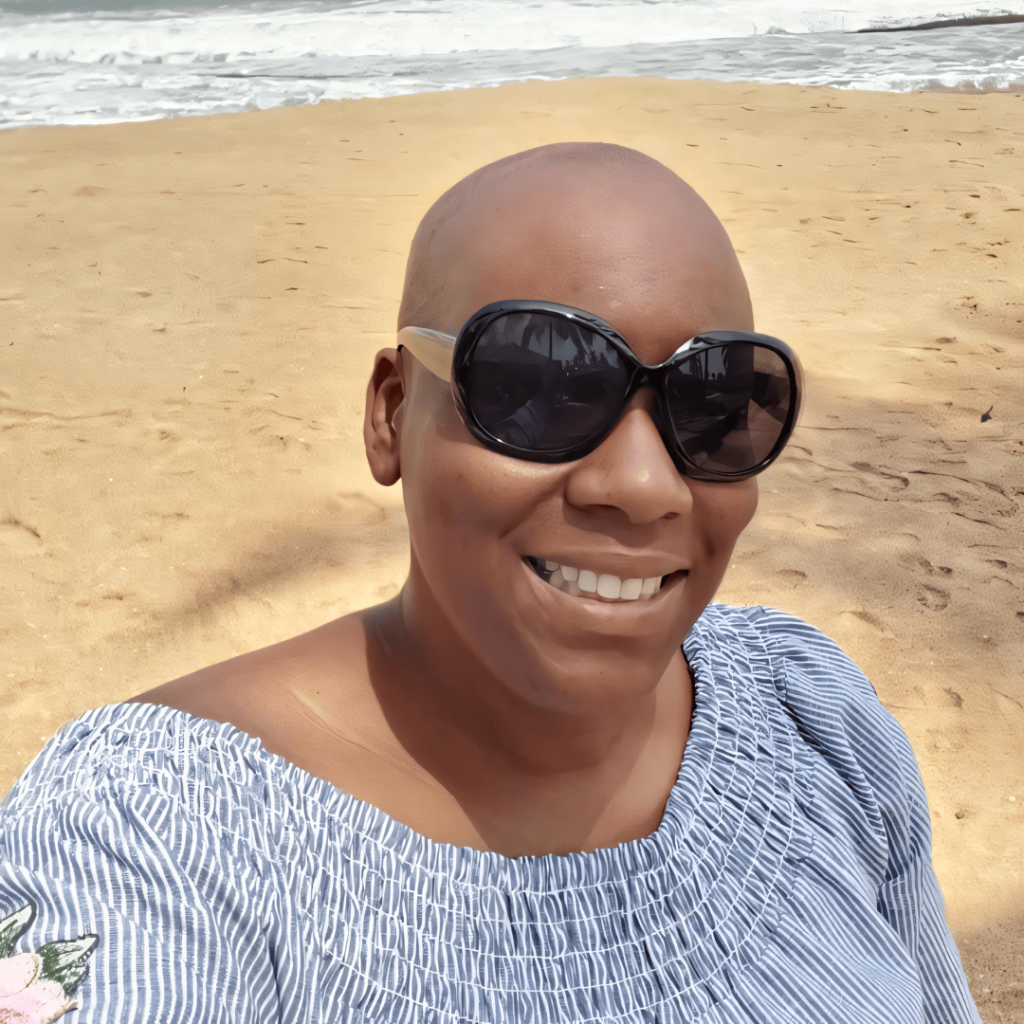
Simonia Blassingame covers Career Superpowers in this Marketer of the Day episode. Simonia Blassingame explains how identifying your personal superpowers can lead to a happier, healthier, and more sustainable career. Drawing on 25 years in the US Navy, she shows why authentic performance matters more than imitating successful colleagues. Her framework begins with examining your origin story, dominant traits, personality, emotional intelligence, and conflict dynamics. She recommends using diagnostic assessments to identify strengths, hot buttons, preferred roles, and situations that create a productive state of flow. Rather than obsessing over weaknesses, professionals can mitigate them through allies, clear expectations, supportive teams, and carefully chosen assignments. She also warns that social media and workplace comparison can create self-doubt, envy, and decisions that conflict with personal purpose.
Simonia Blassingame is a wife, mother, sister, aunt, friend, entrepreneur, and Child of God. She is a speaker and is working on her signature talk. Today, Simonia discusses her mission to help women achieve greatness and overcome obstacles, drawing from her experiences in the military and as a mentor to young women.
In this episode of Marketer of the Day, Simonia shares her superhero-inspired coaching approach through her company, Sane Leadership, Inc. She mentors women on leveraging strengths, mitigating weaknesses, and navigating workplace challenges without unhealthy comparisons. She emphasizes reflection, understanding personal triggers, and aligning career choices with individual traits rather than external expectations. Key takeaways include embracing your origin story, building support systems, and finding flow by focusing on activities that align with your natural strengths. Simonia offers one-on-one coaching and personality diagnostics at simoniablastinggame.com, guiding clients to unlock their potential and achieve meaningful growth.
Quotes
“Once I stopped pretending to be the person I thought they wanted to see, my career really took off.”
“Comparing yourself against the wrong criteria can lead to self-doubt, envy, and missing out on fulfilling your purpose.”
“Your origin story—the experiences that shaped you—can become your superpower if you choose to use it.”
“Tap into your superpowers, show up the way we need you to, and bring your gifts and talents.”
Resources
- Simonia Blassingame: What Is Your Genius?
- Follow Simonia Ridley Blassingame on Facebook
- Connect with Simonia Ridley Blassingame, SPHR, SHRM-SCP on LinkedIn
Podcast: Play in new window | Download (Duration: 34:12 — 31.5MB) | Embed
Subscribe: Apple Podcasts | Spotify | Amazon Music | iHeartRadio | Podchaser | RSS
Transcript
Download transcript (.txt)Hey, everyone. We're talking with simonia, blasting game. She is a wife, mother, sister, aunt, friend, entrepreneur and Child of God, and simonia is going to be talking to us about how to craft happy, healthy and sustainable careers, how to be a superhero, how to achieve greatness, how to rise above those flaws, imperfections, obstacles that you can use to your advantage. Simone, you're glad to be talking to you. Hey.
Thank you so much, Robert. It's a pleasure to be here.
It is a pleasure to have you. And so you have all kinds of crazy interesting things in the work. You have a mission. You have a purpose. You are a speaker, you're working on your signature talk. So what is your big idea? What has been happening in your world lately? What has you fired up?
Right? So lots of things have me fired up. I am a very curious person. I love learning things. I love meeting new people. So lots of things fire me up, but the thing that sort of I've determined I'm most passionate about is helping women and focusing my energies and efforts on gender equality. And I've been thinking a lot about why that is. Some of it has to do with the fact that I was I went to an all women's college where I learned and appreciated sort of the first time the the benefits of sisterhood. Another reason is because I was in the military for 25 years. I was on active duty in the US Navy, and I retired after 25 years, which you all know is a very male dominated industry. So as a as a woman in that space, I had to to find ways to sort of be encouraged, encourage myself, and encourage others to follow, to follow me. So those are the things that are really light me up, and we'll talk about a little later. I hope this idea I have about finding the superhero in youth,
and I like your idea, and so just to make sure that we understand what the current situation is, what's the big problem? Like, like, we've always heard about how women get paid less in the workplace, or deal with all kinds of struggles and in the military, but you also hear that there is always, like, some progress being made, but it seems to be very slow. So what is the current situation, as far as like women and where they are and what sort of difficulties they're facing these days,
right? So I will speak a little bit about the military in the sense that we have made some amazing strides. I will say, out of out of most industries, the military really is probably one of the best examples about gender, pay and equality as an example. So as a particular rank, I am going to be paid the same as my counterparts male. And it doesn't matter, right? There are bonuses and things based on specialty, but again, those are not gender specific. So in the military, as an example, you are definitely, we definitely have gender pay and parity some of the challenges they'll come in with the recruiting of women in certain specialties and fields. For a long time, women were excluded from combat roles. Well, most of those have been lifted, and now we can serve in lots of different fields and communities. And so what we're hoping to do now is introduce those to women and maybe sort of pull back the barrier where folks you know now know you can conserve openly in lots of different career fields to get more parity in some of the more coveted roles. Now what we find in the military is that some of your more combat based positions, as an example, are the ones that go on and become the Joint Chiefs of staffs and the leaders and commanders of major units, and so having not been allowed into those career fields before, that would have stymied some of our promotion opportunity and sort of given us a ceiling. I was a restricted line officer in the Navy and a Human Resources Officer, so I spent a lot of time kind of studying the manpower and personnel situation, and that right now, I think, is an exciting time for women in the military to think about military service.
And so as far as you personally maybe, when you were coming up in the ranks, or you were getting your life and your career figured out, did you personally come across any just real, real difficult, I don't know, trials and tribulations. Were there any like places that you were like you felt stopped, held back, slowed down because of who you were at any
point? Oh, sure. And I would say almost even from the beginning. I mean, one of my very first memories was being at my first duty station, and I had a young sailor who is was probably about the at the enlisted pay grade six, level e6 had probably been in about 20 years, and he just wasn't vibing with me. He didn't like me, and at that point, I didn't know if it was because I was black. I didn't know because I was a woman, or because I had been in on the earth as long as he'd been in the Navy, or some combination. Of the three. But what I learned from that experience was I couldn't focus on the people who didn't want me there as much as I had to focus on serving and showing up and doing the very best in the situation that you know, that I found myself in and so but it was also a very lonely time. Sometimes I would look around in the room and there would not be another woman in the room, there would not be another black officer in the room. And so you're constantly striving and thinking about, is this the right place for me? Because I don't see representation around me, maybe this isn't for me. So I definitely faced lots of those moments in my career. I think one of the things that saved me the most is sort of tapping back into who I was, what my strengths were. I knew I had value. I knew I was bringing value to to the organization, but in order for that to to be recognized, that I would have to show up. And so once I stopped pretending to be the officer, I thought they wanted to see and more about well, who, who am I? My career really did take off. I call it being a late bloomer, and once I sort of tapped into that, my career really did take off. And
I think that that's relatable for a lot of people, because I think that that we've all gone through, like jobs, businesses, activities that felt really thankless and many times, and even that situation you're mentioning there, of if you are just not gelling with someone, and you wonder, is it because of any of these things that I have no control over? Do they just not like me? It can drive you crazy. And then the the conclusion that you arrived at of, what kind of there's like the two parts of it, there's there's serving and focusing on the people who do appreciate you, who you, who are helping, and also, in a way, embracing your uniqueness and letting go of that idea that that I need to blend in, or I need to conform. And you and I were talking about this a few minutes ago, about this, like superhero concept that you have of, you know, where in the cape and saying that, well, there's a there's a reason why I have these strengths and weaknesses. And instead of trying to be a person that I'm not or a person that I should not be, then I should use this concept of standing out to be this really incredible person who does these amazing things and helps people. So can you tell me about the superhero idea that you have and how they came about?
Yes, I'd love to. So part of the origin story for me started with when I met my husband while I was a student. And I'm a lover of capes in the fall, and I love the layered look and and I would often wear capes all the time. And my husband one day asked me about the meeting. And I was like, what meeting? And he was like, the Justice League, clearly, will you have your cape on? You must be on your way to a superhero conference or a superhero meeting. And we laughed about it, but that turned into sort of a running joke. So at work, when I would run into a character at work where they, like you said before, where the personalities wouldn't work jailing, I would call them my arch nemesis. And then we got into, well, let's start naming them. You know, what kind of a villain are they? Are they are minor villain or super villain, and then what kind of superhero am I going to be to sort of combat that? And that's really where that story came from. But if folks are in the listening audience, are aware, and think about it when you think about superheroes in the comic books or the movies and TV shows that we know they are themselves, but then they tap into some extra power that they have inside, and they become greater than they were. They don't change. They don't become a different person, as much as they become an elevated form of themselves, and that's what I did. I used a lot of personality testing to tap into the things that I liked and didn't like. It helped me define which types of jobs I would go into, even though people would say, Oh, you have to take this certain assignment if you do really well in this you know, it could be the queen maker job that'll set you up for the rest of your career. But because I was now tapped into my personal compass, I also knew that my personality wasn't going to lend itself well to that role, and just as easily as I could be made, I could be, you know, I could ruin my career as well for not performing well. And so I I learned to make decisions based on my strengths and not what other people thought were something else. I also didn't focus as much on my weaknesses as much as I use my strengths to sort of mitigate that
that's interesting to think about as far as strengths and weaknesses, because, like, something that clicked in my mind a few years ago was someone mentioned to me that what makes superheroes interesting is the weakness, is the things like the the kryptonite, or like the Joker always messing up the Batman's day. And so when you describe this, this idea here of the like the superhero mindset, as far as using that to decide what, what path. In life to shake, or what decisions to make. What comes to mind is that all these superhero like plots and stories, they involve like kind of courage and being like thrown into something, even if you're not 100% ready, like the, you know, the chemical spill happens, where they they get, you know, irradiated, like there are, as you mentioned, origin story, where you just kind of get thrown into something, and then you figure it out anyway. And also, like, just this idea of, like the challenge, where they're always kind of figuring out how to control this power. Maybe the power only works sometimes, or there are limitations, or it's too much. So it's really interesting to think about that. It's well, don't always go for the that, like the miserable choice or the safe choice. Do what, what stretches you and what also might, might not always make logical sense, but is kind of the more like exciting, action packed thing to do,
of course. And then it's funny, you bring up Batman and the Joker. They are one of the signature pairs that I talk about in my signature talk when I use my company is called sane leadership, Inc, and that's where I do my personal coaching and personality coaching, and speaking to many different groups for leaders, emerging leaders, executives, about how to use and harness the superhero power. But one of the cool things about that particular parent that I talk about in my talk is that Batman uses something to go against his arch nemesis, the Joker, at his disposal. Because if you know folks who know anything about that story, I don't think we're giving anything away. Batman isn't inherently born with any special gifts, but he has some really cool toys at his disposal, and he got those toys from his allies, right? He has Alfred. He also has a great sidekick in Robin, right? And so he's tapping into something that he has access to, which is his allies to help him defeat his enemies. And so that's just one of the I won't give it all away, but that's just one of the things we talk about in terms of harnessing your strings and mitigating your weaknesses. Having somebody watch your six so to speak. Um, is definitely a trick of Batman's, for sure.
Yeah, that's interesting to think about. That, that we need to have that support system. It's, easy to to oversimplify and say, well, this superhero, this is just about this person, this this is just Superman. This is just Batman. But you're so right, they have a team of other people with other skills to to kind of sum up that, that hole there and and also, you're another thing that comes to mind is that there's just, there's so many superheroes. I can't remember the total, but I think there's like 17,000 Marvel characters or something. And versus that, again, a huge universe, and they all have like, unique, uh, powers. And you think that after a while, you they'd run out of ideas, or kind of start to copy it, but there's always that uniqueness, and I imagine that. So you mentioned already that there's the benefit of, like, dealing with the villains, but then also there's, um, there's kind of the the the problem solved, of not over comparing yourself to someone else, because, like, we all have other things going on, and it's easy, like even you mentioned before how you weren't sure if the the conflict you dealt with was the age right. So it's easy to see someone who might be doing better than you and they're younger, but then you have to remember to kind of unplug and not play that comparison game. And so a lot of the these things in your superhero kind of analogy metaphor here, like, help to kind of shine a light on that. And like, kind of take things that it's easy to say, Don't compare yourself to others. But then you say, Well, would you, would you compare Batman to Superman? Well, no, because they have their own strengths and weaknesses. They're on their own path. They have their own purposes, right?
For sure, and I think that has been the most important part of the journey, which is why I love, particularly mentoring women that are starting out in their careers. And like the, you know, young, 20s, 30s, because you're figuring things out. And oftentimes you go into these spaces again, like I found myself in, and you're not sure how to how to measure up, and so you're comparing yourself to other people and trying to imitate potential role models, or people who are in positions that you aspire to, without understanding that maybe you should be modeling yourself after the performance standards, if those are clear and outline and making sure you line up with those as opposed to the people, because the way people show up at work is based on their individual strengths. And so if you're I'm an extroverted type of person, and I love innovation, and I love creativity. I love coming up with new ideas. I didn't I never met a boundary I didn't want to push up against, right? And then there are other folks that are really compliance oriented, really focused in on what they can see. Since. Taste, smell, very focused on that. And so if I were watching someone with a sensory superpower, I might be tempted to try to do it the way they do it. I'm just not wired that way. I just I can't and so the danger of comparing yourself to other people is you're comparing yourself against their strengths, and if those don't match or align with yours, you're going to do yourself and your organization a disservice. You're you're never going to measure up. It's more different. It's almost like when we talk about writing, if I wanted to improve my penmanship, I would work on my dominant hand that I use, as opposed to trying to make my less dominant hand more legible. The easiest way to do it is just never try to sign with my less dominant hand, and it's just faster and and we can move on. And so that's kind of what I talk to people about when they're looking at comparison, is thinking about your dominance. What are your dominant traits? And lean into those instead.
And I like that. I'm like that idea a lot, and that's come up a couple times already, of focusing on strengthening your strengths, not not necessarily on strengthening your weaknesses, because that drove me crazy as a kid when I would have to take all these classes or be in these sports. And the only reason was, well, just to improve this thing that you're bad at. Well I'm bad at because I don't like it. And so having heard that, it seems like you're giving us the go ahead to maybe embrace the messiness of life, because it's it's easy to say, well, here's all my categories, and here's all my levels. Everything's perfectly balanced, and that doesn't sound like fun at all. What sounds like more fun is having more of a like a crazy, adventurous life, where maybe you say these, these certain areas are not important to me, or not important to me right now, and I want to focus more on having fun or this career or this hobby, is that on the right track, as far as like being okay with an imbalanced life it is,
and what you will find is not even so much as balanced. You will find what I call this thing called flow when we were kids, and I'm a parent, so I have exposed my daughter and my nephew to lots of different activities. Some they took to. Some not so much. And in those environments, you ask them to try it again, do it a little better, because you're in the process of growing and figuring out who you are and what your likes and dislikes are, at some point they are going to settle in in a thing where, for example, my daughter's not a sports person. She does like volleyball, and so we leaned into that. That's her sport, but she's tried soccer, and, you know, we talked about track, but she's not very fast. So we did all of those things for her to finally find the sport that she liked best. Same thing for my nephew, he found himself naturally athletic, but he's lean now into golf. He's really a gifted golfer. And so the difference in that approach as a even as a mentor or someone to your mentee, asking people to try different things, to see if they're good at it or like it, or have any type of, you know, you know natural abilities is okay. You just don't have to stay there. You know, pretty you know, pretty soon whether you're going to be into something or not. And so if you're not into spreadsheet, stop offering to build those. If you hate attention to detail, then you can't be the secretary or the scribe in the meetings. That's just not going to fit for you. Find something else to do based on who you are.
I like that a lot. Try different things, see what grows, see what evolves, figure out what things are difficult but also fun, and also get you to power through the difficult parts and versus those things that just aren't working, versus those things that that make you miserable. And it seems like there's a lot of kind of, like taking inventory and introspection. And so I want to kind of talk about how you've mentioned that you now mentor young women who are kind of getting started in their in their career and in the workplace, and are you noticing a lot of like, similarities with your own paths here, or do they have unique challenges or anything new that you did not go through? Like, what are kind of the similarities and the differences when you're mentoring this young, these young women?
So it's a great question. So yes, there are similarities, which in some way saddens me in terms of the space of change. For example, I was talking to a young mentee about a couple of weeks ago, and she was having some difficulty with some of her colleagues in the workplace, and she was challenging or questioning whether she should speak up or speak out. She doesn't want to be known as the one who's always, quote, unquote, got the problem. She's also a black female in the military, and she didn't want to come off as being angry. There's a lot of, you know, tension in the area, or post the George Floyd murder, and then now the trial, and so she's very conscious about sort of race relations, right? And she doesn't want to be the diversity coach for her. A group. She just wants to work, but so she was wondering, should she say something or not? The thing that was interesting to me, because I've had that experience many times in my career, they were in a group chat. Well, that wasn't a thing when, when I was coming along, so to speak, where you would be in this all the time information age where you were getting constant feedback, or you were finding things out about the people you work with because you were connected on social media. So I think that is a very new difference with this generation. Is not something that I had to face. And I think it's even more critical, I think, which is why I leaned into this coaching earlier, before it would say, you know, you could offer, hey, just kind of stumble along, figure it out. But because technology, things are happening so fast, I think it's important to reach out to people it's early, and to say, hey, let's talk about how you're wired, whether this leads you down a path of which college to go to, what you want to major in mastering or what have you, knowing this upfront can just help you in your building blocks and build better relationships. One of the other things I usually coach people on is conflicts, dynamics, and I took this test late in my career, but what I found from it what my hot buttons were, and that's not something we typically think about. What's the thing that we call it pet peeves, but what's the thing that really gets under your skin? For me, what I found is I get really irritated with bullies. And so this when we talk, when I do the coaching about the superhero, we always go back to your origin stories too. We talk about how you were raised, what experiences and things sort of helped shape who you are and how you are, and because of an early experience I had in elementary school, really cemented for me to be a person, to stand up to bullies. And as an HR professional, I really got a chance to do that a lot and act as a buffer between employees and employers and managers and supervisors and what you know, to make sure that people didn't abuse their power in those cases. And so now that I know that, you know, once I knew that, then I could be ready to sort of handle the emotional rush of adrenaline that would happen when those situations would flare up before that I wasn't really conscious of it. And so things like that, I think help people in these situations where you find yourself as another or uncertain about the dynamics, knowing what your triggers are, what your hot buttons are, can certainly help you navigate that in a smoother way.
I like that a lot. That's That's an excellent way of positioning this, like this thing that happens a lot, because when, when you were explaining that, what came to mind for me was I don't like laziness. Like, even if I feel like I'm being lazy, I'm really mad at myself, and I make sure, like, if I have a down day in any kind of way, I'm like, I'll do double the next day. Like, I'm the kind of person where if I go to put gas in the gas tank, I'm feeling that thing all the way up. Why? Why half ass it? Why be lazy? And so when you, when you mention this idea of the origin story, I like that labeling a lot, because it's, it's like a more, I don't know like a more, like positive context, because people talk about things like, well, childhood trauma, or the way you were brought up. And for some reason, what I imagine is there's like childhood, like, way over there, and it's like decades ago, and then this huge gap, and then your adulthood. But like, the origin story that might, I mean, part of that might include like, like young adulthood or mid adulthood, and it just seems like a more positive way of looking at it, as opposed to, I'm so sad. My upbringing was so difficult and and it seems like if those those things that made you who you are are your origin story, then there can be a payoff, right? Because there's always the thinking of, well, if I had this bad experience where I was stuck in this group project and these people didn't do their part, and I had to scramble in order to save the day of I felt so overworked, but also like, like not thanked. Then, instead of that being a thing that always bugs you, you can say, Well, if that's my origin story, then the person that I like then grew into later can then fulfill or fix that problem or or help others out with this problem that I struggled with initially, and so it makes me feel more positive about about my past or my mistakes, and it feels like I'm not just dwelling on the past, I'm saying what was the mistake in the future, and how can I maybe not even fix it, but make it worthwhile, make the Difficulty back then worth all that hassle, all that headache, for
sure, like, just as you mentioned, because that's part of who you are. Now, when you work in projects with other people with deadlines, you want to know that they're pulling their weight. So upfront is part of the negotiation and the agreement to go into collaboration with someone, you will have to talk about, what does it look like? Miss deadlines or or to not meet your expectations and and maybe create clauses or phrases that say, if these things don't happen in this way, we agree to part company, you know, amicably, and move on to the next right? And so now you've built in a system that allows you to be true to who you are, you know, that's a button for you, and doesn't give the person a surprise at the end when they haven't met your whatever it is, even if they believe it's unrealistic expectations, because you guys have talked about it up front, everybody's come to an agreement, and so it's no longer a thing. And just like we talked about our favorite superhero today, Batman, he grew up, depending on which version you want, you know, knowing that his parents were were were killed, which clearly is a childhood trauma, but part of his origin story now is swooping in and helping people who can't seem to help themselves, right? And so that's just part of his origin story. Would he have become Batman had that not happened? Maybe, but probably not, right?
And so this, this idea you have is really making a lot of sense, because it drives me crazy when someone says, Well, everyone's unique, because it makes me think that there's no clear solution. There's no clear path to take. But what you've done here is you said, Well, yes, we are unique, but then based on this problem, there's this solution, or based on this attribute of your superhero character, then here's this, this assignment, or here's this thing that you need to be aware of to then, like you use your strengths, but also kind of keep an eye out for some of those weaknesses that might have tripped you up in the past. And so with this, with this idea, this concept, some of these things we've unpacked here. What do you think people are really missing these days, when they're trying to be their best self and overcome adversity? Is there, like a number one mistake in all your travels that you keep seeing people make, that we all need to sit up and pay attention to you and not make this mistake? Well, you've
actually already hit on it earlier in the in the talk, and that's comparing yourself to other people. Yes, we all have two eyes, two ears, a nose, a mouth, but as we know, with all these common elements, we are individual and unique, and so comparing yourself against the person with the wrong criteria, so to speak, can lead you down a very dark path of self doubt, envy, jealousy, not following your purpose, not fulfilling your purpose, right, missing out on, on doing the thing that you were brought to earth to do, right? And so I think I would say that's sort of the number one thing that's happening today, and a lot of it is due to social media, whether it's the Instagram photos or the Facebook photos, Snapchat or whatever, that is leading you to believe that people have these perfect lives. You know, if you think about people sometimes say you should never well, a coach of mine just told me this the other day. Actually, you should never post the first picture you take, because it needs to have some editing and the lighting. And I'm thinking about all the pictures that I've snapped and posted because I liked it, not because I wanted other people to like it, and so a lot of people are doing it for the likes, and you get confused. You don't know what that means. You don't know the intentions behind it, or people liking you. Are they laughing at you? Are they not liking you because they don't want you to be celebrated like you could just wrap yourself around a horrible, you know, a web and get lost in that. I just think people, the sooner you can just take a breath. Won't call it lazy. I'll call it reflect. Spend, spend some time every day to just reflect. Take time out to take one of these diagnostic texts, whether it be I focus in, like I said, on conflicts, dynamics and emotional intelligence, those were the two that helped me the most. I also do some work with another test that I reserve for, sort of my exclusive clients. And we dig into these very specifically so that people know who they are, and then they can go off into the world and do what they want to with the information. They can customize it to their lives, and that has been most successful,
interesting. And so what I'm hearing from you is that we we need to be less caught up in in the the day to day. I mean, doing the day to day activities and work is great, but also leave some empty space in there, like you said, to reflect, to think about things, to let things process and so that way we can maybe break out of some of these cycles and not make the same mistakes and see new possibilities, opportunities. And what I've been getting a lot from our discussion today and from your answers is that many times you just need to look at things a different way. And many, many times you don't have all the information. You look on Facebook, you look on Instagram, and up until now, you have these assumptions, but you're missing on this key piece of information that a lot of people are doing a lot. Work just to make that that perfect photograph. They might be spending half their day just to post one photograph. And here you are comparing this photograph that you took 10 seconds to make, and you're thinking, Well, why is this? There's perfect every time, because you're seeing like, one of 50. So there's a lot of things to think about, and life is always throwing things at you, but luckily you can just like, take one each day as it comes to you, but as long as we, like, have a strategy and think things through ahead of time. And so now that you've given us a lot of things to mentally chew on, how does someone know if they're the kind of person that should reach out to you, and how did they reach out to you? How do they contact you? And how do they take the next step here? Oh,
right. Great question. So again, I told you, what I do is offered and available to to everyone. I mean, there's no there's no secret sauce here in terms of diagnostics, right? I do offer emotion intelligence testing and conflict dynamics, profiling as well. People who come in with other tests that they've taken, whether it be the disc or MBTI, those are readily available. I don't particularly, I'm not a practitioner of those exams, but those do help and sort of feed into the conversation. Happy to have one on one coaching sessions if they go to my website, which is my name.com, they should. We can set up a time to meet. I'll give you my contact information as well, so that people can send me a text if they if they prefer that, and someone on my team will get back to them as soon as possible. And that would be 678-948-6390,
all right, and to make sure that everyone can get to that website as well, I'll spell out your name real quick. That is s, I m, o, n, i A, B, L, A, S, S, I N, G, A, M, E, P. Simoniablasting game.com is the place to go, like simonia said, If you have previously done diagnostics, bring those to her. She loves data. And it seems like just front from you, this whole thought process here, you love, kind of using the data as a tool to then make, uh, kind of like maybe somewhat unique or somewhat emotional or somewhat thought out decisions. That way, we have both parts of the coin, right? You have the science of the test taking and the results, but then also the art of of kind of weighing pros and cons and figuring out what the the next step is for for you, as far as doing better in the workplace, emotional intelligence, whatever a problem that you're trying to solve, and simonia blastinggame.com is the place to go. And in these last few seconds here, Simone, as we wind down, wrap up. Do you have any parting words for people here? Or do you have anything that like you wish you'd you'd heard 1020, years ago, anything like that come to mind?
Sure. I just want to tell your listeners and folks who are on this journey, these are already the right kind of people, right? You're already investing in yourself by listening to this podcast. But I want you to know that you are enough, that you are perfect the way you are, that yes, we all have room to grow, but you were sent on earth for a specific person. And as we mentioned, there are 1000s of superheroes in the Marvel universe, there are millions of superheroes walking among stuff on Earth, and you're one of them. So I just encourage you to keep learning, keep growing, tap into your superpowers. Show up the way we need you to, and bring your gifts and talents to the table, and I can't wait to meet you. You.