Published Last updated
View in Podcast Library: stories, quotes, books, and resources in one place.
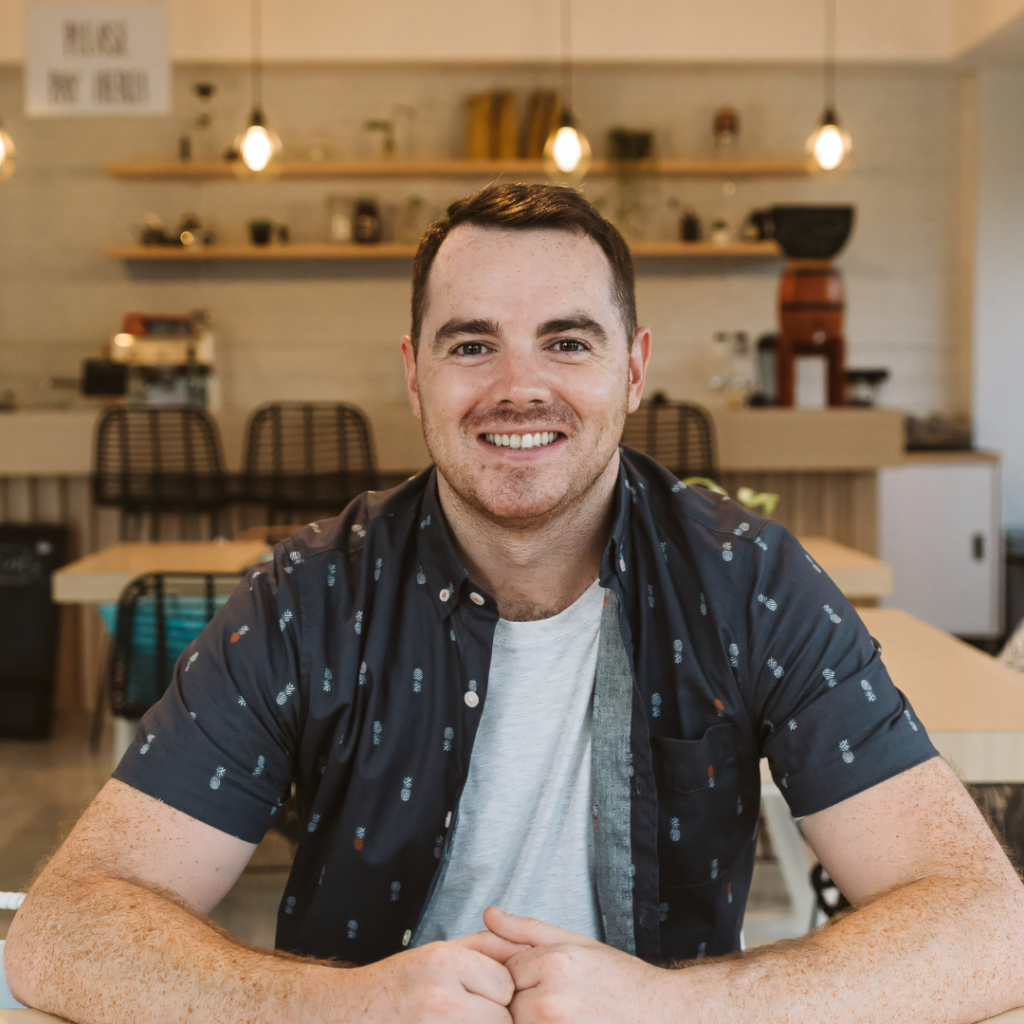
Mark Colgan covers Podcast Guesting Strategy in this Marketer of the Day episode. Mark Colgan explains how podcast guesting can turn expertise into steady visibility and qualified conversations. His framework starts with a one hour onboarding call to define the audience, topics, bio, profile, and media page. The team researches best-fit podcasts, listens to several episodes, and writes customized outreach around relevant angles. A six month campaign guarantees 24 booked podcast interviews, with first positive replies often arriving in week four or five. Preparation includes a recorded test interview, detailed feedback, and a one hour session with a presentation coach. ROI can be tracked with podcast-specific landing pages, form questions, and direct customer conversations.
Mark Colgan is the co-founder of Speak On Podcast, entrepreneur and revenue leader responsible for increasing revenue across a small portfolio of companies. With 13 years of experience in B2B sales, marketing, and recruitment, Mark has created the Cold Email Bootcamp course and the Sales Impact Academy course. Today, Mark discusses his focus on speaking on podcasts to help people get their message out there, as well as the challenges and benefits of leveraging this medium for business growth.
In this episode of Marketer of the Day, Mark shares insights into his Speak on Podcast service, detailing how his team helps clients secure high-quality podcast placements and navigate the complexities of preparation, follow-up, and audience targeting. The process includes onboarding, creating a personalized media kit landing page, conducting test interviews, providing presentation coaching, and managing ongoing follow-ups with podcast hosts. Clients typically participate in 24 targeted podcasts over a six-month campaign, resulting in evergreen exposure and measurable impact on business growth. Mark emphasizes tracking results, building relationships, and refining messaging while celebrating small wins, and invites listeners to schedule a strategy session at SpeakOnPodcast.com/strategy to plan their own podcast campaign.
Quotes
“What’s obvious to you is often amazing to others.”
“They don’t know what they don’t know. Even if you forget five things, the audience isn’t going to notice.”
“We give a shit. We care about the relevancy of the podcasts and the experience for both the host and our customers.”
“Podcasting is such an evergreen channel—people are discovering interviews months or even years later.”
Resources
Podcast: Play in new window | Download (Duration: 33:47 — 31.1MB) | Embed
Subscribe: Apple Podcasts | Spotify | Amazon Music | iHeartRadio | Podchaser | RSS
Transcript
Download transcript (.txt)Well, welcome back to the marketer of the day podcast. We are going to be talking today about speaking on podcast we're going to be talking today about leveraging sales. We're going to be talking about outbound marketing and who knows what we will fit in. Today, our guest is Mark Colgan, he is an entrepreneur. He is a revenue leader responsible for increasing revenue across a small portfolio of companies, where he leverages his 13 years experience of b2b sales, marketing and recruitment. He has the cold email bootcamp course, the sales impact Academy course super exciting so much to talk about Mark. Glad to be talking to you.
Yeah, really glad to be here. Robert, thanks for inviting me on. My
pleasure. Happy to have you here. And so what has been your focus the last six months or so? What do you feel like talking about? What is your passion? What has you fired up?
Sure. So I think my main focus where most of my energy is going is speaking on podcast. So building that agency and helping people speak on more podcasts and get their message out there
are fantastic and this is one of those like, Right Place Right Time situations for me, because as you know, you're on my podcast right now. We have 800 plus episodes, and I can't really I can lately, I've been maybe more diligent with it and more about having the calendar for and having guests on. But going on other podcasts is the thing I still only do about maybe once a month if that. And I feel like I always beat myself up about it. I feel like I need to be on like, at least a podcast per week, ideally, maybe even two or three. And so I mean, what do you have to say to that for someone like me, who says, I know I need to do it, I'm blocked for for some reason, I'm hesitating to do it. But I really want to Sure, well,
I think someone like yourself who's a podcast host you should have, you should feel confident that you will be great on the mic on camera. So I wouldn't worry too much about not having things to say, a lot of the times our customers come to us and they're not too sure if they have anything of value. But if they've been in business, and people are paying them to help them overcome a challenge or a problem, they've got a lot that they can really offer in terms of value. So we often say what are the common questions that you get asked by your customers? What controversial opinions do you do have controversial being not unethical, but maybe opinions that go against the grain. But if you've got time to speak on podcasts, and you don't have time to do the actual pitching and Booking and Scheduling, and that's when you can work with a company like ours?
And I definitely see the value in that. Because anytime maybe that's the answer. Because every time I've tried to either do the booking myself or I have a little bit of a team and I try to outsource it to them. It's such there's so much like throwing the ball and catching the ball. And it seems like it takes like by like the third or fourth message in the email to actually get books sometimes I'll I'll like, look up all these podcasts, I'll send them a message. And then I won't hear back from them. I'll send another one and another one. And they'll say, oh, sure we can schedule. And it's just like it takes so I mean, sometimes it takes months later to do it. And it's also Yeah, yeah, it's it's it's so tedious. I hate doing it, and then even assigning it to someone else. I'm like watching what they're doing. And they're not even sure. And it seems like having a team or hiring someone that just knows this. And I imagined to that, even even though it is a little bit tedious. And there's a lot of steps, I imagine that someone like you has a network of podcast hosts where they're just respond right away, right? I mean, there's, there's like the one aspect of all the management of it. But I imagine that when you send an email and you say I have this guest, there's like a quick response. It's not eight emails later.
Absolutely, yeah. So we have got preferential relationships with with quite a few podcast hosts, but we always say to the team and or the manager in the team is audience first. If it's not right for our customer, we're not going to reach out to that podcast. So it's just because we've got that relationship, we're not looking for the shortcuts, we want to make sure it's really, really relevant forecast for the individual customers will
quote, and it makes perfect sense, right? Why Why waste anyone's time, and every now and then I like to have a guest off the beaten path. Like I'll talk to him like me, like an accountant or an artist or something. And that's, that's sort of fun to do something different. But sometimes I wonder if I'm wasting their time. And I also think, well, I don't want every single episode to be some other weird guests who like maybe is not quite in on the podcast that they that they should be. And so so there's that aspect of it. But then so you said that there is like a big problem that you or your customers have is being afraid that they won't have something to say and so you said to make that inventory of questions you already get asked controversial opinions that you have and things like that. And so what are the other maybe objections for people appearing on podcasts? Because I think like for myself, I think there's maybe like the time aspect like I'm worried about it committing in advance to time in the count under me thinking, Well, I'm excited about it now, but I'm not sure I'll be excited about it next Tuesday. And then I'm also maybe worried about like the having like the right materials, because I like I have a bio, but I'm like, Is that the right bio? Do they want to see any other any materials? So they want to do a pre call. So what other things besides just like the questions are your your clients concerned about?
wherever you've nailed the time and being prepared with the content or the follow up as well. So from from a timing point of view, not to turn this interview into a pitch for my company, but we we thought of everything. So all we ask for our customers is an hour, an hour and 15 minutes in the first month from us, that's all we want from you. And then we'll go and build all of the assets that you need. So we build the bio, the profile, build the bride come up with the topics, and we actually package it up in a really neat landing page. Because it's 2021. No one wants to send PDFs and receive PDFs. So we create a landing page. And that serves as the media kit that you then don't have to create. And then it comes to preparing and being confident with what it is that you want to talk about. And what we do with our customers is we do a test interview that gets recorded, but we never publish it. But we give feedback. And sometimes that feedback, Robert has pages and pages of feedback. And we also pay for an hour session with a presentation coach that we've partnered with. So you can go into a one hour one on one training session with her and she's fantastic. And a number of clients have signed up to work with her for public speaking in general as well. So it's a win win win scenario.
That's pretty cool. I hadn't even thought about didn't even know that was a thing of a number one having the test interview. That way there can be the dry run that way that they can just kind of see how it goes and know what the conversation will be like with the intro and outro on the questions and the places they're nervous and might get stuck. So that in itself is school and also with the presentation coach to catch some of those things that and I'm sure that you know, like we all have these weird chicks. I went through a phase once where I said, awesome, like almost every sentence. And then I'm from I think you're from like, like Portugal, right?
I'm from London. I live in Portugal now. Okay, so
you're in Europe. But then here, here in America, especially in the California region, we say like almost every sentence. So there are little things like that, like, kept on saying that. And it's, it's like, You're aware that you say it, but it's just you're not and you're afraid you're even thinking about it. And having the other person you have that list of notes that I can look at, at my leisure seems very, very valuable and very convenient. I know you said Mark that you're afraid of making this a pitch session for company but but go ahead and pitch if that makes you more comfortable. Because my my thinking here is that if people are listening to this particular episode, and they have this specific problem, they should know about the solution. So they should know at least what the process will be like once they're there. And once they want to give you and your team and your services a shot. And my thinking too is like if we're looking to make a change, and we sign up for one of these kinds of monthly services or give it a go, you know, why not just like, dedicate ourselves for a set length of time and try it out. And so So you said that when someone signs up for your service, there's these things of, you know, doing the testing, review and making the landing page and things like that. And so maybe like the first 30 days or so what is the typical journey as far as like number of podcasts on and like the time commitment in that whole first month?
Yes. So we actually, so the way that we work, and I really like your comment of committing to a campaign. So we work in a campaign of six months, within six months, we guaranteed when people podcast interviews book for you for our customers. But the first month we take our time with the onboarding. So we really wanted to dive into detail on the audience that you want to be speaking in front of Who do you want to be listening to you the topics you can talk about. So we do this one hour, one hour, one one hour 15 onboarding call. But that's all we really need from from you in the first month. And then we do a lot of the work behind the scenes. We research to find best fit podcasts. And we'll share that with our customers to say, Are we on the right track? Yes, no, maybe let us know the news. And then maybe so we can adapt our research in the future. And then we prepare the topics and the media page and everything like that, share that with our customers for approval to once we get the green light, we're ready to do the outreach. We listen to every podcast that we reach out to listen to several episodes at times to really look for the angle that's going to be most relevant between the podcast guest and the host. And in some cases, I check the emails that my team send out and it's like PS. John is also a black belt in jujitsu, too. And it's like we found out all these amazing things about the podcast hosts and the customers and we try and make those connections. So results wise typically we get our first positive replies in week four and week five customers so the onboarding month is a ramp up period. And then we can go faster or slower. And we've had some customers say, whoa, whoa, whoa, slow down. I'm getting too many great podcast interviews. So we can kind of slow down our efforts. But as you mentioned, at the very beginning, that the secret is really in the follow up email to get missed, people don't reply when they want to. So we have a very specific poll operators as well, that builds upon the value that we're demonstrating in those first emails. And
so you mentioned that the follow up and and for some reason, when you when you say that word, what comes to mind is the the contacting after the interview, and I think that that's something where I think that everyone's lacking even some of these podcasts, agencies that, that send me emails, because as you know, if you if you have almost any podcast, you'll have like 10, or 12 of these booking agencies just always sending you gifts. And usually I say, like, give me everybody, if you give me three people's PDF files, though, I mean, you do the landing page, but I get three miles, I say, give me all three people, and I'll get them. I'll get them all scheduled. But then it's, I would say maybe, maybe 10 or 20% of those agencies, then, like fall circle back around and ask when the episodes live, almost no one even contacted me afterwards. So so it seems like if you and your team do that, that's like such an easy way to stand out. Because that's always the question too, is, well, there's all these, we all heard of like podcasts, booking agencies, and typewritten Google, there's a such a, such a long list. And you wonder like, well, what makes you stand out and unique compared to the rest? So what's the answer there? Mark? If there are maybe like 200 or 300 different podcasts, agencies? Why go with you guys?
Yes, so can I swear on this, go for it? Sure. We give a shit. I think that's the biggest difference. We really care about the relevancy of our off the podcasts that we find for our customers. We care about the reputation as well as we know that some of the other well known podcast review agencies do send templated emails that are like, Mark can talk about ABMC. But they haven't made the job easier for the podcast. So So that's one way that we started out differently is that we look for what we believe would be the most valuable talking point out of all of the topics that the customer can speak about to take the work away from the podcast host. And then as you as you said, about the follow up, we check in after every podcast interview with with the hosts and the customers as well. So we ask the customer how do we go? We often host how do we go as well. Now sometimes I look at my the emails that we're sending. I'm like, God, we're sending out so many emails, because we're putting so many interviews but until we get asked to not send that follow up email to say, you know, how did I think of a boundary? We'll continue to do so. And we heard we're not really upsetting to many people. But yeah, just genuinely caring about the reputation and not spamming. We have two customers the ones that pay us and then the podcast actually don't pay us but they pay some kindness by accepting our guests. Sometimes first time around sometimes don't want to repeat baited
well super cool and I like kind of that banner that you say you're not spamming you're like sending like you know real thoughtful customized messages you say well such and such also does jujitsu or black belt and that's really cool and I love when podcast booking agencies do that and I love when they may be stalked me a little bit because because like you said there's there's that fear of saying like well, am I being too annoying or my contacting them but we all get busy and like you said if if it's annoying, I'll say and then it'll stop but I love when because sometimes I'll try to connect with some guests and the scheduling just won't work out right like Yeah, well schedule and one of us cancel on sometimes it might be three or six months until we finally connect and I love when that happens. And I just went I see like a big ol long email list of like, they they kept working on me and they kept working on me and like I saw on your on your website on speak on podcast.com You have like all these you know, podcast covers and I think one of your clients is Bradley and I love guys like Bradley and Grant Cardone who say things like like, they like work they work on somewhere for like 17 years and they just keep every month like make another phone call or one guy was like I think calm like grantor Brad and saying like, hey you You left me 36 voicemails Why don't you leave me alone and then finally he left him alone but it just for some reason some things like that make me giggle a little bit if if someone has been maybe not pushy, but like over a long length of time persisted in saying like, Hey, I know it didn't work out last time. This is the best guesses there's this guest and it's kind of I know it's a fine line between like being too pushy or not, but I consider that maybe like like the opposite of spamming. If there's a guest who's like a really good fit for my show. They really should be on it. And they just keep keep on trying another angle on saying hey, can we try it? And even like sometimes when a couple of years later, I'll have a guest on and the booking agency will say hey, it's been two years like such and such has some new book and we already Have this existing relationship do you want to hop back on on thinking like, whoa, I'm not just a row in a spreadsheet, I'm someone that's actually thought of to promote the book. And that's super cool. And so and so what I'm hearing from a lot of these answers from you is that there's so many little tiny pieces in the process. There's so many logistics, so many things that people have have not even considered like the, the follow up and the like the landing page and things like that. And I keep thinking about, like, I had an author on once who he had such a good process he like he got booked on on the show, I think he sent me like a postcard. He sent his book in the mail. Afterward, he sent like, like brownies and things like that. So I mean, we've been talking about just a swirl of ideas here. But is there something that you and your booking agency do as far as like all these little pieces that should be in place that just so many people don't even know that they should be doing that you and your team do as part of your process? Yeah,
so I think it's the follow up is one of the things that there's a few things of secret sauce that we do some that I'm happy to share, which I am sharing now. Others are I like to keep a secret. We focus on delight as much as we can, how can we make this engagement a delightful experience for the podcast host and for the customer? And there's things that we're looking to improve all the time as well, what more can we do to nurture the relationship for our customers between a podcast age, but again, there's that fine line of Is it us that should do that, or our customers, we don't want to be talking on their behalf. But yeah, really focusing on delight. We've recorded 1000s of videos as Thank you. So we record a thank you video. Once we've secured a an interview for a customer, no one has told us to do it. I don't know what the return on investment is. But we still do it. And the team loves doing it as well. It's such a positive business to be in, we have this channel, Robert called time for confetti. And as soon as we get an interview book, or a new interview, confirmed, some post it in Slack, and everybody goes crazy on the emojis. And it's just so nice to roll through this on any given day and see all of the positive news. Well,
that's great. And those, those two things there, those are good reminders in general, whether it's, um, to get a peek inside of you and your company, but also just as far as like doing business and staying consistent and making money and things like that. But number one, just doing those really quick videos. And I always forget about that and how easy it is right? Yeah, you take your phone or you take your web camera. And if there's someone that you want to talk to, or say something or give a compliment, or say I was just thinking about you or something like that, how hard is it to click the record button and talk for 30 seconds, 60 seconds, send it off. So few people do it. And again, including a lot of these podcasts booking agencies, right? I can't think of even one time when I when I got someone scheduled. And I got a quick video saying, Hey, thanks for doing that. And then you're also saying that how important it is? And how do you celebrate those small wins, even if it might be cheesy might be a little hokey. But like, why why not do it, if this is what you're spending the bulk of your waking hours doing? If this is your passion, if this is your life purpose, when you you know, get one step closer in the right direction, you book that that podcast interview, you make things happen, it's a positive thing, why not celebrate it? And why not celebrate with the team? So that's just like, a good idea in general, right? And in any business, if there's something that moves things forward, why not celebrate it with the team, no matter what the heck it is, and so, so okay, we've covered so many different, like, objections and, and ideas and cool things so far. And, and so what is the typical? Like, like, I don't know, like attitude moving forward, because we've talked about there's kind of a one month ramp up process that there's the six months of, of ideally 24 podcast interviews after afterwards, like, what is the typical client? Do is the book launch over? Do they go into like maintenance mode? Is that like, one a week, one a month? What happens after six months with your clients? Sure.
So I just want to quickly get one other thing that we do just to celebrate the winning give back a little bit is we plant a tree for every interview that we book at every interview that we book. So whenever we reach a milestone of 100 trees, one of our team members gets to pick a project where they want to plant these trees, and they can pick wherever wherever they want. Sometimes it's the country that they live in, or the war from they're from, or maybe somewhere that they visited. We just planted 100 new trees in Indonesia, on some projects there as well, because we reached another level milestone. So again, rewarding the team and giving back to the environment in this case as well. Those six months so 60% of our customers that have back can renew have decided to renew with us. We've actually got one customer who's renewed for the third time. When I say that can renew. What I mean by this is sometimes our customers have quite a niche audience. And really, there's not many more podcasts to go on after 24 podcasts has been achieved. So we either agree on a smaller amount, or we just renew the campaign. And sometimes there's a change in focus changing topics. But what we see or what we we've witnessed from hearing feedback from our customers is that podcasting is such an evergreen channel for them that people are discovering the interviews, months, even years after they've been on the interview. So they couldn't consistently get conversations with people and be like, yeah, no, I heard you on so and so's podcast, I heard you speaking to Robert, about the topic. And one of our customers just the other day is that a third group coaching cohort that recently that she enrolled, a third of them had heard her on a podcast. So it's just a such a powerful medium that I not just because I'm in the business of it, Robert, but I think so many people don't realize the potential that podcasting has for them.
I mean, I think you're so right, and you're making me think back to maybe 10 years ago, plus when I would do live events sometimes, or I would go and speak physically at live events, which I mean, that's so so old school, that's so out of date of getting on a plane and wasting a day traveling and a day traveling back and just waiting around just for your your 60 or 90 minute slots to speak. And I remember thinking back then, like, I would just love to just show up, I would just love to show up to an event where there were people in the room and I can just be there, give my presentation me done and not have to do with all of the hassle of everything else. And now that podcasting, it seems like every year becomes more and more of a thing. Now, it seems like that's finally possible, especially if we don't go it alone, right? Especially if we have a team like at speak on podcast.com, where we don't have to either try to figure out all this old school stuff or try to figure out I mean, we you and I are probably list of like 50 to 80 different nooks and crannies of things that need to be done, like the bio, the test interview, the outreach, the making a quick video, when you get the thing booked, maybe even if you miss each other or need to rebook figuring that out, or figuring out how the Zoom link figuring out how the interview went. And I mean, there's like so many different things that that need to be done in place. And what also is a disadvantage is if you're trying to do it by yourself, you might think at first that you're you're saving some money, but you're just you're wasting all this time, and how many years would it take to get good? And how many years would it take to figure out a streamline process like like you and your team already have, which like you do every day? And it's and it's up, and it's like the core, the bulk of what you do, and you're always refining the process. And you said that you care, even maybe even more than these, these people being on their podcast. So why I mean, there's like 24 advantages to doing it your way. And maybe like three advantages to doing it. The let me be arrogant and do it my own self way. So it's, it seems like a no brainer. And so but I imagined that maybe one final or near final objection, near the end, here is the price. And I know that asking about price is kind of dicey. Because prices change. There's a price range, things like that. But approximately, how much can someone expect to pay for this very excellent podcasting service?
Yeah, so we actually tried to keep it as simple as possible a little bit like our name, it says what it does. So our pricing is $1,800 per month for six months. So that's $1,800 per month for six months. And yeah, we just keep it as simple as that. Super
cool. $1,800 a month for six months. And as you said, you get on 24 of the right podcast, not hundreds, a little podcast that are like took you so much work to get on or on the wrong fit. You get on these 24 podcasts. That way, you can get this evergreen traffic from people who might have heard from you years ago who might become coaching clients, you might buy your courses, you might buy your book, things like that. And like you said, Mark, some of your clients say this huge percentage of my buyers for this were directly from podcasts and speaking the back kind of as we're getting nearer to the tail end of our conversation. What would you say about kind of the tracking of these buyers? Does your agency do things like setting up different landing pages? Or like how would someone be able to see the return on investment or the result from this podcasting effort?
It's a really, really good question, Robert. And it's such a hard question to answer because podcasts are consumed in so many different ways that people running people driving, people just listening while they're walking their children. You know, they it's not like they're in front of the computer every time. So there are a number of ways that you can track progress and we do help with some of those as well. You can create a specific landing page. You can even do this for podcasting in general or each individual podcast Getting on the team you have. And you can direct people to go to speak on podcast.com forward slash strategy, for example. And I will only say that link on podcast interviews that I go on. So Pete, so anybody that signs up via that link or converts by that link, is a way for me to say, Okay, well, they probably heard me from a podcast. But what we do, and it's not the most sophisticated, but it's the most accurate way is when you're speaking to your potential customers, or when they're converting on a form, ask them where they heard from you, you're still not going to get 100% accuracy. But that is another way to attribute it as well. And it's the feeling of it to what a different customer who is a coach, she turnarounds that I've never felt more confident in what it is that I do, because I've said it so many times now. And I'm able to articulate exactly how I help people because of all the stories that I've been telling, or the anecdotes that I'm using as well. So there is obviously the monetary benefits that you could tie it back to. But there's also some of the personal ones like the personal brand and being being known, liked and trusted and having people come to you. You can't directly attribute that to cash. But it certainly feels good. It's not negative anyway. I
like that a lot. But it helps to become the best version of yourself and a presenter speaker business sort of sense. And I think that we can all think about if there's that, like favorite, like author that we know or that speaker that we know or even like YouTuber that we know, like they have these refined answers. And then there's the refined stories. And they're not they're not fake, they're not made up. But they're just things that if you went back and looked at their YouTube channel from 10 years ago, or if you looked at their their blog or their LinkedIn from 10 years ago, versus maybe like their book that just came out or like a really polished presentation, you can see how maybe they tried out different material, a kind of sort of like how a stand up comedian does, right? So like a comedian? Yeah, yeah. Like, they think of different jokes, and they try them out here to try them out there. And you can spend all day long thinking that you have the most clever thing or it's funny to you, but you try it out. And you can even like some of the things that you think aren't very good, just the Masters really liked them. So why not use that feedback, use that data to really refine your branding and get the know like and trust like you're talking about here, Mark. So that way that we can be the best and then just moving forward being another podcast now we're just we can almost do it in our sleep. And we blow people away with the solutions and the simplicity and just how easy and fun it can be. And so I think anyone would be crazy to not use you in your services on speak on podcasts. Because otherwise, you're just guessing it's a shot in the dark, you might give up you might get burned out. And and I can imagine that your clients when they're like when they're getting people who say I heard you on this podcast, or they're talking to different podcast hosts. Now they're not going in alone. Like there's you and your team helping them out. Sure. But then also seeing the feedback from the customers and like the masks and things like that. That's gotta be really encouraging right to see other people amazed, wowed, impressed by what you have to say it's got to get, it's got to really get you super motivated to
continue. It really is. I mean, if you were to look at our website, we have more testimonials from podcast hosts than we do from the amount of customers that we've served. Even if we had one testimonial from every customer would still have more. And they're not testimonials. They're just saying great job. I really liked the approach like this is the first sort of outbound email like this that I've ever replied to as a podcast host. And that makes me happy every day. And then also seeing customers a message just came in today, one of our new customers has just moved into his second month now, they said, I've been speaking about you to everybody. I have a friend who's just about to launch her second book, she's going to book a call with Mark soon to speak to him. I've been really happy with the service so far. That just makes me happy. It's Friday night, as we're recording this, I'm going to turn my laptop off soon and have a great restful weekend, knowing that the team is working in the service is awesome.
I mean, unless you're really good at what you're doing an amazing job you're in, you're in this really cool relationship business. And so what's the next step here? If people say, I'm super impressed, and I'm chomping at the bit, I want to go to the website, I want to sign up or maybe like book a call and figure out what I need, you know, something like that? Where do people go if they are ready to rock and roll or if they're almost there?
Sure, I think I'd always prefer to have a call first. But the ones making sure that podcasts guessing is the right strategy for them where they are in their journey and what they're looking to achieve. But anybody could go to speak on podcast.com forward slash strategy. And what they'll have is a 30 minute conversation with me where we'll go through their goals, their audience and we'll even cover some potential topics that they could speak about, and they'll get this blueprint that we'll send out after they can essentially take that away, read listen to this podcast, try it themselves, but if they want to work with us, then obviously they can they can set up that time to super
great so it is a win win even If they decide, well, the timing isn't quite right, they can get the plan, try it themselves on a small scale, and then maybe say, Well, this is a lot harder than I thought it might have been doing on my own. Let me go back to Mark and his team. And now I'm a lot more educated a jumping in so that way they can do it the right way for me, and you said, Speak on podcast.com forward slash strategy, that is the place to go right now. And any final parting words of advice your mark, as we wrap up, wind down a conversation? Yeah,
too. And it goes back to the confidence or not knowing what to say, and something that you mentioned as well. So there's two things. The first is what's obvious to you is often amazing to others. That's not my quote, I think it's Derek Silver's, that said that quote, but what's a mitt, what's obvious to you is amazing to others. So remember that. And then the other kind of trick for the mind when you're speaking, if you are going to do your podcast interview is, they don't know what they don't know. So no one though, like when we're speaking today, Robert, I could have had a bullet point list of 15 things that I wanted to say, and I forgot five of them. But the audience isn't going to know that and when you mentioned that having a ticker a stammer are always saying, like, like you're aware of that. Unless it's overtly obvious, an audience member wouldn't necessarily pick up on that as well. So I've used that trick mind trick for my whole life. They don't know what they don't know. I
like that a lot. And I imagine that the annual showing the value of things that maybe took you decades to realize, like a whole lifetime to figure out a couple of these quick nuggets and and you're giving everyone else the shortcut, because now you can just say here's my all these years of knowledge mean arrive at this conclusion. Let me just give this to you. Let me just give you the answer and save you all the work of getting to that realization. So very helpful, very reassuring. Speak on podcast.com/strategy. We will see you there and thank you Mark for stopping by and having a random conversation. But that's how I like to do it like to have fun. It's very helpful, I think will help a lot of people. So thank you so much for showing up to
the Robert really appreciate it. Take care