Published Last updated
View in Podcast Library: stories, quotes, books, and resources in one place.
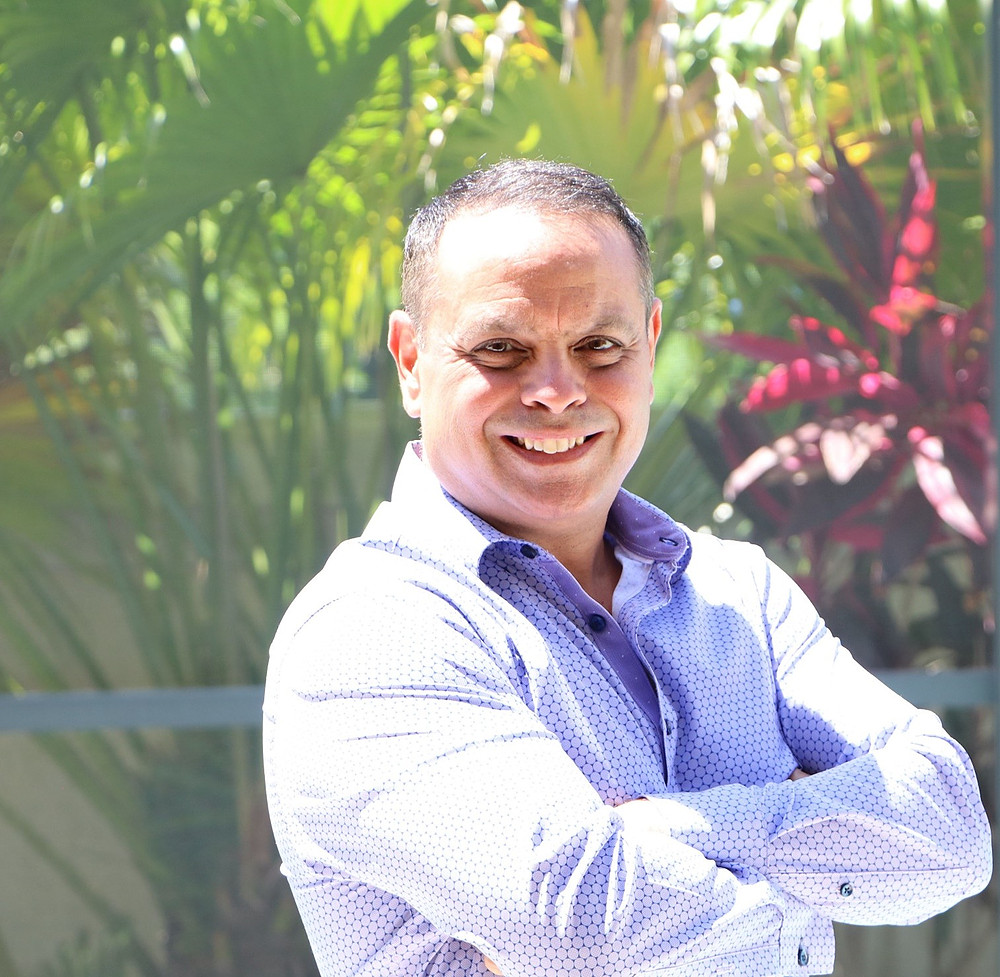
Mike Filsaime covers Digital Marketing Platforms in this Marketer of the Day episode. Mike Filsaime explains how entrepreneurs can simplify online business by focusing on one plan and one integrated platform. He recommends writing every required step on a legal pad or whiteboard, prioritizing the list, and only buying tools that make that list easier, cheaper, or more effective. Instead of chasing every model, from affiliate marketing to Shopify, he says one completed project puts money in the bank. He also stresses testing quickly, using small ad spends like $100 to learn from failure and improve campaigns. Groove replaces 18 separate tools, including pages, funnels, email, affiliates, membership, video, webinars, blogs, and ecommerce. His hardest lesson was a partnership without enough written terms, which led to conflict, a buyout, and a two-year non-compete.
When it comes to operating your business, one method to avoid internal conflict is to identify and simplify how various teams define success. You must assess how teams collaborate, processes operate, and data flows. Remove any barriers that are preventing you from getting things done. You should examine how you manage your firm and who is operating it.
Mike Filsaime is a legendary internet marketing expert with over 20 years of experience, currently the Co-Founder & CEO at Groove Digital, LLC. He has created numerous successful software platforms like WebinarJam, EverWebinar, and Kartra. Today, Mike talks about his journey from the car business to the world of online marketing and software development. He shares insights on common mistakes entrepreneurs make, the importance of focus and prioritization, and the lessons he learned from past business partnerships.
Quotes
“Fail quickly; you will learn more from your failures than from your education.” – Mike Filsaime
“Partnerships are like marriages. You can love someone, but things don’t always work out.” – Mike Filsaime
“Follow your passion. Entrepreneurs take risks, but don’t do anything reckless. Make sure you have your ducks lined up.” – Mike Filsaime
Takeaways
08:59 Embracing the imperfections of a new project and taking action is better than overthinking and delaying launch.
12:14 Prioritizing tasks and focusing on one project at a time is crucial for avoiding burnout and achieving success.
13:14 Failing quickly and learning from mistakes is more valuable than extensive education.
16:07 Carefully structuring business partnerships with clear contracts and shared vision is essential to avoid conflicts and ensure long-term success.
22:32 Having a clear contract in place for business partnerships can help resolve conflicts and make difficult decisions easier.
34:05 Pursuing your passion and taking calculated risks can lead to fulfilling entrepreneurial journeys.
Resources
- GrooveDigital: Superpowers For Digital Marketers
- Mike Filsaime: Known as the “Michael Jordan” of Digital marketing.
- Follow Mike Filsaime on Facebook
- Connect with Mike Filsaime on LinkedIn
Podcast: Play in new window | Download (Duration: 35:52 — 49.5MB) | Embed
Subscribe: Apple Podcasts | Spotify | Amazon Music | iHeartRadio | Podchaser | RSS
Transcript
Download transcript (.txt)Welcome back to the podcast. We're here with an internet internet marketing man myth legend. He's been around forever. If you've ever heard of WebinarJam EverWebinar kartra deal Guardian Butterfly Marketing pay.com evergreen business system, Mike created the first course on marketing funnels. And he has made all kinds of innovations in internet marketing and software. His new platform is called groove digital. They're a groove.cm. They're the fastest growing software platform for digital and E commerce marketers. And they're looking to go toe to toe with competitors like MailChimp, Shopify and Click Funnels makes schools to take the friction out of running businesses for companies and entrepreneurs alike such so much to talk about. Glad to see you.
It's great to see you again, Robert, and I'm excited about this one. I'm
excited too. You never know where it will go. I mean, I've known you. I've known like of you almost 20 years. I remember when you had recently quit the car dealership, I remember Free Joe Kumar wonder, whatever. I forgot about that. Yeah. So So much has happened that we've forgotten and learn and relearn. So what are you up to? What has been the result of all these decades of marketing experience?
Well, you know, Robert, you're a software guy too, aren't you? Oh, yeah. Yeah. So I want to, you know, me and my brother, we were on the cusp of two different generations. He, he was graduating 1983 for high school, I graduated in 1985. So his formative years was Pink Floyd, Led Zeppelin, you know, you know, that type of stuff, the long hair parted in the middle. I was the MTV Generation Rock and wrestling federation. And at that time, the Commodore 64 came out. And I started programming on that I knew programming better than my, my teachers. There just wasn't an outlet for me to go to. I went to New York Institute of Technology. I'm three years into that. And my brother's doing about 50 $60,000 a year selling cars. My father owns a car dealership, and I'm like, where am I gonna go work for WordPerfect or Lotus 123, or, you know, help some company, you know, make recipe books, it wasn't really the software development that there is today. So I got out of the out of dropped out of New York Institute of Technology after three years, and I got into the car business. And at that time, I went through the 90s, the internet started coming out. And by the early 2000s, it was getting to the point where people were starting to build websites. And so that was finally things had come full circle. And after 14 years in the car business, I jumped online, and I took my knowledge of computer programming, and my salesmanship from the car business, and I combined the two, a lot of people know me as an internet marketer. But there's been very, very few things that I have done in my career that didn't involve software. And the first 10 years was everybody trying to figure it out. Even when WordPress came out, like WordPress was so new and went through different iterations. Now, it's, it's at the point where digital marketing, everybody understands, you know, to be an influencer or E commerce market or a digital marketer. You know, you probably remember this, we were talking about when we were on the marketers cruise almost 10 years ago. But even that time, and just before that, if we were there, people would ask us, what do you do for a living? And we used to turn back then I'm an internet marketer, and they would go, so what does that mean? I'm a plumber, can you build me a website, and we were like, well, that's not really what we do, and people didn't understand it. Today, people completely understand what we do. People understand what influences our info, printers, passion project people. So all of the different software that we all struggled with, over the years have gotten, I would say, pretty, pretty much more concise and more powerful. The thing is, is that all of these different platforms are needed to run an online business. And they cost anywhere from 99 to 299 a month, and for the new person getting started to get 15, that's actually about 18. Even if you just went with, you know, 10 or 12 of them, email marketing, like you said, a website ecommerce stores, you're going to be spending two to $3,000 a month to get your business going while you're still figuring it out. So we wanted to combine all of the different platforms in one. And because of my experience creating some of those platforms in the past and my development, we were able to put them all in one and and people seem to like it
will awesome and I can really relate to what you're talking about there of not wanting to just be a programmer and not wanting to just work for IBM or WordPerfect or something kind of using other parts of your brain right saying like, well, let's combine like this. That's like the salesmanship part of it. Let's take this user interface part of it and engineer it in a way that like makes sense to me as a user and playing around with like funnels and conversions and sort of using not just the programming brain but also using kind of these more like marketing pieces of it. And, and it's kind of, it's kind of cool because like one of the things that really sticks out for me as far as I think one of the things that early on impressed me about you like super long ago was you said email every day. And that was back in the days of people saying like, well have a monthly newsletter or like write like a 10 page long email. And I won't even even comes to mind from you where it was an email that just said like, this will change your life, click on this link for this. And it's like there's a sometimes like counterintuitive, or there's more like, kind of like mechanical programming numbers, robotic kind of things that are true that maybe define kind of common logic, right? And so kind of putting all that on the table there like with people who are coming to you using groov, being frustrated in these ways that you described, where are people missing the mark? Like what kind of message you want to get across today about? Like, how do people screw up in their businesses that that group can help solve?
Well, I want to touch upon what you said about emailing every day. I remember that, that discussion back to the Warrior Forum. And people were talking about that. And I always felt that the email is the opening to a conversation that needs to be continued somewhere else. And I always felt that if somebody sent me an email, and there was no link to click to click, they did me a disservice. It was like, wow, I just read this. And I don't have any, you know, I don't have any closure here like it didn't, I want to go somewhere else to see the proof that was in the email. So I think now with YouTube and social media, you have an opportunity to go into live events and networking, you have an opportunity to get people to know like and trust you. And then email is just a bridge, it's a gateway to start a conversation. And then you can have them click and go somewhere else. And, and one of the things that, you know, we've always encouraged people to do is, is to continue their education, but we like to help them. And that's the answer. The second part of your question is to help them understand when is the right time to purchase something and when it isn't. And so, one of the biggest mistakes I see people making online is they asked questions like, Mike, if you were to start all over again, what would you do different? Or what's the fastest way to make money online? And some of the things I like to tell them as well don't focus on me. And don't worry about those questions. You know, the fastest way you can make money is basically grabbing a gun and going to bank and robbing it. It's the truth, it's the wrong question to ask, what you really want to do is look within and say what is something I'm passionate about what is my expertise, and then go on that journey. When I tell people, you know, we've heard the expression, plan your work and work your plan. It's really that simple. When you have an idea or something that you won't get out that legal board will go to a whiteboard, and write down every single thing that you can think of, I need to come up with a brand name, I'll need to buy a domain name, I'll need to create a product, I'll need support, we'll need a merchant account, I'll need to do a video sales letter, well, I'll need a camera and you just write all of those things down. And the next thing you do is you put that into Priority. Because the last thing we want to do is buy the domain name the day before we go live, right. So you put that in order. And then you'll have a list of maybe 1820 25 things that you need to do. And you just start knocking out those things. Knowing at the end of that list is the pot of gold at the end of the rainbow. So this is where the mistake happens is you need to know that when somebody like you or me or any any other marketer, we get on these, these email lists and we're invited to webinars and there's always something to sell. It's okay to attend those things. It's okay to investigate. When it comes time to purchase, we have to ask one question, does buying that product, make it easier, more affordable and more effective for me to get through my list. And if it doesn't, you throw it out, doesn't matter if it's the best thing for Bitcoin bots or affiliate marketing or this new way to do something on Amazon or Shopify, whatever the case is, the truth is, every one of those things will work. But only one will work for you. If you try to do all six things be an E commerce marketer, an affiliate marketer, right out of the gate, especially, you're going to fail. It's like setting up plates and spinning them. If you've ever seen anybody on stage spinning all those plates, it all ends the same way they eventually crash and burn. So if you have the the money to buy something, and it's in the cash flow, and it can help you get through it quicker, by all means, do it. And they're going to come up to each one of those things on their list. Not everything they can do. Now they have a choice. Do they go research it on YouTube? They buy a product to teach them how to do it? Do they pay somebody else to do it? Do they barter with somebody to do it one way or another that has to get done? And sometimes even if you can do it, you might have to say to yourself sometimes, you know that's not my highest use of best use. I might spend three weeks trying to get this done, where I can go to Fiverr and pay somebody $80 to get it done and knock it off the list. But again, the last thing that they want to do is you know beat Two thirds of that way down, get on a webinar and get distracted about another way to make money online. That's just going to take them off the path and, and eventually they'll run out of resources and the drinks just fail. Right?
Resources like run out of time, all the distractions pull up ran out of money, you run out of energy, it's it seems like a recipe for failure, the way that you lay it out. But then kind of from the outside looking in, it seems so simple, right? It's one of these things where when you're in it, when you have these bad destructive habits, you have no idea what's going on around you. But when you do the mindful, same approach of kind of saying, well, am I asking even the wrong questions, or maybe let me go back and look at the beginning and say, I want to start my online business. And you're figuring out sort of this kind of time management product, or project management kind of stuff, right? Like, you're, you're putting your preliminary brain at work, you're saying, well, here are the things I need to do. And then I'm putting them in order of importance, knowing that some things are so unimportant, they can wait until, you know, six months from now, some things are for right now. And you know, I even heard a saying from you way back, and you were saying something like, well, let's say you have an idea for three different projects, and it'll take you three months to do each one. Now, do you want to wait nine months for all three ridden at the same time, or just do three months here, three ones here, three months there. And so kind of similar idea of these people just kind of having the bad habit of setting themselves up for failure. And I know that my problem when I was super young was I would start on a plan and never finish it. And I wasn't even consciously aware that like, I'd write out 70 Out of 100 steps and then get bored or turn the page on the notebook and start on a new list. And I thought man to do lists must not work. And it's like, no, I didn't actually finish the to do list that I had started or my order of importance was in fun. And I thought oh, it'd be it'd be cool to register that domain name, it'd be cool to make that logo. And my problem was my sorting algorithm was on checking off the boxes and doing the fun easy things first, and it's like, well, maybe, maybe, maybe we need to make the proof of concept, the minimum viable product for a store and get a basic demo, or figured out or like a simple landing page. And so So yeah, it's like, sometimes we're, we're asking the wrong questions, right?
Yeah, multitasking. I remember that presentation from the seven figure code. And that was something I had learned from Rich Schefren. And about working on too many projects at the same time. And it was about Focus, focus on one thing, no matter how enticing other other things are, if you're going to start trading your time from one project to another, it's just going to take you longer to get both projects done, where you could complete one project, get it done, start on the next, get it done. And a completed project means money in the bank. And that's why you want to be focusing to get those projects done.
And what that sort of reminds me of is like your, you know, former car salesman, and I heard something once about, you know, don't spend all your time creating a fancy spreadsheet and a fancy list, just like start making phone calls, start taking some kind of action, sometimes it's more important just to get some momentum. And to get some progress made than that, always have your ducks in a row, it's things like that,
yeah, fail quickly, there's nothing you will learn more from your failures than you will from your education. So you can go through a Facebook course. And you'll remember some of the better than a month, you'll forget, you'll forget most of it, when you actually go and build your first campaign and you get the guts to go put 100 bucks out there. And you see, oh, my goodness, I spent 200 bucks. And it brought back 30 There's some type of you made a little sale for one ebook at $27. You're like, okay, something worked, but I still lost money, you're going to be able to look at maybe your four different campaigns and see, these three didn't work at all. But this one did. Let me try more variations of that. Now you spend another 100. And you make 90. And you're like, Okay, I failed again. But I'm improving, I only lost $10 Let me take what I've learned from from Facebook, right there, maybe not target everybody, maybe just the United States. And maybe most of my customers are over 30. Let's, let's get rid of the people from 18 to 25, or whatever the case may be, and you can start to dial in. And then once you spend that 100 And now you make 200 That's when we say oh my goodness, I've cracked the code. So too often. Robert, you know, like we were saying before the the podcast, you know, we see each other at events, and too often I'll see somebody in the event. And it'll be two, three years later, and they say Oh, how's it going with that SEO project and they go, good, good, good. coming along, coming home, still creating my master plan and making sure I get everything right before we launch it. And I say you know, brother, you gotta get that thing out. Now just just go get it out there because it's never going to be perfect. You have to fail quickly and extend love failure. You know, same way a baseball player gets in the hall of fame by failing 70% of the time for his career. You know, it's okay to fail. That's where all of the true edge occasion comes from.
And they say, failure is the opportunity to begin again more intelligently and kind of front. Yeah, I think maybe that's Albert Einstein or someone along those lines, but but even kind of with those scenarios laid out what what comes to mind for me is like, it's like an amount of how much do you want to narrow the focus? And you and I have come across people at events all the time that say something like, Well, I've spent $60,000, in my internet marketing education so far. And I'm thinking like, what, why would you do that to yourself? Why would you look at the too wide of a scope. And it kind of reminds me of when you're saying, look at this and look at this, and don't look at this whole wide range and all these failures, look at the few successes and look at to multiply those successes and same amount of thinking of two years later, the guy still working on the Yes, yo project, he's thinking too big needs to be thinking in terms of like, what am I going to do to move the software along, like this month, this week? Can I just get it out there? Can you just get it working? And so since we're talking about failure here, does a an important failure coming to mind for you within the last like five years or so?
Yes, absolutely. was the most catastrophic thing that ever happened in my life. And so we're gonna get out of, you know, maybe like the beginner, but it's a great lesson for for everybody. You're gonna come across something in your, in your career, no matter what it is, as an entrepreneur, when you're gonna find that there's an opportunity to accelerate faster by having a partner. Sometimes your partner is a copywriter, and the marketer and you're the programmer, or vice versa, they know operations and accounting, or they know fundraising and capital investments. But there's always a way to work with a partner that can accelerate. One of the things that we have to understand is that partnerships are like marriages. And you can love someone, but things don't always work out. And that happened in the case with my previous company, Andy and I were very, very good friends. And we were actually good partners. We just weren't, we didn't have the same vision for the way we wanted the software to go. And it just wasn't fun. It. And I'm sure I wasn't making it fun for him either. Regardless of how entertaining we looked on camera, and our videos and everything like that. We just didn't see eye to eye. And one of the mistakes. There was that, you know, when you look at, you know, the Yin Yang, right? We weren't a yin yang, we were a Yin Yin, we didn't bring anything different to the table. We were both brilliant marketers, who was a little better on video, maybe a little better with copywriting or whatever the case. But we were both great marketers. And that actually slowed us down every time we had something good. We gave it to the other and said, Hey, what do you think about this, and rather than just getting what we're saying, just get a video sales letter out, we would spend three weeks improving hours up there trying to help each other out a little bit, where if he wasn't there, he was just doing the accounting, then I could have just gotten that out three weeks earlier. But the real lesson there is that you have to you have to have a contract for everything you do. You can't just form an LLC, and say, Okay, now we're partners, and we're just going to split the profits, you have to look at every single thing. And by the way, Andy did pass away from pancreatic cancer. I was already out of the company. But those are questions that need to ask them what happened? What happens if I become incapacitated? What happens if I don't want to work here anymore? What does it look like when somebody doesn't want to work? But they still want to get distributions? What are the salaries, you know, all those different types of things have to come in place. But for me, what happened in my previous company that didn't won't happen in this company, even though I own less than 50% is, when I had the software companies, Andy and I were doing info products. And I was about to do WebinarJam. And I asked Andy Andy to come along with that project. Well, frankly, he said, Mike, you have to pick that partner of me, I can't sit here for six months, while you go learn something. And I said, Why don't you come into that partnership? After? Because I had another partner Hector, what do we finally came to terms, I went from 5949, with my partner, Hector, to 3333 33. And I quickly realized that I gave up control of that company. And Hector was a very passive guy gonna kind of okay, I don't want to get involved. And I'm a pretty easygoing guy. And Andy was a very he had, let's call it strong leadership, right? He was in the Marines, who was up at six in the morning, he had a mind map that I would wake up to, there was a meeting and before I could even brush my teeth, you know, there were three different meetings and I'm like, Wait, what about my ideas? What what's going on here? And my ideas weren't heard. And I couldn't do anything about it. And I pretty much realized this isn't a company that I want to build, which is okay, there's no right or wrong, different visions. But what it all came down to it. You know, I was, you know, when it comes to the point where, well it's either you or me or something like that, and I find myself kinda like Steve Jobs. You know, Apple was his and he got fired from his own company, I didn't get fired, I asked for a bio. But essentially, I got a two year non compete. I got a two year buyout, and I had money, and I wasn't allowed to work. And I went through a depression, I went through a terrible depression. Because when you give an entrepreneur, an entrepreneur money, but you take away his creativity to work, I put on 20 pounds, I started smoking, was eating Doritos, and watching Netflix and growing a beard and, and not showering for two days at a time sometimes. And I just went into a real depression. So when I started groove, knock on wood, you know that things are going fantastically well, here again, and I'm just blessed to have some good partners, you know, we put in the right things ahead of time in the contracts and allowing me to have the right control creativity of the vision, and, and the software in the direction of the company. I don't have control of the money. We're equal partners and all that type of stuff. But what happened in the previous company can't happen again. So a little bit of a long answer. But I would definitely tell somebody if they're going to have a partnership, don't think, Oh, well, we're good friends, it's always going to work out, negotiate to things. Now when it's easy, because when you're negotiating for you, you're also negotiating for your partner. What happens if I die? Well, how do we buy out the wife, right? And if I try to negotiate too strong against my partners, I'm screwing my wife, right? So I have to also look, look out for how she's gonna get bought out. And by doing that, I'm also protecting my partners, we put all of that stuff in writing, and I feel very, very comfortable. If anything should ever happen to me that she's going to be taken care of.
Well, cool. It was a longest answer, but it was a good answer. And I can relate to a lot of that, that you're mentioning, like, I just came out of a 12 year business partnership about six months ago, and I had some of the similar thoughts that you mentioned of, of kind of saying like it, it sort of is what it is, and the there's not really regret, but there's some like bad thoughts, I kind of had to turn into more neutral thoughts. And that whole concept of there of it being like a marriage, sometimes marriages ends, they outlive their usefulness. I was even thinking that in the past the past five years or so of the of the business relationship, I kind of I kind of wasn't sure why wasn't getting what I wanted to out of my partner. But then these last even few days, I was thinking, you know, I probably was making him miserable, too. I probably went both ways. So um, yeah. So I'll go ahead.
I was going to say that, like, when, when there is no contract, it leaves to this, inbuilt passive aggressiveness that's going to happen from both. And you start talking to your spouse about, you know, this isn't happening and Electus, like you said, they may be saying the same thing about you. And you're both kind of getting a little distance and pretending to be nice when you're together. But like at that point, you already know or your subconscious knows the writing's on the wall. And when you have the contract, it's so easy to look at it and say, Well, I can either point to this, or I can exercise this. And that was something that was always agreed upon. And it just makes it easier to either rectify something, or separate because not knowing how something's going to end because you don't have a contract, you have this stress of how do I even bring this up, this is gonna get ugly, who's gonna get the intellectual property, am I gonna get what I should get during the buyout. But when you have it written down, it even takes that stress even because you have the right to say this isn't fun anymore. It's been 12 years, and I'm not the same person I was, then I have a kid now and everything like that. And if it's there in writing, you have the right to say, hey, remember when we spoke about this, that time has come. And then they know the same way you do any day that these things can come and we can we can cash out or checkout under those terms. That
is very interesting to think about that you make the painful decisions ahead of times. And when you have the contract, you can say, well, here's one of four lanes, I can just take this exit off ramp, if I'm no longer happy, instead of like you said, trying to bring it up being stressed out about it later. Just get it, get it taken care of ahead of time. And so transitioning us in the last few minutes here speaking of getting things taken care of ahead of time, having a unified CRM having a place that soars that does email broadcasts and videos and all that stuff. That's something that is very important in our business, especially to have it set up ahead of time. But before it's too late before the business is is all in chaos. So can you tell us about what groov is? And why should we should be using it and why it's the most amazing software platform on the planet.
Thank you, Robert. I appreciate that opportunity. And I'll give, we have a little tracking link and a special gift for people when they use the URL so we can track our podcast and so to sign up, you can go to groove podcasts.net So it's the word podcast with an S at the end. It's plural groove podcasts. dot.com I don't know why I say dotnet groove podcast.com Forget the button. All right, having said that groove replaces 18 Different software platforms that are all necessary to be effective online as a digital and an E commerce marketer. And the first is the four publishing platforms that you need. Number one, you need a brand website. You can't do that with Click Funnels, maybe with Click Funnels 2.0, they're talking about navigation. But essentially, you need one of three things, Wix Squarespace, or what I call the dreaded WordPress. And I'm a techy guy, and WordPress scares me. So we wanted to get people completely off of WordPress. So group pages as your brand site. Next, you want to do your marketing funnels. So that's true funnels. And that's kind of like your click funnels. The third thing you want to do is you want to have a blog. Well, there we go back to WordPress, so we wanted to get rid of that. So we have group blog. And now completely, we can take care of all of your hosting. And then finally, is your eCommerce store like Shopify, and that's groov. cart. So we give all four of those. And the best part is, it's all for free, we have 93% of our users never pay us a penny 7% of them pay for premium, people will see that when they go to group podcast.com. Most of them will realize that the free works for them. And then after that for their email marketing, and I'll rattle through these quick. We have group mail to do email marketing group sell to sell your digital products group affiliate, to manage your affiliates. We have group member which is kind of like Kajabi. And we have groove video, which is like Wistia to do your split testing and things. And finally groove webinar, which is like an automated webinar platform like ever webinar in the spring, we're coming out with a live version and the stream version like stream yard. So it's free, and it encapsulates all those things. It works together no use no using duct tape, and Zapier and finding out that they did an update that no longer works. Everything just all works together. And it's easy. And it's a lot of fun. People love love it. And we have a community of 150,000 people in our Facebook group that they can join after they sign up for free.
Will fantastic. And your sales guy you're all about objections, right? handling objections? So what are the most common objections people have for not going to group? Do they say, I'm just too afraid of making something? Am I stuck with some other system? Why would people not take action on this?
Well, first thing we like to do great point is we'd like to say build your next funnel with groups. So let's eliminate the objection of how hard is it going to be for me to make the switch, bringing your pages over a very, very simple, we even have a URL importer so that you can import any URL off the web. And you can even pull the copy off, if you can show that you own the website. And, you know, we show you how to do that. If not, we just replace it with lorem ipsum. The other thing is a lot of people say it's too good to be true. I've heard of these all in one builders before, we're not going to mention any names, but there's all in ones out there. And what we wanted to do, because of my background, I've created Webinar Jam. So I know it's the largest webinar second largest webinar platform in the world ever webinars a largest automated webinar platform in the world, and Carter. So I've built those before. But we wanted to add some things that those platforms didn't have, like the E commerce like Shopify and the blog. And we said, we're not going to create any of those, what we call tent poles. Like if we're gonna build group bail, we're not going to do it unless it's as good or better than active campaign. And we believe that group sell is the most powerful digital platform to sell your products. Group affiliate has the most powerful and complex ways to do set up affiliate programs. And you can do it the easy ways as well. I believe that group pages and groove Funnels is by far the best page builder out there, even even agreed to buy Click Funnels at Funnel Hacking live, they showed all of the different platforms, fast pages kartra convertri. And they showed us as the number one builder when it comes to speed, by gt metrics. And we believe that we, we did such a good job with this platform that we we made Clickfunnels realize they weren't gonna be able to compete with Clickfunnels 1.0. And for them to survive and give them all the credit in the world. They're coming out with Clickfunnels 2.0. And we think that's, that's because of us. So as an objection, I think people may have said, I've heard of the all in one before. And then the other thing might be that, you know, all this is a lot to learn. So what I say to people is yes, groov could be a little complex, because there's 18 different apps. But what's the alternative? 18 different apps that you have to learn 18 different logins and 18 different apps from another company that weren't meant to work together. So at least you have one platform and when you're ready to do, your funnels will be there. When you're ready to do your email marketing, your automation will be there. You just go into that app and start setting it up.
Well, you thought of everything and even as a programmer, a technical guy, I can relate to having to do so much work getting these systems to talk to each other and even in this day and age of Zapier where you set up this and that things fail and you never know if it's If it's all working and why put yourself through that, like you said, Why have 18 different logins and, and something that you said in there, which was also interesting, too, is that I first saw Andy Jenkins do since we mentioned him earlier was your for your next project, your next product, launch your next website just created on this new platform. And I think that even having that that mindset is super helpful of just saying, like, you know, the next thing you're getting the next new thing you're creating for your business creator on this platform, that way, you don't have to throw out anything old, you don't have to really think that much you can really get into it and try it out. And you're not making a demo site a lorem ipsum, you're saying, here's the next thing I want to use to make money, there might be a little bit of an awkward learning curve, but not much just because I'm not used to using this interface. But I can actually put this system to the test and see if it works for me and see if it does what I want. And and then see if there's just a better way of doing things then the kind of the in general working without a contract and one way or another not having a plan not having a really good and well thought out system and so groove podcast.com Is that right? Is that the place to go? Yeah,
groove podcasts.com pod casts.com groove podcast.com, they can go there, they can sign up for free. And if they get in before the end of February 22, we do have a lifetime deal for the Pro or the platinum level, which is three payments of 699. After that it's 299 a month for in perpetuity, which is still a great deal. So either way, but but if they do get it in before they're they'll have an opportunity to get the lifetime because we're wrapping up our beta. So that goes back to the questions, what might be the objection, some of the reviews they might read is that we're in beta. But that's what we're celebrating. Now. That's why I appreciate you letting me get on the podcast. So we could scream from the rooftops that the beta is ending. And February 23. I'm very, very excited, we're moving to 299 a month where it'll be a traditional SAS. And but between now and February 22, there's still chance to get into that quote, unquote, Kickstarter type of project that we've been running for two and a half years where we said, pay us the three payments of 699. And you own it for life and never make another payment to us, or anyone to run your business. So hopefully people can get in before February 22. If not 299 a month is a better deal than paying everybody else three grand a month. Fantastic
that then run don't walk go to groove podcast.com. And as we wrap up, wind down our conversation here. Mike, do you have any final parting words of advice, anything to say just wrap up this conversation?
I'm gonna go to something for some reason, I believe that it was you. I used to read I really used to enjoy your blogging. You are one of the guys that really stuck with it in the early days. And so tell me if I'm right, somewhere around 2009 2009 2010, maybe 2010. I remember seeing a blog post about that you were contemplating going full time was that you that wrote that blog post you had you had a job in the real world. And you were scared to hell to, to so much so that you you went out to your community and you wrote a blog post and said to everybody, what do you think about it? I left a comment in there and I said, do it you'll never look back. Do you remember that?
Yeah, I do. And I think I quit about six months later. I didn't quit right immediately after that. But But I remember your blog comment. And it seems like such a silly decision. In hindsight, I was I was sweating it so much. And especially when you're young, I know it's a cliche, but like when you're in your early 20s You can kind of pick up and go anywhere do anything. And I'm glad I got a few years of of employment just to kind of see what I was missing. And to kind of you know, get some coworkers and things like that. But yeah, quitting I'm so glad I did it. And I can't believe that I was as nervous as I as I was that I had to go and ask the blogging community about it. Yeah, so
that's, that's my advice is follow your passion. Entrepreneurs take risks. Don't do anything stupid. Make sure you have your ducks lined up, you know, will you be able to pay your rent? Or can your spouse or significant other cover the expenses while it takes to build up your business but hopefully that advice will have somebody come up to you or me in 10 years from now and say I was on that podcast you gave me the strength to do what I needed to do to follow my dreams. I never looked back like you and I eventually did
like like the calculated risks that we took risk is fine just don't make a stupid risk. Make a calculator. Yeah, I love it. And the the the on calculated non risk to take right now is going to groove podcast.com and check out the platform sign up and take the very miniscule risk of seeing what it can do for you create some pages create some funnels creative webinars create a live stream when they have that ability user you're going to love it groove podcasts.com And we'll see you there