Published Last updated
Read Steve Kidd’s bio and speaker profile →
View in Podcast Library: stories, quotes, books, and resources in one place.
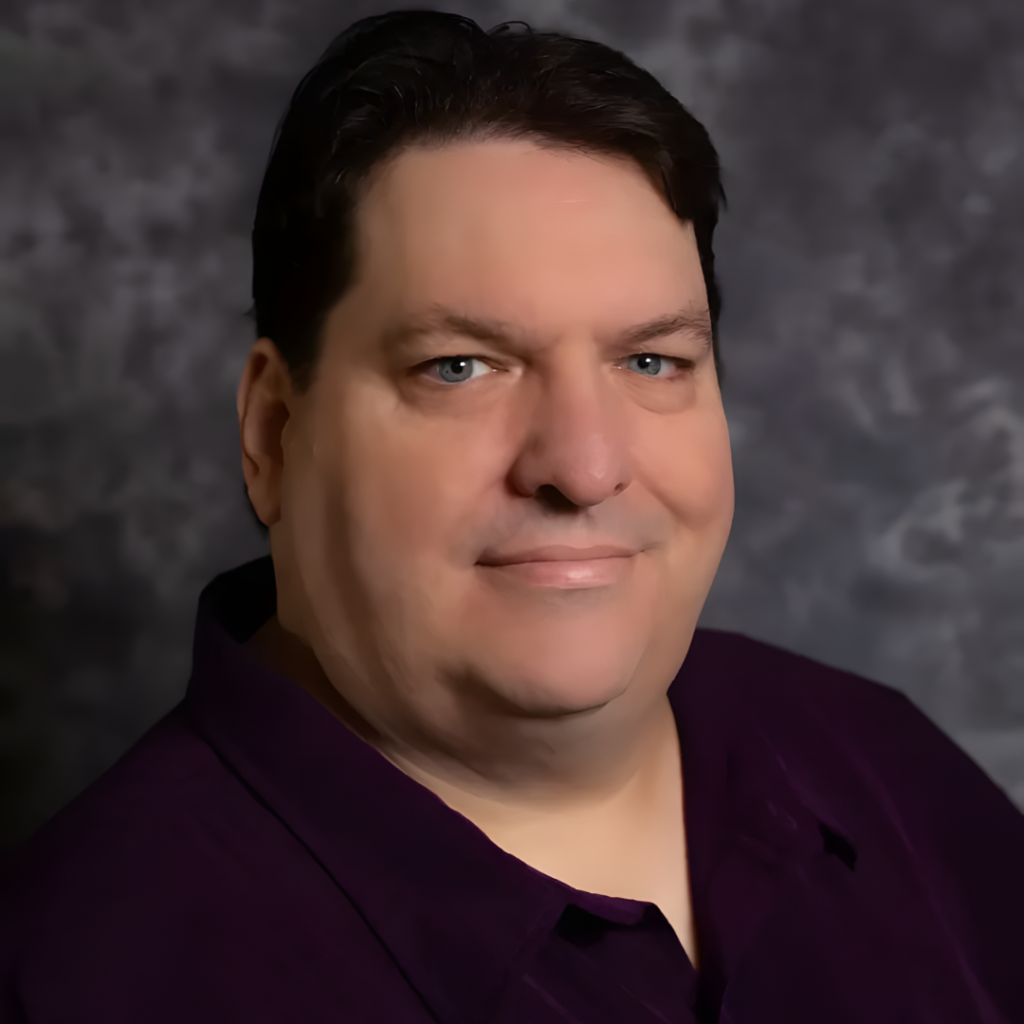
Steve Kidd covers Author Marketing in this Marketer of the Day episode. Steve Kidd explains how authors can turn a book into authority, sales, and long-term opportunity. He says best seller status is day one, like graduating medical school, because the real work begins after the credential. His framework starts with Amazon SEO, including a solution-focused title, a strong first description line, researched keywords, and carefully chosen categories. He warns authors not to default to broad categories like self help when a niche category can fit better. Steve recommends finishing the writing and publishing phase within 30 to 90 days by speaking the content and outsourcing weak spots. He also shows why selling a 999 course can outperform 1000 one-dollar book sales.
Everyone has the potential to be an expert in writing a book or be an author and be passionate about it. But coming up with an idea and writing everything down is difficult enough when writing a book. You’ll also prepare to do social media posting, a book tour, and podcasting. But have you thought of sharing your story even though you’re not the one who will write a book?
Steve Kidd is a bestselling author, business coach, and radio show host. He is passionate about helping people share their stories and achieve their dreams. Today, Steve weighs in on the difference between being an author and being a bestselling author, and the steps required to become a bestselling author, including optimizing your book for Amazon’s search algorithm, choosing the right categories, and creating an engaging book description.
Quotes
“If you’re writing your book to make money, then don’t. But if you want to make money, you absolutely have to have a book.” – Steve Kidd
“Most of the time when we search for things, we’re looking for an answer, not just people to commiserate with us on a problem.” – Steve Kidd
“Your gifts, your talents, the things inside you were never meant for you alone. They’re meant for the people you are meant to share them with.” – Steve Kidd
Takeaways
00:58 Being a bestselling author is just the first step and requires ongoing marketing and promotion efforts to truly maximize the potential of your book.
03:09 Optimizing your book for Amazon’s search algorithm, including the title, description, keywords, and categories, is crucial for driving sales and visibility.
10:43 Speaking your book content out loud can be a more effective way to generate content than traditional writing, especially for those who are not natural writers.
16:19 Having a clear plan and process for writing, publishing, and promoting your book is essential for success, rather than a haphazard approach.
21:49 Sharing your unique gifts and talents with the world is not selfish, but rather a way to serve those who are searching for the solutions you can provide.
Resources
- Only The Beginning: A Guide to True Ongoing Wealth from Your Business
- Thriving Best Sellers: Find Out How You Can Be A Best Seller
- Steve Kidd on LinkedIn
- Steve Kidd on Twitter
- Thriving Best Sellers on Facebook
Podcast: Play in new window | Download (Duration: 23:39 — 32.7MB) | Embed
Subscribe: Apple Podcasts | Spotify | Amazon Music | iHeartRadio | Podchaser | RSS
Transcript
Download transcript (.txt)So, hey, welcome back to the podcast. We're here with Steve kid. That's kid with two Ds, that's k IDD. Now, Steve is a best selling author. He's a business coach, and he's a radio show host. And he's passionate about helping you specifically share your stories and achieve your dreams. And Steve knows that there is like being an author versus being a best selling author. And there's even something that comes after that. So we're gonna get the juicy secrets from Steve. So Steve, glad to be talking to you.
Thanks for having me here today, Robert, I appreciate it.
And I appreciate you too. And so I love this this topic. Because it's, I mean, it's hard enough to get a whole Book Creator, right to think of your idea and do all the writing. And a lot of people think that that's the finish line. And guys, like you and me are saying, no, no, no, now it's time to go on your book tour to do the social posting to get on podcasting. So can you tell us what authors or future authors need to know to be woken up and see the light and do what they need to do to get super famous?
Absolutely. So as I wrote in my, in my 20th book, best sellers only the beginning, the best way to equate a best seller is the same concept as graduating from medical school. You know, you walk across the stage and you are then for, you know, forever on you are a doctor, you have graduated medical school, but all that really means is, you have passed a test that shows that you have an expertise in anatomy and physiology. At the end of the stage, nobody is going to hand you a prescription pad unless you prescribe medicine, nobody's handing you a scalpel and letting you cut into people. That is where the work of being a doctor and the learning really starts, is after you've graduated. Being a best selling author is really the day one concept that creates the foundation for from the marketing world, everything we're going to do beyond that.
I love it. And I love that analogy where like a doctor than they have to go and do their some kind of internship or residency or whatever, and even get like certified and attend conferences. And it's like a lifelong process. And it's not, it's not even a matter of like they do medical school and do this other work. If years later if they decide to stop and even even then we'll be behind. And so if there's some author out there who says, well, well, geez, now I'm overwhelmed. Right? Now you're telling me I have to do all this, this other marketing effort, I should just quit before even start. Now. What do you say to that?
Well, the bottom line is Seth Godin said it so elegantly, he said, if you're writing your book to make money, then don't. But if you want to make money, you absolutely have to have a book. But I can tell you, as a marketing company, you know, I've been a marketing professional since 1987, doing digital marketing since before we even had the word the Internet, what I can tell you is is that you will never maximize the potential of the marketing for yourself, your company, your product, your good your service, if you don't have attached to that, those little words, best seller.
And so how does someone become that coveted Best Seller? Is it all about the launch the money, the plan, all the above? What does it take?
Well, it's a system. You know, I always feel like when I'm asked this question, like, I'm the person who told you that there was no Santa Claus, that it was actually your parents, but in the Christmas presents under the tree, sorry for anybody that didn't know that. You know, but the truth of the matter is, is there is an algorithm in Amazon, and understanding Amazon's algorithm, because Amazon is the only one that is statistically driven, all the rest of them are editorials, and are really just reflections of the fact that Walmart made a huge purchase of the person's book. So they don't necessarily have anything to do with whether people liked the book got the book, any of that kind of thing. So we are talking about Amazon. And it is really about doing the things, which really boils down to Amazon's a search engine. And you have to do the SEO for the search engine that is Amazon for your book, just like you would for a website if you wanted to be ranked in Google.
So what I'm hearing from you so far is that there's all these places you could look at, you know, charts and rankings about your book, but only focus on Amazon. And then the first logical step towards listing on Amazon is to look at it from an SEO search engine optimization perspective where people are doing searches, you have real estate where you can work with the title with your description with your keywords. And so what do people get wrong with this whole Amazon SEO thing? Do they now look at competitors who they guessed about keywords, they not use all their? You know, word real estate? Where do people mess up with is Amazon SEO?
Most definitely. Yes. You know, it starts right at title. Most of the time we want to say what the problem is, rather than what the solution a person is looking for. You know, most of the time when we start search for things, we're looking for an answer. We're not looking for, you know, people to just commiserate with us on a problem. So that's that's where it starts is how do we title the book, we want to title the book as an outcome as an answer to a question. And then secondarily to that is in the description. Most people do not start off their description with something that's engaging. The most recent statistic says now that we have like three seconds to capture a person. So title, and the first line of our description is the most a person is going to read. And if that description doesn't start off by saying, This is what it's going to do for you, just flat out doesn't say that, then, you know, people are going to be like, Well, I gotta go find something that's going to do what I want for me. Keywords, often, almost always, with keywords, we put what we think are the words people would use, rather than actually just doing the research, finding out what words are people using and searching for. And then of course, categories as well. Most people think, well, this book is going to be really helpful. So I'll just put it in self help, you know, and go head to head with Oprah and Tony Robbins, and people like that. Rather than understanding that, you know, you're talking about something, though, it may be helpful, that may be inspirational, it may be personal development, it may be, you know, spiritual in nature, it could have a lot of different nuances. None of which very often are actually, in self help, or any of the subcategories of self help.
So so some of these things you're mentioning, I imagine that a lot of authors haven't even considered them, right. It's like there's, there's the you're in the situation where you ask the question and don't know the answer. But some of these things you mentioning, people are aren't even asking these questions. So and it's, it's kind of interesting to think about that, well, am I talking about the problem or the solution and use and you say, to make your book title about the solution, because that's kind of more profound. And then to look at that kind of opening couple of lines in the book description, because that's kind of like a, like a sales letter, almost like a headline is the first thing that someone sees. So we need to get them capture with some sort of hooks to get them to pay attention. And to read more. And you're also saying that, there's that tendency to say, Well, I'm just going to put my book in the self help category, because who wouldn't want it, which is a dangerous way of thinking, especially these days, when so many things are customized. I mean, there's so many, like TV shows I haven't heard are right, there's just so many options out there. And if you just say, I want to rank number one, above everyone else, it doesn't really work. But if you niche down and say, if someone is looking for my exact book, then I want to be right in front of them, it seems like a more logical way of going about it. And so when you say, Okay, I want to be a best seller, or I want to you have some new client that says, you know, make me a best seller, Steve, is there like a, like a 30 day or a 90 day processes or some sort of calendar that forms in your head where you say, like, I need to have this in place this in places, like you said before, there was like a formula? Like, what, what does the calendar look like, as far as getting the bestseller status,
it's very specific formula. 30 to 90 days, we're talking about somebody who doesn't have the book written, if the books already written, we can expedite that, you know, quicker than that. But 30 to 90 days, I always say, if you're taking longer than 90 days for the writing and the publishing part of your book, then there's something else going on. Now, that doesn't necessarily mean it's bad, could be the you know, you met the girl of your dreams, and you're madly in love. And the book just isn't as important as it was before you matter. I mean, it could be any kind of cool things, it doesn't have to be bad stuff. But when the book is what is our priority, if we go beyond 90 days, that's really basically a sign that it isn't really our priority.
That's a good insight. And you're making me think that like, pretty much any project, if I don't have some sort of finished, you know, mile marker by the end of 90 days, then it's a whole beast. And even if it's like something where like a website or a podcast, at least by 90 days, I'll have something tangible, something that I can always go back and revisit, revise, make the second edition, but there's that thought process of like, you know, who are you evolving as a person and if you don't look at your past self six months or a year ago, and if you if you created you're doing it right, it means you're you're always evolving. And when I look at my writing blog posts books from a couple of years ago, I think like Well, I'm I've changed so much I would have written that way differently. And so I think like if I was caught in many months or many years of writing a book and with my with my, you know, opinions changing, learning changing. I mean, I would drive myself crazy if I had to, if I spent six months or longer on a book, I'd be going back to the beginning and changing stuff. So it makes a lot of sense for you saying 90 days or less, be really focused, be good about your time management work on it every day. That way you can get to that finish point before your your whole brain and your personality changes again. And so and that's reassuring, too, because like we were saying at the beginning of our conversation, there's the time of writing your book when people get themselves so tired about that. And then this comes time to then promote the book. And so we don't want to get tired before it becomes time to, to begin our medical career to to use your analogy there. And so do you have any, any tips and techniques for getting that book written fast? Because you said like, we need to get it out quickly? Is it a matter of like time blocking, working with a team asking the right questions like What are your secrets to getting it done quickly?
Absolutely. So number one, and we'll even go back to the 9090 days for a second, what I found over the years of coaching, you know, because I've been working with business professionals and helping them for years and years. What when you find that something's taking you longer than 90 days, in fact, actually, once you get beyond about the 30 days, start thinking about this, it almost always means we're doing things that we shouldn't be doing things that aren't really in our wheelhouse, you know, maybe we could edit but we don't really like doing it and so we procrastinate on it. Or maybe we're just no good at it at all, you know, we look at grammar learn we're not even sure if Grammarly is right or wrong on the things that flags. So that's that's part of it. More importantly, though, the biggest trick, the biggest tip, almost nobody's really a writer, but everybody needs to be an author. And that's why I encourage everybody to use speaking to write, to be able to write out your book, because everybody that I've ever met, regardless of how broken their English even might be, when you get them on a roll about something that they're passionate about, they can go on and on. And they could be the most articulate person on that one subject as anybody that you've ever ran into. And so when we use speaking to write, that brings all the content out. And then yes, there are very good professionals, that story development to help you identify what's missing in that. And of course, grammar editors, people that just dig, you know, like looking through and seeing if the commas are in the right place, and all that kind of stuff. And those are the two really big secrets is don't do what you suck at. And, and really just speak out the content even better yet, I do interviews with people so that I can actually ask them the questions and lead them down the path of getting all that content out, you know, very quickly. And you
the things that you mentioned today are very sound bites, and I can tell that you yourself, practice what you preach. And you've used this speaking to refine your material. And so there's that aspect of it, there's the you don't even have to wait to be published to start speaking and in fact, that might help flesh out your ideas. And I love what you said there and one of those sort of sound bites we'll use we'll we'll pick that out of there because it was so good. It was that either as being an author, and there's being a writer, and most people aren't aren't writers, they don't they hate. They don't like Grammarly or seeing where the commas go. But as far as being an expert, and being passionate about this subject, everyone has that sort of potential. It's just a matter of not trying to force those weaknesses. If you're not a writer, if you'd rather get it transcribed, the great if you'd rather hop on an interview with Steve and Steve asked you all the right questions and lead you down the path, even those levels of excitement that you thought, oh, who wants to hear about that, but then someone listening from the outside says, you know, this, you gave this short answer. But let's lead you down the path and more because this is what people really want to know about. And so there's this this process of speaking, and authoring your book not necessarily writing but getting the book done, and then getting it published on Amazon. And then is the is sort of the plan to keep the book selling, though sort of post bestseller status. Is that customized for everyone? Or do you recommend everyone like appears on podcasts? Or like what should someone do to breathe life into the sales of the book and make sure that the book continues to sell?
Well, for the most part, I really tell people, you know, you can sell the book, but it's probably not the best use of your time. As far as marketing and your sales efforts goes, you know, you're gonna make $1 or two off of each book that you sell, you're gonna make a little more than that if you you know, there's some techniques to do that. But let's just go with basically you're gonna make about $1 off of each book, Make $1,000 That's 1000 sales. If you have a for example course that sells for 999. One sale hovers 1000 sales of the book, and even if you're whether you're speaking on podcasts or you're doing social media or any of the other marketing things you can do to do that. Your sales funnels for both of those are so close to one another that it's just so much better of a use of your time and allows you to be able to really reach and meet the needs of people. There's, you know, multiple different ways you can monetize the content of what's in your book. And, and selling the book can be one piece of that, but it's the one that is going to be the least bang for your buck, if you will.
That's wonderful advice that I love that that one sale of $1,000 course, we make one sale versus 1000 sales of your book. And you hear this a lot how people treat their book as like the first step in a funnel. And when you flip through the book, they have you know, QR codes and links and resources and, you know, says things like, Well, if you want to get such and such downloadable that's directly related to the book, go to this link, enter your email. And then there you go. Now they're using their book to build a list. And so along those lines, since we're in the last sort of five or six minutes of our conversation here, Steve, do you think is there like untapped potential with books? Is there something that just drives you crazy, as far as you see someone with a book and like, there's like missing pieces about what they should be doing to get customers or funnel someone into a course? Like, what drives you crazy about what's missing with books and authors these days?
Well, number one, because you know, I, I make the best sellers, it's what I do, I've done it four or 5000 Times have 100% success rate of doing that, you know, best sellers, the beginning, best seller is what should be happening with your book day one. If it hasn't, that's okay. I've worked with people that their books are even 20 years old, and made them bestsellers. So that's number one, you've got to have that credential. Just like if again, you wanted to be a doctor, you've got to graduate medical school, you've got to have that credential of hey, you know, I graduated medical school. Nobody asks that or Dr. Hate? Were you number one in your class? Did you graduate from Harvard? Or did you go to Bob's University down the road, and you were the last guy out the door, but you passed. And I mean, he's still your doctor, and he prescribes your medicines to you, the same thing is true with best seller, it's the start of the thing. So that's number one is, you know, if your books not about selling, you're never gonna get there. Secondarily, beyond that, and probably at least as important, really boils down to having a plan. And that's where most people fail is that they just kind of go willy nilly with it, they just kind of think that if they write the book, you know, the whole world is gonna flock to them. And that's not really the case, you've got to have a plan and a process and a program that you can lead people to. And then you've got to work that plan. You know, it's not magic, it's, it's about marketing.
I love it. And so if someone out there in podcast land says, I'm an author, maybe you have a book, 2020 years old, or have a half finished book, or have an idea for a book, and I know I need Steve's help, I know that I need to get to that best seller status. That way, I can have the that credential that line item on the resume that way I can I can say that I've done it. And I need to have that book, not because it'll solve all my problems, but because it'll be a business card. But I know I might be missing some of these key components, maybe I don't know how to become a best seller, maybe I don't know how to make that kind of back end funnel in that courses send someone to, and they need your help see you and they need to find out what you have going on. And about your company and your services. Where should someone go? What's your website? And what will they find?
So my website is thriving, best sellers.com. But I like to make it easy for your people. So what I did was, I want to give them a free gift. If they go to ongoing wealth guide.com That's ongoing wealth guide.com There's a free gift there. It's a five step program that will help you be able to generate ongoing wealth abundance, process systems in your life. One of the pieces of that is my free write your best seller in one hour workshop, that's part of that, we're going to walk you through all those five steps and, and they really are just rinse and repeat, do this, and then do it again, and then do it again. And that's how you create ongoing wealth. That's a totally free gift. And actually if you know when they get to the checkout page on that there's a link right there, you can book a 15 minute free call with me and we'll help you with the strategy and all you need to do to go from where you are to where you should be
beautiful, ongoing wealth guide.com And what's been great Steve about just hearing about your tips and just seeing you in action is that it can be simple, but it's a matter of having that plan and following through with it and doing those steps and doing things doing the things that are easy to talk about but hard to do, appearing on podcast having these sort of sound bites to make your get your point across having kind of stories in the All jokes at the ready and have something for sale so that we have someone says, oh, well, I really liked what Steve had to say today. Now I want to go to ongoing wealth.com and take the next step and get some of those free resources and discover some amazing secrets like how to write my best seller in an hour. That way, they don't have to just keep on playing the wish game and the what if game and wondering why the plans they didn't make haven't paid off? Well, it's because they didn't make them. And if you've gotten to this point in your life support, it's okay. Because you now realize that you need a team, he needs some of Steve's guidance. Like he said, he's written 20 best sellers, he's been in business, or in digital marketing, specifically, since 1987. So why not take advantage of someone who's already blazed the trail and is already been that way, you know, been down the path that you want to be on, it seems ridiculous, especially in this day and age, with all the information out there to try to invent it all yourself, and try to figure it all out. Because by the time you figure it out, it'll change. So you owe it to yourself in your business to become an Amazon Best Seller. And to figure out some of this low hanging fruit is at each one of you that Steve has been mentioning. And to get your book out there, write your book in an hour, become a best selling author, and then do all the other things that you should do to grow your digital marketing business. And so as people are going to, is the website ongoing? wealth.com is that right? Steve?
Ongoing wealth guide.com Or
you go ongoing wealth? guide.com. So as people head there now, do you have any ideas as far as a profound statement to end our conversation? is there advice you wishing wish you got 20 years ago? Is there a powerful quote or piece of advice that you want to leave us with? What do you have as far as a profound ending statement?
Absolutely. You know, you we need to understand somebody's waiting on you. There is a person sitting in front of Google right now that's searching for exactly what you do. In fact, you may do it so well, and so easily that you wouldn't even count it as the thing you should write your book about. That person is desperate for the answer. They don't have it, because you haven't put it out there for them to be able to find it. And you need to understand, I love it. Lisa Nichols said this. She said, your gifts, your talents, the things that are inside of you. They were never meant for you. They're meant for the people that you're meant to give them to. So remember that somebody's waiting on you, and then be who you can be the best version of you while it's called today. I love it. Steve,
if you flip the script, right? People say I'm nervous about putting my information out there and you're saying it's the opposite. You're being selfish by keeping all the secrets to yourself. And so the next step is to go to ongoing wealth guide.com and figure out what that next step is. And thank you Steve for showing up blowing our minds and giving us some great best seller advice. I love it.
Thanks for having me, Robert. I really appreciate it.