Published Last updated
View in Podcast Library: stories, quotes, books, and resources in one place.
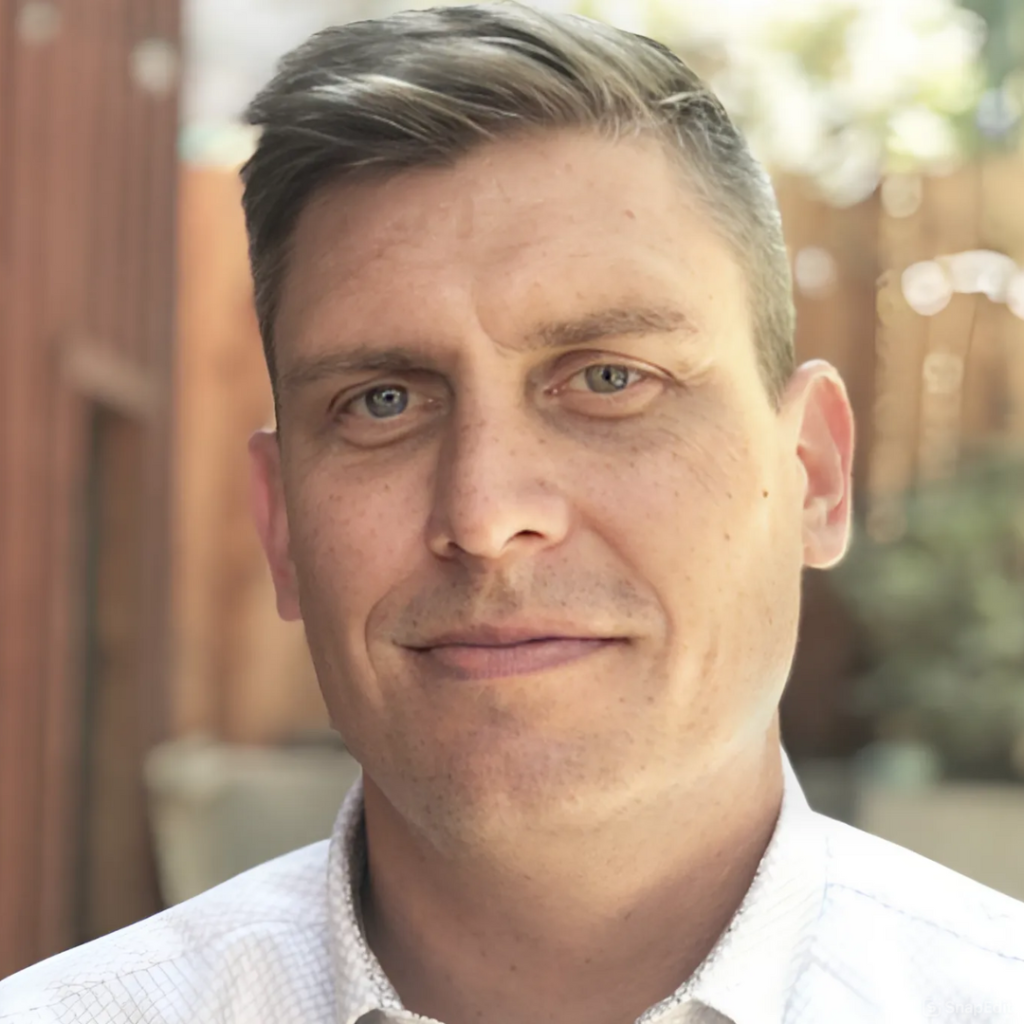
Robert Johnson covers Plant Medicine Business in this Marketer of the Day episode. Robert Johnson explains how to turn plant medicine into products people trust and companies that survive regulation. His rule: if you call it medicine, measure and dose it so the experience stays predictable. When California considered restricting edibles in 2010, he formed a trade association and worked with Steep Hill Labs to test potency. That replaced '10 skull and crossbones' guesses with labels like 10 milligrams THC per gummy, making responsible use easier. He applies the same science-first lens to microdosing and functional mushrooms, tying neurogenesis and neuroplasticity to new habits. In business, he says emerging markets shift fast, exits can feel like an IRS audit, and great ideas come from anyone on the floor.
Imagine a world where the best medicines come from nature, not a lab. This is not a story from the past; it’s happening now. As cannabis and functional mushrooms become more accepted and legal, medicine is changing fast. This change is not just about getting high; it’s about using plants for overall health by combining old knowledge with new science. Welcome to the future of plant-based medicine.
Robert Johnson is a veteran of the cannabis and hemp industry and the CEO of Custom Capsule Consultants. Robert is not just another entrepreneur riding the wave of legalization; he’s a pioneer with a deep passion for plant medicine. Today, Robert talks about the secrets of entrepreneurship and business success, merging health innovation with business strategies and exploring the rapidly evolving landscape of cannabis, hemp, and functional mushrooms. Tune in to discover the importance of precise dosing, the changing public perception of plant medicine, and the future of these groundbreaking industries.
Quotes
“Plant medicine can be a potent tool to help us reevaluate what is important to us and to explore an inner journey, not just looking for outside stimulation or consumerism.” – Robert Johnson
“Micro dosing mushrooms gives us almost a meditative awareness of our thoughts, not identifying with them as much as just seeing them as clouds passing across the sky.” – Robert Johnson
“Everything about change in oneself and habit starts with awareness. The more awareness we have, the more we can create new habits around things that don’t serve us anymore.” – Robert Johnson
Takeaways
00:53 Measuring and dosing plant-based medicines, like cannabis and mushrooms, is crucial for providing consistent and predictable experiences for users.
03:27 The changing public perception and increasing trust in plant-based medicines, coupled with the entrepreneurial mindset, create opportunities for innovation in emerging markets.
04:21 Maintaining an open-minded and optimistic approach, while learning from both successes and failures, is key to navigating the challenges of entrepreneurship.
22:00 Seeking ideas and input from all members of an organization, regardless of their position, can lead to valuable solutions and business improvements.
24:42 Microdosing plant-based medicines can promote neurogenesis, neuroplasticity, and increased self-awareness, supporting personal growth and habit change.
Resources
- Mycroboost: Mushrooms for Better Living
- Custom Capsule Consultants: We Make Amazing Products
- Robert Johnson on LinkedIn
Podcast: Play in new window | Download (Duration: 35:09 — 48.5MB) | Embed
Subscribe: Apple Podcasts | Spotify | Amazon Music | iHeartRadio | Podchaser | RSS
Transcript
Download transcript (.txt)Welcome back to the marketer have a podcast. Robert Johnson is here from custom capsule consultants. Robert is a startup founder, product developer, keynote speaker at seasoned expert in navigating emerging markets. He's a cannabis and hemp industry veteran and CEO of sublimit manufacture accustomed capsule consultants. He's founder of microbe booths, which is a functional mushroom product line. So we are going to find out today about some secrets of entrepreneurship and business success, merging business with health, innovation, emerging markets, and so much more. So, Robert, wonderful name and nice meeting you.
Yeah, thanks a lot. Robert. Excited to be on and talk to you today.
All right, I'm excited to and so we kind of introduced you hyped you up? And in your own words, what's your current focus and passion?
Well, my, my passion is really about plant medicine, you know, and my whole career, I've been working in these emerging markets, often with plants that have been long, maligned, and, and banned, and a lot of disinformation around them. And, you know, my goal at Custom capsules, and every company I've ever founded in this space, is if you want to call something plant medicine, then it really should be measured and dosed, like medicine, you know, in that it should be predictable, consistent. And, and, you know, you're gonna know what you're getting, you know, so that's what we're all about. And with, with different plants, now, they have different different potencies different amounts of actives. And so, you know, traditionally, as these things are used in in ceremonies, or are used by people for 1000s of years, but now we have the science to really measure whether it's the THC and in cannabis, or the psilocybin and mushrooms, or the Madras Geneen and kratom. You know, we want to have precise dosing, so people really know what they get, because one thing that can happen with plant medicine, in my experience is people take too much or just something that's not right for them and then have kind of like a negative spirits that they take away from it. And you know, not all plant medicine or any medicines, right for everyone. But I just want people to have the the best possible experience with it, so they don't miss out on something that could really benefit them.
I like this philosophy a lot this some of these ideas that it's another possible path, right? It's a alternative medicine, and that there's this kind of recent revolution and need to make it more scientific and measured. And I think it just helps to have some awareness on the subject, because it's easy to be stuck in these old ways of thinking right to say like, oh, well, that's, that's like hippie stuff, or that's like criminal stuff. But then you also think about how just, I read something a few years ago that like, like, alcohol has no medicinal, like value to it. And then there's also kind of you here in there about like, the kind of the dangers of like the prescription medicine, how like that can be abused. And so it's good that there's this kind of other category. But do you find it difficult with the messaging to kind of overcome the I don't know that the shady pneus of it just as far as the public perception?
Yeah. I mean, if we were talking about 60 years ago, that was definitely a big obstacle to overcome. But I think the the public perception has really been changing, you know, and the, the legalization of cannabis was really a, I think, a gateway drug, if you will, for this sort of change in thought, where, you know, I'm really inspired. And, you know, the reason why I stay in this industry is that cannabis legalization, I think, for our generation is like one of the biggest acts of of activism. You know, it wasn't the government that that decided that we should have cannabis legal. In fact, they're the ones who, who kept it illegal for so long, but, you know, small local groups, and then faiths groups rallied behind, you know, this belief that we should have access to this medicine, that it's not bad for you, especially when you're comparing it to something like alcohol and pharmaceuticals. And so one by one on a local level, at a state level, we now have over 40 states in the US that have legal cannabis, either for medical or recreational use. And I think that's kind of, you know, open people's minds to the idea of maybe the, the, the rhetoric that we've been hearing about these things has been wrong. So what else have they been been telling us? That that might not be true? And then also to I think, just public distrust of pharmaceutical companies has continued to be on the rise and the past few years with with the COVID 19 pandemic, I think not only Is there some skepticism of pharmaceutical companies, but all of us were really forced to, to be inside and kind of take a pause from our life, which I think for a lot of people gave us all time to reflect and really kind of reexamine our values and what's important to us. And I think that plant medicine can be a really powerful tool to help us sort of reevaluate what is important to us and, and, you know, to explore an inner journey as well, right, not only just looking for outside stimulation, or, or consumerism, or, or, you know, identifying with, with being with a job or No, whatever it is that everybody kind of just like, had to start over and, and rethink it. So, that's, that, you know, is the is something that is a gradual change. But I think that, that the momentum keeps happening, and, and every year, there's more public approval, that cannabis should at least, you know, not the criminalized people shouldn't be charged for it, whether or not everyone wants to smoke it or not as a as a personal decision. But I think, more and more every year, people are coming around to the idea that, you know, these things are plants, by the way, right? They're put here by by God, if that's what you believe in or the universe, and so maybe there's a reason for it.
Wonderful. Yeah. And I think you're so right of the need to change the channel, change your perspective, whether it's with drugs or not, right? I mean, even some people do like mindfulness meditation and get there just to say, like, hey, well, like, what am I doing? How did I get here? Am I on the right path, the right track, like it helps to, to reexamine and kind of make sure that you're mentally healthy. And then, and I think you're so right to as far as the legalization like when that I'm in California. And when that first happened, there was all this rhetoric of like, oh, well, crime is gonna just go way up in any part of town where they were, there's a dispensary, it's gonna stink, there's gonna be all the riffraff and guess what none of that happened. If anything there, they got the extra tax revenue from that. So it's like you said, it's fun, how there's what people expect. And then you try out these little experiments and in small areas, and it's like, hey, it's, there's actually a benefit to this. And of course, there's the need to be responsible, and all of that. And so, you know, in all of the, the industries, the niches that you could build a business in, why this space? Because it seems like there's always changing seems competitive seems very regulated a lot to navigate. So why is your passion, this kind of plant medicine?
Well, you're right, it's never, it's never a dull moment. And, you know, the industry changes so fast, I feel like every six months, you know, it's like, the equivalent of a couple of years and more established industry. But, you know, the, the main inspiration for me is the is the community. And, you know, as a, as an entrepreneur to know, I'm always kind of reexamining things and, and looking at the ways that things have been done before. And one thing that I never subscribed to is that we should continue doing things in a certain way, only because that's the way it's always been done before. You know, and so I like the idea of people thinking for themselves going against the odds, you know, despite the regulatory hurdles, and an old way of thinking that, you know, we're continuing to push up against. And so, you know, I think like, it really is an extreme version of an entrepreneur, I heard Gary Vaynerchuk compare entrepreneurism to boxing, recently, meaning that, you know, if you're gonna go out there, like you're gonna get punched in the face a lot. And you know, it really takes a certain kind of person that is so driven to, to win that boxing match that they're willing to continuously take those heart hits to the face. And so I think that you know, it's just an opportunity for me and, and so many people with really strong beliefs to really stand up for something that they believe in and, and, you know, build a community of like minded people and I think when I first got into mushrooms, right, I was in cannabis for for 10 years and really was so involved in the activism and changing the laws and in California, and Washington and Colorado, that you know, you really, I don't know it just becomes usual Right? Like anything you get used to it and kind of kind of bogged down, but when I first started going to Colorado, where they first legalized psychedelic mushrooms in Denver, where they first decriminalized a couple of years ago, I got invited to this, this mushroom pop up, I really didn't know what it was or what I was getting into. And I was expecting maybe, you know, kind of like a farmers market but with psychedelic chocolate bar ours, but it was anything but rather, it was a bunch of people that were responsible for passing that law in Denver to decriminalized. And it was just a bunch of really young people sitting around talking like revolutionaries, and talking about, you know how to how to change minds and and just like you said, the plant medicine is just a tool, it's not necessary for for changing your mind changing your habits, thinking differently considering the perspective of others, but it is a really cool tool and so like, attracts all these people that are really like minded. And you know, I think sometimes two newcomers come to a mushroom conference and they expect it's gonna be like a rave, everybody's tripping, but actually, you know, they've got a lot of really smart, sober minds that they're looking to make, you know, meaningful change. Wonderful
revolutionaries, as you said that the crazy people, whether it's social change, or entrepreneurs, or whatever that overlap is, and what I'm getting for you is that there's the need to like, if this is a path, you want to go to this entrepreneur lifestyle to, like increase your risk tolerance, right? Because there's all these factors into like, well, what should I be doing? And it seems like the, the average person kind of goes for the path of least resistance. And that's kind of comforting, but it's not very exciting. And also like, even you know, when you mentioned the way like Gary Vee talks, a lot of these guys talk about, you know, I'm going to start a company, give it my all, and then if things don't work out, or go wonder, like, there's other opportunities coming along. So why, why limit yourself in that way? And so you mentioned a little bit there about, like your start in this space. And so tell us about what you built, what you've grown, what the struggles were along the way.
Yeah, I mean, I moved to Los Angeles, and in 2008, I graduated school right into the big economic recession and housing crisis. And, and I got a degree in writing. And in 2000, summer of 2008, was also the last writers strike before this previous summer. So yeah, I mean, a lot of odds were against us and my roommate, and I, just when we were done, at the end of the day, with our writing assignments, we kind of joke and talk about starting a cannabis brand called I can't believe it's pot butter. And that would be an edibles line. And it was really just a joke. And like, you know, a funny thing to talk about after we're done with work. But eventually we're like, Well, what if we just really tried this, and, you know, we were looking for an opportunity and started a big brand got a big distribution throughout California. And then in 2010, legalization for recreational use was first going to be on the ballot in California. It ended up losing it was a midterm election. But one of the things that was on the chopping block were edibles because the you know, regulatory bodies that were being formed, they, they understood like, well, this is gonna be a lot of work to regulate cannabis, this this whole new thing. But they weren't sure how to regulate edibles because food falls under the jurisdiction of the FDA. So originally, the rumor was, well, we're maybe we're just gonna ban edibles altogether, which would have been, you know, the death knell mail for our company. So as you know, young like 24 year olds, we formed a trade association for edibles manufacturers, and we called up steep hill labs. It was like the first lab in California may be the country that was testing for the potency of THC and CBD and other cannabinoids found in cannabis. And we called him up and we said, hey, we want to get all the biggest animals manufacturers in the state together and have us test like every batch of edibles, so we can have clear labeling of the amount of THC or actives in a serving or in a full package product. Because previous to that, you know, you go into a dispensary in California and you know, you want to buy a chocolate chip cookie and you're wondering, well, what's this going to do to me, and the strength or the dosage instructions would say like this cookie is 10 skull and crossbones strong, you know, and it's a complete arbitrary unit of measurement. And consequently, like everybody kind of who's ever had a cannabis edible, especially back in the day that had some sort of experience where, you know, they tried to bite they're gone, but not sure if this is working, maybe this one's done or something and, you know, finish the edible and then you're way too high. And then so many people have told me like Well, that was my first and last experience with cannabis or was with a cannabis edible. And so we wanted to have something that was that was really precise and predictable. And so that's why today like if you go into a dispensary it doesn't have you know, some guesses as to how much THC is in there but a regulated system saying you know, there's 10 milligrams to THC per, you know, peach, watermelon gummy or whatever it is that you're getting. And so that was, that was a big eye opener and like a first like real jump right into activism, right, our company was only 18 months old and was already on the chopping block. And, and since then we realized, you know, especially even at a young age that, you know, we could we could really affect change, and, you know, be leaders in a really young industry. And I think that's a lot where, you know, entrepreneurs are drawn to this space, because in the chaos of an emerging industry, almost like a country that's been overthrown and being rebuilt, there's a lot of opportunity to really stake your claim and in a new industry that doesn't already have these behemoth monopolies dominating it.
Wonderful. I mean, you shared so many cool lessons here and just this kind of abstracted idea in general of, of like measurement like because I mean, you think about like, you know, measuring your money or your budget or measuring your calories or like your, the amount of time you spend or your your lead flow. Like in all these situations, we're just like, knowing your numbers, knowing what the measurement is, is so important. And you think, okay, if your kind of your vision is to legitimize marijuana and edibles you're like, Well, what's kind of a missing link, there is the preciseness of it. And then what's also really cool here is that, well, a couple of things like your showed this leadership, you brought people together, in the same way that what really impressed me about iTunes, when it first came out, wasn't the technology, but it was that they got these record labels on board, right? They got everyone having the conversation, got everyone to agree. And then as far as you and kind of being this revolutionary to carry, you said, Well, there's all these things that we could kind of, you know, show activism for, but you're like, well, what's the current issue? Right? What could be our current focus? What small, achievable change? Could we affect? And you're like, well, it's this precise system measurement, and how do we make it happen? So that's some productivity right there. And so, as far as then, what you've been navigating since then, like, what has that been journey, like? And what have what struggles have there been, since that bump in the road?
Oh, yeah, I mean, it's endless. But after, after that, we, we got together with a scientist out of Northern California, and started a cannabis brand called Tetra labs. And so then we were really creating some medicinal form factors are doing the THC, soft gels that are like breath sprays, and then where's one of the first companies to make put THC in a vaporizer. But, you know, when legalization was coming around, in 2018, we navigated the sale and exit of our business, which was definitely a challenge, you know, and any business, it's very time consuming. For, you know, someone who's going to purchase your company to feel confident and really vet your business going, you know, it's like, it's like an IRS audit, but maybe even stronger, that, you know, they really want to know, every detail about your business. And oftentimes, you know, you go down that road with a potential investor, and, you know, they, they turn over every stone and it takes six months, and then ultimately, they say, you know, we're not going to invest. So that's a, that's, you know, time consuming, frustrating that, you know, a lot of people I think, are sometimes fishing for information, right? They want to get into the industry, you know, they, they don't spend a dime on your company, but but six months later, they have a much better understanding of how your company functions and how, you know, businesses function in the industry. So, you know, I think it's a, it's a good test of your, your attitude and your headspace, right. And I think it applies to, to any industry, not just plant medicine, but you know, as a, as an entrepreneur, like, I really think that, you know, your job and your life is what you think it is, you know, and so I try to really learn from, from every experience otherwise, you know, I feel like I'm doomed to, to continue to repeat it. And sometimes to especially, you know, my own personal experience, like with, with micro dosing mushrooms, you know, not even changing the the actions of others or your situations, but just your perspective on it can really, you know, open up a way of seeing things that make you take a different course of action than if you were, you know, just focused on, you know, these entrepreneurs are just trying to, you know, leverage gain information from me. You know, one thing I really don't like to do is, is use that A negative past experience and then projected onto a brand new blank opportunity which might not have anything to do with the way that a previous person acted or behaved. But I think that people can sometimes get into cycles by kind of, you know, predicting and projecting how something is going to go and it becomes a self fulfilling prophecy. So I just really try and, you know, assume the best in people and, and hope that it goes that way and not let myself become jaded. Because I think that's how you just, you know, feel old and, and worn down. Right that that's how
you have a lifestyle that's mid as the kids call it. And that's a different issue between pessimism and optimism, right? Pessimism is this being stuck in the cycle. So fulfilling prophecy, you think you know how something's going to go. So why even try, you end up self sabotaging, versus the optimism is like, okay, like you do have the wisdom, you're informed, but you try new things, you explore new perspectives, you like, persist, you're flexible, you hit problems and different angles. That's what we all want to do. And especially in this situation you're describing where it's hard enough to get a business up and running. But then to get a business up and running in one of these industries, it's like tough times 10am. And it's hard once your business is running, to get it systematize and have it working with clean numbers. And it's even harder to get it clean enough where you can sell it and kind of cash out. But to do it in this industry time is 10 again, and so you've definitely overcome a lot, and you know, figured some of these things out. And so as far as you achieving all this, and like, I know, you kind of mentioned a little bit of life advice there. But do you think that's your like, number one secret to success for you, or those of your peers that have tried and crashed and burned? Versus what you've done? Like, do you think is there like a reason why you succeeded so well.
I mean, you just really gotta love it, and there's, there's no substitute for it, you know, I see a lot of people jumped into these emerging industries with with dollar signs in their eyes, and, you know, a love of money, maybe, but not a love of the plant medicine. And I think that, you know, that's, that's the foundation here, right, you still got to get lucky and, and stay organized, every step of the way. But without that, that passion for it, you know, it's hard to find the motivation. And then also to like, I think one thing that has been really beneficial for us is, you know, a lot of entrepreneurs are spent a lot of time you know, beating their head against the wall, trying to come up with a good idea, I followed this book of, you know, just suggestion for Business Management called traction, as written by a guy named Gino Wickman. And, and one thing that was just one of the principles that we really use from that book, is just really opening the floor to ideas from everyone in your company, you know, you someone could be sitting there, you know, the boss, trying to figure out how we're going to improve something, and you know, the guy, mopping the floor or packaging product, you know, is there every day to there's, you know, they're, they're not a machine, they have thoughts going on about about the business. And so I've found like tons of great ideas just by listening to the people that work with me, and not just based on their, their title. But you know, just being open to the idea that, that somebody in our organization can help us solve any sort of problems, you know, as long as we're willing to listen and you know, kind of keep an open mind about where that information is coming from.
Very nice. And that is exactly on brand with where we started this conversation with you saying about being open minded and thinking about these things in different ways. And your ideas might come from some of these other people. And I love those guys, that Entrepreneurial Operating System, and they have some like, kind of revolutionary concepts. And so that's a kind of a great insight that you have different multiple brains working on a problem. And you might even find a simpler solution than what you've been just trying to force down the pipeline and making it work. And, you know, one thing I want to kind of squeeze in here is like you mentioned this idea of micro dosing mushrooms, and it sounds cool, but also scary at the same time. So for someone like me, who just has no knowledge of this, what is the micro dosing mushrooms idea about and what can be accomplished with it?
Right, you know, and I think that that's why I'm all about education and measuring actives, and really, you know, having a scientific approach to these things because I think the at least for me, the more I understand something, the more knowledge I have about it, you know, kind of eliminates the mystery and the fear, you know, little by little, but what I've experienced and what I've found, like in the community of people that are micro dosing mushrooms, one is that it actually scientifically is, is doing something to your brain well to two main things that one is called neurogenesis, which is the formation of new brain cells. And it's not just psilocybin mushrooms that do this, by the way, but functional mushrooms as well. Just like CBD is a non psychoactive compound found in cannabis and hemp, CBD is to THC, as functional mushrooms are to psychedelic mushrooms. And I think that functional mushrooms, like Lion's Mane, and so on, are really having a moment and a lot of interest in the public because of all the media and attention and celebrities talking about their own micro dosing or or psychedelic experiences. But so neurogenesis is the formation of new brain cells and that neuroplasticity is forming new neural connections. And extreme cases on a lot of psychedelics and new neural connection can be something like synesthesia, where people report being able to see music, or taste color and having, you know, your, your senses crossed in ways that they don't normally cross. But I think on a micro dosing level, it's more of like the poem from Robert Frost about, like, a path in the forest that, you know, then has two different ways that you can go. And for me, everything about change in, in oneself, and habit just starts with awareness. You know, and so the micro dosing I think, just kind of gives us almost like a meditative awareness of our thoughts and not identifying with our thoughts as much as just like seeing them as clouds passing across the sky, or, you know, kind of mixing metaphors, but that, that path in the forest, right, if, if every time, you know, we don't make a sale, we just like, you know, get down on ourselves and go down the same groove that we've kind of established in our brain and, and a pattern that we we have of thinking and acting, then you know, that's gonna continue to be the result. And then like a future, you know, series of events, but, you know, the more awareness we have that like, well, you know, like, if the guy doesn't make the sale, you know, maybe I wish I would have had the sale, but like, me choosing to react is still my choice, you know, and so creating new habits just around things that don't serve us anymore, I think is really is why people are reporting, you know, being happier, more more gratitude for life. And you know, these things really start small and might seem miniscule, but I think they really compound to just better thinking better. Self love, really.
I love it. Yeah, like knew this, like outside the box, mental activity and like you think about the behavior that you want to avoid, like the cycle you think about like the the old school, you know, people being addicted to cigarettes, it's like, the it's, you're a slave to it, right? Yeah, you're in a bad mood, you reach for the cigarette and it helps you a little bit but then you're just in that cycle of like, you kill a battle yet you jump to the drug. And so instead, the to use this new ways of thinking, as you said, like the self examination, the self help, really digging deep to some other problem. And then now you can kind of like retake the control and ownership of your life and make these better and well informed decisions. And that's where we all want to be. And so this is a great little kind of mini education, about, you know, mushrooms and about the entrepreneurial process and just new ways we should possibly be thinking and acting and so what's in store for the future for you in your new company? What are you excited about?
Yeah, micro Boost is the name of our functional mushroom brand. And we sell coffee gummies and, and functional mushroom soft gels. I mean, I'm just always excited about because of the growing interest and an investment that is going on into mushrooms, the more that we can really learn about it. You know, there's, there's a lot more interest in functional mushrooms now, so people are really studying scientists, you know, what is it in these mushrooms that is affecting our brain that is affecting our health? And I think just like the more information that that gets out there, more people are going to be really excited about, about trying these things. And for me to you know, I just love learning from people that have you know, that knows them much more than me, they're really passionate that have been doing this for years, and seeing their their research really get some, some credit and some admiration. So, you know, it's, it's a never ending, exploratory journey you know, and so I'm always just feel like, I'm excited to be on the ride and, and, and have it with, with really good people that I like smart, inspiring, creative, revolutionary people.
Very cool. And these are all attributes that we should aspire to, right. So always love learning and be seeking it out. And also seek the company of people who lift you up and are smart and have great ideas are nice and be a people person be a networker. And so we've just covered so many important life and business lessons here. And as far as someone finding out more about you and micro boost and what you have going on, what are some next steps here? What are some URLs calls to action? Yeah,
I mean, microbrews.com it's spelled with a Y like mycology m y CRO boost. Yeah, we have a lot of blogs on there about every different type of mushroom that we use every product and formula that we have. And I also write for Rolling Stone about, about functional mushroom psychedelics, and all of the above. So if you Google, Robert Johnson, Rolling Stone, mushrooms, or just Robert Johnson mushrooms, I have, I think like 14 articles on Rolling Stone now about all different types of mushrooms. And you can reach me through our social media on Instagram at micro boosts. Now people hear these podcasts come up with with great questions or, you know, send me their own anecdotes about their experience with functional mushroom psychedelics. Cannabis, I love, you know, making new friends even if it's, you know, through these these virtual digital worlds, somebody's riding in their car listening to to Robert to talk.
Right? Well, super cool. So this is inspiring and amazing. And as you said, people get a little bit of a hint, a taste of what's possible, what's happening, what's out there, what the revolution is, and then they're motivated from the to Roberts to go and check out mycroboft.com Micro boost on social media, Google search, Robert Johnson and Rolling Stone just to get yourself better educated and in to see what people are doing. See what the crazy kids are up to these days as far as thinking better and being healthy and changing lives and living longer and being productive and everything that goes along with that. And so, as we wrap up and wind down our conversation here, you know, Mr. Robert, you're kind of a philosopher in a way or a writer. And so to in the spirit of ending our conversation on a on a high motivational note. What do you have for us as far as like a quote or lesson, there's anything that's just really stuck with you or that you can pass on to us that will really help us quote or lesson wise? Yeah, I
read a good one that I've been thinking about recently, I subscribed to the atomic habits newsletter comes every Thursday. And one thing that I think it was in last week's newsletter, he said, you know, if you're, if you're making a change in your life, you know, think about not just necessarily moving away from something moving away from something that you're trying to get away from, but what are you moving towards? You know, and it's the same exact action either way, but just with totally different, like, intention and motivation. And so that's, that's something I've been thinking about a lot. You know, we're always evolving and changing in our, in our business. And so, you know, I again, just kind of like those reframing your patterns, right? Like, what are what are we moving towards? Not like, what are we trying to get away from because then there you're just focusing on on the negative and maybe any, anything that you give energy to is going to grow?
Yeah, you need the carrot and the stick and you can't just delete, you have to replace right you want to stop some bad habit or get something out of your life? Well, the other side of the equation is in what will fill that space and so that that is some deep stuff and definitely worth a lot more thinking in addition to going to micro boosts.com. That's micro boosts with a why and also micro boosts on social media. Very enlightening. speaking with you today. Other Robert. Yeah.
Thanks a lot, man. Great, great call. Glad to meet you.
This is Robert Plank from the marketer of the day podcast, which you can find at marketer of the day.com for more episodes, and dfypodcast.com/free if you want to know more about running your own podcast or running a better or more fun or easier or less time intensive podcast go to dfypodcast.com/free To find out more right this instant.