1478: From Awful to Awesome: Give Clear, Memorable Talks and Reduce Anxiety with Public Speaker Coach Don Franceschi
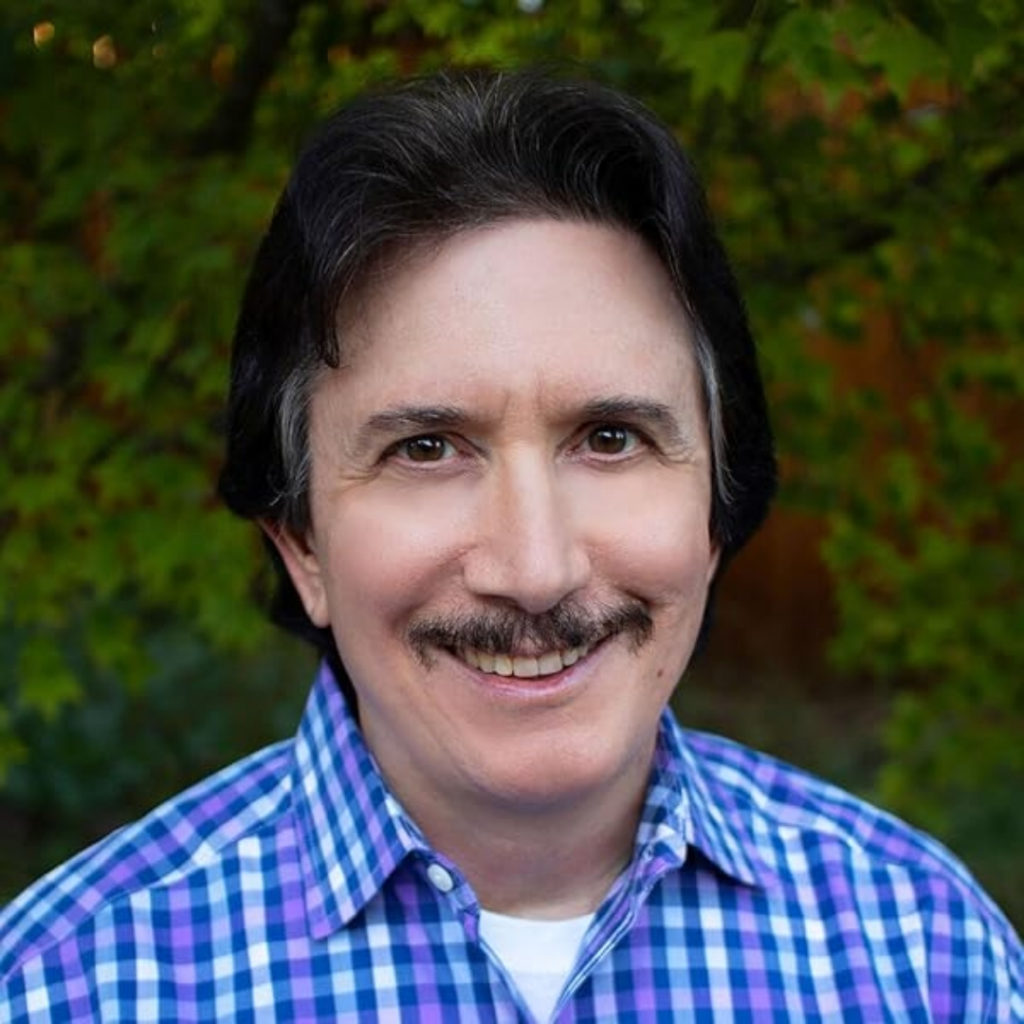
Don Franceschi covers Presentation Skills Mastery in this Marketer of the Day episode. Don Franceschi explains how to turn public speaking fear into clear, memorable presentations that move people to act. He starts with four reframes: it is okay to be nervous, it is not about you, the audience is rooting for you, and uncertainty creates anxiety. Preparation cures uncertainty, starting with Ed Tate's KFD, what the audience should know, feel, and do at the end. From there, he builds a repeatable message in 10 words or less, using rhythm or alliteration so it sticks. He researches the audience and stage, sometimes requesting smartphone photos of the room to plan the layout. For delivery, he suggests starting with a prop, arriving early, and a quick movement plus five-second breathing routine, vital for safety talks where a worker dies every 99 minutes.
Don Franceschi, award-winning public speaking coach and author of From Awful to Awesome, shares how anyone can overcome fear and deliver powerful presentations. With experience as a TEDx coach, Toastmaster, and state trainer, Don explains why speaker anxiety is normal, how to manage it, and what preparation really means. He lays out his core principles for speaking with confidence and reminds us that it’s never about the speaker—it’s about the audience.
In this episode of Marketer of the Day, you’ll learn how to manage stage fright, prepare effectively, and make every talk memorable. Don breaks down the difference between a regular business presentation and a high-stakes safety presentation where lives can depend on how well the message lands. His advice on preparation, clarity, and emotional connection helps anyone become an engaging and effective communicator.
Quotes:
“It’s okay to be nervous. Even the best speakers in the world feel it. The goal isn’t to eliminate anxiety; it’s to manage it.”
“It’s not about you. It’s about the audience. You’re giving them a gift—your knowledge, your experience, your perspective.”
“Uncertainty creates anxiety. The more prepared you are, the less anxious you’ll be.”
“Take the process seriously, but don’t take yourself seriously. Have fun, but do the homework.”
Resources:
- Visit Don Franceschi’s Website
- Connect with Don Franceschi on LinkedIn
- Watch Don Franceschi on YouTube
- Get From Awful to Awesome on Amazon
Podcast: Play in new window | Download (Duration: 31:37 — 43.4MB) | Embed
Subscribe: Apple Podcasts | Spotify | Amazon Music | iHeartRadio | Podchaser | RSS
Transcript
Download transcript (.txt)Don Franceschi is here. He's the author of two Amazon bestsellers. There's from awful to awesome, nine essential tools for effective presentations, for inexperienced, infrequent and or ineffective business presenters. And he's also recently published from awful to awesome speaking safety successfully for anyone who needs to speak about workplace safety. So if that sounds like you, then this might be the most important podcast that you ever watch or listen to, because Mr. Don here, he's a former TEDx Sonoma County speaker coach, organizing committee member, advanced communicator, Gold Award from Toastmasters, and he's developed multiple effective presentations and public speaking classes throughout the state of California. And we need to get this whole public speaking, this presenting thing, figured out. So if you have the nerves, if you don't know what to say or how to say it, and Mr. Don here is to help. Here to help us out. So Mr. Don, glad to see you. Glad
to speak with you. Hi, Robert, how are you doing today? I'm
wonderful. Thank you for asking. You know we met in the Sacramento area, doing the public speaking. The speaker, kind of presenter, build a business around Katrina.
Saw was Speaker success conference, I guess, was the one that we were both a part of,
yeah, and and I met Katrina doing this podcast. I started a podcast in 2012 and then 2016 I started getting guests. And she was maybe, like my like, 100 and 20th guest or so. And then I was like, Whoa, we live close by. And she says, I do these events, and it was only 90 minutes. And then I drove up, and I still remember you giving your speech. She had some kind of package where, like, you would go up and do your demo reels, and it was, it's so much fun, and a lot of people don't know that there's just this whole world that can open up, right? If someone embraces this idea of public speaking. You can give events, you can give seminars, you can speak as a guest. You can do for free and sell something. You can get paid. There's all these opportunities available. But then they also say that the public speaking is a greater fear than death, right? They say that number two fear is death. Number one is public speaking. And so it's here to we're here to change that, right? It's time to change some minds and get people the help that they need. And so what do you have to say if someone says, Hey, Don help me out. I don't even know where to begin with this whole public speaking presenting concept. What do you say to someone who is just feels completely lost?
Yeah, most of the time I start with Speaker anxiety, because to be honest, that's usually their first issue and the first concern that they have. So I've noticed when I give presentation skills workshops that if I don't talk about speaker anxiety right at the beginning, the people with Speaker anxiety aren't listening to anything I say until I address it. So I started putting that at the very beginning part of my workshops, and I usually start by going over four core speaking principles with the folks. And the first one is, it's okay to be nervous. That's number one, it's okay to be nervous sometimes, just realizing that can lower your speaker anxiety down. I have one of my close friends used to do stand up comedy years ago, and he did it on stage a few times with the late Robin Williams, probably the best stand up comedian ever, right? And he said Robin Williams would have terrible speaker anxiety, stage fright, whatever you want to call it, just before he would go on stage. So if it's like, okay, the best person in the world gets it, you know, if you feel like you're the only one that gets speaker anxiety, I hate to break it too, but you're not that special. You know, it happens to almost everybody. So that's the first thing, just it's okay to be nervous. And the second one is, it's not about you as the speaker. Now, I know that's kind of weird concept, because, like when you're standing in front of an audience, let's say, and there's 40 people all staring at you, it really does feel like it's about you, right? You're standing in front you've got all their attention, all the eyeballs on you, but it's not about you as a speaker, okay, Robert, you're gonna put you on the spot. If it's not about you as a speaker, what is it probably about audience? There you go. That's that's what it is. And if you can remember that it's not about you, it's about your audience, that can help lower that speaker anxiety down, if you can just kind of remember that it's like you're giving your audience a gift, and it's a gift of your knowledge, your experience, your perspective. And if you can think of it that way, it kind of takes the focus off of you as a speaker and puts it where it really belongs, which is on the audience. So that's the second item that we go over. And then the third one is the audience is rooting for you. And it's really true. I mean, when I worked for the State of California for 29 years, I probably attended 1 million. Million, and that's probably rounding down meetings and presentations, and not once did I walk in there thinking, Oh, wow, man, I hope this presentation sucks. I mean, who would do that, right? I mean, nobody does that. They're rooting for you. They want it. They want it to be worth their time, to be sitting in the audience and listening to you. And if they can get some, you know, be educated, be entertained. That's all good. So they're rooting for you. They want you to succeed. Because guess what, if you totally crash and burn as a speaker, guess what? That's not fun for you, but that's not fun for the audience either. So that's the second, the third rule, and then the fourth one is kind of a, I don't know. Should I quote it? Don Franceschi special here, and because no one else talks about it, and it's uncertainty creates anxiety. Uncertainty creates anxiety. And so basically, the more uncertain we are about a situation, the more anxiety we have. So in most of my workshops, I go over ad nauseam, all the preparation work that you should do before you give a presentation. And by doing that homework, that helps lower your speaker anxiety. And guess what? It has the advantage of making your presentation more effective too. So that's the very first thing I go over. And then, of course, you can get into specific tips going along with the speaker anxiety too. One of them is, if you're going to start your presentation, use a prop. I do that all the time. It had for one thing, it gets the audience's focus. Do I have one right in front of me here? I think I do. So I know, for your listeners, you won't see, but I'm holding up a little What do you call it? Old timer on here. I use that for a couple of my presentations. So if when you use a prop, the audience is immediately drawn to it, it gives you something to do with your hands, and it's just a very effective way to get that audience's attention, because they'll pay, you know, a lot of attention to you when you pull out a prop. So if you can have a prop like at the beginning, that can help you get into the flow, and then the last, I guess, suggestion, kind of, in this whole umbrella of speaker anxiety, is have a pre presentation routine. It doesn't have to be like mine. It can be your own routine. But I'm sure you have one, Robert, with all the ones that you've done, maybe, you know, kind of get yourself some people get all hyped before I'm kind of in that category. So usually we do, like a little jumping jacks or little shadow boxing for a minute. I did it today before I talk. It just burns off a little nervous energy, and then I take some deep breaths. I breathe in for five seconds, kind of hold it for five seconds, and breathe out for five seconds. And so the bouncing around kind of burns off the energy, and the deep breathing kind of helps get me focused, if that makes sense. So those are usually I start when we talk about presentation skills. I start with the speaker anxiety component, because, again, nobody seems to listen to anything I say till I address that, because so many people have it, I have it too. That presentation that you watched for Katrina Salwa, I hadn't been on, like, a videotaped part of a presentation I'd done. I was pretty nervous, but I really prepared well. And the cool thing is, is that when the guy was putting the mic on, if you kind of remember, that there's a guy that there's a guy that was putting a mic on all of us, and he was the one that was doing the operating the camera. I think he thought for sure I was going to roll up in a ball and cry when I got up to the front, and when I came back, he said, Whoa, you surprised me. And it's because, you know, you don't let Jared speaker anxiety totally go away. You just want to make it manageable, if that makes sense, a little bit of energy is not a bad thing for presentation, but you just don't want it to consume you so you can't still perform.
Oh yeah, yeah. It seems like let expecting it to go away is setting yourself up for failure, right? It sets the goal just unattainable. Might as well be on the moon. And so you're saying something that's more realistic is manage it, use this techniques and redirect it. And you have these four excellence reframes, so to speak. So that way we can say, well, I know that you're the most terrified about this, more than so many things in your life. But hey, people need your help, and they want you to succeed, and by the time it's done, you can have fun and communicate this and make the presentation despite your limitations, and just enjoy it for everyone, right? And have the prop and have the fun way of jumping in, and even just the reasoning behind you putting that anxiety first. That brings to mind just this idea that, well, there's a reason why people need you to speak, right? Because anyone can research any topic, but they don't necessarily know what's important or what to tackle first, versus if there's someone like you giving your presentation, we're kind of forced to focus. Focus, and then there's someone like you who's seen all these nuances of workplace safety, for example, and you say, Hey, here's where we'll start, and we'll get this quick and easy win, and then we'll move on. And there's just something really valuable about a speaker giving a presentation, and they have all these years, decades of experience, versus just opening up a book, isn't there?
Yeah, yeah, no, you're absolutely right. And in fact, with that, uncertainty creates anxiety. Once I get past the speaker anxiety part, I typically tell them that you know what you need to do is your homework before you give the presentation, and just the things you were just talking about you need to kind of in this order, I would order it. You need to know your purpose, the goal, which you want to accomplish. Ed Tate, a well known Toastmaster, a World Champion of Public Speaking, called it the KFD, which you want the audience to know, feel and do at the end of your talk. That's the goal. That's what you want to accomplish. So you have to be clear on that. If I can share a quick story, I had a new boss on my last year for the state of California, and he asked me to give a talk to this group. So I did, and he was in the audience, and man, I'll be honest, I thought I rocked it. I thought I rock I had great interaction with the audience, and we were over, and it finished on time, and everybody was happy, and everybody walked out smiling, and I was smiling, so I walked up to him afterwards, and the room all cleared. It was just him. And this is embarrassing, but I kind of turned my shoulder because I was waiting for that pat on the back that I was kind of actually hoping to get. And I said, Well, what you think? And he just kind of looked at me like right through me, and he goes, That's not at all what I wanted you to talk about. And I thought, Oh, ouch. So shame on me for not being clear what the purpose of that talk was. And to be honest, Shame on him too for not making sure I was clear on what the purpose of that talk was. So that's the first thing. And you can see as a speaker just what you were just talking about. If you are not clear on the purpose or what the goal is, or what you're trying to accomplish, there is absolutely no way your audience can be right. I mean, it makes you know common sense. You know you need to know first before you can guide the conversation, the presentation to where you want to go. So that's the first thing. And then we get into creating a message, usually some like 10 words or less tagline. So first you need to be clear on what it is you're talking about. And it 10 words or less. That's the concise part. And then, usually catchy, some kind of rhythmic, some rhythm to it, some pneumonic device, repetition, alliteration, something like that. Craig Valentine a person that I also respect greatly in Toastmasters, he has a bunch of presentation he gives, and I remember one of them was, what got you here, won't get you there. You know, it's short and sweet and to the point, and it's a takeaway message when someone asks you later, well, what did Craig Valentine talk about? Well, what, you know, they got you here won't get you there. I mean, you can repeat it back. And if it's memorable and it's, you know, repeatable, that's that's great. And then once you've got your message lined up, then you need to do your research on your audience and stage. So the audience, if I share another quick story with you, I was giving a talk for Santa Rosa Junior College Business Management Department, and I asked them, I said, Hey, if you were going to would you give the same talk on global warming to a group of second graders as you would scientists? And the group all laughed. And I said, Why are you laughing? And someone said, well, that wouldn't be appropriate. And I I said, Oh, well, if you don't research your audience ahead of time, how would you know complete silence? So you do need to research your audience and get a feel for them. You know, generational makeup, educational makeup, what their concerns are what they do. I had one presentation I gave again at the center of junior college, back to back presentations, and the first group was all around my age. I'm 60 plus here, so they were all around my age. So I thought for sure, and I researched that group, but I didn't research the second group. So that's on me. I assumed they would be the same. So I walk in and the oldest person in that group was 23 and I was like, Uh oh, because I had several cultural references to things that I thought, okay, they're not even going to know what I'm talking about. I have this one where I'm and if somebody, you know, like Gumby and Pokey, you know, I had this like a little and it went on, it was used in his example of being flexible. And so I had the Gumby out, and I asked the young man in front said, hey, just before the presentation started, do you know who this is? And he looked at me, okay, I got to make some changes on the fly here, because I was orienting my talk. Talk to an audience that was not in front of me. So if that makes sense. So you need to, you know, know your audience, and know their experience level. And then the last thing is to know your stage. You need to whether it be a like a today, a virtual stage, or whether it's, you know, an actual, physical stage. You know where the locations are, the equipment, projector, laptop, things of that nature, I will say, for stage issue, there's two solutions that have solved almost every stage issue I've ever had. And the first one is to scope out the stage ahead of time. So if you're able to physically go and check out, you know, the room or the place where you're giving a presentation, a lot of safety presentations can be anywhere, out in a construction site, could be out in an agricultural field, in a shop, whatever. But if you're able to do that ahead of time, that lowers your speaker anxiety, too, and it allows you to troubleshoot for your presentation. So and people tell me, Well, I can't do that. Don I can't scope out my room ahead of time. And I said, I get it. I had to do a presentation in Fresno, which is four hours away from me, and I'd never been to the office, let alone that particular room. But guess what? Everyone's got a smartphone, right? I just asked them to take some pictures of the room, Speaker's perspective, audience perspective, where the outlets are, where the screen is, you know, things like that. They sent me five or six of them that was so helpful for preparing for my presentation, and it was an important one. And you know what, when I stood on that stage, this sounds corny, but when I stood on that stage having seen the pictures, I felt a little more comfortable, because I felt like I had already been there. So that's, you know, first one, scope out the stage ahead of time, if you can, and then the second one is to arrive early. Arrive early, and most people just, I'll admit, I have, as you can tell, I like to have fun with the presentations and everything. But that's one thing i It's my pet peeve. I hate presenters that waltz right in, you know, 10 seconds before they're supposed to, you know, speak, and it's this mass commotion. Where's the presentation? Clicker. Can you move some chairs? Can you do the handout? Pull the screen down. Wait. Why isn't the laptop hooking up? You know, just oh, it drives me crazy. It's like, you know, arrive early and get yourself all set up ahead of time, especially if you have speaker anxiety. Running around like a chicken with your head cut off just before you speak, is not conducive to a nice, calm, relaxed speaking engagement, so I want to get there early. I had a I was doing a presentation for our Sacramento district office. I live in Santa Rosa, and I happened to be at the Sacramento office the night before. So I thought, okay, so everybody was mostly gone. It was just a few folks left, and I said, Oh, what a perfect opportunity to set up the room ahead of time. So I did that. Took about an hour, got everything all set up, drove home, and I was kind of patting myself on the back. Oh, what a good job. You got all set up for the meeting ahead of time. And I the alarm woke me up, and I thought, You know what? You could sleep in a little bit more. You've got the room already set up. But when you give talks on effective presentations, you feel obligated to have an effective presentation, you know, and that you do the homework. So I went ahead and got up my normal time, got there, opened up the door, and I was very surprised that the janitors had come in after I had and rearranged the room the way it was before. So I had a few choice words that erupted out of my mouth, to be honest. But after that, got the room all set up, and when the people came in for the presentation, they had no clue on the drama that happened beforehand. And that's the way it should be. You know, get yourself organized and get set up ahead of time. So anyway, we get into, like, the message, audience and stage. If you do some of that prep work, not only does your presentation can be more effective, but it can really help with Speaker anxiety component of it.
Oh, yeah, all that's helpful. So you're saying that that it helps to prepare both in terms of the actual, like, physical setup and delivery, but also in your messaging. And we've all seen both of those extremes, right? We've seen someone that's unprepared last minute, hadn't thought it through, versus you just put in a little bit more of that tediousness. And as you were explaining some of that you're giving me flashbacks to, as soon as I became a parent, I was like, anything I have to go do, I'm leaving half an hour before I need to be there, right? And so I take my kid to school, and you see all these other minivans and parents, and they're running red lights, they're they're so stressed out, and I'm like, Well, I just left a tiny bit earlier, so that way, I accounted for the inevitable surprises that creep up in the same way the janitor rearrange and you just, you went with it, right? Instead of it being an emergency, it was just an annoyance, just an inconvenience. And you figure that when someone gives a presentation, it looks easy, right? They show up. It's effortless, it's simple. But there's a lot more that went into it, such as the pre. Inspiration, which is beneficial for the output, but also for your own self as a speaker. And what's great about you, Mr. Don is, you know, there's the simplicity, there's the clarity, but I love how, just like a good speaker, you work stories in the things. So that way, for me, listening to you, there's like, two layers of it, right? There's what you say, and then there's kind of that additional lesson. And so from what I get from you is that it's helpful to have fun and to work in a little bit of the self deprecation and a little bit of the playfulness, because it's just it helps everyone involved, right? It helps get that message across. And so we're here on a podcast. Well, you only have a few minutes left, and I want to make sure that we focus on what's important to you, because you do the speaking and you do the safety presentations, but I want to make sure that we cover the basis that you want to cover. And so in these final minutes of our conversation, what questions should I be asking you? I just don't know what to ask you.
Well, my second book is geared towards folks who speak about safety, workplace safety, and one of the chapters in the book is, what's the difference between a safety presentation and a regular business presentation? And I asked several the experts, 20 folks, 20 experts that I ended up interviewing for the book of what their thoughts were, and almost universal agreement is typical business presentation, there's usually facts, figures, charts. It's like information that's being relayed to you, and it's done in a typically like a business like manner is, you know, it's a business presentation, whereas a safety presentation, the stakes are so much higher. As I quoted in the book, Warren Mayfield, a person who was my boss a few times during my career with state of California, said that if you blow a business presentation, you might lose the sale. If you blow a safety presentation, someone could lose their life. So the stakes are just so much higher on a safety presentation, and you need to get the folks emotions involved, because you're talking serious stuff. You want these workers to go home to their families at the end of the day, you know, to be with their family. There was, um, when I was doing the book, I was wrote a lot of it during the pandemic, and so the last year for stats, that was before the pandemic struck, which 2019, and they had on here, I had every seven seconds a worker was injured in the United States, and every 99 minutes a worker died. So that's pretty serious stuff. So as you said, take the process seriously, whether it be a safety presentation or any presentation, take the process seriously, but don't take yourself seriously, you know, so you can have some fun, be relaxed, and that'll come across when you give a presentation. But take the actual getting ready and the homework and the things you should do ahead of time. Take that prep part of it. Take that seriously.
And how do you come up with the catchiness, like, even what you just said there, right? Of, like, take the process seriously, but don't take yourself seriously. And then there was, like, the the Craig Valentine title of his presentation, is that a matter of, like, delivering the speech and the repetitions or thinking it through deliberately. Or, like, how do you land on some of this catchiness?
Actually, both. It's both. I'm often looking for a headline, like a 10 words or less phrase that people can remember and walk away with. So as I'm giving a talk, or as I'm doing the prep for a talk, I often think, well, what would be a good like little phrase to use here that would be helpful and and then some of it is you give the presentation, especially if you're doing multiple presentations on the same topic, and over time, you start to naturally condense and just get to the crux of what you're talking about. So it's both some of its prep and some of it's just in the course of doing it, you start to hone in on and make it a little more memorable, and that's the goal. Because if you're not, if it's not memorable, it's wasted. And if there's a safety presentation, you know, that's you can't have that. You can't have that.
Oh, yeah. So what's the goal is for it to be memorable, for what you say to stick. If you give me flashbacks to in high school, we had to write all these essays, like these big, long, like, you know, you sat down in a test and had to write, like, three times, three page essays in like 90 minutes, and it took a lot of, like, developing the skill. But they said that like, the biggest problem, like, when they grade those essays, and it was for like, some like, college credit stuff, they were like, well, if you are a high school kid, and you start writing over here, and then you talk, and you talk, and you meander, and you go, and it's not clear where you ended up. They just basically fail you. But if you say, hey, here is the prompt, here's the answer, and then everything you write is in relation to that. And you keep getting you keep making those points, and you conclude. Back where you started. They're like, that's all more held together. And it seems like that's that's what we want to do when we present, and when we want to refine things and naturally distill and simplify and make it a lot of fun. We want to say, Well, I'm not going to wing it in my presenting or in safety, and instead, I will deliver something that's polished and memorable and fun and gets people to remember, even more importantly, get people to take action, especially when safety is concerned, so that way the lives are not lost. And so we've been speaking with Don Francis key, and he has these two books. One is called from awful to awesome speaking safety successfully. It gives you the tools, tips and techniques on how to prepare structure and deliver an effective safety presentation. There's these five sections that help you out with that. And then there's from awful to awesome, nine essential tools for effective presentations. We're talking about the creation and the elevation to help you get it become an awesome presenter and save the world one presentation at a time. Because Have you ever attended an awful presentation? Maybe it was even yours. Well, this is a roadmap for inexperienced, infrequent or ineffective business presenters. It's from awful to awesome, 90 essential tools for effective presentations and from awful to awesome. Speaking safety, successfully. And if someone wants to know more about just what you do, the value you provide, I know there's the website from awful to awesome.com so is that a logical next step, or where should someone go after listening to this podcast?
Yeah, if they wanted to go to the landing page for my second book, it's that from awful to awesome.com/safety and that also gives you a link to the the main website too, so you can see a little bit more of what I'm about, but I do. I'm available on LinkedIn as well, you know, Don Franceschi, and it's just, and of course, you know, someone can send me an email. Don it from awful to awesome.com Look at how, how easy that is to remember. So Don it from awful to awesome.com you could send me an email. And yeah, my goal is just to make people more effective. Because I really do think with all the issues and problems in the world, not just in safety, but you know, becoming a effective, engaging and entertaining speaker, is one way to help solve some of those problems. I do honestly think that save the world one presentation at a time. I think it's a it's almost an impossible goal, but that is my goal. So if I can help you do that, reach out.
Yes, you're to be you say effective and engaging and entertaining. Is
that? Right? Yeah, and
yeah and that way it's not about you, right? It's it's like, sure, you have this anxiety and you manage it. But what's more important is this ideal outcome, which is despite your fear, despite the small annoyances, mistakes, all my presentation, clickers not working, I'll just go without slides this time. Will I pull up that line? No one will even notice. I'll keep going to get to that finish line. Of you change some lives. You affect other people, and you change the course of what they were doing where otherwise they might have making that safety mistake, or they might have not learned something, but you did, because you gave this excellent presentation that came alive. And Mr. Don Francesca. Franceschi helps you out by getting there. It's from awful to awesome.com/safety, and if you want to look him up on LinkedIn, that's F, R, a, n, C, E, S, C, H, I, that's one of those long Italian last name, but you type it in and you go and add him, and he's definitely a person you want to have in your orbit and speak to if you want to refine and improve these speaking skills, that way you can change some lives that's from awful to awesome.com/safety, and before I let you go, Mr. Don it's time for the scarier part of the show where I try to stump you by asking about a fun quote or lesson that has served you. So what comes to mind as far as a fun quote or lesson?
Well, I would say it would be as an Eagle Scout. I was Eagle Scout. I think you were too, weren't you, Robert,
we're both Eagle Scouts, remote
and Boy Scouts, that's right. And and you guys remember the motto from that, be prepared. Be prepared. And I think that is the thing I would leave folks with. If they were more prepared for their presentations, it would go so much better if they would actually rehearse before they gave a talk, just all the things, you know, look people in the eye, or, if you're doing a virtual presentation, like, know where the camera is, so you know where to be looking, just all those little things. If you do that prep work, if you be prepared, it will make. So much more of a difference and an impact. And if we're not going to be impactful speakers, then what's the point? Right?
That's very helpful. Be prepared. Go through and know all those little nuances, right? Know where to look at the camera, etc, and then, because you did that dry run, you'll be a lot less nervous, and you'll be going with the flow, and you won't let one little surprise derail you. So the next step is to go to from awful to awesome.com/safety, find out about speaking safety successfully. Check out that page. Check out that book. You'll love it. That's Don at from awful to awesome.com and his phone number, if you want to give them a quick call or text, is 707-293-5532,
that's 707-293-5532. John Francis key presentation skills trainer, author coach. He's here to save the world one presentation at a time. Take this seriously. It's important, and you'll get to the point where you give amazing speaking presentations and help other people. So thanks very much, Mr. Donna, for showing up, stopping by. I appreciate what you brought for us. Thank you. Robert bye.
Subscribe
If you enjoyed this article, subscribe to receive more just like it.


