Published Last updated
View in Podcast Library: stories, quotes, books, and resources in one place.
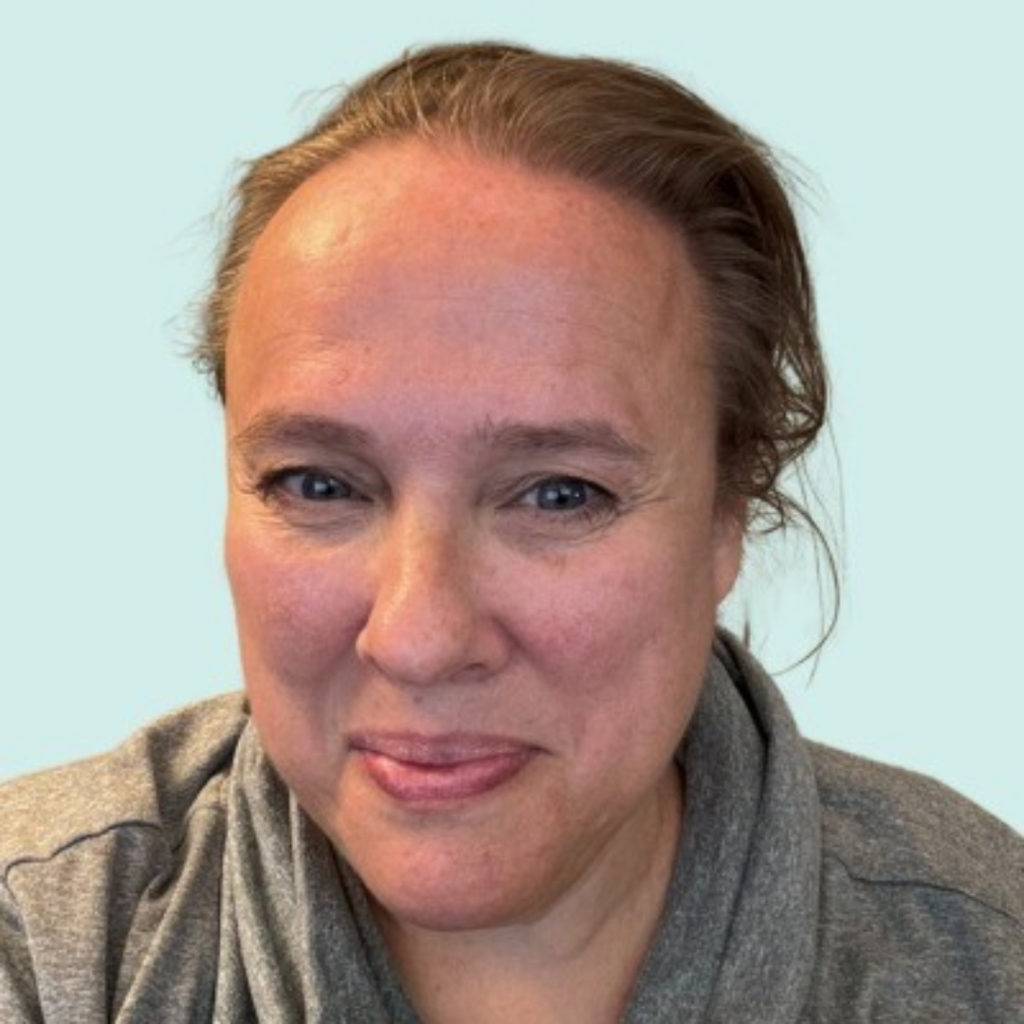
Natalie Berthe covers LinkedIn Profile Strategy in this Marketer of the Day episode. A well-built LinkedIn profile can boost credibility and spark the right conversations even as the platform keeps changing. Natalie Berthe advises rebuilding your profile bottom-up, starting with projects, experience details, and skills that match what you do best now. She prioritizes the headline because only the first 40 to 50 characters show in many views, and your banner should quickly communicate your value. Since the feed checks your profile to confirm topic expertise, you must optimize for both AI and the human eye, not a generic resume. She treats impressions as a vanity metric and leans on consistent commenting to drive profile visits and DMs. When reach drops after reports or content filters, she focuses on rebuilding 'trust score' and adapting to LinkedIn's relevance-versus-recentness shifts.
Natalie Berthe is a startup and growth strategist, serial founder, and the author of “Love Your LinkedIn Profile.” Natalie specializes in helping entrepreneurs, from seasoned executives to emerging founders, transform messy, complex professional challenges into clear, actionable solutions. Drawing on over a decade of experience on LinkedIn, she guides clients to optimize their profiles, build credibility, and attract new opportunities without jargon or gatekeeping. Natalie’s approach fuses practical business sense with authentic personal branding, encouraging professionals to tell their true story and network with intention in the digital age. Her latest book, “Love Your LinkedIn Profile: How to Build a Kick-Ass Profile, Elevate Your Personal Brand, and Get Results,” is both a practical guide and a call to embrace authenticity online.
In this episode of Marketer of the Day, Natalie shares her journey from early LinkedIn adopter to recognized profile optimization expert. She explores the realities of LinkedIn’s evolving AI-driven algorithm, the impact of authenticity versus “playing to the algorithm,” and the critical role of relationships and nuance on the platform. Natalie uncovers the pitfalls of generic profiles, explains how to optimize for both AI and human connection, and discusses systemic inequities in social media reach. Packed with actionable advice, her insights help listeners cut through overwhelm, craft their unique professional narrative, and take control of their digital presence. You’ll leave empowered to build an authentic profile, engage purposefully, and leverage LinkedIn for real-world opportunities.
Quotes:
“Once you set up your profile properly…and you’ve got your main content, the only thing you should be doing quarterly is adding whatever you accomplished during the previous quarter.”
“LinkedIn is really about developing conversations and relationships. They’re legit… that’s why you make more money or find bigger opportunities.”
“If you’re speaking to everyone, you’re speaking to no one. Build your profile for you—let your authenticity do the attracting and the repelling.”
Resources:
- Visit Natalie Berthe’s Website
- Get “Love Your LinkedIn Profile” on Amazon
- Connect with Natalie Berthe on LinkedIn
- Watch and follow Natalie Berthe on TikTok
- Connect with Natalie Berthe on Facebook
Podcast: Play in new window | Download (Duration: 37:05 — 50.9MB) | Embed
Subscribe: Apple Podcasts | Spotify | Amazon Music | iHeartRadio | Podchaser | RSS
Transcript
Download transcript (.txt)Natalie birth is here. She has a new book she wants to talk to us about. It's all about LinkedIn. She is a startup and growth strategist, a serial founder and the author of Love your LinkedIn profile, Natalie helps entrepreneurs turn messy, complex problems into clear, actionable solutions, building businesses from purpose to profit without jargon or gatekeeping. And this new book, which you should check out right now is called love your LinkedIn profile, how to build a kick ass profile, elevate your personal brand and get results. So if you're frustrated, if you say, I wish I could talk to the people I need to talk to you, to get to where I want to go, open those doors so much more. Then let's talk about it. Get that optimized LinkedIn and profile that reflects your expertise builds credibility and attracts new clients or career opportunities. Miss Natalie, worth wonderful. Talking with you right now. How are you?
I'm great. I'm great on this, on this, getting slightly colder morning. Fantastic. How are you, Robert,
I'm wonderful. Yeah, it's cold outside, but luckily we're inside, and instead of having a trek and travel, we're in the same age of zoom and AI and LinkedIn, and we can just do a lot of the networking, communicating from our computers. But then the problem so many of us deal with is traffic or just the obscurity problem. And then there's this amazing thing called LinkedIn, which, like, I've been on, like, for like, 10 years. Remember back when it was just like the resume site, the job site, but it's turned into, like, what I always wish Facebook was, right, where on Facebook you end up kind of just with all this nonsense and all this networking with friends, like, hey, how do I build my business? How do I get to the money? Aha, LinkedIn. So I'm excited to talk to you about it, and but you tell me, like, what has you excited? What are you up to with LinkedIn and everything else?
Yeah, I've actually been on LinkedIn since. I just recently looked it up January 2012 so I'm going on 14 years. And interestingly, that's actually 10 years after LinkedIn started. So LinkedIn is, I love LinkedIn. It's my favorite social platform. It is the oldest one and continues to grow, right? It is like, I don't know, I think maybe like, Friendster or something. I should say it's the oldest, still one that everybody's using, right? It's older than Facebook, obviously Instagram and Tiktok and all the other ones that everyone talks about.I have been doing a lot of work about especially the last almost six months. Now, we've been talking a lot about what's going on LinkedIn, because there have been some really significant changes that have been made in the last six months. They and as as an older profile, and I'm sure you experience this too. Anytime LinkedIn does something, we are the like, they seem to roll it out with the old like, in the order that you signed up LinkedIn. So oftentimes I would experience weird things starting to happen months or even in one case, it was like almost over a year before most other people experienced that. So I have been dealing with the massive algorithm changes, and LinkedIn is just right now, every couple months, rolling out some new AI based product, AI based tool, AI based algorithm changes that are, you know, affecting how we are able to do business. You know, in January, I was still getting 1000s and 1000s of impressions on my on my posts, and then I made the mistake of posting something that someone didn't like, and and I it was, it was actually a relevant conversation, but and LinkedIn, all of a sudden I got dried up, right? I was lucky to get 132 impressions on my following posts. Then I underwent a several weeks of doing what I called, you know, improving my trust score, which is not the same thing as an SSI, which is your social index on LinkedIn, that's actually more measurable, so that LinkedIn is not afraid of, you know, sharing my content anymore. So it's, it's been, you know, I've been through the ringer, but I still love LinkedIn. I think I make the best relationships on LinkedIn. I have the best contacts. I make the most money on LinkedIn. It depends on, on, on what you're trying to do. But I don't, I think LinkedIn is not optional for anyone,
right? And it's that's why we're here, right? We collected on LinkedIn. We're like, hey, let's do a podcast. And you see what that leads to. And many times it's just like the publicity, the content, the kind of showing off for your friends, or staying in the the what the ideal mind or the prospect, and all those silly phrase. Is, but they're important phrases. And so I know, like, as a I've got this podcast, I've had 1500 guests, and when I go and I, if I meet someone, I know I size up their LinkedIn profile, like, very first thing that's like, such a shortcut for me, because, like, you could check the Amazon, YouTube, but hey, LinkedIn, I'm like, what's on her banner? What's on her profile? How many followers? When did she last post? Does she post? I mean, I'm amazed. Some people don't even post at all, and then when they do post, it's like, Well, are there at least, like, a few comments or likes, and what's on the job history? And it's like, I look at like, a handful of things, and it's like, such a just a shortcut. But I'm sure that a lot of people are missing out, and especially with AI, I mean, I sometimes they geek out. I'm like, I could take, I could take what I've written and what I've tried and who do I want to target, and have it like, iterate and make it better. And it's like my mind's blown, but I'm also completely confused about where to start, and that's good that you have this book that can help us. And so if someone just word vomits all the stuff I said to you. It says, LinkedIn, I love it, but I know I could be using it better. Like, is there anything that maybe enrages you somewhat? Like, what are we all missing out on this LinkedIn vote?
Um, I don't know that. Uh, anything on LinkedIn? Well, I will tell there's a couple things that really infuriate me. So this post before I really dove into LinkedIn, which, by the way, I'd already written the book beforehand. And I wrote the book because I hate most LinkedIn profiles. They're terrible, awful, and I knew, like I had been spending the previous 12 years, for 13 years, just being like, you know, how do I use this? What's the best way to do this? And I was like, trying to follow people. And then someone said, oh, you should do them. They do a great job with profiles. And, you know? And then I go look at their profile, and I'm like, that sucks. There's nothing in here. Like you're calling somebody, you know, you say you own a business, and you don't even have a company page. Like, what's wrong with you, right? So, um, so then I went into the deep dive. And of course, the other thing was that I was meeting with prospects and clients and and colleagues, and I couldn't tell what they did. And so I went in on a deep dive for myself to learn how to do it. And and then I started sharing with people, you know, this is how you do. And then they started getting, oh, my God, this is like, I feel so much better, right? And when you feel good, that's why I call it love your LinkedIn profile. When you love your profile, when it really reflects you are you just, it's like, wearing a good outfit, right? Like, you just feel better when you're going out in the world, and that's your professional outfit. There are a couple things though, that I that really are frustrating to me right now, and have been for a while, but especially right now, I think LinkedIn has gotten very crude, and I get that we want to be a LinkedIn wants you like this, to be a professional site. But there's also which is, which is ironic, because I'm going to tell you in a second what's really going on the but, but like, you know, they used to be. It used to be, you know, nobody really cared if I swear, I tend to. I tend to use colorful language without a problem. And all of a sudden, you have to be super careful in your posts and your comments, because LinkedIn is going to ding you if you if you swear, right, in fact, the post, the other thing is that you know, and even even Facebook lets you like appeal something, the post that shut me down, I had a I always wrote a lot about inequity and female founders and the founders journey. And you know, this is what I've worked with people a lot on and in in July, I had been writing a lot about this and and female founders were women were coming up with their comments and were sharing stories about what they experienced when they were going for funding. Right? Several women had been propositioned. If you spend the weekend with me, I'll give you the money, kind of thing. And then one woman came out and she said, Oh, I was told I was too pretty. I was like, you what she said? I was told I was too pretty. I had great traction, I had a great business model. And, you know, they complimented me on everything I was doing really well. I'd been in business for three years, and I was told which are really just too pretty to fund. And that infuriated me, right? Like, that's not linkedin's fault. That infuriated so I wrote a post that said, female founders are apparently pretty enough to F, and I put an asterisk where the U would normally be comma, but too pretty to fund, which, by the way, I'm going to write a book on with that title, because that just infuriated me, though, and not surprisingly, it started getting massive traction very quickly, because it's, it's provocative, but it, you know, I wasn't talking about sex. I was talking about the things that that like women are dealing. It, and someone reported it and it got taken down. LinkedIn doesn't even tell me, I get no I get no message. I can't appeal. You can't call support and go, Hey, like, you know, why are you taking this down? This is legitimate conversation to be having. This is actually a business conversation. So that is one thing that I there's like, it's a zero sum game. If I, if I, some tool ends up getting hurt, butt hurt over what I said, then they can shut down what you what you say and do. The other thing that I find really frustrating and frankly disingenuous is that LinkedIn is has implemented the new algorithm talks about relevance versus recentness, right? That's their argument, is that they promote posts that are relevant. The thing is, is that I'm not a two dimensional person, right? Like none of us are, we're not just interested in a single thing. We are multi dimensional people who have different interests, right? The story I tell is that while I've connected with people who are trans in, you know, all trans folks in, you know, on different platforms, it's on LinkedIn that I became friendly with several of them, and one in particular, who talks about his experience all the time. And so I have a much better understanding of of being trans, right, and so, but I learned that on LinkedIn. I didn't I didn't learn that on Facebook. I didn't learn that on Tiktok, and I think that makes me a better person. It makes me understand and have more empathy. And but according to LinkedIn, that's not an appropriate conversation to be had. And so the problem is that AI in general. This is not a LinkedIn problem. This is, this is an AI problem in general. AI makes predictive uh, uh, conversation, right makes predictive answers like what people are going to like, what people want, what people what you should say based on historical data and analysis, and when you do not adjust for biasness, bias, right? Then it actually amplifies the existing inequities in content promotion information. And so right now you have people who have 10s of 1000s I know someone who's got 140,000 followers, and she's lucky, she's getting 200 views on her content, right? And it's because she talks about stuff that makes other people uncomfortable. You know, she's the founder of an organ, Cindy gallop, who's the founder of Make Love, Not porn. I mean, make porn, right? Make Love Not porn, right? And, and it's, it's, it's a, it's a, an ethical pornography. So, you know, it's all consensual, it's realistic, it's, you know, the stuff that goes with that. And she's got a whole bunch of other stuff that she does with that, including a lot talking about female founders, but she talks about something that makes people uncomfortable. She talks about something that is unusual, right? My topic, when I'm talking about female founders, this is, you know, I've had men tell me with a straight face, while women get 90% of the funding, women get 1.4% of the funding in VC money, right? Like it's there's a disparity in things, but, but because the algorithm doesn't adjust for that or understand that, you know, maybe Cindy's 140,000 on followers actually want to hear what she has to say, even though you have decided that she's not relevant, because whatever the conversation is, and so that's it. That's a huge, huge problem. And actually, one of the execs from LinkedIn came out in in in August, and he explained that the feed goes to your profile to decide whether or not you are an expert in that topic before it decides it's going to send the information out to the world. So you now have to have your A your profile has to be optimized for AI as well as the human eye, right? You need the both of them, AI and the human eye, and by the way, they don't track demographics. So everybody who's saying that women and people of color and, you know, queer folks and whatever, are getting less views, they're wrong, because we don't see color. We don't see, you know, that whole like, we don't track those demographics. But you should be tracking those demographics, right? You should be understanding who is getting seen and why, and that's not what LinkedIn does. So if you're going to ask me, what infuriates me, it's the inequities of AI without that acknowledgement.
So what's the answer? Because it seems like in any kind of social media, it's always unfair, right? It always has been, no matter. What is the algorithms messed up. And then they try to have the machine do it, and there's the false positives. And then let things through. When you look at what happened to x, right, and how I logged in there, and it's just like, it's a bunch of just nonsense. And then when they try to put the humans on it, and it's very like, report based. It seems like if, if one or two people report you, that just that's all that matters. And so it seems like such an unfair game, but it seems like sometimes we can maybe ride out the waves or diversify or have other approaches, like doing the cold DMS. And so what would you say if someone's hearing all that? Because it's easy to talk ourselves out of things before we even start, isn't it? And if someone says, Oh, good, I didn't take LinkedIn seriously because Natalie says, there's all these unfair things in place. Like, what would you say to someone to get them to, like, pursue this anyway.
There's a couple of things going on here. I think, um, I think there is some truth to the idea that impressions are a vanity metric, right? Because even Gary Vaynerchuk isn't like, getting massive views, and he's got 5.8 million last time I count checked, you know, which is a couple months ago. And what I mean by that is, the last time I checked, he had like, 230 likes on a video, right? Like his numbers are also not where everybody else is going on. So I think that there are two things that need to happen. One is, I really think you need to be optimizing your LinkedIn profile, because regardless of what's going on with the algorithm, and this is true if you're an artist, if you are, students are getting in there. That's a whole lot different discussion, right? If you're an executive, if you are a business owner, even if you're not, I'm working with somebody right now on on their profile. You know, they have bricks and mortar businesses and but they were like, I really need to get my profile in place, because in 2025 2026 like, that's how we network, right? People are going to check you out online, so you need to have everything else set up. The other thing is that what I've noticed, there's two things that I've noticed. One is that despite what LinkedIn says, AI likes AI, and I find that AI generated content tends to do well for likes and impressions, and you can tell because they're using icons and stuff that's not available on LinkedIn and social content, right? So this is where LinkedIn is like, well, that's not professional enough, and yet it loves social content, right? I actually did a test this summer with someone, and I was like, it's like, they're trying to be like Instagram in some ways. And I had written out something, and she had written out something the other, the next, the same day. And she was like, well, since, yeah, since it's just basically the same thing, she has a picture of shave. She goes, I'm going to tell you all I'm shaving my legs today, right? She was kind of a joke, but she's got a picture of her legs up there. My post had more likes and more engagement, actual engagement, and more people who shared. Nobody shared her post and several people share she had considerably. She had like, like half of what I had, and she got something like four times the number of views, right impressions, because LinkedIn had decided that that's what to do. So I think with LinkedIn is you. But here's what I've noticed, even though I haven't been posting a lot for the last couple months because I've been working on some other stuff, it wants consistency. I'm never great about that, so I'm I've got to work on that myself, but it it like people, I'm still getting the same number of views on my profile because I comment on other people's profiles. So even if I'm not out there posting, I am engaging in real conversation. And people go, Oh, you're interesting enough. I'm going to check out your profile. And then they see it, and they go deep, and then they message me, or DM me, right? And then I'm having real conversations. I'm also constantly inviting people to connect. And so my my my DMs are super busy, I'm developing these incredible conversations with people, like with you and other people. And you know, I've done three podcasts. I'm doing another podcast tomorrow. I've done four podcasts in less than two months, right? And I'm not looking for podcasts like I'm not trying to go out there and market myself. These are just people who are like, Oh my gosh, I like what you're doing, and we're connecting through this other stuff. And so I think, unlike what you're trying to do on Instagram or Facebook or Tiktok, where your numbers actually are a reflection of that certain metric. LinkedIn is really about developing conversations and relationships, right? They're they're legit, right? They're not you, you. LinkedIn is not the same type of social selling platform Instagram, apparently, is great for that. Um. It is the relationship that which is why you make more money with bigger things than you will on other platforms, right? Especially when you're building a business, or you're looking for a business opportunity, or you're building your career, you're not building your career over on Instagram, right? You know,
I don't understand Instagram at all, or Tiktok. I'm just like, I'm like, I feel like I'm watching TV. I feel dumber when I'm watching it. And then if I feel like I want to get my my brain juices flowing, if I have like, three minutes, I'm like, I want to feel like, point oh, 1% smarter. That's when I'll like, either open Reddit, but Reddit, they're kind of mean. And then on LinkedIn, I'm just like, I know I'll, I'll get some of the field which is scrolling through, and I'll learn some some things. So I'm like, if my goal, my motivation, is to build a business better and make more money and network, why wouldn't I open that instead of a Facebook or an Instagram?
Yeah, I it depends on the type of business, right? Like, you're not probably going to sell a whole lot of product, physical product on LinkedIn. But if you are selling a service, if you are selling especially B to B, but not only B to B, right, you don't know, like on LinkedIn, you can connect with someone who knows someone. Yeah, right. So I just worked with a woman who is specialized. She's HR, an HR an HR executive who specializes in m&a and the opposite of m&a. What is it? You know, when you start closure, sorry, divestitures and closures, which is an unusual thing, right on LinkedIn, she can go in and say, Hey, all you MNA experts, I do this, right? She can go and start connecting and doing that kind of stuff, and it gives her a way to connect with people in a way, even though they're not directly. You know, I don't expect you to buy from me, but I want you to know that there's somebody out here like me, right? You can, you can show your your differential, the you're the thing that makes you new, unique, the skills that you really want to use on LinkedIn in a way that you can't anywhere else. Honestly, I find like the conversations I have with people on LinkedIn are so much more interesting, so much more fun. I like to be challenged. I like to learn. I like smart people. They're all on LinkedIn.
Yeah, they seem more serious, and especially these people that you can tell either it's them or they have some kind of assistant, like, working on it, like an hour or two a day, right? You see them posting. You see them commenting. They're in my feed all the time, and I'm always playing around with, like the DMS and the search. I'm like, Okay, this specific keyword in this area. And then you hear all the kind of B to B stories where they say, Well, if there's this, this person you really want to talk to, but they're inaccessible. You talk to their friends, or you talk to other people in the organization, and it's like so much of the data is there. It's crazy. It's amazing. But as far as someone taking some of these practical steps, because, like, they could jump in with the keywords, and I'm sure someone like you can see like, six different things they should soup up on their profile. But if someone says, okay, as far as, like, some like, practical steps, something I can maybe do today or this week on LinkedIn, like, what would you say? What's an easy win, a quick improvement someone could make.
Um, this is gonna really sound wild, but when I work with people on their LinkedIn profiles, I start from the bottom up, okay? And I start from the bottom up because I want them to be building the story. And so it's things like making sure you have projects listed, talking about the different things that you do, making sure that your that your skills are accurate, like, the number of senior level people who are like, Oh, I know Microsoft Excel. You know, I know Microsoft products. And I'm like, I don't care. You're an entrepreneur. Nobody gives a shit. Like, I don't know how to like, I mean, I'm assuming you know that. And if you don't, that's your problem, because you're like, older and should know this, and frankly, pretty much everyone she like, we all use them right? So make them reflect, not everything that you've ever done, but really what you are exceptional at and what you want to do, right? That is really, I think the skills are, should not be underestimating use every single section of the profile that you can and you should that are relevant to you. I actually have a cheat sheet which I'm I'll put into a thing. I'll put it on my profile so people can download it. That is in the book that says, if this is what you're doing. Here are the sections that you could probably use, right? So that you do that. It's a matter of you need to, not you want people to. So here's how you describe it when I when you use think about how you go into a LinkedIn profile. So maybe you either find it through your through your door. A search, or because you've seen somebody's comment or their post has come across, the first thing you're going to look at is their headline. First 40 to 50 characters are the most important, because the only thing that shows up until somebody goes in, then you go on to their profile, and you're going to see their banner. The banner should say something, should do something should kind of like reflect who you are. And then you start moving down your about section. Nobody actually reads that. That's your closing argument, right? If somebody wants to do that, so you keep going down, and you've got to make yourself interesting enough that people want to keep engaging, right? So people reach out to me about one thing, and then they'll come back to me about something totally different, because they've read my profile and they're like, Wow, you also know cyber security. What can you tell me about LinkedIn? I didn't realize you worked with startups, right? Like, all of these, like, I, it seems really, I was really kind of like, embarrassed for a while. Like, wait until you also found out that at one point I own franchises, and that I've written manuals, and that I've done all this other crazy stuff, and I'm on a lot of podcasts and I've written articles for Fast Company, right? All of that's on my LinkedIn profile. And when people have questions about things like, they go in and they do stuff, right, the goal is to make yourself interesting and to share stuff. And I think there are very few people who are not fascinating. So if I'm going to say, if this, it's a quick win is one, make sure everything is accurate to make your headline compelling. I've got a couple posts that I had put on about it, but like, you know, make, make a thing that makes you, makes you different than everybody else. I just read one recently that this woman has this whole description, and she ends with terrible cook, right? Could tell you about the rest of what she does, but I know she's a terrible cook, which makes her interesting enough to be like, I'm a good cook. I love cooking, but somebody's gonna, like, openly admit this. I think that's hysterical. I'm going to connect with her, right? Mine says expert motivator with swear words. The number of people connect with me is like, I'm connecting with you because you swear is hysterical, right? Yeah, but you gotta, it's just, it's not that. It's not that hard. I will tell you on my on my company page, I'm transferring a lot of that stuff over to YouTube as well, but on my company page. Have a bunch of stuff. I've got a sample of videos talk about, you know, the little things that you can do, but ultimately, you have to optimize for AI and optimize for the human eye on the LinkedIn profile. Okay, so there's a lot to think about that was very long winded. I apologize.
That's okay, though. I mean, I've got like, 12 different ideas of what I know I need to do with my own LinkedIn profile, because it's something I probably visit it like, every quarter or so. And like, over the years, sometimes I'll have like this or that coach like, say, Hey, you should change this. But like, I'm always impressed when someone has, like, a book in their banner, because I'm like, okay, they've written a book. I can really take a deep dive if I want. And then that aspect of what you're talking about, where you connect with the same person months apart about different random topics. It's so cool, right? In dating, they call that the bounce, right? You go to the bowling alley and then you go to the coffee shop, and it's the same person, but different locations. And there's been so many like, I call the man crushes, where sometimes, like, I'm a straight man, but sometimes another straight men, they'll kind of like, buddy up to me, and they'll be like, Oh my gosh, I didn't know. Like, you were an Eagle Scout. I didn't know that you did this with WordPress. And it's like, it's always so much fun. It's the deeper relationship building for the delayed gratification, right where, like you You make friends, and you kind of boost everyone up, and then at some point later on, then you cash in in unexpected ways, right? This person might help you out, or you help out them. And it's always like amazing to see when someone can play politics, so to speak. And you look at that, you say, Oh, how do I do that? And someone like you would say, well, you kind of put in the work, right? You have the the foundation, and you do these activities that seem pointless and silly in the present moment, but and then in the future, they pay off when you are doing the networking, when you have, like, what you have, where people are coming to you, saying, Hey, can you be on my podcast? I mean, what a great position to be in. And so as far as some
people grossly underestimate, right? They they try to build their profile for who, for their audience. And in fact, you have to build your profile for you, right? Like, if you're, if you're, if you are speaking to everyone, you're speaking to no one. There's a lot of truth in that, because I, you know, I put in that I and I used to have a program that I used to teach another book I'll write right, called, I called the fuck it mastering, right? Like I wanted you to master, unlearning the stuff that that has screwed up your brain, especially as you get older in life, and, um, you know, like, so I put in there that I swear, because I'm not going to modulate who I am. Because. I've got some pollyannish person who talks about God all the time and thinks that that, you know, you know, using the F word is worse than, you know, being racist. Those aren't my people. If I'm going like they, they should go away. They should see that and go, Oh God, I don't want to connect with her, right? I'm happy with that. Rejection marketing, repelling marketing is just as effective and important as attraction. And you get attraction by putting down who you are and just explaining it, and then you tweak the message for your audience. But it has to be authentic, and I think LinkedIn gives us an opportunity to do that in a way that nothing else does. Yeah, and everyone's gonna check you out on LinkedIn, so you got to put it all out there.
Yeah, and you don't want to repel 100% but repel the people that are not for you, that you don't even like, that wouldn't like you. I mean, shortcut all that time, right? That's kind of, it seems like that's what the point of social media was, is just to kind of with this huge, massive human population, just kind of shortcut this, and then the, you know, 1900s you'd meet a partner down the street, and they were just your partner for life. But now we have more choices in personal life and in business and in LinkedIn, but we need some of this help to navigate it, because I mean all these things that I mentioned right is seeing what's wrong about your LinkedIn profile, filling it all up, optimizing for AI, plus people, plus putting in the activity, it can be overwhelming, and that's why it's important to have someone like you or jump in with this book, which is called love your LinkedIn profile, how to build a kick ass profile, elevate your personal brand and get results. So if someone says, oh my gosh, Natalie, both convinced me and excited me and overwhelmed me, but also intrigued me. What's the next step? How do they find you on LinkedIn, find your website, get this book.
Yeah. So the website is love their LinkedIn profile.com I offer master classes and one on one to do profiles. We do master classes about once a quarter, and also teach some additional stuff. I brought somebody to do Sales Navigator, because my brain doesn't work that way. I haven't yet mastered Sales Navigator. Haven't needed to. So that was that too. But also, I'm on I'm on the I'm on LinkedIn, right. Follow me on LinkedIn. And birth slash, N, B, E, R, T, H, E, and, and, you know, connect with me that way. That's, that's a lot of stuff. The other thing is that the book also comes with because, you know, there's stuff that's on LinkedIn that's always changing, and I didn't really want this to be like a 400 page manual, so I also created, when you get the book, you get a link to the course. To additional resources, examples and information that are attached to the book, and I update that on a regular basis as well. I pulled that stuff out so because, you know, I don't want to have to, I don't want to have to print out a new copy of the book every six months, because things are changing so much. So I created a free course that goes with that.
Yeah. So you say, well, here's how I get the the concepts and the understanding and the action taking in the book, but then the technical details, you can go off and do the deep dive in that way. And so that's very helpful,
including AI prompts, examples. I'm adding a section because there's a couple things that, even though it's only been in print for a couple months, I've already noticed that LinkedIn has changed some roles that had changed, right? There's just things we have to be aware of.
Yeah, that's the world we live in. Is that all these 10s of 1000s of programmers that are doing some of them, the vibe coding, some of them, the huge architecture, they need to have job security. So of course, they're always messing with the interface, messing with the algorithm, and we just have to keep up as those users, right? You can't change the ways of the ocean. Just gotta go with it.
Yeah, and I will say this, right? Like, once you set up your profile properly, and you've got your main content, then the only thing you should be doing quarterly is adding whatever you accomplished during the previous quarter, right? Like, there's, there's not a lot of stuff that needs to change. We, AI isn't going away, and either human beings, despite what some people are saying, like, both are happening. And so you're like, Oh, the only thing we're going to have to do is to just constantly be aware that we are feeding to two algorithms, right people and AI.
That's a great insight and and we need to take this seriously and take some action. So to see a great LinkedIn profile in practice, go to linkedin.com/n/n B, E, R T, H, E, that's Natalie birth, and she is the author of Love your LinkedIn profile. You can find it on Amazon, but where she really wants you to go is love your LinkedIn profile.com and that's the hub, and that's where you can find out about this course and find out about these different master classes that she provides where you can get smart LinkedIn advice. Without the BS and with some swear words, possibly. So that way you can have this profile that has all these elements, right? There's like, the keyword base, and there's the like, kind of, what you love about it, what, what appeals to others, and then that, that little, the sprinkles of randomness, right, where you kind of have those good conversation starters, it's all important, but if you are trying to figure it out yourself, you're doing it the hard way, and by the time you figure it out, who knows what will change? So get some help from an expert. Have someone show you how it can be done. That's love your LinkedIn profile.com, and we've been speaking with Miss Natalie birth. But before I let you go, Miss Natalie, it's time for the scary part of the show where I try to stump you. I try to put you on the spot by asking about a fun or interesting quote or lesson that has served you. So for the purposes of ending the interview, what comes to mind as far as a fun quote or lesson for you?
I There's, I have a I have several right that I like to do. One of my favorites that I don't even know whoever said originally, is duct tape. Can't fix stupid, but it can muffle the sound. It's just like a good reminder to kind of like, you know, ignore things that are serving you. But I just saw one the other day from Thomas Edison. It says, hell, there are no rules here. We're trying to accomplish something cute.
Well, let's get to accomplishing let's bend some rules, break some rules, or create new rules, especially on LinkedIn to talk to the people that we want to talk to you and make sense of this, and birth on LinkedIn to see how it's done. But love your LinkedIn profile.com. Is where we really want you to go. Miss Natalie, such a engaging, entertaining conversation. Thanks for being here.
Thank you for having me. I appreciate it. Robert bye.