1492: Tame the Inner Bully: Build Confidence, Emotional Control, and Resilience with Mindset and Leadership Coach Jeanie Cisco Meth
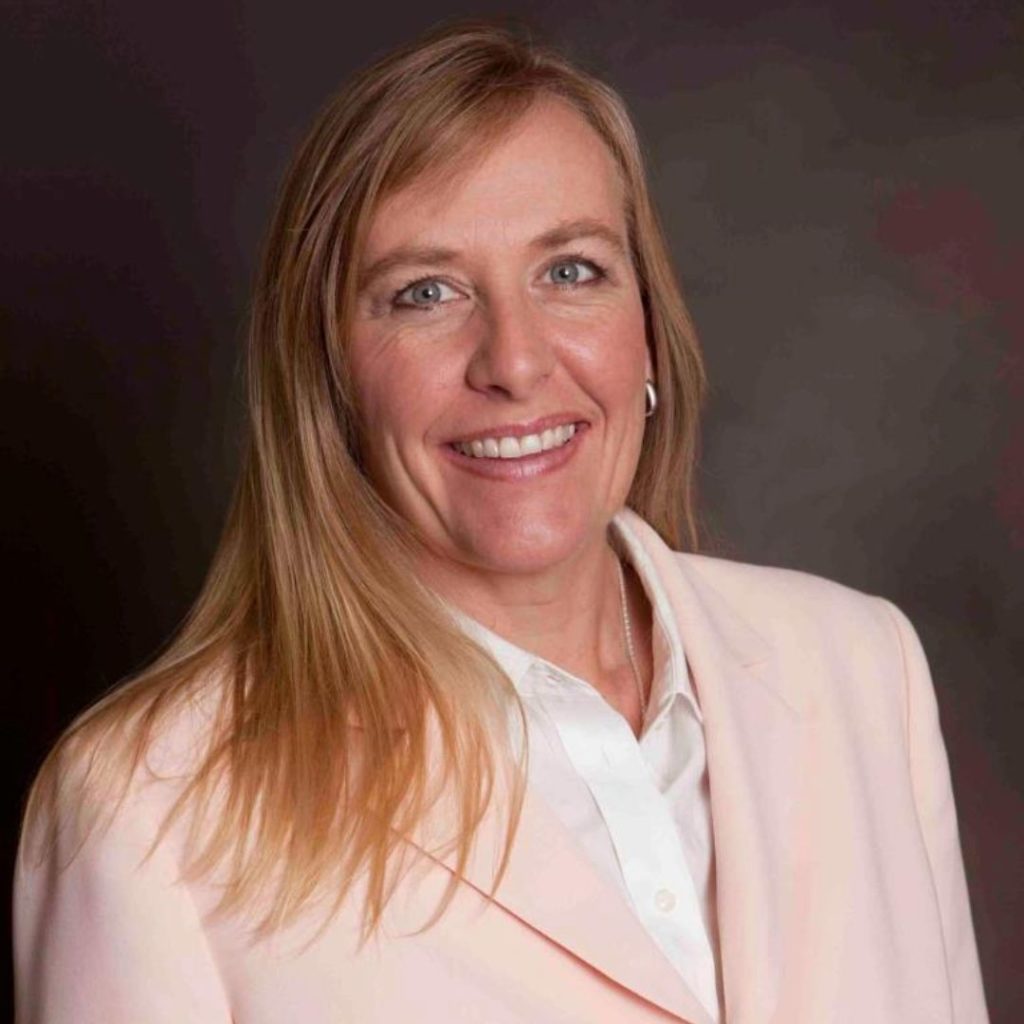
Jeanie Cisco Meth covers Anti-bullying mindset in this Marketer of the Day episode. Bullying stops running your life when you learn to name emotions, draw boundaries, and respond with intention. Jeanie Cisco Meth defines bullying as intimidation or control via words or body language, while physical contact crosses into assault. She separates discipline from bullying with a facts, feelings, actions check so honesty is not mislabeled as harm. Her first tool is an emotion wheel: name what you feel, choose what you want to carry, and check in periodically. Because "emotion is high, intelligence is low," she teaches healing triggers so a bully cannot push your buttons and hijack your mood. One student reframed being called the "B word," said "thank you," and walked away from a fight that could have sent her back to jail.
Jeanie Cisco Meth is a dynamic speaker, best-selling author, and resilience coach known for her passion in helping others conquer bullying and develop true self-confidence. Having turned her own struggles with bullying, illness, and adversity into powerful lessons, Jeanie now empowers individuals and organizations, including schools, police, and the military, to implement bully-proofing strategies that foster authenticity, personal growth, and a positive mindset. Through her speaking, coaching programs, and book "Bully Proofing You," she has inspired countless people to break negative cycles, develop emotional awareness, and transform obstacles into stepping stones for lasting success.
In this episode of Marketer of the Day, Jeanie returns to discuss her journey from classroom teacher and military veteran to founder of a coaching program that trains others in bully-proofing. She shares how her approach involves not just addressing bullying directly but also empowering individuals to understand and regulate their emotions, reframe negative experiences, and create planned responses rather than reactive outbursts. Jeanie draws a clear distinction between discipline and bullying, emphasizes the importance of emotional intelligence, and explains how healing personal triggers can diffuse power dynamics in bullying situations. Listeners will hear real-life transformations and gain practical tools to build resilience, confidence, and purpose.
Quotes:
“A bully is someone who tries to intimidate or control through body language, words, or actions. Once it becomes physical, that’s assault and that’s a different issue entirely.”
“Bullying is rarely about you, it’s about the other person’s pain. If you heal your emotional triggers, you can respond with purpose instead of reacting from hurt.”
“There’s a fine line between discipline and bullying. Discipline calls out wrong behavior in love and truth; bullying attacks the person for being themselves.”
Resources:
- Visit Jeanie Cisco Meth's Website
- Connect with Jeanie Cisco Meth on LinkedIn
- Connect with Jeanie Cisco Meth on Facebook
- Watch Jeanie Cisco Meth on YouTube
- Get "Bully Proofing You" on Amazon
Podcast: Play in new window | Download (Duration: 27:33 — 37.8MB) | Embed
Subscribe: Apple Podcasts | Spotify | Amazon Music | iHeartRadio | Podchaser | RSS
Transcript
Download transcript (.txt)Hey, we're here with return guest Janie Cisco meth, who's all about balance, family, self care, mindset, first, productivity second, the power of saying no purpose over perfection, taming your inability and self talk, all these really important obstacles to tackle in life. And she was previously on our show at Robert plank.com/ 793, and she talked about these common labels, inner critic and just how to maybe say no to opportunities that don't align with your mission, so that way you can maintain focus. But now it's years later, and we're still here, and we're still friends, and she has an amazing coaching program where she can bully proof your entire team or more or others, and she's all about just conquering this bullying problem, achieving personal authenticity and confidence, taking responsibility. Sometimes we hear these keywords, but actually applying and staying consistent, that's something easier said than done. So Jean is here to help us out. So Jeannie, it's been a few years. How you been?
Oh, my goodness. It's been phenomenal. It's been it's been up and down. Let me explain it that way, right? Because life is troubles and it is overcoming, and I'm just so grateful to be back. Thank you so much, Robert. I really it was sweet,
glad to have you. And so what is new? Because I just, I feel like the past like three years have probably been like 12 years in one like, it's not quite a 10x but it's been like a 3x or a 4x but that's good, right? Like, who wants to live the same life every year and then you just you just die. It's good to move on, but it's also I feel like I'm hanging on for dear life, for this roller coaster with all the life changes. And so what are your life changes? What's new in personal and business?
So the biggest shift that we've gone to is going from just me going into schools and working with people is now selling our products or teaching other people how to teach bully proofing you, and the first line of defense, so to speak, that we've gone to is police officers and the military. So I was in the army, and I went to my son's school recently, and this recruiter was sitting over in the corner all by himself, and I was like, oh, that's sad, because I think the military has some really good things to offer. You know, they're they're needed. Police are needed. The military is needed. And we need good, strong people in both of those positions. And so if we can get them into classrooms, get them into youth settings, teaching this powerful strategy to teens and young adults, I think would be really beneficial.
And I'm excited to hear a little bit about the strategy, right? Obviously, not too much, because we want people to check out the book, check out the course on the website. But just to give us an idea, like, sometimes I find myself using words and terms for an entire lifetime, and I'm like, I don't, I'm not really sure exactly, like, what the core definition of it. So this term bullying, right? We've all heard it, used it, it's in our everyday lives, but I don't think I know like, an exact definition of like, what is a bully? What is bullying?
That's a great question, and so many people don't stop to ask that question, so kudos to you. A bully is somebody who tries to intimidate or control through body language, words or actions. Now sometimes people think that it can be physical. If it becomes physical, it's no longer bullying, it's assault, and that's totally different. So if someone is putting their hands on you that has crossed the line from bullying into assault, and you definitely need to speak with a resource officer, police officer, or somebody that can help you with that. Bullying is the words, the body language to intimidate and control.
Bullying words body language to intimidate or control, and then when it becomes physical, then that is something different. That's assault. And you're you give me flashbacks to, like, early, mid 90s. You know, growing up, it wasn't as civilized as it is. Now, I'm sure that it was worse than previous generations, but it was just sometimes you'd have the same old kid just for years on end, just always messing with you. And it was frustrating, because then if you go to your teacher, your principal, you got called a narc, so to speak, or they thought they were so clever. In my generation, they punished both kids, and it was just, is so exhausting, but then it seems like now there are better labels and definitions and resources and techniques, and am I on the right track there? Like, is it a lot better in the modern day and age than in previous decades? I.
Think it's much more it's more visible, it's more talked about. You know, my husband, when he was in elementary school, he had a bully, and every day, this kid would punch him in the face. And I'm like, That's not bullying, that's assault. But there wasn't, we didn't talk about it, you know, it was toughen up. It was, you know, boys will be boys, things like that. Those old, old statements that we used to use. There is a fine line between making someone stronger and bullying. There is a fine line between telling someone when they're out of line, you know, saying, hey, that behavior is inappropriate and bullying. And so I think we need to take a moment and make a distinction between those two things. There is right and there is wrong. And when somebody is doing wrong, they need to be called on it. And when somebody is just being themselves and being attacked for that, that is wrong, that is bullying. I hope I'm speaking plainly on that, because it's kind of a new concept I've been working with,
and it's a little tough to navigate right that you want to go about this in the right way. And it seems like that there, there has been a habit of defaulting to the cliches, the catch phrases, as a way to maybe excuse the behavior. Be like, Okay, I'll store it in that bucket. Cool. Now we don't actually have to deal with the problem. And so when you see the bullying happening like, you say that it's important for police officers, military recruiters, teachers, kids and so like, where do you see the bullying? Because I know there's different types now that now there's, like, cyber bullying. So like, what do you see happening out there that's maybe still not being addressed properly?
I think the many different forms of bullying are being addressed. And I see, you know, the pendulum always swings right from one way to the other way. And whereas before, we used to turn a blind eye to bullying, now I feel like everything is classified as bullying, you know, and you'll see comments all in place of, you know, be kind. Kindness works, and kindness is absolutely important. So is honesty. And so sometimes being honest, somebody could view that as unkind. And so the words that are used when talking are, you know, here's the facts, here's the feelings, and then the actions that come after. And so many times we have to identify the thoughts first, what's behind the comment? What's behind you know what they're saying. Why are they saying and so I'm thinking specifically of some former students in my classroom. You know, it was also addressed in the movie, wild hogs, I know, a little bit older, but I love that movie. And in that movie, his daughter walks out wearing very, very short shorts and a crop top, you know, no sleeves. And these, these boots that had, you know, long hair on them and stuff. They were the Eskimo boots Ritter. I'm not sure what they call them, but he looks at his daughter, and he's like, What are you doing? And she says, Dad, you're so lame. And he says, Where are you headed? I'm going to school. Dad, you look like an Eskimo hooker, but Right? So that could be seen as bullying while he's bullying his daughter, no, she's dressed inappropriately to go to school. And so being able to distinguish between those two things, the fact is, you are not dressed appropriately. Could he have said it differently? Possibly he's not bullying her, he's disciplining her. And I think that's the biggest distinction we need right now. Is the difference between discipline and bully. They're not the same, and a lot of that line has been blurred, and people are trying to say, No, you can't say anything. No, you can't do anything. Everybody just gets to do whatever they want, whenever they want. No, that's not true. That's chaos.
So it seems like we need to have these clear lines drawn of like, okay, when is it in that territory, right? When is it in bullying versus the discipline territory, and I like your facts, feelings, actions, kind of framework there to decouple it, because many times, like when we're in that reactive mode, it is a big jumbled mess in our head, right? Like it is tough to decouple the just the facts from the feelings. And you say, hey, well, let me look at it from these different lens. And that seems to maybe be helpful. And it has to be curious about, like, Are there any techniques like that they found to be really helpful? Because, like, sometimes they hear things like, you say, Well, the way that you behave like, act as if you're being recorded. Because in today's age, maybe you are, or they say, you know, like, the way you act like, act as if it's like a workplace, or that you're talking to your boss, but like, what have you experienced? Like, what's a helpful technique if you're on the like, receiving end of bullying or in a bullying environment? Like, how do we better navigate this?
So my first thing that I did was, and I still use it frequently, is, I have an emotion wheel, because I am a very logical, very thought driven person, I don't do a lot of emotion. Thing. That's probably why I did so well in the military and at the correctional school, is because emotion, you know, didn't really it's, this is the way it is. Here's, you know, here's the rules. And so first of all, I had to learn there are tons and tons. This is just a small fraction, but there are tons of different emotions, and so learning how to identify where I'm at emotionally or where someone else is at emotionally allows me to go, okay, they're in a bad spot. Because bullying is very, very infrequently about me. It's always about the other person. They may pick something about me, but it's about them and their feelings them and their you know, they're probably being bullied. You know, they're in a bad place emotionally. So they throw those bad emotions on other people. So the first skill is, first of all, learning how to define and categorize your feelings so that you can put a label on it and go, Okay, I I'm having a great day today, and so I'm going to spread fun and happiness and joy wherever I go. Well, then all of a sudden, you meet that person that's having the bad day, right? The horrible day. And who's going to win? Is my good, positive, upbeat attitude going to push over the bad and help them find something good, or is their negativity going to stick to me? And so first of all, before you ever, ever leave the house, take a moment and say, What am I feeling? What do I want to feel, and what do I want to carry through my day? And then Check back periodically and go, Okay, am I on track? Have things happen to pull me off track? How do I get back on track? So that helps.
Yeah, and like you think about it's in hindsight. It's so easy to like, be a God, right? You can think about how the way you reacted last week, last year. It's easy to kind of like, remove yourself from time and look back in the past and kind of see like, well, they said this, or they did this, and I thought that, and I did that, and it's like, well, apply that to the present and say, What, what's my emotion now? Moon Am I in now? And where do I want to be? I mean, what a concept, right? Have a goal for your emotion, and that, uh, plot can wheel of emotion that you have there, like, I wish I had that when I was a kid, right? Just to be able to put an identifier on that. Like, there's a thing called the superior Warf hypothesis, where the you mentioned Eskimos. Eskimos have, like, 200 different words for ice zero words for war. So it's like the things that they they use. I mean, look at how many words and metaphors there are for sex, right? So the more we use something, the more words we have for it. And so with your emotions, well, someone like you who's driven military or, like, stereotypical man, right? Well, I'm hang I'm hungry and I'm angry, and that's the only emotions I know. Well, what if you kind of had more of precision on that? And that's valuable. And even, like my five year old son, when he goes into school, there's like, a thing where, like, a happy face and a middle and a sad face, and they just kind of circle which one they're at, and US adults don't do that, right? We tell the kids to but us adults don't actually apply this very simple technique that we could. And I'm really curious about the transformation that you've put in there, because you've done the public speaking, you help lots of people. And so is there, is there any particular story that you think's worth telling on a podcast about some kind of a before and after, someone who was just caught up in this bullying, emotional mess, and then, because of you, they figured a few things out.
Oh, thank you. Yeah, I had a student absolutely popped right in my boy, I have a bunch of students, but she popped in my mind because she had been struggling so difficultly when she came to school, she had come from a horrible environment and and she just was really struggling and got picked on a lot, and I reminded her, or I taught her, about how nothing has meaning except the meaning we give. It. And so just because somebody's trying to stick a label on us doesn't mean that label has to stick. And like, a day later, whatever, we'd worked with this for a while, but she comes in to me. She's like, Genie, Genie. I did it. I did it. And I'm like, what do you do? Well, last night, one of her foster sisters came in and called her the B word, you know, and she's like, in the past, that would have led to an immediate fight, but last night, I was using your techniques, and I thought, Okay, that's a female dog. Female dogs bark. There's bark on trees. I like trees. And she said, I looked at her, and I said, thank you. And I walked out, and I was like, that is so amazing. No fight happened. She was able to reframe what that person said to her. It had no effect on her whatsoever. And she went on about her evening, and I I was like, Oh my gosh. That is so incredible. You took a concept, you learned it, you immediately applied it, and it changed your whole Eden, because she would have gone back into into jail, but she got to stay free because of the decision that she made. And that was incredible.
It sounds like it that's going to feel really good to break someone out of the pattern, the cycle, right? You hear about how, like, 95 of our thoughts are just on repeat, on a recycle and if you react a certain predictable way, and maybe that bully, they know you'll react that way, so they want you to go back to jail, to get kicked out of school, to get a timeout, take your pick, and someone like you says, well, could you react differently? Could you just stop and think a little bit and reframe and instead of blowing up or fighting back or getting revenge or whatever, that leads to the bad outcome? Is there a way where it just doesn't matter and and make it so that way you only are getting angry because you choose to, and that you are taking back the control and someone else isn't pushing your buttons. I heard that phrase all the time growing up. I hate that phrase pushing like, where am I? But maybe I can cover my buttons up or take the buttons out, and I'm the only one that can be pushing them. I hope that's that's the case. And so we've been talking, yeah, go ahead.
So you talk about buttons, and right, we're programmed to react a certain way, and so like you said, a bully comes up, pushes that button, and they get the reaction they want, and they go on. They're all happy because hurt people, hurt people, and healed people, healed people. So if I can help people heal that button that hurt, that trigger, when that bully comes up and pushes it, they don't react the way he or she wanted them to react. And so the bully moves on to find someone else, because they're hurting inside. Therefore, when you show up and you're happy and you're having a good day, they want to tear you down, because how dare you have a good day when they're having such a horrible day. And so they do. They absolutely push your button. You react. They're happy. They get a go off. So if you can heal that butt, just like you're saying, you look back and you go, Okay, what happened? What did I think? What did I feel? Right? Because in the moment when emotion is high, intelligence is low. So if I can pull some of that emotion off, I can reframe that and think about it, come up with a new response. So the next time it happens, I have a planned response, instead of just reaction. Nice.
These are some amazing techniques. Instead of just leaving it to the random chance of how we react, which is never good, right, in a split second, like you say, emotion, high, intelligence, low, and it's, I mean, we can all relate to having those impulsive decisions that then led to something bad. And so we want to maybe think things through be a little more strategic, and it's been wonderful thinking about just some of these techniques to get more confidence, more responsibility for our own decisions, power and behavior. And it seems like the way you explain that bullying psychology, they want to have power over you, right? And they can, they do it in a short amount of time with a low amount of effort, and they get this huge return on their investment, so to speak. Right? It's just a couple of seconds of them, and it ruins your whole day. It brings you back down to their level. And so what if you kind of had some better defenses up, or a little better preparation, of like being prepared, of how you will respond or react when being bullied. And so we've jumped around and talked about all kinds of interesting, fascinating topics, but you're the star of the show here, Miss genius Cisco meth. So what's the question that you think I'm missing here? What should I be asking you? I just don't know what to ask you.
I think, I think the biggest. Thing is, how, how have I seen people overcome bullying? I was bullied a lot as a kid, and I had cancer when I was really young. I had a speech impediment, I had learning disabilities, you know, and I was six foot tall, so I was kind of a and I was six foot tall by the eighth grade. And so this isn't just something I pulled out of a book or something I taught students. It was something that I had to learn how to do so that I could then teach others. And there's kind of some buzz words going around, like your mess is your message, right? And so if you have struggled, which we all have. The question is is, have you learned from that struggle? If so, share it. Let people know what you learned. Because for each person who's struggling, somebody's made it through, and they can help you through. They can condense, I think Tony Robbins says it condensed decades into days, because they've gone through that struggle. They're on the other side. Reach back, help somebody else come through it as well. And I think that's one of the most powerful things,
yes, and it seems like we've just been talking about one reframe after another in our conversation, and that reframe of your pain, your struggle, your failures, your setbacks, you say, step one, learn from it, and step two, help others. That way. It's not just improving you, but it's bouncing back even further and creating that positive ripple effect. That bully says, well, I'll put in that little bit and add pain. Will you put in your own little bit, and you go the other way, right? You help others out, and you get and if hurt people, hurt people, hurt people, maybe help, helped people, helped people, right? Maybe it can go in the other way. And if someone says, All right, this is all great information, but a podcast is just a tease, a taste about what is possible, about what I can do to improve and change, and I really need Miss Jeannie Cisco meth to help me get to that next step. How does someone know if they're a good fit for you, and if they are, where do they go to check out the website, the courses, all these resources you have.
So first and foremost, I'm a Christian. I believe in God, and I'm on my knees every day asking for help. So if you want help in that area, my program aligns with that. We use the Bible, and I have a home study course that we use that goes along with the workbook and the book, and the book fully proofing you is definitely a great place to go. You can purchase it anywhere and on my website, or the beautiful thing is, I'm the only Cisco meth out there. So a lot of times you'll go to social media and search somebody, and you'll find 15 of them. I'm the only one, so I'm kind of easy to find. So reach out to me. I'd love to offer your listeners a free 30 minute consultation with me, and that's at no cost to them, and they can just say, hey, I want to talk to her. I want to know more. I promise you'll get great tips that you can use immediately in your life.
Wonderful, excellent. And as far as someone like starting that conversation with you, either like the 30 minute console or just like chatting. Do you have a favorite social platform? Is there one place they should go versus the other?
Use I use three different platforms. I use Facebook, LinkedIn and Instagram, and then I also have a Contact Me page on my website.
Okay, so very accessible. You say Facebook, LinkedIn, Instagram, she's the only Genie Cisco meth out there. And then if you say, Well, I'm an email person. I don't know which social platform, you go to Jeannie Cisco meth Comm, and at the bottom there's a contact form, there's an email, there's a phone number that's Jeannie at Jeannie Cisco meth Comm, 80173, 801-735-5746, that's 801-735-5746. So if you want to have some of these conversations with Miss Jeannie about that bullying situation, maybe it's you or the workplace or occupation or at school, it's great to have this discussion to tame the bully between your ears, and we said the book is called bully proofing you, because there may never be a world completely free of bullies, but luckily, there are ways to deal with this difficult issue, through awareness, understanding and changing our beliefs About and reactions to bullying, and so you can flip through that book and get a deeper understanding of that. But the hub, the real place you want you to go, is Jeannie Cisco, meth.com you can find out all about her. You can sign up to her newsletter, find out about those courses, the books and so much more. It's not worth. Hoping that the problem will solve itself. It's not worth suffering and stagnating. If this is an issue, then take it seriously and get your mind right, get your head right, and that way you don't have to be a drain on others. You can help others. You can overcome your own issues and then help others with what what's going on. Because life is problems, and we sure have to go and solve it. And so it's better to just not make it so dang hard on yourself. So Jeannie Cisco, meth comm is the place to go. But before I let you go, Miss Jeannie, it's time for the scary part of the show where I try to stump you. I try to put you on the spot by asking about a fun or interesting quote or lesson that has served you. So what comes to mind as far as a quote or lesson.
There are over 400 references in the Bible that say, Do not be afraid. Do not fear. Have courage, have strength. And I lean on those every day. My favorite is Joshua one nine For I know the plans I have for you to praise the Lord, just plans to strengthen you and to lift you up. There are few different versions out there, but that's the one that I love, because it reminds me that whatever I'm going through, as long as I stay connected to his will, I will make it through. Because through God, all things are possible.
Very nice, very inspiring. You're not in this alone, and there are tools out there that can, that can help you there, right? And it's no one said it would be easy, but heck, it might be worth it, and sometimes we do have to revisit and keep working at this, but it's a worthwhile pursuit for ourselves, our friends, our family, like life can be better, and it should be, as long as we focus and have this dedication to thinking positively and acting positively, and the first step for that is to go to Jeannie Cisco meth.com We'll put the link in the show notes. You'll be glad that you went there. You'll learn a lot. You'll change the trajectory of your life. And thanks very much, Miss Jeannie Cisco meth for being a returned guest and helping us out and educating us about just this really important topic. I'm glad that you stopped by and helped us out.
So grateful to be here. Thank you so much for the impact.
Subscribe
If you enjoyed this article, subscribe to receive more just like it.


