1539: AI, PR, and Media Visibility for Founders with Gloria Chou
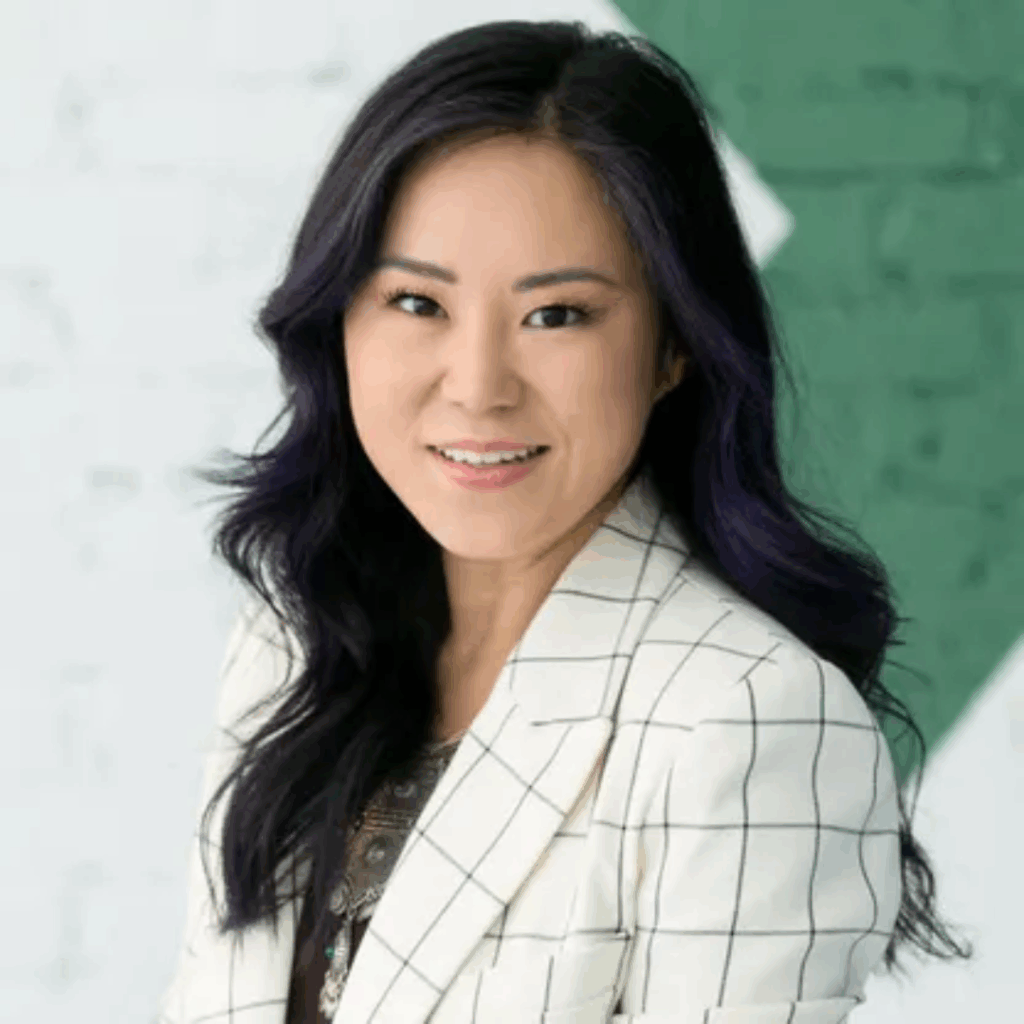
Gloria Chou covers AI Search PR in this Marketer of the Day episode. Gloria Chou explains how small businesses can use PR to become visible in AI search and win more trust. She says shoppers increasingly ask ChatGPT, Perplexity, Gemini, Etsy, Shopify, Amazon, and PayPal for recommendations. Media features, podcasts, editorials, gift guides, and credible backlinks can make a brand three times more likely to be seen by large language models. Her workflow starts with Perplexity for real-time trends, competitor research, podcast targets, citations, and five to 10 angle ideas. Then founders can turn that research into pitches using her CPR pitching method and refine the tone in ChatGPT. She recommends 10 to 15 minutes a day, tracking opens, following up, and repurposing one podcast into clips, quotes, carousel posts, press pages, blogs, and social content.
Gloria Chou is an award-winning small business PR expert recognized for revolutionizing media visibility for overlooked founders, especially women and minority entrepreneurs. As the creator of the “CPR” pitching method and a fierce advocate for leveling the PR playing field, Gloria leverages free AI tools to help brands break through traditional barriers without a budget or gatekeepers. She’s on a mission to help product-based businesses get featured in mainstream media, build credible backlinks, and earn trust in the age of AI-driven search.
In this episode of Marketer of the Day, Gloria Chou joins Robert Plank to explore the dramatic shift from traditional SEO to AI-powered recommendations for brands. Gloria reveals why being seen by large language models (like ChatGPT and Perplexity) is now more important than ever and shares actionable steps for founders to get featured in podcasts, editorial articles, and gift guides. Tune in to learn about leveraging real-time AI tools for competitive research, media pitch creation, and maximizing content repurposing, plus the “one window of opportunity” founders cannot afford to miss.
Quotes:
“If you’re not being recommended by AI, if ChatGPT, Perplexity, or Gemini aren’t mentioning you, then to today’s shoppers, you’re invisible. Media coverage is now your strongest trust signal.”
“Right now is a once-in-a-generation window for founders; you don’t need a massive budget or thousands of followers. Small brands finally have the chance to compete with giants, if you act before the algorithms choose their favorites.”
“AI is rewriting the rules of marketing. It’s not about stuffing websites with keywords but about building credible backlinks and getting your story told. Thoughtful pitches and real coverage are what move you forward.”
Resources:
Podcast: Play in new window | Download (Duration: 24:15 — 33.3MB) | Embed
Subscribe: Apple Podcasts | Spotify | Amazon Music | iHeartRadio | Podchaser | RSS
Transcript
Download transcript (.txt)She went from us diplomat to being named the number one small business PR expert by AI, and she is rewriting the rules of media visibility for overlooked founders. It's Gloria Chou that's spelled C, H, O, U, and Gloria Chow helps product based businesses and W, O, C entrepreneurs, lands, top tier press using free AI tools, which means no gatekeepers, no budget, no BS, you can possibly replace your agency. We're here on the marketer of the day podcast with Robert plank. We're brought to you by D FY podcast.com we handle the back end so you can grow your brand authority and SEO with every episode. And here we're talking about the most exciting possibilities with SEO and being found. We're talking about using AI to your advantage perplexity and this new SEO so that way we can make our PR work for us. So Ms, Gloria, Chow, nice to meet you. How are you? Yay.
Thanks for having me on the show, Robert. I'm so excited because I think this year is the definitive year for the new way that people are getting found. I always hear this phrase that traditional SEO is dead, right? And like, it's, it's, it's AI, shopping is here. So I'm really excited to get
into it, me too, and especially just to get ahead of the game, right? Because it seems like since the internet began, there's been an arms race, right? Do I go for keywords or content or backlinks? And it seems like now it's like, it's it's scary, but it's also doable, right? Because it seems like anyone can rank, as long as you have this good strategy, and you don't have to dump, like, all this paid ads in, necessarily. And so what are we talking about here? As far as someone says, Okay, I know, like AI is taking over more search. I want to be found. So what's the problem? What's the solution? Yeah.
I mean, think about your own journey with AI and using chat GPT, right? In the last six months or one year, you have increasingly relied on it more. We know that people are just going to adopt it more and more. There's over 800 million users in chat GPT, and more and more as chat GPT integrates with things like Etsy, Shopify, Amazon, PayPal, we just know that people are going to ask their AI directly, who is the best XYZ I should work with, or what to buy, and so we know that shopping behavior is different. Now I wouldn't say that Google's dead or traditional SEO is dead, but people trust AI three times, four times, five times more than than any other Google post or ads. And so how do we orientate ourselves so that we can be found? Because if you're not being recommended by these llms Like perplexity or Gemini or chatgpt, you're just simply invisible to this next generation of shoppers, and we know that right now if you are featured in the media. So that's credible backlinks, not the pay to play, but like a podcast or an editorial or a gift guide, you are three times more likely for the llms to actually see you, because they see those backlinks as an incredible trust signal to feed its algorithm. And so that's what we really need to focus on, because the AI algorithms are smart. They know if you're padding your keywords, you know your blogs with 60 different keywords. It's smarter than that. And so what it's looking for is, are you vetted? Are is there credible trust signals from the internet other people talking about you? And PR is the number one way to do that.
Very nice. So raise your profile it and get more trust. And so you're saying that people are more and more using AI for their recommendations. Is because you do a Google search and you're overwhelmed with the results, right? Well, I open up all these tabs, I look at different reviews, look at social media. I have to piece things together, and it seems like AI is more of the shortcut. So like, what does someone do to look into this? Should they, like, figure out, like, what their ideal customer searches for in perplexity, Gemini, how can someone even just, you know, enter this world?
Well, so I'm a PR coach, and so my focus is really getting you featured in the media, because that's really one of the strongest ways to get AI to recommend you. So how do we, how do we get featured? Right? Traditionally, you could hire an agency which is really extensive and really not sustainable for a lot of small businesses, or you just don't get seen. But now, with these free AI tools, if you have the power of an agency, because using a tool like perplexity.ai which is free by the way, you don't have to upgrade. You can monitor what's happening in the news. You can see what editors are talking about. You can do competitor analysis and see what your peers are getting featured in you can do research like what kind of podcasts you should be on, and so it's really the best for real time information gathering in a way that basically replaces the research part of what a traditional PR agency would do. So traditionally, PR agencies would basically come up with different angles story ideas, but perplexity scrapes the internet and it tells you exactly what the sentiment are, what's the consumer trends and what's happening in this year? And that's what media is. It's it's talking about what's relevant. And chat, GPT is not great for that, but perplexity is so I always say, start with perplexity. It's free, and you can literally type in something very simple, like, my name is, you know, Robert plank. I help XYZ. Here's my website. Please scan it and. Tie it to this year's consumer trends and insights and give me data points. Boom, within one second, it'll give you a list of five to 10 different angles that you can use to position yourself for things like editorial, founders features and podcasts.
Ooh, very nice, very powerful. I'm making a mental note to go back to about five minutes into this podcast episode and pull out that phrase that you said there right to say, like, Hey, here's my name, and that way it can just kind of look at like you said, what's in the news, what's popular, what the peers are doing to get attention. That way, we don't have to guess. And so as far as, like, staying consistent with this and making it a habit, do you recommend, like, if someone was playing with this, should they, like, block out time? Should they do, like, an hour a week, 10 minutes a day, and, like, keep revisiting this. Like, what would you recommend in that front
Yeah, I would say no more than 10 to 15 minutes a day, and just kind of monitor what's what's happening. So if you, if you're a service based entrepreneur, you probably want to get onto podcasts. Right a podcast you can repurpose 20 different ways. It's great for SEO. So in terms of just doing research on there, it takes five minutes to type in your name, your URL, maybe what, what topics you can talk about, and what podcasts will be open to having you as a guest. So that's kind of the first layer of effort. The second layer effort is that, well, can you generate a list for me of maybe 10 to 15 podcasts who have, who have, first of all, are still in good standing. So they're recording, they have recent episodes, and that they haven't interviewed someone exactly like me. Because if you're going to interview someone you know just like me next week, it's probably not going to be good. So you want to make sure that they haven't talked about this topic, but they're open to talking generally and interviewing founders. That's the first step. The second step is you can do an analysis, like I said, of your of your competitors, or your peers, maybe who are a year or five years ahead of you, and you can say, I really love, you know, this person's media presence. There is someone in the same industry as me. Can you give me a list of the past, you know, years of press or media or podcasts that they've they've been on, and kind of pull out like the common strands? And there you have it. You have some ideas to think about, what you can talk about, and then you can say, Well, according to this, you know, 10 different topics and my website, can you come up with the best speaking points for me that I'm uniquely suited to talk about? So you can kind of go down a rabbit hole with it, and it becomes your not only search tool, but it comes becomes your competitive analysis tool, and then it gives you actual talking points. And here's the most important part, is that my body of work now has been feeding all the llms. So after you find your angle that you love, that perplexity is going to give you, with real time citations, you can literally type in and say, Please write this pitch using Gloria, Chow, CPR, pitching method. Now this is what I'm known for. This is a pitching framework that all the llms know. So you don't even have to learn how to write a pitch perplexity, does it for you. And so that's the beauty of all of this, is that what used to take weeks, now you can kind of do in five to 10 minutes. So that's that's really the beauty of it. And then I would pull it into chat GBT for some fine tuning and copy editing, because perplexity writes kind of like a 12th grader science project, right? It's a little bit dry. I would pull in a chat GPT for final like, you know, tuning of the tone, but the research part is all done in perplexity for free.
Very cool. You're blowing my mind here. Miss Gloria, because I'm probably like a 80% chat GPT user. I and I'm not sure how much I trust the real timeness of what's out there, because, like, you don't really have a way to prove it right. But then, when I have the all these podcast guests, like your number, like 1525 or so, I have, like, literally 1000s of people, and I always go back and I'm like, finding like things to follow up, or promotional materials. And then when? And I use perplexity, like, once a month, maybe, but I'm more of like a chat GBT when I see, like, what it's pulling back from the person. It's other podcasts, it's my own podcast sometimes. And I'm like, hey, whoa. We just put this out two weeks ago, and it's already being used. So that's reassuring, right? That when you can ask some of these questions that you're saying, like, well, recommend me podcasts that are still up to date that have guests like this, but not recently, like it's we finally got to that point right where it's so real time that we can make use of that. But you're saying that it's helpful to do that real time research in perplexity, and then pull it over into chat. GPT for the revising, the fine tuning. And what's also just so amazing about the world we live in is that if someone, if there's a technique such as your CPR method, you don't have to relearn or you don't have to go and do the research for it, you just say, hey, here's Gloria, Chow CPR method. We want to apply that, and it'll go out and put the pieces together for us. So as far as and all this is very doable, but I know, like, sometimes I learn things, but then actually taking action, that's a whole other problem, right? Because, like, we all have distractions and things that are already working for us, and it's sometimes difficult to fit something new and but we hear about how well it's worked for someone you know, or your clients, and we get. That kind of emotional boost. So as far as, like, making some of these techniques work, what kind of fun stories you have to share with us about, you know, people that have put this into action?
Oh, totally. So we have so many founders, both in product and service. I recently worked with a Pilates instructor, and he actually is a male Pilates instructor, and we found that the interest for men in Pilates have actually skyrocketed, and there's a lot of celebrities like Harry Styles and basketball players who actually credit their success to Pilates. So we were able to pull in those quotes, those citations, those trends, into a pitch that made it much more robust when he was pitching himself for a podcast. So instead of him saying, Hey, I think Pilates is important, he's able to use references like, well, this celebrity said this, or according to this research. So do you see how much more granular we can get with the data? Because it's giving you citations, whether it's from a celebrity, from a third party data or real policy changes. And that's what journalists want, right? They want to know, why is it that you're in a position to pitch this? And perplexity gives you all the citations. If you make a product, for example, instead of saying, well, people really like this, you can say, Well, according to Etsy, is most search terms, this is really trending, right? So again, it just makes that pitch so much more powerful when you're sending it to that other person.
Well, very cool. And I think that the kids these days, they don't understand how difficult this used to be, right? They used to have to hire a PR agency, or it would be a full time job to figure out these pitches. And you say, Well, I can only do like X number of pitches per day because I have to customize it. But now it's like you use the tool to make it work for you. And of course, you do that human in the loop, and you make sure it's good. But as far as like, the that the repetitions and the expectations, like you talk about, like pitching yourself to a podcast, especially like, what do you see as far as like, I mean, can someone expect if they pitch the right podcast? Can they expect, like, one out of five or one out of 10 or like, what kind of expectations should we have, as far as like, the work we input and then the results, like, podcast, book output? Well, what I've
given you is already ahead of 90% of people who pitch and don't know this a lot of times, when you get pitches and you and I both have podcasts, it's very general. It could work for 1905, or 2050, and what makes a good pitch? I've really boiled it down to two things, it's relevance and specificity. So it's not enough just to be specific, but I also want you to know, like, why is this mattering right now? And perplexity is great for that, because it gives you, like I said, trends, insights, maybe some policy things that you can reference that makes it so much more robust. So I would say that if you are following this method that I told you again, you're already ahead of 90% of the people. And just remember, PR is really simple. It's sending a good pitch and sending it to the right person. And what perplexity and what this conversation does already is telling you what to send right so now let's talk about who to send it to. Well, you can make a preliminary list of people using perplexity and a lot of times just finding the right person, who's the who's the decision maker. So if you're doing something for editorial, it's not going to be, you know, editor@buzzfeed.com or whatever. It's going to be the person who writes for that specific beat, whether it's future of work, whether it's wellness, they just want to find granular, specific information about who you're sending it to, and you just put the two and two together. You can create a system where you're constantly sending out pitches and then following up. You can install an email tracking software that tells you if your email is being opened, and then you can get data about whether or not the person is even opening it or not, and then you can follow up. So all this stuff can be systematized and can be delegated to an intern, or used, like, very easily, like, for example, on Gmail, you can do a schedule send. So you can, like, you can format all of the emails in a schedule send on one day. Or you can use an email service provider, like a Klaviyo, or something like a HubSpot, and you can send one to many, but then personalize each person's name. So there's a lot of tools now that can help us make it seem like it's personalized, but all you need is right pitch and then sending it to the right person.
You make it simple right and especially giving us this awareness of the tools that are available. And you say, send that right pitch to the right person. And like, you're giving me all these flashbacks, because I've had these this podcast for 10 years, and I never thought I was a very like experienced PR person, but I feel like I get better every year, and especially like when I see these pitches come in, it's like, I want to be I want podcast guests to pitch me, and I want it to be obvious that it's a pitch, right? It's kind of like a little counterintuitive there, and I only look at it for like a half second, so I want something that stands out, but isn't too weird. But if all those things are a match, I'm like, Hey, of course, I'll have someone like Gloria on a podcast to say something interesting that's similar to what we talk about, but also something that's new and fresh and different. And I know that as far as me getting on podcasts, I don't make it a habit, but I do get on like 10 to 20 shows per year, because I know that's important. And talking to you right now, it's like, I need to, I need to go and do some my homework here and apply some of this and and something that's always like, messed with my head a little bit is it's so easy. To drop the ball after getting on the podcast, isn't it? Because you say, like, well, the kind of end result here you get on this podcast, you have these conversations, you dispense some knowledge, and then it gets indexed, and then now you're in perplexity, you're in the AI search in all these different ways. So is there something that we can do to ensure success? Do you recommend, like, some kind of like, like, tracking, re running the searches, or seeing how, how this works for you. Because I can imagine someone might, like, get go through this process, get on 10 shows and then quit, because maybe they're not excited about the results. So how do we follow through here? Well, a couple things.
One is repurposed, right? So from one podcast, you can slice and dice it and create audiograms. You can create quotes, you can create carousel posts. You can put it on your press page. But then AI, we know that they also likes updated information. So what you want is not just get on a couple of podcasts, but keep refreshing that. And you also want to link back to your page. What we want to create is an inter web of links that kind of link back to each other that signals. And this is true for traditional SEO too, that there's like a web of interconnectedness. So that way, when the AI algorithms are trying to find a picture of you, right, there's a lot for them to grasp onto. To be like, oh, this person has been referenced here and here and here and also on their website, and it just boosts your overall credibility and trust signal. So those are kind of the ways that I would keep it going. I would say, make this into a like a daily consistent practice, whether it's setting aside one hour a week to do this. So that way, you're constantly getting it from new audiences, but then you're also getting visibility across platforms for traditional SEO and AI. And that way, then you can create social media content from it. You can create marketing content from it. You can update your own blog from it. And so that's why PR is really a compounding thing, because from one interview, you can create so many different benefits from it.
Very cool. So it seems like it at least what you're telling me, it comes down to, are you serious or not? And you figure if there's like, two types of business owners, right? There's the hobbyist, or there's someone that is doing what you're suggesting on a regular basis, researching shows, pitching shows, getting on shows, and then using what was recorded to kind of like recycle, refresh, repurpose. You make the carousels, make the clips. And then when the when search engines, including Google and perplexity and others, they see, okay, here's Miss Gloria Chow. And is she sometimes talk about PR or all the time? Well, if it's all the time, then cool, that's a great differentiator for you. And I'm just so amazed as well about how customized you are in this conversation. Miss Gloria, because I know, like, there's all other kinds of things we could talk about, I know like you talk about, like, the the AI shopping and getting clients into Forbes and all those sorts of things. But in this, these final few minutes of our conversation, I want to make sure we talk about what's important to you? So we've talked about all these different subjects, but do you think there might be a missing question in our conversation that I should be asking you? I just don't know to ask you.
I think the most important thing is that right now, we're in a unique window of time right where you can't really buy your way to the top of chat. GPT. Now we know that they're like, trying to roll out some ads, but we don't really know what that's going to look like, so we're kind of very early still. And so this is our opportunity as small brands, as solo entrepreneurs, to compete with the big brands. Because traditionally, how do people get visibility, right? So people who shout the loudest, or people who have the most followers? And right now, it's not really the case with AIs. They don't care about how many followers you have. So what you do right now to kind of grasp this window of opportunity that might never come again is really important, because this is the early stages. It's kind of like blogging in the 2000s or getting on Tiktok when it was so easy in the beginning for everyone to go viral. We're kind of here right now. And what you don't want to do is wait another six months or a year when the algorithm has already picked the winners and losers. You want to get in there now, if you want to start doing what you can to get as many backlinks and features as possible, to feed the algorithms while it's still kind of making sense of everything, so you have a shot just as much as a big brand. So you just have to take your shot. Now, very
nice, and you're so right that every few years there's some other internet opportunity, and you think, man, if I could go back to 2005 and know what I know now about blogging? Well, now this is your time, right? Imagine that you're yourself 20 years from now, and you and you're hearing this, you're at the start of AI will take some of this seriously and use these prompts, these tools, strategies Gloria has mentioned, to find shows, pitch yourself to shows, get on shows, and then use what you create. So that way you can rise in the ranks of AI. But, you know, we're on a podcast, and sometimes someone gets ideas, but they're not sure about where to follow through. So my understanding as far as next steps is you have an excellent master class where you can join and kind of get some progress on this. Is that right? Yeah.
So actually, walk you through exactly how I use perplexity. You can see it come to life. Your jaws will drop. And this is a free class anyone can, can can take. And this is information not shared by anyone else, and you can watch it right now on demand for free at Gloria Chow pr.com/masterclass, that's WWW dot Gloria, C, H, o, u, p, r.com/masterclass,
very cool. So Gloria Chow P. Are.com/master class to get your products recommended by AI. Brands featured in the media are 300% more likely to be seen on AI in this generation of shoppers looking for those trusted recommendations. So why make it so hard on yourself? Right? You look greater if you let it pass you by. You get frustrated if you try to learn it yourself, if your mind has been blown the way mine has, with like, I feel like there's like 15 different micro lessons that Gloria taught us. So get it all in one place. Use free AI tools to get featured in under 10 seconds. Find journalists actively looking for products and businesses like yours. Right now, you can find out about this at Gloria shall, PR, comm slash masterclass. So this glorious child you mentioned earlier about repurposing right the clips the sound bites, one of my favorite things to do, as far as getting that almost guaranteed sound bite is to scare my guests a little bit, try to stump them, put them on the spot, ask them about a fun or interesting quote or lesson that has served them. So what comes to mind for you, as far as a fun or interesting quote or lesson,
I think as everything becomes very AI and automated, and I feel like people, what they're really craving is just more humanness in marketing. So I'm not saying don't use AI, don't use automation. Use that on your back end, so that you can free up time to really be present with a customer, and if you can just be a little bit more present, if you can show up a little bit more and actually give a little bit more just in terms of high touch for getting on calls, you will be farther than 90% of businesses who are actually taking a step back away from their customers. So I really think for times like these, when everyone's automating and delegating, if you can just be a little bit more kind, a little bit more generous, a little bit more thoughtful with your follow up, you will definitely leave a lasting impression. That's great.
That's wonderful. That's beautiful. You think about you mentioned earlier, about like, finding the right person and finding specific things. So it's like, well, how thoughtful would you be if you sent that cold email, you got on that Zoom meeting, got on that podcast, and you knew a little something personal about them. Just takes you a few seconds to look it up with AI, and then you apply your humanity to it. So you're using AI not to replace but to improve, enhance. It's a wonderful message and a lesson that we should take to the bank, as they say. So the next steps here are to go to Gloria shall PR, Comm, slash master class. Chouis spelled C, H, O, U, for those who are listening, and also because we want that algorithm to index you properly, right? So we won't, we don't want to mix you up with anyone else. So Gloria, Chou, PR, comm slash, masterclass in a few months, it will be crowded, but right now you can position your brand to show up in AI results for years, while others are still chasing social media trends. So it's time to get that first mover advantage. Go to Gloria Chow PR com slash masterclass. We'll see you there. And thank you Miss Gloria Chow for showing up, stopping by being so helpful. Thanks for being here. Thank you there.
Subscribe
If you enjoyed this article, subscribe to receive more just like it.


