1568: Curiosity and Human Purpose from The Book of Odd Awakening with Todd Leblanc
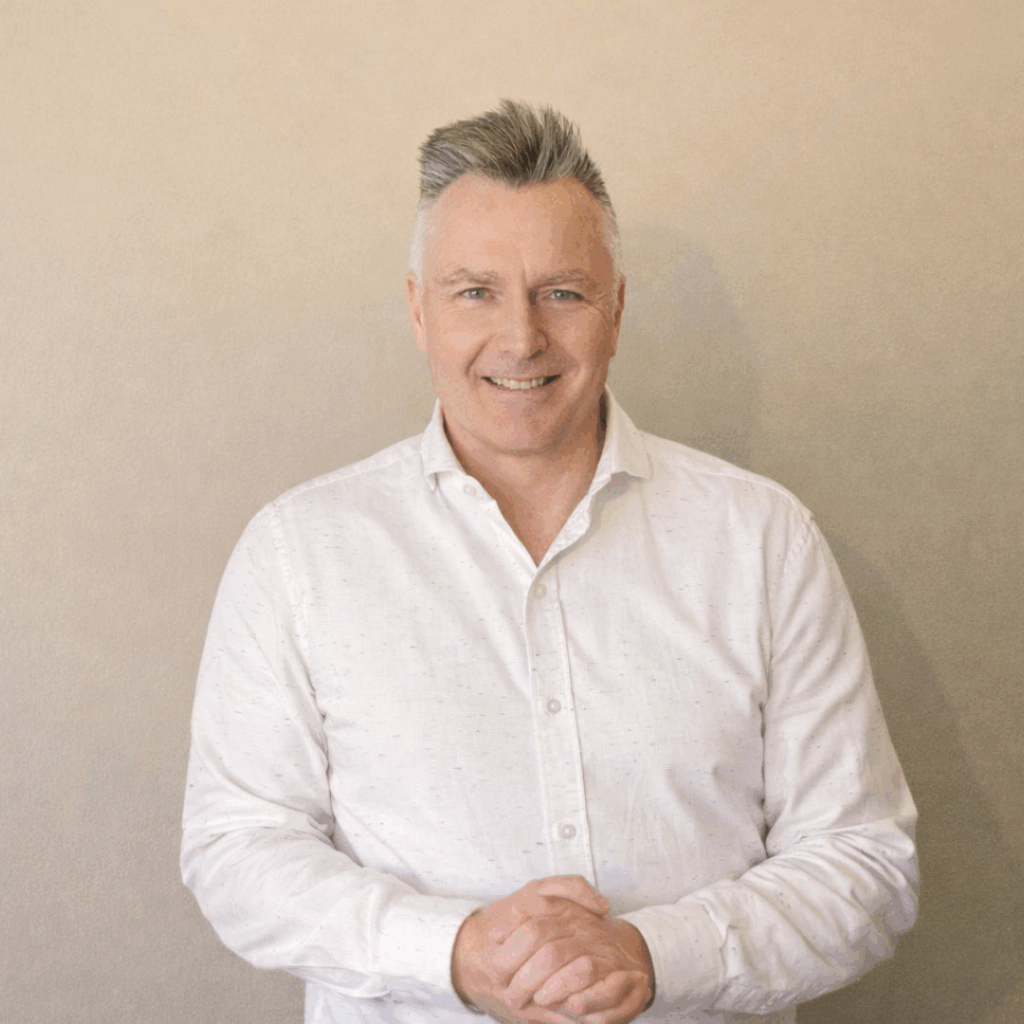
Todd LeBlanc covers Science Philosophy in this Marketer of the Day episode. Todd R. LeBlanc explains how awareness turns everyday life into a source of agency, gratitude, and action. He frames the present moment as the only place where choices, effort, and change can happen. His routine of daily meditation followed by writing helped turn years of journaling into The Book of Odd and a new book, Awakening. He connects curiosity to science, from toilets and gravity to DNA as inherited information. He also argues that AI, libraries, and good questions can strengthen critical thinking. The core practice is to notice, ask, learn, write, and share what you discover.
From space‑lab clean rooms to the inner universe of human awareness, my guest Todd R. LeBlanc has spent decades exploring both the frontiers of technology and the depths of consciousness. In this episode, we talk about his journey from seasoned space‑lab manager to author of The Book of Odd and his new project, The Book of Odd: Awakening. Todd explains why our greatest “technology” isn’t rockets or AI, but awareness itself—our ability to live in the present moment, ask better questions, and recognize that “right now” is the only place we ever have any agency. We dig into what most people get wrong about time, the anthropic principle and our role as conscious observers, and why cultivating curiosity, gratitude, and critical thinking is more powerful than chasing status or stuff.
You’ll hear how Todd structures his days around meditation and writing before he gives any energy to his day job, why he believes we should “give our best self to ourselves” first, and how simple habits like journaling, reading, and daily reflection can lead to a quiet but profound awakening. We talk about seeing hidden wonder in everyday things—from toilets and soccer balls to the Panama Canal and public libraries—how to protect yourself from misinformation by strengthening your own mind, and why he thinks we’re each just one line in a much larger language of existence carried through our DNA and culture. If you’re ready to become more present, more curious, and more intentional with your one “flicker” of time, this conversation will give you both inspiration and concrete first steps.
Resources:
- Connect with Todd R. LeBlanc on LinkedIn
- Visit Todd R. LeBlanc's Official Website
- Right Now: The Book of Odd: A New Perspective For This Reality on Amazon
- Follow Todd LeBlanc's Facebook Page
Podcast: Play in new window | Download (Duration: 46:52 — 37.7MB) | Embed
Subscribe: Apple Podcasts | Spotify | Amazon Music | iHeartRadio | Podchaser | RSS
Transcript
Download transcript (.txt)We're here or back with return guest, Mr. Todd R LeBlanc, who is the author of right now, the book of odd a new perspective for this reality. And he has a new book coming out, which he'll talk about along with many other random but curious and interesting tidbits and nooks and crannies. He's a seasoned lab manager with a three decade long career dedicated to the intricate workings of various space laboratories. We're talking about an expertise that spans electronics, fabrication, integration, testing, manufacturing and metrology, and he's an inquisitive observer in the advancement of the commercial space field, and he has these profound ideas that make us think on a runaway freight train about DNA and time and space in the future, and we're just about to have our minds blown wide open on an adventure of curiosity. So Mr. Todd, how have you been?
I've been very well, Robert, you know, it's been a wonderful ride. And to tell you the truth, the more, in my opinion, the more you truly open your eyes and be aware of things around you, the greater your ability to enjoy it. I think awareness allows enjoyment, and it not only allows enjoyment, but it also it allows a deeper appreciation of enjoyment. And I have a good time in life, and hopefully I have a few more years, we'll see what happens. And you know, I'm in good health and positive mindset, and both those things are great blessings, and I'm very happy and grateful for both of them,
Very nice. And likewise, I I know I'm not perfect, but I aspire to have similar optimism, gratitude, humility, learning and curiosity is great, and life is too short, so we have to make the most of most of it, and the future is not guaranteed. You and I could have a brain embolism in the next 30 seconds, or tomorrow walk outside and get flattened by a semi truck. You never know. And so with that being said, if someone has not heard of you or your quirky books, writings, philosophy, what are you all about?
Well, we were talking about it just just now. We're talking about how life is too short. And I've always talked about and written about time and our perception of time, and we're living in the now. We always are. We've, you know, we sometimes people see things, you know, they worry about the future, or they they have great remorse about the past, but the truth is right now, the moment that we're living right now is the only one that actually exists. You know, people see these two great infinities, you know, the Infinity forward and the Infinity back. But in truth, there's no such thing. There's just this little flicker we call today, and you have to make the best of it, and it's where, it's where everything, everything you do, occurs in this moment. And it's a it's sort of a mindset, but it's also very empowering, because it really turns everything on you. We as human beings live in the active edge of existence. And I, I know that sounds pretty weird and but it's absolutely true. This is where it all happens. And I think sometimes people lose sight of how profound, lucky and wonderful it is to be a human being right now.
Very nice, yeah, and especially, as you say right now, right? Because even should just be be born on earth or to be a human, there's quite a lot of survivorship bias, isn't there? When you look at the chunks of like 300 500 million year time spans for the sun to be formed and to have the radiation shield and the Oort cloud and the planets and in the Goldilocks zone, and in the various iterations of the way that even like the air we breathed, right if we went through different phases in order To become where we are now, and we're so blessed to not be born on one of those, the goldfish type worlds, like Europa, maybe where it's it's liquid inside and many miles of ice, and there's just like, no way to to bust through that and or to be on like a planet with like massive gravity, where there'd be no way to escape out into the in the space, like there's just Yeah, and it's a very delicate planet we're on in a very just, you know, delicate bodies we're in. And so if someone says, Man, I'm I know I want to live in the now, in the moment, the way that you, you say, I should have you. Does this come naturally to you? Or is this something where have you ever had, like, an awakening, aha, or like, what has your transformation been like?
Well, luckily, I love the way you led into that. I my second book. I'm in the current almost finished my second book called awakening, and writing my book, my first book was my awakening. And my second book, which I've titled awakening, is, is, is more of a story about that journey. We're all on journeys. We all, you know, we come into this earth and we have nothing, and when we're gone, we have nothing. And it's the ride in between that makes us who we are and really gives us the opportunities to grow and to learn and to really, you know, that's where we get our agency is in that understanding and knowledge. And you know, you were talking about the athropic principle about how, how you know the earth is here, and we're on it, and we're observing the universe, and how lucky we are, and if we turn that the other way around, is it possible that that could be any other way? We're here, looking and observing in the universe, in a universe that requires a conscious observer. So here we are observing, participating in the universe, and it's just a feedback loop. Here we are absorbing and understanding, and here's the universe giving us what we need to have this observation, to have this feelings, to to to really be part of what's going on. And I know a lot of people talk about awakenings, and a lot of people talk about how, you know, they see things differently. My Awakening came through curiosity. It wasn't something that just sort of hit me over the head. It wasn't a lightning strike, it was just a quiet realization that this is how we do things, this is what we're meant to do, and this is these questions. And you know, my first book was a book of questions, and my think my second book was a book of maybe perceptions of those questions, but they're both related, and what we have in this world is very unique and very special. And our position in this world as conscious observers is, you know, like we are in a very you know, we're like stewards of reality, and we have to look after each other and ourselves and the planet we live on, and the if we do not, we are the punishment. We are our own punishment. If we treat ourselves badly, if we treat the planet badly, if we, if we live lives that are immoral or corrupt, we are the ones that suffer, and it's so much easier if we were to do it the other way, because there were also the ones that become so blessed with, you know, just beautiful things and people around us, and, you know, wonderful food and conversation and beautiful sunsets, they're all right in front of us if we choose to take that path. And I'm hoping that enough people get together and we all sort of listen to what's around us, to ask questions, dig deep, get yourself as educated as possible, to learn as much that there is available to learn and to grow as much as you can, to really fill your own boots, lift your own self up by your own bootstraps. How can you? How high can you go? And it's not about getting this or achieving that. It's about personal growth and and really trying to create a better you so you can appreciate the world around you.
Very good So, and I like that so personal growth, not just acquiring things, but it being in the pursuit of not squandering the massive luck that you have, like we've been saying, being born human being born in the modern times when you could have died at age 20 of a cut On your leg, and there was no medical way of preventing that whatsoever. But then here, I mean, you can live to be 100 and beyond. You might see space or other planets or or amazing technological revolutions happening. And you know the way that you talk. I know that you work in this AI Lab, and you just, you're always filling yourself with questions, like, there's two things that come into mind. Is my son is five. He's obsessed with toilets. He's obsessed with building things. And I really want to nurture that, because I remember when I was like 10 years old, 12 years old, I had this, like, 301 electronics kit from Radio Shack, where it was like this, you know, board. Like photovoltaic cell and knobs and switches and resistors and logic gates, and you would take wires and hook them up and kind of like, build things and make that happen. And so I'm curious about just like, did you grow up like that? Or like, what do you think about the future? And how do we make sure that we make sure everyone is excited about learning as guys like you and I are.
Well, I break that up into two points. First of all, might I say that the toilet is a beautiful piece of engineering. It is a true Marvel. And if we look at everything around us, everything that's beautiful and wonderful. It is because we make it that way, because we see it that way. We perceive it that way. Cars are, you know, beautiful because we make them beautiful. Trees are beautiful, well because they are beautiful. But you know, the things that we often take for granted are there because they've always been there, things like toilets, things like running water. These are all, you know, the steam engine, all these wonderful things that we we talk about as great inventions of the modern world. You know, the steam engine, nuclear energy, solar energy, you know, internal combustion vehicles, that sort of thing. But in my opinion, the greatest source of technology, or the greatest technology that mankind has, is the ability to communicate across generations, to teach, to learn, and you talking to your son about the wonders and the vast, you know, wonders of the engineering world that allowed a toilet to be produced. I think you could really bring that home and bring some science into it, because it is science. It works because of the way, you know, the water that has a certain, you know, it has a certain viscosity to it, and it sucks, and uses the gravity to pull things down. It stores water high so it can pull them down later. It is a wonderful feat of engineering. If you've ever been to panama, panama canals, they're amazing, and they're all gravity powered enormous locks powered by nothing but the movement of water. And they move enormous, you know, ships the size of football stadiums just down these, these lovely canals. You know, the world is full of wonder and science. And if we can just, you know, there's a lot of people are, are passionate about all kinds of things, but you just have to realize that those things that they're passionate about are human things. They're they're things that have humans at the core. People are passionate about soccer. But if you look at a soccer ball, that's a very complex geometric shape, and it, you know, you can't, you can't just look away and say, Oh yeah, it's just a ball. No, it's this amazing sphere. You know, it's a wonderful thing. And if you look for wonders, if you look for greatness, you will find it. And if you and it goes the other way around as well. If you're looking for this, and if you're looking for negative doubts and ugly things, you'll see them. You know, it's the law of attraction. And I think that if we as human beings choose to see the world as we want to see it, not just us, just how other people tell us to see it how we want to see it, and go out of our way to make it so that way, if you like trees, plant one. And it's, I know a lot of people talk about, you know, the environment, and I really do like the environment, there's no doubt about it. But one of the greatest, most amazing carbon capture techniques that, you know, technologies that we have is just planting a tree. They're wonderful, you they don't cost much, and they work for hundreds of years. They look beautiful. And, you know, they help so much. And they could help if more people were to do something simple, just like planting a tree, it would help the Earth so much, and it would help us as human beings, as residents of the earth. And I think that would be very important, in my opinion. And I Robert, I must be sorry, I have no idea what we were talking about, but you get me off on a tangent, and off I go.
Well, yeah, well, we were just, I think, I think you still fulfill that we were just, we're talking about the idea of encouragement and capturing the the magic, warm and fuzzies of childhood and and so you're and, and, you know, as you talk about that, about you talk about, like, looking into what the sub components are, and what things are made up of, and going more to that, like, Man, I know, like, when I was younger, I didn't, I mean, there's so much I didn't appreciate, and still don't. Appreciate, right? And especially like in school, when you went on a field trip or something like that. Like, I remember, like, once I went to the post office, and I it was decades ago, but I still think about that, where they would talk about how the letters were sorted and how there was, like, like, I mean, 1990s way more primitive technology than now, but like to recognize the characters and seeing if there was a barcode, and like, sorting it through the machines and putting it into a pile of, say, a 90 year old grandma had real bad chicken scratch, the letters would be sorted into a pile where, like, humans would then try to decipher the chicken scratch or reject it. And it was just at the time, I was like, Okay, I'm here. I'll learn about it. I'll I'll think about it. I'll pick up a few talking points to put into this paper I have to write. But I still, I think about it now, just from a playing fun in my mind, kind of perspective, and just like thinking about, like so much goes into the way that the world works that we take for granted, right? You turn on the lights, turn on the faucet, you turn on the computer, go on internet, talk on Zoom, the amount of software, debugging infrastructure, making it all work. It boggles the minds and and yet it's it's great to think about, right, even something as simple as the toilet, but then, and I didn't think about it much, but my son, he loves to kind of cruise through YouTube, and I'm like, Oh, I didn't even notice, like, the whole idea of, like, toilets work without electricity, and there's the suction, and there's, like, the pipe underneath that goes up and down, and just, there's so much that goes into Something that so simple, simple for us because we're born with it. But then, if you look at like, there's some popular diagram on the internet from, like, the the only toy that that existed on Earth in like, the year 1400 and it was like a castle, and the king would sit up way high up, and there was like a pipe that kind of put the fecal matter down, and it just dropped down, like 80 feet. But that was before we had, you know, plumbing, and it the water would kind of keep the smell from going out, and it would take it away and fill back up. And it's just like the marvel of being alive and and, you know, you talk about this idea of you have a choice about what you seek, and I think that that is a really important it's so much more important than it ever was, right? Because people talk all the time about AI, and it's like, well, AI kind of gives you more of what you want, and it's there to get you to use it more in social media and the algorithm. Well, if you seek the doom and gloom, boy, social media give that to you because you want it, but if you seek optimism, you'll get that instead. And so what are you like currently working on? I know you have like the AI labs and the day job, but I'm sure you're also seeking your own personal fulfillment, and so in this crazy world that we navigate, I mean, what is maybe still, there's the book. But in your own personality, what is unfinished for you?
Well, every day is unfinished. For me, I'm a starter of tasks. I'm not always a finisher of tasks. You know, I love gardening, I love hiking. I hike every day, and I hike every weekend, and they really make me a more grounded person. I meditate every day. Meditation really, you know, I meditate and then I write. That's how I do it, and it works reasonably well for me. And I, the way I do that is so I be honest with you, I know I have a job, and so does most other people, but for the most part, I give my best self to myself. I wake up in the morning, I meditate, and then I write, and my job can have what's left. And you know, it is, it is. That's what gets me through it. I The meditation can make me profoundly happy. It can clear my mind. It can really focus my mind, and then I write, and then I go off to work. But that's, that's a different subject, you know, we were talking about, you know, people asking questions, and, you know, chat, PT, and everything else out there. It's a wonderful opportunity and a wonderful time to be alive to ask questions. So if you have questions, if you want to know about a planet or a star, if you want to know about, you know, some you know the Dark Side of the Moon. You know the history behind it. You want to know all about toilets when they were invented, when they became popular. You know, you just have to type it in and ask. It is a wonderful time to educate yourself. If you get any good at it. You can ask very good questions. You can filter. It, you can make sure that the answers are given to you in a format that you like and accept. It's very it's in very wonderful and empowering time to have questions and and to me, it, it's, it's a wonderful expression of, again, it's the anthropic principle, you know, the the observer, the universe needs observers. And here we are in a place in time where we can ask all kinds of questions, where we can be really good observers, because we can observe everything. You want to know, anything about this culture over here in the world, you want to know about geography, you want to know about history, if you want to know about music, it is just this wonderful time and place to be alive, to ask questions, to get big answers, and you you can act like, I know a lot of people are talking about misinformation, it's a very good time to educate yourself in a way that you will not be missing informed. And one of the ways you can break that cycle of misinformation is to educate yourself, to be a critical thinker, to understand when someone's telling you the truth, to understand what truth is, and to be really your own sleuth when it comes to news and information, most of the world is a and most people in the world are wonderful human beings. They're not all wonderful, but most of them are. And I think sometimes we get the the bad message that people are told telling us. And I think you know, learning yourself becoming educated to really make sure that you have the critical thinking skills to educate yourself on what's going on in the world, and to be wise and knowledgeable. Don't close your eyes, don't, don't, you know, I know politics is not always that lovely, but you have to, you have to be on guard for you know what's going on in the world. You have to have an opinion. You have to have make sure that opinion is, is not necessarily wise, but at least informed. You have to know what's going on, and you have to, you have the right and the power to hold these people accountable. And all this comes from learning, being critical thinking. Don't, don't let somebody else think for you, because, you know, too many people fall into that, that that trap where they let other people decide what they feel and what they know and what they should and should not do. Your life is your life as long as you allow it to be so, and it is somebody else's life as soon as you give it up.
Ooh, that's huge. And what I get from that is how important it is to keep the learning muscles strong and have it as a daily habit, right? Because it's like, it's almost impossible to play catch up. If you say, Oh, I'll stay out of the news and politics and learning anything new about space and and myself and psychology. Well, that's fine if you, if you stay out of for a year or two years plus, and then you jump back in, then you're kind of, you're giving away your power, right? You're at the mercy of whatever floods in, versus, if you kind of keep the consistent routine going. And there's, I mean, I know that we're all busy, but there's, there's no excuse, because there's, there's efficiency now, right? Like, there's like, Wikipedia where you can get, like, a foundational knowledge of something, or you could also go exploring, like, the other day, I can't remember if I texted you or not, but like, I was looking into, like, the the largest voids in space, and they're just like, I mean, there's some, there's many, and there's those, like, like, you know, billions of years across. There's like, Hey, there's this voice, or like, there's like, the largest stars or the largest planets, and you can just go in and have fun with this. And then there's YouTube for the deep dives. And then maybe, kind of, in between those two extremes, there's the chat bots, right? I mean, I'm a fan of, like, chat GPT and then perplexity to kind of, like, get the more up to date. And, I mean, I'm sure you're, you have all kinds of tools that I have, maybe, maybe I hadn't even heard of, right, as far as the the AI research and putting the the facts and figures together. And so it's like, for me, as far as the practicality, I think you mentioned there about questions, and, like, it's this, it's one of the most simplest ideas, but it took me way too late in life to learn that if you're ever stuck about either goal setting or writing, you go to the questions right? Because, like whenever I struggled in school about, like, writing a term paper, it was because I had vague notes, vague outline, vague bullet points, but as soon as I said, Okay, well, I have to write this, this five page essay. But what's the question that the whole thing answers and then, well, here's the first paragraph or the second paragraph? Well, what's the question that, like we kind of start with as far as the starting point, by the time we get done with that, that second paragraph, like that question. Is answered and leads to the next question. It's such a simple idea, but like so few people, I think think that way, or write that way, and then when I come across someone that maybe is inconsistent or not pursuant enough on their goals, when I look at what they've written down, or if they've written down anything, it's just little, tiny notes, it's not complete sentences, it's not questions. So it's just like, hearing that from you, it's like, Okay, questions are where it's at right, and that gives us these micro goals as far as our inputs, our learning, and then our outputs are writing and speaking of writing. So you mentioned that you daily meditate, and you're right, and then you have this new book that's coming out, that's almost completely written and published, right? You're publishing a chapter at a time on your very excellent website, the book of odd.com so in these last few minutes, can you tell us about, like, what this new book? Does it have a title? And like, what's it all about? What's the secret sauce? Well, the
book is called The Book of odd awakening. And I wanted to talk a little bit about, you know, what it was to me to be awakened, and it's really just to be aware, to live in a world and a life and a moment that is within awareness. Sometimes people, they get all muddled, and they talk about the future in the past, and it's, it's, it's really not where awareness is. We live in awareness. We live within this moment. And that, if we understand that this is the time, this is our place of agency, we this is where, this is the, you know, entire history of mankind, future, past, everything. It's right now is the only time that you ever have any ability to change anything. It's the only time that you have any input. And it is now, and it's up to you. And it's that awareness that I was writing about. It's the ability and the agency that you have when you understand that you know in the infinite choices of of reality, in this universe, awareness gives you agency within those infinite choices. You can when you sit back and you're aware of what's going on, you can make choices, and it's not like you're creating new things. It's not like you're creating, you know, improbable things. You're just noticing what was always there, and you're you're doing it in a more critical, aware manner. And that gives us what you know, people are always people are always becoming so stressed because they they feel they can't control this, or they can't control that, and all those things are true. You really cannot control much of this world, but you can control your actions. You can control how you deal with it. You can control with your own emotions, what you do, what you say, what you don't say, they're all very important. And when people live in awareness, when they they start to become aware and look around the world in a very critical way, you can see how much choice people do have and how much power people have. People who do have a lot more power than I think they give themselves credit for. The universe rewards people who who put the effort in. And it's not because you know that. It's because that there's just the way the universe works it, the more effort you put into it, the more more effort you get out of it. And that's true for everything, every aspect of life. If you're positive, the world gives you positive, and if you're negative, the world gives you negative. And it's, it's, it's a self fulfilling prophecy one way or another. And in my opinion, awakening occurs when you really try to just see what's going on and to move forward in this moment, because you can't worry about anything else. Just worry about it in this moment. How can you do the very best? What is the best decision can you make? And when you're looking at life in the moment and making one good moment at a time, you do have the ability to move mountains over a lifetime, and I think you know, that's what I was writing about in my my second book. And I tried, I My first book was all about information and knowledge and science, and I tried to sort of bring it together. My second book is more about perspective, and I think I've done a better job. And as you said, I've released this book. I've written it one chapter a month, and I released it online. Whoever wants to read it can go right ahead, and I encourage everyone to just i. Have a look, read it if you like it. That's great. If you don't like it, you can send me comments. It doesn't really matter, as long as it awakens awareness within you. Ask, you know, asks you to think critically of your own life in the world around you, and to make action. Take action towards it. Don't just sit positively or negatively, sit back or just just let it pass you by, wake up, be aware of what's going on and do something about it. And that's why I write every day i It is my call to action. It's like my post it note of my thoughts of that day, because I just need a much bigger post it note than a lot of other people, and I write it down in these article like formats, and it allows me to to really come at them, to look at them critically, to to question myself. You know, we you know, when I say something or feel something, is it real? Is it not real? Is that correct, or is it not correct? I can go back and I can do references on it, and I can, I can check my sources. You know, if you know if I'm, if I'm too way out in left field, I can, I can rein myself in. I can say, yeah, that's that's not correct. This is correct. And by writing down, and I encourage all your listeners, they should really journal. Journaling is very powerful. I started writing, well, meditating and then writing, but at first it was just journaling, but after a few years of journaling, I had enough to write a book, and then the second book came much quicker. I gave myself a timeline. Every month I'm going to write a chapter. And, you know, I just wanted it to emerge naturally. It's not overly edited. It's not going to be the grammar is not bad. You know, I write on word so word will catch all my spelling errors and most of my grammar, but I do write on word that seems to be my my old school platform doesn't cost anything. It's very good. And you know, if your listenership were to start today. If they were to listen to this podcast and they decided that they were to start journaling for themselves, I would be very happy. I would sit today. I would see that as a great success, in my opinion, and if they want to read the chapters of my book, one through 13 is currently available online. 14 is soon to be available, and 15 still a little rough, but I will release it probably in a month or two from now, and then, after that, maybe I'll start writing a third book. I don't know,
Just depends on what reveals itself to you, and as in the spirit of these consistent habits, and you have a lot figured out. And as you're explaining this, like you can imagine, I've got this podcast, I've spoken to 1000s of people, and everyone's different, and then sometimes you think about the same repeat, like, kind of the bedrocks or the pillars, right? What's the advice that keeps coming back? And it's like, I try not to think too much about it, because it is fun to to, like, recognize things, but you don't want to be too overly structured, right? Because it's like, comedy or music, you it's good to recognize things, but you want to be just too like, oh, well, here's the third and the fourth beat. Then it then it's too scientific, right? Then it takes the chaos, the fun, the flexibility out of it. But a lot of what you're talking about here that consistent habit of journaling that comes up so often, and then this idea of awareness, like the red car syndrome, comes up so much, right? You you don't see any red cars on the road, and one day, you buy yourself a red car. Next thing you know, you see red cars everywhere. And it's not that the universe changes, that you change. And it's like you can only focus on so many handfuls of things in the moment, but then, you know, you you see, and you attract more of what you you like and what you see. They call it the law of attraction, right? And it's like these, one of these spooky concepts, but it comes up a lot and, and, yet it's important to to be a good person in whatever way that means for you. And as you say, ask the questions. But also don't get stuck in the academic land, which is a good place to be sometimes. But you have to take action, right? You have to produce and have the outputs as well as the input. And so you say, to begin reading this new book that's coming out soon, which is called the Book of odd awakening. You can go to the book of odd.com and there's a button there that says, read articles, and you can go and check out, as you say, up to chapter 13, and soon, 14 and 15, and open your mind and just see what further. Possibilities exist for you, and so you and I have jumped around all kinds of fascinating, interesting topics, but in these final few minutes, I want to make sure that we focus on what's important to you. So do you think there might be a missing question in our conversation, but I should be asking you, I just don't know what to ask you.
Well, one of the things that I've found in my journeys, in the writing of my second book, is what I would like to say, is the language of existence, and you see it everywhere. You see it in math, you see it in language, you hear it in music. You see it in art. You see it in how people talk to one another, how they communicate, our culture, our religions, our science, it is all a reflection of the language of existence and and I see that sometimes, sometimes I see it very, very clearly. And it's not always easy for me to write down, but I sort of right around it, because I think that we're built on information. Our DNA is information, but it's not just our information. It's our ancestors information, you know, we talk about this ongoing journey of life, you know, for billions of years, and in a human evolution, you know, hundreds of 1000s of years. But in truth, these, these, this language that we bring forward the DNA within us. It isn't truly ours because we share it with future generations, and we got it for free from our parents, and we are ourselves just a one line in a much larger text. You know the language of existence. We are. You know the language of existence. We are the sentence that's being spoken around aloud right now. And it is, it is, you know, it's up to us to be the hero of that story, to to to be grateful for what's going on, to think positively, to act in a positive way, to do something that's meaningful and it's a real call to action. And I think if enough of us get together, awaken our minds, become critical thinkers, educate ourselves as best we can, and make sure that, you know, resources are available to all the people of the planet. And you know the there's so many people, you know it, there's so many people you know, go to local library. Help out. You know, if you have some old books, donate them. There's so many, you know, there's so many times where people would be so easily helped if you just waited and maybe help them ask a question if they were stumped on something, help them with it. And really it's it's not this, this help should not be free. It should be a push forward, and that's where you really have the opportunities. I've worked with many people my whole lives, and I've worked with a lot of people who are a lot smarter than me, and I've always had the opportunity to be grateful and had the opportunity to learn and grow, and when I have the opportunity to share that opportunities with other people, to share, you know, what I've learned, and, you know, how can I make them better? How can we become better through, you know, conversations or technology or training or just giving them good book tips. I read a lot myself. A lot of people ask me all the time. You know, what kind of books do you read, and what kind should I write or read? And I do give them a list, and I try to make sure that my list of books that I that I suggest to people, is very to the moment and critical. And I have my own biases. I like books on philosophy and thought, and, you know, sort of the, you know, the inward journey of the mind. I love those kind of books, and they really sit well with me. But that's not important for everybody. What's important is everybody finds what they're good at. And I if I could leave on anything, I really want to make sure that people are grateful to what they have, that they really try to maximize what gifts they've been given, and to make sure that whatever you can do, it's shared with other people, and everybody has talents and gifts and the ability to share. And I think that we all have those abilities to do so, and abilities shared are much more appreciated than ones that are hoarded. And I think if you know if, if, if people, and that's why I wanted to make sure that my book was available to anyone who wanted it, anyone who who wanted to read my book can just go onto my web page and read it, and I hope it does help people go out, find good questions, ask your own questions, finding people, and it's very important for people to have good questions to because if you don't have good questions, you can't have good answers and and when you have little questions, what you're doing is you're accepting other people's answers. And I think that people need to find their own questions and to find their own answers, and to do that, you need to live and embrace a world of learning and knowledge. It is there. It's all around us. There's a local library two or three blocks from everybody's house. Sometimes we forget how close these libraries are, but go into one next time you're walking around and pick up a book, because it's it's good for you, it's good for the library, it's good for the rest of the planet. And I really like to push that as best I could.
Very nice. And thank you to Benjamin Franklin for inventing that public library, right? And another concept we take for granted that you can just go somewhere and completely for free, like, read a book there, take it home with you, as long as you have it back before the deadline, and you have, like, you know, multiple rooms in every city in America and Canada and developed nations, where you can just go and, you know, grab whatever it's it's just, it's amazing, and it boggles the mind. But so many people, you think, Well, I think, I think they say, like, 40% of people don't read a single book after high school. And you wonder, the average adult, how many years has it been since you stepped foot in a library or read something that you otherwise would not have read? And it's it's so important, right? You think about a book that you open up like it's someone's entire lifetime, right? Someone spent decades of their life figuring out putting the words and putting it in a condensed format, and here you are reading it in a couple of hours, and you can continue doing that and like build upon those past generations and maybe not repeat the same mistakes, and get to where you want to go faster. And as you say, not just for selfish reasons or to suck up and hoard the knowledge, but then to pass it on and help others. I mean, you've got a lot figured out. As a sort of scientist philosopher, Mr. Todd LeBlanc, and the website is the book of odd.com and there are two books. The one that's out right now is called right now, the book of odd, a new perspective for this reality. And the one that's coming out soon is the book of odd. Awakening. Is it awakening or awakenings, awakening, awakening, singular. Okay, so we, we have have this, this big, profound awakening. And so that's the book of odd.com and and that this website you find out about personal growth, curiosity, open mindedness, optimism, resilience, collective consciousness, philosophical exploration call to action and so much more, and you embrace this beauty of uncertainty and finding out about the wonders of existence and awareness and so much more. And as we're checking out that resource, Mr. Todd, it's time for the scary part of the show where I asked you about a fun or interesting quote or lesson that has served you. So what comes to mind as far as a fun or interesting quote or lesson?
Well, I love quotes. Quotes are quite often the source of my meditation. I'll often take a good quote with me on that journey, and one of my favorite quotes is from Maxwell plank. And I think it was Maxwell plank. Let me look that up, yeah, Maxwell plank. And he talked about, you know, the journey, you know, how science is limited to what it can accomplish, because we are in this experience and without experience, without knowledge, the experience doesn't really fulfill itself. So science without the human experience is empty, and it will never be complete until we sort of reverse the whole analogy, until we sort of see the that we have a very important part in existence, that we are the observer in existence, and that are, I'm paraphrasing a lot. I'm butchering his quote. But what, what he was really getting at to his sciences is, is, without the human experience will always be empty. And until we get to have an understanding of what human experience is and bring that back into science, I think that will be the instance and the the time of the. Found awakening
Very nice, that is deep, that requires a lot of thought, as far as that, what it means to be human, and how humans can find things useful and exploring life's mysteries. And so if you're wondering, well, how can I unpack some of that and jump into different concepts like stoicism or daydreams or the future, or consciousness or observation. You can get a jump start on this new book that's coming out. We go to the book of odd. That's odd. The Book of odd.com click on the button to read articles and find out what what, crazy, but also fulfilling and just very interesting thoughts and ideas that are coming from Mr. Todd LeBlanc, that's the book of odd.com and thank you for what you do, the questions that you asked, the writing that you put out for us, and for, most importantly, being on the show and having this candid conversation. I'm really grateful that you came. And thanks for showing up, Mr. Todd.
Well, thank you, Robert, you always pull this together. You keep me grounded and pointed in one direction. You're a wonderful host, and I do appreciate your time and effort.
Super. Transcribed by https://otter.ai
Subscribe
If you enjoyed this article, subscribe to receive more just like it.


