Published Last updated
View in Podcast Library: stories, quotes, books, and resources in one place.
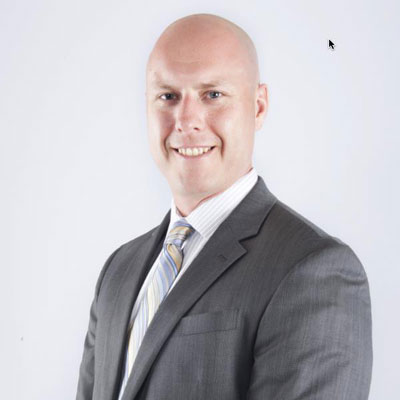
Keith Callahan joins Robert Plank to discuss building a business around the life it is supposed to support. His experience across real estate, consulting, and network marketing leads to a conversation about income, time, systems, and the difference between working from necessity and choosing meaningful work.
Keith describes early property transactions that made entrepreneurship look straightforward, followed by a market reversal that exposed assumptions behind those successes. A later consulting operation also became unsustainable when its turnaround time changed dramatically. The stories make clear that a working model can be affected by conditions the owner does not control.
He encourages defining the desired lifestyle, income, hours, and business model before building a company that demands something different. In his own account, reaching greater freedom involved a period of very long workweeks and developing systems and other leaders. The discussion examines that tradeoff rather than presenting freedom as something that arrives without effort.
Taking an extended break after the business exceeded his family’s financial needs revealed a further issue: having no need to work did not automatically provide fulfillment. Keith found value in returning to purposeful challenges and service. Robert and Keith explore how financial breathing room can change the reason someone works, while leaving the need for direction intact. The episode invites listeners to define both the freedom they want and the work they would still find worthwhile once they have more choice.
Designing freedom with a purpose behind it
- Define the income and time requirements of the life you want.
- Recognize when market conditions undermine an existing model.
- Build systems and leadership beyond the owner’s individual effort.
- Consider what meaningful work would look like after financial pressure eases.
Resources
- Keith Callahan (Official Website)
- The Business of Life Podcast (Podcast)
Podcast: Play in new window | Download (Duration: 31:07 — 28.5MB) | Embed
Subscribe: Apple Podcasts | Spotify | Amazon Music | iHeartRadio | Podchaser | RSS
Transcript
Download transcript (.txt)Robert plank Show episode 244 The business of life, achieve financial freedom, personal freedom and create the type of business you want with Keith Callahan. Hey, everybody, and welcome back to the program. Our guest today is Keith Callahan. And he's a leader of leaders, a philanthropist, a serial entrepreneur, a spiritual man, a meditator, or reverse paranoiacs, a husband and father of four. And he has built an own six multi million dollar businesses across various industries. So Keith, welcome to the show.
Hey, Robert, great to be on the show.
I'm super glad that you're here as well, I think we're gonna have a lot of fun. So we heard a little bit about about your bio. And so I mean, can you tell me like, you know, having seen that, and having heard that, out of all those things, I mean, what makes you sort of stand out compared to, you know, all these other entrepreneurs out there?
That's a good question. When you when you said that I always respond with my first thing. And first and foremost, I'm a father and husband. So I've have a beautiful wife, Amy, and four small children, 753. And one, so Wow. Sounds like a handful. Yeah, you know, and that's when I, when I set out to really create my last business, my number one goal was freedom. And in addition to financial freedom was really freedom of time. And, you know, to answer your question directly, we, we have the ability, I have the ability to take this year off, if I if I if I want, I have the ability to pick my kids up on the bus and drop them off at school and to end the workday at two o'clock and to bring my kids up into the home office and work with me. So yeah, it's really, I think that a lot of times with entrepreneurship, we can create a business, and then we try to work our life around that. And what I've really done is I've created a life and then a business that supports that life.
That sounds awesome. So it's like you have the money part and the lifestyle part as well. Because I mean, I think we've all seen that. And we've maybe all gone through some, you know, periods of time like that, where, you know, we have this job that we hate, and we say I'm just going to start a business and that way, I'll be my own boss, but then it turns out, like the business you create is not only another job, but another job. That's way more hours way more work and less income. And so, I mean, sort of how did you get to that point? How did you get to the point where you can kind of have your cake and eat it too.
I think it was two things. And the first thing is I, I honestly believe that we need to set the type of business that we want from the start. Like for example, before we jumped on, Robert, I was I popped over to your website, and I was looking at all the different courses and things like that, that you offer. And there's so many different ways you can go in your business, right? Like you could, you could be on the road every single week, and you could be speaking, or you could have a business that's very different, where you're, you're on the road maybe once or twice or maybe never on the road, maybe you do one or two events, but they're local, and then the rest of your stuff is virtual. So yeah, I think that really identifying like, how do you want this business to look? How do you want it to look in its completed? Model? What type of income do you want coming in from it? What type of hours? Do you want it to be passive income, do you want it to be a business where you're just you're paid a high amount for an hourly rate, you know, whatever it is that you want. So I think really identifying that. And then the second piece, I think that you have to have imbalance in the beginning. So I was willing to sacrifice in the beginning, but it wasn't like it is now I was working 80 hours a week in the first couple years to get this thing off the ground. And I think anyone that tells you, you know, I think that you can get to that point. But you've got to develop the skills and you whatever it is that you're doing, when whatever it is that's required, there's usually a lot more upfront work for the the back end results. Does that make sense?
Yeah, it does. And I'm glad that that you put that in because that's, I don't know, like that's the sort of thing that that I struggled with, when I and I guess still struggle with but I see a lot of people sort of, sort of I don't know, like they want to have this this lifestyle that you described where they want to have money and, and freedom and free time. And I think that a lot of people that I see they sort of they they almost like want to shortcut it and then they say oh well I'm going to take all this time off I'm going to just like relax and go walk in nature and I'm thinking like, Okay, but what about the money part and and I mean, so like, do you see that where some people they kind of see like the you know, like the traveller lifestyle or like the Tim Ferriss lifestyle or whatever and they just kind of they focus on that part on the the goofing off part. Instead of making money, and it's like, well, if you want to, you know, if you want to start this business, there's a lot of like you said, upfront work involved, and maybe a little bit of being a workaholic and putting in long hours, but it's definitely not forever, if you sort of know what you're building it up to.
Yeah, and I think that the, you, there are some people that get lucky, right, and they're in whether we call it luck, or, and I've seen a few people that I've worked with that they really, they didn't work that hard for the things that came to them, like they were in the right place at the right time. And I'll be honest, when I first got out of school, I was in the right place in the right time with real estate, I literally, it was it was, now we're looking like yeah, probably almost 20 years ago, and you could buy a house and three or four months later, you could sell the house without doing a darn thing to it, and you would make money. And I did that for a while. But it also gave me a false sense of success. Because when the market turned, we actually got stuck with a bunch of properties. And, and I thought that I was being business savvy and all this. But the reality is, anybody that was involved in real estate for that period of time can make money. So so that I'm just sort of sharing that little story, because it really it humbled me. And it allowed me to really realize that next time I do this next time I build a business, I want it to be able to weather the storms, I want it to be able to really, really be focused and centered and to a point that I really am doing this cautiously because I think you can do business cautiously. But yeah, you have to put in that work upfront, you have to set the systems up upfront. And you know, you can you can pop something up online and make a couple of bucks online, you can definitely do that. But to get it growing and to get long term sustained growth, long term sustained financial freedom. That's something that you have to first put the work in up front. And then you can kick back like if you you mentioned Tim Ferriss, he put the work in upfront. You know, he's he sold his supplement company, right after, right before he wrote the The Four Hour Workweek book. So he put the work in and created systems that allowed him to live the four hour workweek. And I think what you were referring to Robert was the a lot of people see the four hour workweek not the the work that went into creating the four hour workweek.
Right, right, and I mean, I haven't read the four hour workweek and, and close to 10 years now. But a big, a big part of that was like the whole, like 8020 thing, like, you have to make some progress, you have to like have something in place, and then look at that, and then sort of sort of reconfigure. And even as you were I'm sort of explaining, like, the whole thing with the with the real estate, I think we've all gone through stuff like that, where, you know, back back in the day, I mean, hindsight is always 2020, right, like, things seem so much clearer now. But, you know, we all have these ups and downs. And it's like, I don't know, if it's like Albert Einstein, or Thomas Edison, or someone that said, like, like, failure is the opportunity to begin again, more intelligently. And so, um, and, and so yeah, and I think that, you know, we've all kind of gone through some sort of ups and downs, like your real estate thing. And it's like, every time we kind of come through with that, that life lesson, and so and so something that kind of struck my mind as you were explaining that like that, maybe with the real estate stuff, like you were, you know, you are working hard, you are aggressive and stuff like that. And then, you know, made a few mistakes in hindsight. And you said, well, now I'm going to be a little more cautious. And so I mean, like, what do you have to say about, um, like, if someone is maybe like too cautious, or maybe, you know, like, maybe if they're in the right place at the right time, and things go great. And they say, okay, great, I made a little bit of money, I'm going to stop like almost like, like resting on their laurels or like one foot on the brake, like, I mean, what do you have to say as far as like that kind of life advice? Like how do you avoid being too cautious, while also making the mistakes that are like important in life, but also not, you know, going bankrupt or something?
Yeah, good questions. I think that the I think there's a deeper piece to you, let's say you, you made a ton of money and you actually don't even have the like going bankrupt, not on the radar unless you like mess up, right? Like you've made millions of dollars. And as long as you live wisely, you're right. I really truly believe that. You have to be pursuing something worthy in your life to to continue to have happiness. So I think that you know what, if you've already made it, then it's something It's interesting, because I went through this I, about three years ago, our business got to the point that it was making probably five times the amount that I needed to live that, you know, for our family's lifestyle. So it was literally I and I had always lived my life, Robert, where my back was up against the wall, like I knew how to operate that way, you know, from growing up. And, and then, you know, trying a couple businesses like it was always my back was against the wall, and trying to make something happen to get out from, like to get out of the rat race to get out of what I didn't want my life to look like. And then when I got my life to be where it where I wanted it financially, and I had that freedom, I took a ton of time off. And after about a little bit more than a year, I really started feeling very unfulfilled. And this was even, I taken time off. And I was spending quality time with my family. It wasn't like I was, you know, traveling around the world partying, like a rock star or anything like that. But I wasn't really challenged as a as a professional, if that's the right word. And once I got back to working again, my life really I was happier. And, and I had to figure out how to work out of inspiration versus desperation. And you know, once somebody already made it, I think that's the shift, like we have to, I knew how to work out of desperation. But I didn't yet know how to work out of inspiration. So yeah, I made that shift. And for somebody that's afraid of making mistakes with you the other part of your question, I think that, you know, there's, you can either live, like, you can live your life, and not go through with that, but I can't imagine anything worse than getting to the end of my life and regretting all the opportunities that I could have tried. So yeah, I don't think that like for for risk, and being more cautious. I think I was just very, I was a lot more mature in my business life. And, you know, not taking risks doesn't mean that you know, and I worried that I would, I would change that, instead of saying not taking risks, I would say taking a lot more calculated risks. Because the reality was with my first couple businesses, I had nothing to lose, I was a single dude, I wasn't married, I had no kids. You know, if if I went and went bankrupt, it's honestly wasn't a big deal. But I had to be different about it, I had to be a lot wiser about it. So yeah, I think that if you're if you're sort of risk adverse, you can still, especially with the stuff that you're teaching Robert, you can still start a business, in your spare time, with a very limited amount of money, that it's if you fail, it's not going to hurt you.
Awesome. I mean, there's, there's a lot of good stuff in there and sort of what so what I'm hearing from just that whole kind of kind of mindset is that whatever I look at whatever's good about your situation, or whatever about your situation, sort of lends itself to this online thing. Like for example, if you're, if you're a single guy who then you have all this free time, maybe you have a little bit more disposable income than you might have later in life when you have a family. So might as well use that as sort of the urgency to do it now. And then a lot of what I heard, just as far as like, the, the, like the get getting out there and getting stuff done is that there's no do overs. And if for some reason, I don't know if it's, it feels to me, like the average person out there sort of is living their life as if they can have another shot at it. And I mean, we don't know that that's even gonna gonna happen. And yeah, if you're 80 years old, you're 90 years old looking back, like are you gonna look back and wish that you had done this and that when you were 30 and 40. So if that's the case, we might as well do it now. And so as far as, like, sort of switching gears with with our minds and saying, Well, you know, what, what got me to this point was all this desperation and sort of always have my back against the wall, putting out fires, and then now that you got this level of success, and now it's time to sort of think differently, since you're in a new situation new like, you know, situation and stuff like that, and problems to solve. Is there a secret to, to, to changing your thinking and thinking in terms of inspiration? I mean, is that a matter of like finding a good cause? Or like, what was your trick to change that way of thinking?
For me, it's really it's still an ongoing process of switching my mindset to being completely in service of the people and like really letting go of my own personal wants, needs, desires, fears, insecurities, and really just getting in tune with like, how can I serve, best and that It's been really rewarding. And at the same time, it's something that I'm constantly reminding myself about and constantly realigning myself with.
Okay, that makes sense. And so sort of along those lines, can you tell us about these other businesses that that you've had? Because we said that there was the real estate. And then at one point, we said that there were six multimillion dollar businesses. So I'm kind of curious, like, how that sort of fits in there as how, as far as like, you know, some of your other businesses how, how you have sort of turned the that that motivation or that driver, whatever, of serving people how that's helped you out? So I mean, what other sort of businesses have you set up here?
Yeah, I'll give, I'll give you sort of the the abridged timeline. So the real estate one was the first one and that I got, I was in the right place at the right time. Like I said, Robert, in the I got started in real estate, where I bought a property for 100. And I think it was like 163,000, somewhere in the 100, and 60s, and I sold it somewhere in the 100 90s. But I only owned it for like 10 minutes on paper. So I made this 30 Something $1,000 profit. And, you know, just that's what got me hooked on entrepreneurship. And, you know, that led over a 15 year period into buying and selling houses. So I had that bit. I initially started by myself, then I brought in another partner, we formed another business. And really that culminated, we were buying multifamily properties. So we were buying three family properties in the Boston area of Massachusetts and converting them over into condominiums. So just basically buying them gutting them, buying them as one bit one unit, one deed, and then gutting them, doing them all over and then selling them as three separate, three separate deeds. So we did that for years and years. And really, when the markets slowed down, I got involved with two other businesses. And the first business was financial consulting. So we were doing something called debt consolidation and loan modifications. And it's another one of those things that in hindsight, I, it was a, I loved doing that business in the beginning. So in the beginning, it was, we were helping people that were behind on their mortgage payments, and we would initially have somebody that would come to us, and they would be behind on their mortgage payments. And they would have these crazy adjustable rate mortgages. Some of these people were in like 910 11 12% interest rates. And within about 48 hours, we were able to negotiate with the banks to adjust their interest rates, sometimes cut them in half, sometimes cut them into a third of what they were. And it was myself and another business partner doing that. We built up a big business, we had about 25 people doing that. And then there was a lot of there was a lot of people that went into that industry that they were they were taking money from company taking money from individuals and not performing performing the work. So what happened is the FTC got involved and all the local agencies got involved in literally something that used to take us like 24 to 48 hours to do would now take six months to do. So it's something that over time, we just we got out of that for two reasons because of the what was happening with the FTC and more so it was just it wasn't a sustainable business model anymore, because it took too long to provide the service. So yeah, doing that, and then doing the debt consolidation, which was the same thing, but with credit cards. And then eventually, I moved into network marketing and never in a million years did I ever think that I would get into network marketing, but I had done a program called p90x, it's a home fitness program, got some great results, and you know, just felt good, felt alive, felt happy, felt vibrant, and I was telling all of my friends and all my family about it, and they started doing it. And then eventually I found out that they had a network marketing arm to it. And that that's the business that really changed everything. For me. It allowed me to take that entrepreneurial spirit that I had always had. And it allowed me to be in business for myself, but not by myself. So I had, you know, I didn't have to do like all those other businesses I needed. attorneys and accountants and You know, the payroll and this and desks and over, like all that stuff. And when I found network marketing it was, you know, there wasn't any upfront money, there wasn't any investment. There wasn't any I didn't have to ship things. I didn't have to do any of that. So yeah, that's, that's sort of the abridged version.
Awesome. And there's a lot a lot of cool stuff in there. And I like how, how it sort of like, like, one thing, I mean, one thing kind of sort of led to the next and a lot of it seemed to be like, you know, what, like, if there was the easy money right there in front of you, I mean, why not take it right? Like, if the real estate thing, if there's a period of time where that's easy, or the debt consolidation, if there's a period where that easy, you know, if there's, if that's the easy money, why make it difficult, and why not, you know, hook up into that. And then, and I, and it was kind of cool that, um, that just as you were explaining, like how all these business models sort of had a, had a goal, or had this thing of helping people, it just kind of reminded me of one of those cliches, but it's really easy to forget just how like, we ourselves have to be excited about what we're doing. Like, like, sure, we have to have a business model that, you know, helps people and sort of serve as a name people are asking for, but I mean, if we're not excited about it ourselves, then I mean, what's even the point. And then you're the other thing, I kind of, kind of heard between the lines there, as far as you kind of knew, you knew when to get out, or at least you knew when a certain business model was not feasible, like when the, you know, FTC, and the government regulations came down about the loan modification, you guys said, Okay, well, now we can't, you know, we can't turn these around as fast as we can sort of time time to get out. And I think that we've all dealt with that sort of business model that works for a few years, and then stops working. And I'm thinking about, you know, stuff like article marketing, for example, where there was a time when, like, people just cleaned up made tons of money with article marketing or with SEO, or whatever, and then some, some kind of shift happens. And certain ways of making money are no longer, um, are no longer super viable. So I mean, lots of good stuff today, and lots of, you know, lots of ups and downs and lots of life lessons. And so, you know, having listed all that, and having said all that, with all the, you know, network marketing and p90x and all that, I mean, what do you have set up right now? Like, what about, like, your websites and your podcasts? Like, what's what's kind of got you excited at the moment?
The podcast is more of a passion project right now. So I'm still trying to figure out so I have two podcasts, I have the business of life. And then I have another one that's set up for our beachbody business. That's the parent company with p90x. The business of life is really it's a passion project right now. And it's something that I made, you know, I've, I've teetered along, like, we're thinking about moving into doing life coaching and stuff like that. But the reality is, Robert, I have such a good gig with network marketing, like we, we really built it up, it's paying us extremely well, I have the ability to, you know, mentor people that really, you know, I just, I love mentoring people. And I love, I love being able to unwrap these big beautiful, bold dreams that people have. And, you know, they've kind of gotten tucked away, right? Because sometimes people get beat up, they, they don't get the after they get out of college, they're not doing what they thought they were going to do. And then maybe they get married, maybe they have kids. And, you know, eventually they had all these dreams for these beautiful lives that they were going to live. And now they're just living this quiet life of desperation. And I'll tell you, man, those are the people I love working with. I really do because I just love being able to help them turn their lives around.
And so this this coaching that you do, can you sort of explain what that is? Exactly?
Yeah, it's real simple. Um, it's, you know, it looks a lot complicated than it is. But so Beachbody you've probably seen they have those, you know, they have all the infomercials and all that stuff. Yeah. And all their different fitness programs. The coaching aspect of it is two different things. It's connecting people with workout programs. I think for the listeners, a better word would be distributor, rather than coach. So where, where a sales and distribution team. So somebody can sign up as a distributor and the way that they earn income is through, basically instead of somebody else going instead of your friends going to Beachbody to buy the products, they buy the products through you. And that kind of got me excited. I was looking at that. And I was like, alright, they have some continuity products. They have some nutritional products that people consume. I was consuming at the time. And I was I got it. I was like, Wow, this. If somebody buys this, I make like $35 when they buy it, but then in my mind, I was like, but it ships every single month. So I do the work once and then every time it's Ships, I get $35. And that kind of got me excited. But the piece that really got me excited was I learned that you can also bring other people into the business and bringing other people into the business, you can start to teach them how to do this business and you still you make a little bit less off of the other people that you bring in. But now you can start to build up a network of people that are doing this. And yeah, so So that's in the simplest way, it's, it's selling the products, and it's also sponsoring other people to do the business. And the sponsoring part was the piece that I fell in love with, and just really bringing other people in and teaching them to actually become leaders in their own right as that's where my passion is, you know, we've got 400,000 coaches, but and everybody has the ability to do what they want with the business. Most people do it on a smaller level where they're just, they're sharing products with people. And I've always focused on bringing in other people to do the business and then teaching them to do the same, which is worked out really well for us.
Awesome. And as you're describing that it sounds like it's sort of taking all the all the right boxes for you as far as like the, the having your own hours, and being able to serve people and being able to do the work once and get paid over and over. So it sounds like a like a pretty good good fit there. And so as we're sort of starting to wind down our talk here, like, you know, We've dispensed a bunch of really cool information, a lot of life lessons and things like that. I mean, and so do you see like in, you know, in all your travels, whether it's with, you know, Beachbody or people who are just kind of unfulfilled or whatever, like, do you see like one common, like, universal mistake everyone's making out there?
That is a really good question, Robert really is. And it's something that I really focus on myself. And I think that it's, for lack of better words, it's like a selfishness or a self obsession, rather than understanding that we are such small parts in this big, bold, beautiful universe, you know, and, you know, like, we really are so small, and we really are so interconnected, that and we forget that and, you know, we get into anger and hate and judgment, and greed and fear and all these other things. And I think that as a as a culture, if we just spent more, more time, you know, when you did the introduction, you mentioned meditation and spirituality and stuff like that. I think that we rightly so got away from the church, there was a lot of stuff going on with the church. And, you know, I'm not being negative about the church or anything, but I, I think that having a return to a spiritual life and focusing on on the things that are lasting for happiness, rather than on chasing the next carrier, the next car, the next house, the next this the next, because the reality with those things are is you're never going to be happy.
I mean, that makes a lot of sense like that, that perspective, and that gratitude, and I'm so and you know, the other day, I saw George Lucas was giving some speech somewhere. And he was explaining like, the whole meaning of Star Wars, like the light side and the dark side. Have you seen this video? No. Well, like and it was like the weirdest thing. And I don't even know why I was watching it. But basically, George Lucas said, like, what he was trying to say, with Star Wars was like, there's like, there's the light side on the dark side and the light side, it might be like a little more, I mean, a lot more work and like more of a struggle, and you might not really kind of have the quick fix. And then the dark side was like, you get the quick fix, and you're more powerful, but you can build up all you want, and you're still going to be hollow inside you can take over home planets make a whole big guest star but then really what you're still ever you're still super angry. So just kind of as your like kind of talking about that, like the the get getting the spirituality back and not being in such a rush and not being super greedy. It sort of just made me think about that, like a lot of us kind of it seems like don't really have a plan or just kind of go where life takes us or just make decisions in like panic mode, and then ended up just kind of being a horrible person. So it sounds like, like you have a lot of this. Definitely not all of it because none of us do. But it sounds like you have a lot of important things in life, kind of kind of figure it out. And so I want to make sure that, you know, people listening if they say, Whoa, this Keith Callahan guy, he's pretty dialed into what I want to know about. So can you tell everyone about you know, what people need to know about Mr. Keith as far as like, you know, what websites to go to, or books to check out? Or where can they find out all about you?
The two places would be the the website. So Keith callahan.com, which is just k th ca, ll Ah n.com or the business of life podcast. So just in your podcast app, well, if somebody has Listening to this you know how to find a podcast. That's the business of life podcast. Yeah, those are those are really the two. The two homes where I spend most of my time,
perfect and so everyone should like we said, since you're already listening to a podcast, make sure you listen to this the final 30 seconds here of this episode, but once you're done, go in and find the business of life podcast, click that subscribe button, download the last most recent few episodes and give those a nice listen and then be sure to go to Keith callahan.com and maybe even go there while you're listening to Keith's podcast that we can kind of get all Keith all the time. And so Thanks, Keith, for stopping by the show and sharing with us, you know, some of your, you know, personal private struggles and ups and downs and giving us all your takeaways and most importantly, sort of telling us based on, you know, your successes and failures and your wisdom. Well, we can all sort of, you know, take and absorb news in our own lives. So thanks so much Keith, for stopping by the show.
Thank you, Robert. It was an honor. The show
notes and links related to our discussion with Keith today are available at Robert plank.com/ 244