Published Last updated
View in Podcast Library: stories, quotes, books, and resources in one place.
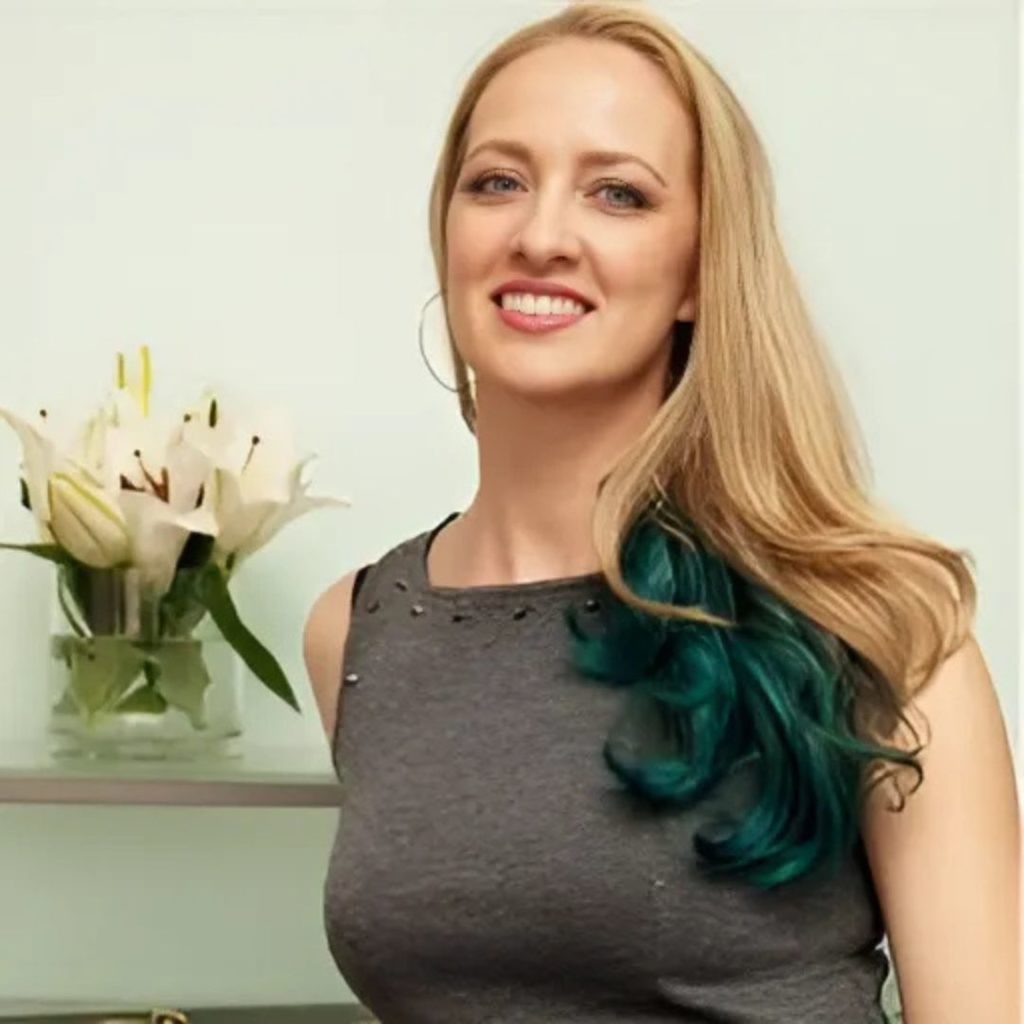
Sarah Grear from SarahGrear.com/robertrules is a copywriter who enjoys creating the “launch stack”… creating a website with landing pages, marketing emails, funnel, opt-in pages, Facebook ads, and more.
She explains her copywriting process to us, common mistakes people make when launching their products, and the things you need to know to make your upcoming product launch a huge success.
Quotes:
“People really respect and admire you for bringing extra value without necessarily saying it and just surprising them.” – Sarah Grear
“One thing that I see people do is they assume they know what their customer wants without getting the exact language that their customer would use.” – Sarah Grear
“As a copywriter, part of what I do is look at the surveys, ask for the surveys, and find out why people aren’t buying their product or why they did buy the product.” – Sarah Grear
Takeaways:
01:46 Showing up on camera and being visible can unexpectedly open up professional opportunities.
05:18 Offering additional value beyond your core service can make you stand out in a competitive market.
14:48 Breaking down complex launch campaigns into manageable, time-boxed stages helps maintain clarity and efficiency.
16:29 Batching work and having dedicated production days can significantly improve productivity and client satisfaction.
26:29 Understanding customer language through surveys and direct conversations is crucial for creating compelling marketing copy.
Resources:
Podcast: Play in new window | Download (Duration: 31:06 — 28.5MB) | Embed
Subscribe: Apple Podcasts | Spotify | Amazon Music | iHeartRadio | Podchaser | RSS
Transcript
Download transcript (.txt)Robert plank Show episode 251 launch copywriting be personable, develop a buzz around your product and succeed with Sarah Greer. Hey everybody, and welcome back to the program. Our guest today is Sarah Greer. And just to make sure that everyone follow one can spell the name that's Sa ra h g r e a r. So Sarah Greer has personally written copy for over 200 businesses, from startups to seven figures. And as a copy conversion expert, a speaker and a published author. Sarah's focus is on helping entrepreneurs turn online lookers into buyers with persuasive writing. So Sarah, welcome to the show.
Thank you so much for having me, Robert.
I'm glad that you're on. So you're a copywriter. And so there's lots of copywriters out there. So what makes you unique? What makes you stand out in that sort of area?
Oh, well, thanks for asking. So you know, one thing I know about myself that I've learned makes me unique. And the beginning I thought it was just normal is I work with my clients online primarily. And I always show up on camera. And they're surprised by that because a lot of copywriters don't like to show their face, they kind of like to be behind their computer. And so that's one thing that I'm realizing really makes me stand out as a copywriter. And it's funny because of that I have been invited to speak at so many events this last year, just because every time I show up for a meeting, I'm like, makeup on ready to go in front of the camera. And I find that people instantly recognize me as a leader and have given me many stages to speak on because of it. So that's one way I stand out as a copywriter, for sure. And it wasn't a strategy. That's the best part.
Awesome. It's just a happy accident. And you look back and notice that that was a good thing to do.
Yeah, totally. And it's been amazing. Being able to teach more in front of audiences and doing podcasts like this. I've been really grateful for all the opportunities that have come just from like being myself and doing what I do naturally.
Awesome. Well, that's the dream, isn't it? It's like, it's like all these people out there. Maybe they're they're doing things that they don't want to do, or just trying to suck it up or just trying to make the money. But it sounds like you haven't figured out you're doing that thing you love and you're good at it, and people want it. So you're hitting all the all the right buttons there.
Yeah, it's been a beautiful thing. And you know, also as a copywriter. I like doing live edits with my clients. And I don't know that all copywriters do that. So I actually get inside of Google Docs with them. And I will do live tweaks with the client because I really, I used to do some journalism. And I realized that when you can actually see the reactions on people's face when the their eyes light up and stuff like that, I'm actually taking note of a lot more than just what we're writing together, I'm kind of watching their reaction to to see how I can weave it in
awesome getting getting those nonverbal cues. So I mean, it sounds like you're making use of a lot of this sort of more recent technology, or maybe technology that has been around but it's kind of more perfected now like the video conferencing and the live, like Google collaboration and all that stuff. And so just to get everyone caught up, make sure that we're all on the same page. Can you sort of explain, like what it is you do and like what copywriting is, because I don't know if you've dealt with this, but like some people know what is like persuasion, or we say copywriting and they think it means like to draw a C letter with a circle around it. So I know you know you've, you've heard of that. So like, so can you sort of tell us about what is what is copywriting to you and sort of what your processes.
Yeah, totally. So I'm definitely not a trademark lawyer, which is where the other type of copywriting comes in. I am copywriting in terms of marketing. So it's really just the words on your website. And specifically, I help with launch copywriting. So it's a little bit more than just the website. I also do email writing for clients. So I help them set up their funnel. And basically, every time the client is interacting with their audience, and they're writing emails, or they're putting up an opt in page to get people to subscribe to their list, or they're doing a launch of their course. And they're running some kind of challenge. All of those things, even down to the Facebook ads, I help help them create that copy so that when someone interacts with their brand, they get the most conversions that they can out of it so that they can amplify their sales.
Awesome. So not just the web page, but all the things that go with it. The email, opt in form adds a whole package. Yes. So when when you come across a new client, I mean, what do they what what starting point are they usually at? They usually like do they have a website already made? Or did they have nothing and I need you to do all of it or what what's usually the starting point when you come across people.
So usually someone finds me because they are looking to do a launch and I do help with web as well, and I've started writing, I started out writing copy for websites from scratch. So somebody didn't have an online presence yet they wanted their homepage, their about page, their services page, or their sales page created for them, and I would write it for them. And then I kind of evolved more and more into doing launch copywriting because it seems like everybody in their mom wants to have an online course now. Which is great for me. So I started really creating that copy and helping them with that piece of it. Because outside of your website, usually people will create, like a sales page, it's only up during the launch to close an open door offer. So I'm helping them create that copy so that they can present it to their audience during their promotion.
And are you having to sort of catch them up with this whole launch idea? Or do they already know they want to do a launch and then they just say you're the person for the job?
Yeah, I tend to work with people in the list building and authority stage in their business. So they're quite familiar with launches, they may have done them before, and they just want to multiply their results in terms of sales. So when they come to me, they're definitely looking to uplevel in their business, they probably have a list, like some of my clients have hundreds of 1000s of people on their list already. So that's kind of what I mean, when I say they're in the list building authority stage. And now they're like, some of them have never sold a product to their audience. They just built their audience. And then they're like, oh, and I should try to sell something to them. Which is always really fun. Because with them, there is a little bit of an education around. Okay, so this is how you create promotions. And this is the the strategies behind why you send an email on this day, and then that day, so I do walk them through it if they need it. And then a lot of them, they've already been through that whole rodeo and they know exactly what they need. And I just go in and create the copy for them. Sometimes they have all their launch emails already, they're just looking to revamp it or give it a makeover, because it's old copy that they've used again and again, and they want to refresh it.
Awesome. And so sort of along those lines, what's your what's your process from going from? Like those, those raw materials where like, you know, like you said, like, maybe they already have a web page? Or maybe they they have an audience and they have like existing, you know, content on Facebook, or they have ideas, how do you? How do you make sense of like, all that stuff? And then turn it into this kind of launch campaign?
That's a great question. It's interesting, because I build myself as a copywriter. But I definitely help with more pieces than just that. And so although I'm writing the copy, I actually start by creating a funnel map for them, I use a tool called Mind Map inside of Google Docs, it's an add on that you can add as an extension. And then I go in and layout, what emails are going to be taking place. And then if it's leading to a webinar page or a challenge, like I will create this whole mind map for them, showing them where the the direction of all the emails are leading to. And then what's the outcome after somebody registers on the webinar page, there's a confirmation thank you page. So I start there, I start with a map so that we're all on the same page. Hopefully, somebody on their team is already doing stuff like that for them. But that can be wishful thinking sometimes. Which is why I've learned to just do it myself, because I want everybody to be really clear going in on the launch, like, what am I creating, and how is this all connected. And then once we've agreed on the launch map, then I go in, and I create Google Docs for each copy component. So there might be a doc for the sales page. And then there'll be a doc for the pre cart emails and a doc for the postcard emails and a doc for the Facebook ads. So that's kind of how I get everything going. And then I definitely have intake forms that I asked them to fill out before first call, I get as much information as I can from them. Because I feel like that really speeds things along. And the more clarity we can all have going into the project, we can hit the ground running that much faster. So I've enjoyed being able to add all of that value. And it's not necessarily under the copywriter umbrella, but I don't mind doing it. And I have people on my team who helped me with even the project management piece because there are so many moving parts in a launch. And I just want to keep my sanity. So I started doing the project management piece and not even really I just what I found is people really respect and admire you for bringing extra value without necessarily saying it and just surprising them. So because of that I've had some really amazing clients who are making serious changes in the world and I get to be a part of it and they appreciate me because I bring so much more to the table than I officially say that I'm bringing.
Awesome but but that's the whole point right? To kind of find that niche and and within that sort of sub niche you You have a big demand, but then also you kind of, kind of make yourself unique with all that. So it sounds like, like that's all working out for you. And I like that that thought process you have there where you say, Okay, here's the map of the whole entire thing. Here's like the email, the webinar page, the sales, page, the all the emails. So here's the whole big picture, and then a separate Google document for each of those. So people can kind of see that come together. And then you have the intake forms to kind of get the good stuff out of them. And so sort of on on the topic of those intake forms, like whenever I like, hire a copywriter, sometimes they'll send me like this, like, 10, page long, sort of questionnaire thing. And I'm like, Oh, I'm not gonna call this out when I finally feel like, I've like written the sales page almost for them. And so, I mean, what are your thoughts on that? And how do you sort of solve that problem with with your process?
Yeah, I'm glad you asked that. So I don't ask for more than two pages of information for one. And it's really only targeted questions. And I actually send them a welcome video along with the intake form. And I say, Hey, Robert, look, this is the information I'm asking for, feel free to skip any of these questions, if they don't apply, if you've created this with somebody else, and you just want to send me what you have from them, that's fine, too. So I really lay the playing field out so that it's like, just give me what you think is important. I don't feel like I need everything here. But I'm gonna just put the questions so that they're asked in the advance of us getting on the call. So I really tried to make it easy as possible for them. And so I found that little welcome video makes all the difference in like answering all those questions before they start asking them, asking them in their head, like why am I giving her all this? I tried to to preempt that with a welcome video. So and that's helped.
Cool. And it sounds like that's, I mean, that's a part of just your whole your whole, like way of doing business, like like we said that you you show up on camera for these these meetings, not because you have to just because it adds a little something extra, you make the welcome video, so that way, they'll be probably more feeling more at ease, like they're dealing with a real person who actually cares, and probably be more motivated to fill out that that questionnaire even though it's all it's only two pages, some people are like, I can't even write like two words, right? And so and so. So you you have all that and then and then how does like the How did the meetings and all that stuff take place? Like is there? Do you guys like decide on a like a schedule? Like how do you sort of balance that whole? Well, things like, you need to meet with them and do these things. But you also need to kind of have your own? Have your own free time have your own life? So how do you sort of balance that with all the like scheduling and meeting with them and things like
that? Oh, my goodness, this is a great question. I am really grateful that from the beginning, I was very clear about how I went to work with people. And so each stage of the project we complete in five business days or less. So if we had a sales page, for example, I'd say okay, you give me the intake forms, our project state start date will be on Monday and will be done by Friday as an example. And the reason I do that is because within those three meetings in the two revisions, I can complete everything. And I would rather work on one stage at a time with one person at a time I tend to I call them my writing vacations, like I just focus on one client at a time, maybe two if if something overlaps. And so I've created this system for being really clear on when I'm going to start and finish things. And that's how I've managed my time. And I have specific production days where I will only meet with clients on Tuesday, Thursday and Friday. And then in terms of writing, I've had a little spillover lately, but I try to keep my writing on Tuesday, Thursday and Friday as well. And then I have a team backing me up on the other days that I'm not writing. So that's worked really well for me in terms of like client management and expectations around everything. When I send the intake forms, I send the timeline, and I make it really clear. So that because the reason i the whole like reason behind this was like you said, you want your time to yourself, and you want to be clear about expectations, because then it gives you freedom to do things that you want to or need to do during the week. So I have like, obligations within my family that certain days, I just can't be in front of the computer. So that's been really amazing for me to be able to get my clients on board from the beginning and tell them like this is how the project is going to look. And they've been more than happy to work with me and I am flexible if somebody needs like some outlying thing, but for the most part, everyone just is excited to fall in line with this schedule I give them because like, oh, cool, I know the outcomes and I won't have to I can forget about this part of the project after that day.
Awesome. That's a good way of thinking about it. Because yeah, like as we keep saying, like with the launch, like there's all these moving parts and so it's kind of scary to think that on one day it'll all kind of fit together all at once but if one block at a time is sort of knocked out. That's awesome. And so how did you come across that? Like, how did you get to the point where you had those, those production days? What was that? Just like you, you ahead of time decided that or did you try it a different way? And that was sort of a learning process? Like, how did you end up with that kind of structure?
Yeah, it was a learning process. In the beginning, I definitely would just work as things came in. And I realized that it wasn't serving me best, and it wasn't serving my clients best. So I started to realize that I needed to focus my schedule. And I think I probably learned it from like one of my business coaches. And I think along the way, I heard people like Pat Flynn, talking about how he has production days, or he only does podcast interviews on Tuesdays, or whatever. And so just hearing it again, and again, from a lot of other people that they're like, you really got to batch your time that sunk in for me, and then I made it work for my own business. And I knew that it would be really appealing to people, if I could write in, honestly, I used to write seven pages to a website, like the home about services, contact, whatever else they needed. In five business days, I knew how appealing that was to people. So I had an incentive to use it as another value add to my copywriting package. So that was, I think a big, it just made a lot of sense to me in my head at the time. And so I just kept going with it from there and tweaked it as I went.
Awesome. Makes a lot of sense. And it also makes sense that because you're a copywriter, that your, your your offer that you yourself provided be would be fun and fast paced. So so awesome stuff. And then And then so so we say. So there's these different stages of the like, all these things that need to be set up for the launch, and you say, each one is done in five business days or less? Do you ever come across someone who says like, well, the launch date is in two weeks or the launch date at CES? And it's like not quite compatible? Does that ever happen?
Oh, yeah, of course, definitely. So I have found a couple different ways to look at that I will strategically say yes to somebody sometimes if it's a rush job, and I really can make the space for it. And when I say strategically say yes, I'll think about are they going to be a repeat client for me? And are they the type of client that I really want to create? For? If the answer is yes to both of those, then I will make space for the project. And I mean, launching within two weeks, I'd be surprised if they could actually pull it off. Usually somebody will say that to you. And then they'll push their launch date out. If you say yes, and do the project with them. They ended up there ends up being some wiggle room in there for them. But if it's like four weeks in advance that even depending on the size of launch, even that can be a squeeze. And I have to ask myself, Is this somebody who has been through multiple launches? And is going to continue to need a copywriter? Or is it just this one off thing, they don't know how to plan a launch, they've never done a launch before? That's when I would recommend them to other people. And just I check in with my circle of copywriters. I'm like, Hey, guys, this person needs a rush job. If you have space for it, you can grab it. And sometimes it's a good fit for somebody else. Like sometimes your no is a great yes for someone else. So I always keep that in mind when I pass along the project. Sometimes people really need working, you know, they're, they're looking for it. So I'm happy to pass it along.
Awesome. That's a pretty good thought process there. And especially because like if it's not a good fit, why why force it to fit. And so, you know, we're talking about all these all these cool things, and all these, you know, ways of like scheduling stuff and getting things in place. And I'm really curious if you could kind of walk us through maybe like an example or a case study with you and a client where they came to you and you flesh out the job and you knock it out. Can you kind of like maybe walk us through some sort of case study like that, and maybe even tell us about like the timeline of things that you did for them.
I would love to do that. That is so fun that you're asking me to do this because this is what I love doing. Okay, so I just finished a launch with a client and she contacted me at the top of December. And I was like, Yeah, I definitely want to work with this woman. She's doing amazing things for creatives. And so she basically helps them create and run their jewelry business. And so I had heard of her already. So there was a little bit of like a it was a warm connection like I already and I knew some mutual people in her circle. So it was like yes, I totally want to do this project. However she had four weeks before she was getting started because the beginning of January was the opening to the challenge that she was creating. So it was interesting because what I'm seeing more and more as people will do. They'll take their three part video which is the Product Launch Formula like They're using the three part video, but now they're framing it as a challenge. So it's interesting to see that and it's, I think it's a really smart thing to do, like you've already got your three part video series, just frame it as a challenge now and drip it out over 10 days. So we ended up doing a 10 day challenge for her. And so she had to shoot the videos, she was reshooting the videos, so she actually asked me to do the video scripts along with all the opt in pages and the emails and everything else. And I said, I don't want to do the videos too, I can help you with all the live pages that are going to go up to get people to opt in and all the emails, they're going to get in the funnel. But I think you should get another copywriter for the videos. And because it was just that four week window was not enough. But I'm one person and sometimes my team works with me. But anyways, so she found somebody else to do. And it was an amazing experience to be able to work side by side with another copywriter. Because if for some reason she needed something really fast, we kind of jumped in for each other at times. And so that was really nice to have someone else on the team who was up to speed on writing really good copy and could support the client too. So that worked out beautifully. And then we got to the beginning of January, she opened the three part video series, she released it over seven days. And then the last three days she offered what a live masterclass, which was basically a webinar. And it was really fun to see over the course of the the video challenge and also the webinar, she got 8000 New opt ins, and I was so crazy. It was beautiful. And so I and I got to help with the Facebook ads too. So I was really involved in all the different parts. And then on the tail end of that she got the 8000 new opt ins. And I think she got she told me 250 sales at the end of everything. So um, after the webinar ended, she gave a scholarship away on the webinar, which really helped with attendance, she got 50% attendance, which is amazing for a webinar. And then after the webinars, she opened the cart that same day, and the cart was open, I want to say like 10 days, maybe somewhere around there, I can't remember the exact date. And at the end of that she got around 250 sales. Last time I checked in we were going to do a down sell. And that will probably bring in she said another 100 sales. So maybe 350 sales after everything was amazing experience.
Awesome. It sounds like and just to make sure that we're all on the same page, like you mentioned a couple times this whole idea of like a launch challenge. So could you explain to us what that is?
Yeah, it's really popular right now, if you hang out like on Facebook or Instagram, you'll see people say, Oh, you can do this challenge with me. So what it is, is, it's usually between five to 10 business days, or five to 10 days. And I don't recommend doing more than 10 days, where basically they offer free training and the people who sign up for it can learn how to do something if it's for their business, or whatever. And I found that it really helps with engagement. And part of the reason why it's so good is when you do a challenge, you actually help people get results during that five or 10 days. And then they can kind of see what the changes for themselves, they can see themselves transforming. So there might be like, they'll do a five, five day juicing challenge where you can learn how to make green juice or something like that. For hers, it was a jewelry brand makeover boot camp so they could learn how to market their jewelry better. And I think they're pretty amazing. And I part of the reason why they work so well is if you pair it with a free Facebook group, then people are like posting in there. And it's another way for you to interact with them besides just in their inbox, because email more and more is like it's not very dependable. Things don't always get delivered or whatever. But if you also have them in a Facebook group, and they're all posting and interacting together, they see the power of the community, it makes a big difference.
Awesome. So so so you have that that challenge that five to 10 day period where you have the free training, and it's not just any old free training, but helping to get results. And then also have them join a free Facebook group that way. It's not just the, you know, the old outdated email stuff, they can interact, they can see who else is in there. There's all that traffic. So awesome stuff. And so, as we're sort of winding down today, you know, I want to make sure that people know where to find you and know about your websites. But before we get to that, have you been seeing like a common universal mistake people have been been making, whether it's from like a launch sequence in general or if clients come to you if They've all like made some sort of mistake before coming across you. Are you just seeing like the same mistake in your space being made over and over again?
Yeah, it's interesting, I see mistakes being made. And I think it's part of the reason why people do hire a copywriter. They don't feel like they have to know all the latest training and marketing. And I love that stuff. So one thing that I see people do is they assume they know what their customer wants without getting the exact language that their customer would use. So it's basically like you could do a survey to learn what people actually want, you could take your ideal client out for coffee and see what kind of language they use around their struggles. And sometimes I see people trying to do launches without figuring that out first, and without figuring out like the right because as a copywriter, part of what I do, again, above and beyond what some of their copywriter copywriters might be doing themselves is, I'll look at the surveys, I'll ask for the surveys, like my clients who are pretty advanced, will always have those on hand. And I want to know, like, why aren't people buying their product? Or why did they buy the product? What was the problem that they were trying to solve all these things you can ask in a survey and find out and use that language so that when you run a Facebook ad, or put up an opt in page, people actually see the words that they've been saying in their head, that internal dialogue, they see it on the page? And they're like, Yes, this is what I was looking for.
Awesome. And that's one of the those those things that like, I probably, I probably forget it, like every two years, and then I remember it again. And again. Like actually asking people, you know, what it is they want and what their problems are, and not only getting that problem, but but knowing or knowing, like what keywords or what key phrases, even though it might be some kind of weird, silly thing. You know, I've come across that over and over with my own products, or like, you know, I'll have like some kind of plugin that I'm trying to sell, and I'm trying to, like, make a good webinar or a good demo video for it. And they'll, they'll say, like, well, I use it for this weird, goofy purpose. And I'm like, I never would have thought of that in a million years. The, the way they happen to use it, or the problem they're they're having or these other similar products that they're buying that are not quite solving their problem, but close. And so I mean, yeah, even though it sounds simple to just ask people, you know, what made them buy or what not made them buy, I mean, that that's like a huge reminder that like I said, like, I will remember it, I'll forget it, I'll remember it again. So that's a really, really good to know for, you know, for anyone doing a launcher or putting out a product in general. So, I mean, we talked about some awesome stuff today. And I want to make sure that everyone knows all about Sarah and where to find you and what you have to offer. So can you tell people what website or websites you want people to go to? And you know what they'll find there and all that kind of stuff?
Oh, yeah, I'd love that actually have a free gift for your audience that I would love to share. Awesome. Yeah, so if they go to www dot Sarah Sa ra h Greer, G R E AR, Sara greer.com/robert rules? Are you Le s? Yeah, they can get a free gift. It's a powerful questions they can ask themselves to start to write their own copy. And it specifically focuses on their brand story. And that's one thing I see people missing from their sales pages and their email copy is not telling their brand story enough so I wanted to give your audience something where they could kick start that and I hear from people all the time when they do this these questions, it either reignites their passion for their business or if they're just getting started, they feel like okay cool. I have somewhere a good starting point now to have how to tell my story online so
awesome good stuff and so am I understanding this right if they if when they go to Sarah greer.com/robert rules and they get these eight questions so they can if they just want to like do this copywriting thing on their own they can answer the questions and sort of get excited but then also this is compatible where if they if they get excited and say whoa, if Sarah gave me this imagine what else her her done for you services are they can take the answer to these questions and and hit the ground running with you and your launch copywriting services.
Totally Yes, it's definitely a part of what I send to my paying clients so I they usually pay 1000s of dollars to get access to this but I'm giving it to you guys for free.
Awesome, super generous and then if people want to just you know, cut to the to the finish line and talk to you and figure out you know, until you what their project is and figure out if you guys are a good fit for this launch copywriting thing, how can people contact you for the purposes of launch copywriting services?
Oh, thank you, Robert. So they can go to my website, Sarah greer.com. And there's a tab on there that says copywriting services that will take them straight to the page and there's a way to contact me there.
Awesome, good stuff. Well, thanks so much, Sarah for stopping by the show and sort of explaining that Was your your process and how you take this big honkin problem which is the launch campaign and and videos and sales letters novice and breaking it down into these manageable pieces and having a lot of fun along the way and telling us about some cutting edge stuff like that launch challenge and telling us about those mistakes. Everyone should go right now to Sarah greer.com/robert rules to get the freebie and then Sarah greer.com to see everything else that Sarah is about and click on copywriting services if you want those services. So thanks so much Sarah for stopping by the show today.
You're so welcome, Robert. Thank you. It's my pleasure to be here.
Have you had a chance to rate and review the show yet? If not go right now to Robert plank.com/itunes. Click the View in iTunes button and click the ratings tab. We would really appreciate a five star rating or whatever you think is fair, plus a quick one sentence review to tell us how we're doing. Thank you very much and have a wonderful day.