Published Last updated
View in Podcast Library: stories, quotes, books, and resources in one place.
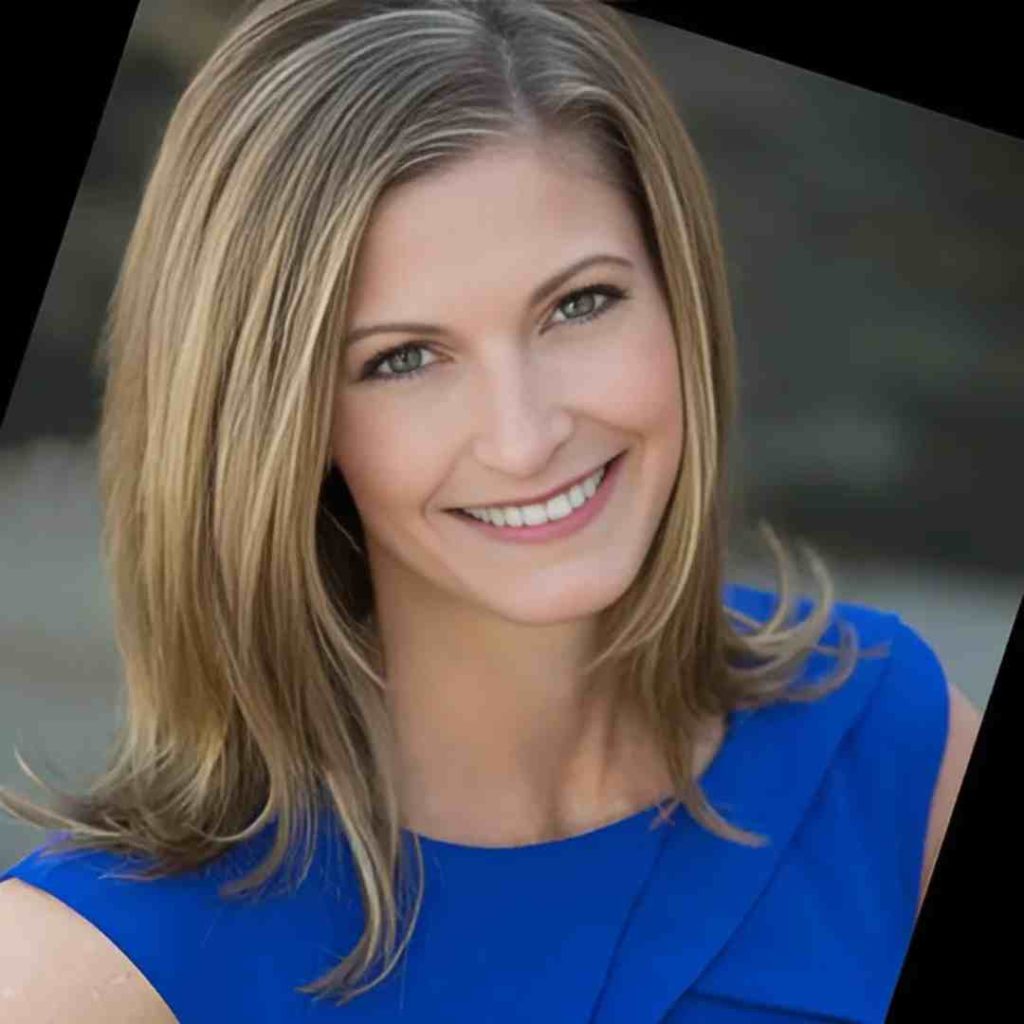
Nancy Gaines is a business productivity expert who wants to remove your stress, give you more time in the day, and help you live up to your full potential by becoming your best self. Done is better than none, so you need to throw out that to-do list and find a better way of getting things done. Nancy can help you to free up one hour in the day, overcome fear/overwhelm, chunk light tasks together, and so much more. Make money, save, then systematize.
Quotes:
“Anything you do in your business more than twice should have a repeatable system. Anything you do more than three times should be automated, so it runs by itself.” – Nancy Gaines
“Done is better than none. Most people are too afraid to take action because it’s not perfect.” – Nancy Gaines
“Everything can be undone. There are very few things in life that you can’t undo.” – Nancy Gaines
Takeaways:
04:28 Focus on your highest and best use of time by outsourcing tasks that cost less than your hourly rate.
08:46 Chunk similar tasks together to reduce time wasted switching between different types of work.
14:33 Use the “333” method: delete three tasks, delegate three tasks, and focus on three priority tasks.
17:50 Create systems for any business task you do more than two times to increase efficiency.
21:22 Take action, even if it’s not perfect, because “done is better than none.”
Resources
- Nancy Gaines (Official Website)
- HireMyMom.com (Website)
- Full Contact: (Get Additional Information About Your Leads)
- InfusionSoft: (Small Business CRM Software)
Podcast: Play in new window | Download (Duration: 28:38 — 26.2MB) | Embed
Subscribe: Apple Podcasts | Spotify | Amazon Music | iHeartRadio | Podchaser | RSS
Transcript
Download transcript (.txt)Robert Plank, Show, episode 315, delete. Delegate. Do defeat, overwhelm, maximize your revenue and create time with business productivity. Expert, Nancy Gaines, Hey everybody and welcome back to the show. Our guest today is Nancy Gaines. You can go to her website@nancygaines.com that's n, a, n, C, y, G, A, I, N, E, s.com, and Nancy is the CEO and founder of gain advantages Inc, and she's been advising small businesses and fortune 100 companies on how to increase revenues through proven systems for almost two decades now, she's a best selling author and an international keynote speaker, and Nancy has been named in the top 100 productivity experts to follow on Twitter, and has a global podcast downloaded in over 65 countries, and her main focus is creating business processes with actionable steps so her clients achieve more consistency, ease and ultimate success. So Nancy, welcome to the show. What
an amazing introduction. Thank you so much. I'm excited to be here today and serve your listeners.
Awesome. Well, I'm excited to have you and talk you up and hear about all the good stuff that you have to offer. And so, you know, right off the bat, you were named one of the top 100 productivity experts. Did they give you, you guys, a ranking, or was it just, like, all, all top 100
you mean, where did I fall in the ranking? Yeah, like, did they say you were, like, you know, number seven or something? So I was number 98 and, Oh, dang. So I just squeezed in there. But the thing was, I didn't even know that somebody was watching that kind of statistics, and all of a sudden I get this amazing tweet that says, Congratulations, you made our top 100. So of course, I go to see what number I am, and I was like, 98 but I'm like, Hey, 98 is better than 101. So
Right? How cool is that, right? I mean, top 100 out of how many, like, you know, millions and millions of coaches and productivity experts. So I mean, pretty awesome. So as far as, like, productivity and all that sort of something, what? What do you have? Or, like, what study sort of your stick that makes you unique and makes you stand out?
Well, I'm sure you know that life is getting busier and busier, and it was easy. I don't know how old you are, Robert, but I am in the second half of my life. And when I was a kid, all we had was a landline. And then, like, pagers came out, and it was really simple, and then cell phones with this huge battery pack came out. Now you've got cell phones and smartphones and like, trillions of social media channels, and this is the perfect time for people to get more productive, because they are basically going nuts. So what I do is try to find them at least one more hour in their day to spend on things that they want to do and also automate their business so it runs smoothly and they can focus on sales and growing their business versus the day to day operations.
Awesome. And I totally get that like it just seems. It seems like all this, you know, all this technology, and, you know, having a smartphone, basically having, like, infinity in your pocket and multiple devices, all that stuff was supposed to make things easier and kind of free up our time, but then it seems like we're all, like, busier than ever, and there's like, all kinds of things sort of, you know, rushing in, or fires we have to put out. So I completely relate to, you know, to just things being crazier and crazier, and, you know, even, even having one hour sort of freed up, sounds awesome. So I mean, do you, so what's sort of, that process of freeing up one hour? Like, do you have, like, some like, quick fixes, or do you, do you look at someone's day or, like, sort of, what's the process to free up that hour? Yeah,
the first thing I do is something called the highest and best use of your time. So I find out what is your superpower, and if your superpower is not, if you're not focusing on what you're really good at, and you might be sales, it might be client delivery, whatever it is we need to unload the rest of the stuff to somebody else. So for example, if your hourly rate, if you make, let's just say, a six figure, $100,000 a year job, your hourly rate is about $50 anything that costs less than $50 you should be outsourcing. This means cleaning your house, cutting your grass, checking your email, doing your bookkeeping, anything that you can give to somebody else. That's one tip, definitely focus on the highest and best use of your time. The second thing I love is 333. So as you make your to do list, which I actually call a priority list, because you shouldn't be just having to do stuff you should be working on priorities. Figure out three of those things you can delete, three of those things that you can delegate, and then just focus on the remaining three that are in your wheelhouse, your superpower. Pretty good tips, huh? Yeah,
yeah. I think it is. And I can relate to a lot of that stuff, especially, uh, like you mentioned there, like just have that, priority list don't have some big, crazy, long thing. Because I remember when I was a kid, my grandpa was really big on to do list. And it seems like his to do list kept getting bigger and bigger until it was like in the hundreds, and then he had multiple pages, and at one point on his fridge, she was so proud of having like, a table of contents for his to do list. And you look at like this cover page. Gonna be like, Okay, on page 22 that's the few lists for, like, the the garden stuff. And I'm just thinking, like, there's, there's no way. Like, I mean, that just seems so discouraging for that list to sort of grow and grow. And so that makes a lot of sense that the that the key is a sort of to simplify and reduce and pass off to others. So, 333, so three things you can delete, three things. You can delegate three things. You can do. So, so awesome stuff, and so, you know, as you sort of, and I've sort of heard the sort of advice before, and, you know, I'm kind of bad at following it. I outsource, like, some stuff, but there are definitely a lot of things that I should outsource. And I think the big reason why I'm sort of afraid to do it is that, you know, I'm just, I'm sort of worried about, like, that overhead, you know, like, if I, if I outsource, you know, all these different things, and I only focus myself on one thing, aren't I sort of just, like, kind of bleeding money everywhere.
That is a great question. So first thing I would do with your grandpa is actually chunk his day up. He's got too many things, and people put together a to do list, and there's no differentiation. You know, cleaning the garden weeds is way different than going out and making a new sale right different weights. So one way you can delegate so after your your grandpa would chunk into categories, so he can focus on a set of tasks that are the same, he can figure out which of those he can delegate to someone else. A lot of times, people think delegation means employees, and then they think headaches and sick days and drama and all that stuff. An amazing source I love is hiremy mom.com hiremy mom.com you can find somebody on there to do any task on an hourly basis. It could be as simple as two hours a month or 40 hours a week. These are professional women who've left the workforce to go, you know, have a baby, but they still want to make some money and stay active in the business world. So it's a great way to delegate some stuff to people without full time, overhead, money, drama, etc. You should try that. And
so just sort of, so this does hire my mom. So if I'm understanding you, right? It's just like, sort of, like a one time, or like a short term, hired them for one task, and that way you're not kind of committed to this monthly thing. Is that about, right?
Absolutely. Yeah, I actually have three different people from there. One does my blogging, one does my PR, and one does just my virtual assistant stuff. So I've got three people on my team, nobody's full time, nobody that I pay payroll taxes to and it works great because I'm focusing on their superpower,
awesome. And so, so, so cool. So, you know, one thing that I sort of struggle with sometimes also with that productivity, and I think it relates to not, you know, delegating enough, is sometimes I kind of get too much piled up, and I feel like there's just, like, so much happening that I'm switching gears so much, and that, like, it's like the the time that's spent switching gears or kind of getting ramped up on, you know, whatever task I have kind of eats up so much time. And so, I mean, do you do you kind of see this as, like, a common problem with your your clients, or do you have any sort of like advice for maybe me to think back to and remember for those times when I end up switching gears too much,
absolutely, you need to chunk, just like your grandpa needed to chunk. You need to put like tasks together. So like you, I have a podcast. I have podcast days, so three days a month where I just book guests, and you podcast daily, don't you?
Well, I sort of match up that. That also what I usually do, like we're talking on a Tuesday. But what I usually do is i i send people to my scheduler, and there are time slots on Mondays and Fridays because I did try that. I tried, like, doing a podcast every day, and I got so, like, some days I'd be excited for it, some days I didn't, but for whatever reason, by having like, three or four interviews back to back, if I can manage, I feel like it's like we're more worth my while to sit at the computer and do all that stuff, if that makes sense, absolutely.
So that's your solution there, Robert, is I call it chunking. You could call it batching. You call it theming. There's lots of different names, but it's doing like tasks in a chunk of time and then switching gears so you don't lose that downtime of ramping up between tasks. I do that also with email, with blogging, like I just blog for the whole month if I'm doing my own articles, versus my hire my mom assistant. So yeah, put things together. I don't know about you, but when I first started my business, I was driving all over town to meet people for coffee. So I was dressing up every day and putting on nice clothes and makeup. And I live in the mountains, so every trip is an hour round trip. And I'm like, This is silly. I need to have one day a week where I go out and network and coffee. So Wednesdays are my days I go out because I can't shift gear. When I get home, I'm like, stuck in traffic mindset, right?
And I can only imagine, like, if you're when you're like, on that, on that drive back home, up to the mountains, you're thinking, like, Okay, well, what? Like, I went out and I got this thing done, but I have to hurry back home and get to this other thing. And I can imagine that sort of have, having all those, those non themed days is kind of hectic, and
then picking up the phone and trying to be on my A game for a podcast. I'm like, Okay, I'm not doing very well. I need to group this stuff together. My number one tip that will save people at least an hour a day. Yeah.
Uh, awesome. So So have those sort of theme days, and so, uh, sort of long along lines of, like, those theme days, I'm always like, sort of looking for ways to kind of get motivated. Because, like, I don't know about you, but it's like, if I have like, one or two kind of kind of tricks to get myself motivated, after a while, it seems like it wears off, like it's almost like my, like, subconscious kind of outsmarts myself when I have to think of some new sort of sort of trick. And so what I what I would really like, like an ideal situation for me would be like on, say, like on Monday. I would love to be able to do like in podcast interviews back to back, like, have them all like one after another, and be super motivated and not get tired out and and somehow, like, structure in a way where, you know, I can, I can get a bunch knocked out, take a quick break, come back and just get, like, so much done in one day, but I get so far ahead in in the podcast. So, I mean, is that a sort of thing that's that's possible, like, you know, somehow, like, working like, you know, five or six hours straight and still stay, like, totally energetic and and not get burned out? Is that a thing, or is that kind of impossible?
Let me give you a tip that may be a lot more actually, it will be a lot more productive for Dash 1050, 10. So what I do is I set my timer to go off 10 minutes before every hour of the day, and I'll do a task for 50 minutes, because I know I can power through something for 50 minutes. And then at 10 minutes, I take a mandatory 10 millimeter I do, I just take in more refresh than when you left. So try that five hours straight, a long time. That's That's how long it takes to run 26.2 miles a marathon.
Unless you're fat, I'm Oh,
geez. I mean, I mean that that's a long way, that's a long time. So okay, so cool. So set that timer, and so power through for 50 minutes and then take that 10 minute break. And this is great, because, like, these are all sort of things that, like, I either, like, kind of used to do or forgot or heard before, but didn't really take seriously. So this is kind of like reminders plus new information. And what was cool about sort of that, that kind of technique of having the timer was, like, I kind of learned about this from a way to overcome writer's block, right? Like, it's always, it always sucks looking at that blank page. But by having that kind of timer taking away, at first, like, the first couple of attempts of doing that, my brain kind of wasn't really sure what to make of it. And then there was that sort of phase where now I sort of started to get, like, in panic mode, but in a good way, when that countdown timer came and then, but then on that sort of stage two kind of level of productivity, I would get in the groove, but then get sort of frustrated when, like, I'd be like, you know, in the middle typing a sentence, and then have to follow that rule of timer went off, leave the computer and go do something else. But then after maybe a couple of days of that, or a handful of attempts, and I got to, kind of what you could call, like, the third stage, I guess, where, when I saw that countdown timer going, I instantly kind of got into that groove, and then when I saw the countdown timer running out, I wouldn't slow down, but I would get to that stopping point and I wouldn't feel sort of as frustrated. So like that. That's a good technique where, like, I used to do something similar to that, and I've kind of, for whatever reason, stopped doing that, and I should probably start doing that, but there was a little bit of sort of getting used to it, but once, once it clicked. Man, that worked really well.
Oh, good. I'm glad to hear that. Yeah, productivity there's not, like, I haven't found any new amazing productivity techniques. It's the same stuff, just repackaged. Or when you hear it from somebody else, you're like, Oh, that's a great reminder. I need to do that. It's kind of like losing weight. There's no special diet. You just move more and eat less, right? That's the trick, right,
right? And, I mean, I'm a nerdy computer programmer, so sort of the way I think of it is, you know, human beings haven't really changed that much in 100,000 years. We're still kind of running the same brains, and those brains like now we can, you know, learn to drive a car or learn math or learn to read or speak a language or something, but we're still kind of running the same operating system we've been running for 100,000 years. So, so, I mean, there's no way that in, you know, the last 1020 years, someone would, would like, think of something crazy and new, because we're still running kind of the same program in our brains. And so when you're dealing with your clients, like, do you come across like, a huge problem that a lot of people have. Like, does everyone have issues with like, burnout, or everyone have issues with procrastination, like any like, super number one common problem
absolutely overwhelm. That is the number one key word that I hear from everybody. They're like, I am so overwhelmed. There's so much to do, I don't know where to start. So let me give you a tip on that. There's three. You should only be working on priorities and how you determine a priority if you're a business owner and even if you're an employee. Because I used to be a coder myself, what do you
code? PHP and WordPress plugins? Oh, cool, yeah, I
applied to speak at a PHP conference. I'll see if that happens or not. So here's the trick. Here's the trick. Does the prior here's the three criteria for our priority, does it make you money? Does it save you money? Or does it systemize something in your business? Because systems are great. Systems actually do the work for you. You set it and forget it. So anything you do in your business more than two times should have a repeatable system. Anything you do more than three times should be automated, so it runs by itself. So if you focus on priorities, it's an easy way not to get distracted by shiny objects or Facebook or whatever you're doing to avoid doing what you should be doing.
Awesome. That's really good advice. So So does it make you money? Does it save you money or something that you systematize, and that's great because, I mean, I'm sure that that you've dealt with this, I think that, you know, I used to deal with this with both, like myself and other people that I'd be working with. Like, we'd get a really good idea for something and, and, you know, the person I'm working with would go in, you know, make the graphics for a website, and I'd say, Well, how about you set up the website first. So, how about you, you know, put the text on the website first, and they go out and, like, you know, do this sort of activity that that was fun, and maybe they, like, kind of justified themselves as, like, well, I'll have to do this task eventually. But maybe it's not the most pressing task. Maybe it's not kind of a task that that makes makes money right now, or saves money, or systematizes it so, so with this whole like, systematizing thing. Can you kind of walk us through an example, like, maybe with, uh, with one of your coaching clients or something. If they said, you know, I'm overwhelmed. I don't know what to do, and you maybe you took stock and what they did, and you said, Well, this thing can be systematized. Can you kind of make, maybe explain that, like your sort of thought process on how you systematize things?
Yeah. So I'm sure you've got a lot of guests that talk about systemizing their email marketing. So let me give you a different example, because you're over 300 podcasts, right?
Yeah, yeah. Always good to have some fresh content after three Yeah, right, absolutely.
So there's five main areas you systemize in a business, your sales, marketing, your people, your money, and your operations. What I find is most people are overwhelmed with follow up. Just simply they've got a stack of business cards, or even bags of business cards. One of my clients had several zip lock freezer bags full of cards, and she says, I don't know what to do with all this. And when people don't follow up, they're just leaving money on the table. So I help them find a system for their leads so that they can follow up with them consistently without being, you know, bugging them. A lot of people give up after the second follow up. There's a way you can have touch points with potential clients, so eventually, when they're ready to buy, they have that. So we put their business cards into different systems. I like full contact. It's based here in Denver. It just automatically scans your card and goes out to the web and gets all additional information like website and Facebook and Twitter handles really cool, even pictures. And then you can sort that and figure out what time you need to follow up with people. So there's a really, really simple way to one thing they can systemize. Another thing is just money. A lot of people aren't able to collect money on the spot, which is silly, because, again, you're leaving money on the table. So we find systems where money can just get collected from their customers and deposited right into their bank account. Easy stuff, right?
Yeah, easy stuff. And I like how, how it's not, it's not like, well, here's all this work you have to do. It's go and use this service that already has been created to solve this problem. You know, why reinvent the world from scratch and all that stuff? Just go and use the service. So, so you said full content will scan the will scan a business cards, and that way you can, you can get all this information, save a bunch of time on who to contact also and to and have a way to be able to collect money on the spot that way, you don't have to, you know, Chase clients afterwards and Bill them and all that cool stuff. So two great resources right there.
Yeah, just real simple, and that the name is full contact, kind of like, you know, contact football, yeah, I might not have been clear full contact. It's roughly $100 a year. I try to find systems that are free or very low cost, so people aren't spending an arm and a leg. But personally, I love Infusionsoft. That's my CRM system I use. There's you can book me, which is a scheduling tool. There's all sorts of stuff to automate your life so you're not stuck in the details, and you can go out and build your business
awesome. And so speaking of being stuck in the details, have you ever seen people kind of get maybe lost in a kind of system. And kind of, the reason that I bring that up is because, like, sort of the business that me and my business partner have, it's kind of like, I don't know, like, it's, it's not perfect. It's, it kind of, it's sort of disorganized, but it makes money, so we're, we look at it as like, Okay, well, I'd rather have sort of a messy business that makes money, then a super neat and tidy thing that doesn't make money, but sort of along the lines of that, uh, that having a CRM, like my business partner for a while, he was trying to maintain, like, like a high rise HQ kind of system, I think, and and I kept trying to, like, figure out things to look at, like, well, has he contacted customers? Have I contacted. Customers. And at one point, I kind of got frustrated trying to figure it out, and I just kind of said, Okay, well, I'm just gonna, you know, grab a couple of mailing addresses of our customers and just write some postcards, and that way I don't kind of have to have to go and, like, check the system. So, I mean, is that, is that sort of an okay thing to do, getting rolling? Or do you kind of see that we're like, sometimes? Is it sometimes better to just kind of take some action, as opposed to figuring out some tool or some system? Oh,
absolutely. I love simplicity. I mean, some people just want to use an Excel spreadsheet, which I'm fine with that there's no reason it's got to be high tech. Especially for some of my more mature clients, they're like, can I just have a spreadsheet? But my big thing is, Done is better than none. So congratulations for you to take some sort of action versus, you know, getting stuck in a process that's too complicated. Yeah, just get it out the door for sure.
Okay, cool, so Done is better than none. And so yeah, and so I like that sort of thinking, because, like, at least I got some kind of action on that. Now I've taken some kind of momentum, and then maybe, and then when I see some, you know, some extra customer engagement, I see some extra sales that can be motivation for me to actually do more of that, or or actually take the time to to migrate to this other CRM system. And that way, at least, I'm kind of getting the ball rolling, and then later on, I can kind of move over to that other stuff.
Absolutely, you can always tweak stuff later. The biggest thing I see with a lot of people is that they're too afraid to take action because it's not perfect. And as a result, they are again leaving money on the table because nothing is getting done while they're making, you know, the last 10% making it look beautiful. And as a result, somebody else is going and getting your customer because they've got something ready to go, right,
because they beat you to it, or they they had more confidence. It's not necessarily that they, they were smarter or better than you, just they took the action that you didn't yet totally so, you know, I don't want to keep you too long, and I want to kind of start, you know, winding down our interview here. But you know, as we're sort of starting to get near the end here. You mentioned there that some people are afraid to take that action because it's not perfect. See, do you have any words of advice for those people, like, if there's like the fear and the doubt, or the feeling of not being good enough, or whatever it is, do you have any sort of advice for people to maybe kind of stick in their head so that way, anytime that they have that fear, have that doubt, they can kind of go back to what you had to say.
Absolutely everything can be undone. Just about there's very few things in life that you can't undo. So if it didn't work, you're like, oh well, and you just do it again. I And you know what else? Most people are not even watching you. They're more concerned with themselves. I tell this funny story. I was at a networking event, at a Christmas event, and somehow I bumped up against this table of cupcakes, and I was wearing all black, and I'm walking around with white frosting on my abs the whole time as I'm talking to people for literally two hours. And that one person told me I had, you know, like, frosting all over the front of my outfit. And I got home and I'm like, Oh, dear. Like, I've been walking around like this. And then I realized people are so caught up in what they're thinking, they didn't even notice that it was on me. So, yeah, nobody's really watching you that closely. Release something and fix it next time. Not a big deal. Awesome.
Yeah, really good advice. Most people are too concerned with themselves to even notice you. And I mean, I mean, yeah, like every time I'm I'm driving in my car and I'm stopped at a stoplight, usually I look over and someone's like, on their phone, or I've seen lots of people like, these days, like driving and they're like, playing on their iPad. So if they're not paying attention when they're behind the wheel of a car, then, I mean, they're probably not paying attention, you know, most of those other times. And it makes me think back to, like, when I was back in college and stuff like that. I was always so afraid to to, like, eat at like a coffee shop or, like a, like, a restaurant or something, by myself. I was like, Oh my gosh. Like, if I'm sitting at a little, tiny table and it's just me, it's never one going to be like, you know, looking at me and stuff like that. And I don't know what, what the, what the click was that made it happen. But eventually I just went in, and I think it was like, I had, like, a final exam coming up, so I didn't have time. So I was like, All right, I'll just kind of stop stopping at the subway and, like, have my magazine with me and just kind of eat my lunch and your magazine. And I did it, and I realized, like, you're, I mean, you're totally right. Like, no one is paying attention as much as we think. So. So great stuff. So everything can be undone, and people are more concerned with themselves, so they're not paying as much attention as you think. So. So great stuff. And I mean, lots of great stuff today. And so it sounds like there are lots of just simple things that people need to do. And it's not like there's been any, like, huge leaps and downs and innovation and productivity. It's a lot of simple things, but sometimes, you know, people get stuck anyway. Or people like, like, I've said, like, there's lots of things that either I forgot about, or habits that like, good habits that help me, that kind of I drop so lots of good reminders. As far as, like, look at your highest and best. Use, delete three things, Delegate three things, do three things, and chunk things, and, you know, separate your business so that you can look at things in terms of sales, marketing, people, money, operations, and then use these tools like, you know, follow up with your customers, because that's easy money that you might be leaving on the table. Use that full contact tool to to, you know, scan business cards and stuff like that, use Infusionsoft and CRM, or just even an Excel spreadsheet, whatever gets it done. Because Done is better than none. Everything can be undone, and people are more concerned with themselves. So lots of good stuff. And so if people are listening to our conversation today, Nancy, what website should they go to find out more about you? What you what you have to offer? Awesome.
And I have to say, you take amazing notes. Wow, I didn't realize we gave that much information in such a short time. Well done. We've packed
lots of stuff in, right? If you're the productivity expert, you might as well like put as much in there as possible, right? Yeah,
live. Live your brand, right? Well, people can go to my website, Nancy gaines.com and I just put a new report out there the top five systems that create massive productivity in your business. And it's free. They can just download it and get some great ideas on five systems just to get them out of the gate and get back that hour of their day. Awesome.
So everyone should go there, Nancy gaines.com get that report on those top five systems to wet your whistle as far as productivity and and get that that quick fix, get that hour freed up. And me and Nancy both hope that you go to Nancy Gaines calm and get that report. Look at those top five systems. And we hope that by seeing how quickly and easily you can free up that hour you want to do more and more and be more and more productive. So Nancy after people go to nancygaines.com they check out that report. If they like yourself so much, they want to come back and they want to buy your courses or hire you for coaching. Are those kind of things that you offer as well?
Oh, absolutely. I have a do it yourself program and a do it with me program. So they're very reasonable price points for entrepreneurs, because I'm really passionate about people gaining back their free time so all that's available on their website. Again. Nancy gaines.com I think we've said that enough times are probably stuck in their head so that nobody will forget. And of course, I do a complimentary discovery session to smash through their biggest productivity problem. They can register right there on the website as well. Two favorite time
awesome. So so even better. So I know that a lot of people are maybe kind of kind of shy about things, so I think a good idea for everyone is to go to Nancy gaines.com grab their report, if you like it, if you love it, then go back and schedule that complimentary power session. It's free. You have nothing to lose. You have everything in the game, because you're not gonna get that time back if you lose that one hour a day. I mean, imagine how many that adds up to 365 hours a year. You'll never get back, times 10 years, times 20 years, times 30 years. I mean, really scary stuff. So get the time back, get your life back, get their freedom back, have more fun, make more money, and you can do that by going to Nancy. Gaines.com I know we said we mentioned a lot, but I'm just gonna mention that one last time, and you spell gains, G, A, I, N, E, S. So anyway, Nancy had lots of fun. I think you did too. I hope so, and I hope that we help a lot of people by helping them to be more productive, maximize revenue, all that good stuff. And so thanks for being on the show today.
Loved it. Thank you so much for inviting me. Please subscribe,
rate and review our show at Robert plank.com/itunes and like us on Facebook at Robert Plank show.com you.